

Picture this: a small, flat-tailed rodent becomes the unlikely catalyst for one of history’s most lucrative trade empires. The North American beaver wasn’t just another fur-bearing animal, it was essentially a walking goldmine that would reshape continents, build family dynasties, and alter the course of American history. What makes this tale even more remarkable is how a simple hat trend in Europe would eventually drive the exploration and settlement of an entire continent.
The reign of King Charles I of England (1625–1649) witnessed high demand for beaver top hats, spurred by the evolving fashion trends across Europe. By the late 17th century, beavers had become nearly extinct in Europe due to this skyrocketing demand. However, the European hat industry found salvation in North America, which provided an alternate source of supply, thus leading to the birth of the fur trade. This seemingly innocent fashion statement would spark an economic revolution that reached across oceans and into the wilderness of a new world.
The European Craze That Changed Everything
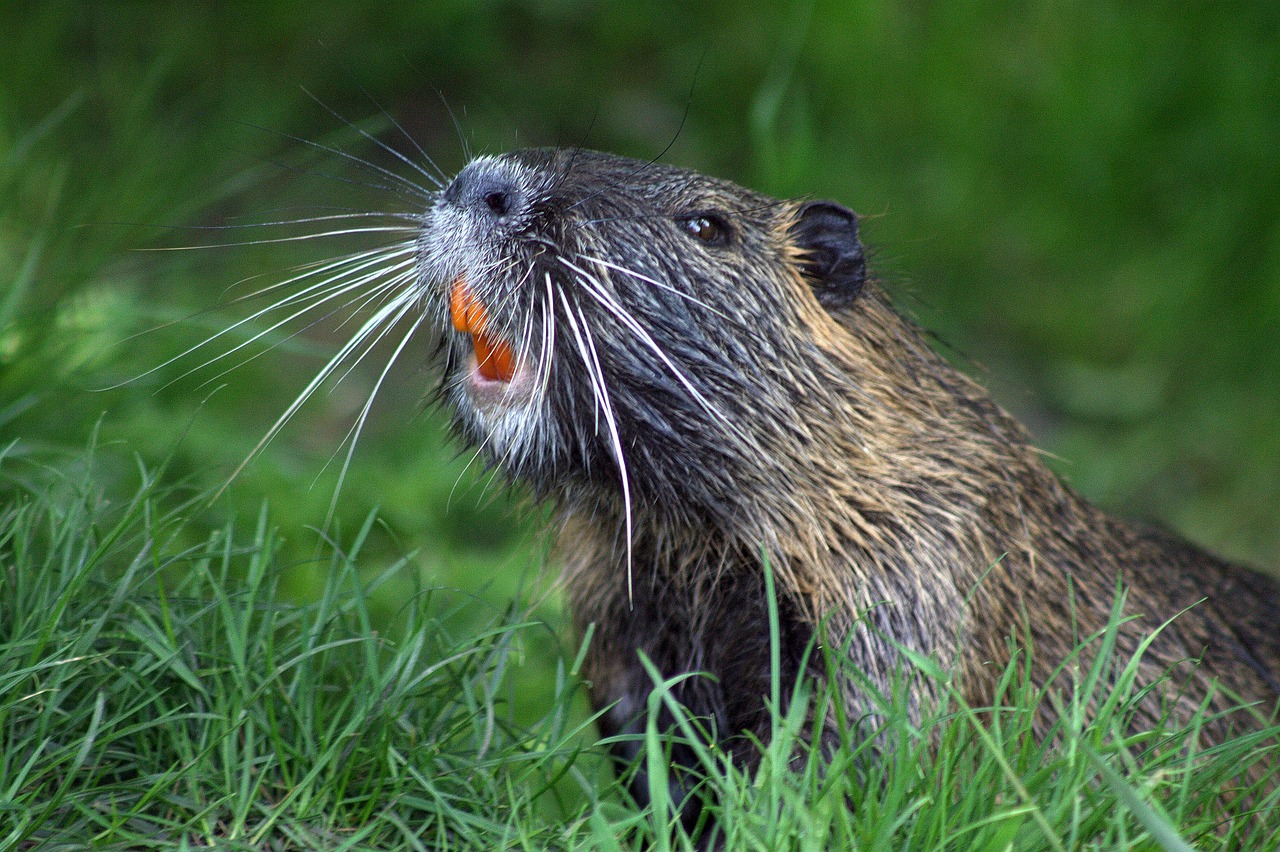
European aristocrats in the seventeenth century couldn’t get enough of their beaver hats. These weren’t just any headpieces – they were status symbols of the highest order. The resultant high expense meant that beaver hats were extremely costly and generally worn only by the wealthiest of classes. Think of them as the luxury cars of their era, except even more exclusive.
Author of Anatomy of Abuses, Philip Strubbs listed the cost of a beaver hat at 40 shillings in 1583. Adjusted to the 2005 retail price index, this would be about £359.15 in today’s prices. A 1661 quote of 45 shillings for a beaver hat would be £238.23. These prices represented serious wealth, equivalent to several weeks’ wages for most people.
When Fashion Met Survival

The production of the actual beaver hats required a process called felting. Beaver fur has tiny barbs on the ends which, when pressed, interlock to form a solid fabric called ‘felt.’ This water-resistant quality of beaver hats, along with their wide brims, made them an ideal choice for the rainy English climate, especially before the invention of the umbrella.
The practical benefits were just as important as the prestige. Firstly, beaver fur was known for its exceptional quality and durability. The dense and water-resistant nature of beaver fur made it ideal for hat-making. This wasn’t merely about looking good, it was about staying dry and warm while making a statement about your place in society.
The American Goldmine Discovered
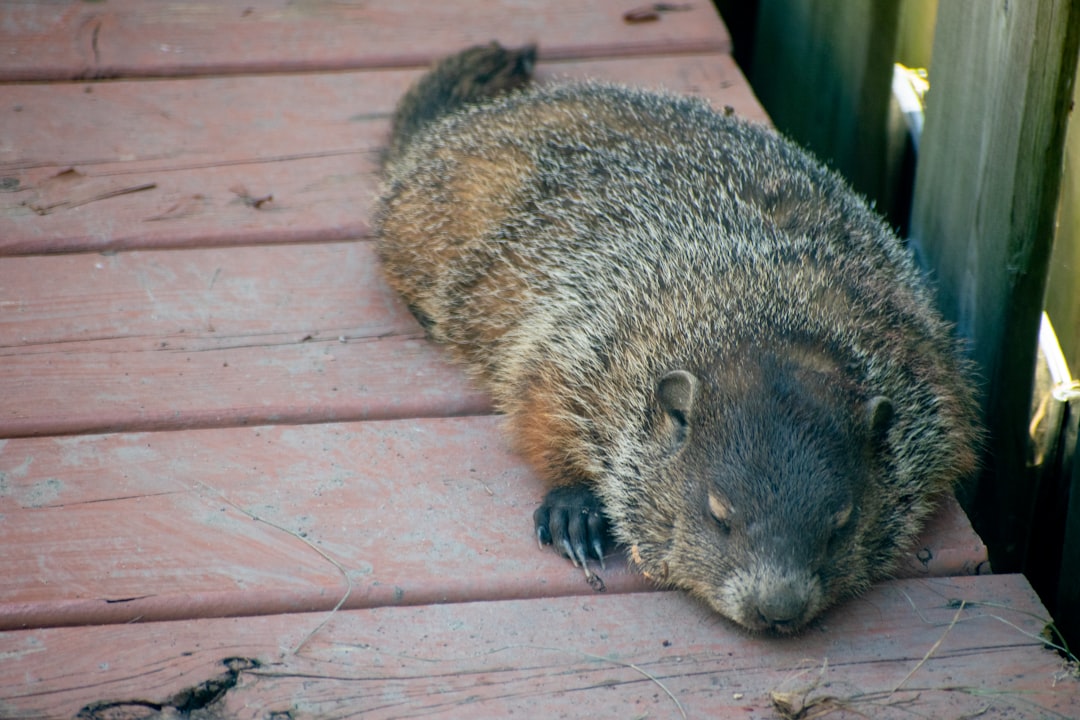
When the Europeans came, there were an estimated sixty million to four hundred million beavers in North America. The animals had a beneficial effect on the environment, because their dams served as a means of flood control and created ponds with rich silt that made for fertile soil. This vast population represented an untapped treasure trove that would soon capture European attention.
The fur trade began in the 1500’s as an exchange between Indians and Europeans. The Indians traded furs for such goods as tools and weapons. Beaver fur, which was used in Europe to make felt hats, became the most valuable of these furs. The exchange seemed simple enough, yet it would transform both continents forever.
What made this trade particularly lucrative was the markup potential. A good beaver skin could be bought off an Indian for a piece of bright cloth and could be sold for £2. The profit was around 900 per cent.
John Jacob Astor: The Beaver Baron
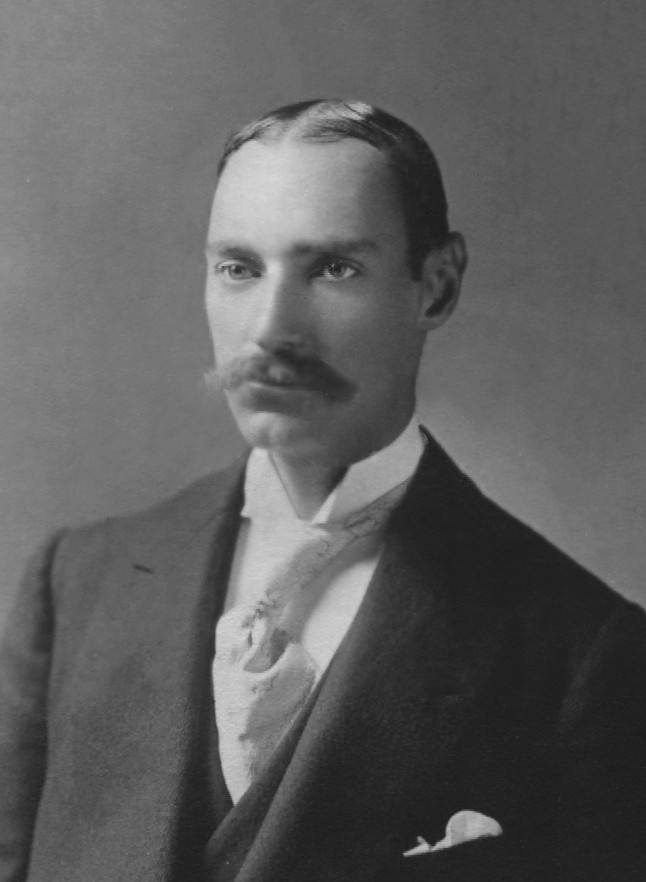
Among all the fortune-builders who rode the beaver wave to wealth, none succeeded quite like John Jacob Astor. John Jacob Astor (born Johann Jakob Astor; July 17, 1763 – March 29, 1848) was a German-born American businessman, merchant, real estate mogul, and investor. Astor made his fortune mainly in a fur trade monopoly, by exporting opium into the Chinese Empire, and by investing in real estate in or around New York City during the late 18th and early 19th centuries. He was the first prominent member of the Astor family and the first multi-millionaire in the United States.
John Jacob Astor, the man most closely associated with the American fur trade and whose name is a synonym for wealth surpassing imagination, became involved in the business without ever setting a trap. The German-born immigrant to the United States, who rose from obscurity to build a financial empire, typifies the great American success story.
His business model was brutally effective. He saw the huge markups that beaver fur could get – you know, 600 percent, 700 percent, 800 percent markups. From a humble beginning selling musical instruments, Astor transformed himself into America’s wealthiest man through his understanding of this single market.
The Trading Empire’s Infrastructure

The American trade, which moved along the main water systems, was organized largely through chartered companies. By the early decades of the nineteenth century, the Hudson’s Bay Company, the Northwest Company, and the American Fur Company had, combined, a system of trading posts across North America, including posts in Oregon and British Columbia and on the Mackenzie River.
The Hudson’s Bay Company became particularly dominant in this trade. The establishment of the Hudson’s Bay Company in 1670 was primarily driven by the quest for raw materials, specifically beaver fur. In its early days, the company even enticed influential men in London with complimentary beaver hats valued at £34 to stimulate investment in the company. They knew exactly what would motivate investors.
Soon beaver pelts were so valuable that they became their own currency in the Rocky Mountain region. They were not only worth dollars, but … Hudson’s Bay Company was the first corporation in North America. This created an entire economic system based on a single animal’s pelt.
The Human Cost of Fur Fever
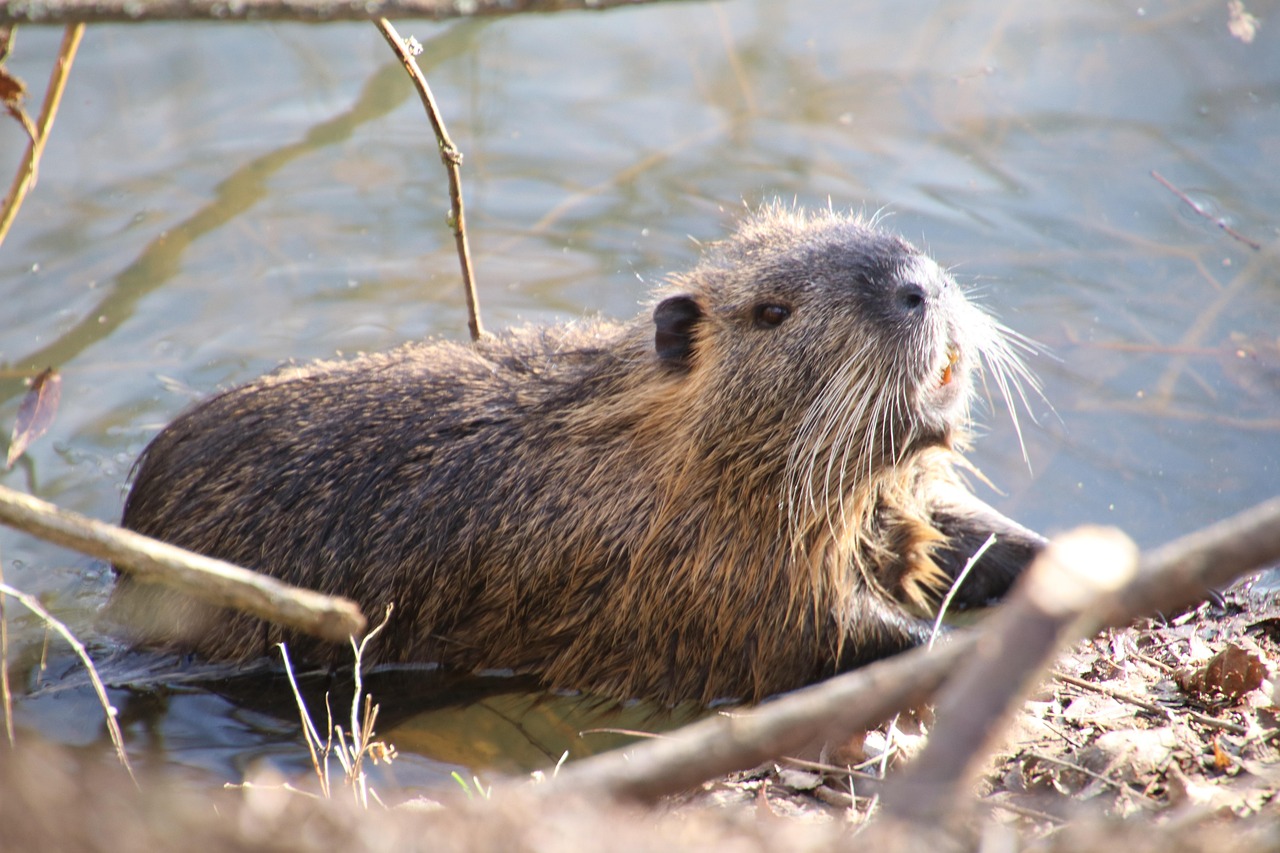
The beaver trade wasn’t just about profits and luxury goods. The fur trade reshaped American Indian life, however. Indians acquired brass kettles, axes, hatches, farm implements, and metal fishing hooks that altered the way they lived. Firearms changed the way they hunted and the way they went to war with each other and with Europeans.
By the 1660s, there were troubling signs that beaver and other animal populations were in decline because of the tremendous demand. In one six-year period, for example, the trader William Pynchon alone bought nine thousand beaver furs and hundreds of moose, otter, raccoon, muskrat, and other furs. The scale of exploitation was staggering.
The environmental consequences proved equally severe. The number of beavers and river otters killed during the fur trade was devastating for the animals’ North American populations. The natural ecosystems that came to rely on the beavers for dams, river and water management and other vital needs were also ravaged, leading to ecological destruction, significant environmental change, and even drought in certain areas.
The Empire’s Inevitable Decline
Even the most profitable empires eventually face their reckoning. In addition, the value of beaver fur dropped sharply in the 1830’s, when European hat manufacturers began to use silk instead of felt. By 1870, most fur-trading activity had ended. Fashion, the very force that had created this empire, ultimately destroyed it.
Following a decline in demand due to changing European styles and tastes in beaver fur mens’ hats and clothing tastes, he got out of the fur trade in 1830, diversifying by investing in New York City real estate. At the time of his death in 1848, Astor was the wealthiest person in the United States, leaving an estate estimated to be worth between $20 and $30 million, (equivalent to about $700 million in 2023) or 0.9% to 1.35% of estimated US GDP at the time.
Astor’s timing proved perfect. He recognized the end was coming and pivoted his wealth into Manhattan real estate, which became the true foundation of the family fortune. Astor had seen the beginning of the end on a trip to London in 1832: he saw the silk hats in the streets. Besides, the beaver had almost been exterminated: it was saved by the collapse of the trade.
Legacy of the Beaver Empire
The beaver trade left an indelible mark on American development. The fur trade contributed to the development of British and French empires in North America. During the 1600’s, the prospect of wealth from the fur trade attracted many Europeans to the New World. Traders and trappers explored much of North America in search of fur. They built trading posts in the wilderness, and settlements grew up around many of these posts.
In quest of “soft gold” (beaver, otter, and other lightweight and highly valuable fine furs), which created fortunes large and small for lucky entrepreneurs, the fur hunters’ rosters included capable explorers who expanded the fur trade’s theater of operations and also shed light on western geography. Traders drafted many useful maps and wrote reports meant to help their governments secure geopolitical objectives. The pursuit of beaver pelts quite literally mapped the continent.
Today, reminders of this beaver-built empire still exist throughout North America. Today, the Astor name is etched into the infrastructure of New York City, such as the Astor Place subway station, which bears an homage to the Astor family’s origins. “A lot of people probably wonder, ‘Why are there beavers here chewing on trees?'” “And this is a reference to the creation of the Astor fortune.”
The story of the beaver trade reveals how a single animal species could reshape entire continents and create generational wealth. From European fashion trends to American expansion, from Native American cultures to environmental destruction, the beaver’s influence touched every aspect of early North American development. It’s a reminder that sometimes the smallest creatures carry the biggest consequences. What other seemingly ordinary animals might be quietly shaping our world today?

- The Vital Role of Bees in Maintaining Our Planet’s Delicate Ecosystems - August 14, 2026
- 5 Signs Your Cat Gives You When It’s Time To Cross The Rainbow Bridge - August 14, 2026
- The World’s Most Resilient Creatures Defy All Odds to Survive - August 14, 2026