
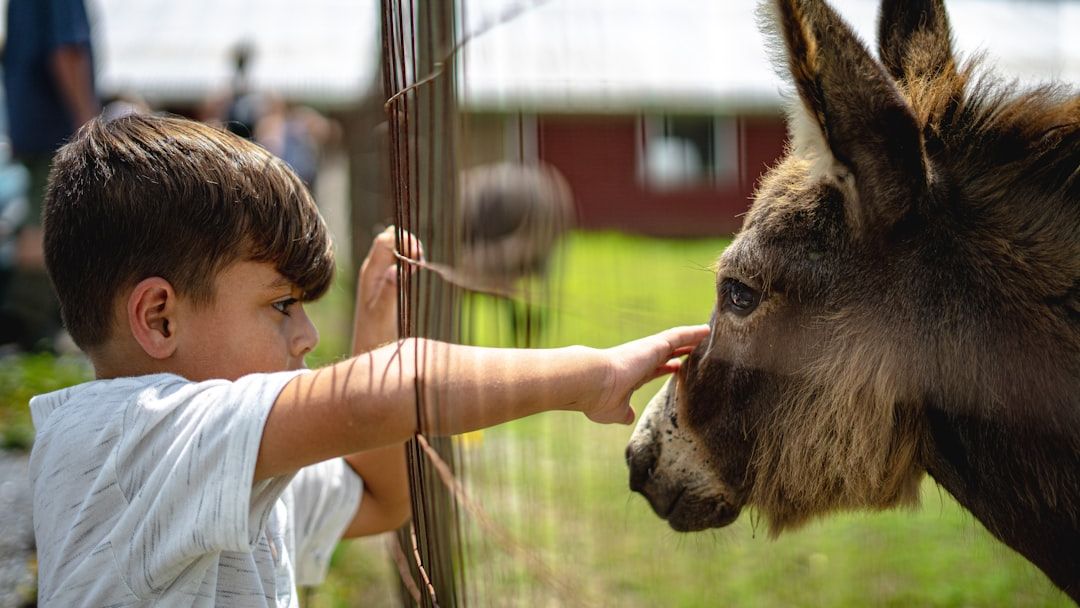
Think about the last time a classroom truly captivated you. Most traditional educational spaces feel sterile, disconnected from the vibrant world outside their walls. While modern schools excel at delivering facts and figures, they’re missing something profound that indigenous cultures have understood for centuries: the transformative power of animal wisdom and natural connection.
Traditional education systems focus heavily on academic achievement through standardized testing, yet they overlook the deeper intelligence that comes from understanding our relationship with the natural world. Native American cultures have always recognized that animals are teachers, guides, and sources of profound wisdom that can shape human character and understanding. Let’s explore why today’s educational approach falls short and what we can learn from this ancient knowledge.
The Sacred Teacher Missing from Science Class
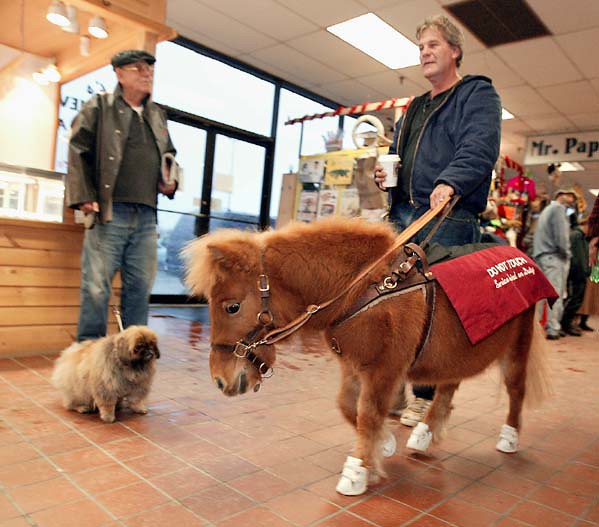
In Native American traditions, animals are sometimes used to communicate values and spiritual beliefs of Native communities, with Indigenous people understanding the importance of all living things and looking to animals as guides and teachers. For some, the knowledge of the natural world has been a central tenet of their lives and worldviews since the dawn of time, with the natural world not viewed as a separate entity but one, interconnected aspect of the whole. Yet most modern classrooms reduce animal study to mere biological facts and classification systems.
Students memorize the number of chambers in a bird’s heart but never learn that the eagle can fly so high to carry your message to the creator. They study migration patterns without understanding that these journeys represent resilience, adaptation, and the wisdom of following natural cycles. This clinical approach strips away the deeper lessons animals offer about community, survival, and living in harmony with our environment.
The Missing Connection Between Observation and Character
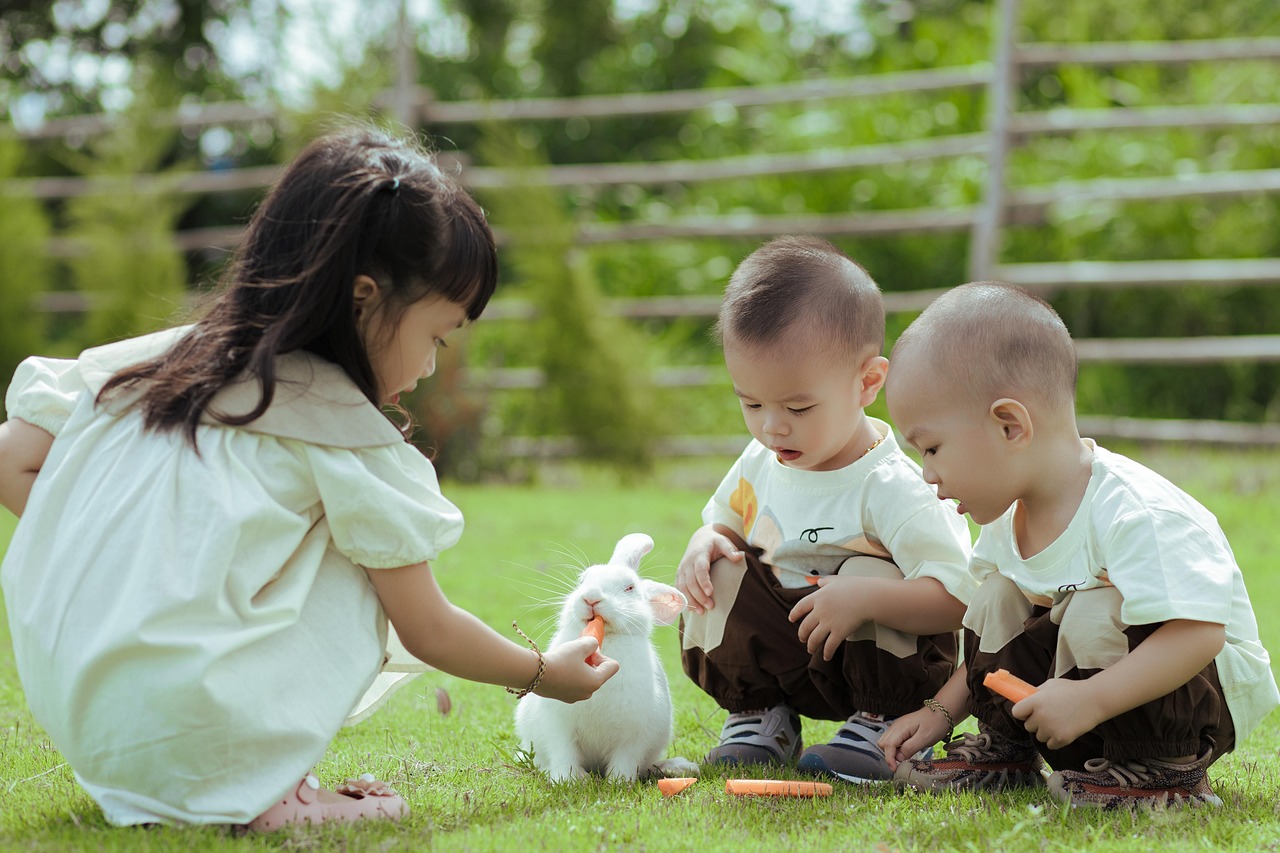
Educational research suggests that children who learn to extend justice, kindness, and mercy to animals often become more just, kind and considerate in their relations to one another, potentially resulting in adults with broader sympathies. In Native American cultures, animals are not symbols but relatives, teachers, and messengers. Traditional education misses this profound connection between animal observation and character development.
Modern schools might have classroom pets or take field trips to zoos, but these experiences rarely translate into meaningful character lessons. Students observe but don’t truly connect. They see animals as entertainment rather than as living examples of qualities like loyalty, courage, patience, or cooperation.
The Wisdom of Pack Dynamics Lost in Individual Achievement
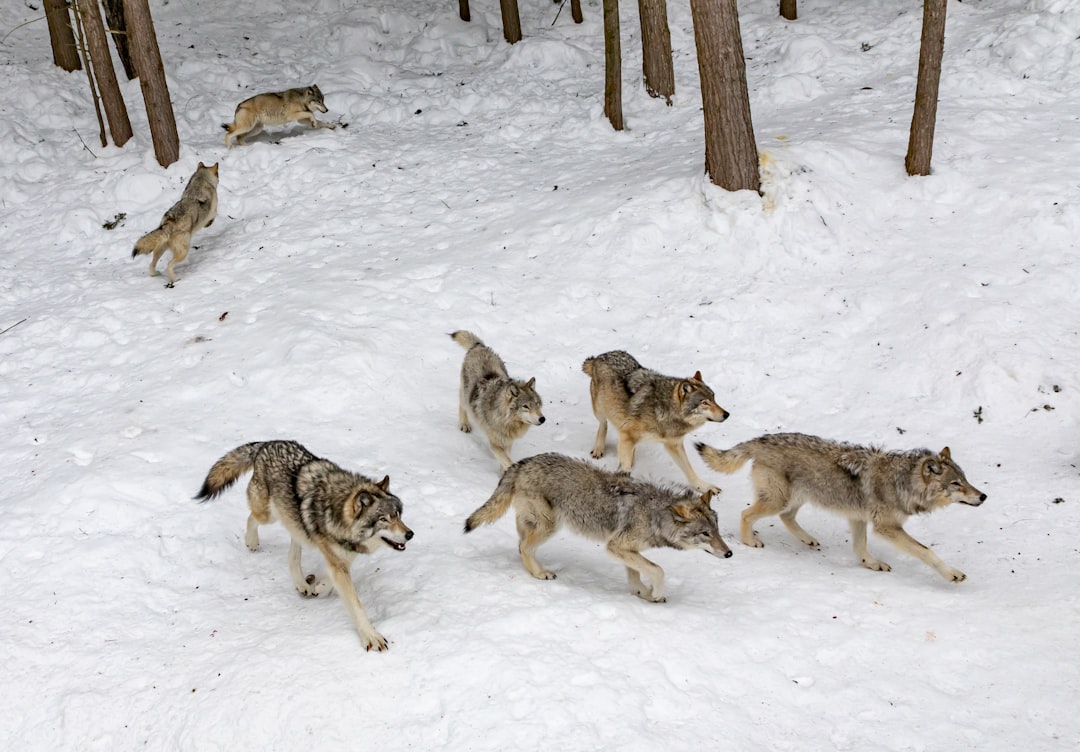
The wolf is a revered spirit animal in many Native American traditions, symbolizing loyalty, perseverance, and sharp instincts, known for their highly social nature and complex family structures that emphasize cooperation and mutual support. The wolf spirit teaches about the importance of community and family bonds while guiding us to trust our instincts and be adaptable in the face of change.
Yet modern educational systems emphasize individual competition over collective wisdom. Students compete for grades rather than learning from the wolf’s example of how individual strength serves the greater good. The pack mentality teaches that true success comes from supporting others, sharing knowledge, and understanding that everyone has a unique role to play.
Environmental Wisdom Reduced to Abstract Concepts
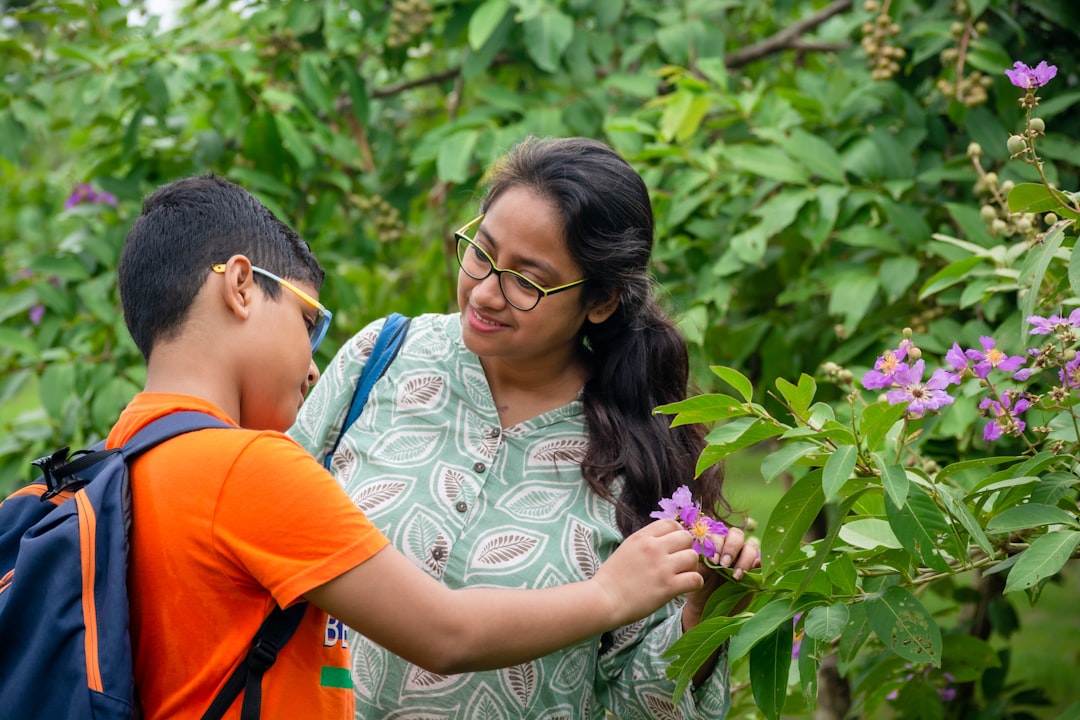
The focus on direct experiences with local wild animals stems from the fact that classroom teaching and general public education on global challenges like climate change and biodiversity loss may feel too abstract to translate into sustainable actions. Modern children have far better access to exotic animals on other continents than they have with animals from the local environment, with reduced contact with nature and highly specialized biology teaching playing a role in children having less insight into the biological aspects of their immediate environment.
Traditional schools teach about ecosystems through textbooks and diagrams, but students never experience the interconnected web of life firsthand. They learn about food chains without understanding the sacred responsibility that comes from taking only what you need and giving back to the system that sustains you.
The Art of Patient Observation Replaced by Instant Information
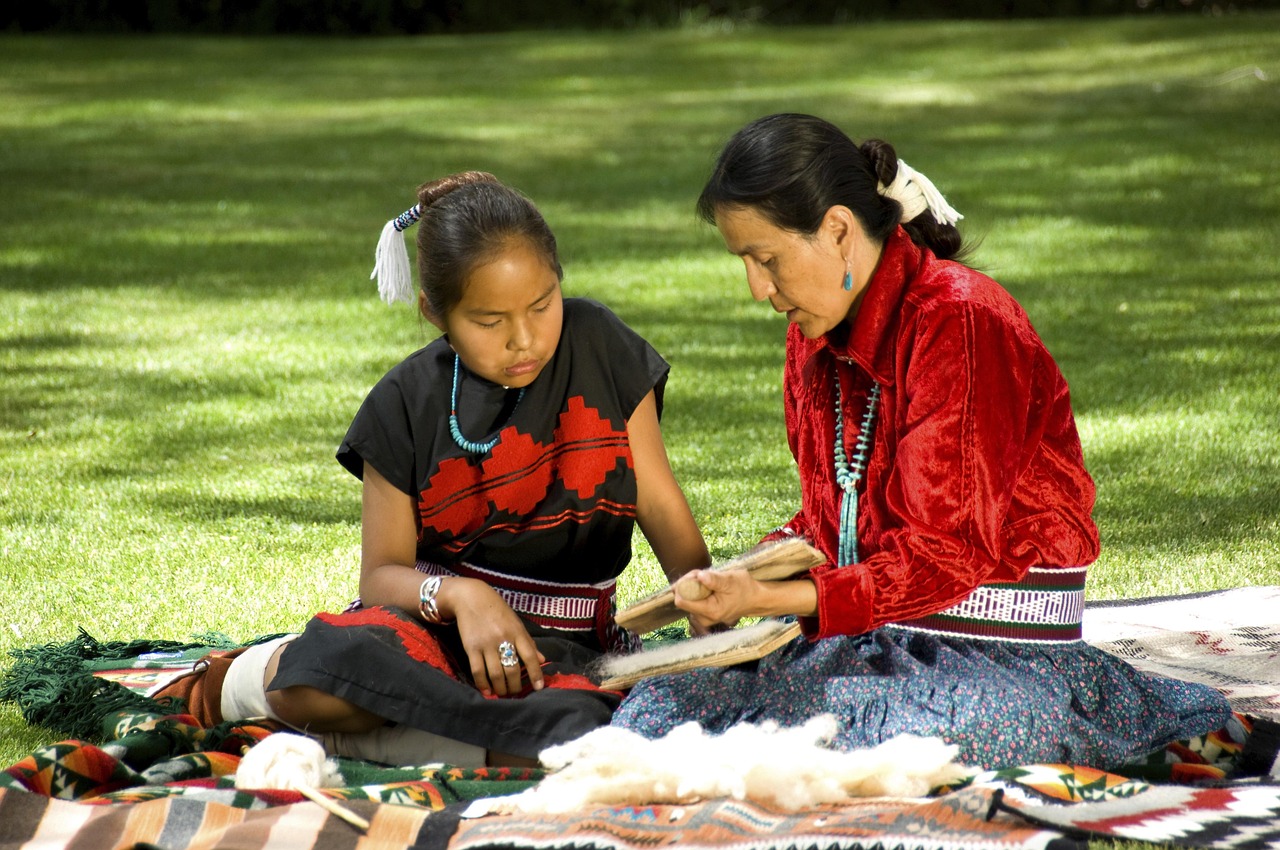
Teaching children to interact with living creatures in an ethically responsible manner and guiding them to identify what is interesting, to endure that observations are sometimes tedious, and to understand that noticing something remarkable requires patience and time. When photographing a grey wolf or watching an eagle pass overhead, it’s not just capturing behavior but witnessing ceremony, a continuation of reverence that has guided native traditions for millennia.
Modern education trains students to expect immediate answers and quick results. They Google information rather than sitting quietly to observe and learn from direct experience. This instant-gratification approach prevents the deep, contemplative learning that comes from patient observation of animals in their natural state.
Spiritual Intelligence Dismissed as Unscientific
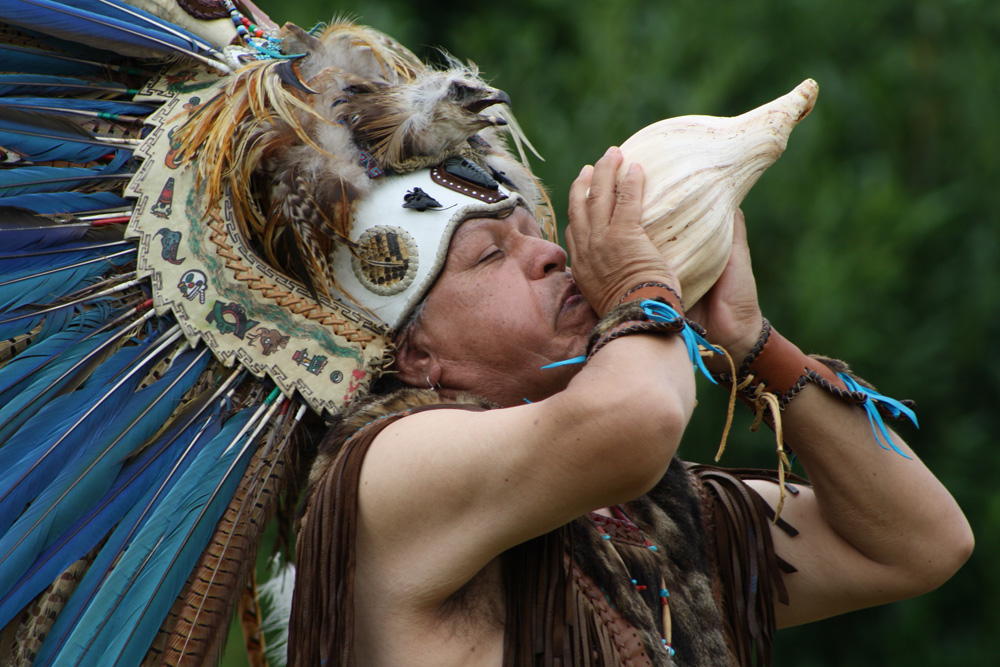
Many Native American cultures have the belief that a person is assigned an animal upon the time of birth, with animals honored as they bring teachings known as “animal medicine” throughout a person’s lifetime. Some Native American tribal traditions provide that each person is connected with multiple animal guides that will accompany them through life, with this one totem animal acting as the main guardian spirit.
Modern secular education systems dismiss this spiritual dimension of learning as unscientific or inappropriate for classroom settings. Yet they miss the profound psychological and emotional development that comes from understanding our deeper connection to the natural world. Students graduate with scientific knowledge but lack the spiritual grounding that helps them understand their place in the larger web of existence.
The Classroom Cage Versus Natural Habitat Learning
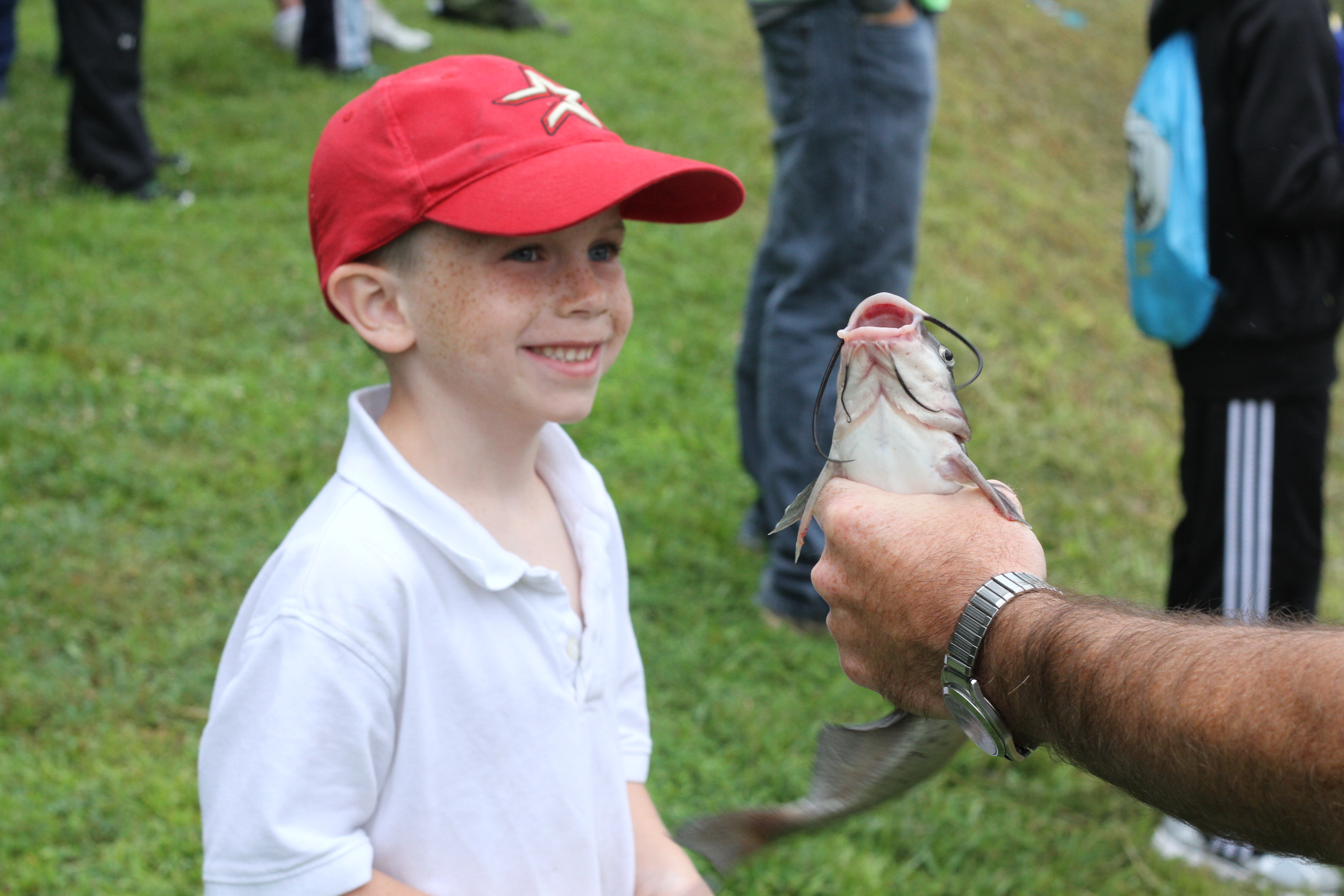
The best approach allows students to observe animals in their natural habitat, as removing animals from their natural environment and observing them in an artificial environment de-emphasizes how important it is for animals to be able to provide for themselves. Parents and caregivers should create room for observations of the most insignificant and common organisms in the immediate environment, with the child-parent dyad exploring humble creatures in their vicinity to inspire the child to discover mystery and otherness all around.
Most school animal programs involve caged creatures or controlled environments that teach students very little about authentic animal behavior or natural wisdom. A hamster running on a wheel teaches different lessons than watching wild animals navigate their natural challenges with grace and intelligence.
Standardized Testing Versus Intuitive Learning

Testing procedures are likely designed to provide an inventory of assimilated information with no metrics to gauge changes in lifestyle or behavior, with comprehension measured by a student’s ability to memorize key bits of information rather than grasp the concepts from which the information is derived. Mainstream American schools utilize a pedagogy emphasizing rote memorization and regurgitation of facts, providing very little time for movement, self-discovery, or relational thinking – three essential ingredients of Indigenous lifeways.
Standardized curricula leave no room for the kind of experiential, intuitive learning that animal wisdom provides. Students might pass tests about animal behavior but never develop the deeper wisdom that comes from actually connecting with and learning from animals as living teachers.
The Domesticated Mind in a Wild World
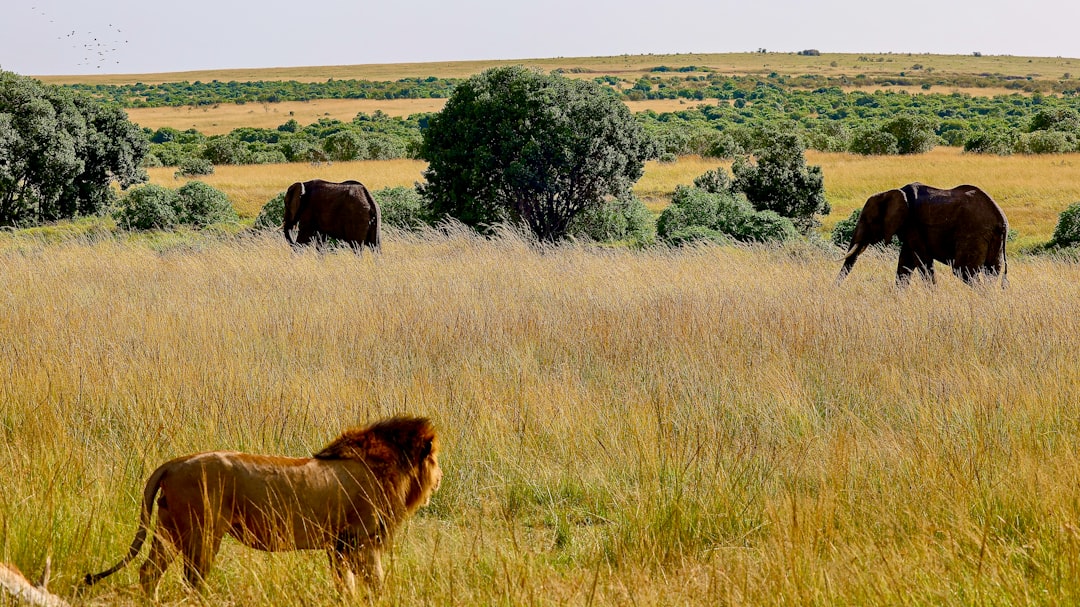
This interconnectedness equates to a moral responsibility to care for, live in harmony with, and respect the natural world. Many Yukon First Nations people find the assumption of control inherent in agricultural metaphors absurd, perhaps offensive to animals, with traditional knowledge holders emphasizing that animals manage themselves and make their own decisions independently of human desires.
Modern education trains students to think in terms of control and management rather than relationship and respect. This creates graduates who see themselves as separate from and superior to nature rather than as participants in an interconnected web of relationships. They learn to exploit rather than to listen, to manage rather than to cooperate.
Empathy as Academic Subject Versus Living Practice
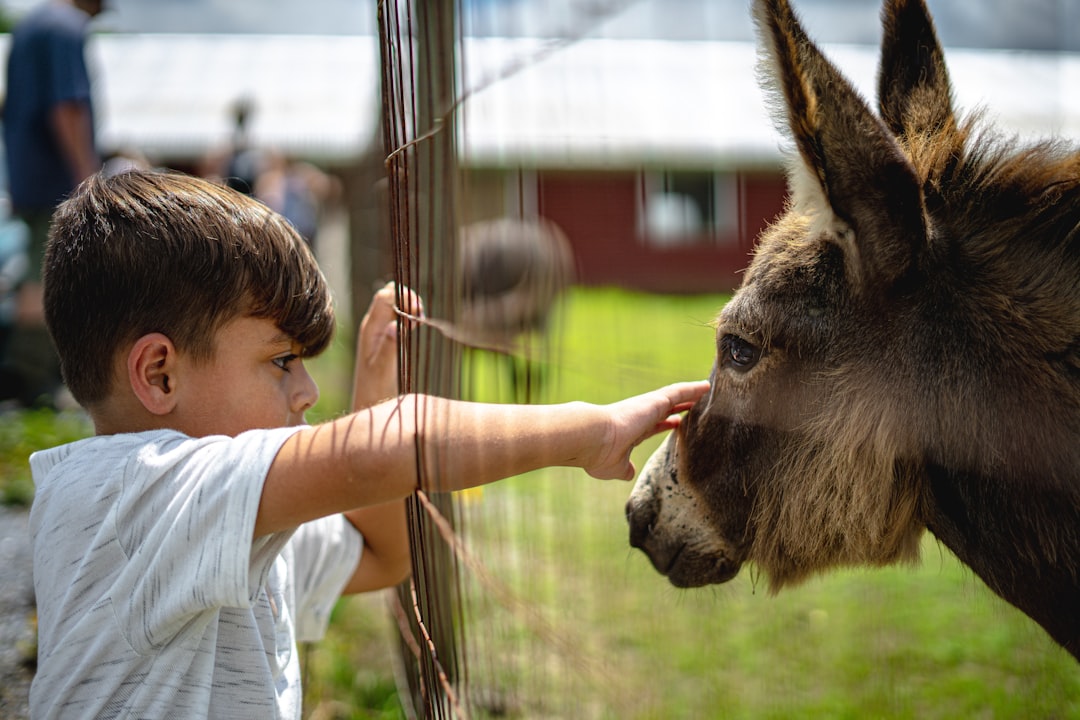
Witnessing animals up close instills a sense of empathy and compassion in students, teaching children to respect life and understand the importance of caring for all living creatures. These shows teach students to respect life and understand the importance of caring for all living creatures, with students more likely to grow into environmentally responsible adults by fostering emotional connections that allow them to see the complexity and beauty of life.
While schools might teach about empathy in social studies classes, they rarely provide the authentic experiences with animals that naturally cultivate this essential human quality. Reading about compassion in textbooks is vastly different from developing genuine care through direct relationship with living beings.
Individual Success Versus Community Wisdom
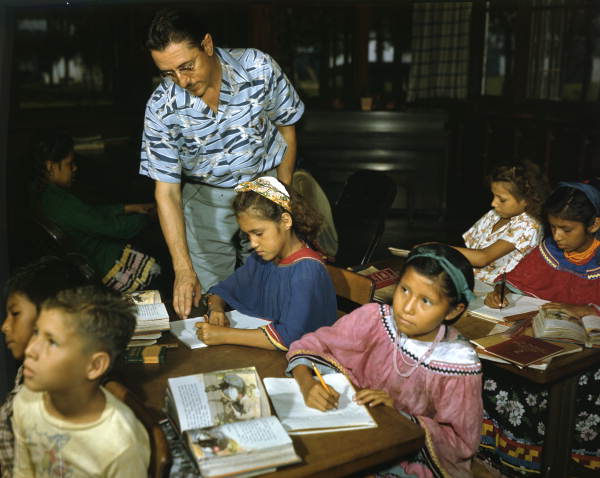
Indigenous alternative schools counter mainstream conventional education with more culturally contextualized learning to reclaim wisdom lost during global colonization, recognizing that kids are active, relational learners rather than passive recipients of knowledge. Native American tribes’ tradition provides that each person is connected with different animal guides that come in and out of their lives depending on the direction they are headed and the tasks that need to be completed along their journey.
Traditional education focuses on individual achievement and competition rather than understanding how personal gifts serve the larger community. Animal wisdom teaches that every creature has a unique role in maintaining the balance of the whole ecosystem, a lesson desperately needed in our increasingly fragmented society.
The Path Forward: Reclaiming Animal Teachers
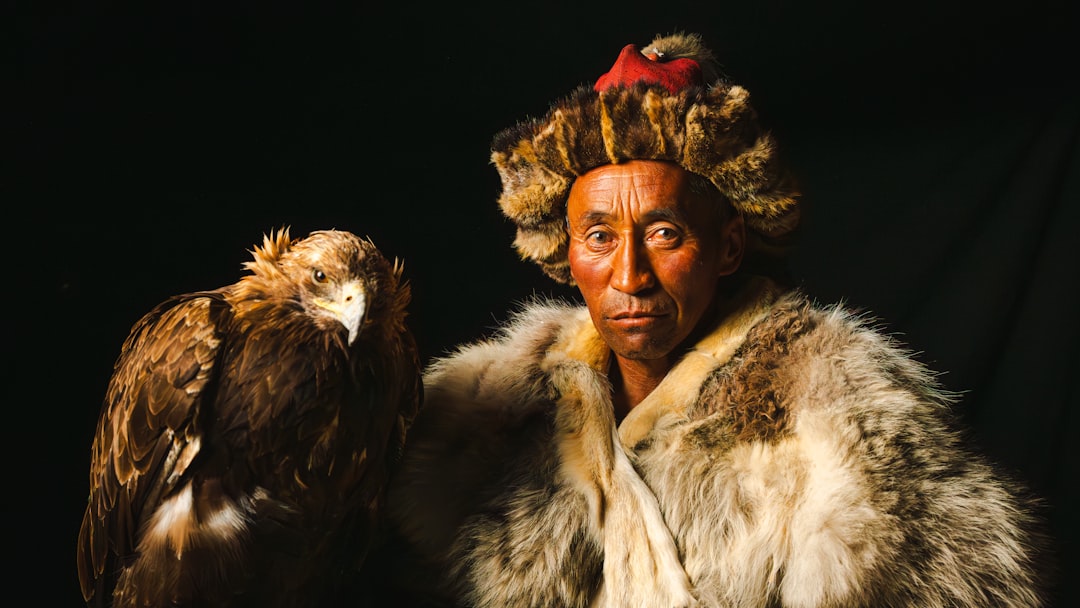
Educational initiatives can address the cycle of misconception rooted in decades of miseducation, with Native Americans telling their own collective story and positioning understanding of history to better deal with issues faced as a nation today. Programs can help develop deep feelings for animals, the environment, and other people based on empathy, understanding and respect, while helping develop personal beliefs and values based on wisdom, justice, and compassion.
The solution isn’t to abandon scientific education but to expand it. Schools can integrate indigenous wisdom about animals while maintaining academic rigor. This means creating opportunities for direct observation, encouraging patient learning, and understanding animals as teachers rather than just subjects of study.
What would education look like if we remembered that every animal has something profound to teach us about living well? The wisdom is there, waiting for us to listen with both our minds and our hearts.

- 13 Reasons Goldfinches Stopped Coming to Your Yard – And the Simple Fix Most Gardeners Miss - June 13, 2026
- 6 Clues That Life May Have Started in Space - June 13, 2026
- 10 Common Dog Behaviors and What They Actually Mean - June 13, 2026