
Picture this: temperatures soaring beyond what seems survivable, water scarce as precious metal, and landscapes so barren they could pass for another planet. North America’s deserts push life to its absolute limits, yet these seemingly impossible environments teem with creatures that don’t just survive – they flourish. From the scorching Sonoran to the expansive Mojave, these harsh landscapes have forged some of nature’s most extraordinary survivors.
These remarkable animals have developed survival strategies that would make any wilderness expert envious. Their stories of adaptation aren’t just fascinating – they’re inspiring lessons in resilience that might just change how you think about overcoming challenges in your own life.
Desert Bighorn Sheep – The Mountain Acrobat
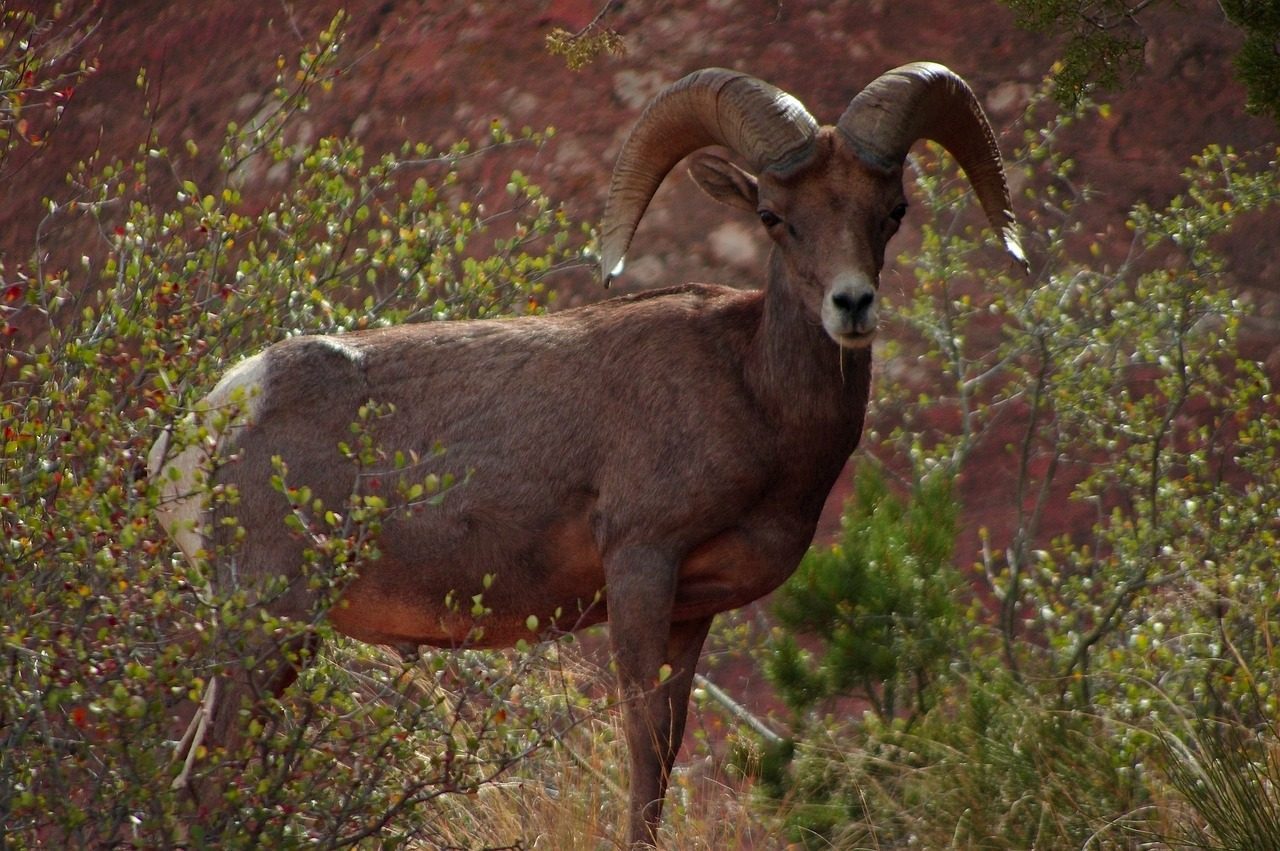
Desert Bighorn Sheep are some of the largest mammals found in the North American deserts, favoring the dry, desert mountains found throughout the region, gingerly scaling along a high mountain cliff. These incredible athletes possess something that would make any rock climber jealous: concave hooves that allow them to climb steep, rocky desert mountains quickly and easily, helping them escape predators such as mountain lions, coyotes and bobcats.
What truly sets these desert dwellers apart is their water conservation mastery. These agile animals are well adapted to Nevada’s dry environment, going several weeks without water while living mostly off grasses and, sometimes, cacti. These sheep are experts at conserving water, often going without it for extended periods. Their survival strategy is elegantly simple yet profoundly effective – they extract moisture from the vegetation they consume, turning cacti and desert grasses into their personal water bottles.
Kangaroo Rat – The Ultimate Water Miser
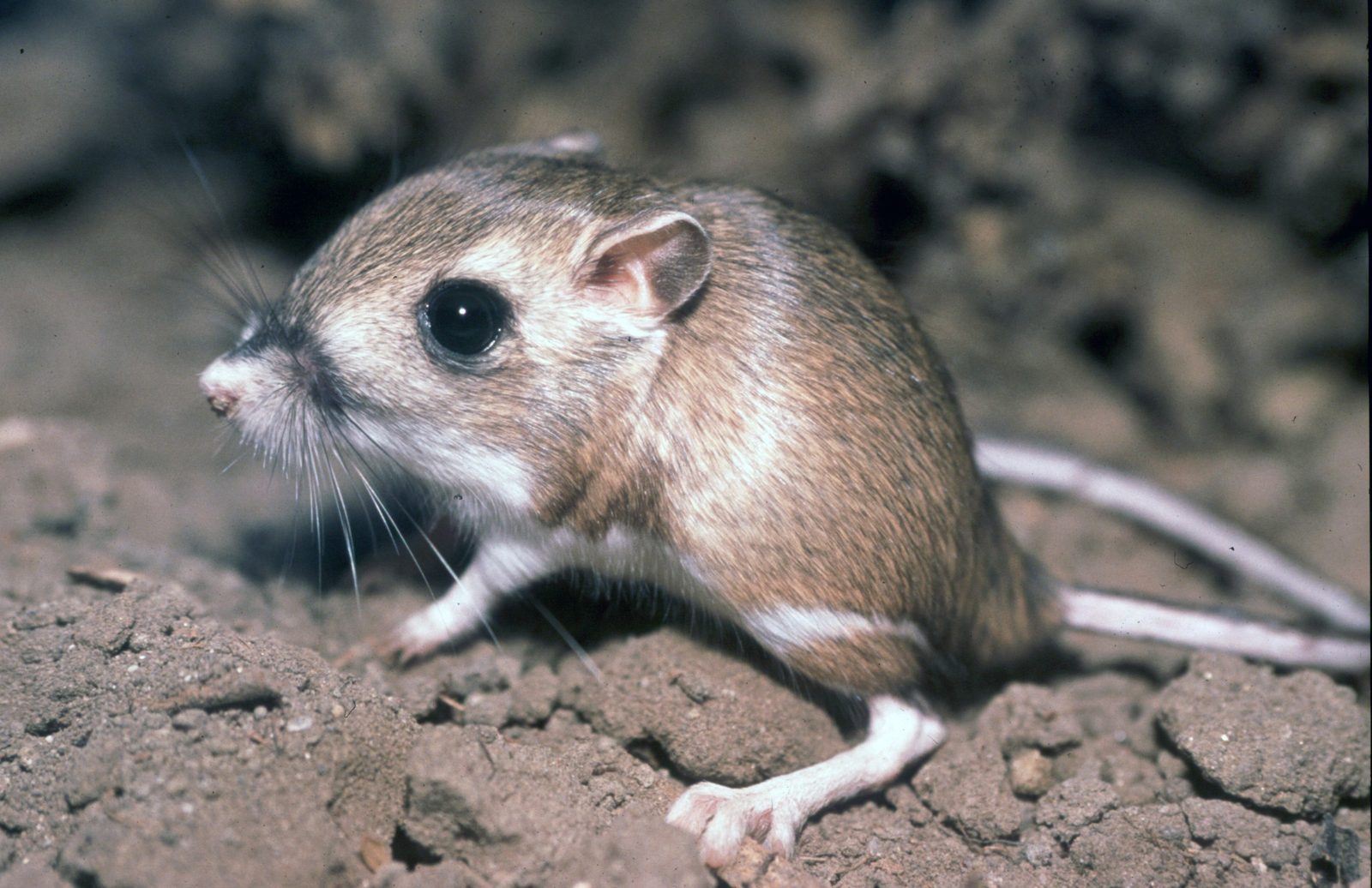
The kangaroo rat has perhaps the most amazing combination of adaptations for desert survival. Not only does it live in a burrow and is nocturnal, but it recaptures it’s own body moisture by storing food within its burrow. These tiny engineers have solved the desert’s greatest challenge with ingenuity that borders on the miraculous.
Kangaroo rats, and some other desert rodents, actually manufacture their water metabolically from the digestion of dry seeds. These highly specialized desert mammals will not drink water even when it is given to them in captivity! Their kidneys work like ultra-efficient filters, able to retain as much water as possible. It also has specialized tissues in its nasal passages that help it retain much of the moisture that is normally lost through breathing.
Kit Fox – The Desert’s Tiny Predator
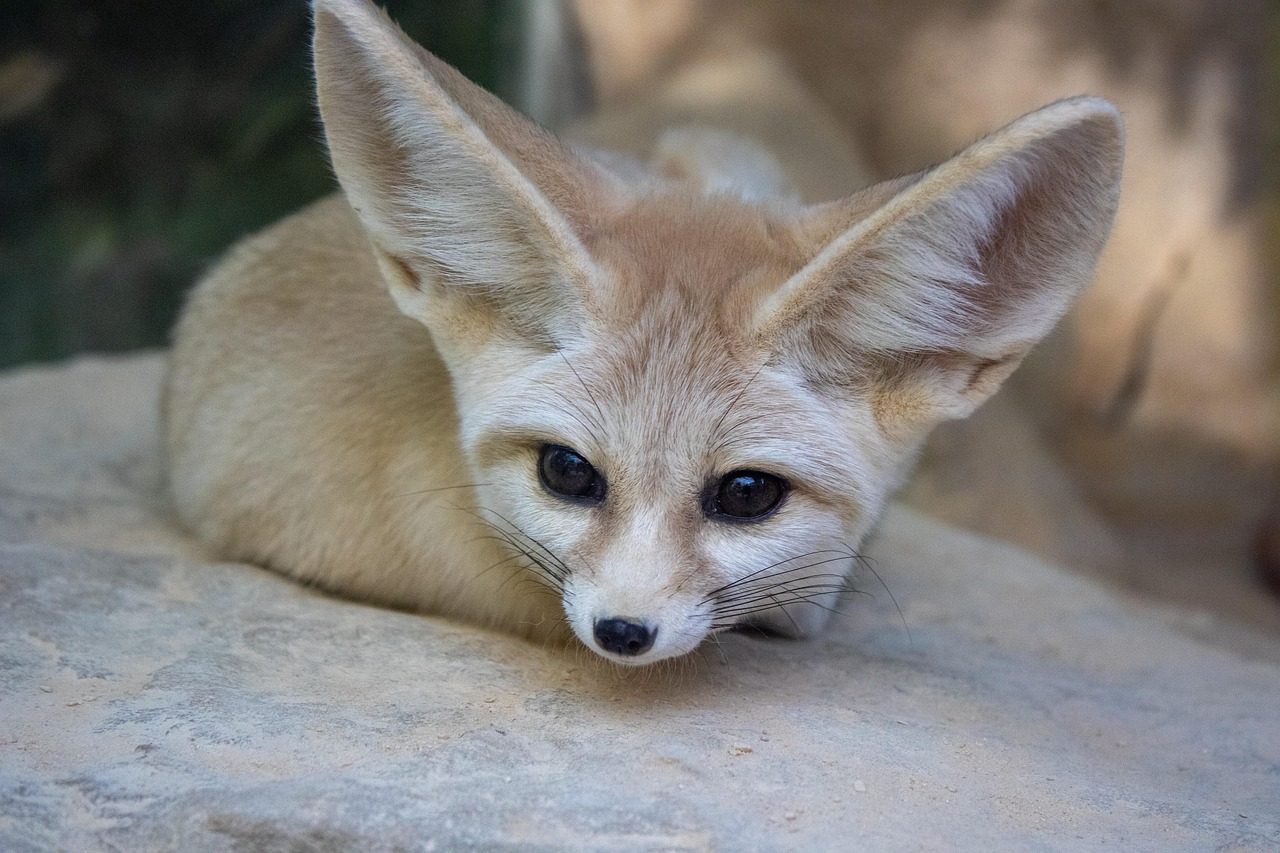
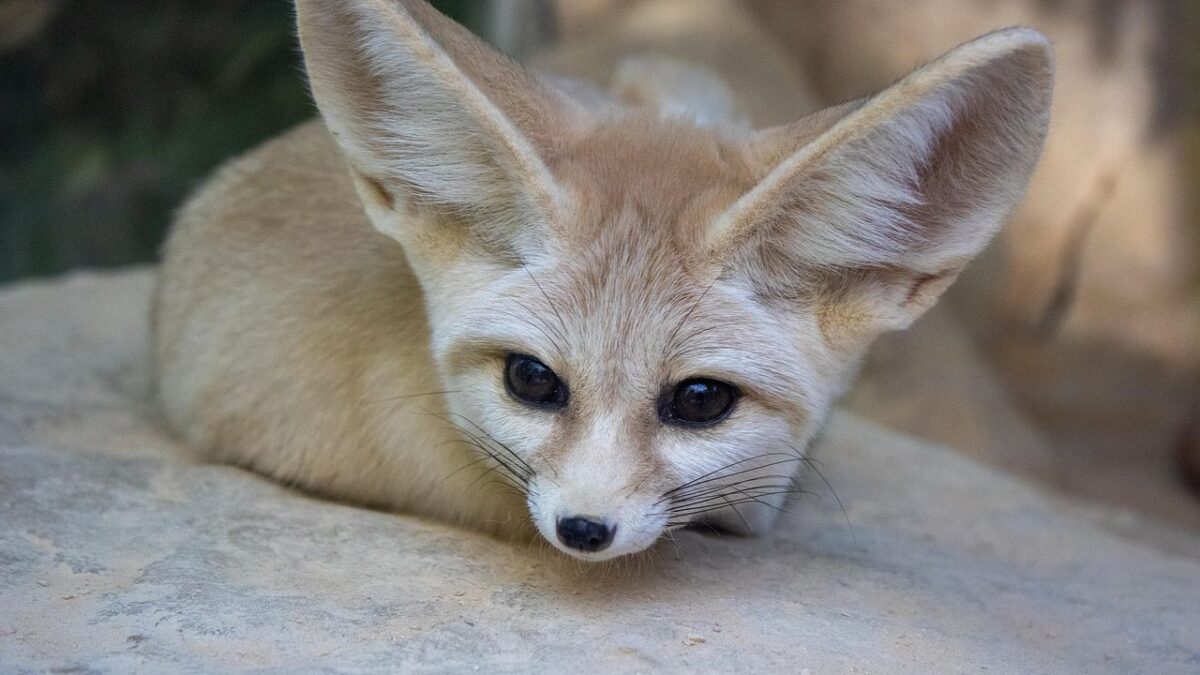
Due to their small size, kit foxes are not only predators; they are prey to bigger animals and raptors. Their cousin the coyote is their greatest enemy. Yet these remarkable little hunters have carved out their niche in the desert through cleverness and adaptation that would impress any survivalist.
Kit foxes keep multiple dens with several different entrances and exits. Tunnels typically run 3 to 5 feet long underground. They rotate, moving to a new den often. This keeps the fleas down and the coyotes guessing. Their oversized ears aren’t just for show – they’re sophisticated heat radiators and sound detectors that give them a survival edge in the harsh desert environment.
Greater Roadrunner – The Ground-Speed Champion
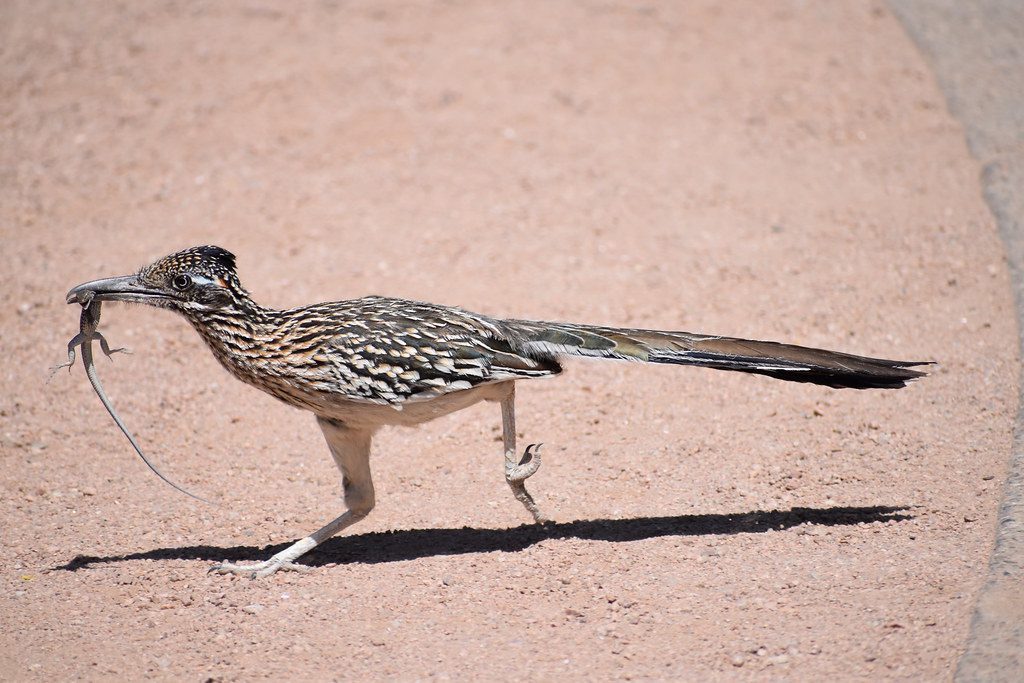
Greater roadrunners are medium-sized birds that favor arid deserts and regions with scattered brush and grass. Named what they are because of their ability to reach speeds of up to 20 miles per hour, roadrunners can easily outrun a human. Despite being a bird, they have a preference for moving on the ground and flying only when completely necessary. These feathered speedsters have essentially abandoned the sky for the desert floor.
As desert dwellers, they handle the scorching heat by reducing their activity at midday. To conserve energy, they enter hypothermia at night. They can conserve water when there’s scarcity, and their nasal glands secrete salt. Think of them as living thermostats, constantly adjusting their internal temperature to match the desert’s extreme conditions.
Gila Monster – The Venomous Survivor
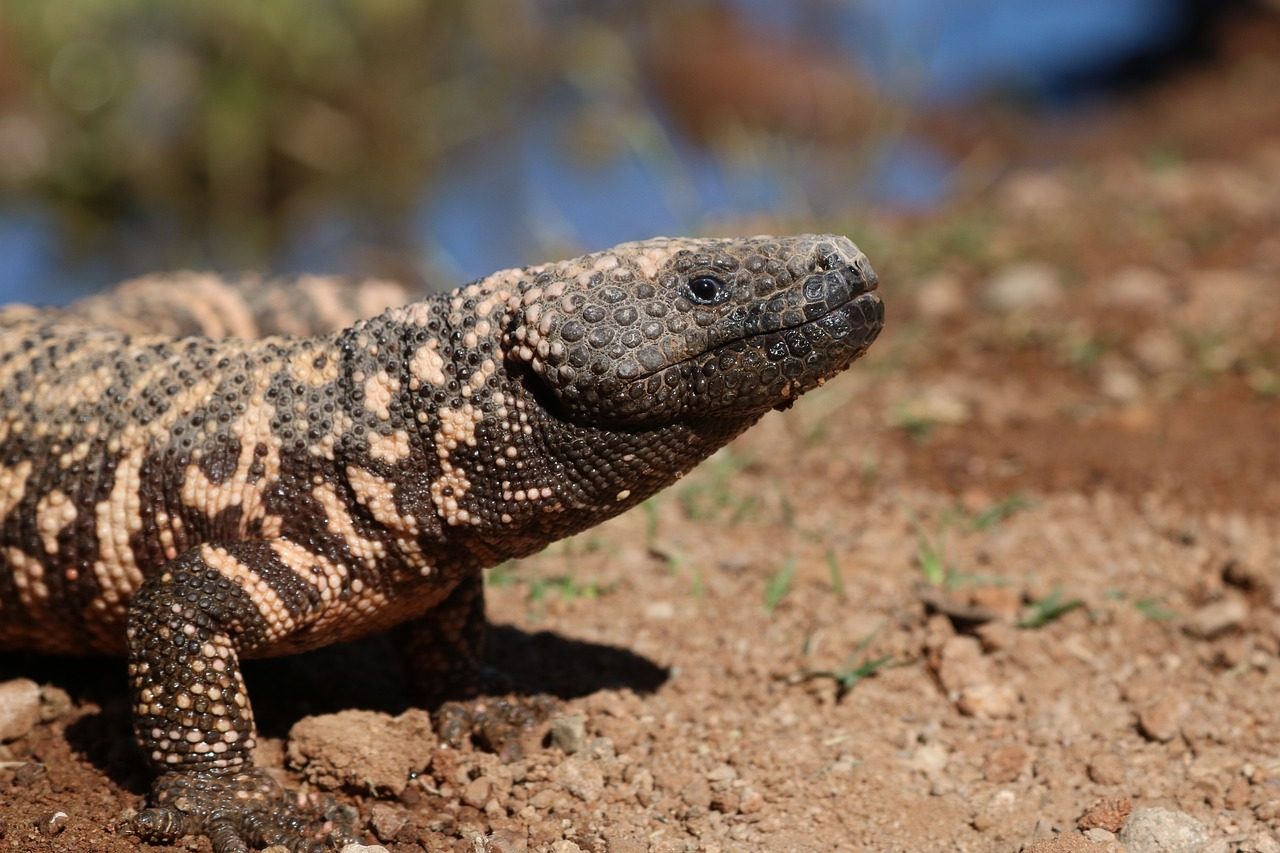
The Gila monster is one of the few venomous reptiles in the world. It stores fat in its tail and spends long stretches underground, only emerging to feed a few times a year. This striking lizard with orange-and-black beaded skin is native to the Sonoran Desert of Arizona and northern Mexico, and it plays an important role in controlling populations of small prey. These living jewels are masters of energy conservation.
What makes Gila monsters truly remarkable isn’t just their venomous bite – it’s their patience. Gila Monsters, as well as badgers, rip into nests with impunity. A Gila can make his living for the whole year by gobbling a couple of litters of pack rats and they do so quite frequently. They’ve turned infrequent feeding into an art form, sometimes going months between meals while remaining perfectly healthy.
Antelope Jackrabbit – The Heat-Beating Sprinter
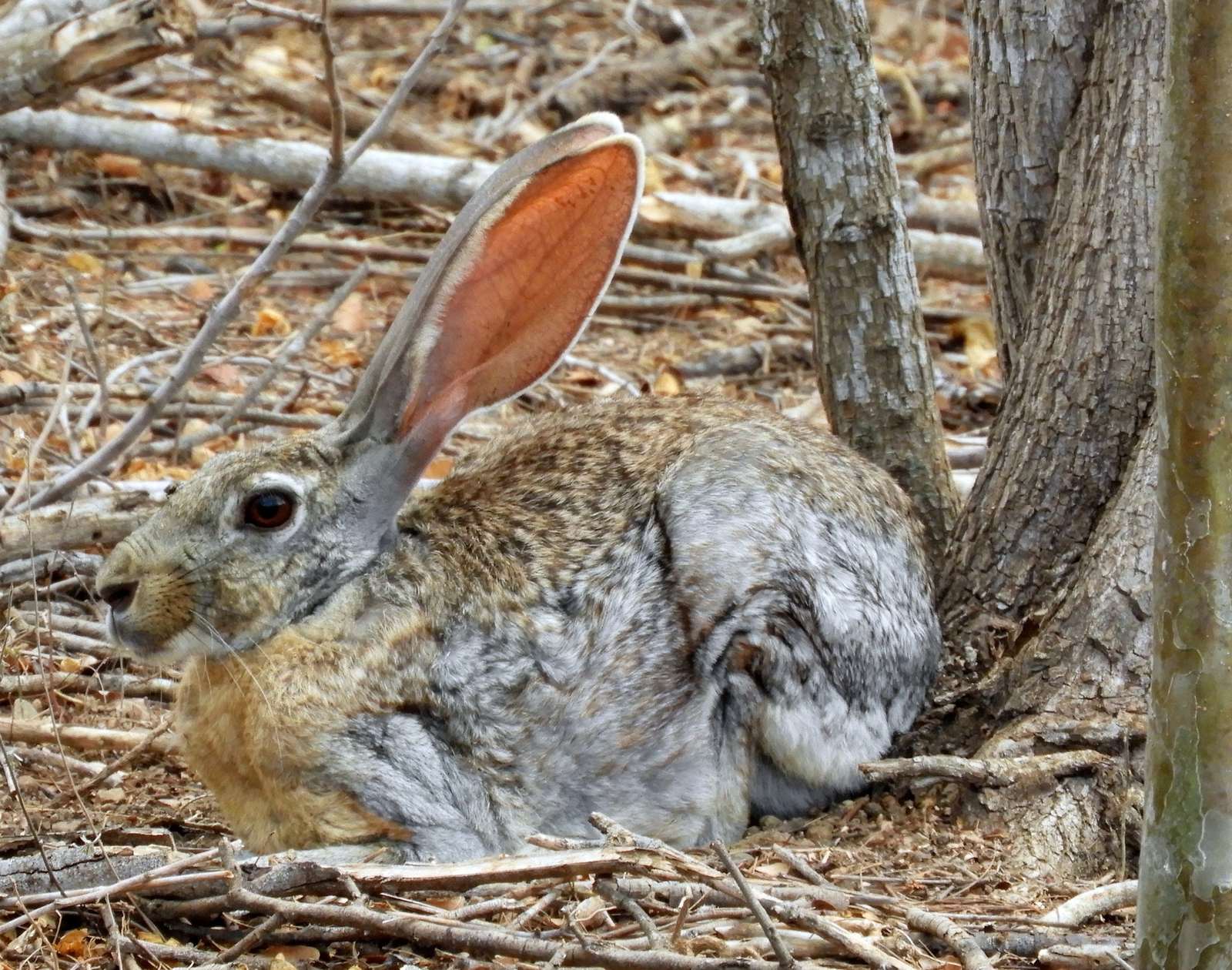
More abundant in Mexico than in Arizona, antelope jackrabbits dwell in slopes where grass grows beneath desert shrubs. They have a particularly large head and tall ears that are devoid of hair. To deal with the desert heat, they have the ability to decrease the flow of blood to the ears, minimizing heat exchange. These remarkable rabbits have turned their ears into sophisticated cooling systems.
Gaining of heat from the environment is eliminated with the help of their insulated and highly reflective fur. They can naturally tolerate heat stress. They are generally more nocturnal, and to survive the day’s heat, they are known to hide underneath cacti, bushes, or grass. Their survival strategy combines behavioral wisdom with physical adaptations – they’ve learned when to run and when to hide.
Coyote – The Master Adapter
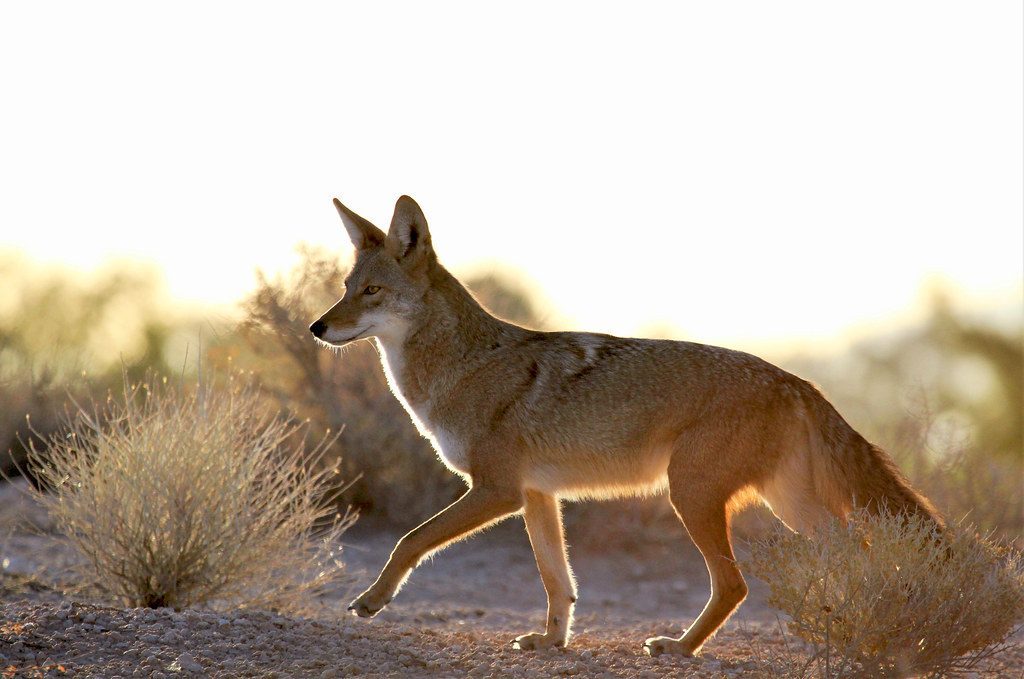
The coyote is one of the most adaptable desert animals, able to live in remote wilderness or alongside human settlements. These intelligent predators represent the ultimate success story in desert adaptation, proving that flexibility and opportunism can triumph over even the harshest conditions.
Kit foxes can satisfy their water needs with the water in their diet of kangaroo rats, mice, and rabbits, along with small amounts of vegetable material. Other desert dwellers, such as coyotes, mule deer and bighorn sheep, require periodic free water. Unlike some desert specialists, coyotes haven’t abandoned their need for regular water sources entirely, but they’ve become masters at finding it and making the most of every drop they consume.
Desert Packrat – The Industrious Collector
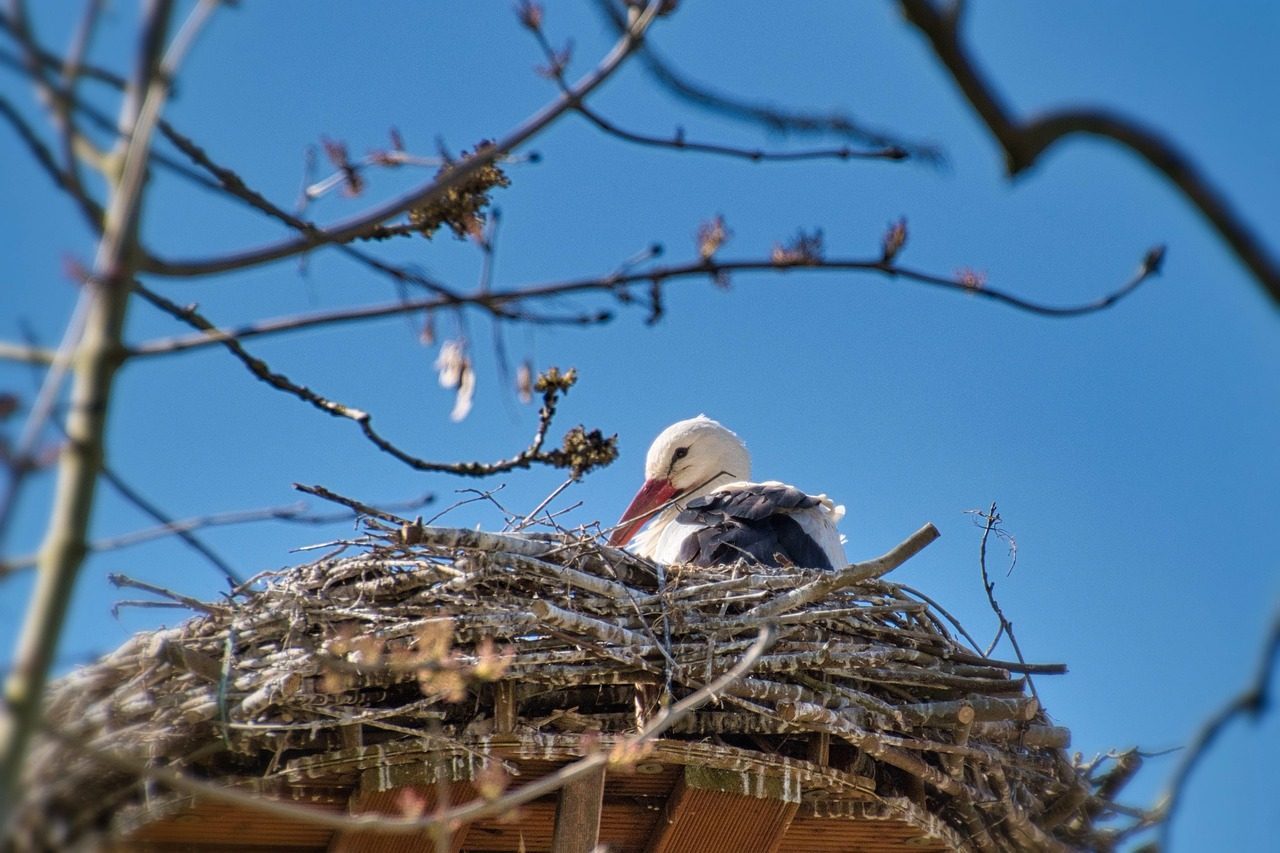
Woodrats live in nests built of plant material like branches, twigs, sticks and other debris. The huge, beaver-dam-shaped structures may be up to 4 feet across. They are usually constructed in a tree or on the ground at the base of a tree or rocky ledge. These resourceful rodents are the ultimate desert recyclers, turning waste into wonderful homes.
Primarily nocturnal and vegetarian, desert woodrats survive on a diet of spiny cactus, yucca pods, bark, berries, pinyon nuts, seeds and any available gr Their ability to extract moisture and nutrients from some of the desert’s toughest vegetation, including spiny cacti, showcases their remarkable digestive adaptations. They’ve essentially turned the desert’s most defensive plants into their personal pantry.
Desert Tortoise – The Patient Plodder
Meanwhile, the Mojave Desert tortoise and the Sonoran Desert tortoise are shy reptiles found in North America’s deserts. The Mojave Desert tortoise, in particular, is known to inhabit burrows and rock shelters, spending up to 95 percent of their lives underground. These ancient-looking reptiles have perfected the art of patience in one of nature’s most demanding classrooms.
Reptiles, such as the desert tortoise and gila monster, spend almost all of their time in a burrow or under a rock. Their approach to desert survival is beautifully straightforward – when conditions get tough above ground, they simply retreat to their underground sanctuaries. These living tanks can store water in their bodies and slow their metabolism to survive extended droughts that would challenge most other creatures.
Spadefoot Toad – The Rain Waiter
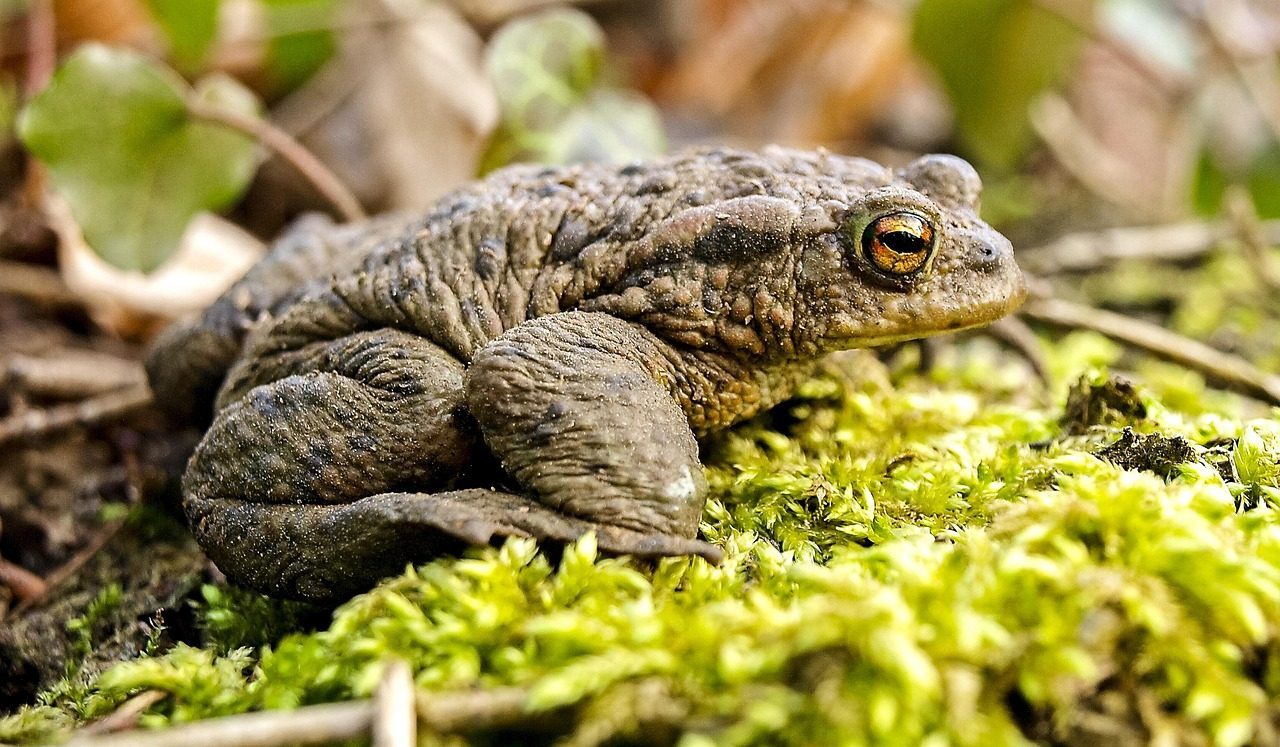
If the desert gets too hot, many animals will aestivate, which is similar to hibernating, but is usually in response to a lack of water rather than a lack of food. The spadefoot toad spends 10-11 months out of the year buried in the soil, only to emerge to breed and feed during summer rainstorms. These remarkable amphibians have mastered the ultimate desert survival strategy – timing.
Spadefoot toads have a unique adaptation where they can absorb water through their skin, allowing them to survive in arid environments. These toads are important for controlling insect populations and are a key part of the desert ecosystem. When the rare desert rains arrive, they transform from buried survivors into active participants in one of nature’s most spectacular desert celebrations – the brief explosion of life that follows precipitation.
have shaped these ten incredible animals into living masterpieces of adaptation and survival. From the water-manufacturing kangaroo rat to the patient spadefoot toad, each species tells a story of triumph over seemingly impossible odds. Their secrets lie not just in their physical adaptations, but in their behavioral wisdom – knowing when to be active, where to find resources, and how to make the most of every opportunity.
These desert champions remind us that survival isn’t always about fighting the environment – sometimes it’s about working with it, finding creative solutions, and never giving up. What fascinates you most about these remarkable desert survivors? Tell us in the comments.
