
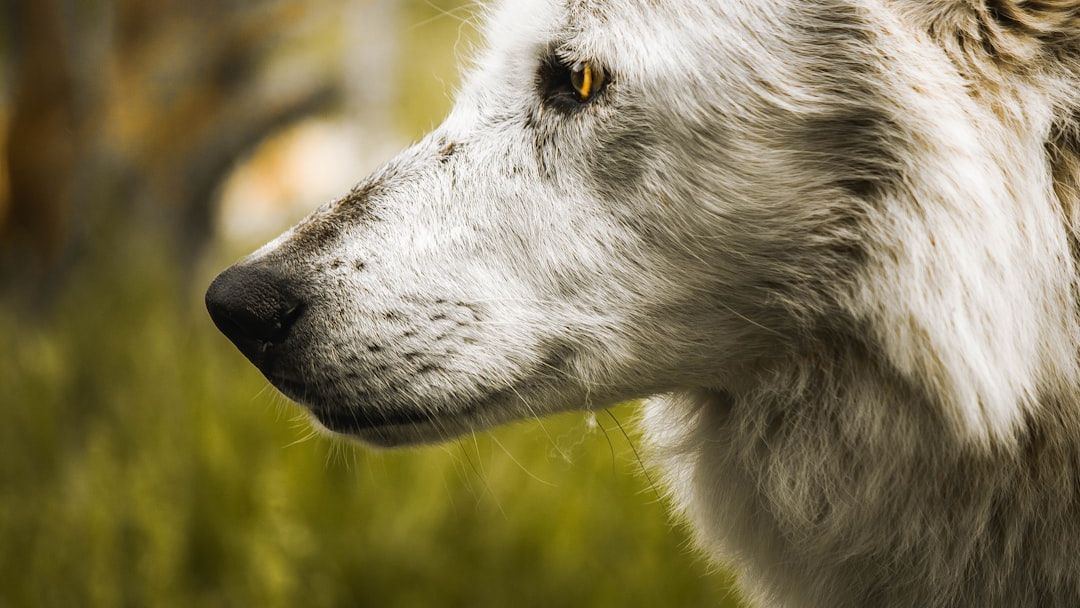
Picture this: you’re riding through the vast wilderness of Yellowstone National Park in 1995, and something extraordinary is about to happen. After nearly seven decades of absence, wolves are returning home. What unfolds next is one of nature’s most remarkable stories of restoration, resilience, and the incredible power of predator-prey relationships.
This isn’t just another conservation success story. It’s a tale that demonstrates how a single species can literally reshape landscapes, alter river patterns, and bring an entire ecosystem back from the brink. The return of wolves to Yellowstone proves that nature’s intricate web is far more complex and beautiful than we ever imagined.
The Great Disappearance
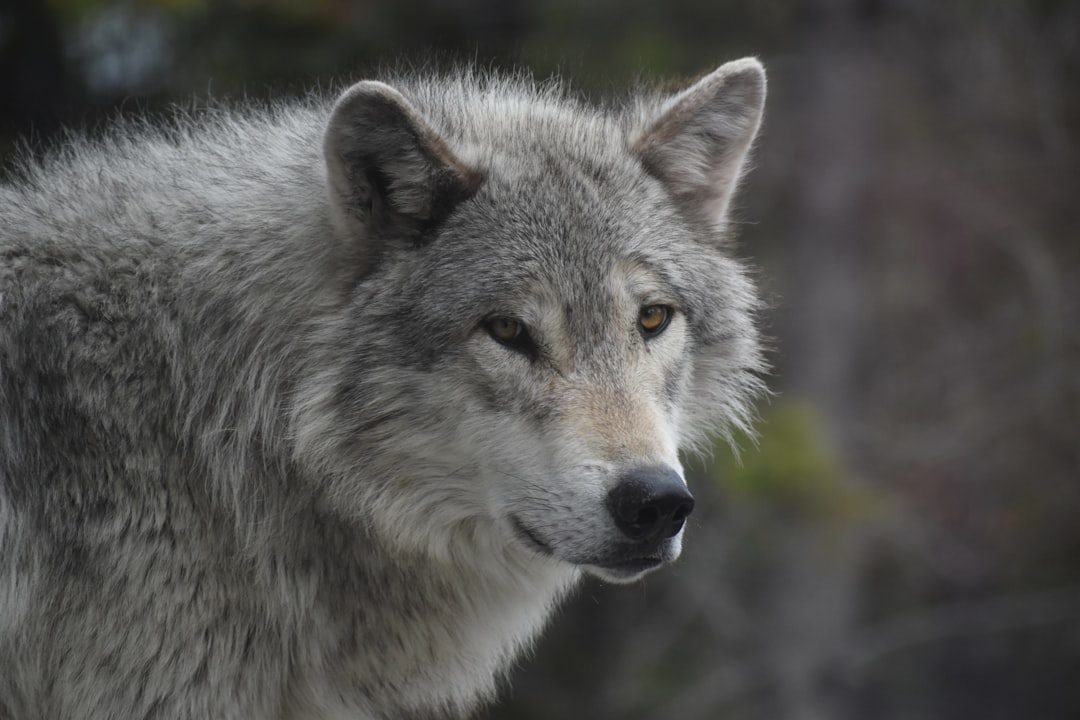
The last wolves were killed in Yellowstone in 1926. Think about that for a moment – nearly a century without the park’s apex predator. The creation of the national park did not provide protection for wolves or other predators, and government predator control programs in the first decades of the 1900s essentially helped eliminate the gray wolf from Yellowstone.
Indigenous peoples once lived in harmony with these magnificent creatures, viewing them as essential parts of nature’s balance. However, as settlers arrived, wolves transformed from respected wildlife into feared pests. This shift in perspective sealed their fate.
The absence of wolves created a void that would echo through the ecosystem for generations. Without their natural predators keeping them in check, elk populations exploded across the park.
When Balance Breaks Down
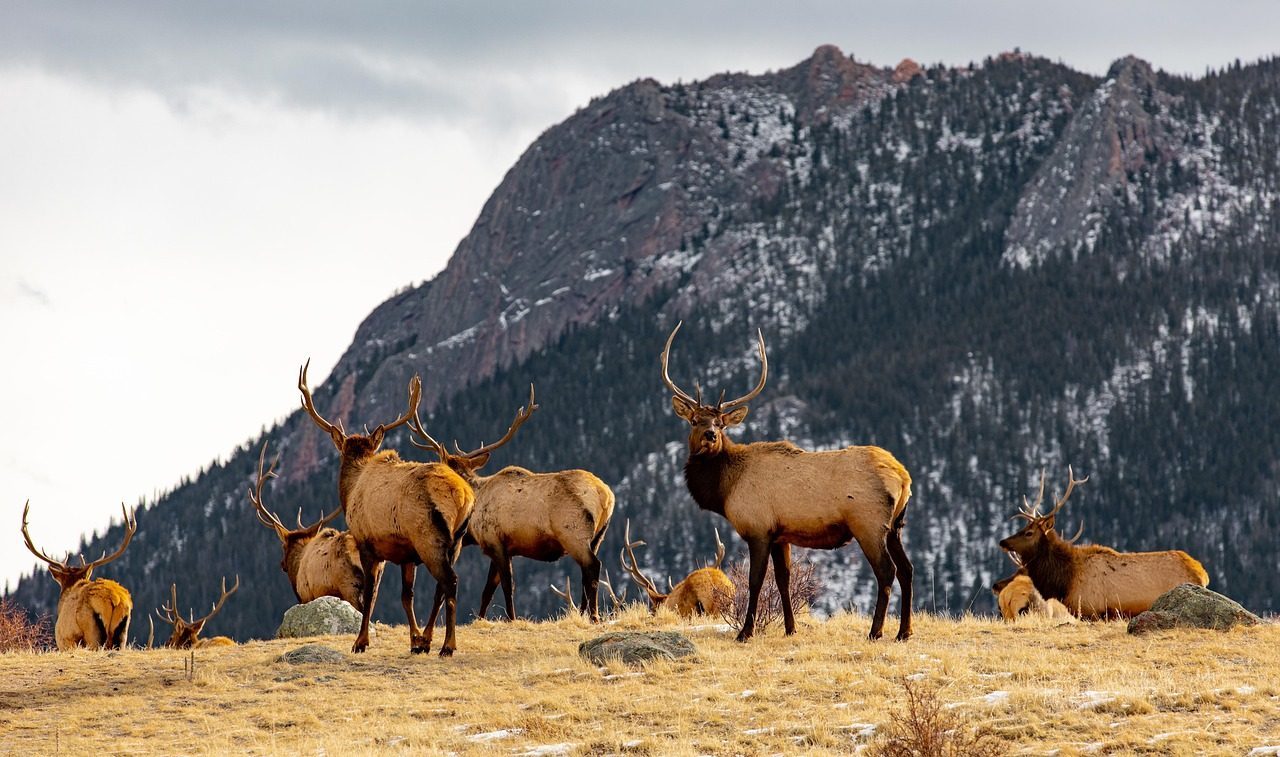
Even though Yellowstone elk were still preyed upon by black and grizzly bears, cougars and, to a lesser extent, coyotes, the absence of wolves took a huge amount of predatory pressure off the elk, said Smith. As a result, elk populations did very well-perhaps too well. Two things happened: the elk pushed the limits of Yellowstone’s carrying capacity, and they didn’t move around much in the winter-browsing heavily on young willow, aspen and cottonwood plants.
Imagine vast herds of elk, numbering in the thousands, grazing without fear along riverbanks and valley floors. But with the apex predators gone, they gorged themselves faster than the shrubs could grow and gathered in great herds on the lush river banks. The landscape began to transform in ways no one anticipated.
The massive elk’s hooves eroded the riverbanks, so the rivers and streams clouded with soil. The fish inherited murky homes, and without trees and clean water, beavers couldn’t build their dams to live in. The ripple effect was devastating – songbirds lost nesting sites, small mammals had fewer places to hide, and the entire ecosystem started to unravel.
The Historic Homecoming
31 wild wolves are reintroduced here by scientists. After 100 years of being hunted, wolves could once again call this place home. The year was 1995, and this moment would mark one of the most ambitious conservation efforts in American history. Seventeen additional wolves captured in Canada arrived in Yellowstone in January 1996 and were released into the park in April 1996 from the Chief Joseph, Lone Star, Druid Peak and Nez Perce pens. The reintroductions were planned on taking 3-5 years but these were the last wolves released into the park as officials believed that the natural reproduction and survival were sufficient.
These weren’t just any wolves – they were carefully selected Canadian gray wolves, chosen for their genetic diversity and ability to thrive in Yellowstone’s harsh winters. Scientists held their breath as they watched these magnificent predators step back into their ancestral home.
The wolves adapted quickly, forming packs, establishing territories, and beginning to hunt. What happened next would astonish even the most optimistic researchers.
The Fear Factor Changes Everything
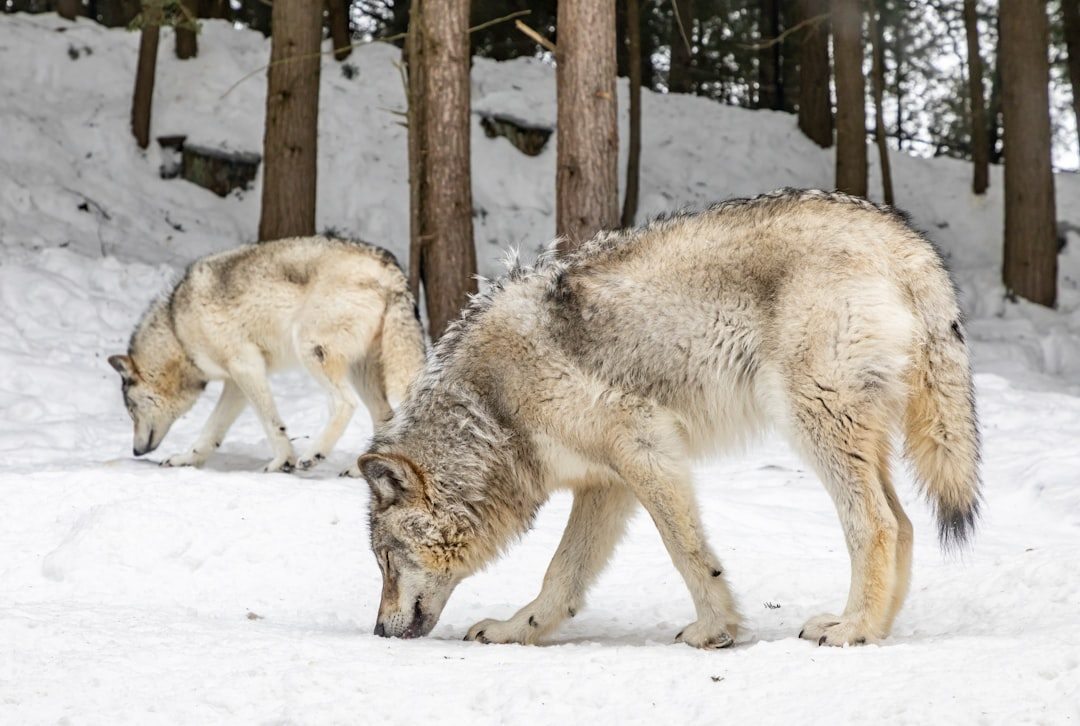
Elk behavior shifted: Instead of grazing freely across the entire park, they became more cautious and avoided open riverbanks and valleys where wolves could ambush them (Ecology of Fear). This behavioral change was immediate and profound. Suddenly, areas that had been heavily browsed for decades began to show signs of recovery.
The herbivores started to avoid areas like valleys and gorges where they could be easily hunted by predators. As a result, those areas began to regenerate, and species such as birds, beavers, mice and bears returned. The “landscape of fear” had been reestablished, forcing elk to become more vigilant and mobile.
However, recent research reveals the story is more complex than initially thought. Overall, “Wolves may have changed some elk behaviors, but not to the degree necessary to really affect aspen growth,” says co-author and ecologist Eric Larsen of the University of Wisconsin-Stevens Point, who collected the aspen field data.
Rivers Begin to Dance Again
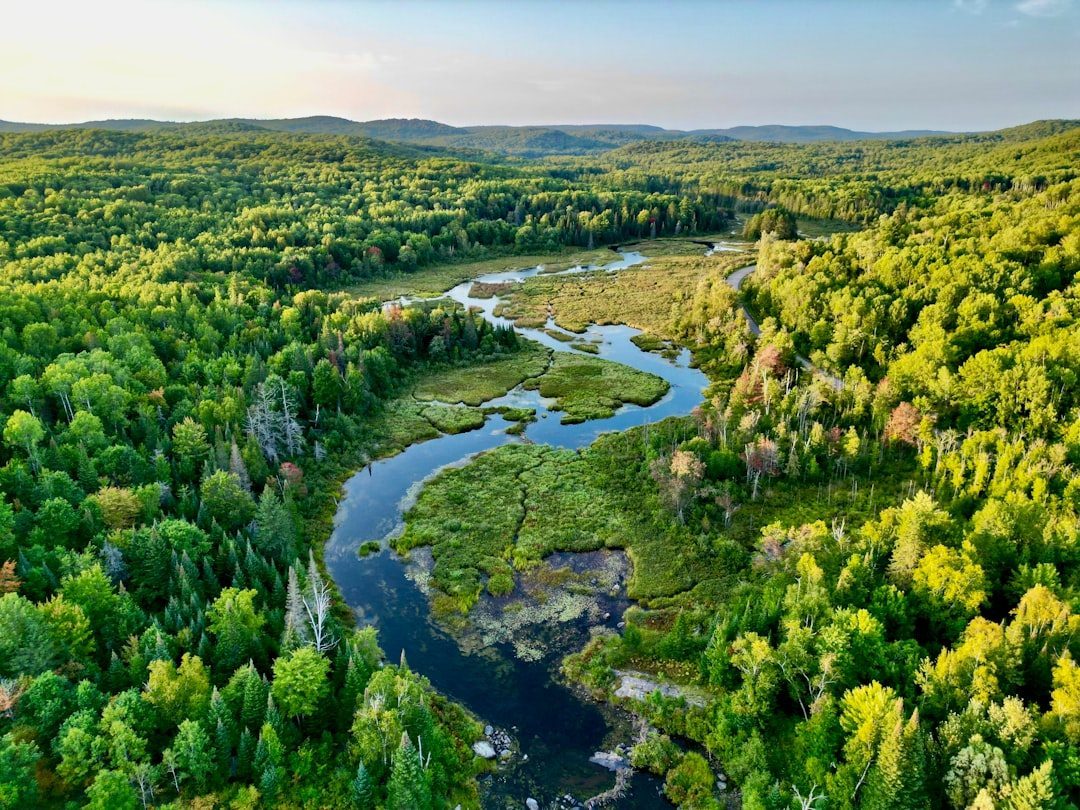
Perhaps the most stunning transformation occurred along Yellowstone’s waterways. Stronger tree roots stabilized riverbanks, preventing erosion and reducing soil loss. Rivers started meandering and regained their natural structure, creating stable waterways that improved water retention.
Picture streams that had been straight and eroded for decades suddenly beginning to curve and meander naturally again. Riverbank erosion slowed, causing rivers to meander less, channels to deepen, and small pools to emerge. The regenerating vegetation stabilized the riverbanks, altering the park’s geography and environment.
The improved water quality had cascading effects throughout the aquatic ecosystem. Fish populations rebounded in clearer, cooler waters, while amphibians found new breeding grounds in the restored wetlands.
The Beaver Boom
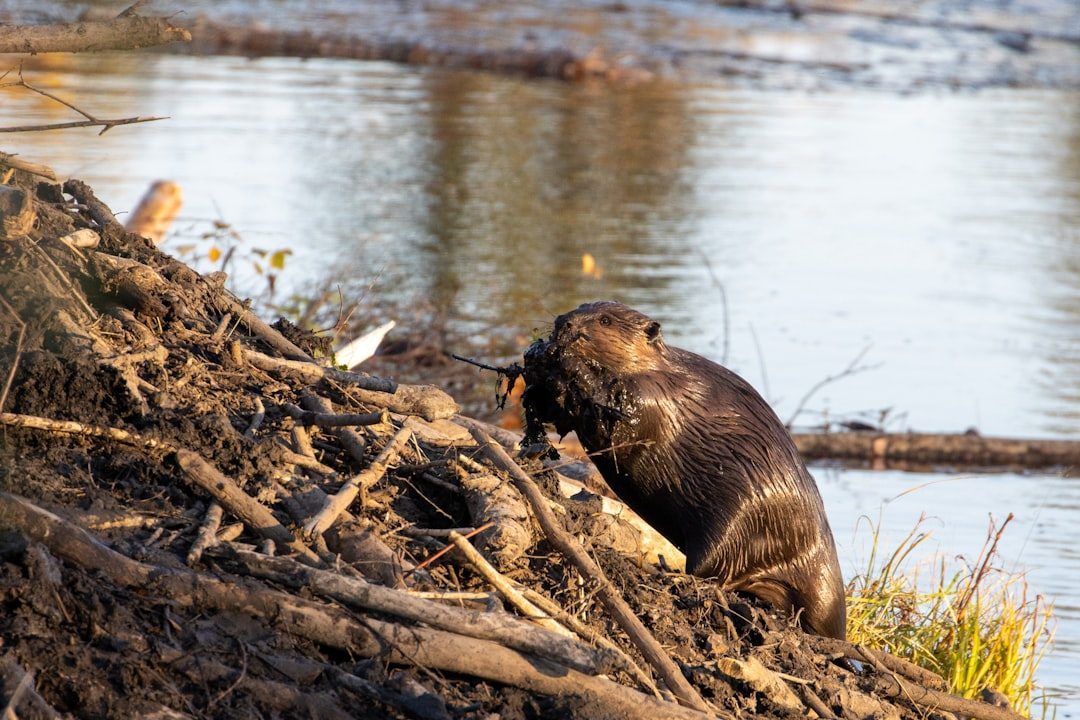
When the grey wolf was reintroduced into the Greater Yellowstone Ecosystem in 1995, there was only one beaver colony in the park, said Doug Smith, a wildlife biologist in charge of the Yellowstone Wolf Project. Today, the park is home to nine beaver colonies, with the promise of more to come, as the reintroduction of wolves continues to astonish biologists with a ripple of direct and indirect consequences throughout the ecosystem.
The sound of beaver tails slapping water once again echoed through Yellowstone’s valleys. As the beavers spread and built new dams and ponds, the cascade effect continued, said Smith. Beaver dams have multiple effects on stream hydrology. They even out the seasonal pulses of runoff; store water for recharging the water table; and provide cold, shaded water for fish, while the now robust willow stands provide habitat for songbirds.
These engineering marvels created new wetland habitats that supported countless species. The return of the beaver dams creates new habitats for fish, amphibians, reptiles, and even otters.
The Ripple Effects Keep Growing
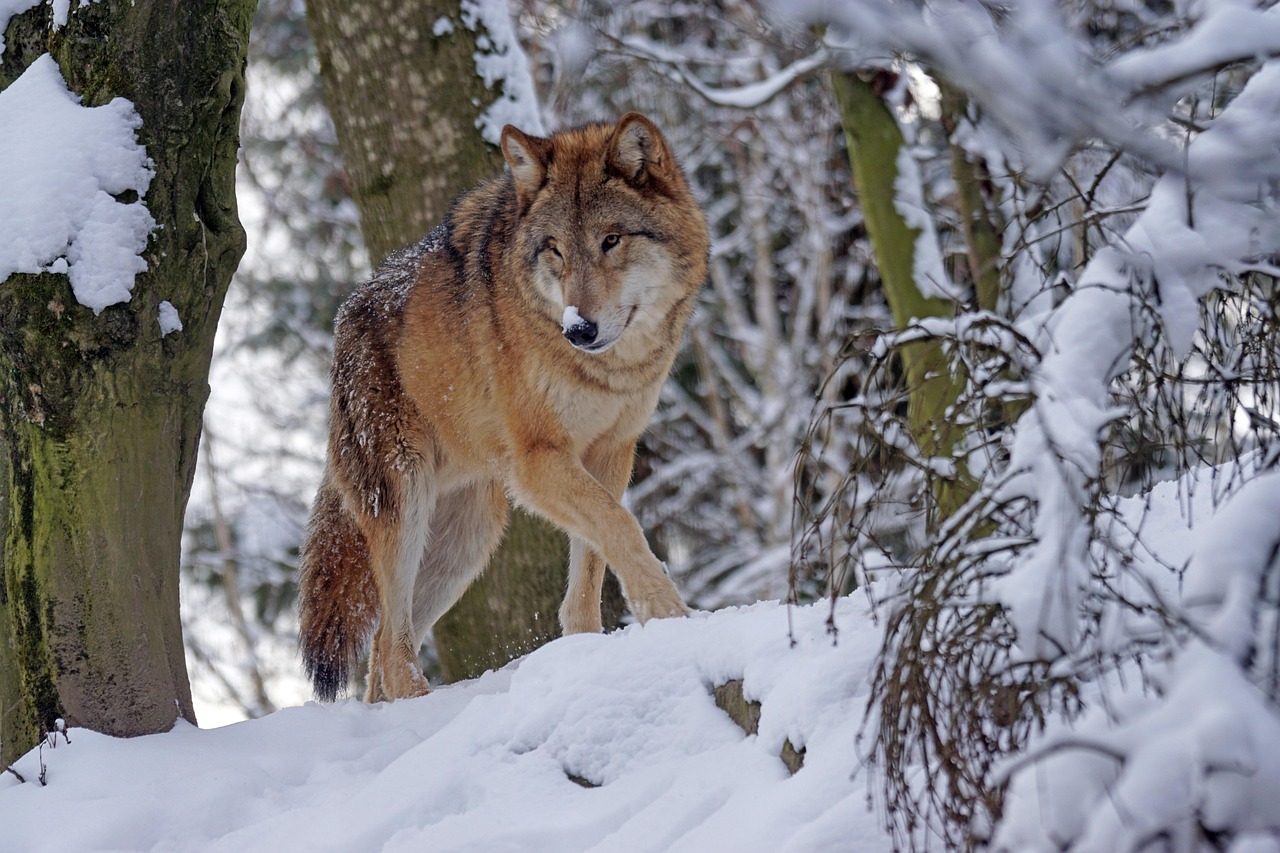
Data from a 20-year study (2001–2020) revealed a relatively strong trophic cascade, with a ∼1500 % increase in average willow crown volume – an astounding transformation that scientists are still working to fully understand. “A 1,500% increase in willow crown volume is a big number. It is one of the strongest trophic cascade effects reported in the scientific literature.”
The growing vegetation supported returning songbirds, who found new nesting sites in the recovering forests. The return of wolves has led to a boost in songbird numbers. As elk populations are regulated, young trees and shrubs regenerate, providing prime nesting sites. This dense foliage offers protection, increasing songbird survival rates.
Scavenger species also benefited enormously from wolf kills. Wolf kills are scavenged by and thus feed a wide array of animals, including, but not limited to, ravens, wolverines, bald eagles, golden eagles, grizzly bears, black bears, jays, magpies, martens and coyotes. Even grizzly bears saw improvements in their food supply as berry production increased in areas no longer heavily browsed by elk.
The transformation of Yellowstone following wolf reintroduction stands as one of nature’s most compelling success stories. “What we’re finding is that ecosystems are incredibly complex,” he said. This complexity makes the wolf restoration even more remarkable – a single species catalyzing changes that rippled through every level of the ecosystem.
The wolves didn’t just return home; they brought their entire world back to life. From the tiniest songbird to the mightiest river, everything felt their influence. Today, Yellowstone stands as a testament to the power of giving nature a second chance, proving that sometimes the most profound healing comes from simply allowing the wild to be wild again.
What do you think about this incredible transformation? Have you witnessed similar changes in nature that surprised you?

- 8 Myths About Surviving a Tornado - June 25, 2026
- 11 Incredible Birds That Migrate Thousands of Miles Every Year - June 25, 2026
- 8 Simple Gardening Tips That Work Anywhere - June 25, 2026