
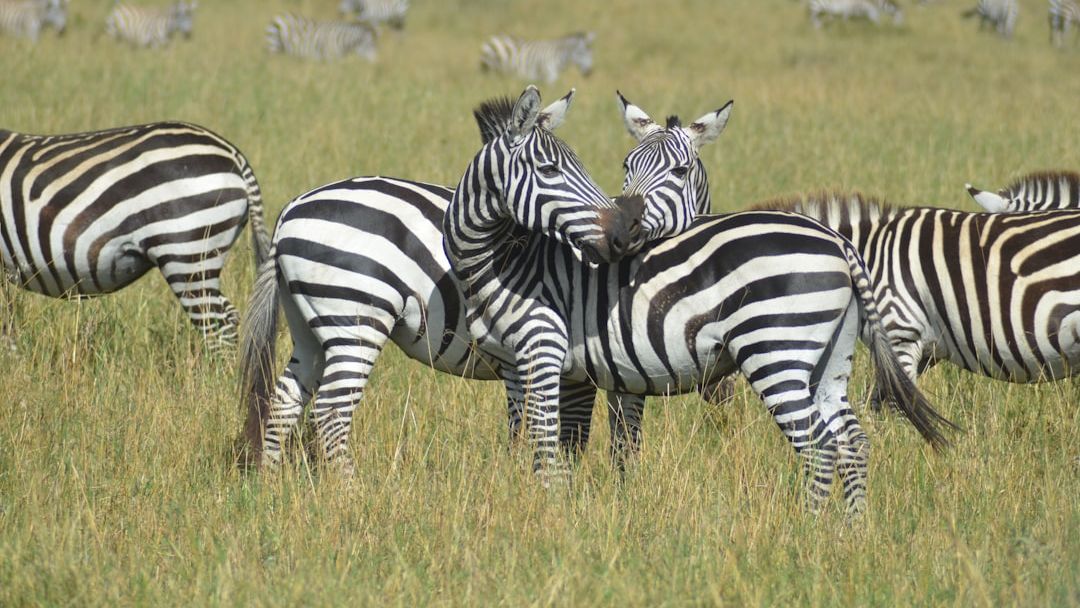
Picture an African savanna at dawn. Golden sunlight breaks across the horizon, and there, silhouetted against the vast landscape, stands one of nature’s most puzzling masterpieces. The zebra, with its bold black and white stripes, has captivated human imagination for centuries.
Yet beneath this striking exterior lies one of biology’s most enduring mysteries. Why did nature paint these magnificent creatures in such dramatic patterns? For more than 150 years, scientists have debated this question, proposing theories ranging from camouflage to social recognition to temperature regulation. Recent breakthroughs in research are finally revealing the surprising truth behind zebra stripes, and the answer is more fascinating than anyone could have imagined.
The Great Scientific Mystery That Started It All
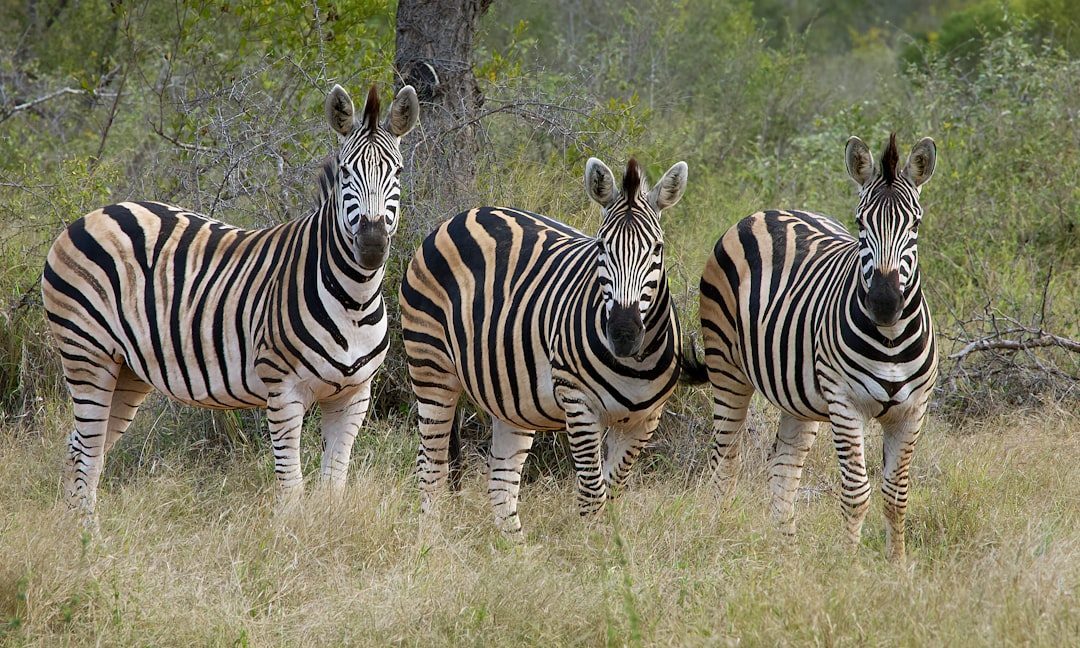
Researchers have looked for novel ways to settle the question ever since Charles Darwin and Alfred Russel Wallace started the argument in the 1870s. The debate between these two giants of evolutionary theory sparked what would become one of the most persistent questions in animal biology. Darwin suggested that zebras developed their unique stripes to recognize each other, which could be particularly important for male and female courtship.
Over the decades that followed, scientists proposed theory after theory. Some suggested the stripes served as camouflage in tall grass, helping zebras blend into their surroundings and confuse predators. Others argued the patterns helped with social recognition or even mate selection. You would think that someone would have come up with the definitive answer by now, but, in fact, the reason zebras have stripes remains a biological mystery.
The Overwhelming Evidence Against Predator Camouflage
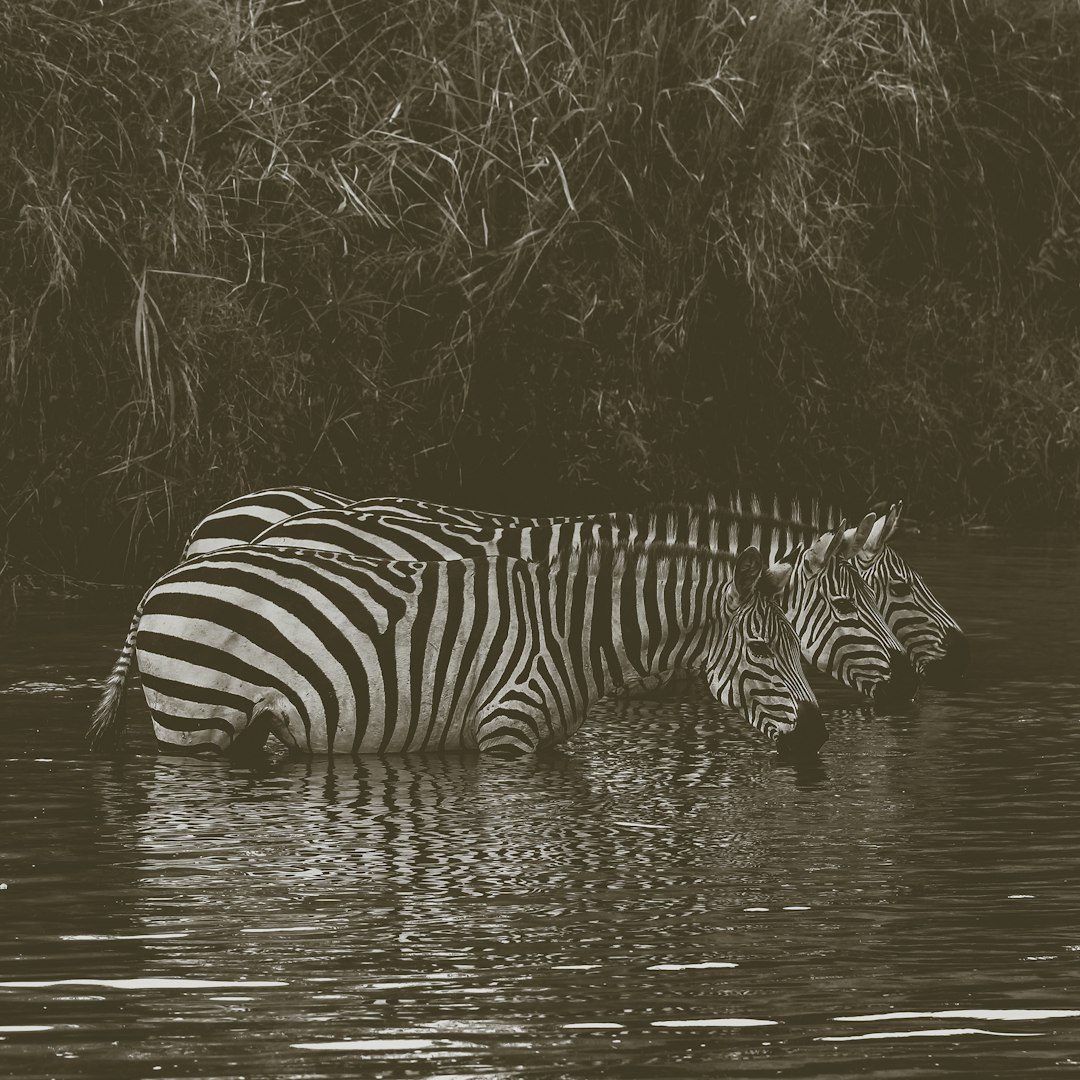
For generations, many believed zebra stripes served as camouflage, making these animals harder for predators to spot. This theory seemed logical at first glance. After all, many animals use camouflage for protection. However, modern research has thoroughly debunked this idea.
Scientists studied various environments where zebras live and compared stripe patterns across different populations. We find no clear support for the hypotheses that biting flies or predators have driven stripe evolution through traditional camouflage mechanisms. The reality is that zebras are actually quite visible to their main predators, and their stripe patterns don’t match the visual environments where they would need to hide.
Temperature Control The Cooling Controversy
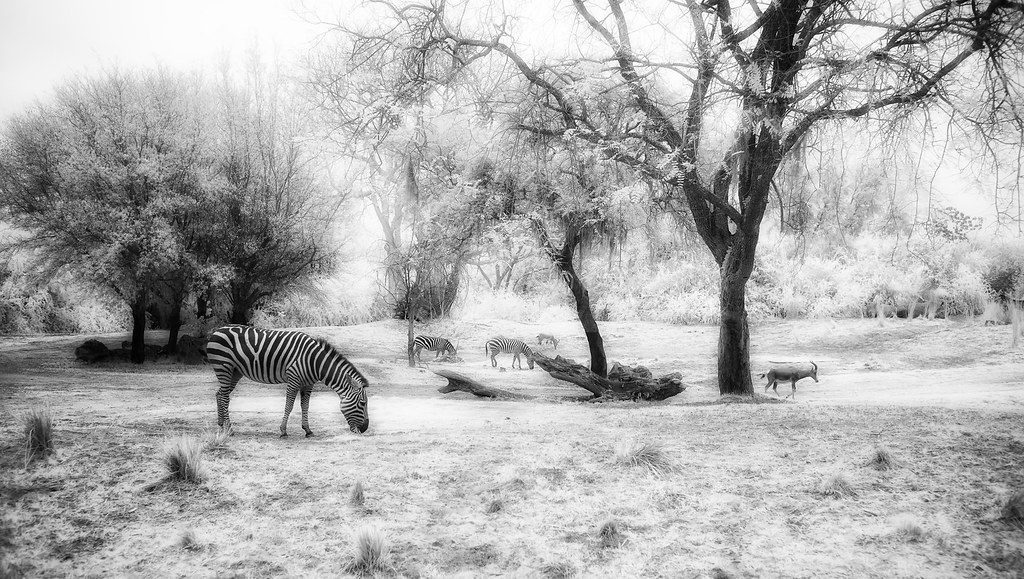
One of the most hotly debated theories suggests that zebra stripes help regulate body temperature. The idea seems plausible: black stripes absorb more heat than white ones, potentially creating air currents that could cool the animal. Infrared photography of zebras showed that sunlit black stripes are warmer than sunlit white stripes and that the difference between them increases with rising air temperature.
However, recent scientific experiments have challenged this cooling theory. We found that there were no significant core temperature differences between the striped and grey barrels, even on many hot days, independent of the air temperature and wind speed. Consequently, we demonstrate that zebra-striped coats do not keep the body cooler than grey coats challenging the hypothesis of a thermoregulatory role of zebra stripes. Yet some researchers still argue that stripes might help with temperature regulation through more complex mechanisms involving sweat evaporation and hair movement.
The Breakthrough Discovery About Biting Flies
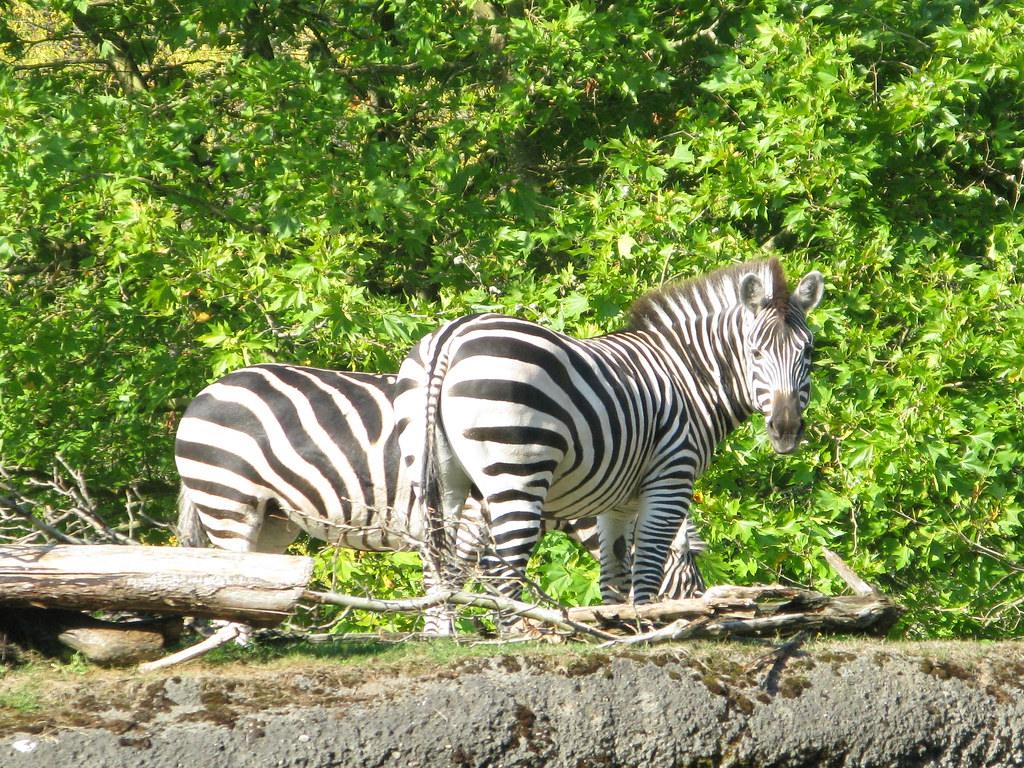
The mystery began to unravel when researchers made a startling connection. The scientists found that biting flies, including horseflies and tsetse flies, are the evolutionary driver for zebra stripes. This wasn’t just speculation. Scientists mapped the geographic ranges of striped animals and compared them with the distribution of disease-carrying flies.
They found that striping is highly associated with several consecutive months of ideal conditions for tabanid reproduction. The correlation was remarkably strong. Where biting flies thrived, zebras developed more pronounced striping patterns. Where flies were less common, zebras showed reduced striping or no stripes at all. This geographic overlap provided the first solid evidence for what would become the leading theory.
How Stripes Actually Repel Flying Insects
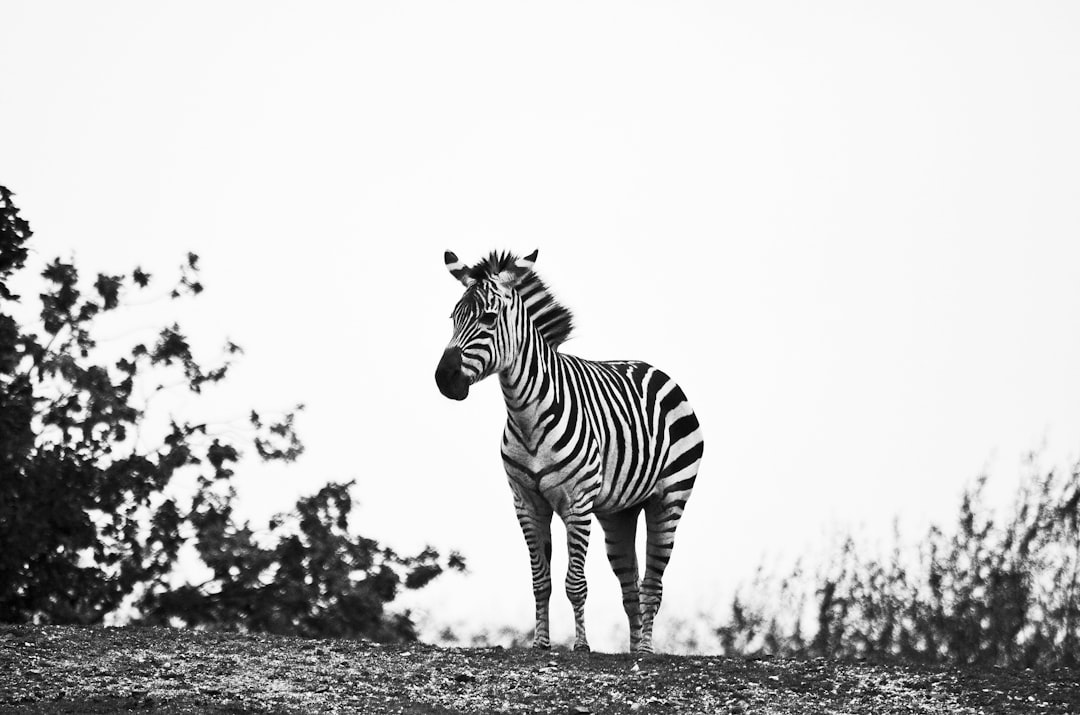
Understanding why zebras have stripes led to an even more intriguing question: how exactly do these patterns deter biting insects? Their new study has shown that stripes don’t deter horse flies from a distance, with both zebras and domestic horses experiencing the same rate of circling from the flies. However, video analyses revealed differences in approach speed, with horse flies failing to slow down on approach to zebras, which is essential for a successful landing.
The mechanism is surprisingly sophisticated. The proposed explanation was that the flies preferred to land on dark surfaces. Such surfaces reflect the kind of polarized light that reminds the flies of the water or mud where they breed. Light surfaces aren’t as attractive, but dark-and-light patterns are even worse – perhaps because such patterns confuse the flies’ navigational sense. The alternating pattern essentially scrambles the insects’ landing systems.
The Life-and-Death Stakes of Fly Protection
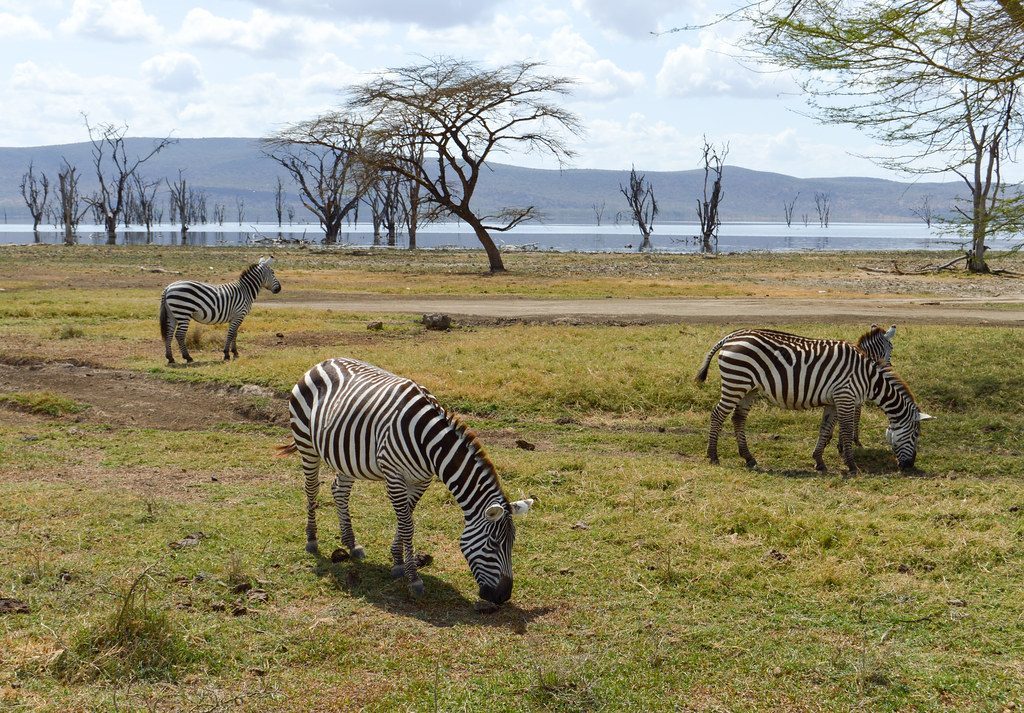
The importance of fly protection becomes clear when you consider what these insects carry. In Africa where zebras are native, biting insects carry dangerous debilitating diseases such as trypanosomiasis, while African horse sickness is transmitted by biting midges which cause wasting and often death. For zebras, this isn’t just about avoiding annoying bites. It’s about survival.
The study found that, unlike other African hooved mammals living in the same areas as zebras, zebra hair is shorter than the mouthpart length of biting flies, so zebras may be particularly susceptible to annoyance by biting flies. This vulnerability made developing an effective defense mechanism crucial for zebra survival. Their stripes became nature’s answer to a life-threatening problem.
The Future of Zebra Stripe Research
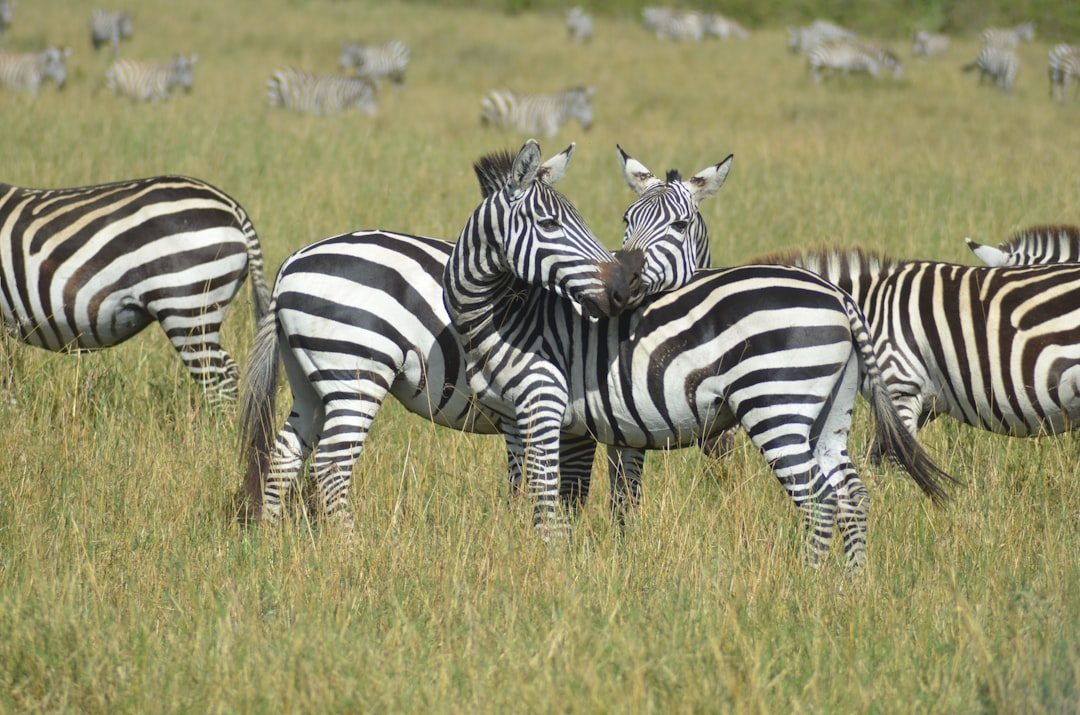
We expect the function of striping will prove to be complex given the multifarious effects of striping shown through experimentation to date, and the influence of not only temperature variables, but also the additional, albeit smaller influence, of precipitation and NDVI. While the biting fly hypothesis has gained significant support, researchers continue to uncover additional functions of zebra stripes.
Some scientists are exploring whether stripes might serve multiple purposes simultaneously. Perhaps they deter flies while also providing subtle advantages in thermoregulation or social recognition. Horse flies are a widespread problem for domestic animals so mitigating techniques, such as the development of anti-fly wear designed to resemble zebra stripes, may, from this research, be an interesting outcome for animal health and wellbeing. The research might even lead to practical applications for protecting livestock and horses.
After more than a century of scientific investigation, the zebra’s stripes have revealed their primary secret. These bold patterns represent millions of years of evolutionary innovation, a sophisticated biological solution to the persistent threat of disease-carrying insects. Nature’s artistry, it turns out, is also nature’s armor. The zebra stands as a testament to evolution’s remarkable ability to turn survival challenges into stunning beauty.
What fascinates you more about this discovery? The fact that such a simple pattern could be so effective, or that it took scientists so long to figure it out? Share your thoughts in the comments below.

- What To Do When You See A Bear Trying To Enter Your Home - June 24, 2026
- Why Do Dogs Tilt Their Heads When You Talk to Them? - June 24, 2026
- 12 Critically Endangered US Species You Can Still Help Save Today - June 24, 2026