

Picture this: you’re calling your dog’s name repeatedly, waving treats around, maybe even jumping up and down like a lunatic in your living room. Your furry companion? They’re completely absorbed in sniffing that one specific spot on the carpet for the fifth straight minute. Sound familiar? Every dog owner has been there, feeling like they’ve suddenly become invisible to their four-legged best friend.
The truth is, when , it’s rarely about attitude or defiance. Dogs don’t plot revenge because you forgot to give them that extra treat yesterday. Instead, there are usually very logical reasons behind their seeming indifference. Understanding these reasons can transform your relationship and turn those frustrating moments into opportunities for better communication.
They Don’t Actually Know What You’re Asking

One of the biggest misconceptions among dog owners is thinking their pet fully understands every command just because they performed it correctly once or twice. One of the most common reasons dogs don’t respond is simple: they don’t actually know what you’re asking. Just because a dog sits for a treat in the kitchen doesn’t mean they understand “sit” at the park, in a noisy environment, or when they’re excited.
Dogs simply don’t generalize behaviors the way humans do. If they haven’t practiced a command in different situations, they may not recognize it when you really need them to respond. Think of it like learning a foreign language in a classroom versus trying to order food in a busy restaurant abroad. The context completely changes everything.
You’re Talking Too Much and Creating White Noise

Your dog ignores you because you talk too much. That’s not your fault, but it is the heart of the reason why most dogs don’t pay attention. To fully understand why dogs ignore their owners, we must accept that it is, nearly 100% of the time, attributable to ‘white noise’. Owners speaking too much, using too many different words or simply using the right word without reinforcement.
Have you ever been around someone who never stops talking? After a while, you start to tune them out a little. Dogs are no different. Dog owners who overload their dogs with command after command after command can cause their dogs to tune them out a little too. Less really is more when it comes to effective dog communication.
They’re Overwhelmed by Environmental Distractions

The more likely explanation for your dog’s disobedience is that they’re overwhelmed by the environment and simply can’t focus. There are too many interesting things to explore, and dogs need to sniff them all. It’s often not deliberate defiance. Busy environments – new smells, wildlife, children – can absorb your dog’s focus faster than your voice. Even a well-trained dog may lose interest.
Your dog’s nose can detect scents you can’t even imagine, and their ears pick up sounds at frequencies beyond human hearing. When you’re standing in what seems like a quiet park, your dog might be processing dozens of fascinating sensory inputs that make your voice seem utterly boring by comparison.
Inconsistent Training and Mixed Signals
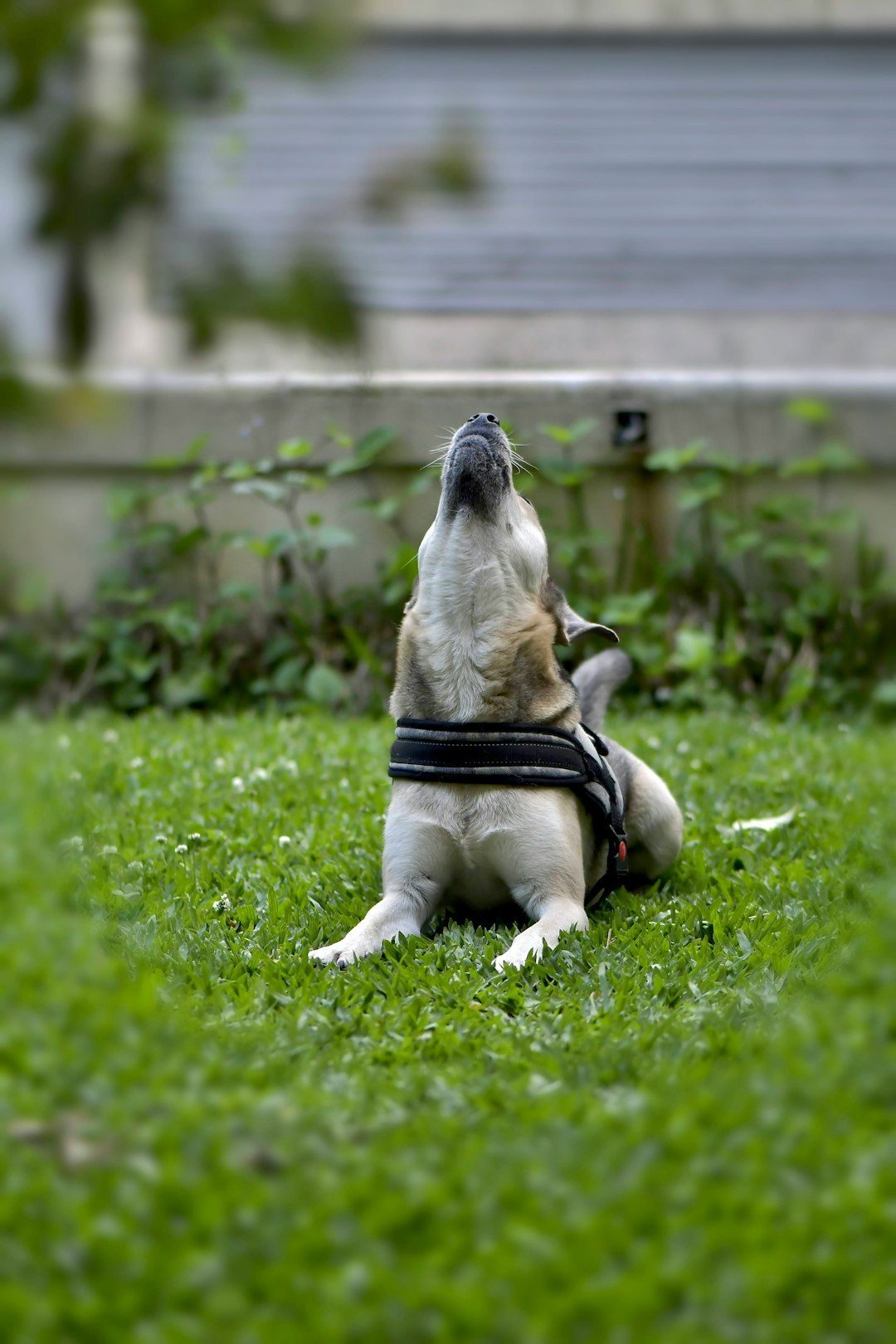
Consistency is key when it comes to dog training. Dogs thrive on routine, and they need to know what is expected of them. If you are inconsistent with your commands or rewards, your dog may become confused and not respond to you. If your dog occasionally follows commands, it means they can but might not want to – often due to inconsistent rewards. If the payoff isn’t worth it, they may tune you out.
Many families fall into the trap of having different rules for different people. Maybe dad allows the dog on the couch while mom doesn’t, or perhaps grandma sneaks table scraps despite the no-feeding rule. These inconsistencies create confusion that manifests as selective hearing.
Health Issues Are Affecting Their Response
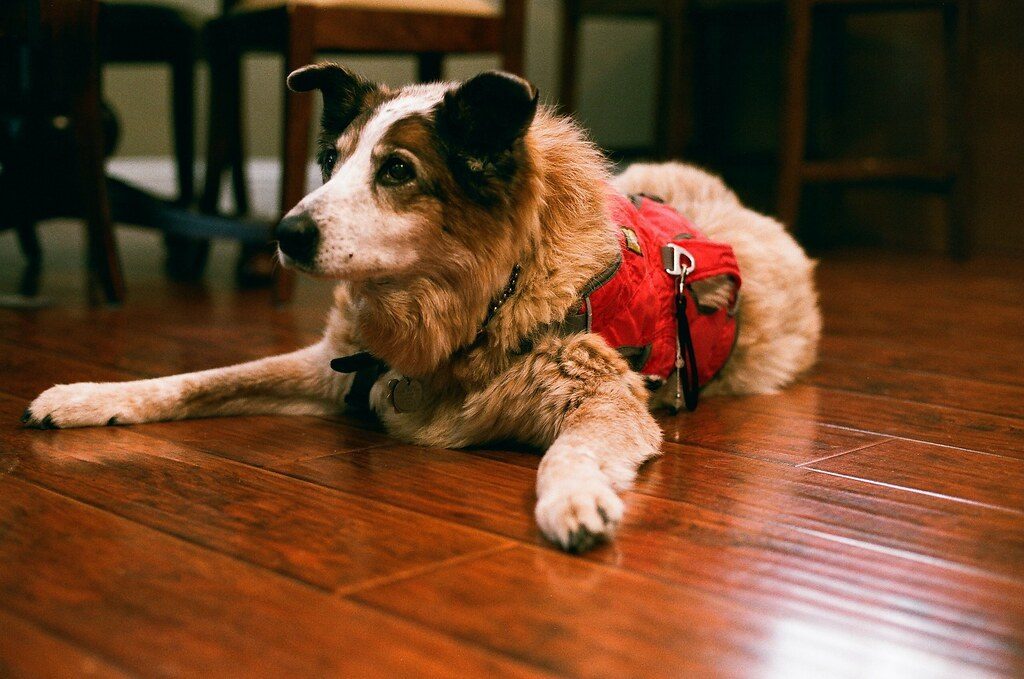
Older dogs may start ignoring your commands simply because they can’t hear well, see clearly, or feel comfortable – pain makes them less responsive and more withdrawn. Tip: Watch for sudden changes in behavior or physical signs, and schedule a vet check-up to rule out health causes. Veterinary experts explain that dogs ignoring owners is rarely personal but often signals health issues, training gaps, distractions, anxiety, or learned irrelevance.
Sometimes what looks like stubbornness is actually a medical problem. Dogs can’t tell us when they’re experiencing hearing loss, joint pain, or cognitive decline. If your previously obedient dog suddenly starts ignoring you, especially if they’re older, a vet visit should be your first step before assuming it’s a behavioral issue.
Fear, Anxiety, and Past Negative Experiences

One possible reason why a dog may ignore its owner is due to anxiety or fear. Dogs that are scared or anxious may exhibit avoidance behavior, such as hiding or ignoring their owners. Negative experiences associated with commands can also lead to avoidance. Employing positive reinforcement techniques, setting clear boundaries, and using consistent, gentle guidance can help prevent dogs from learning to ignore their owners due to nagging behavior.
Dogs have excellent memories when it comes to negative experiences. If your dog once got yelled at after coming when called because they had rolled in something disgusting, they might hesitate to respond next time. Similarly, rescue dogs often come with baggage from previous owners that affects their willingness to engage with new commands or situations.
Conclusion
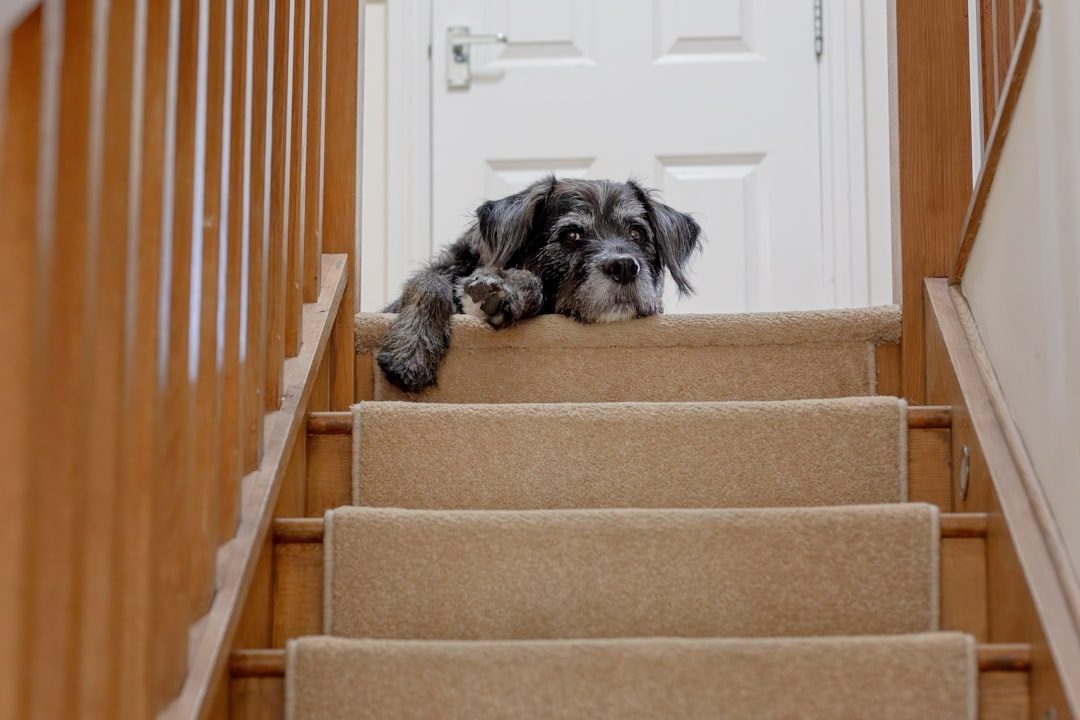
Understanding is the first step toward building a stronger, more responsive relationship. Remember, dogs don’t ignore their owners out of spite. If your dog regularly “tunes you out,” there’s a reason behind it – and the good news is, you can address it. Whether it’s simplifying your communication, addressing health concerns, or building more consistent training routines, every challenge has a solution.
The next time your dog seems to develop selective hearing, take a step back and consider what might really be going on from their perspective. With patience, consistency, and understanding, you can transform those frustrating moments into opportunities for deeper connection. What strategies have worked best for getting your dog’s attention? Tell us in the comments.

- 8 Myths About Surviving a Tornado - June 25, 2026
- 11 Incredible Birds That Migrate Thousands of Miles Every Year - June 25, 2026
- 8 Simple Gardening Tips That Work Anywhere - June 25, 2026