
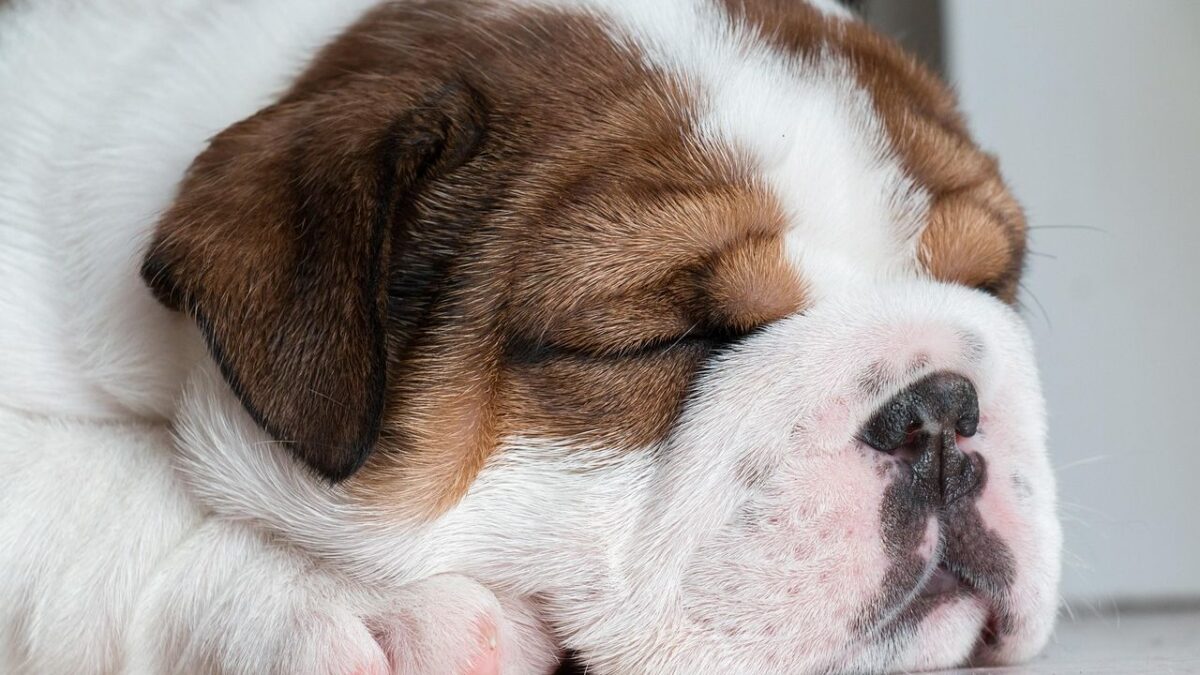
Picture this: your beloved furry companion is sprawled out on their favorite spot, paws twitching rhythmically, little whimpers escaping their lips as their eyes dart beneath closed lids. You can’t help but wonder what magical adventures are playing out in their sleeping mind.
The truth is, your dog’s nighttime theatrics reveal something beautiful and scientifically fascinating. Those gentle movements and soft sounds aren’t random muscle spasms they’re windows into a rich inner world where memories dance, experiences replay, and perhaps most wonderfully, where you feature as the starring role in their dreams.
The Science Behind Canine Sleep Cycles
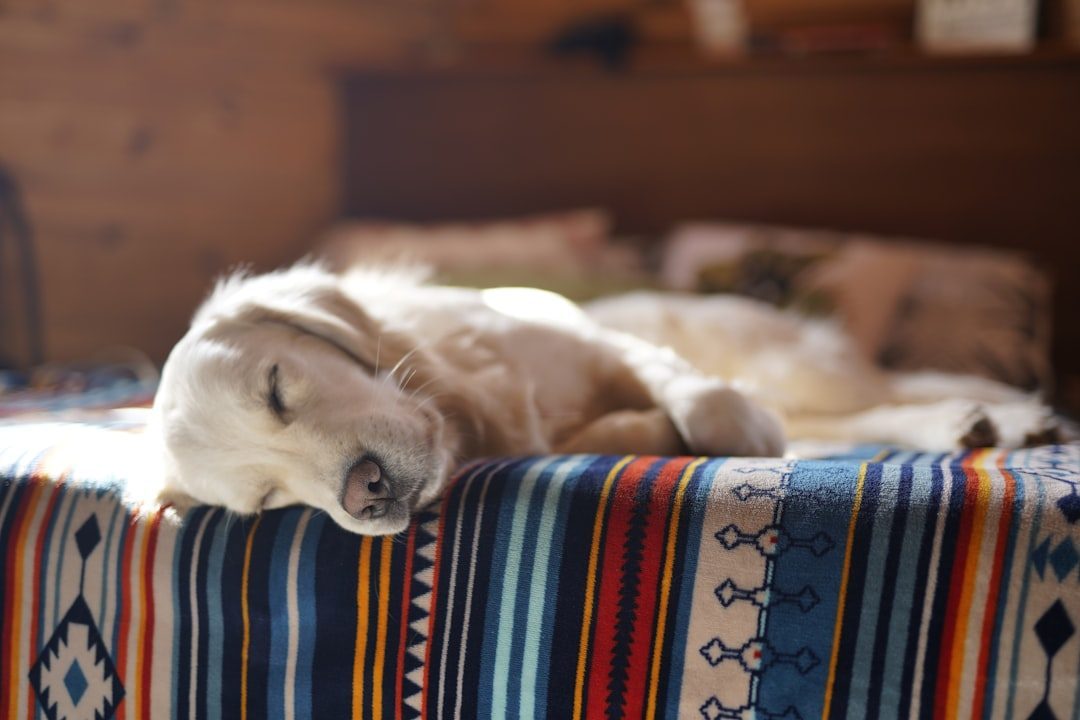
Dogs share remarkably similar sleep patterns to humans, complete with REM (Rapid Eye Movement) cycles where most dreaming occurs. During sleep, the brains of humans and dogs function similarly and exhibit brain wave patterns that show a difference between the two basic stages of the sleep cycle.
Dogs sleep an average of 12-14 hours each day. Dogs experience the same dream stages as humans, including non-rapid eye movement (NREM), short-wave sleep (SWS), and rapid eye movement (REM).
According to research by psychologist Stanley Coren, small dogs will dream about every 10 minutes while larger dogs dream every 60-90 minutes, and these dreams will last about a minute. Despite having daily doggy downtime of between 12 and 14 hours, our canine friends have much shorter sleep cycles than us. Whereas we might have four to six 90-minute sleep cycles, dogs can experience around 15-20 cycles per night.
What Actually Happens During REM Sleep

During the REM state, a dog’s eyes move around behind their closed eyelids, and the large body muscles are turned off so the dream is not physically acted out. The part of the brain that contains these off switches is called the pons, which is part of the brain stem.
The pons is part of the brain that stops you from physically acting out your dreams. Even though you may feel like you ran a marathon or jumped out of an airplane, you are safely tucked in bed. However, this natural safety mechanism isn’t always perfect, which explains why your dog might paddle their legs or twitch their tail while dreaming.
You may have noticed that puppies and older dogs twitch and move a lot in their sleep. This is because the pons is underdeveloped in puppies and less efficient in older dogs, according to Stanley Coren, a professor emeritus of psychology at the University of British Columbia.
The Amazing Research That Proves Dogs Dream

Researchers at the Massachusetts Institute of Technology concluded that animals have complex dreams. Specifically, they can remember and replay long sequences of events when they’re asleep. The breakthrough came from a clever 2001 study where scientists monitored rats navigating mazes during the day, then tracked their brain activity during sleep.
A 2001 study at the Massachusetts Institute of Technology (MIT) found that laboratory rats trained to run in a maze exhibited similar brain activity during rapid eye movement (REM) sleep to that when they were actually in the maze. Researchers concluded that the rats were dreaming about the maze they ran in earlier.
Since dogs have much more intellectual capability than rats, they made the conclusion that dogs also dream. All of this strongly suggests that dogs have some kind of experience while sleeping, Barrett says.
What Dreams Might Fill Your Dog’s Mind
According to new research by Harvard psychologists, your dog is likely to be dreaming about you too – their human – the most important thing in their life. Dr Deirdre Barrett, a clinical and evolutionary psychologist at Harvard Medical School, carried out extensive research into sleep behaviour and concluded that is a reasonable assumption that your dog dreams very much in the same way you do.
As Dr Barrett explains, ‘since dogs are generally extremely attached to their human owners, it’s likely your dog is dreaming of your face, your smell and of pleasing or annoying you.’ Think about that for a moment – even in sleep, your dog’s world revolves around you.
They most likely dream about what they see in real life. This can include a favorite walking route, a bird or squirrel they wanted to chase, or even a favorite human. Certain breeds of dogs tend to perform breed-specific behavior in their sleep when the pons is inactivated. Pointers, for instance, point, and English Springer Spaniels exhibit flushing behavior during REM sleep.
How Your Dog’s Unique Senses Shape Their Dreams
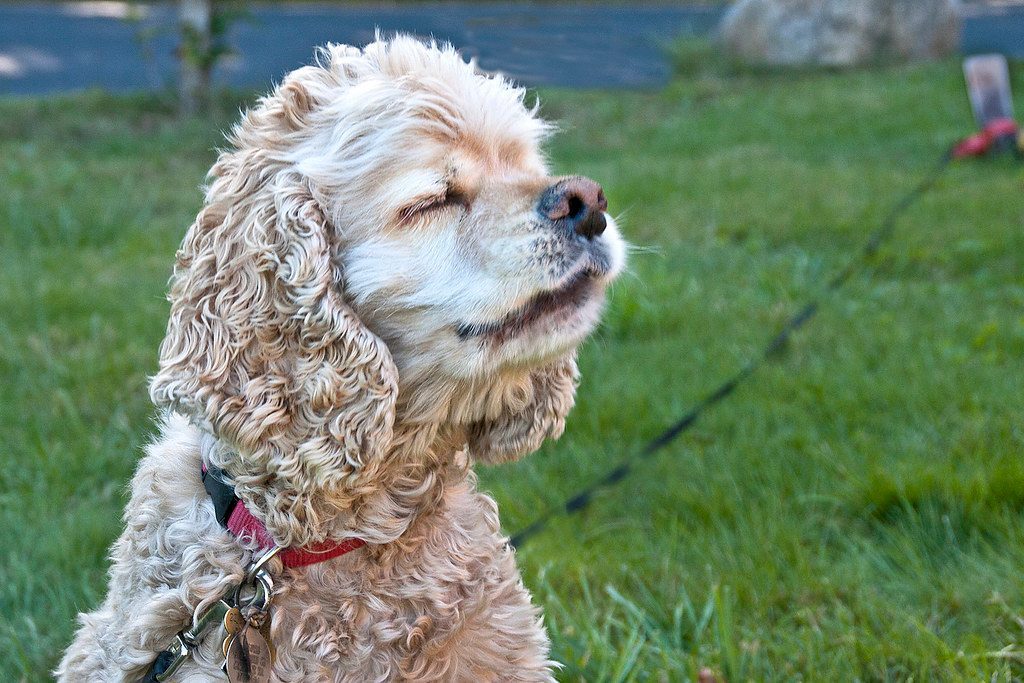
Anyone who has patiently waited for their pup to inspect every tree and lamppost on their block knows that dogs largely experience the world through smell. A dog’s nose contains hundreds of millions of receptors compared to our roughly 6 million. This incredible olfactory power transforms how they dream.
Humans rarely report scents when recounting dreams; however, we should expect dogs to dream in smells, he says, given that olfaction is so central to their waking experience of the world. Unlike light, odors linger and waft. A family may leave the house, but to the dog, they’re still present in the form of their distinctive smell.
Imagine dreaming not just in pictures, but in layers of scent that tell stories – the lingering aroma of yesterday’s bacon, the comforting smell of your pillow, the exciting trail of that mysterious cat from the morning walk. That vastly different relationship to time and space could result in dreams we can barely imagine.
Recognizing Normal Dream Behavior vs. Warning Signs
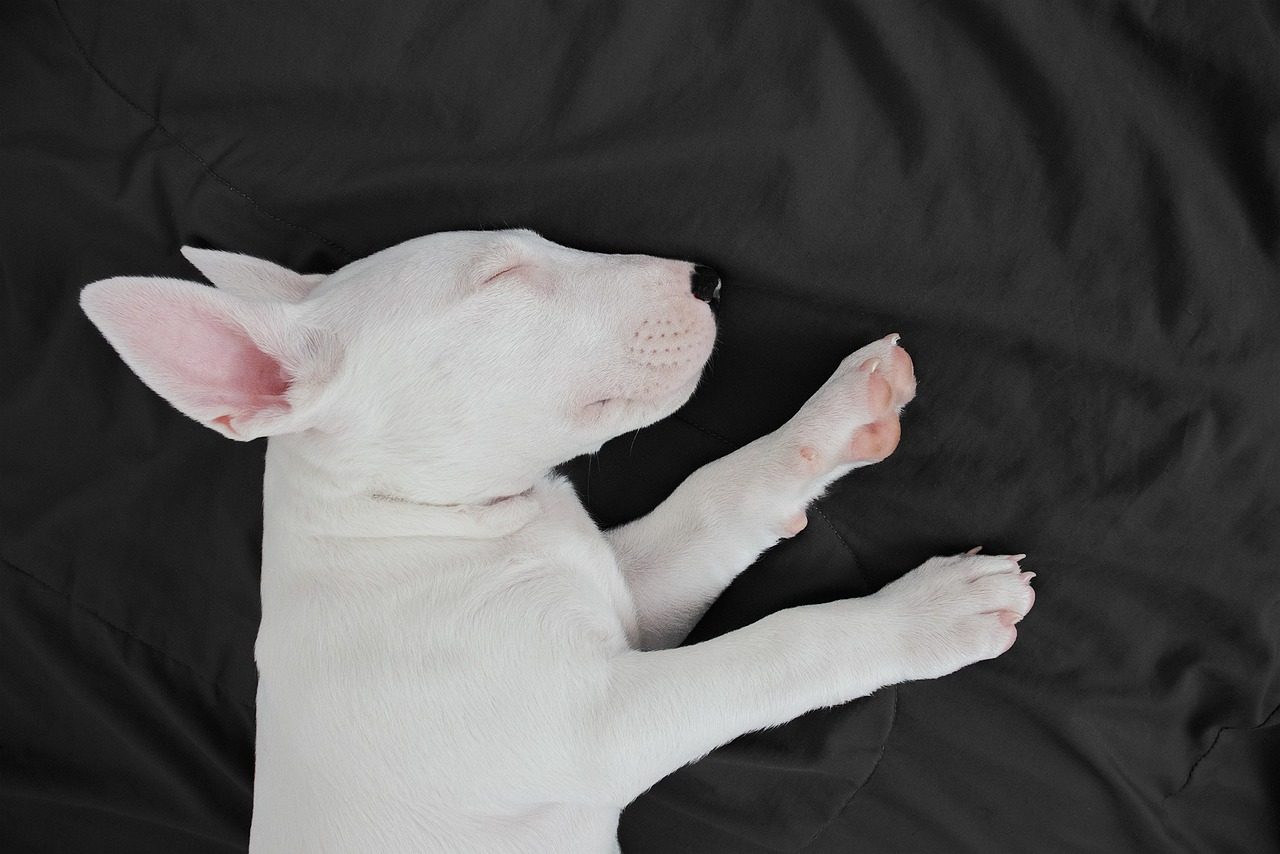
These involuntary movements – where a dog is twitching in their sleep – only occur during dream states and usually don’t last long. Twitching can happen anywhere in your dog’s body but commonly occurs in the legs, tail, or head. It may be accompanied by small vocalizations.
Twitching during sleep is normal and is often an indication that your dog is dreaming or has been startled by a noise. It’s very common for dogs to react subconsciously to dream images by also wagging their tail, whining, snarling, lip curling or even barking – often surprising themselves awake in the process.
However, you should be concerned if you notice significant and extended periods of twitching can be symptomatic of diabetes, hypothermia, kidney and liver issues or poison ingestion, or your dog’s shaking and twitching beginning to interfere with their sleep. However, it is often advised to not awaken a dog that is twitching in their sleep unless they are clearly in distress. A nightmare or night terror could be the cause of these involuntary movements, and they may wake up frightened.
How to Support Your Dog’s Healthy Sleep and Dreams
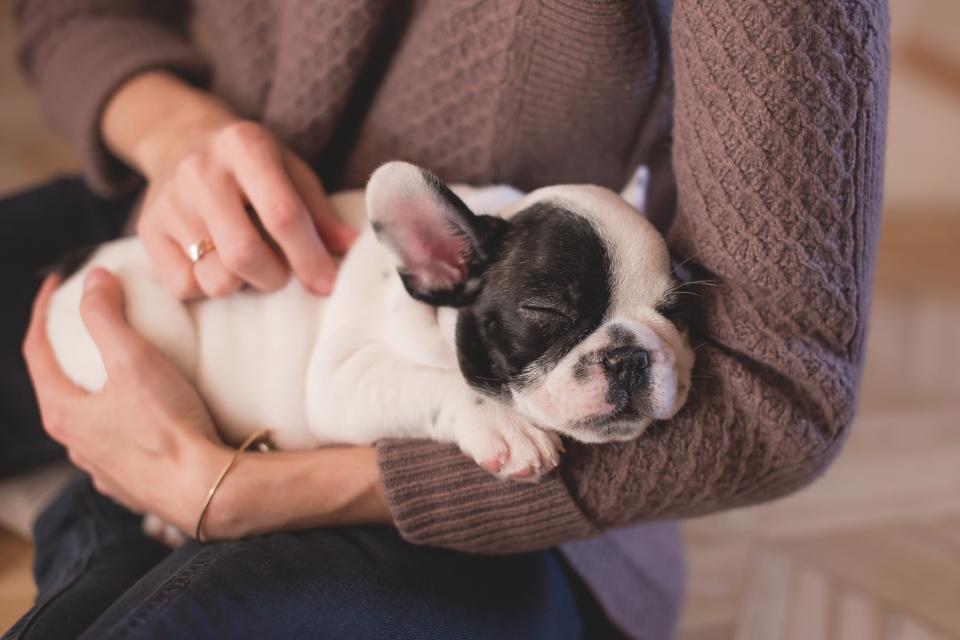
It’s important for dogs to get enough sleep. Scientists believe that sleep plays a big role in memory consolidation, helping us all retain information about what’s significant in our lives and storing that as long-term memories while simultaneously forgetting what is forgettable.
Instead, gently call your dog’s name until they respond. Speak calmly and reassure them that they are safe and secure after they wake up. Never physically touch a dreaming dog, as they might react defensively while still partially asleep.
Create an ideal sleep environment by providing a comfortable bed in a quiet area, maintaining consistent bedtime routines, and ensuring your dog gets adequate physical and mental exercise during the day. A quiet dog crate or comfortable dog bed can certainly help with sleep, but routinely waking your sleeping dog could hinder their ability to learn – and make them grumpy.
The next time you watch your dog’s paws paddling through dreamland, remember you’re witnessing something truly special. Those gentle twitches and soft whimpers aren’t just random movements – they’re evidence of a complex inner life where memories, emotions, and experiences come together in ways we’re only beginning to understand. Your faithful companion isn’t just sleeping; they’re processing their day, consolidating their memories, and quite possibly dreaming of you.
What do you think your dog dreams about? Tell us in the comments about the sweetest sleep behaviors you’ve noticed in your furry friend.

- 10 Dog Breeds That Are Surprisingly Good Apartment Dwellers - June 17, 2026
- The World’s Rainforests Teem With Undiscovered Species Waiting to Be Found - June 17, 2026
- 7 Surprising Benefits of Having a Cat in Your Home - June 17, 2026