

The natural world has always been deeply woven into the fabric of Native American culture, creating a rich tapestry of stories that explain why animals behave the way they do. These aren’t just simple tales – they’re profound teachings that connect the physical world to spiritual truths.
For thousands of years, tribal elders have watched closely as animals migrate, hibernate, hunt, and communicate, finding in these behaviors the keys to understanding life’s mysteries. What makes these stories so compelling is how they bridge the gap between careful observation and timeless wisdom. Let’s explore nine remarkable animal behaviors that Native American lore has transformed into unforgettable lessons.
The Buffalo’s Sacred Migration Through Plains Legends
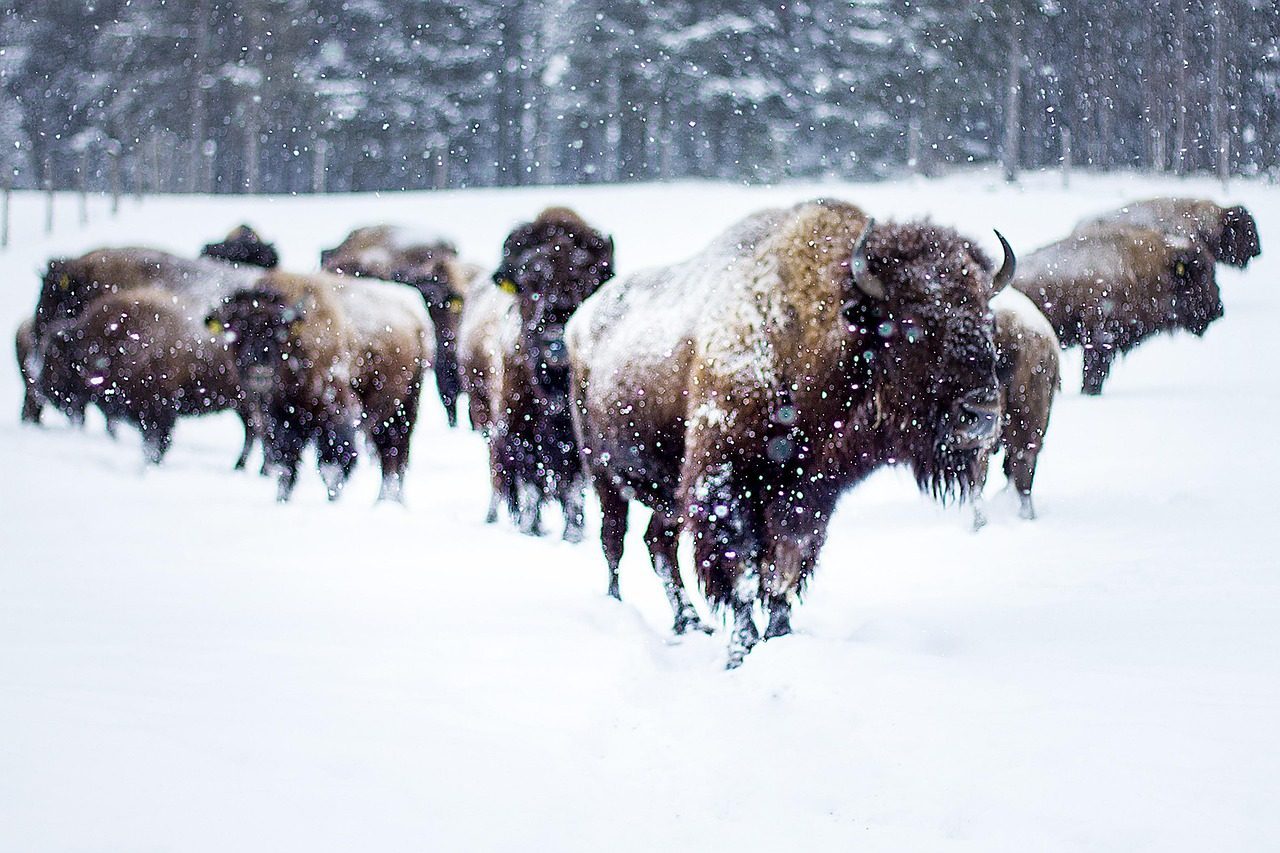
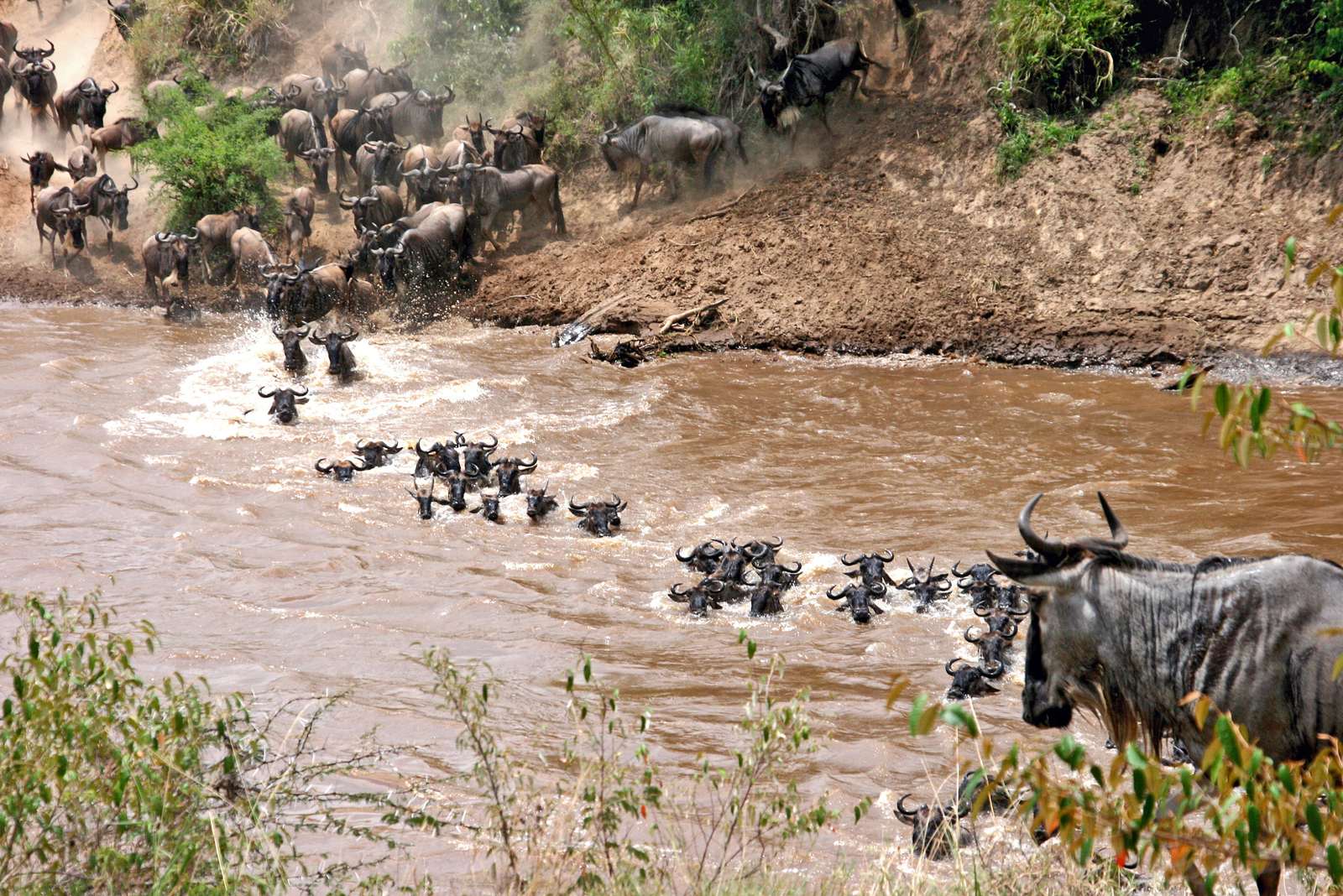
A Great Plains Indian legend tells of a young hunter who marries a female buffalo in the form of a maiden, and when his people reject his wife, he must undergo several tests to join the buffalo nation. These massive herds that once darkened the Great Plains represented abundance, sacrifice, and the interconnectedness of all life, with Plains tribes understanding that their survival depended entirely on these magnificent animals. The buffalo’s willingness to provide everything needed for survival created a spiritual bond based on gratitude and respect rather than simple hunting.
In the mythology of Plains tribes, the buffalo is a favorite character and is seldom encountered in the mythology of other areas. Think about this remarkable migration that covered hundreds of miles annually. These weren’t just random movements but sacred journeys that taught Native peoples about the rhythm of life itself.
Why Bears Learned to Sleep Through Winter
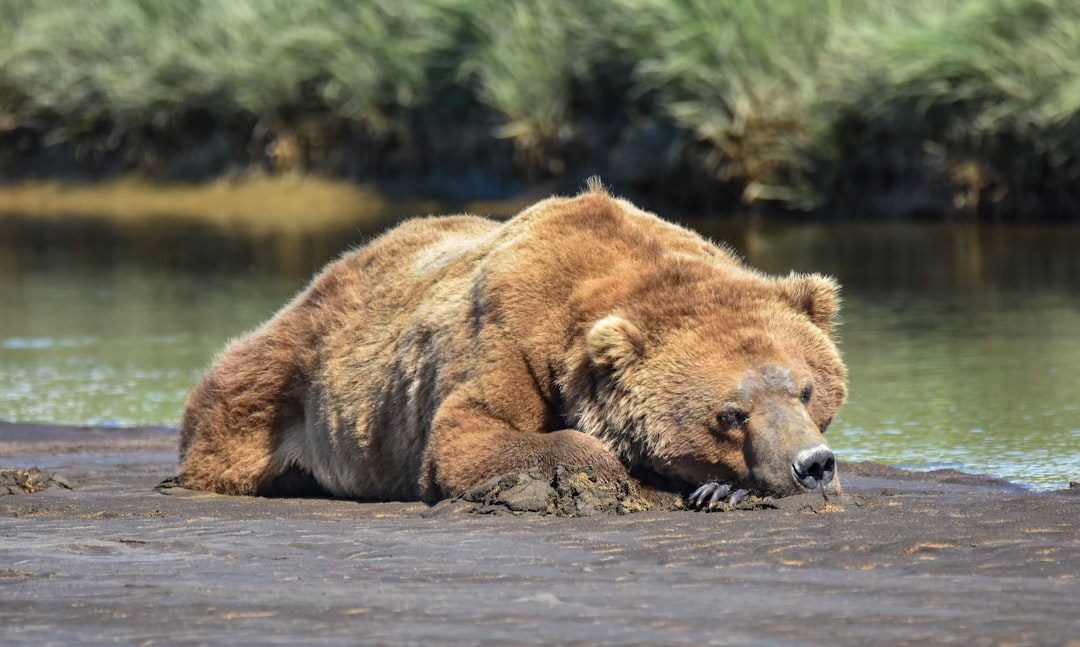
The bear, a giant of a beast but gentle to all who see its tender loving ways, did not always sleep (hibernate). It was during the time of the first winter that Wind gave Bear the gift of sleep, though all the animals of the forest thought Bear was lazy and slow.
Bears are known for their hibernation practices, which symbolize the need for periodic withdrawal and self-reflection. The bear’s annual hibernation cycle teaches about the importance of withdrawal, rest, and renewal, demonstrating how quiet contemplation precedes powerful action by retreating into dreams during winter. Here’s what makes this story fascinating: it acknowledges that even powerful beings need rest, and that what others might see as laziness could actually be wisdom.
The Clever Coyote’s Fire-Stealing Adventures
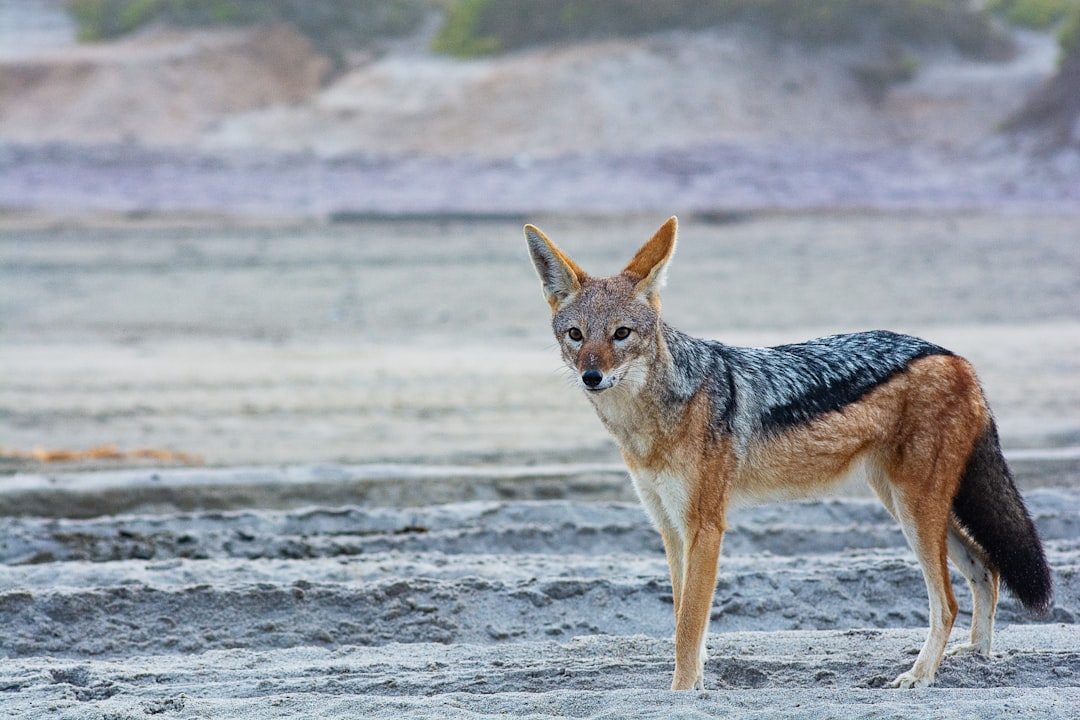
In Native American myths, the coyote is often portrayed as a trickster, though one who often acts for the benefit of humankind, such as stealing fire to help humans survive cold winters. The Okanogan of northeastern Washington tell of how Coyote steals a salmon weir from two bird sisters and brings it to people so that they can catch fish.
The coyote’s cunning behavior in real life – its adaptability, intelligence, and survival skills – made it the perfect character for these teaching stories. Coyote in Navajo mythology has power over the rain and is responsible for the creation of the Milky Way and lunar phases. What’s remarkable is how Native storytellers observed the coyote’s problem-solving abilities and wove them into cosmic creation myths.
Eagle’s Sacred Flight to the Spirit World
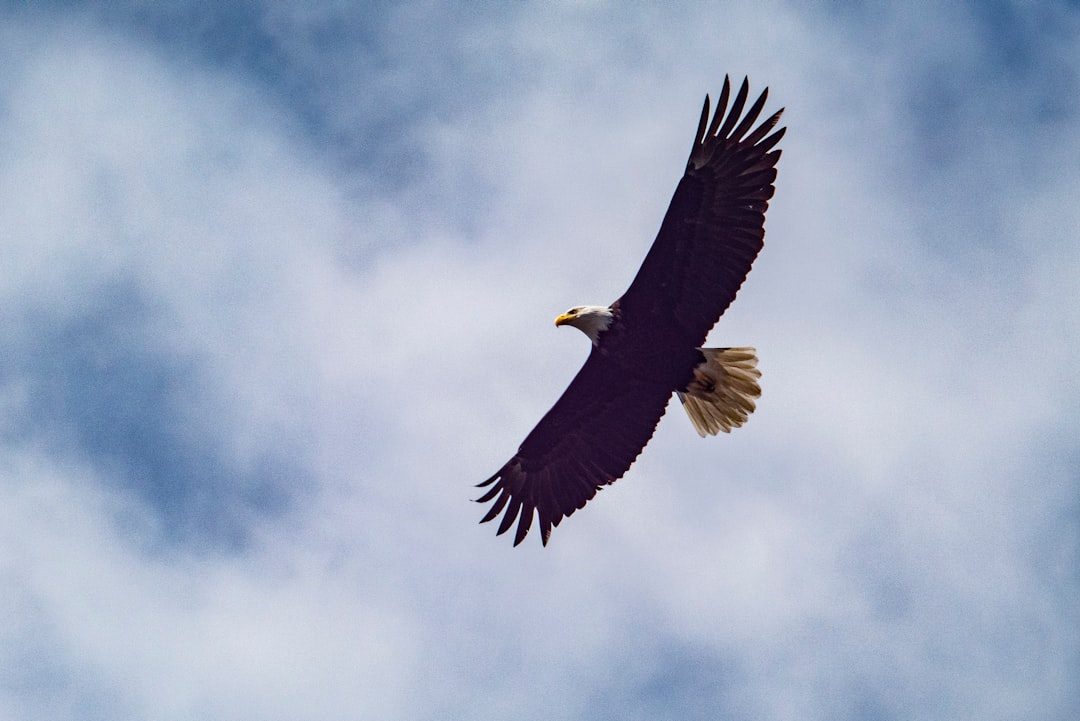
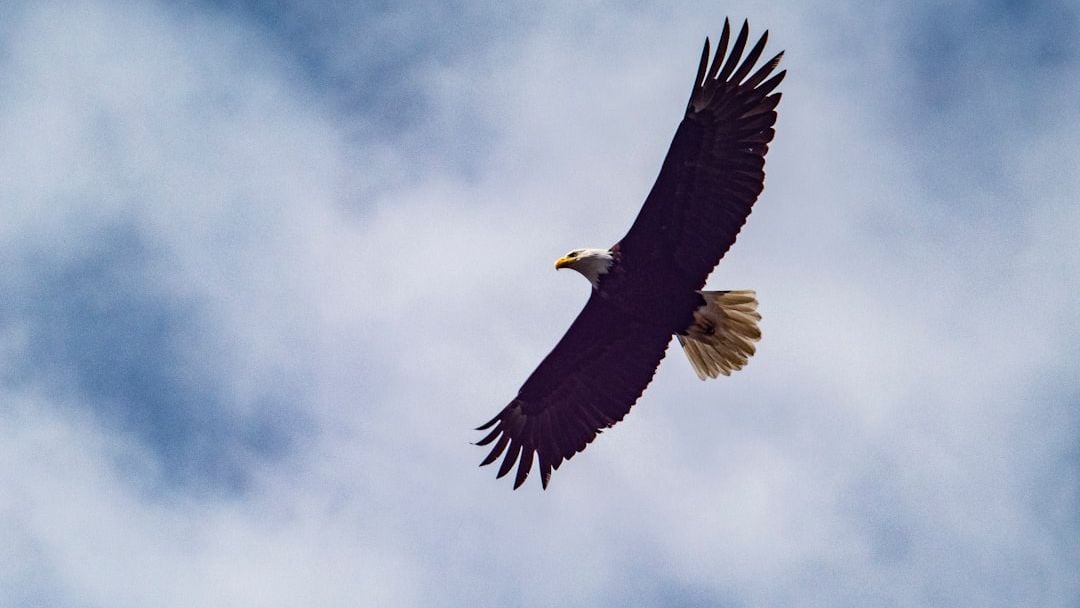
This bird of prey is held sacred in many Indigenous communities and, depending on the tribe, may be seen as a spiritual messenger or symbol of courage and power. Their ability to soar above the land is seen as a symbol of transcendence, connecting humans to the sky, the Creator, and the ancestors, with eagles flying closest to the Creator and often associated with strength, spiritual clarity, and leadership.
The eagle’s soaring flight patterns aren’t just impressive aerial displays. Only Owl was able to stay awake for seven days, and as a reward, the Great Spirit gave him the gift of sight in the dark. Think about this: eagles can ride thermals for hours without flapping their wings, reaching altitudes that bring them closer to the heavens than any other bird. This natural behavior became the foundation for viewing eagles as divine messengers.
The Mysterious Language of Wolf Pack Communication
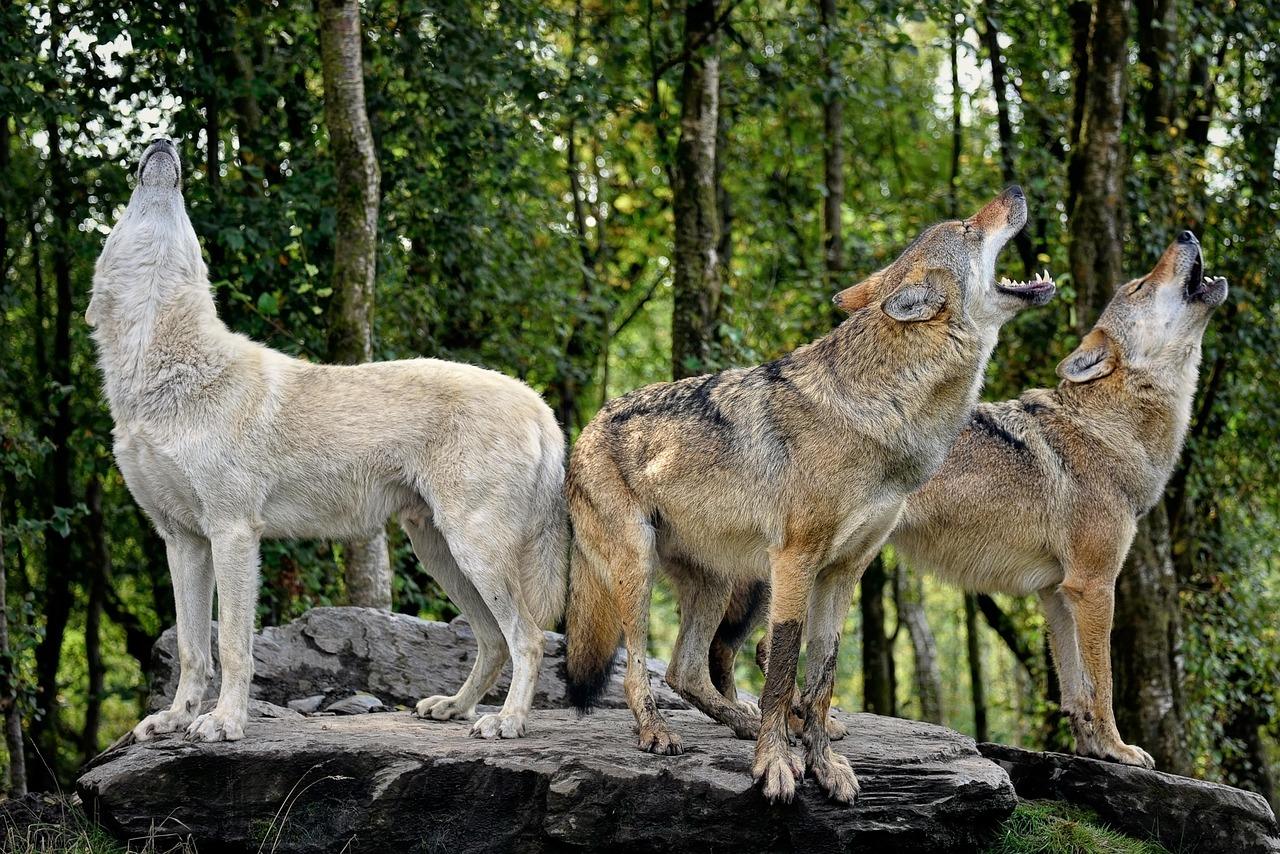
Wolves are often portrayed as cunning and intelligent creatures who are able to communicate with each other telepathically. They are also associated with loyalty and family values, as packs of wolves are known to stick together through thick and thin. The Cherokee believe that wolves are family-oriented creatures who work together to hunt and protect each other, leading to the creation of stories where wolves act as guardians or mentors to human characters.
Here’s the thing about wolves that made them so important in Native lore: their complex social communication system. Modern science has proven that wolves use body language, scent marking, and different howls to coordinate pack activities across vast distances. Animals manage themselves; they make their own decisions about when to reproduce, and where to go, decisions that are quite independent of any human desires.
Beaver’s Engineering Wisdom and Community Building
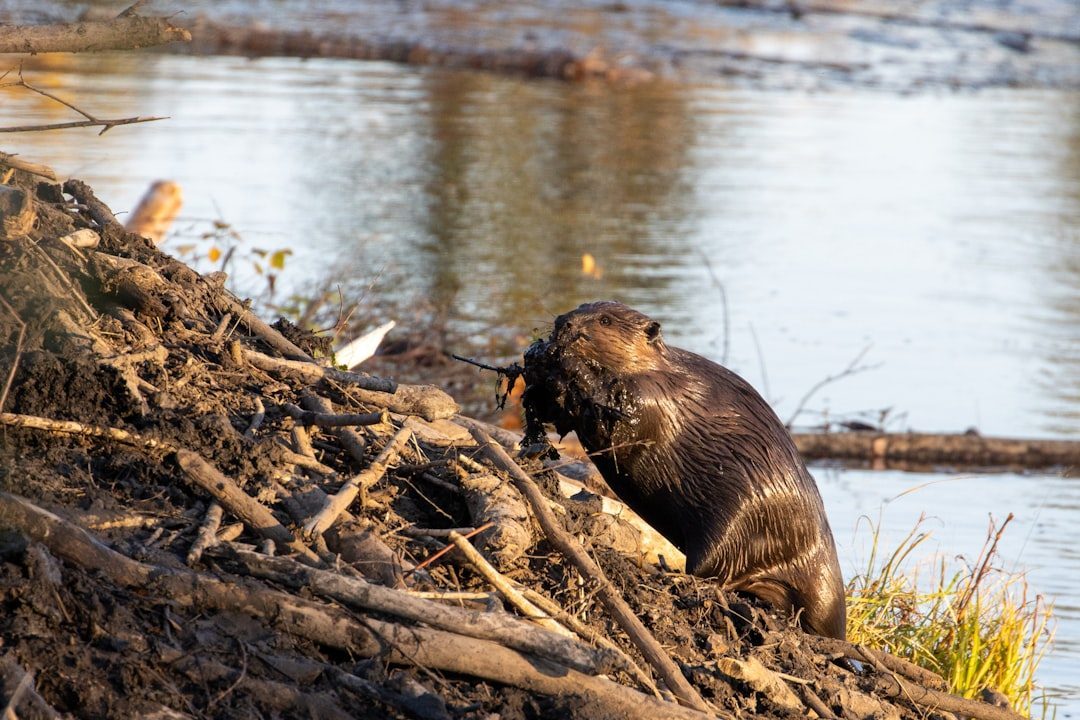
The Beaver is said to have been a woman at one time, with Tsimshian legends telling of this woman who dammed a stream to swim in it. Because she refused to get out, she was transformed and her leather apron became a Beaver’s tail. In Haida legend, it is the Beaver who is responsible for providing the Salmon that the Raven had stolen to give back to the people.
Beavers play a variety of roles in Native American folktales from different tribes. In some tribes, they are portrayed as hardworking and persevering, but in others, they represent selfishness and stubbornness, with some stories showing Beaver causing floods or droughts by building dams without considering how they will affect other animals. This dual nature in the stories reflects the complex reality of beaver behavior – their incredible engineering skills can both create thriving wetland ecosystems and dramatically alter landscapes.
Frog’s Transformation Between Two Worlds
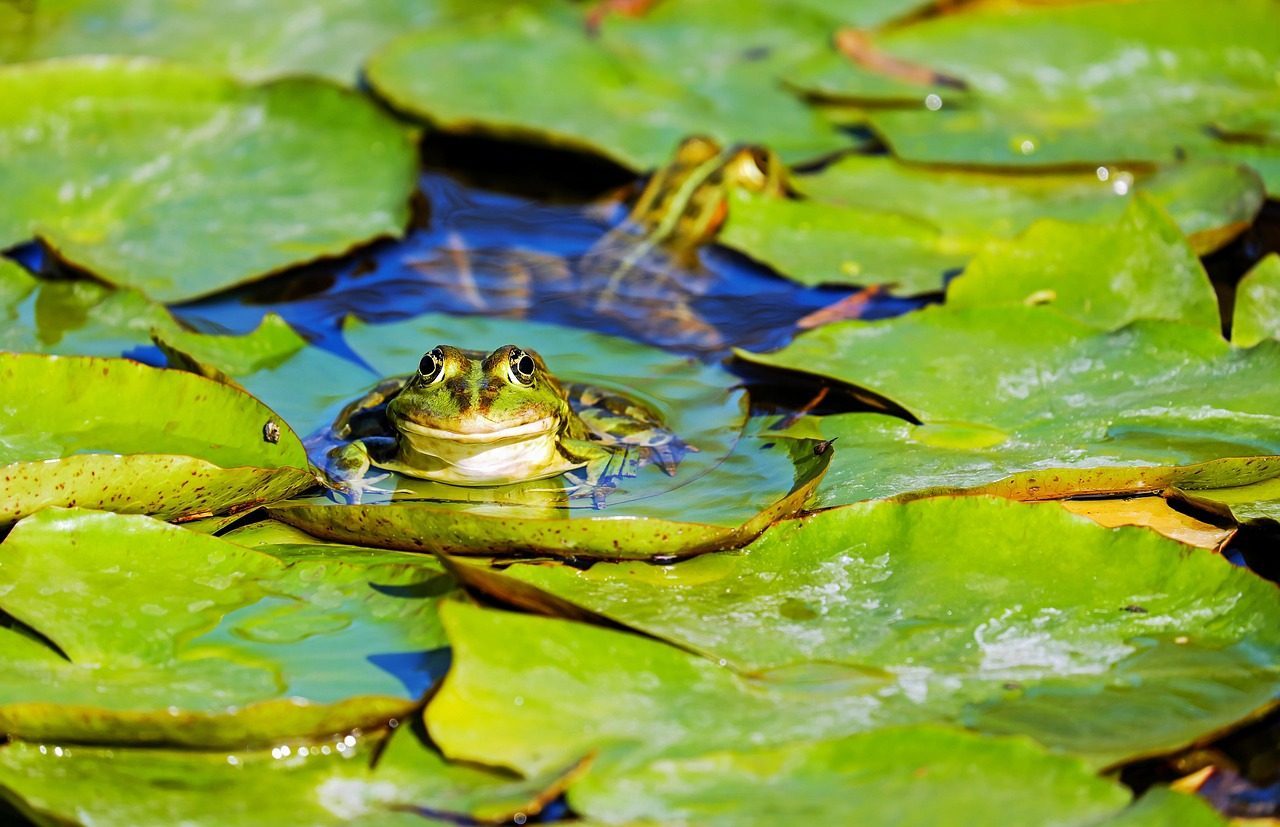
Since he is living in two worlds, water and land, the Frog is revered for his adaptability, knowledge and power to traverse worlds and inhabit both, the natural and the supernatural. Frogs are used by Shamans as spirit helpers who provides the voice of the people, with Frog’s songs believed to contain divine power and magic. When a frog is touching his tongue with another creature, it represents the exchange of knowledge and power.
These animals have been an important part of many Native American cultures for centuries, often being seen as symbols of transformation, fertility, and new beginnings, with some tribes, such as the Cherokee, considering the frog a sacred animal associated with the goddess of creation. The frog’s life cycle – from water-breathing tadpole to air-breathing adult – perfectly embodies the concept of transformation that’s central to many spiritual teachings.
The Thunderbird’s Storm-Calling Powers
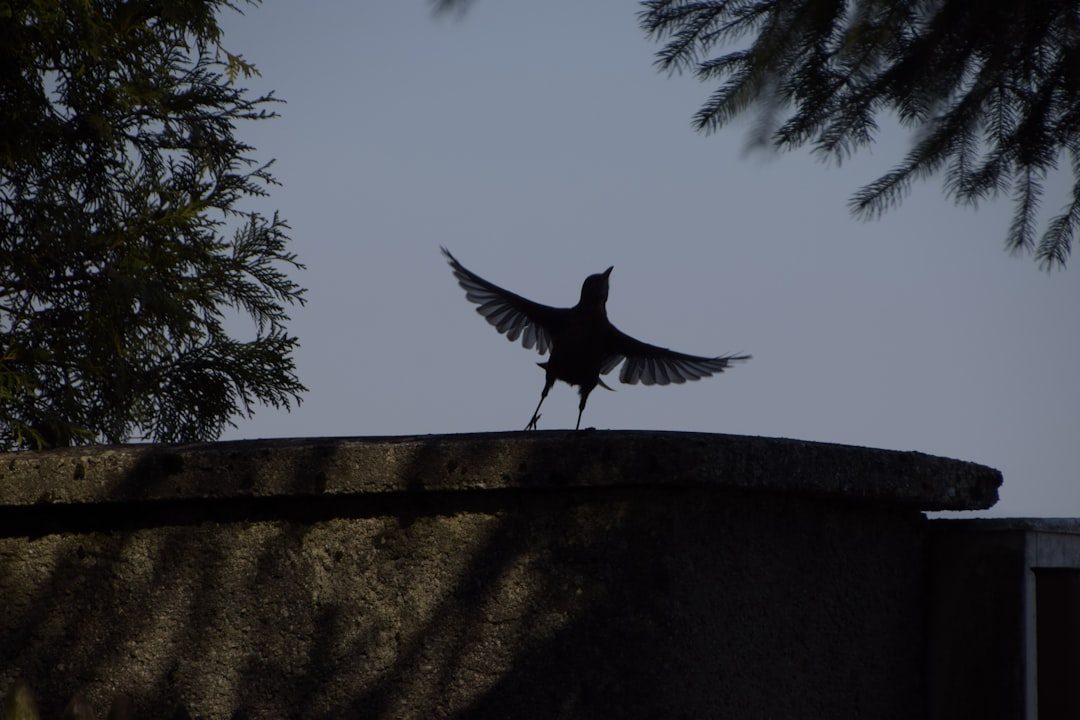
Frequently depicted in Native art, the Thunderbird is often shown clutching the Killer Whale in its talons and on top of totem poles with its wings outspread. The representation of a Thunderbird bears a striking resemblance to the Eagle except that it has curly horns on top of its head. One prominent Coast Salish legend tells of the Salish people’s great dependence on the Salmon, and when the Killer Whale swam into the bay and the Salmon were frightened away, the people began to starve and called out to the Thunderbird for help. The Thunderbird swooped down, grabbed the Killer Whale and carried him out to the sea, allowing the Salmon to return and the people to no longer be hungry, making the Thunderbird known as a protector of the people and deeply revered.
The Thunderbird’s connection to storms isn’t just mythological – large raptors like eagles actually do change their behavior before major weather events. They can sense barometric pressure changes and often soar to great heights, appearing to “call down” the storm.
Why Animals Know When to Tell Winter Stories
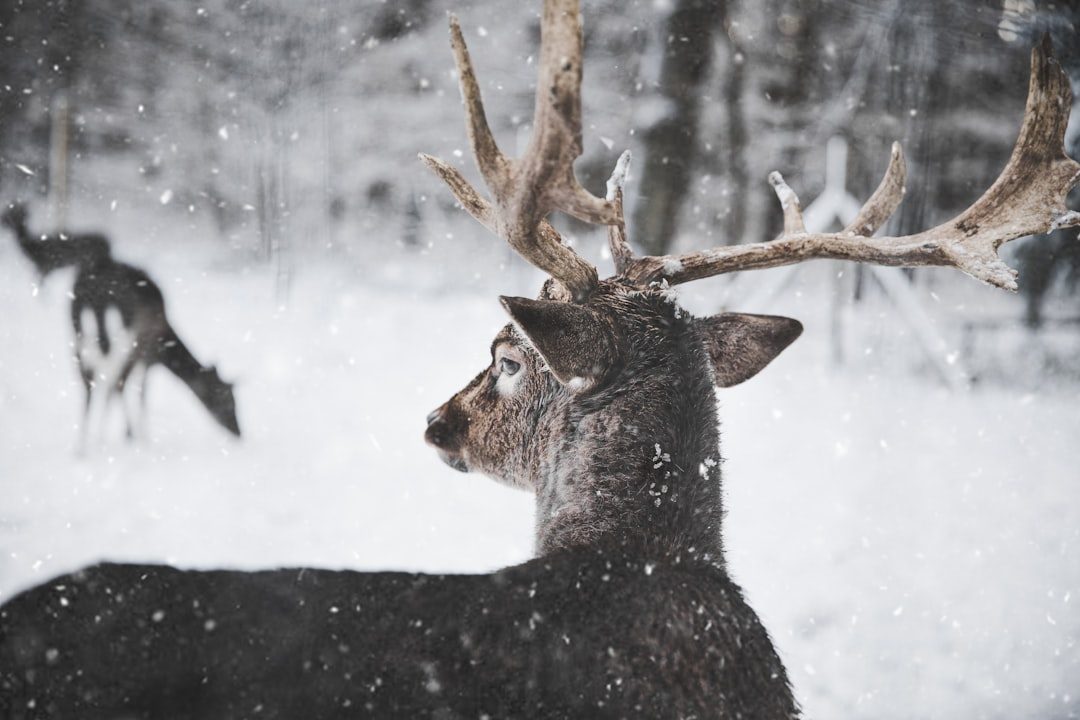
Another reason is that many traditional stories contain animal characters. To be respectful, people waited until the winter when animals hibernate or become less active so they cannot hear themselves being talked about. It’s also the time of haamaaha, storytelling of the coyote, stories of heroes, stories of the animals, sharing of knowledge, with parents saying that when you call haamaaha, people will arrive with piñon nuts gathered in the fall that are roasted and shared.
From tracking the behavior of specific animal species, such as the migration patterns of birds or the hibernation cycles of certain mammals, to observing the blooming of specific plants and the preparation of animals for winter, Native peoples developed sophisticated predictive systems. This behavior reveals something profound about indigenous wisdom: the deep respect for animal consciousness and the understanding that even our stories should honor their seasonal rhythms.
Conclusion
These nine animal behaviors showcase how Native American cultures created a sophisticated understanding of the natural world that’s both scientifically accurate and spiritually meaningful. From the buffalo’s great migrations to the bear’s winter sleep, each behavior became a doorway to deeper truths about survival, community, and our place in the web of life.
What strikes me most about these stories is their timeless relevance. Climate change is altering many of the migration patterns and seasonal behaviors that inspired these legends, yet the wisdom they contain about respecting nature’s rhythms feels more important than ever. These aren’t just charming folktales – they’re sophisticated teachings about living in harmony with the natural world, observations refined over thousands of years of careful watching and listening.
Have you ever noticed how animals seem to know things we don’t? What might we learn if we watched as closely as those ancient storytellers did?

- 21 Dog Breeds Only Found In America - July 12, 2026
- 10 Fascinating Facts About The Ancient City of Petra - July 12, 2026
- 15 Goofy Dog Breeds That Will Keep You Laughing Forever - July 12, 2026