
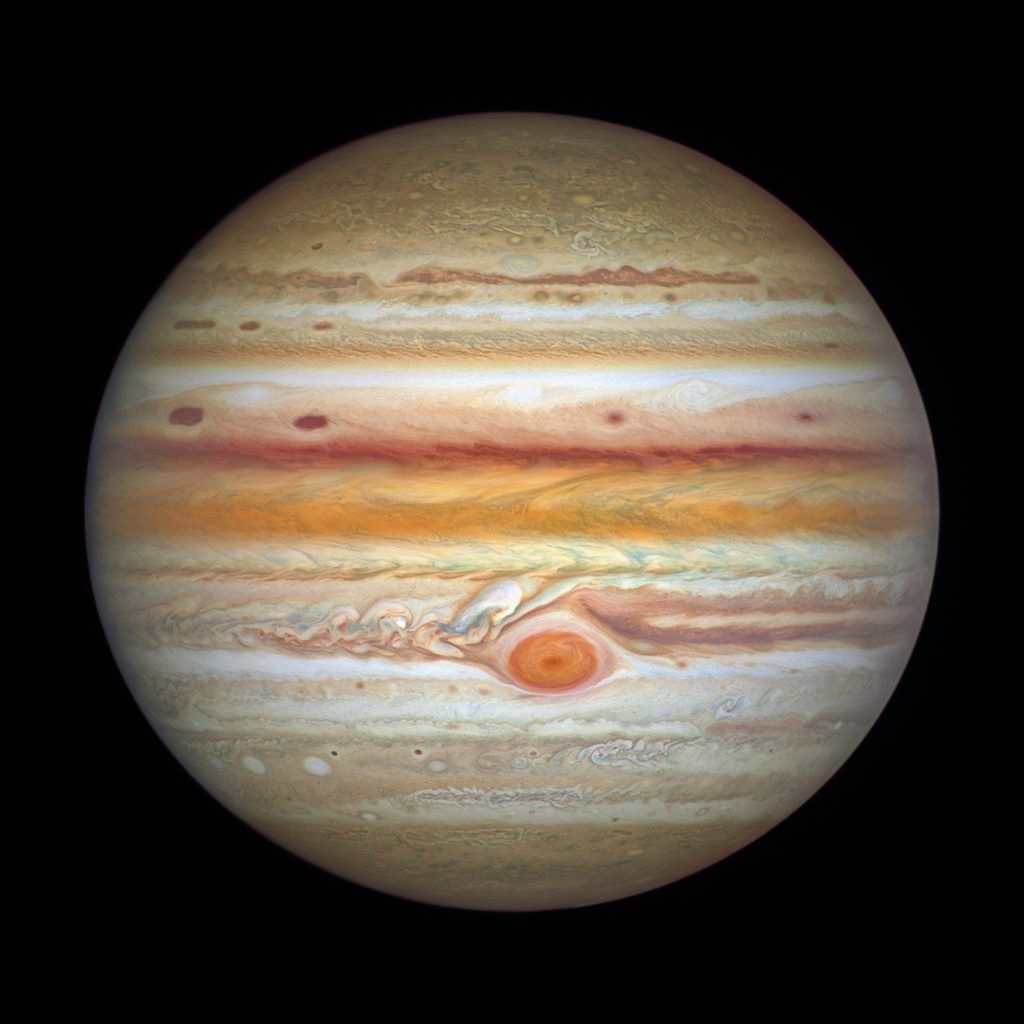
Think you know ? Think again. The gas giant we’ve all admired for its mesmerizing bands of swirling clouds and infamous Great Red Spot has been hiding some pretty shocking secrets deep within its belly. Scientists have recently uncovered evidence that challenges everything we thought we knew about how this colossal planet came to be. As it turns out, might have achieved its massive size in a much more dramatic way than anyone imagined. Get ready to dive beneath those gorgeous cloud tops.
The Baby Planet Eater
Jupiter’s interior is packed with the remnants of baby planets that the gas giant gobbled up as it expanded to become the behemoth we see today. Honestly, it sounds like something out of a cosmic horror story. These findings come from the first clear view of the chemistry beneath the planet’s cloudy outer atmosphere, courtesy of NASA’s Juno spacecraft, which has been orbiting Jupiter since 2016.
Gravitational data collected by Juno enabled scientists to map out the rocky material at the core of the giant planet, revealing a surprisingly high abundance of heavy elements, suggesting Jupiter devoured baby planets, or planetesimals, to fuel its expansive growth. Let’s be real, that’s not the gentle formation process we envisioned. These planetesimals were basically building blocks that could have become rocky planets like Earth or Mars if they hadn’t ended up as Jupiter’s cosmic snack.
A Core That Defies Logic
Jupiter’s core isn’t tight and compact – it’s sprawling, extending across nearly half the planet’s radius and appears to contain between ten and several dozen Earth masses of heavy elements. This discovery completely baffled researchers who expected something far more straightforward. The sheer size and composition of this fuzzy, diluted core doesn’t match up with standard formation theories.
The new data showed there were high amounts of heavy elements and that Jupiter’s core region accounts for roughly 30% of the planet’s mass, which is three times more than previous estimates suggested. Here’s the thing: if Jupiter had formed just from accumulating tiny pebbles, as one theory proposed, the planet wouldn’t have this kind of metallic richness. The heavy elements are spread out in a gradient rather than concentrated in a tight ball, which points to something much more violent happening during the planet’s youth.
How Juno Peered Beneath the Clouds
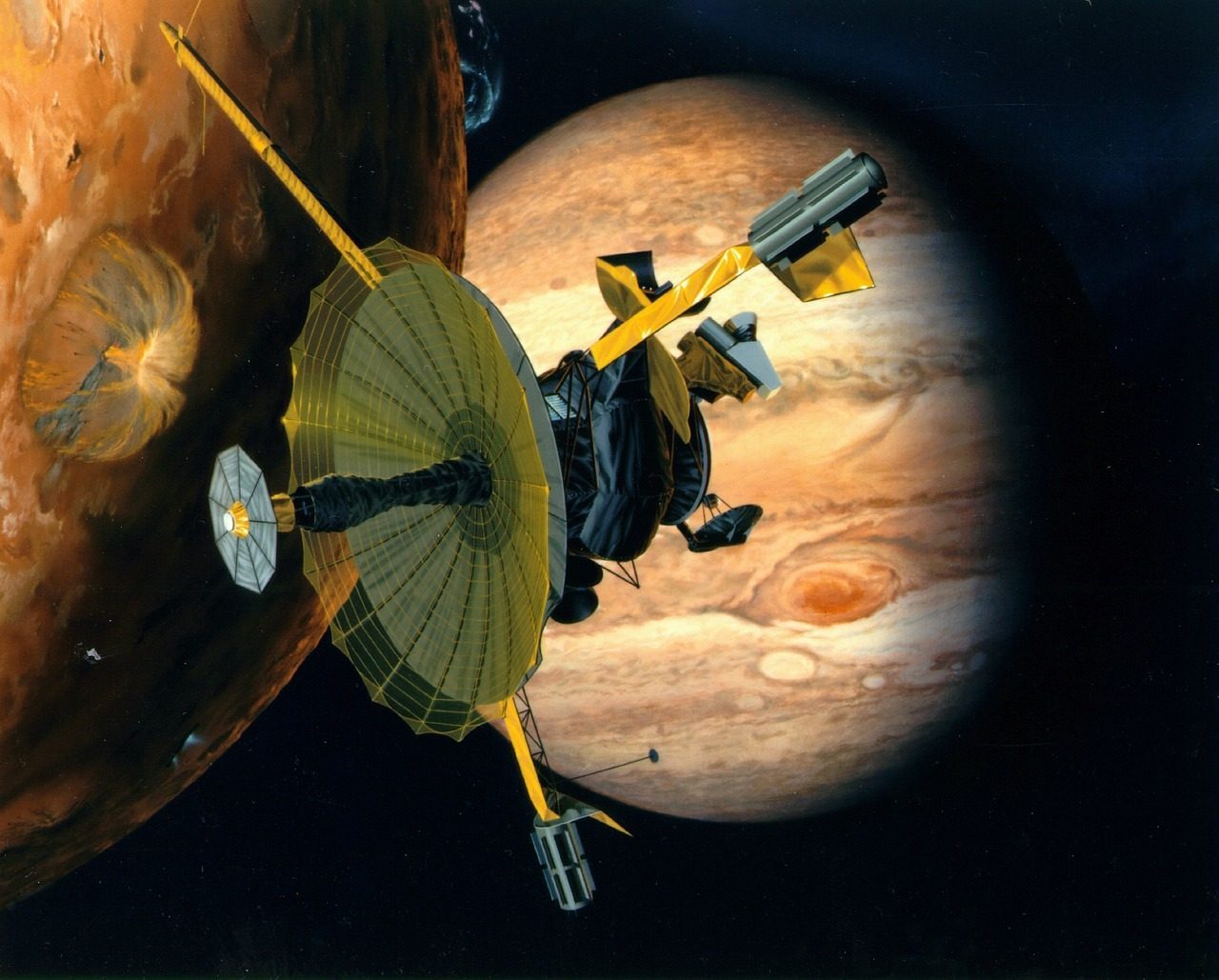
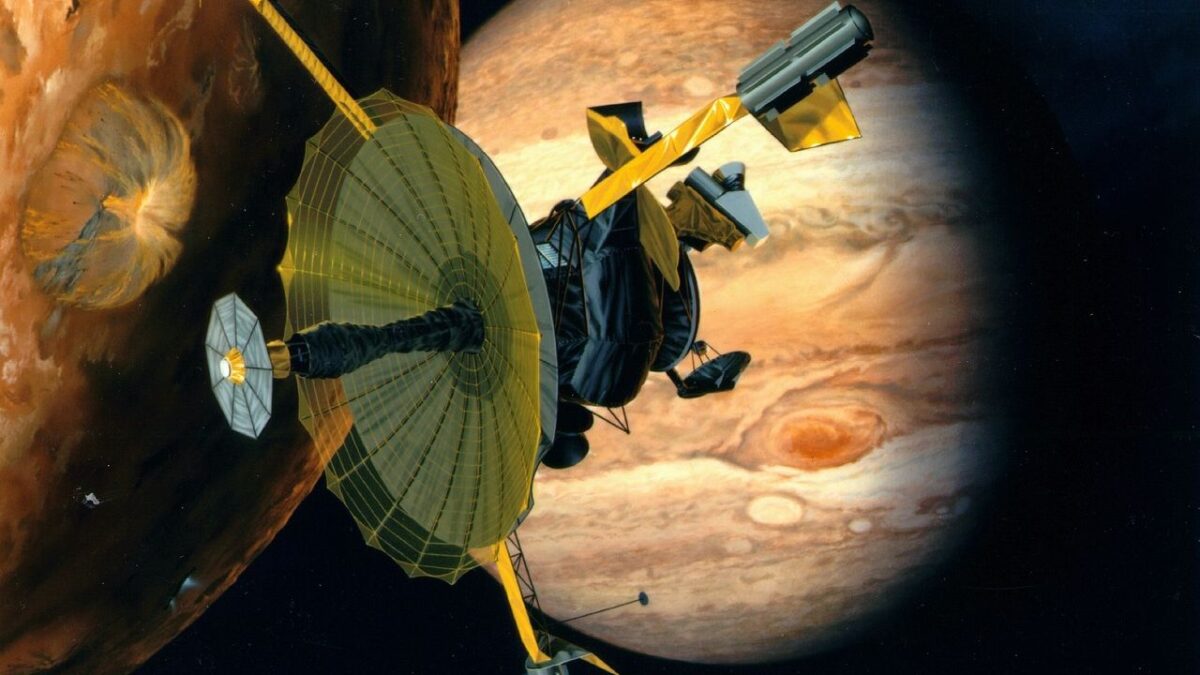
Researchers built computer models of Jupiter’s innards by combining data collected by Juno and its predecessor Galileo, with the probes measuring the planet’s gravitational field at different points around its orbit, showing that rocky material accreted by Jupiter has a high concentration of heavy elements. You can’t exactly send a drill down into Jupiter, right? So scientists had to get creative.
This data enabled the team to map out slight variations in the planet’s gravity, which helped them see where the rocky material is located within the planet using very unique data that can only be obtained with a spacecraft orbiting around the planet. Think of it like using sound waves to see what’s inside a locked box – you’re interpreting signals to figure out what’s hidden. The tiny shifts in gravity told researchers volumes about what Jupiter had been consuming during its formative years.
Jupiter’s Wild Youth Reshaped Everything
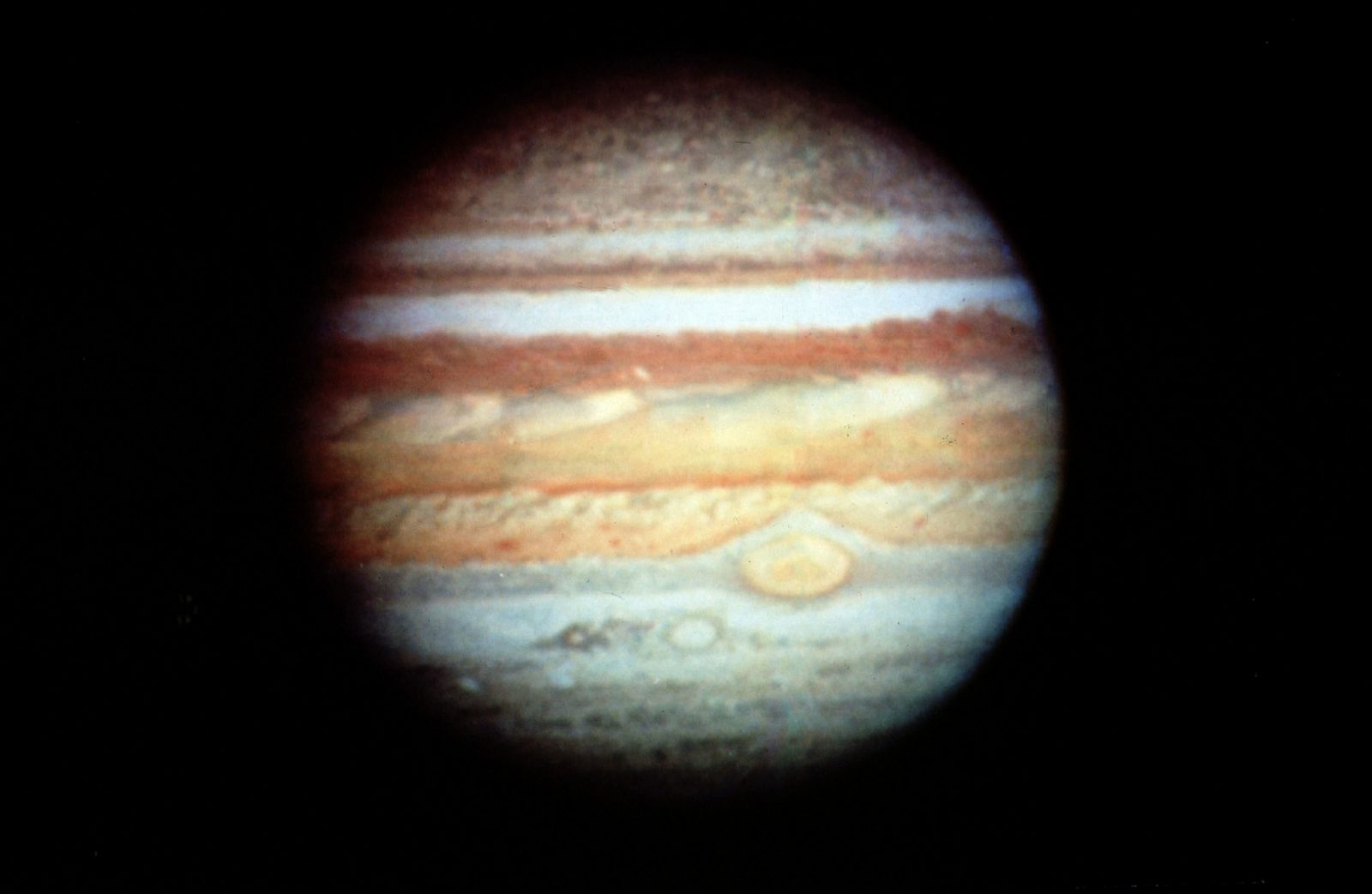
New research from Rice University indicates that Jupiter dramatically reshaped the early solar system, with the giant planet creating rings and wide gaps in the protoplanetary disk, helping to solve a long-standing mystery: why many primitive meteorites formed several million years after the very first solid materials. Jupiter wasn’t just sitting quietly in its orbit billions of years ago. It was causing absolute chaos.
Simulations reveal that Jupiter’s rapid growth disrupted the early solar system, creating rings where new planetesimals formed much later than expected, and these late-forming bodies match the ages and chemistry of chondrite meteorites found on Earth. What’s fascinating is that Jupiter essentially acted like a cosmic traffic cop, creating zones where material could accumulate and others where it couldn’t. This violent reshaping influenced not just Jupiter itself but every other planet that eventually formed, including our own.
Planetesimals vs Pebbles: The Verdict Is In
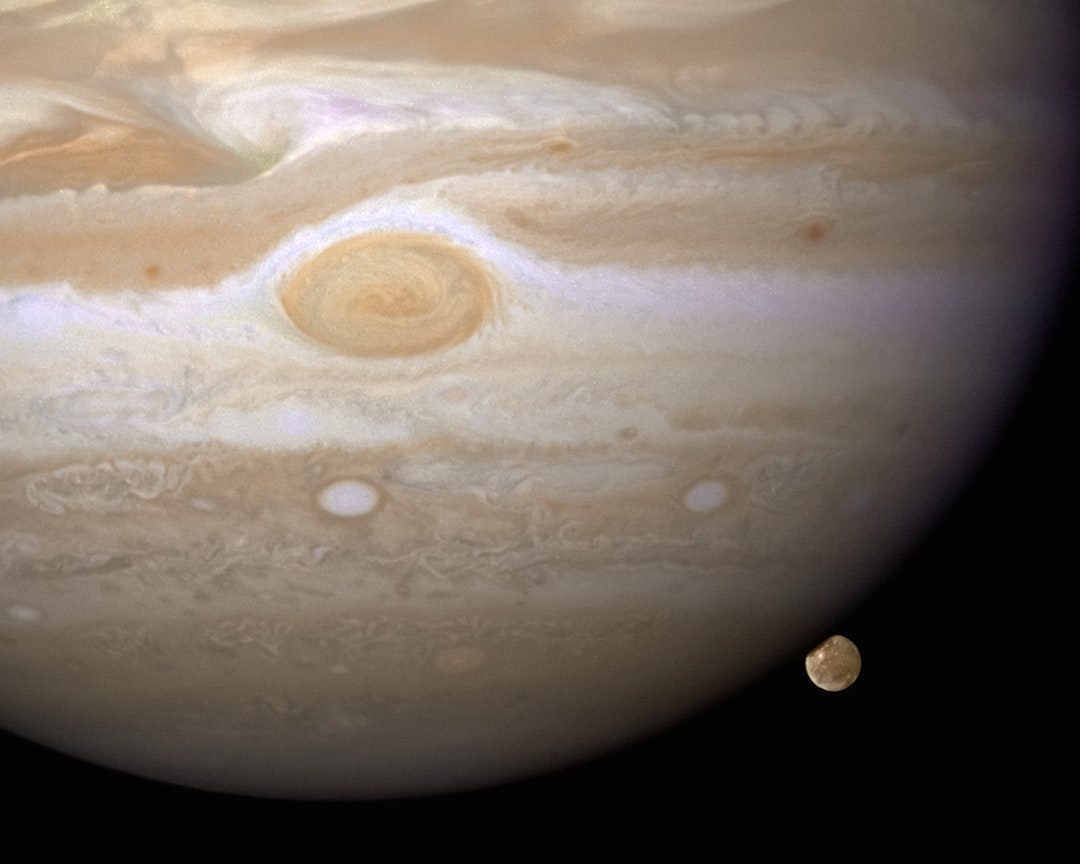
There are two mechanisms for a gas giant like Jupiter to acquire metals during its formation: through the accretion of small pebbles or larger planetesimals, and once a baby planet is big enough, it starts pushing out pebbles, so the richness of metals makes pebbles impossible, meaning planetesimals must have played a role. This settles a debate that’s been going on for years among planetary scientists.
The pebble theory just doesn’t hold water anymore. Pebbles would have been blocked by the growing planet’s gaseous envelope, creating a pressure barrier that prevented them from sinking deeper. Planetesimals, on the other hand, were massive enough – spanning several miles in diameter – that Jupiter’s gravity could yank them in even after the gas accretion phase had begun. The evidence is pretty overwhelming at this point.
What This Means for Earth and Beyond
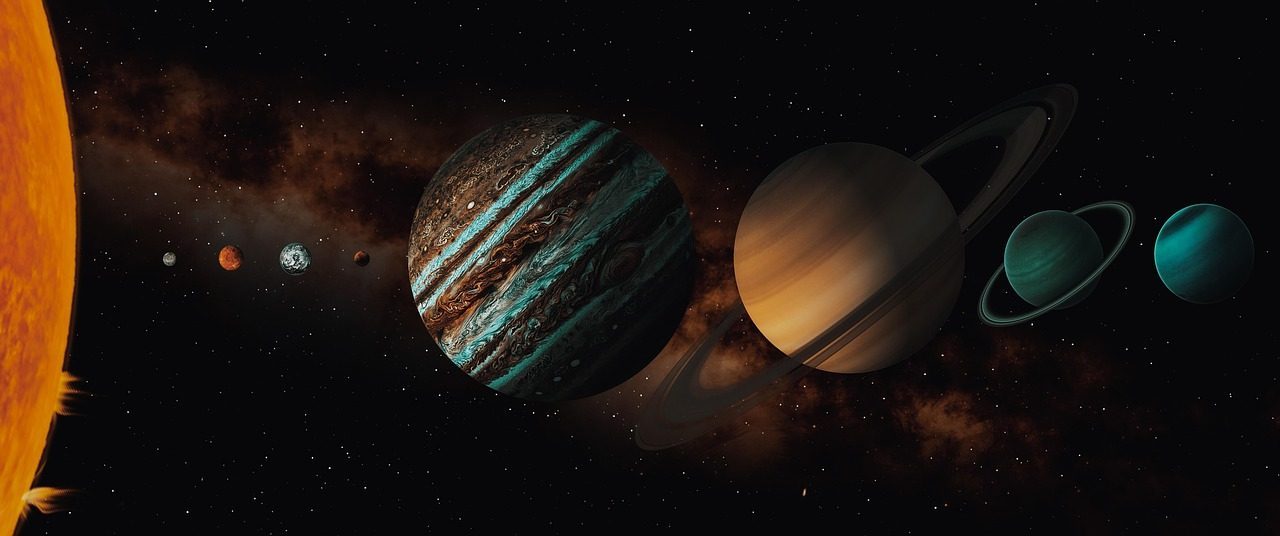
The findings also help explain why Earth and the other rocky planets remained near 1 AU rather than plunging inward, which is honestly a relief when you think about it. Jupiter cuts off the flow of gas material toward the inner solar system, suppressing the inward migration of young planets, so instead of plunging toward the sun, these growing worlds remained trapped in the terrestrial region, where Earth and its neighbors eventually formed.
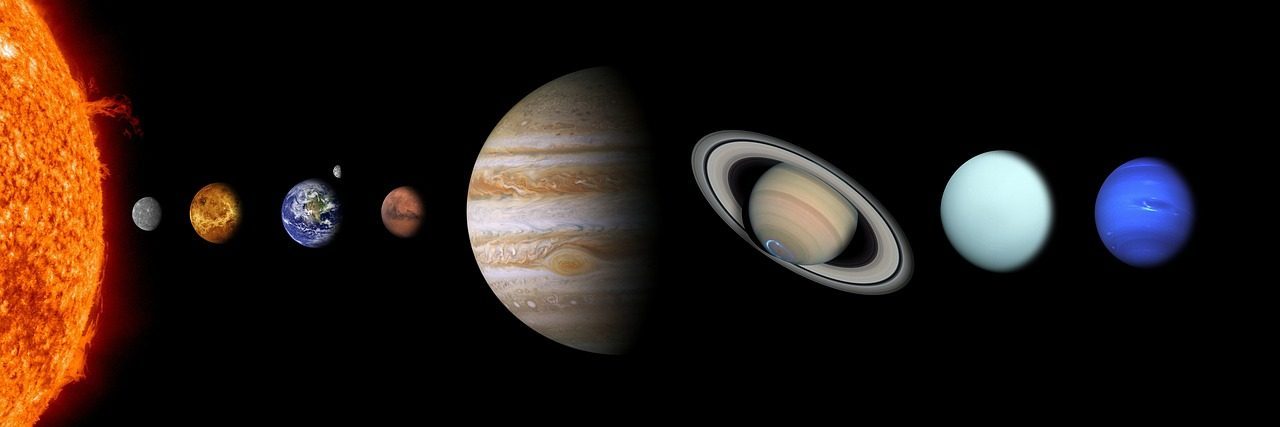
Jupiter was the most influential planet in the formation of the solar system, and its gravitational pull helped to shape the size and orbits of its cosmic neighbors. Without Jupiter’s massive presence acting as a gatekeeper, Earth might never have formed in the stable orbit that allowed life to flourish. The implications stretch far beyond our solar system too – understanding Jupiter’s formation helps us interpret the hundreds of gas giant exoplanets discovered orbiting other stars.
Conclusion
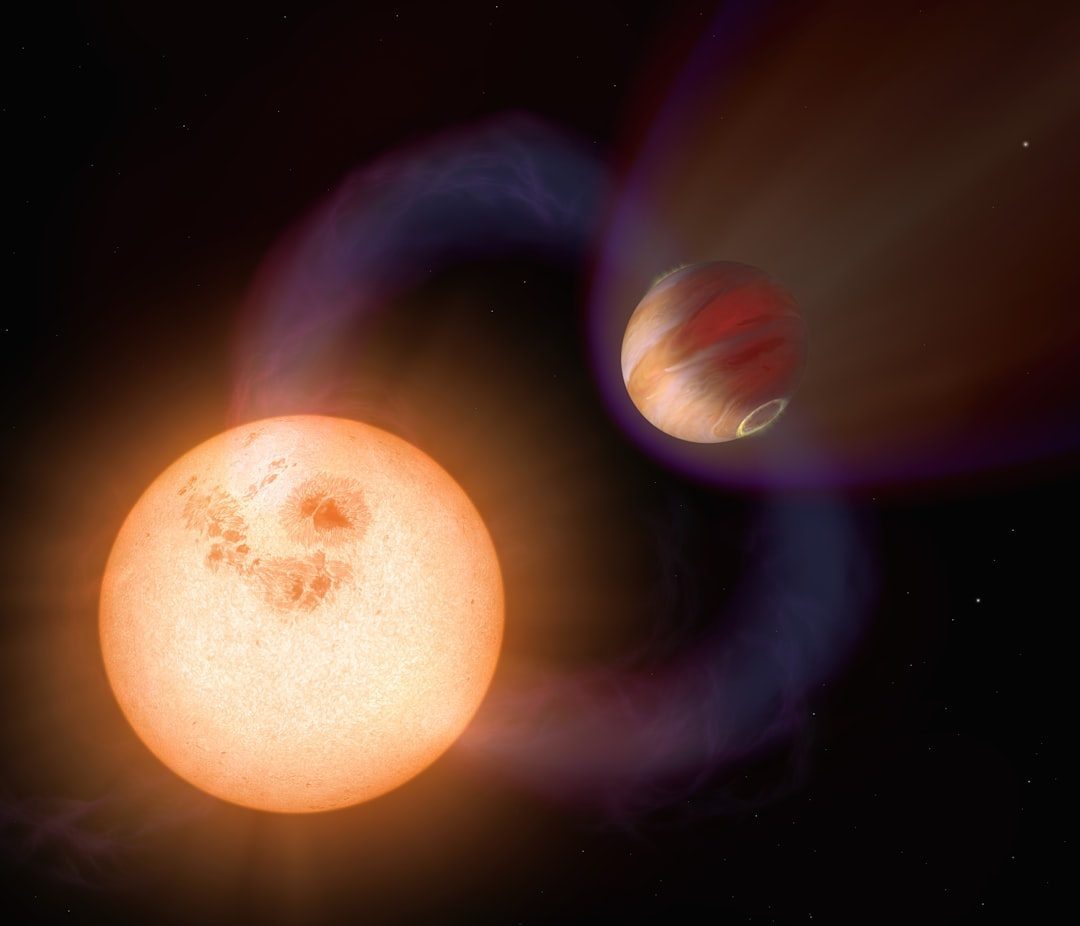
So there you have it. Jupiter isn’t just a beautiful gas giant with stunning storms – it’s a planetary cannibal with a violent past that shaped the entire solar system. The discovery that Jupiter fed on baby planets rewrites our understanding of planetary formation and reminds us that the cosmos is far more dynamic and brutal than we often imagine. Next time you look up at Jupiter through a telescope, remember what’s really lurking beneath those mesmerizing cloud bands.
What do you think about Jupiter’s hidden hunger? Does it change how you see our solar system’s giant? Let us know your thoughts.
