

Let’s be honest, if you’ve ever scrolled through travel photos or dive magazines, you’ve probably seen it. That impossibly dark blue circle in the middle of turquoise Caribbean water. It looks unreal, almost Photoshopped. Yet there it is, about forty miles off the coast of Belize, beckoning adventurers to discover what lies beneath.
The Great Blue Hole is a large marine sinkhole off the coast of Belize, circular in shape and roughly 318 meters across and 124 meters deep. Think about that for a second. That’s deeper than a football field is long, straight down into darkness. Here’s the thing: this isn’t just another pretty dive spot – it’s a time capsule from tens of thousands of years ago, holding secrets about our planet’s climatic past. So let’s dive in.
A Geological Wonder Frozen in Time
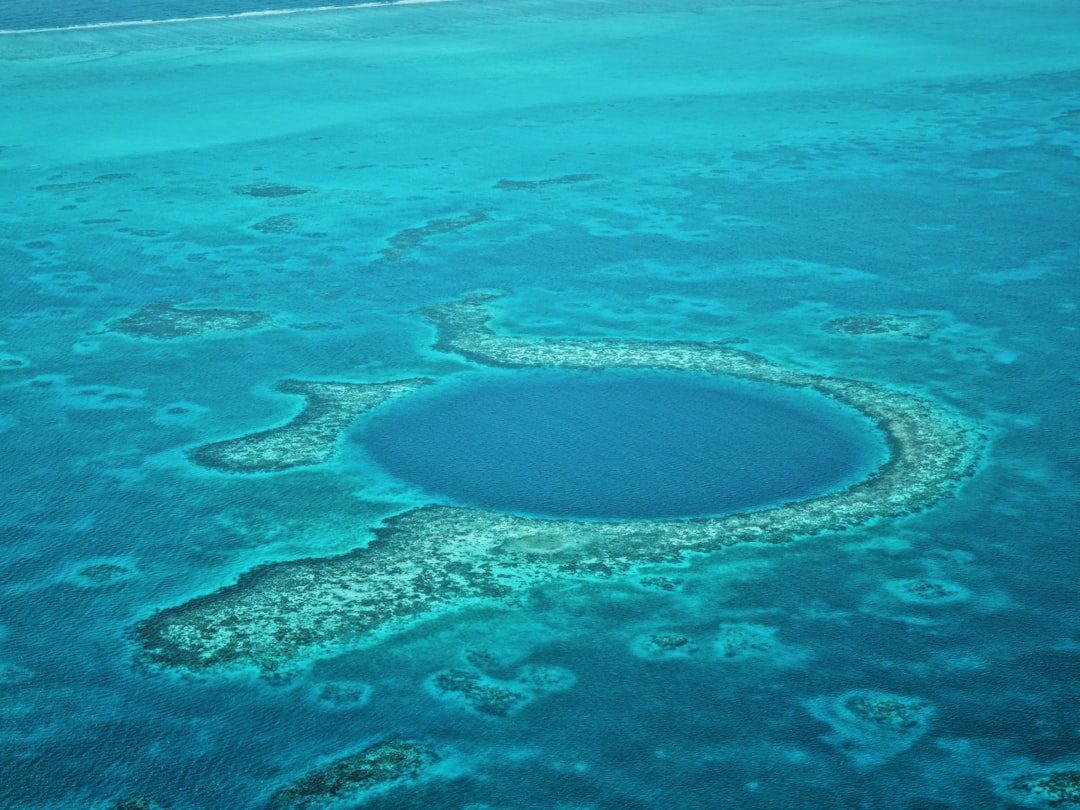
The formation took place during the Quaternary glaciation when sea levels were much lower, with analysis of stalactites showing formation occurred 153,000, 66,000, 60,000, and 15,000 years ago. Imagine massive limestone caves sitting high and dry, rainwater slowly dripping from the ceiling for millennia, creating mineral formations in complete darkness.
The sinkhole originally formed as a limestone cave during the last glacial period when sea levels were much lower, and as the ocean began to rise, the cave system flooded and eventually collapsed. What’s left is essentially a vertical cave in the ocean. The roof caved in, seawater rushed in, and suddenly you’ve got this perfectly circular window into Earth’s ancient past. It’s hard to say for sure, but honestly, it feels like nature showing off.
Jacques Cousteau and the Birth of a Legend
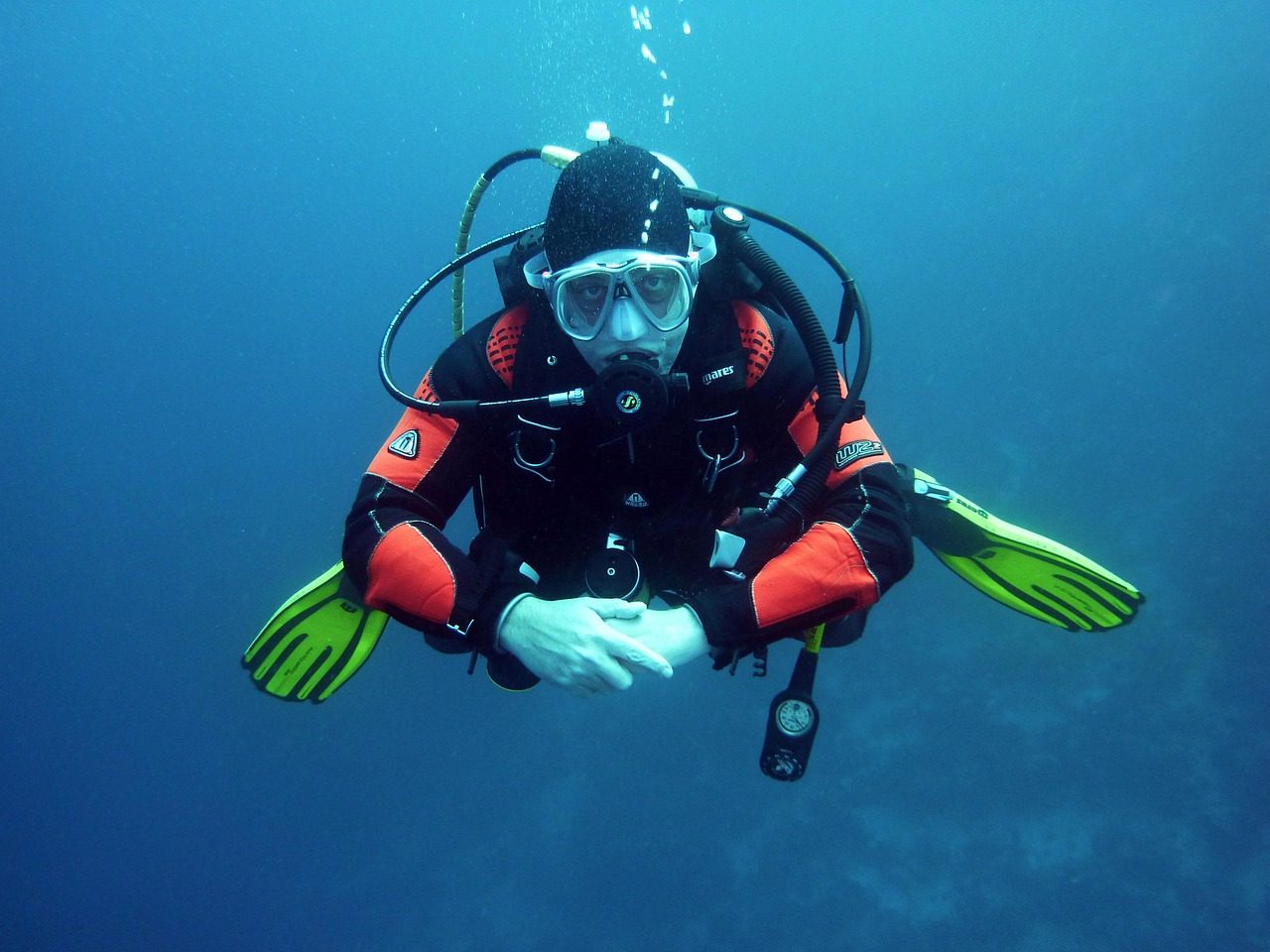
Jacques Cousteau declared it one of the top five scuba diving sites in the world, and in 1971 he brought his ship, the Calypso, to the hole to chart its depths. That expedition changed everything for this remote formation. Before Cousteau, few people outside Belize knew it existed.
Investigations by this expedition confirmed the hole’s origin as typical karst limestone formations, formed in at least four stages, with stalactites retrieved from submerged caves confirming their previous formation above sea level. His team discovered something remarkable: some of these stalactites were off-vertical by 5 degrees in a consistent orientation, indicating past geological shift and tilting. The land itself had moved. Suddenly, this wasn’t just a cool dive site – it was a geological puzzle worth solving.
Descending Into the Abyss
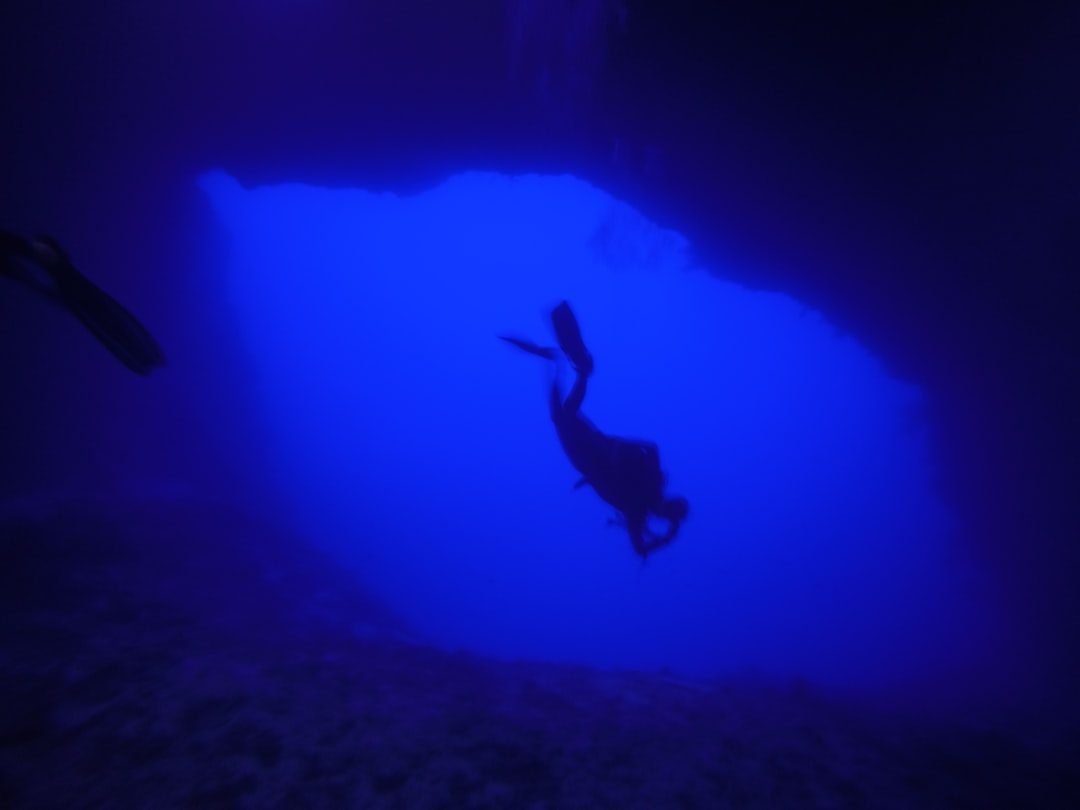
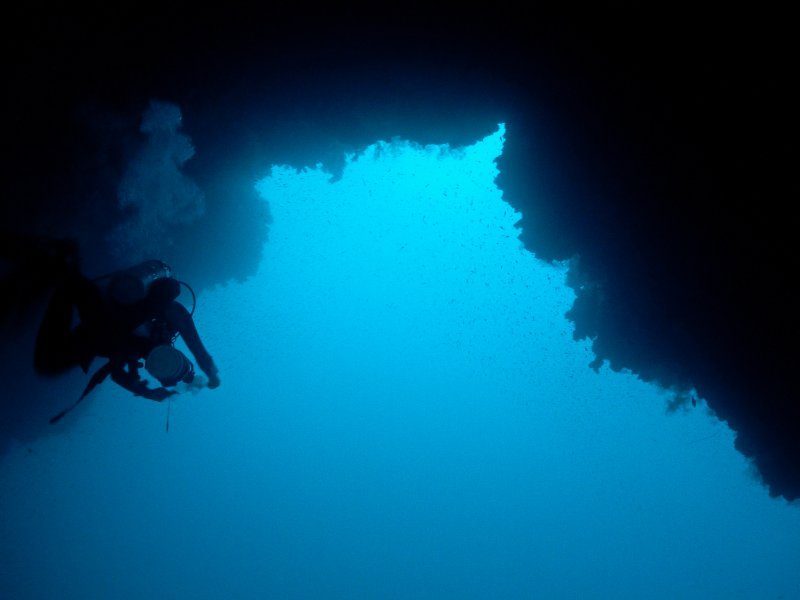
Diving the Great Blue Hole is unlike anything else. The upper 15 meters shimmer with clear turquoise light, surrounded by schools of fish and coral fans, but below that, the water turns dark. You pass Caribbean reef sharks cruising the rim, maybe spot a hammerhead if you’re lucky.
Stalactites and stalagmites were found below the surface, some even reaching 9 to 12 meters in length. Picture hanging stone curtains longer than a bus, frozen in place underwater. It is said that the deeper one goes, the water becomes more clear and the formations more complex. There’s this eerie beauty to it, like exploring an alien world. Only experienced divers should attempt it though – the depths and darkness demand respect.
The 2018 Expedition and Startling Discoveries
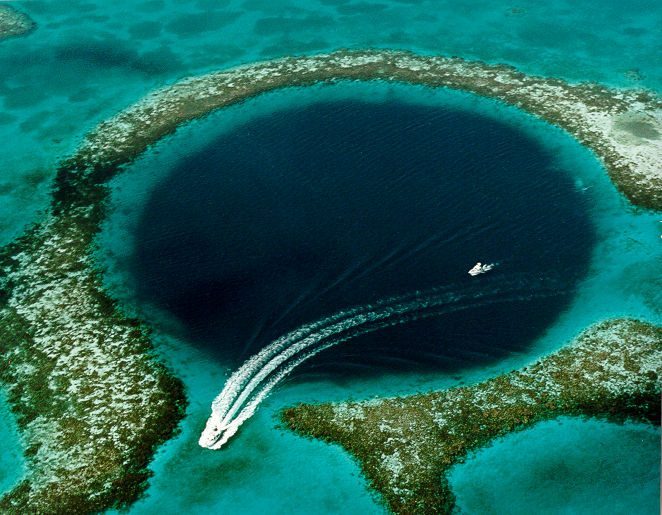
In 2018, an expedition led by Fabien Cousteau used sonar and submersible drones to map the hole’s entire interior, revealing intricate cave structures and an undisturbed layer of sediment over 12,000 years old. Technology had finally caught up to our curiosity. What they found was both fascinating and sobering.
One discovery was a layer of hydrogen sulfide at approximately 300 feet depth, where the water becomes dark, anoxic and devoid of life. Below this toxic layer, nothing survives. The team also encountered the resting place for human remains, and after notifying local authorities, everyone agreed to leave them undisturbed. Additionally, the expedition discovered plastic waste trapped near the bottom, a heartbreaking reminder that even Earth’s most remote wonders aren’t immune to human impact.
Climate Clues Hidden in the Depths
Scientists aren’t just diving the Blue Hole for thrills. The Blue Hole offered researchers evidence that helped them understand the mystery of the fall of the Mayan civilization, with a 2015 study presenting evidence supporting the role of climate conditions, including fewer tropical cyclones and longer droughts than normal during the Mayan decline.
Researchers found that tropical cyclones have been getting more frequent over the past 5,700 years, with a particular increase in frequency since the Industrial Revolution. That sediment core from the bottom? It’s like reading tree rings, except it’s telling us about hurricane patterns stretching back millennia. The implications for understanding climate change are enormous. Sometimes the most important discoveries happen in the most unexpected places.
A UNESCO Treasure Worth Protecting
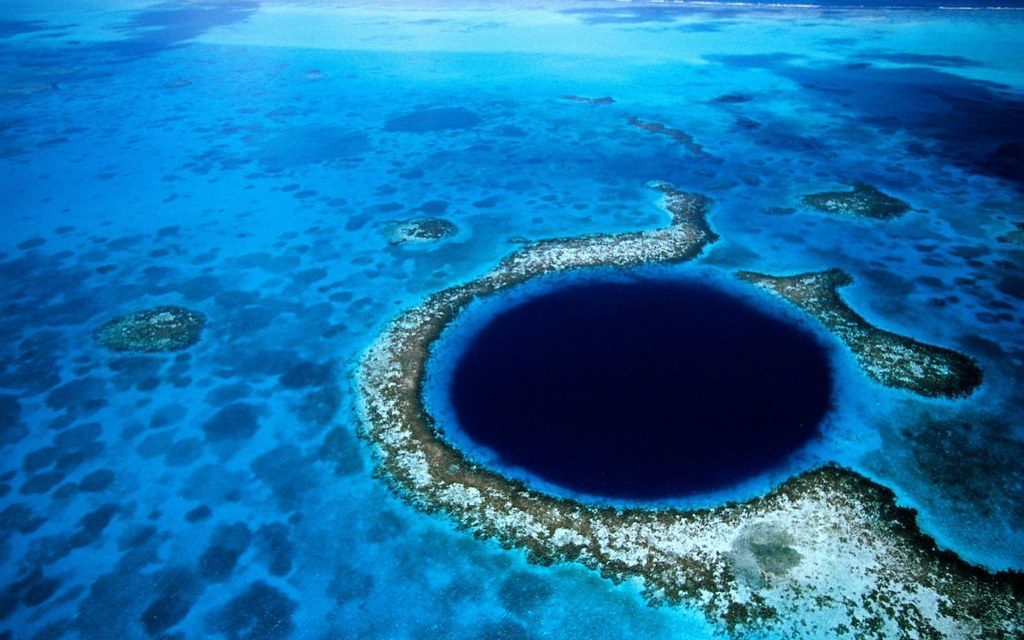
The Great Blue Hole is part of the larger Belize Barrier Reef Reserve System, a UNESCO World Heritage Site. In 2012, Discovery Channel ranked it as number one on its list of The 10 Most Amazing Places on Earth. That kind of recognition brings both opportunity and responsibility.
Tourism brings much-needed revenue to Belize, yet the very popularity that sustains conservation efforts also threatens the delicate ecosystem. The reef surrounding the hole teems with life – parrotfish, groupers, nurse sharks, all depending on healthy coral. The good news? Belize has committed to sustainable tourism practices, restricting access to sensitive areas and managing visitor numbers. It’s a delicate balance, preserving wonder while sharing it with the world.
Conclusion
The Great Blue Hole stands as one of nature’s most spectacular accidents – a collapsed cave system that became an underwater cathedral, a geological archive documenting hundreds of thousands of years of Earth’s history. From Cousteau’s groundbreaking exploration to modern expeditions mapping every crevice, each visit reveals new layers of understanding.
Whether you’re an experienced diver ready to descend into its mysterious depths or someone who simply appreciates Earth’s natural wonders from afar, the Blue Hole captivates. It reminds us that our planet still holds secrets, still surprises us, and desperately needs our protection. The stalactites hanging silently in the darkness have witnessed ice ages come and go. What will they witness next? That depends entirely on us.
Would you dare to take the plunge into Belize’s most enigmatic underwater wonder?
