
There’s something humbling about standing in a place where history feels more like a presence than a memory. Across the United States, ancient ruins, cliffside dwellings, and earthwork monuments tell stories that no textbook can capture quite right. They make you wonder what life was like centuries ago, how people built what they built, and why some places just feel different when you step into them.
Native American heritage sites offer a window into cultures that thrived for thousands of years. Some of these locations remain sacred to present-day Indigenous communities. Visiting them isn’t just sightseeing; it’s connecting with a legacy that’s still very much alive. Let’s dive in.
Mesa Verde National Park, Colorado
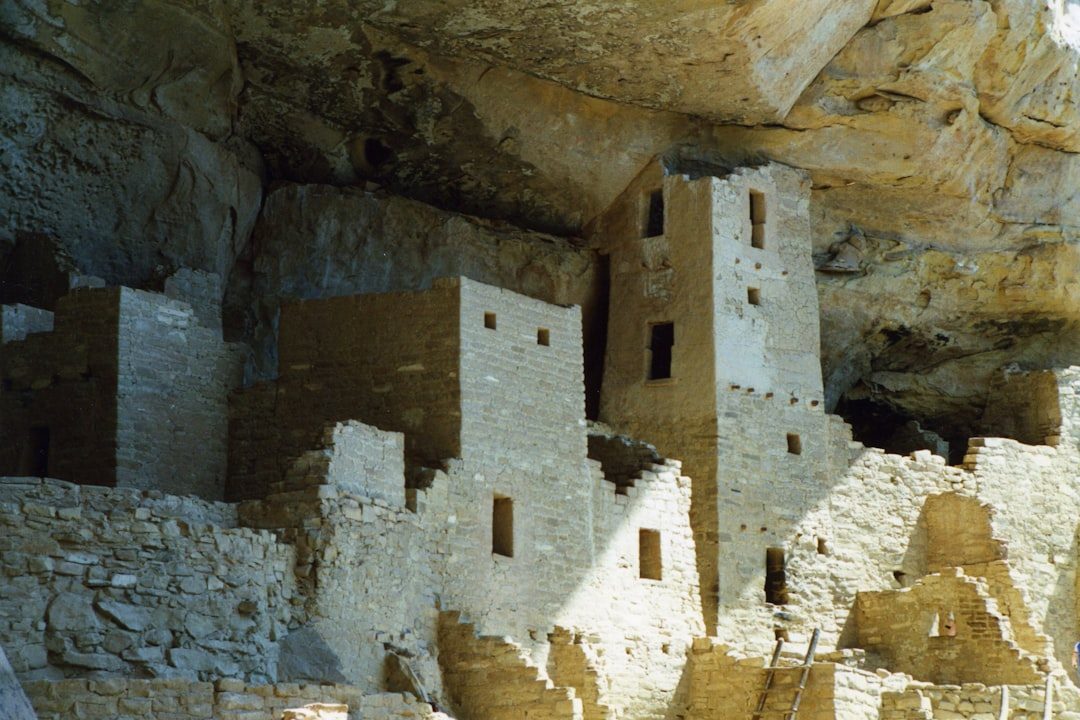
Cliff Palace is the largest cliff dwelling in North America, built by the Ancestral Puebloans and located in Mesa Verde National Park. Picture sandstone homes tucked under massive rock overhangs, seemingly carved right into the cliffs. The structure was built some 800 years ago and features 150 rooms and more than 20 kivas, which are ceremonial spaces.
It is believed that Cliff Palace was constructed and lived in from about 1200 A.D. to 1300 A.D., when people were driven to defensible positions by increasing competition amidst changing climatic conditions. Because it was constructed beneath the overhang of a sandstone cliff at an elevation of 7,000 feet, the palace must be reached via a moderately strenuous hike plus a climb up a 10-foot ladder. Standing inside, you can almost imagine families gathering near fires, sharing meals, and going about their daily routines. It’s hard to say for sure, but there’s something about being there physically that changes your perspective.
Taos Pueblo, New Mexico
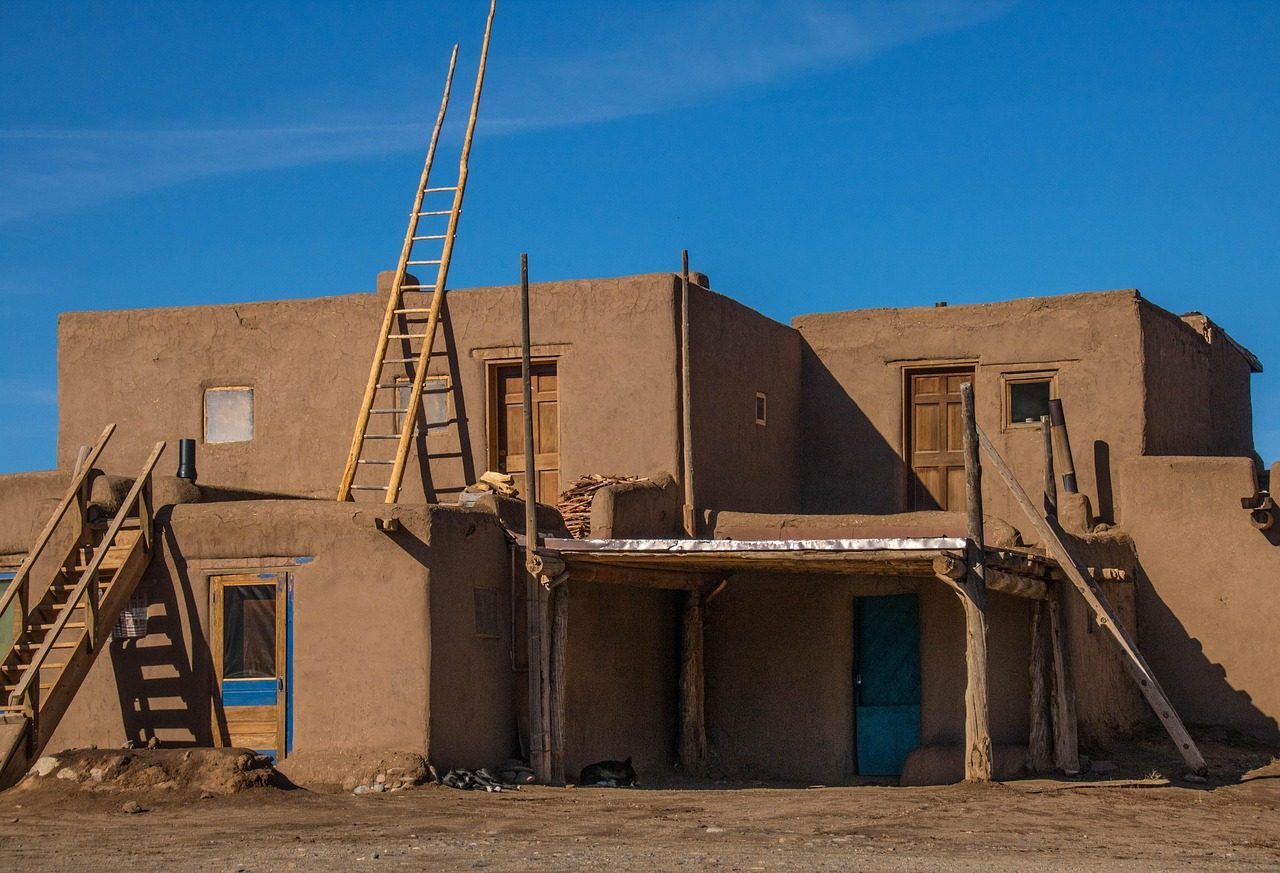
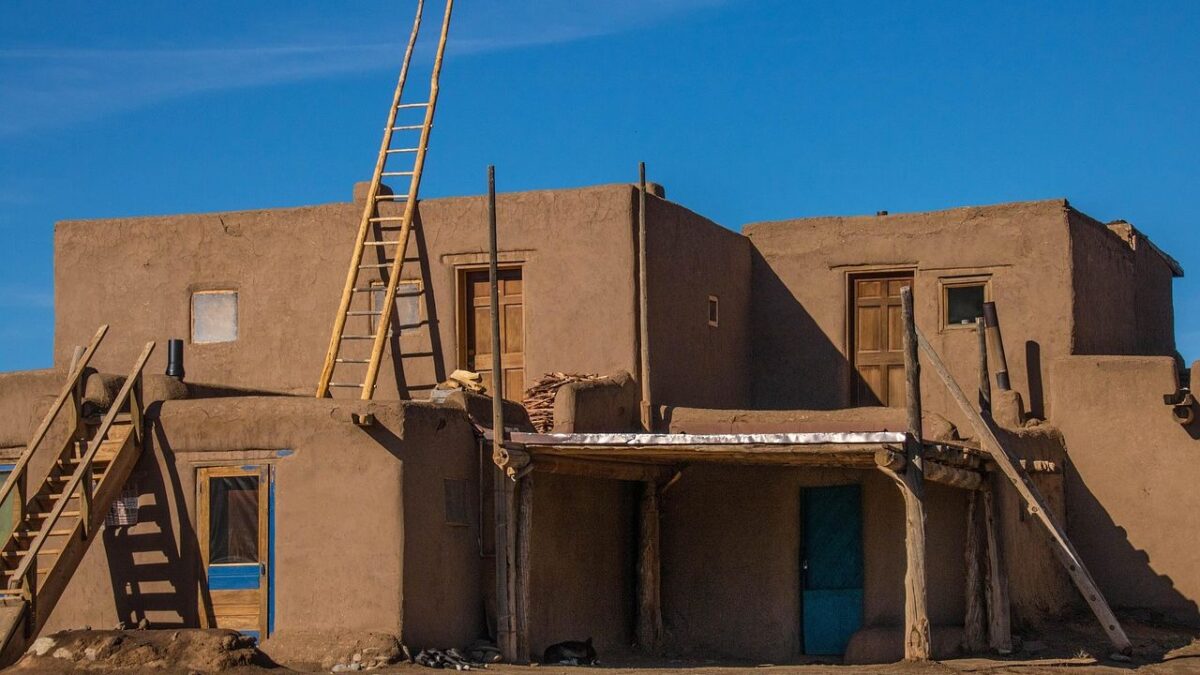
Let’s be real – most buildings from a thousand years ago don’t still have people living in them. The pueblos at Taos are the oldest continuously inhabited communities in the United States, and Taos Pueblo has been designated a UNESCO World Heritage Site. The multistory adobe buildings have been continuously inhabited for over 1000 years.
Taos Pueblo displays the traditional method of adobe construction, with walls ranging from 70 centimeters thick at the bottom to approximately 35 centimeters at the top. Today about 150 people still make their homes full-time in the pueblo, and in accordance with tradition, no electricity or running water is allowed in residences inside the adobe pueblo. Visitors can take guided tours to learn about the history and people. It’s one thing to read about resilience and cultural preservation. It’s another to see it actively maintained in front of you.
Cahokia Mounds, Illinois
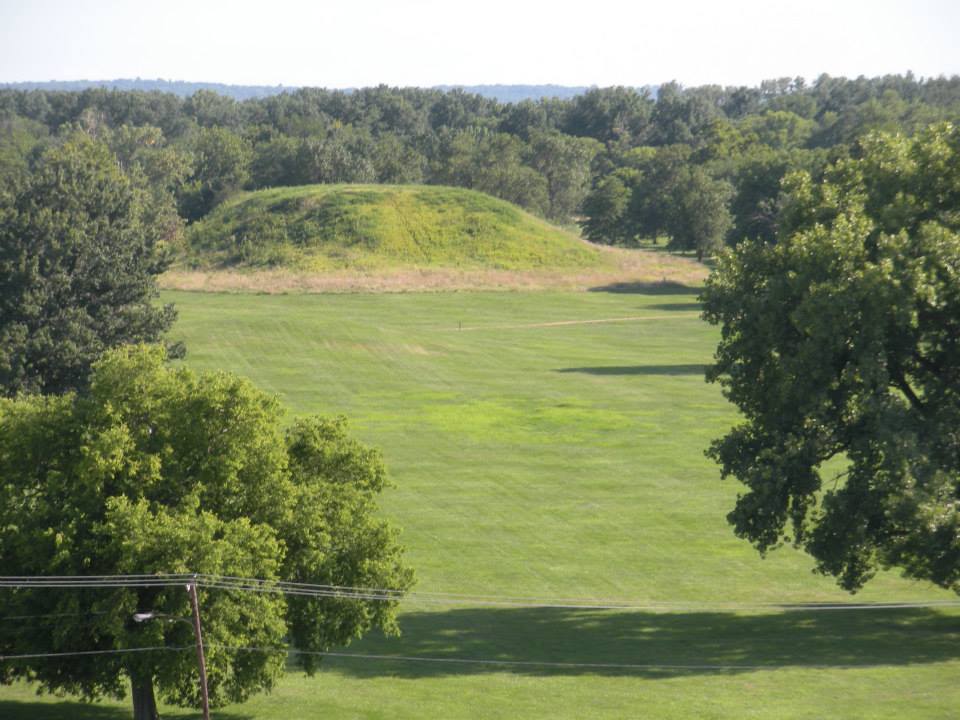
Here’s the thing most people don’t expect: the largest pre-Columbian city north of Mexico isn’t in the Southwest – it’s in southern Illinois. Cahokia Mounds is the site of a Native American city that existed from about 1050 to 1350 CE directly across the Mississippi River from present-day St. Louis. The city grew to cover 4,000 acres, with a population of between ten and twenty thousand at its peak around 1100.
The centerpiece is Monks Mound, which is honestly staggering. Monks Mound is the largest prehistoric earthwork in the Americas, covering over 5 ha and standing 30 m high. Materials excavated at the site indicate that the city traded with peoples from as far away as the Gulf of Mexico, the Appalachians, the Great Lakes, and the Rocky Mountains. The mystery is thick here. The city was abandoned, and we still don’t fully understand why. Did something happen? Did resources run out? Nobody knows for sure. What do you think – would you climb a 100-foot mound to see where it all happened?
Chaco Culture National Historical Park, New Mexico
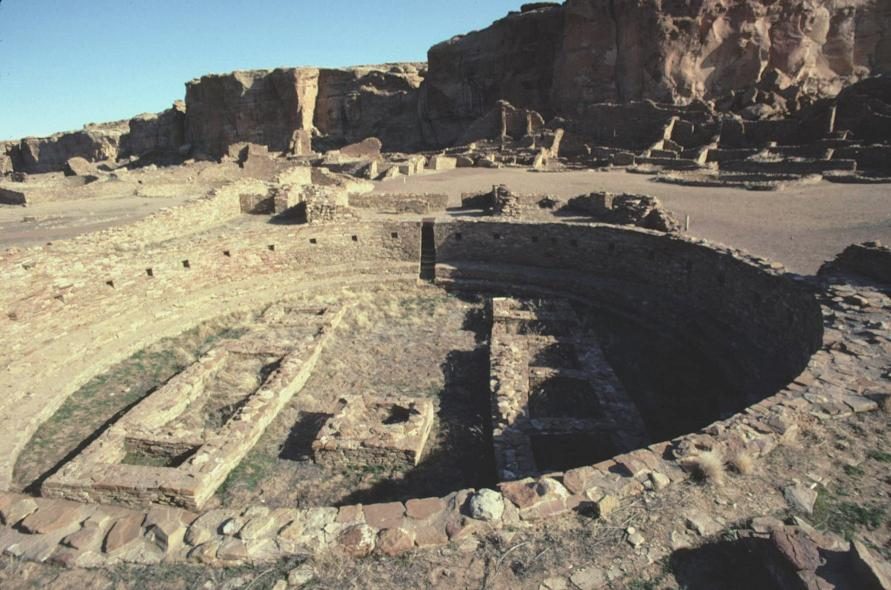
Chaco Canyon was a major centre of ancestral Pueblo culture between 850 and 1250 and was a focus for ceremonials, trade and political activity for the prehistoric Four Corners area, remarkable for its monumental public and ceremonial buildings and its distinctive architecture. Between AD 900 and 1150, Chaco Canyon was a major cultural center for the Ancestral Puebloans, who quarried sandstone blocks and hauled timber from great distances, assembling fifteen major complexes that remained the largest buildings ever built in North America until the 19th century.
What really gets me is the engineering involved. Many Chacoan buildings may have been aligned to capture the solar and lunar cycles, requiring generations of astronomical observations and centuries of skillfully coordinated construction. Pueblo Bonito, the highlight of the site, featured over 650 rooms and ceremonial kivas. By 1000 A.D., the Chaco culture had firmly established a spiritual, political, and economic center serving the Four Corners area, with the region estimated to be home to as many as 5,000 people living in approximately 75 settlements throughout the canyon. The remoteness adds to the experience – it takes effort to get there, but that’s part of what makes it feel sacred.
Effigy Mounds National Monument, Iowa
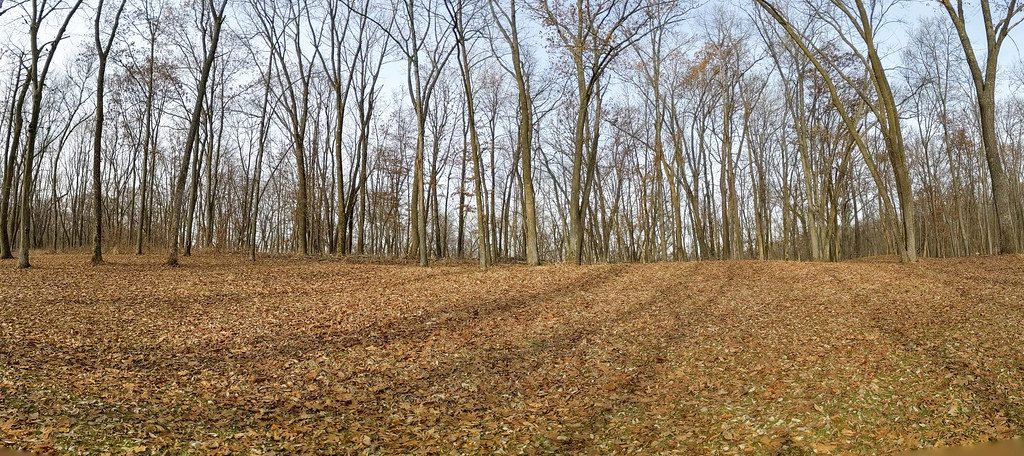
Not all ancient sites are about giant structures. Some tell their stories through shapes. The Midwest of the US is sprinkled with giant earthworks that indigenous people built for purposes we still don’t thoroughly understand, and the Effigy Mounds in Iowa, along the Mississippi River, are shaped like lynx, water spirits, bison, turtles, and more. The builders created these structures about 1,400 years ago, and in consultation with Native American groups, anthropologists have traced the lineage of more than 20 contemporary tribes who descend from this culture.
The 2-mile Fire Point Trail in the park’s North Unit allows visitors stunning views across the Mississippi River, as well as a chance to see the Little Bear Mound. There’s something mysterious about earthworks shaped like animals. What rituals took place here? What did they mean to the people who built them? Even researchers aren’t completely certain, which adds a layer of intrigue that makes every visit feel like stepping into an unsolved puzzle.
Conclusion
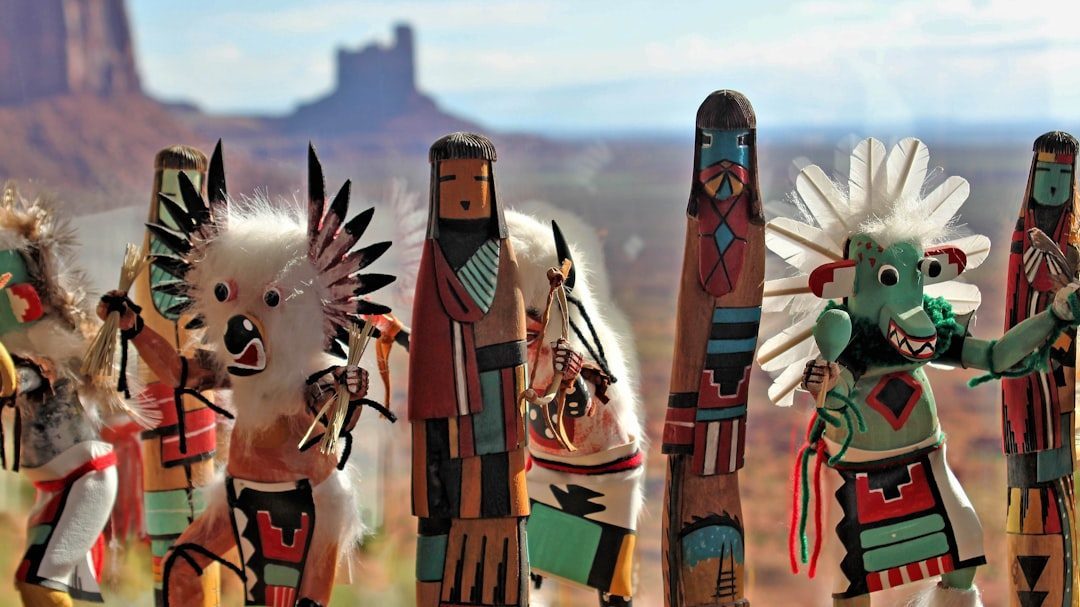
Sites of Native American heritage play a powerful role in educating visitors about the original residents of what are now the United States and help foster respect for the 5.2 million indigenous people in the country today. These places aren’t frozen in time – they’re living testaments to ingenuity, survival, and community.
Whether you’re drawn to the dramatic cliffs of Mesa Verde, the enduring traditions of Taos Pueblo, or the mysterious earthworks scattered across the Midwest, each site offers something you can’t quite put into words until you’re there. So next time you’re planning a trip, consider adding one of these incredible places to your itinerary. Which site intrigues you the most?

- 13 Birds That Used to Visit Every Garden That Are Quietly Disappearing – Experienced Birders Finally Explain Why - June 13, 2026
- 11 Things Bluebird Experts Say Will Bring Bluebirds Back to Any Yard – Most People Never Try - June 13, 2026
- 14 Things Backyard Birders Say Are Driving Cardinals Away – And Most Homeowners Never Realise It - June 13, 2026