


So you’re looking for a dog in Iowa? How do you know which dog breed would be ideally suited to the state? While some dogs look cuddly and cute, and might be popular, there are always hidden issues that might not be ideal for you as a dog owner. Consider the scenario where you walk into your local Iowa veterinary clinic with excitement, clutching the adoption papers for your new four-legged family member. But behind that professional smile, your vet might be quietly thinking, “Here we go again.”
While every dog deserves love and care, veterinarians across Iowa have witnessed certain breeds create significantly more heartbreak and financial strain than others. From devastating cancer diagnoses to astronomical surgery bills that can reach tens of thousands of dollars, some popular breeds consistently land their owners in situations that even comprehensive pet insurance struggles to cover. What makes these otherwise beloved companions so concerning to the very professionals who dedicate their lives to animal care? The answers might shock you, and they definitely deserve your attention before you sign those adoption papers.
#17 German Shepherds: The Hip Dysplasia Nightmare
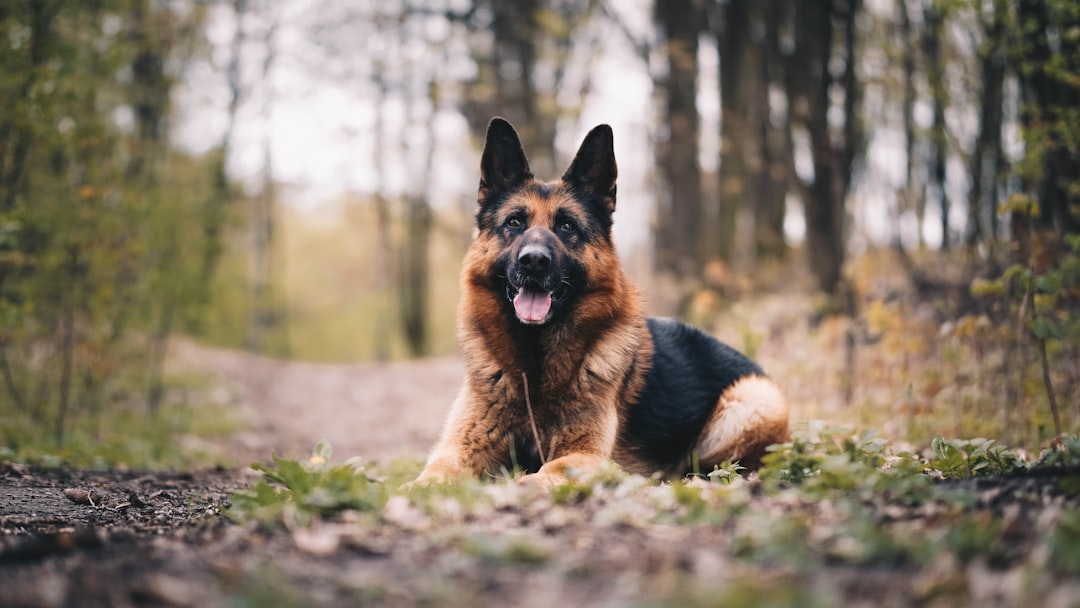
German Shepherds consistently rank among America’s most beloved breeds, and Iowa is no exception to this trend. German Shepherds are very popular for their intelligence and work ethic. These majestic dogs capture hearts with their loyalty and versatility, serving everything from family guardians to police K-9 units across the Hawkeye State.
The Problem with GSDs
Beneath their striking appearance lies a genetic time bomb that Iowa veterinarians know all too well. According to data from over 139,000 German shepherds collected by the Orthopedic Foundation of Animals, nearly 21% of them had hip dysplasia. In fact, surgeries for dysplasia often cost $3,500 or more – and that’s per hip. When you consider that many dogs need both hips treated, you’re looking at potentially spending more than the cost of a new car just to help your dog walk comfortably.
The financial devastation doesn’t stop there, though. According to Spot’s internal data, of the conditions mentioned above, bloat has the highest cost of treatment with an average treatment cost of $3,500 and is often seen in relatively young dogs, both large and small breeds around 4.6 years old.
This means German Shepherd owners often face multiple expensive emergencies throughout their dog’s lifetime, creating a perfect storm of veterinary bills that can easily exceed twenty thousand dollars. German Shepherd’s are a large, deep-chested breed with a high predisposition to this life-threatening condition.
#16 Bernese Mountain Dogs: Beautiful but Brief Lives
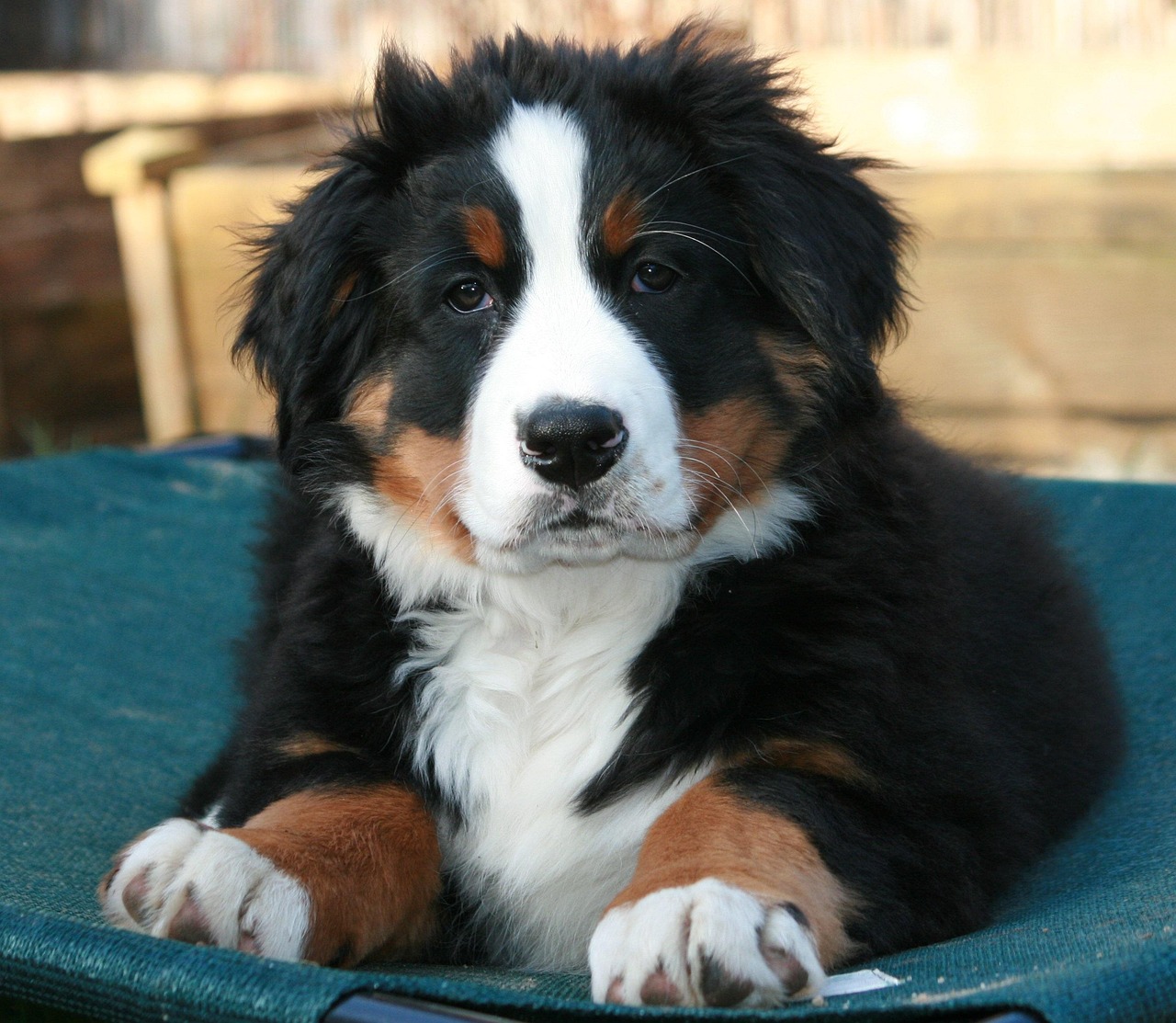
Bernese Mountain Dogs have stolen countless hearts across Iowa with their gentle temperaments and stunning tri-colored coats. These gentle giants seem perfectly designed for family life, displaying patience with children and affection that melts even the coldest hearts.
The Problems with Bernese Mountain Dogs
Owning a Bernese Mountain Dog puppy is moderately expensive, with an average initial cost between $600-$2,000. Iowa veterinarians have watched too many families devastated by the harsh reality of Bernese Mountain Dog ownership. While it varies depending on things like lifestyle and extraordinary events, the average lifespan for a Berner is 7 – 10 years. Most dogs live well into their teens, but Berners rarely make it past their tenth birthday, leaving families heartbroken far too soon.
The breed’s predisposition to cancer makes every veterinary visit anxiety-inducing for owners who’ve done their research. Other breeds don’t usually carry histiocytosis, but histiocytosis occurs in approximately 25% of all breed cases.
The malignant form usually leads to death in a matter of weeks. Even with comprehensive pet insurance, the emotional toll of losing a beloved family member so young creates lasting trauma that many Iowa families never fully overcome.
#15 French Bulldogs: Breathing Problems and Bank Account Drains

French Bulldogs have exploded in popularity across Iowa, with their compact size and charming personalities making them seem like perfect urban companions. Their distinctive “bat ears” and smushed faces create an undeniable cuteness factor that social media has amplified into a nationwide obsession. Many Iowa apartment dwellers choose Frenchies thinking they’re getting a low-maintenance, healthy small dog.
The Problems with French Bulldogs
French Bulldogs, with their distinctive bat-like ears and affectionate nature, often face breathing difficulties due to their flat-faced design. This is a common issue among flat-faced breeds. What owners don’t realize is that this “cute” facial structure creates a lifetime of respiratory struggles that require constant monitoring and frequent medical intervention.
The surgical corrections needed to help these dogs breathe properly can cost thousands of dollars, and many require multiple procedures throughout their lives. Iowa veterinarians regularly see French Bulldog owners facing impossible choices between their family budget and their dog’s ability to breathe comfortably. The breed’s popularity has created a market of backyard breeders who prioritize profit over health, making the problem even worse for unsuspecting Iowa families.
#14 English Bulldogs: A Breed That Can’t Exist Without Surgery

English Bulldogs represent the extreme end of selective breeding gone wrong, yet they remain incredibly popular across Iowa. Their wrinkled faces and stocky builds create an unmistakable appearance that many people find irresistibly charming. Unfortunately, veterinarians know that adopting a Bulldog often means signing up for a lifetime of medical interventions.
The Problems with an English Bulldog
To meet pedigree standards, breeding has resulted in many genetic health problems for Bulldogs. The most common are respiratory due to Bulldogs being selectively bred to display shorter snouts. In some cases, surgery is required to open up the airways and allow the dogs to breathe easier. Many Bulldogs require multiple surgeries just to perform the basic function of breathing.
Perhaps even more concerning is the breed’s inability to reproduce naturally. The body shape of Bulldogs makes natural labor difficult. Most puppies have to be removed with veterinarian assistance via caesarean section. This means that even breeding Bulldogs requires expensive veterinary intervention, costs that are inevitably passed on to puppy buyers. Iowa veterinarians often wonder why people choose dogs that literally cannot survive without constant medical support.
#13 Golden Retrievers: Cancer’s Favorite Target
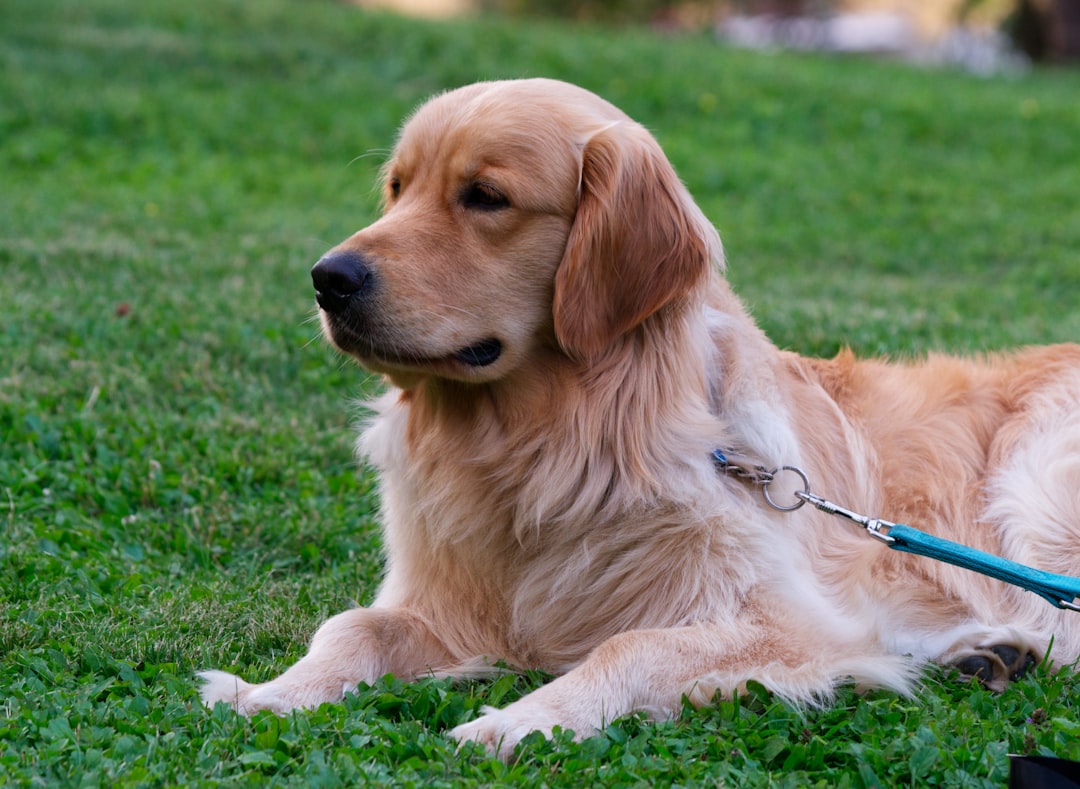
Golden Retrievers consistently rank as America’s most beloved family dogs, and Iowa families flock to this breed for good reason. Their gentle temperaments, intelligence, and beautiful coats make them seem like the perfect addition to any household. Golden Retrievers were seen as the most appropriate for families with children. They genuinely excel as family companions and therapy dogs across the state.
However, Iowa veterinarians have watched too many families devastated by this breed’s devastating predisposition to cancer. Golden Retrievers are incredibly likely to develop cancer. The breed’s cancer rates are so high that many veterinarians consider it almost inevitable rather than a possibility. This genetic predisposition means that Golden Retriever owners often face multiple cancer diagnoses throughout their dog’s lifetime.
Cancer treatment in dogs can easily cost fifteen to thirty thousand dollars, and many families find themselves choosing between their life savings and their beloved pet’s treatment. Even with pet insurance, the emotional toll of watching a family member battle multiple cancers creates lasting trauma. Iowa veterinarians often wish they could warn prospective Golden Retriever owners about the emotional and financial devastation that lies ahead.
#12 Pugs: Eyes That Pop Out Literally
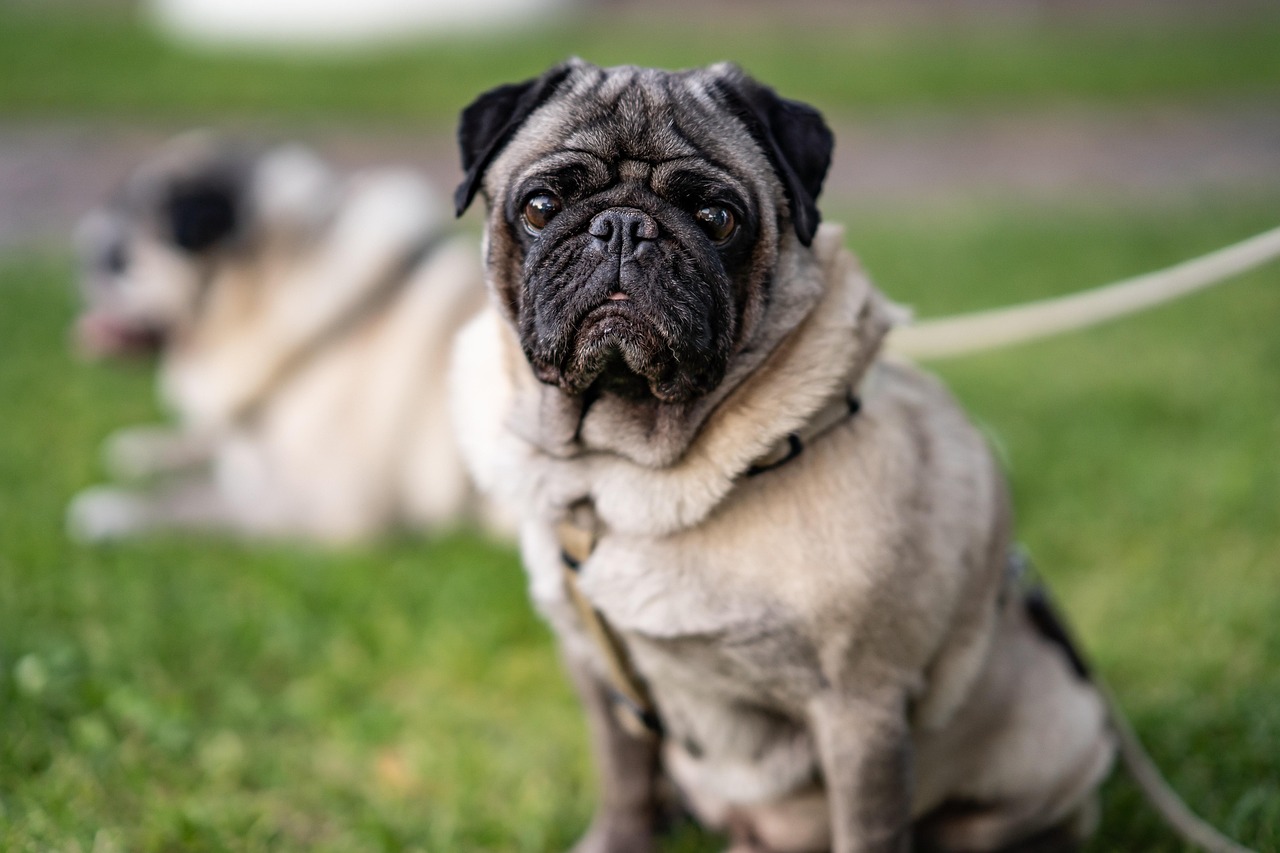
Pugs have captured Iowa hearts with their wrinkled faces and playful personalities, often marketed as perfect apartment dogs for busy families. Their compact size and relatively low exercise needs make them appealing to people who want a dog but have limited space or time. Social media has amplified their popularity, with countless Pug videos showcasing their endearing quirks and expressions.
The Problems with Pugs
What many Iowa owners don’t realize is that those adorable bulging eyes come with serious medical risks. In Pugs, eye problems are very common. Bulging eyes are particularly notable, as the eyes can actually “pop” out. This protrusion makes it hard for Pugs to blink and keep their eyes moisturized. This can lead to dryness and infection. Eye injuries that would be minor in other breeds can become sight-threatening emergencies in Pugs.
Beyond their eye problems, Pugs share many of the same respiratory issues as other flat-faced breeds, requiring lifelong monitoring and frequent veterinary interventions. Like Bulldogs, Pugs usually require cesarean sections to deliver puppies. Iowa veterinarians often feel frustrated watching families struggle with the extensive medical needs of a breed that was essentially created to have health problems.
#11 Saint Bernards: Giant Hearts, Giant Problems
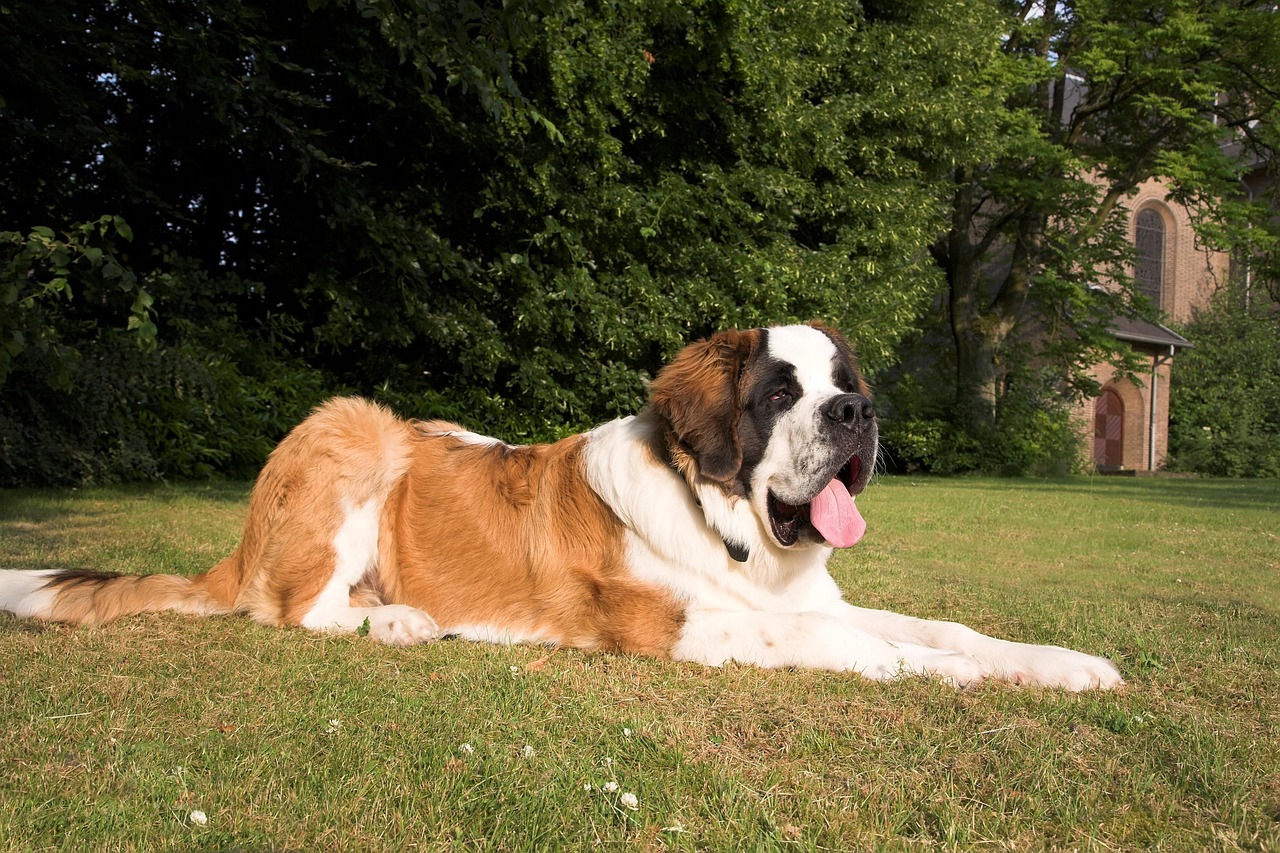
Saint Bernards embody the gentle giant ideal, with their massive size and famously sweet temperaments making them beloved family pets across rural Iowa. Their history as rescue dogs in the Swiss Alps adds to their appeal, suggesting hardy working dogs that can handle any challenge. Many families choose Saints thinking they’re getting a healthy, robust companion that will live a long, happy life.
The Problem With St Bernards
Unfortunately, these gentle giants face serious longevity challenges that devastate their families. Saint Bernard dogs have a shorter average lifespan than other dog breeds of similar size, less than 10 years. Abnormal heart muscles, known as cardiomyopathy, can be fatal for this breed. Watching a beloved family member decline from heart disease while still relatively young creates lasting emotional trauma for Iowa families.
They may develop hip and elbow dysplasia as they age and are at a higher risk for bone cancer. The combination of joint problems and cancer predisposition means that Saint Bernard owners often face multiple expensive medical crises throughout their dog’s shortened lifetime. Iowa veterinarians have seen too many families devastated by the premature loss of their gentle giant, often occurring just as the dog was reaching middle age.
#10 Rottweilers: Bone Problems from the Start

Rottweilers have maintained steady popularity across Iowa, particularly among families who appreciate their protective instincts and impressive physical presence. Their history as working dogs suggests robust health and longevity, making them attractive to people who want a strong, dependable companion. Many Iowa farms and suburban homes have welcomed Rottweilers as both family pets and property guardians.
The Problems with Rottweilers
However, veterinarians know that Rottweiler puppies often face serious skeletal problems from an early age. Rottweilers puppies are susceptible to a bone disorder called osteochondrosis. This condition causes weakness in the bones as they age. This means that even young, apparently healthy Rottweilers may be developing problems that won’t become apparent until later, leaving owners unprepared for expensive treatments.
The breed’s predisposition to multiple serious health problems creates a perfect storm of veterinary expenses. These dogs may develop cancer at a greater rate than similar breeds. Rotties are also likely to have vision and cardiac health problems. Iowa veterinarians often watch Rottweiler owners struggle with multiple simultaneous health issues, creating veterinary bills that can easily exceed the cost of a new car while the dog is still relatively young.
#9 Chow Chows: Aggression and Arthritis
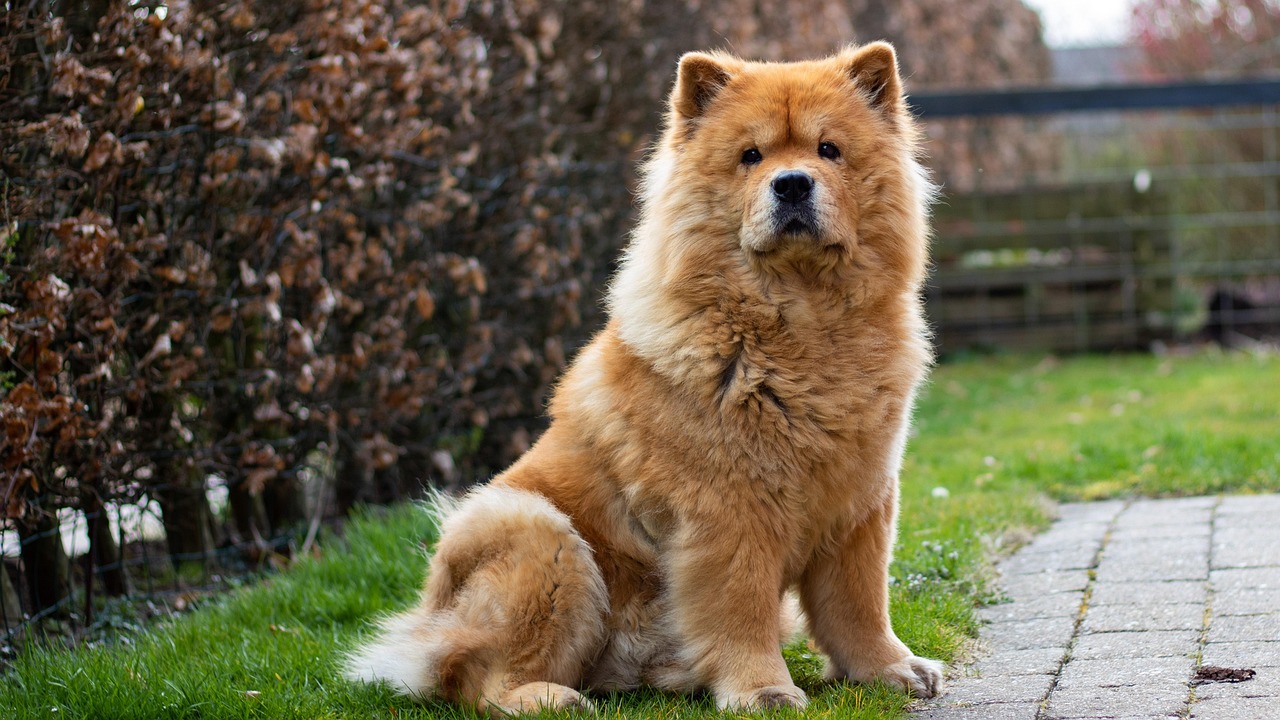
Chow Chows possess an undeniable majesty with their lion-like manes and dignified bearing, making them attractive to Iowa families who want a unique, impressive companion. Their independent nature appeals to people who appreciate dogs that aren’t overly clingy or demanding. The breed’s ancient history and distinctive appearance create an aura of exotic sophistication that many find irresistible.
The Problems with the Chow Chow
Unfortunately, veterinarians have significant concerns about this breed beyond their health problems. When participants rated the perceived bite risk associated with popular dog breeds, Chow Chows were perceived as the highest risk, with pit bull types categorized as a moderate risk. This reputation among veterinary professionals reflects real experiences with aggressive behavior that can create liability issues for Iowa families.
On the health side, Chow Chows face serious mobility challenges throughout their lives. Hip and elbow dysplasia are both likely in Chow Chows, each of which can cause limited mobility. Chow Chows may also have respiratory disorders. If their throat is not wide enough, they may snore when they sleep or cough when awake. The combination of joint problems and breathing issues creates a breed that requires constant medical monitoring and frequent expensive interventions throughout their lifetime.
#8 Cocker Spaniels: Heart, Bone, and Vision Catastrophe

Cocker Spaniels have long been popular family dogs across Iowa, with their silky coats and gentle expressions making them seem like ideal companions for children. Their moderate size makes them suitable for both city and country living, while their historically sporting background suggests robust health and energy. Many Iowa families choose Cockers thinking they’re getting a relatively low-maintenance, healthy breed.
The problem With Cocker Spaniels
However, Iowa veterinarians know that Cocker Spaniels are essentially genetic disasters waiting to happen. Cocker Spaniels can have bone diseases, heart issues like cardiomyopathy, and vision problems including progressive retinal atrophy (PRA), cataracts, and glaucoma. This means that owners can expect to face serious medical problems affecting multiple body systems throughout their dog’s lifetime.
The combination of heart, bone, and vision problems creates a perfect storm of veterinary expenses that can devastate family budgets. Many Cocker Spaniel owners find themselves dealing with simultaneous heart medications, joint supplements, eye treatments, and regular specialist consultations. Iowa veterinarians often feel helpless watching families struggle with the overwhelming medical needs of a breed that was supposed to be a simple family pet.
#7 Border Collies: Intelligence Comes with Epilepsy

Border Collies are renowned for their incredible intelligence and work ethic, making them appealing to active Iowa families who appreciate highly trainable dogs. Their success in dog sports and their legendary herding abilities suggest robust, athletic animals that will thrive in active households. Many people choose Border Collies thinking they’re getting the ultimate working dog companion.
The Problems with Border Collies
Unfortunately, the breed’s intelligence comes packaged with serious neurological risks that can devastate families. The Border Collie’s intelligence and agility are remarkable, but they may encounter health problems such as hip dysplasia and epilepsy. Watching a brilliant, active dog suddenly seized by uncontrollable seizures creates emotional trauma that many Iowa families never fully overcome.
Epilepsy management in dogs requires lifelong medication, regular monitoring, and frequent veterinary consultations. Additionally, epilepsy can be managed with medication under the guidance of a veterinarian. The unpredictable nature of seizures means that Border Collie owners often live in constant anxiety, never knowing when their beloved companion might have another episode. Iowa veterinarians have watched too many families struggle with the emotional and financial burden of managing canine epilepsy in what was supposed to be their dream dog.
#6 Labrador Retrievers: Hip Problems in America’s Favorite

Labrador Retrievers consistently rank as America’s most popular breed, and Iowa is no exception to this nationwide love affair. Their friendly temperaments, moderate size, and reputation as excellent family dogs make them seem like the obvious choice for first-time dog owners. Hip dysplasia is hereditary and is especially common in larger dogs, like the Great Dane, Saint Bernard, Labrador Retriever, and German Shepherd Dog. Many Iowa families choose Labs thinking they’re getting a healthy, robust companion.
The Problems with Labrador Retrievers
However, Iowa veterinarians know that even America’s favorite dog comes with serious health risks that can devastate family budgets. Labrador Retrievers are prone to bone disorders and dysplasia. Banfield’s data found that in addition to Terriers (79.7%) and Labrador Retrievers (75.9%) making the top 10 list, 70% of Golden Retrievers, 68.3% of Siberian Huskies, and 62.5% of Pitbulls seen at its hospitals last year were diagnosed with dental health issues. This means that Lab owners can expect expensive orthopedic problems and extensive dental care throughout their dog’s lifetime.
The combination of joint problems and dental issues creates ongoing veterinary expenses that many families don’t anticipate when choosing this popular breed. Iowa veterinarians often watch Lab owners struggle with the reality that even the most popular dog breeds come with significant health challenges that can strain both emotional wellbeing and family finances.
#5 Great Danes: Gentle Giants with Giant Problems
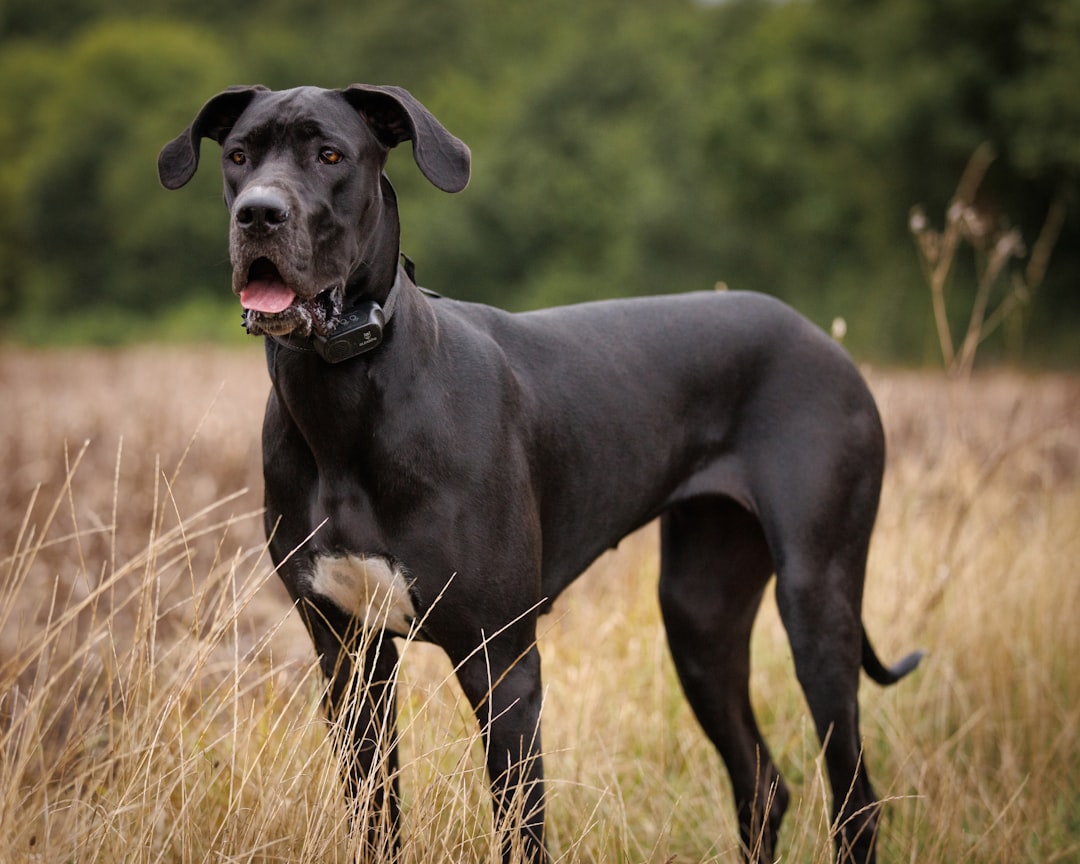
Great Danes capture Iowa hearts with their impressive size and surprisingly gentle temperaments, often called “gentle giants” for their sweet nature despite their imposing appearance. Their calm demeanor makes them appealing to families who want a large dog that won’t be hyperactive or destructive. Many people choose Great Danes thinking that bigger dogs are naturally healthier and more robust than smaller breeds.
The Problems with Great Danes
Unfortunately, Great Danes face the same size-related challenges as other giant breeds, with their impressive stature creating significant health risks. Larger dog breeds like Great Danes and Irish Wolfhounds are more prone to developing hip dysplasia due to their size. The combination of rapid growth and large body size puts tremendous stress on developing joints, creating problems that often require expensive surgical correction.
Giant breeds also face significantly shortened lifespans compared to smaller dogs, meaning that Great Dane families often face the heartbreak of losing their beloved companion while the dog is still relatively young. The breed’s predisposition to bloat, heart problems, and bone cancer creates multiple potential health crises that can devastate both family emotions and finances. Iowa veterinarians often wish they could warn prospective Great Dane owners about the reality of owning a dog whose very size creates lifelong health challenges.
#4 Dachshunds: Back Problems Guaranteed

Dachshunds, affectionately known as “wiener dogs,” have maintained steady popularity across Iowa with their distinctive elongated bodies and playful personalities. Their compact size makes them suitable for apartment living, while their bold attitudes make them seem like perfect companions for people who want a dog with personality. Many Iowa families choose Dachshunds thinking they’re getting a low-maintenance small breed.
The Problems with Daschunds
However, the breed’s distinctive body shape creates virtually guaranteed spinal problems that Iowa veterinarians see regularly. The extremely long spine relative to leg length puts enormous stress on the vertebrae, making back injuries almost inevitable as the dog ages. Even minor activities like jumping off furniture can create serious spinal injuries in Dachshunds.
Spinal surgery in dogs can cost tens of thousands of dollars, and many Dachshunds require multiple procedures throughout their lives. Even worse, some back injuries result in permanent paralysis, leaving families with the heartbreaking choice between expensive long-term care for a paralyzed dog or euthanasia. Iowa veterinarians often wish prospective Dachshund owners understood that choosing this breed means almost certainly facing expensive, emotionally devastating back problems.
#3 Siberian Huskies: Escape Artists with Eye Problems
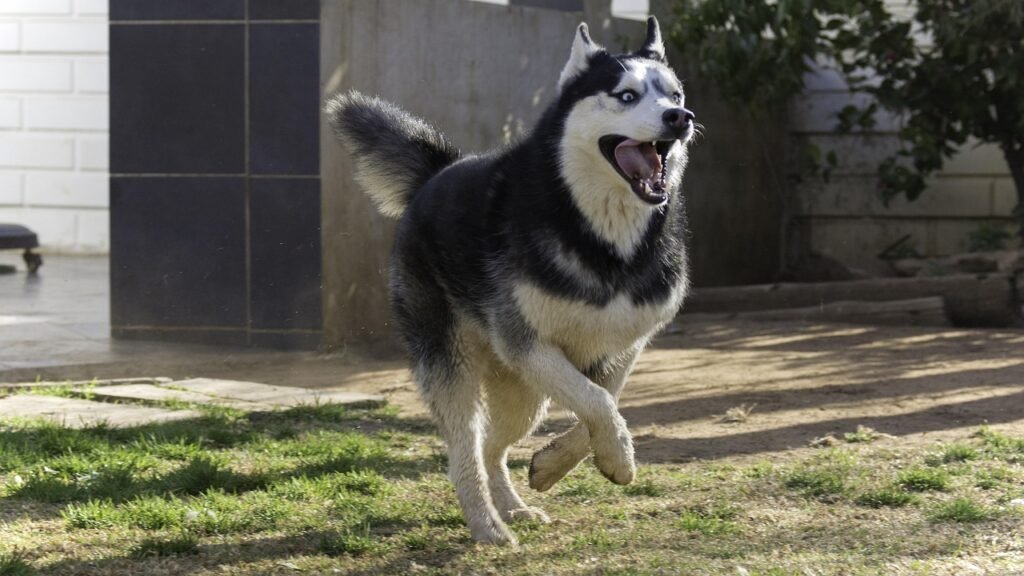
Siberian Huskies appeal to Iowa families with their striking blue eyes and wolf-like appearance, suggesting hardy working dogs that can handle any challenge. Their history as sled dogs implies robust health and endurance, making them attractive to active families who want athletic companions.
The Problems with Huskies
Banfield’s data found that in addition to Terriers (79.7%) and Labrador Retrievers (75.9%) making the top 10 list, 70% of Golden Retrievers, 68.3% of Siberian Huskies, and 62.5% of Pitbulls seen at its hospitals last year were diagnosed with dental health issues.
Beyond their dental problems, Huskies present unique challenges that many Iowa families don’t anticipate. Their incredible intelligence and energy levels, combined with strong escape instincts, make them difficult to contain and prone to dangerous escapes. Many Husky owners find themselves dealing with frequent emergency veterinary visits after their dog escapes and gets hit by cars, fights with other animals, or gets lost for days.
The breed’s predisposition to eye problems adds another layer of expensive veterinary care throughout their lifetime. Their striking blue eyes, while beautiful, often come with genetic predispositions to various eye conditions that require specialist treatment. Iowa veterinarians often see Husky owners struggling with the combination of behavioral challenges and health problems that make this breed far more demanding than most families anticipate.
#2 Bulldogs (All Varieties): Breathing Problems from Birth
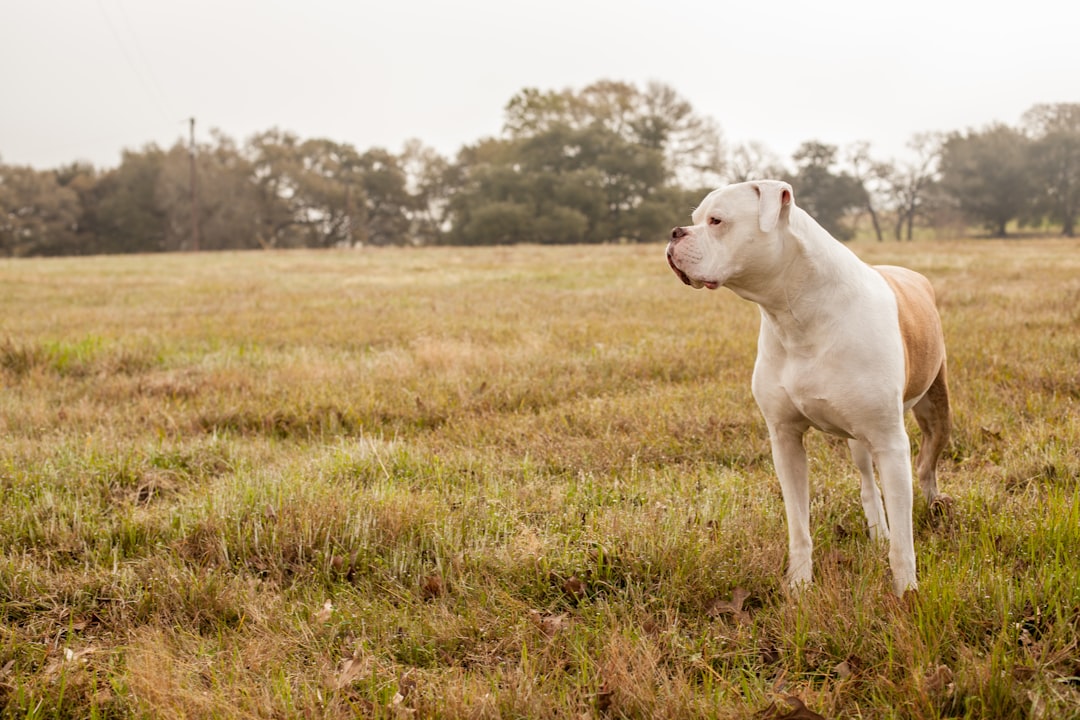
All varieties of Bulldogs – English, French, and American – share the flat-faced features that create serious respiratory problems throughout their lives. These “brachycephalic” breeds have been selectively bred to have increasingly shortened snouts, creating airways that are too small to support normal breathing. What owners find “cute” about these compressed faces actually represents a genetic disaster that requires lifelong medical management.
The Problems with Bulldogss
Iowa veterinarians regularly see Bulldog owners facing impossible choices about expensive airway surgeries that may or may not improve their dog’s breathing. Many Bulldogs require multiple surgical procedures just to breathe normally, and even then, they remain at high risk for heat stroke and respiratory distress throughout their lives. The breed’s inability to regulate body temperature means that even normal Iowa summer weather can become life-threatening.
The financial burden of owning any Bulldog variety extends far beyond the initial purchase price, with ongoing veterinary care, specialty diets, and climate control creating expenses that many families don’t anticipate. Iowa veterinarians often wonder why people choose dogs that literally struggle to perform the basic function of breathing, setting themselves up for years of anxiety and expensive medical interventions.
#1 Weimaraners: Bloat Magnets
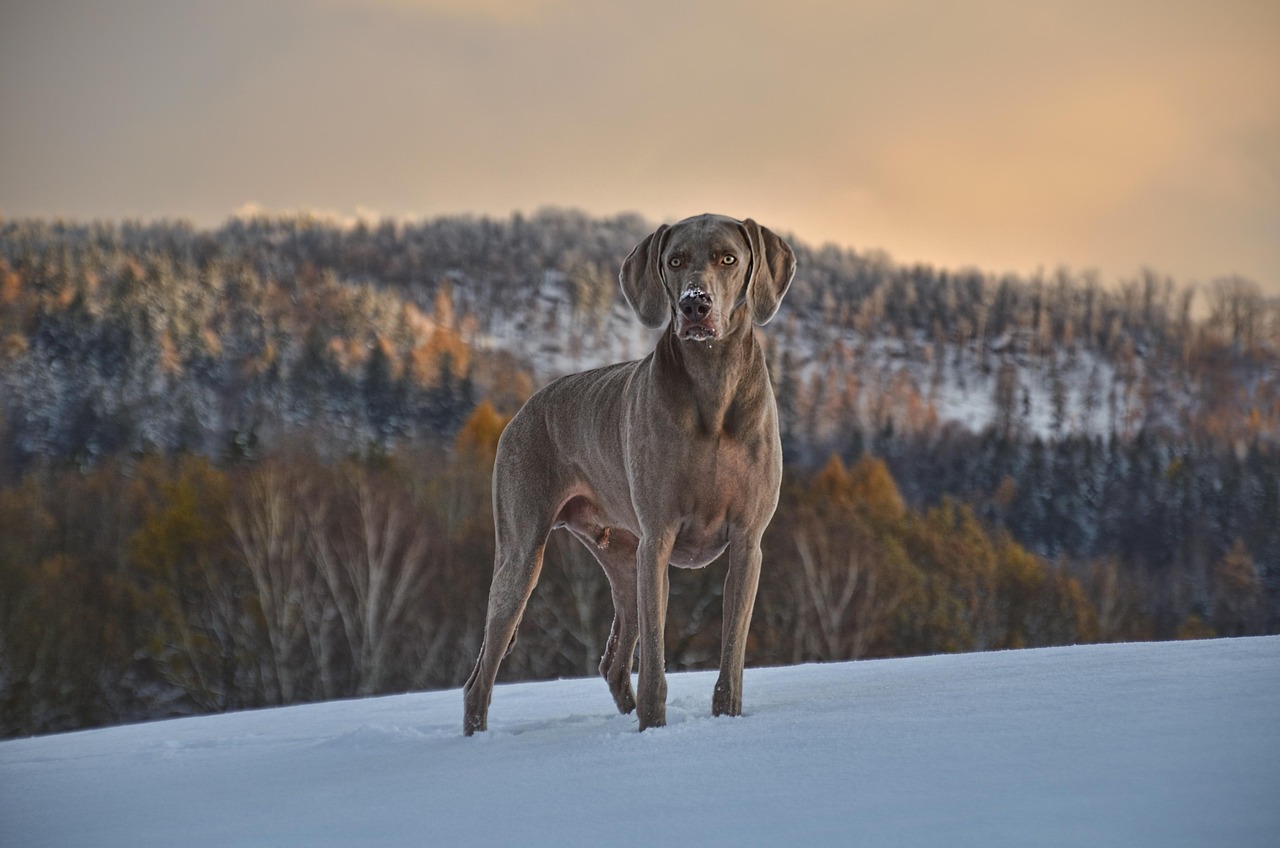
Weimaraners attract Iowa hunters and active families with their sleek silver coats and athletic builds, suggesting robust hunting dogs that will thrive in active households. Their history as German hunting dogs implies hardy health and endurance, making them appealing to people who want athletic companions for outdoor activities. Their striking appearance and reputation as intelligent working dogs make them seem like ideal choices for active Iowa lifestyles.
The Problems with Weirmaraners
However, Weimaraners face one of the highest risks for bloat among all dog breeds, a condition that can kill in minutes without immediate emergency surgery. Their deep chests and large size create the perfect anatomy for gastric torsion, where the stomach fills with gas and twists on itself, cutting off blood circulation. This emergency condition requires immediate surgery costing thousands of dollars, and even then, many dogs don’t survive.
The unpredictable nature of bloat means that Weimaraner owners live in constant anxiety, knowing that their dog could die suddenly from a condition that strikes without warning. Even preventive stomach tacking surgery costs thousands of dollars and doesn’t guarantee protection. Iowa veterinarians have watched too many Weimaraner owners devastated by sudden, unexpected losses to this breed’s predisposition to this deadly condition.
The harsh reality is that many of Iowa’s most beloved dog breeds come with genetic baggage that creates lifelong heartbreak and financial strain for their families. While every dog deserves love and care regardless of their breed, prospective pet owners deserve to know what they’re signing up for when they choose these popular but problematic companions. Iowa veterinarians aren’t trying to discourage pet ownership – they’re trying to prevent the devastating surprises that too many families face when their “perfect” breed choice turns into a series of medical crises and impossible financial decisions. Before you fall in love with that adorable puppy face, ask yourself: are you prepared for potentially decades of expensive medical care, shortened lifespans, and the heartbreak that comes with choosing beauty over health? Your future self – and your bank account – might thank you for choosing differently.
Takeaway: Choosing Smarter for Healthier, Happier Dogs
At the end of the day, Iowa vets aren’t against popular breeds—they just see the hidden health struggles, behavioral challenges, and lifestyle mismatches that many families don’t realize until it’s too late. By looking beyond trends and focusing on what truly fits your home, activity level, and budget, you can save yourself heartache—and give your future dog the happy, healthy life it deserves.
🐾 Key Points to Remember
- Trendy breeds aren’t always the healthiest — many have genetic issues that shorten their lifespan.
- Vet bills add up fast for breeds prone to breathing, joint, or skin problems.
- Energy mismatches matter — a high-drive dog in a low-energy home leads to stress for both dog and owner.
- Mixed breeds and rescues can be wonderful choices, often with fewer inherited health risks.
- The best breed is the one that fits your lifestyle, not just the one that looks cute on social media.
✨ The smartest choice isn’t always the most popular—it’s the one that allows both you and your dog to thrive together for years to come.

- 6 Friendliest Dogs That Love People - June 12, 2026
- How Owls See in the Dark — and What It Reveals About Evolution - June 12, 2026
- Tourists Capture Orca Launching Into Acrobatic Flip in Rare Footage - June 12, 2026