
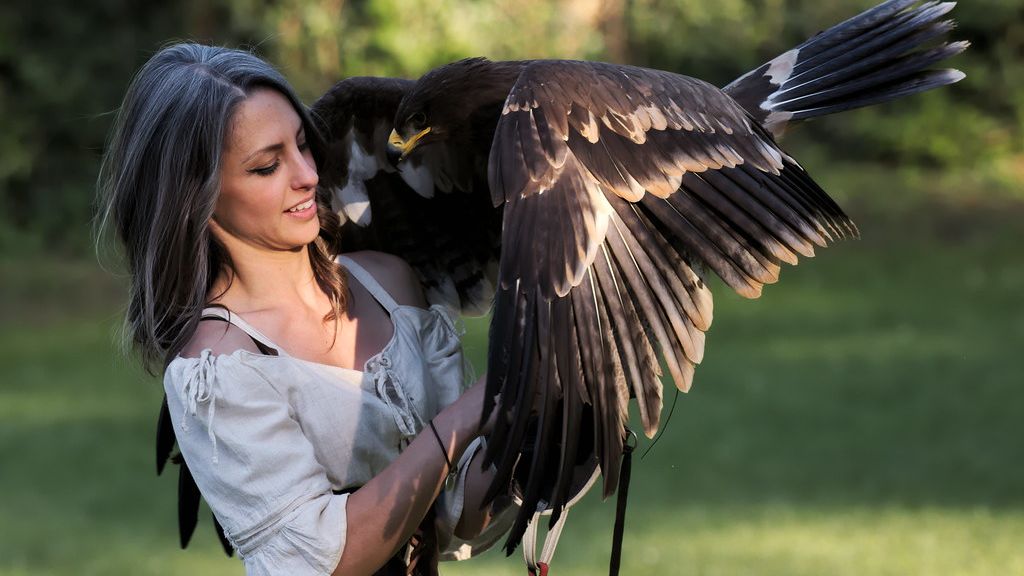
Picture something so old that its origins date back around 4,000-5,000 years. Falconry is believed to have originated in Mesopotamia around 2000 BCE, where it was practiced by the nobility as both a sport and a hunting method. What began as a necessity for survival has transformed into something extraordinary, a practice that binds humans to birds of prey in ways that challenge our understanding of the animal kingdom.
Today, falconry is practised by people of all ages in many countries. This isn’t just about hunting anymore. It’s about keeping alive something that speaks to the very heart of human ingenuity and our enduring connection to the natural world. Let’s dive into this captivating tradition that has survived millennia and still manages to enchant new generations.
From Ancient Mesopotamia to Modern Times
Whilst the exact origins of falconry remain unknown, it is widely believed to have originated in in Central Asia and the Iranian Plateau and spread via cultural and trade links to other diverse regions including East Asia, North Africa, Europe, and later in the 16th century CE to much of the rest of the world. The earliest solid evidence for falconry, a pottery sherd depicting a bird of prey, comes from Tell Chuera site in modern day Syria, and dates from the third millennium BCE. The history is staggering when you really think about it.
Archaeological evidence, including carvings and inscriptions, suggests that Sumerians and Assyrians trained birds of prey, particularly falcons, to assist in hunting small game. Early depictions show falcons perched on the hands of hunters, indicating advanced training techniques. These weren’t crude experiments. They reveal that ancient civilizations already possessed sophisticated knowledge about raptor behavior and training methods that would take modern science centuries to validate.
The Sacred Bond Between Falconer and Raptor
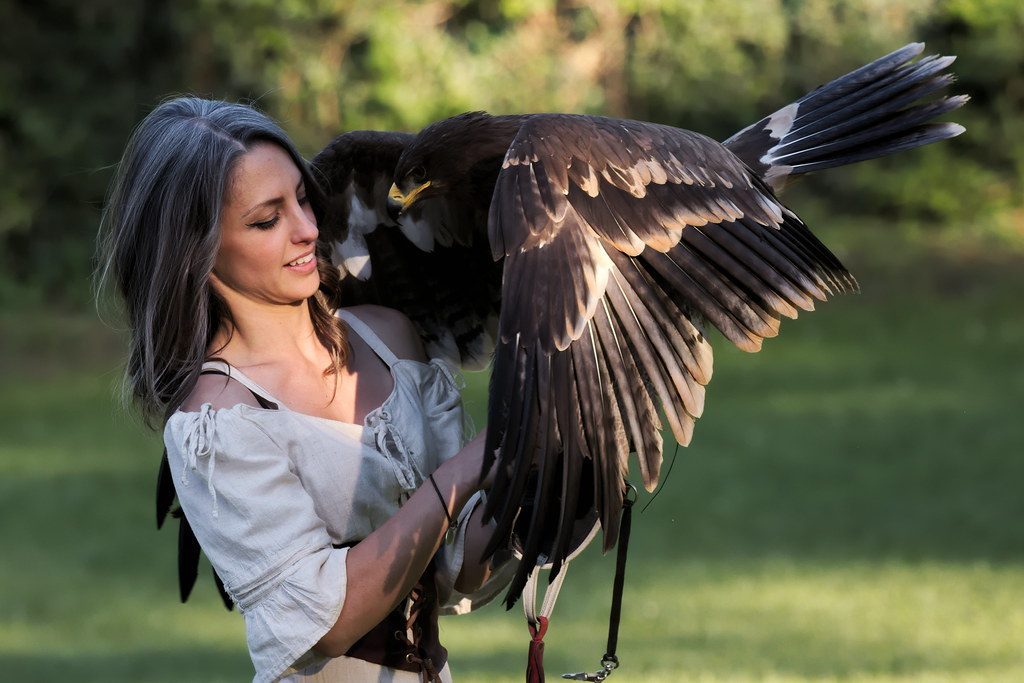
Here’s the thing about falconry that sets it apart from simply training animals. The intricate process of training these magnificent creatures involves imprinting, or “manning,” whereby the raptor forms a bond with its human handler. This mutual trust and cooperation result in a magnificent display of teamwork between human and bird, ultimately leading to effective hunting performances in the wild.
Unlike domesticated animals who have been genetically altered over generations, falcons remain fundamentally wild. Falcons are solitary creatures by nature, and they’re not naturally inclined to form close bonds with humans. Yet through patience, understanding, and respect, falconers manage to create partnerships that defy these natural tendencies. The trust is earned daily, never guaranteed.
By this time a bond has formed between falconer and hawk, which, combined with accurate weight control, alleviates much of the risk of losing the hawk. It takes months, sometimes over a year, to develop this relationship properly. Every session matters. Every interaction builds upon the last.
UNESCO Recognition and Global Cultural Significance
Falconry was added to the lists of the Convention for the Safeguarding of the Intangible Cultural Heritage on 16th November 2010. This was the culmination of over 6 years work by 11 nations, led by the authorities in the United Arab Emirates and including Belgium, Czech Republic, France, Korea, Qatar, Saudi Arabia, Syria, Mongolia, Morocco and Spain. That recognition meant something profound.
The designation as UNESCO Intangible Cultural Heritage wasn’t just ceremonial. The UNESCO has awarded falconry the Intangible Cultural Heritage of Humanity designation because it is a real social tradition that cares for the environment and that is passed on from generation to generation. This activity, which involves breeding and training falcons or other birds of prey to hunt preys in their natural environment, is connected with a spirit of companionship and exchange.
In recognition of this rich heritage, falconry is inscribed on the UNESCO Representative List of Intangible Cultural Heritage of Humanity in Germany, Saudi Arabia, Belgium, United Arab Emirates, Spain, France, Hungary, Italy, Kazakhstan, Morocco, Mongolia, Pakistan, Portugal, Qatar, Syrian Arab Republic, Republic of Korea and Czechia and remains an indelible part of the shared heritage of the Silk Roads today. It represents a living thread connecting us to our ancestors across continents and cultures.
The Training Process and Building Trust
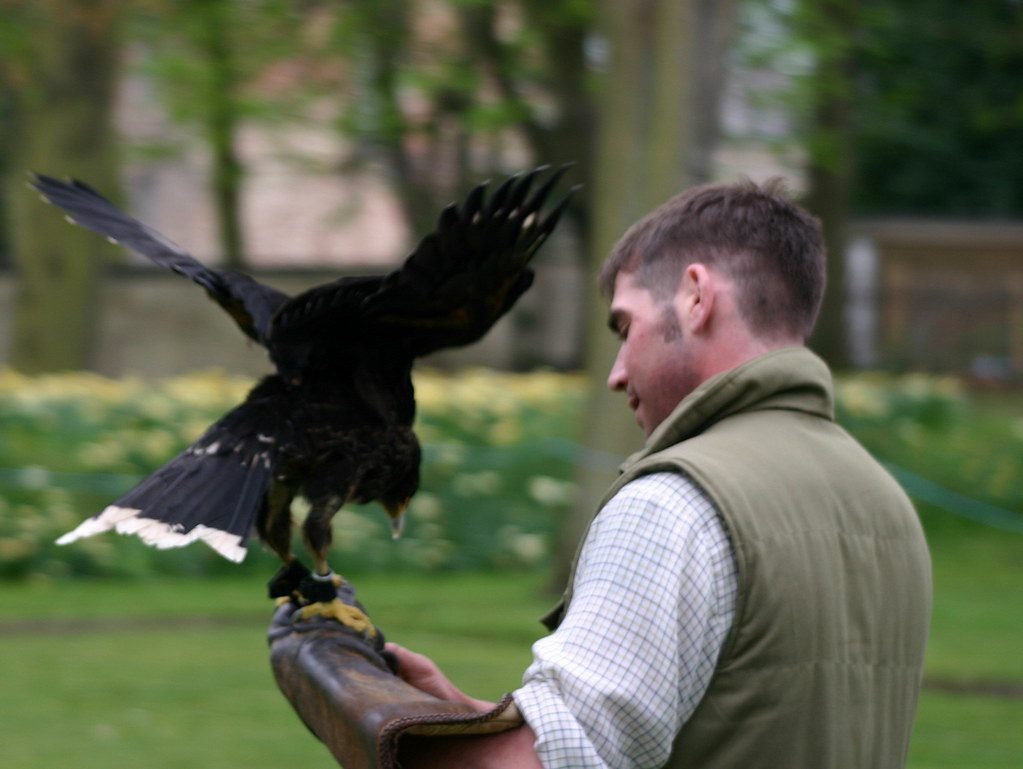
Training a bird of prey is nothing like training a dog. The training period for falcons in falconry can vary based on several factors, including the species of falcon, the individual bird’s temperament, and the experience level of the falconer. Generally, the training process, from initial imprinting to fully integrated hunting partnership, can take anywhere from a few months to over a year. Let’s be real, it demands absolute dedication.
Manning: This initial stage of training involves developing trust and building a bond between the falconer and the bird. It includes familiarizing the bird with human presence and introducing it to the falconer’s glove. Simple as it sounds, this stage can make or break everything that follows. The bird must learn that the handler represents safety and sustenance, not threat.
Lure training is essential to falconry, as it teaches the bird to return to your glove on command. This training method involves using a lure, typically resembling prey, to encourage the Falcon to chase and catch it. The goal is to simulate a hunting scenario, allowing the Falcon to practice its instincts in a controlled environment. The lure swings through the air, mimicking the erratic flight of actual prey, conditioning the falcon’s hunting response while reinforcing its return to the falconer.
The Majestic Birds of Falconry Traditions
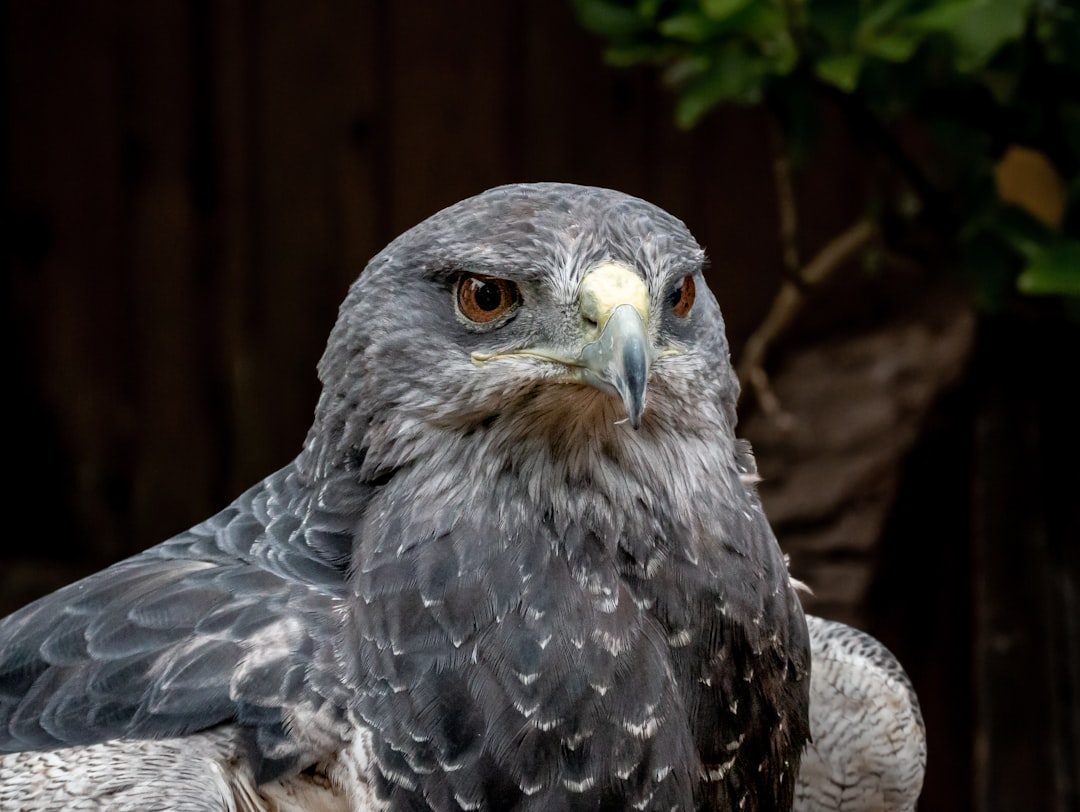
In modern falconry, the red-tailed hawk (Buteo jamaicensis), Harris’s hawk (Parabuteo unicinctus), and the peregrine falcon (Falco peregrinus) are some of the more commonly used birds of prey. Each species brings unique abilities and challenges to the partnership. The diversity of raptors used reflects the breadth of falconry traditions worldwide.
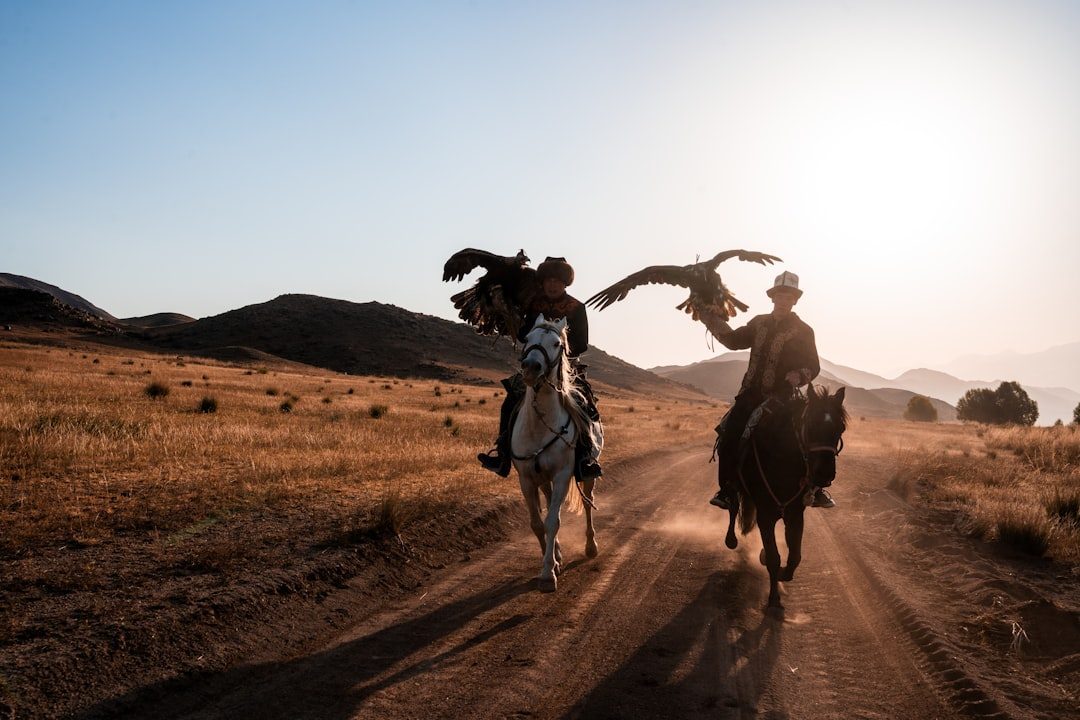
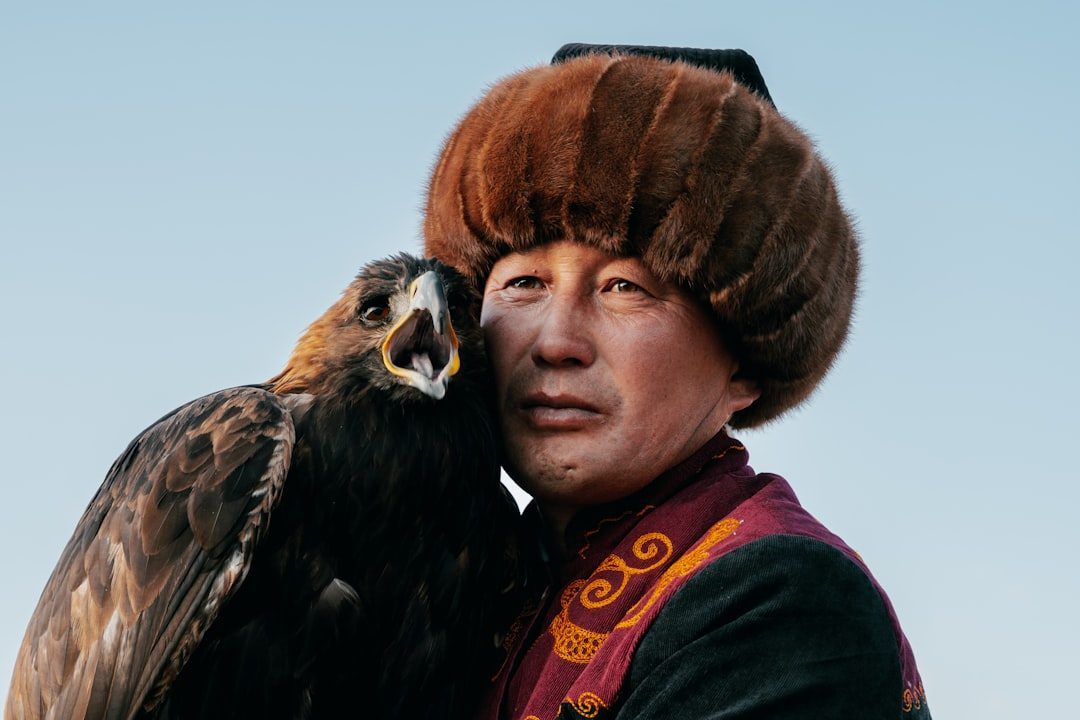
In the west Asia, the saker falcon is the most traditional species flown against the houbara bustard, sandgrouse, stone-curlew, other birds, and hares. Meanwhile, in Kazakhstan, Kyrgyzstan, and Mongolia, the golden eagle is traditionally flown (often from horseback), hunting game as large as foxes and wolves. The sheer power and size of these eagles hunting wolves from horseback represents one of the most dramatic forms of falconry still practiced today.
The saker falcon is a national symbol in the United Arab Emirates, Saudi Arabia, Qatar, Oman and Yemen and have been integral to Arab heritage and culture for over 4,000 years. These birds aren’t just hunting tools. They symbolize national identity and cultural pride across entire regions.
Modern Conservation and the Future of an Ancient Tradition
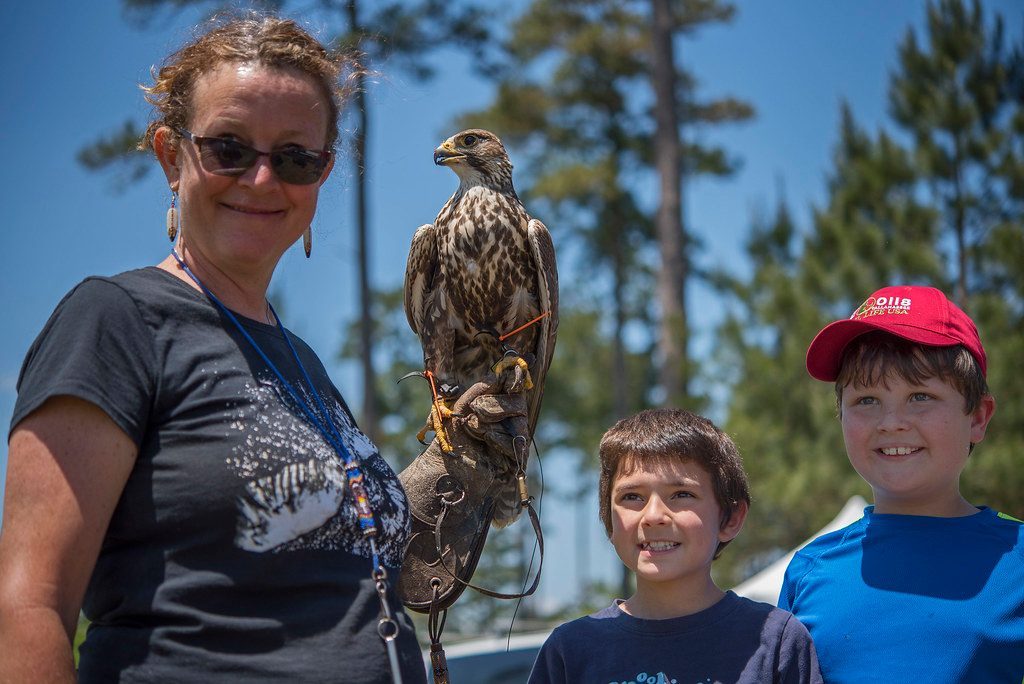
On the Arabian Peninsula, where falconry is central to cultural identity, falconers are driving conservation efforts on a massive scale. To fight illegal trade and the sale of wild birds and their eggs on the black market, governments have banned the capture of wild falcons, instead encouraging and funding captive breeding programs. The United Arab Emirates has pledged $20 million toward raptor conservation initiatives, including the retrofitting of power lines for raptor safety. That’s not just preserving tradition. It’s active stewardship of the environment.
The early 2000s brought the rise of falcon racing in the Middle East, where judges clock trained birds’ speed as they chase their falconers’ lures – an engaging, accessible and sustainable new take on the ancient artform. Infused with new energy, falconry festivals, clubs and pageants are on the rise. These modern adaptations ensure that falconry evolves while maintaining its core values and techniques.
The modern practice of falconry focuses on safeguarding falcons, quarry and habitats, as well as the practice itself. And while falconers come from different backgrounds, they share universal values, traditions and practices, including the methods of breeding, training and caring for birds, the equipment used and the bonds between the falconer and the bird. This shared commitment transcends borders and languages, creating a global community united by respect for these magnificent predators.
Conclusion
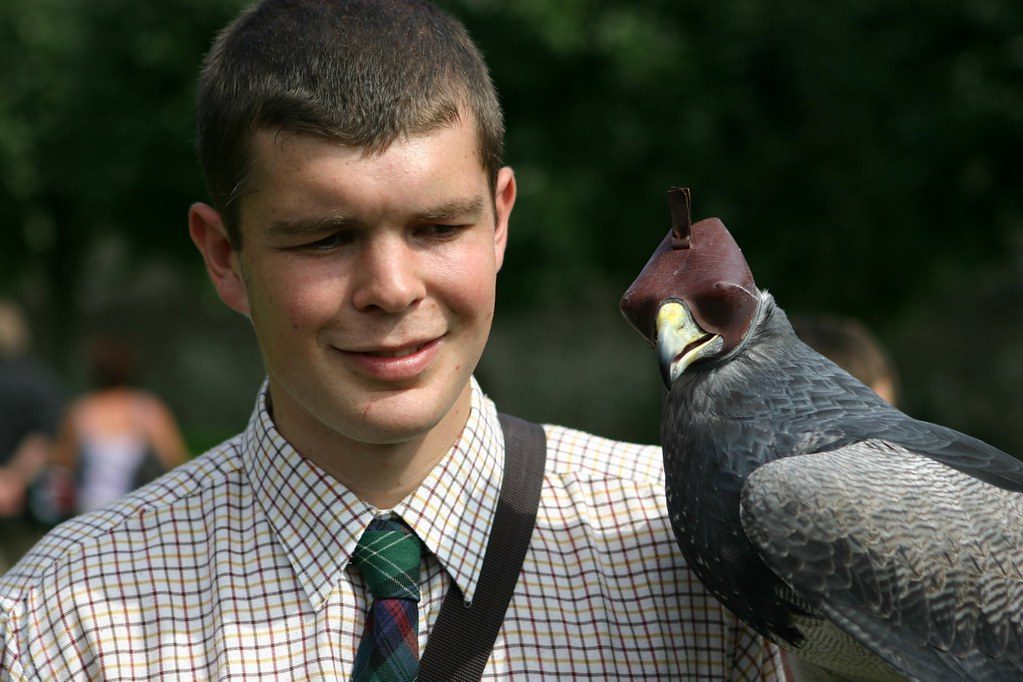
Falconry stands as one of humanity’s most enduring traditions, a practice that has survived the rise and fall of empires, the advent of modern hunting technologies, and the relentless march of urbanization. What makes it truly remarkable isn’t just its age, but its ability to adapt and remain relevant in our contemporary world. Whilst there is a huge diversity of distinct local conditions and traditions associated with falconry around the world, for many communities the tradition provides a connection to the past, particularly for communities for whom the practice is a remaining link with their natural environment and traditional culture.
The relationship between falconer and bird represents something profound about our capacity to work with nature rather than simply dominating it. It requires humility, patience, and deep respect for creatures that could easily fly away and never return. Maybe that’s the real lesson falconry teaches us.
Have you ever considered what it takes to earn the trust of a wild predator? Share your thoughts about this ancient art in the comments below.
