
Ever watched a bird and wondered what’s going on behind those beady eyes? It’s easy to underestimate our feathered friends, but honestly, some of them are operating on a level that would put plenty of mammals to shame. We’re talking about birds that can plan for tomorrow, recognize themselves in mirrors, and even hold grudges for years. These aren’t just creatures surviving on instinct alone.
The world of bird intelligence is far more fascinating than most people realize. From crafting tools to understanding abstract concepts, certain species have evolved cognitive abilities that scientists once thought were exclusive to primates. Let’s dive into the minds of ten remarkable birds that prove being called a “bird brain” might actually be a compliment.
1. African Grey Parrot: The Verbal Genius
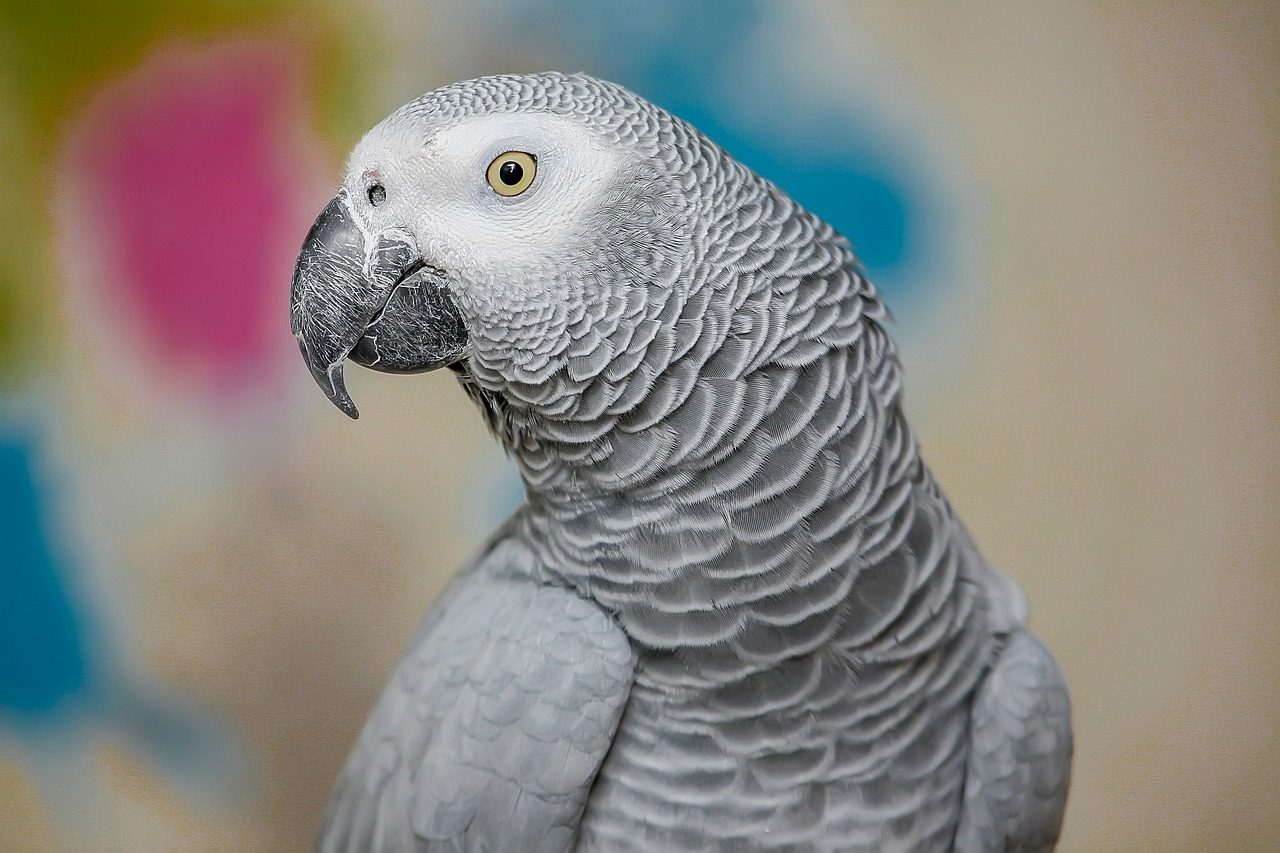
The African grey parrot is often considered “the smartest bird in the world” due to its remarkable cognitive abilities. These medium-sized grey birds with distinctive red tails aren’t just talented mimics. Some can form simple sentences, identify objects by name and even associate words with colors or shapes, with one famous African grey, Alex, showing he could understand abstract concepts like “same” and “different,” a trait shared with few non-mammalian species.
What sets African greys apart is their genuine understanding of language rather than mere repetition. Studies have shown that these birds are able to understand the meaning of words and sentences, and they can even use grammar to communicate with each other, plus they are able to solve problems, and they have been shown to be able to use tools to get food. Think of it like this: while your neighbor’s parrot might squawk a few phrases, an African grey actually comprehends what it’s saying. Their intelligence level has been compared to that of a young child, which makes you wonder who’s really in charge when one lives in your home.
2. New Caledonian Crow: The Master Toolmaker
Here’s where things get really interesting. These crows not only use tools; they also make them, shaping sticks into hooks to retrieve food from hard-to-reach places. Let’s be real, that’s the kind of problem-solving that took early humans a considerable amount of time to figure out. Some crows have even been observed using a tool to get another tool, which they then use to access food, called meta-tool use, and it places these birds alongside nonhuman animals like chimpanzees in terms of mental muscle.
Their problem-solving skills have been showcased in various studies, where they perform tasks that require multiple steps to achieve a goal. What’s absolutely wild is that these crows don’t learn this behavior from humans. They naturally figure it out in the wild, passing knowledge down through generations. The shape of their bills even seems adapted for this clever lifestyle, giving them what almost looks like a perpetual grin, as if they know just how smart they are.
3. Common Raven: The Strategic Planner
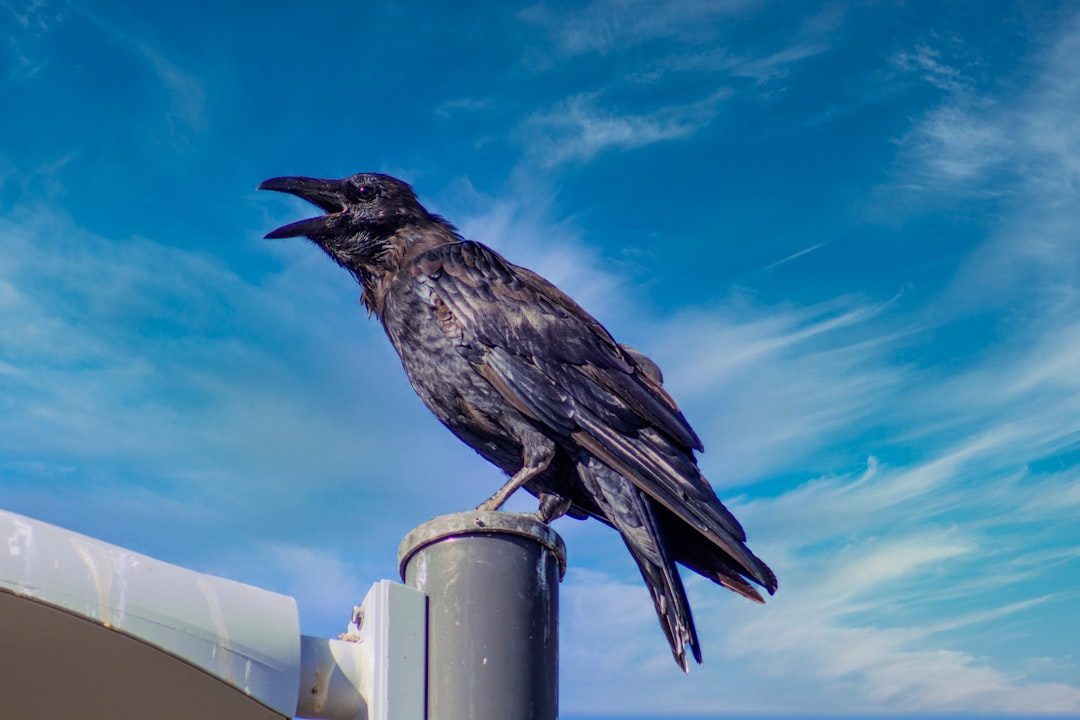
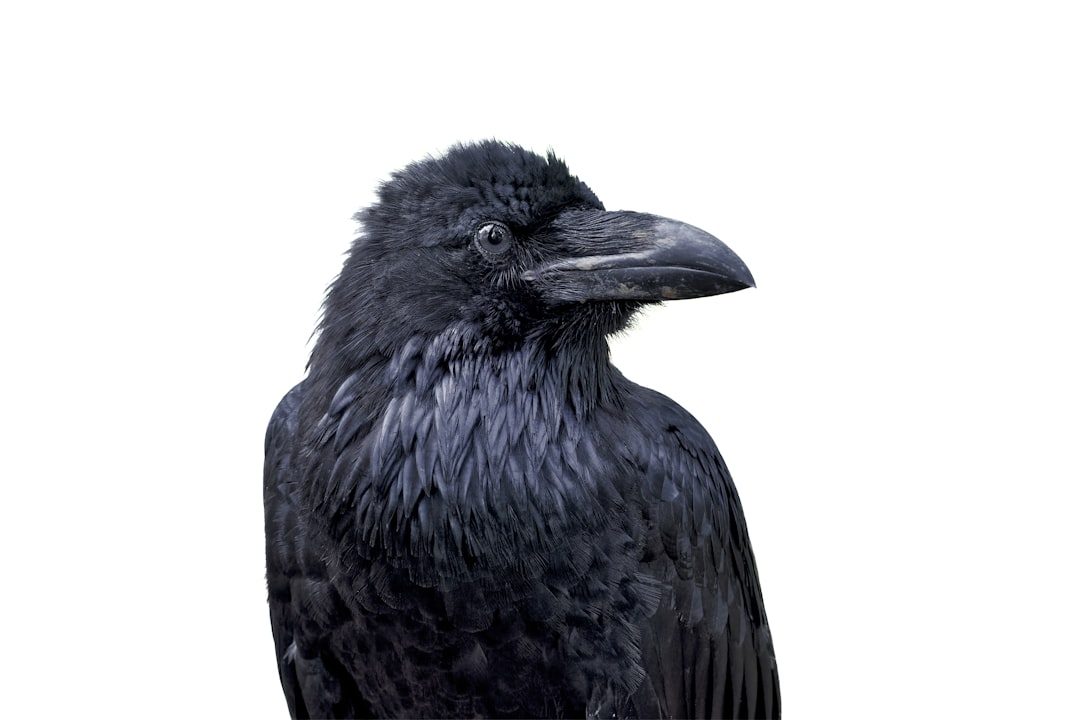
Members of the corvid family (songbirds including ravens, crows, jays, and magpies, to name a few) are among the , though common ravens may have the edge on tackling tough problems. Ravens take intelligence to another level with their ability to plan ahead. A study published in 2017 in the journal Science revealed that ravens even pre-plan tasks – a behavior long believed unique to humans and their relatives, with scientists teaching the birds how a tool can help them access a piece of food, and when offered a selection of objects almost 24 hours later, the ravens selected that specific tool again – and performed the task to get their treat.
These birds also understand social dynamics in ways that seem almost unsettling. Research has shown corvids go back to remove cached food and hide it elsewhere if they know they have been observed – but only if they have stolen from others in the past. That suggests they can actually put themselves in another bird’s position, understanding that thieves think like thieves. It’s the kind of mental gymnastics that requires genuine insight into the minds of others, a skill scientists call theory of mind.
4. Kea: The Playful Problem-Solver
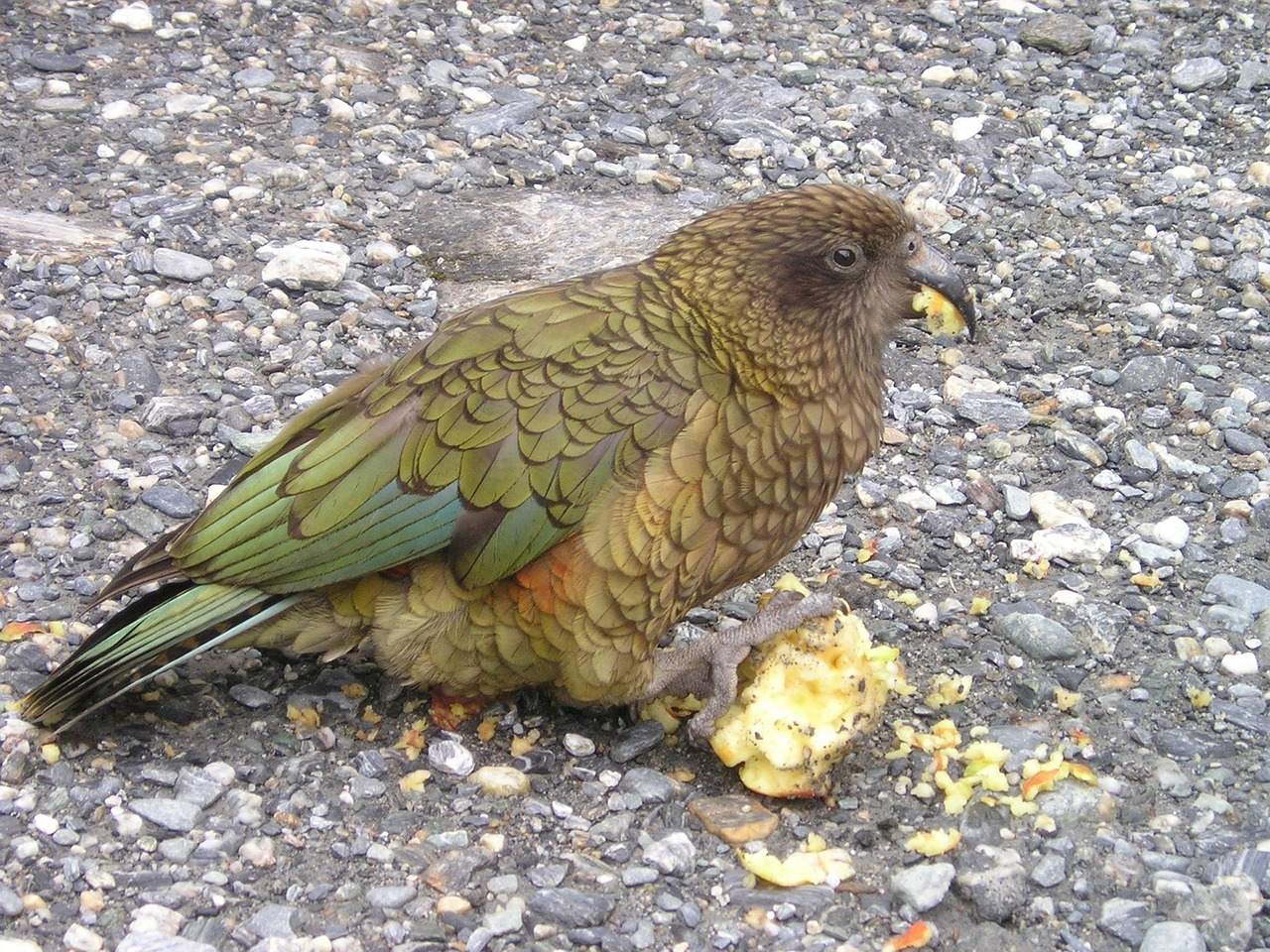
This New Zealand mountain parrot has earned quite the reputation. These parrots from New Zealand are known for their curiosity and problem-solving abilities, can solve logical puzzles and even work together to achieve a goal, and when faced with complex problems, they have shown that they can improvise and change their approach until they succeed. Keas are notorious for dismantling cars, stealing from tourists, and generally causing mischief wherever humans cross their path.
In a study comparing their abilities against the New Caledonian Crow (considered one of the world’s smartest birds), Keas showed off their playful, exploratory nature and came out on top by discovering alternative problem-solving solutions roughly three times faster than their corvid competitor. Their intelligence seems deeply connected to their playfulness. They’re constantly investigating, testing, and experimenting with their environment. That curiosity drives them to learn and adapt in ways that many other species simply don’t bother with. I think that’s what makes them so special: they don’t just survive, they actively explore the world around them.
5. Eurasian Magpie: The Self-Aware Bird
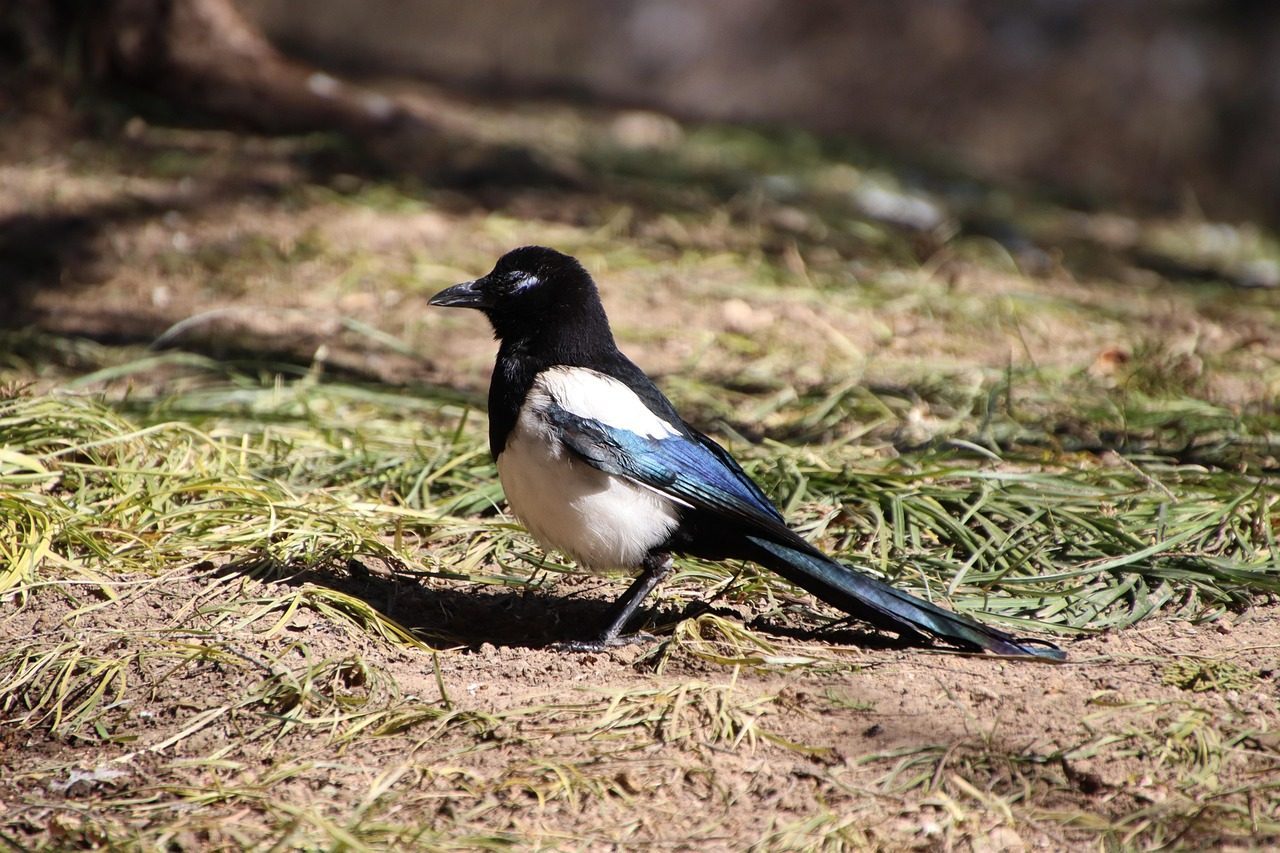
Among the , the Eurasian magpie has passed the mirror self-recognition test – something only a few animals like dolphins, elephants and great apes have done. Self-recognition might not sound like a big deal, but it’s actually a huge cognitive milestone. The Eurasian magpie is one of the few non-mammalian species to demonstrate self-awareness, having passed the mirror test – an experiment designed to assess an animal’s ability to recognize itself in a reflection, with magpies marked with a colored spot visible only in a mirror attempting to remove the mark, indicating they recognized the reflection as themselves rather than another bird, placing them among a select group of animals, including great apes, dolphins, and elephants, capable of such self-recognition.
These birds also navigate complex social structures with impressive finesse. They use sophisticated communication to maintain relationships and defend their territories. Their spatial memory is outstanding, helping them relocate food they’ve hidden months earlier. Living in diverse environments has pushed them to develop strong cognitive flexibility, adapting quickly to whatever challenges come their way.
6. Western Scrub Jay: The Memory Master
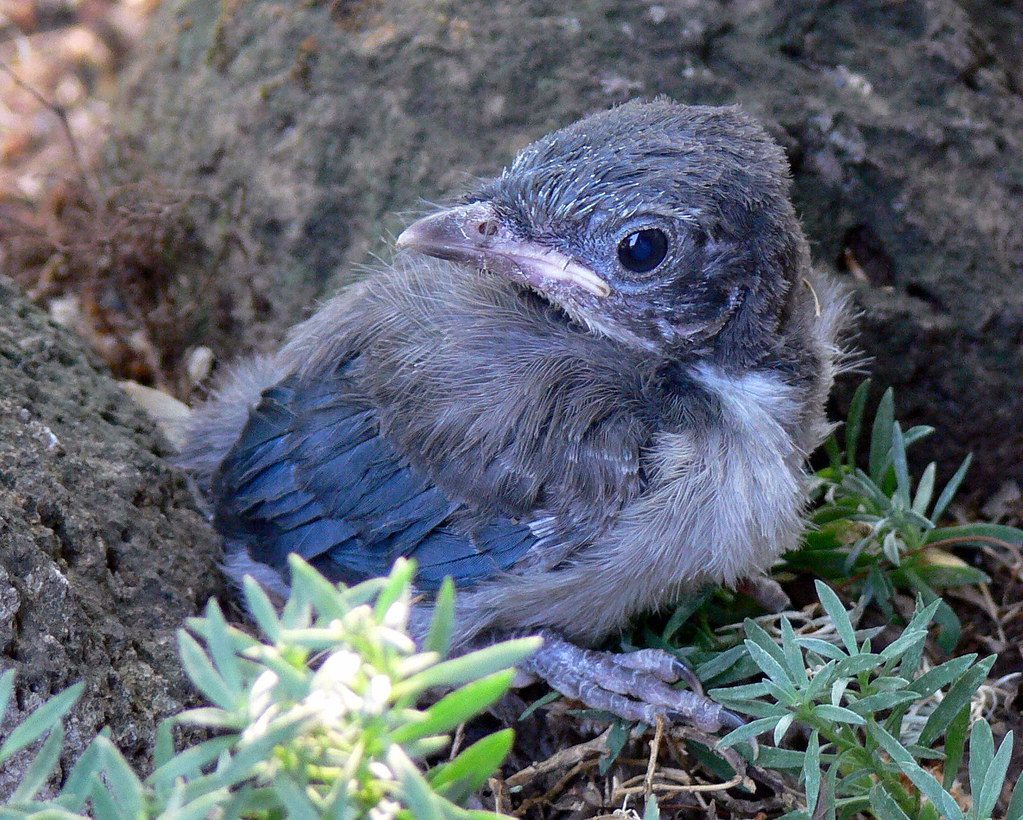
Western scrub jays aren’t flashy, but their brains pack a punch, as these birds exhibit episodic-like memory, a fancy term for remembering past events and using them to plan for future needs. What does that actually mean? Well, imagine remembering not just where you left something, but also what it was, when you left it there, and who might have seen you do it. That’s the kind of mental record-keeping these jays perform daily.
This behavior suggests scrub jays understand that other birds might steal their stashes – a sign of social intelligence and the ability to anticipate others’ actions, while their spatial memory is off the charts, helping them locate food caches even months after hiding them. They’ll actually change their hiding behavior based on whether they’ve been thieves themselves in the past. If they have, they assume others will steal from them too, so they take extra precautions. That kind of perspective-taking shows a sophisticated understanding of how minds work.
7. American Crow: The Face-Remembering Genius
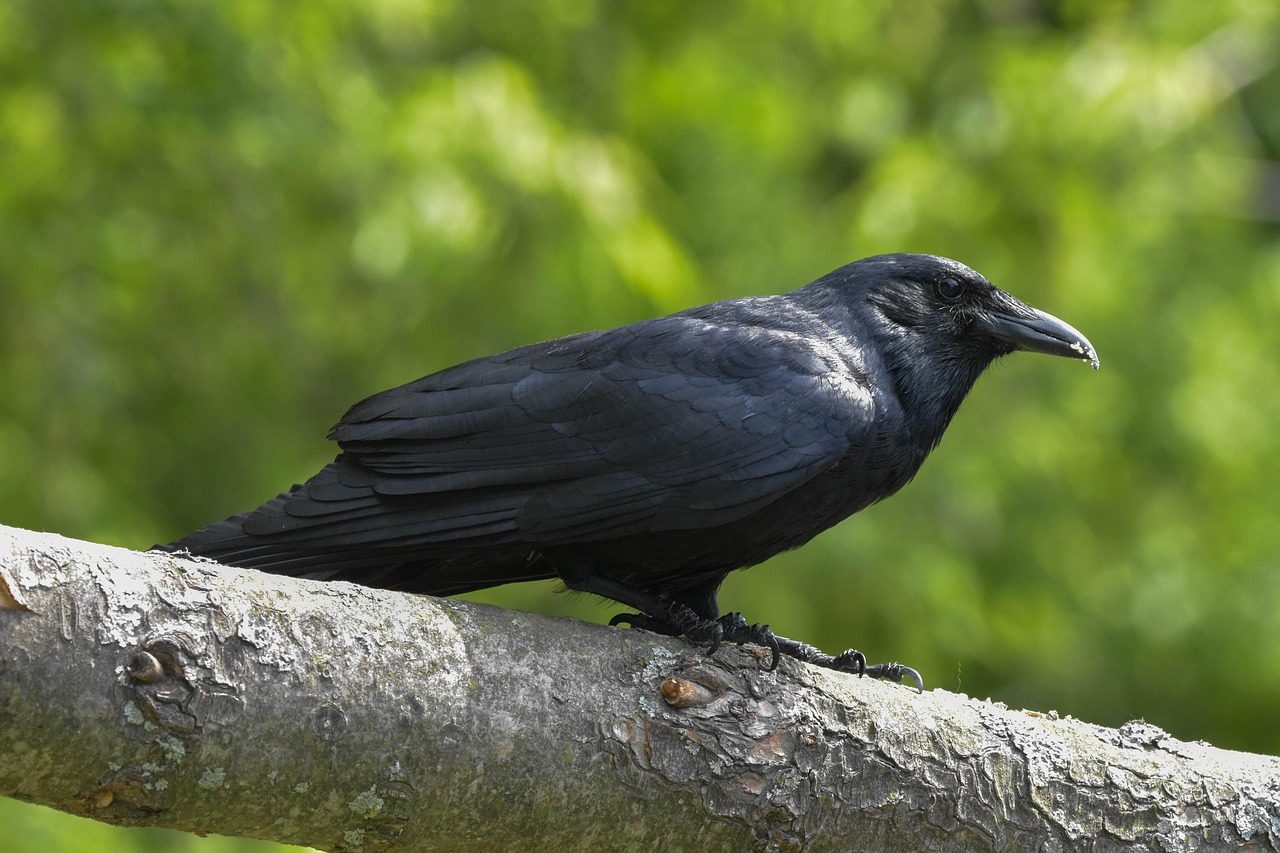
Louis Lefebvre, a behaviorist at McGill University in Montreal studying bird intelligence, has developed a test for gauging bird IQ based on how innovative birds are when faced with different challenges, with his winner for the smartest bird of all being the American Crow (also called the Common Crow), and other researchers agree. These familiar black birds that populate cities and countryside across North America are cognitive powerhouses. Crows have an uncanny memory for human faces – and can remember if that particular person is a threat.
Studies have shown that crows are able to hold grudges, remembering people who have wronged them for as long as 17 years in some cases, and researchers have also observed their abilities to communicate dangers and concerns to others in their flock and help one another solve problems. They’ll even teach their offspring which humans to avoid, passing down information through generations. That means if you anger a crow today, not only will it remember you decades later, but its children might also give you suspicious looks. It’s honestly a bit unnerving when you think about it.
8. Goffin’s Cockatoo: The Innovative Craftsman
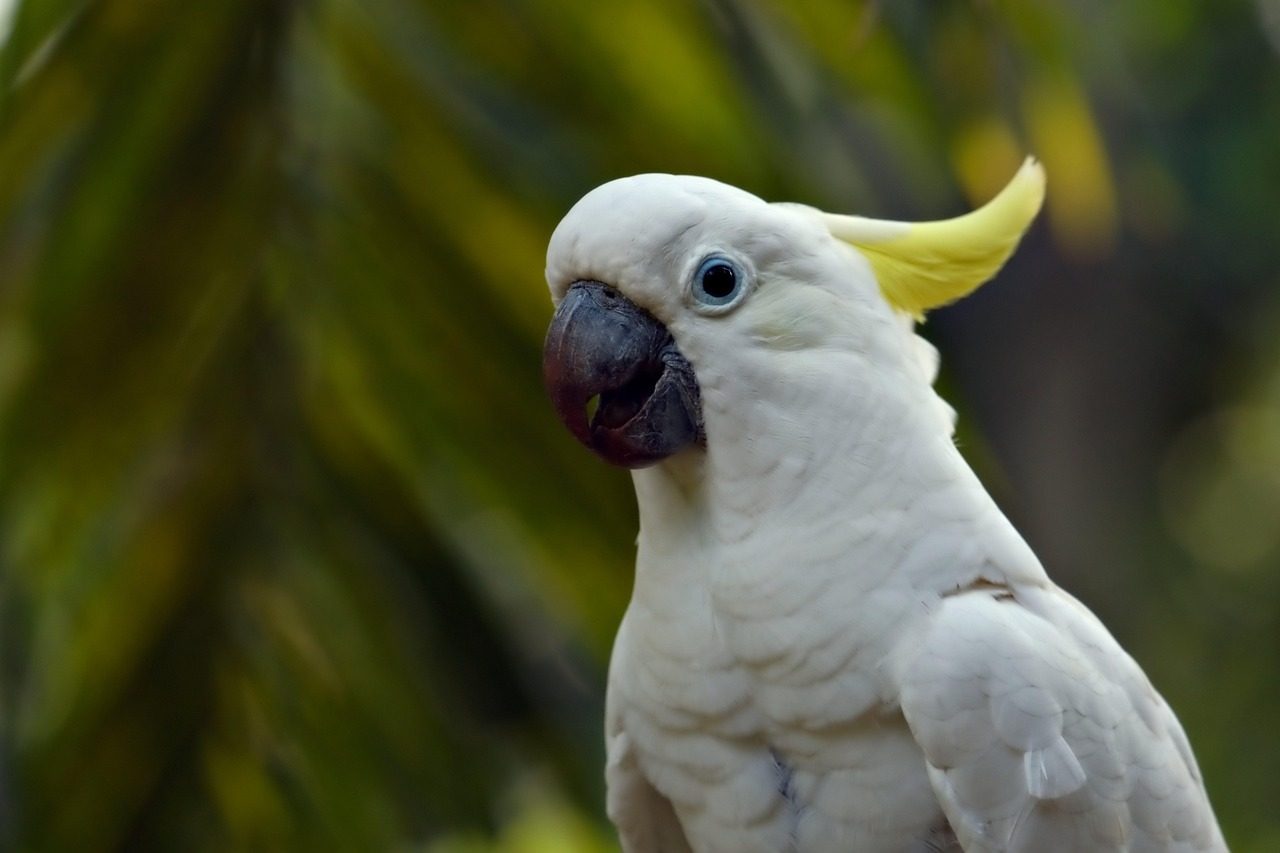
The Tanimbar corella, also known as the Goffin’s cockatoo, is among the most technically skilled problem-solvers in birds, repeatedly surprising researchers with a capacity for innovation that rivals tool-using corvids and primates, with a famous individual, Figaro, spontaneously manufacturing stick tools by shaping splinters from aviary wood and using them to rake in out-of-reach food – an act of invention never before recorded in this species.
Subsequent studies revealed the ability to open complex, multi-part mechanical locks in sequence, adjust strategies when the order of components changed, and even “cheat” by manipulating entire apparatuses to trigger reward release, while these cockatoos also show strong impulse control: they can delay gratification and exchange a preferred food for a better reward after waiting, demonstrating a form of self-control previously assumed rare in parrots. The really fascinating part is that Goffin’s cockatoos aren’t natural tool users in the wild. Their innovation seems to emerge from pure problem-solving ability rather than learned necessity. That’s raw intelligence at work.
9. Blue Jay: The Tactical Strategist
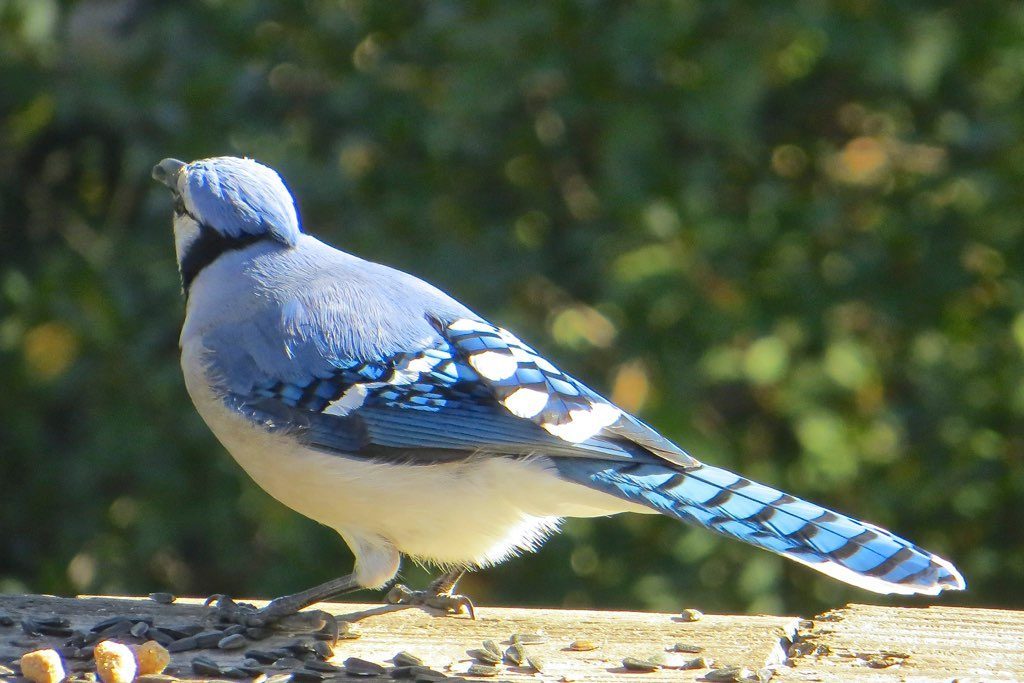
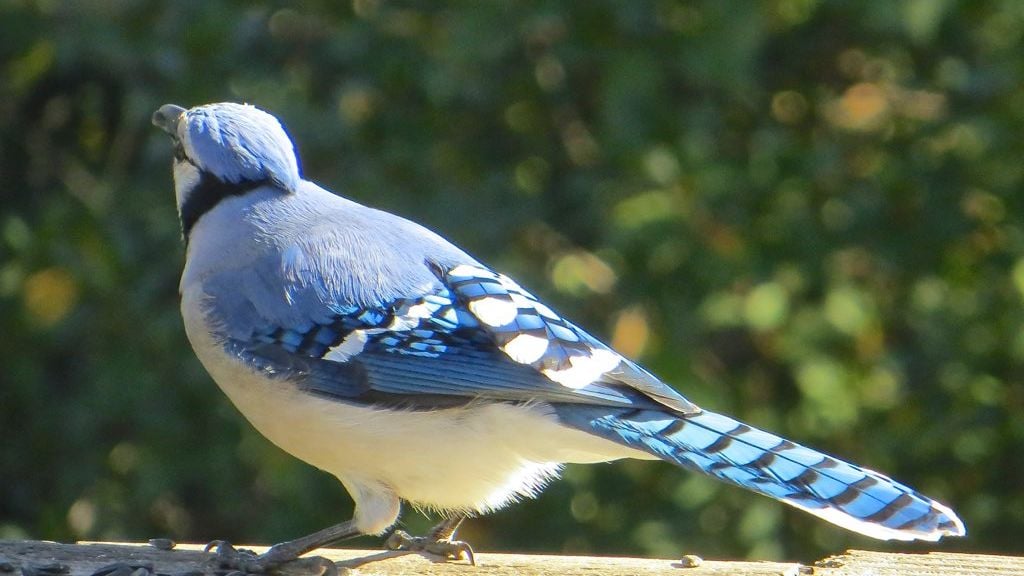
Don’t let their pretty appearance fool you. A captive Blue Jay used a scrap of paper from the bottom of his cage as a tool to reach a pile of food outside it, and other jays who watched him soon were using the same method. Blue jays are strategic thinkers with impressive memories. They hide food in hundreds of different locations throughout their territory, then recall those spots when they need them later.
These birds also employ some clever deception tactics. They’ve been observed mimicking hawk calls to scare other birds away from feeders, giving themselves exclusive access to food. That’s not just instinct; that’s understanding cause and effect and using it to manipulate a situation in their favor. They use social strategies to dominate feeding areas, demonstrating that intelligence isn’t always about tools or puzzles. Sometimes it’s about outsmarting your competition through pure cunning.
10. Macaw: The Social Learner
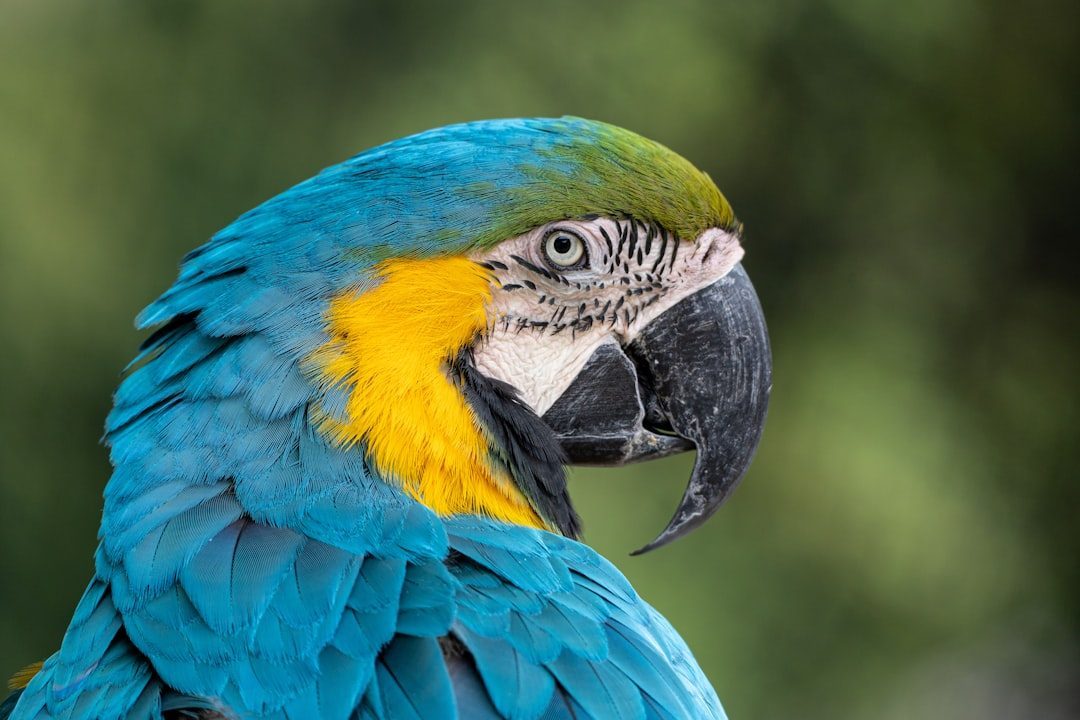
These stunning parrots exhibit strong problem-solving skills and a remarkable capacity for learning, are capable of figuring out complex tasks and navigating their environment, possess a strong ability to mimic human speech and other sounds, demonstrating a capacity for auditory learning and vocal imitation, are also highly social birds, relying on complex communication within their flocks, enabling them to form strong social bonds, exhibiting very advanced behaviors and interactions.
It has been stated that Macaws have a level of intelligence that can be compared to that of a human toddler. Living in large, complex social groups in the wild requires serious brainpower. Macaws need to recognize dozens of individuals, remember social hierarchies, and coordinate group activities. Their intelligence manifests through their ability to solve novel problems, learn from observation, and adapt their behavior based on social context. Watching a macaw work through a puzzle toy reveals a thoughtful, deliberate approach that shows they’re not just randomly trying things – they’re actually thinking through possibilities.
Conclusion
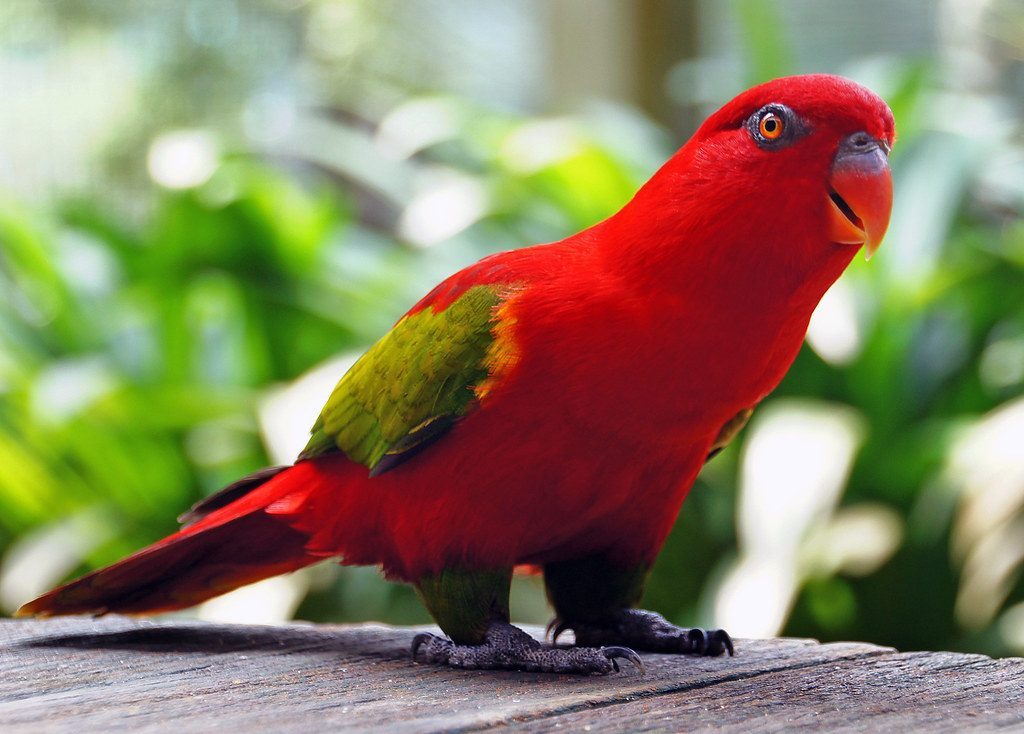
The remarkable cognitive abilities of these ten birds challenge everything we thought we knew about animal intelligence. From self-awareness to future planning, from tool manufacture to linguistic comprehension, birds demonstrate that brilliant minds can evolve in bodies vastly different from our own. In general, birds have relatively large brains compared to their head size, and bird brains have two-to-four times the neuron packing density of mammal brains, for higher overall efficiency.
What fascinates me most is how these birds didn’t just stumble into intelligence. Their cognitive abilities evolved to meet specific challenges in their environments and social structures. Next time you see a crow at the park or hear a parrot at a pet shop, remember you’re looking at a creature whose mental capabilities rival those of primates. Did you ever imagine birds could be this smart? What do you think – does intelligence look different than we expected?

- Animal Psychology Says If You See a Large Gathering of Crows in Your Yard at Dawn It Is a Sign of Complex Social Behaviour – and the Cognitive Power Required for It Belongs to an Elite Group of Species - July 14, 2026
- 10 Fascinating Facts About American Crows That Changed How Scientists See Birds - July 14, 2026
- Zoology Says the Reason Elephants Return to the Bones of Their Dead Is Rooted in Mourning – It Is a Sign of Deep Social Memory and an Emotional Life Highly Unusual for Mammals - July 14, 2026