
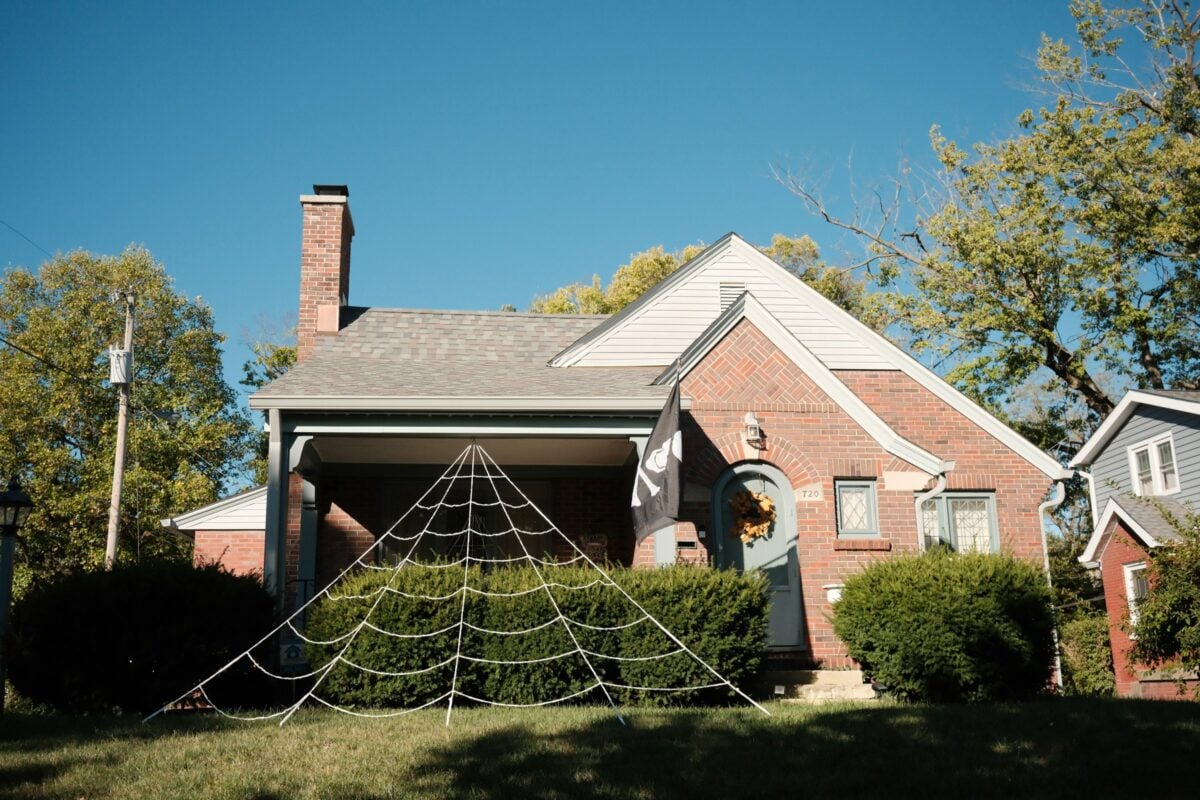
You reach for the door handle and stop cold. Overnight, a spider has spun a perfect, glistening web right across your threshold, and something in your gut refuses to call it a coincidence.
Turns out your gut might be onto something. Long before pest control and porch lights, people on four different continents stared at that exact same web and came away with wildly different verdicts – some saw a warning, some saw a blessing, and one culture even saw a shapeshifting woman waiting to trap you. Here’s what they believed, and why it still gives people chills.
1. West Africa: Anansi the Trickster Is Watching Your Doorway
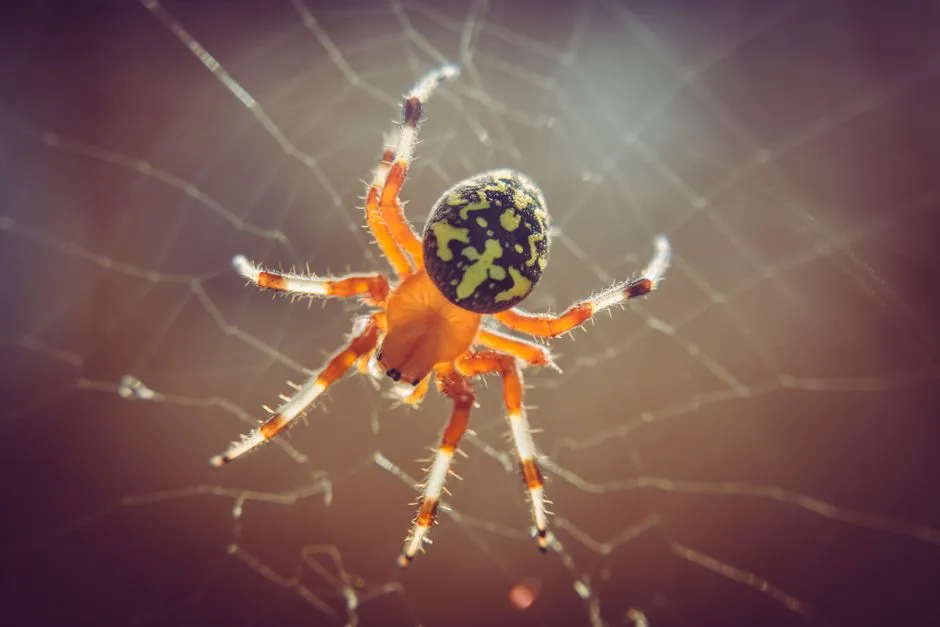
Among the Akan people of Ghana, spiders aren’t just bugs – they’re Anansi, the cunning trickster who outsmarts kings, gods, and greedy neighbors in story after story. A web strung across your door in this tradition isn’t random. It’s read as a sign that Anansi himself has slipped into your life, and that a lesson, a test, or a bit of hard-earned wisdom is about to unfold whether you’re ready or not.
Anansi’s stories always carry a sting in the tail: the clever one doesn’t always win clean, and the moral usually costs someone their pride first. So a web at the door becomes an invitation to ask an uncomfortable question – what story am I currently telling myself, and is it actually true? Folklore suggests the web appears right when that answer needs a second look.
2. Native American Tradition: A Web Built to Guard You
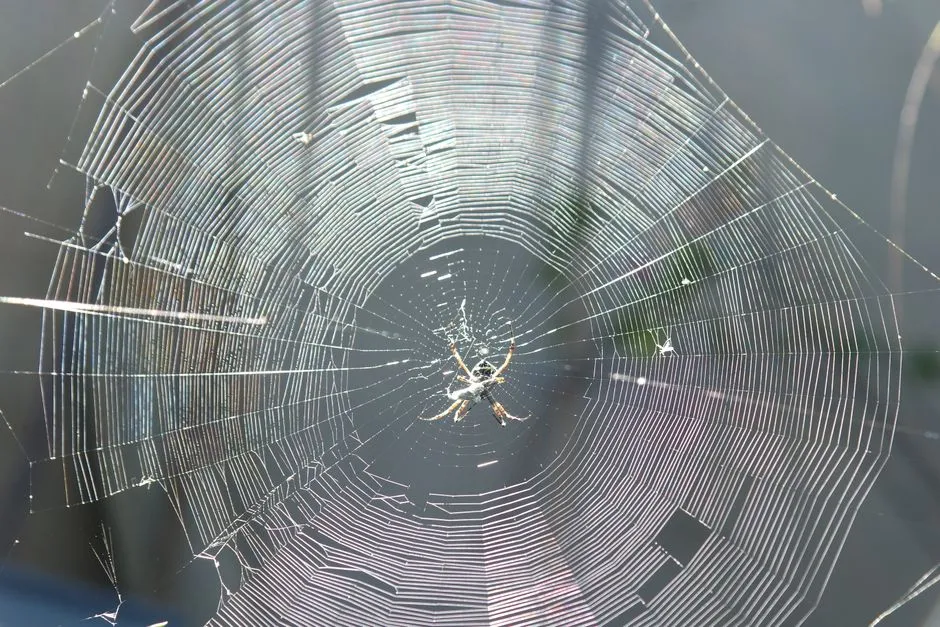
In many Native American traditions, the spider is a protector, not a pest. The Ojibwe speak of Spider Woman, a spiritual figure whose webs catch bad intentions the way a net catches fish – this is the same belief that gave rise to the dreamcatcher hanging over cribs and beds. A web spun directly across your doorway, in this reading, isn’t a nuisance to sweep away. It’s a filter already doing its job.
The idea is almost tender when you sit with it: something unseen decided your home was worth guarding, and built its defense exactly where danger would first have to pass through. Harmful energy gets snagged; good energy slips through the gaps. It’s less “there’s a bug problem” and more “something already had your back before you even noticed.”
Worth Knowing
- The Ojibwe word for dreamcatcher, asabikeshiinh, actually means “spider,” referring to the woven web itself.
- Traditionally, dreamcatchers are hung over a cradle or bed as protection.
- In Lakota tradition, a similar teaching credited to the spider figure Iktomi flips the rule entirely – in the Lakota version, dream catchers trap good dreams, just the opposite of the Ojibwe belief.
3. European Folklore: The Money Spider at Your Door
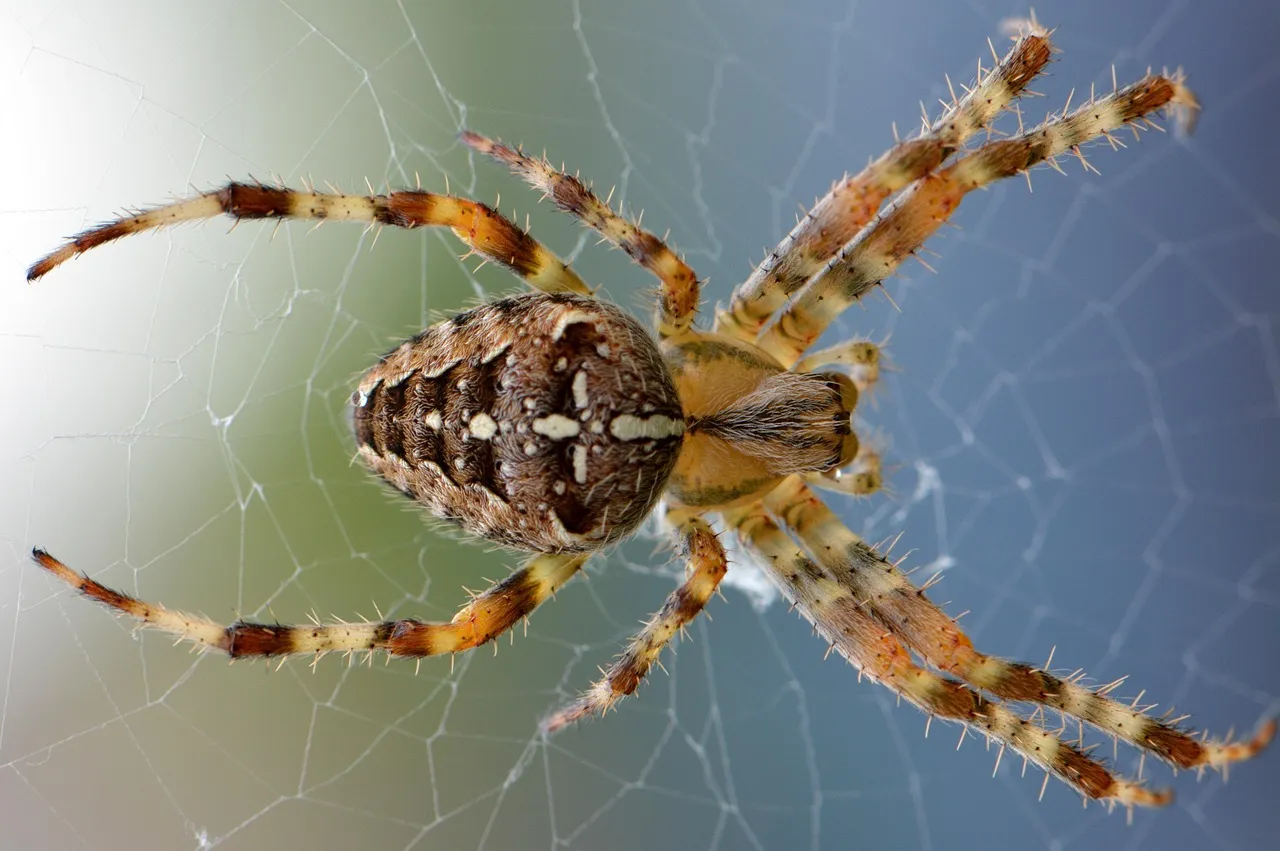
Cross the Atlantic and the mood shifts entirely. In British and broader European tradition, tiny spiders were nicknamed “money spiders” because finding one – especially somewhere as prominent as your front door – was supposed to mean cash was coming. Killing it, on the other hand, was considered a fast way to invite bad luck straight into your house.
This superstition ran deep enough to survive centuries, showing up in old rhymes parents still half-remember today.
If you wish to live and thrive, let the spider run alive.
Old English Proverb
The logic isn’t really about the spider at all. It’s about training yourself to notice small, easy-to-miss signs and choosing to read them as hope instead of horror – a mindset shift that outlasted the superstition itself.
4. Japan: The Beautiful Spider Woman Who Isn’t What She Seems

Japanese folklore takes a darker turn with the Jorōgumo, a spider capable of transforming into a stunning woman to lure men into her web – literally. It’s a story built entirely on the danger of trusting appearances, and a web at your doorway in this tradition doubles as a quiet warning: something in your life may look far more harmless, or far more charming, than it actually is.
This isn’t folklore telling you to fear spiders. It’s folklore telling you to fear your own certainty. The Jorōgumo myth has survived for generations precisely because it taps into something universally uncomfortable – the moment you realize the thing you trusted completely was never quite what it presented itself to be.
Fast Facts
- According to legend, when a Jorogumo spider (a species of Golden Orb Weaver) turns 400 years old, it gains magical powers.
- The real spider behind the myth is no small thing either – the Trichonephila clavata, common in Japan, spins a web strong enough to catch small birds.
- Her earliest known portrait comes from Edo-period art – that first catalogued image comes from Sekien (1712-1788) in his Gazu Hyakki Yagyō (1776).
- Folklore offered a few defenses against her spell: the best physical defense is tobacco or thick smoke, while Buddhist sutras and Shinto charms (ofuda) are important for breaking the creature’s illusions.
5. Australian Aboriginal Lore: A Thread in the Fabric of Everything
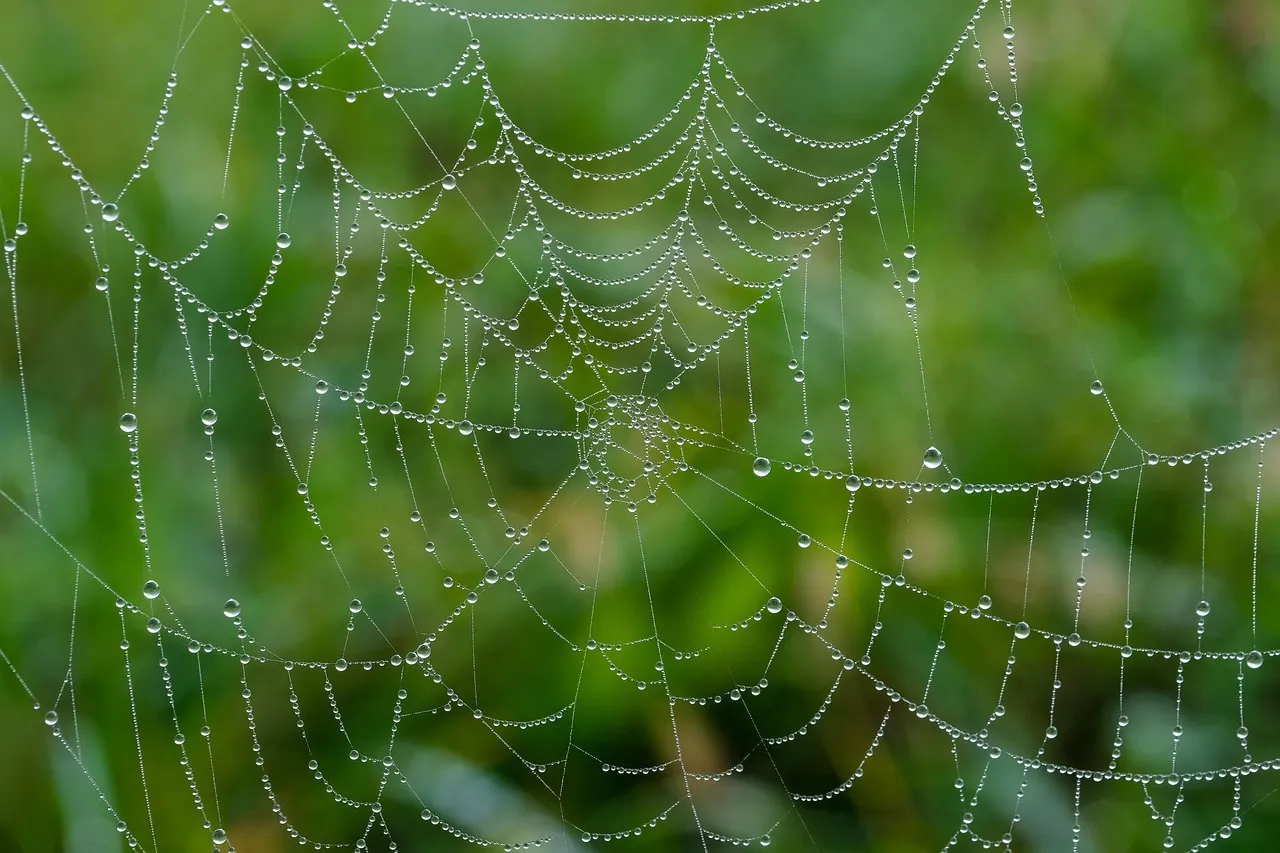
In Australian Aboriginal mythology, the spider often appears as a creator figure, weaving the very structure of the universe strand by strand. A web isn’t clutter here – it’s a small, visible piece of something enormous: the interconnected web of life itself, stretched thin enough to see with the naked eye.
Finding that web across your doorway becomes a physical reminder that you are not separate from the world you walk through every day. Every choice ripples outward along threads you can’t always see. It’s a quietly humbling idea – that the universe occasionally leaves visible proof of its own stitching, right where you’re forced to notice it.
6. South America: A Doorway Between the Living and the Unknown
In parts of South American tradition, including ancient Maya belief, spiders were linked to the underworld and treated as guides through life’s biggest mysteries – including death itself. A web strung across your door in this context wasn’t dismissed as dirt or decay. It was treated as a literal threshold, a sign that you were standing at the edge of transformation whether you felt ready or not.
This is arguably the heaviest interpretation on the list, and also the most oddly comforting. Change is framed not as something to fear alone, but as a passage with a guide already waiting. You’re not being abandoned to the unknown – you’re being escorted through it.
At a Glance
- Amongst the Mayans, the spider/web represents the placenta of Ix Chel, Maya goddess of childbirth and patron saint of weavers, and for whom the spider creates the thread of life from within itself.
- Spiders weren’t seen as neutral creatures either – alongside owls, scorpions and centipedes they were considered personified spirits of the dead, sent as messengers from the underworld as bad omens.
- Some Mesoamerican deities carried the symbolism into battle – she is often seen with shields decorated with spider webs, further suggesting her relationship with warfare.
7. The Modern Read: The Webs We Build Without Noticing
Strip away the mythology and a more grounded interpretation has taken hold today: the web as a mirror. It nudges you to look at the actual webs you’re spinning in your own life – the relationships you’re maintaining, the half-truths you’re repeating, the intentions quietly driving your daily choices.
This modern take doesn’t need gods, tricksters, or underworld guides to land. It just asks a simple, slightly uncomfortable question every time you spot a web at your door: if someone traced the threads of your life back to their source, would they like what they found?
The Bottom Line
Strip away the continents and the mythology, and one thing becomes obvious – no culture ever looked at a spider’s web across a doorway and shrugged. Every single one of them stopped, stared, and decided it meant something.
Maybe that says less about spiders and more about us. We’re wired to search for meaning in the small, strange details life leaves in our path, and a web strung perfectly across the one spot you have to walk through every single day is about as hard to ignore as omens get. Whether you read it as protection, warning, fortune, or fate, the honest takeaway is this: the next time you find one, don’t just knock it down out of habit. Pause for five seconds first. Cultures across four continents clearly thought that pause was worth having.

- What It Means When a Spider Builds Its Web Across Your Doorway According to Folklore From Four Continents - July 14, 2026
- Why Chickadees Remember Thousands of Hidden Food Caches Every Year - July 14, 2026
- What It Means When You See a Red-Tailed Hawk at a Significant Moment According to Native American Tradition - July 14, 2026