
Imagine unearthing something so bewildering that it makes you question everything you thought you knew about human history. That’s exactly what happens when archaeologists stumble upon certain artifacts that refuse to fit neatly into our understanding of ancient civilizations. These objects whisper secrets from millennia ago, yet their purposes remain frustratingly elusive.
Throughout the world, from sunken shipwrecks to remote desert plains, discoveries have been made that challenge conventional wisdom and spark fierce debates among experts. Some appear impossibly advanced for their time, while others seem to encode knowledge that shouldn’t have existed when they were created. These enigmatic finds force us to confront an uncomfortable truth: our ancestors might have been far more ingenious than we ever imagined. So let’s dive into these puzzles from the past that continue to baffle even the brightest minds today.
The Antikythera Mechanism: Ancient Computer from the Deep
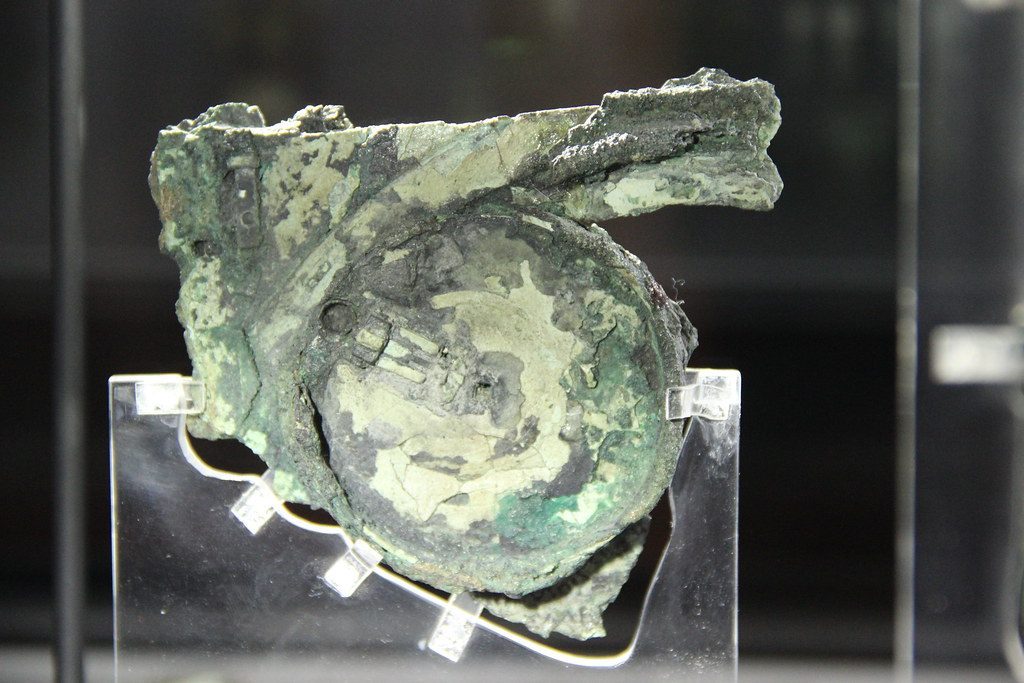
Found in the sunken wreckage of a Greek cargo ship that is at least 2,000 years old, the circular bronze artifact contains a maze of interlocking gears and mysterious characters etched all over its exposed faces. When divers first pulled this corroded lump from the Mediterranean seafloor in 1901, nobody could have predicted what lay inside. It took decades before scientists realized they were looking at something extraordinary.
The Antikythera mechanism is an ancient Greek hand-powered orrery (model of the Solar System). It is the oldest known example of an analogue computer. It could be used to predict astronomical positions and eclipses decades in advance. Think about that for a moment. More than two thousand years ago, someone created a device with such sophisticated engineering that similar technology wouldn’t appear again until medieval clockmakers started their craft. The level of refinement of the mechanism indicates that the device was not unique, and possibly required expertise built over several generations. Yet we’ve only found one. Where are the others?
The Baghdad Battery: Electricity Before Edison?
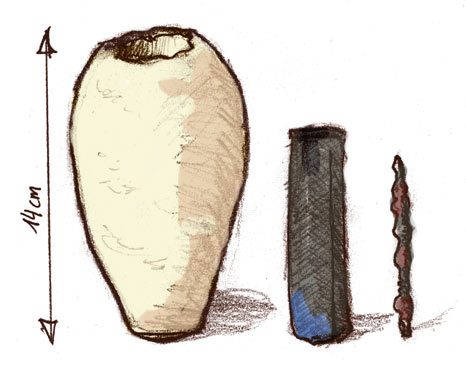
Clay jars with asphalt stoppers and iron rods made some 2,000 years ago have been proven capable of generating more than a volt of electricity. These ancient “batteries” were found by German archaeologist Wilhelm König in 1936 near Baghdad, Iraq. Honestly, when you first hear about this discovery, it sounds like something from a science fiction novel. Ancient Mesopotamians harnessing electricity? That can’t be right, can it?
When built using comparable materials, and filled with acidic liquids, the device produces between 0.5 and 1.5 volts – enough to cause a tingle or power a very small device. Modern replicas have proven the concept works. Still, skeptics argue these jars might have simply stored sacred scrolls or served some mundane purpose we haven’t considered. There is no written record of the battery’s function. No accompanying tools. No diagrams. No mention of electricity in Parthian texts. The silence from history makes this mystery all the more tantalizing.
The Voynich Manuscript: The Book Nobody Can Read
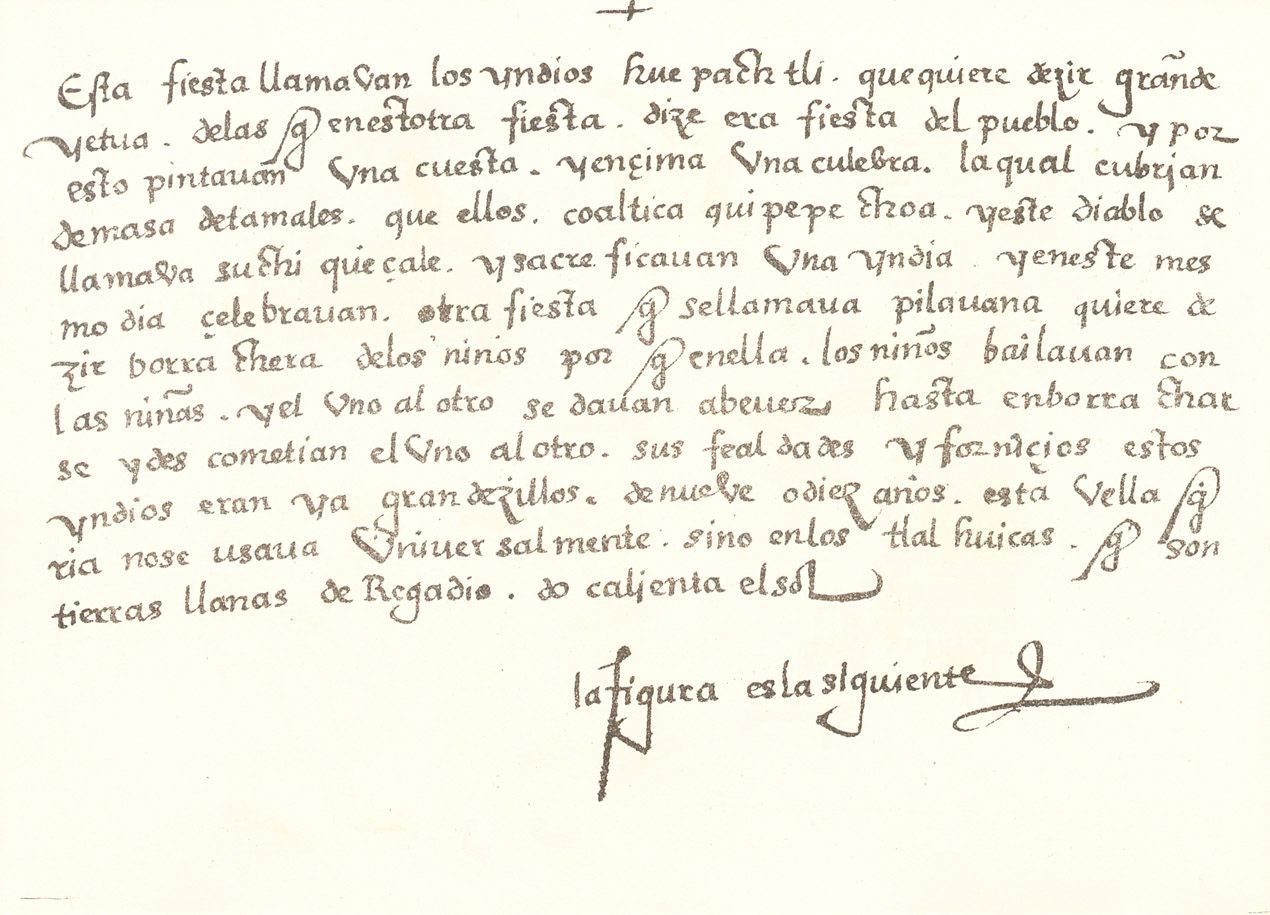
The 240-page illustrated work is written in an unknown language and contains hundreds of inked illustrations of astrological symbols, unidentifiable plants, and bizarre human figures. I know it sounds crazy, but cryptographers have thrown everything at this manuscript for over a century without cracking its code. World War II codebreakers tried. Computer algorithms have tried. Everyone has failed.
Radiocarbon dating by University of Arizona researchers in 2009 determined that the parchment was made between 1404 and 1438. Stylistic analysis points to a possible Italian Renaissance origin for the manuscript. So we know when it was made, but the text itself remains completely impenetrable. Specialists who have studied the script say it looks like a real language, but it isn’t related to any we have ever known. Is it an elaborate hoax, a lost language, or perhaps an encrypted medical text? The mystery endures.
The Piri Reis Map: Impossible Geographical Knowledge
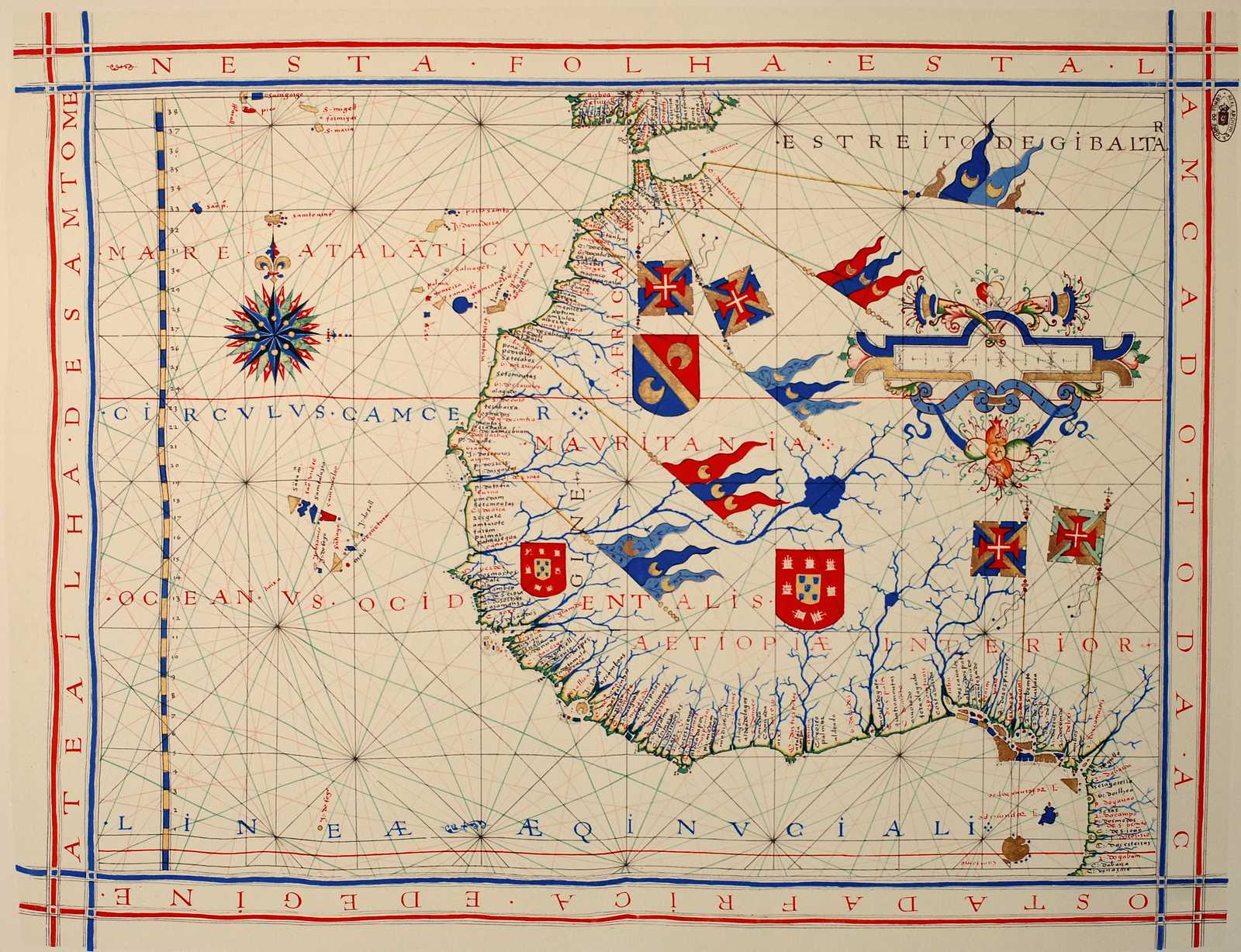
Hajji Ahmed Muhiddin Piri, better known now as Piri Reis (Captain Piri), was an accomplished Turkish admiral and mapmaker of the 16th century, known primarily as the creator of a beautiful 1513 map of the world. Lost for many years, a remnant of the map, drawn on gazelle skin parchment, was re in the 20th century and is now held in Istanbul’s Topkapi Palace. What makes this map so controversial is what it allegedly shows.
Some claim the map shows an ice-free Antarctica, unknown until 1820, though experts say it depicts South America. Let’s be real here – that’s a claim that divides scholars sharply. Some argue the southern landmass is actually South America drawn incorrectly, while others insist it proves ancient civilizations had access to now-lost geographical knowledge. The map is remarkable for its depiction of South America’s coast in its proper longitudinal position in relation to Africa, only two decades after European discovery. Either way, the accuracy remains impressive.
Roman Dodecahedrons: Mysterious Geometric Objects
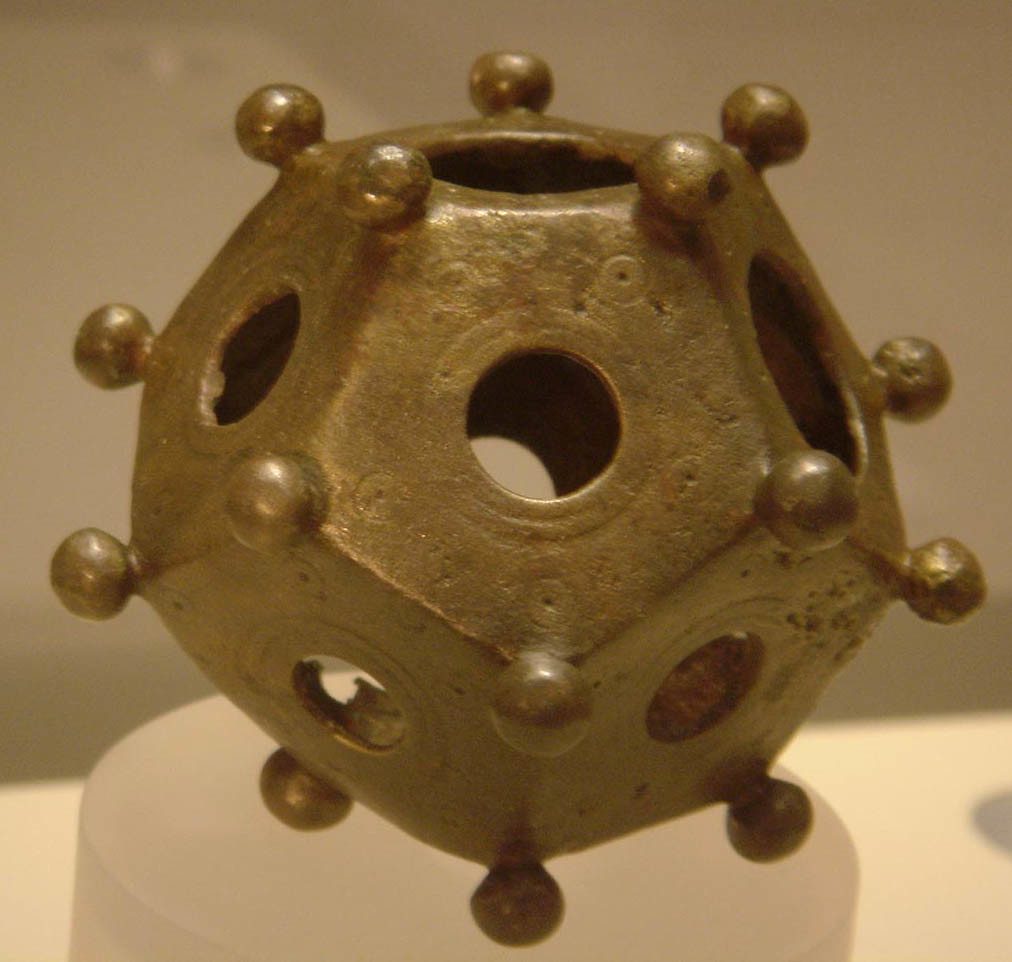
Dodecahedra date from the Roman period in Britain (43-410AD). About 130 have been found across the north-west provinces of the former Roman empire, each finely crafted from copper alloy. These twelve-sided objects feature circular holes of varying sizes on each face, yet their purpose remains one of archaeology’s most persistent riddles. You’d think with over a hundred examples we’d have figured them out by now.
No representations of these objects are known in ancient art or literature. They do not conform to a standard size and rarely show use-wear which could hint at their purpose. Theories range from surveying instruments to knitting tools to candleholders. Although armchair experts will tell you their granny used one to knit gloves, archaeologists are undecided on their intended use. The complete absence of documentation is what’s truly baffling – Romans were meticulous record-keepers, yet not a single mention of these objects exists.
The Folkton Chalk Drums: Neolithic Enigmas
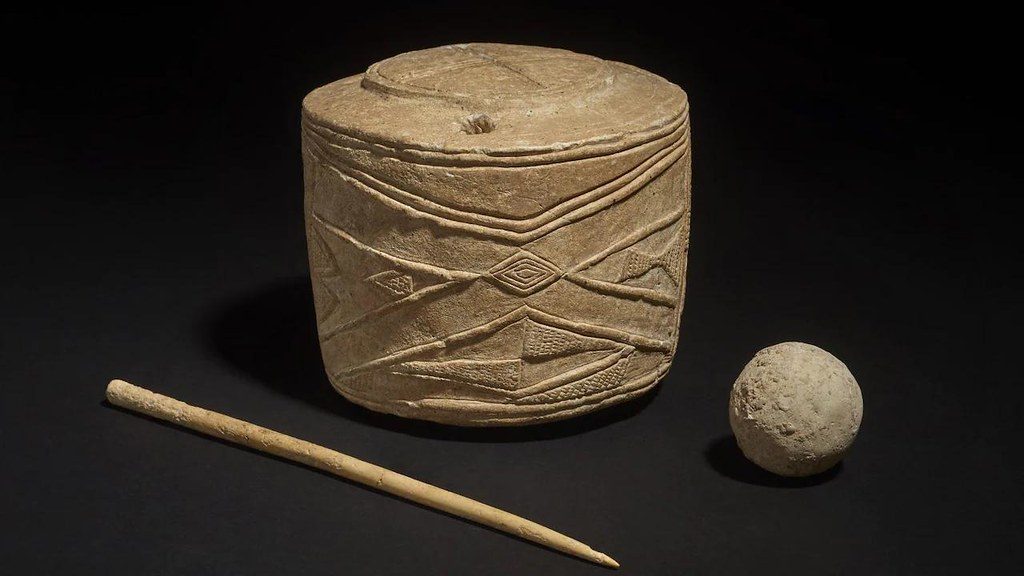
In 1889, three carved cylinders of chalk were in a child’s grave in Folkton, north Yorkshire. The Folkton Chalk Drums have geometric decoration and what appear to be eyes, noses and eyebrows. These hauntingly decorated objects seem to gaze back at you through time, their meaning lost with the people who carved them roughly five thousand years ago.
The Burton Agnes drum was buried with a chalk ball, a bone pin and the remains of three children – one of whom was dated to BC3005-2890. Their burial with children suggests they held special significance, perhaps in rituals or as protective symbols. The carved faces give them an almost totem-like quality. Were they teaching aids? Religious objects? Measuring devices? Nobody knows, and honestly, we might never know.
Neolithic Stone Balls: Scotland’s Spherical Secret
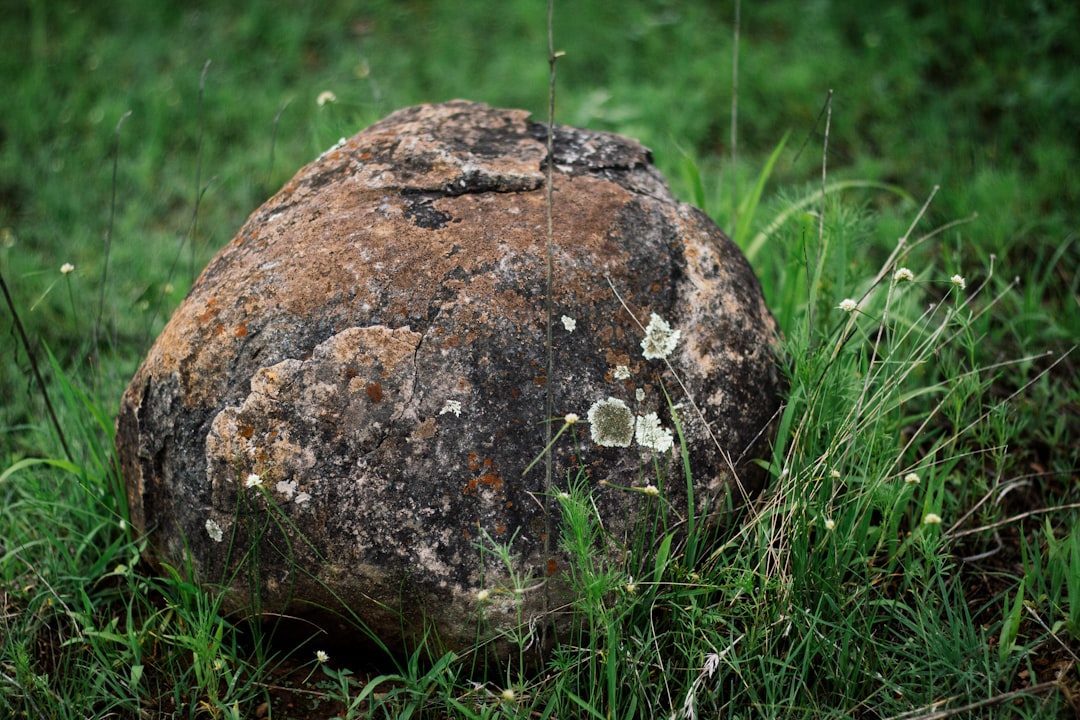
The elaborately carved stone balls found predominantly in Scotland and dating from the later Neolithic period (circa BC3200-2500) are one such mystery. Over 425 balls have been found. They are generally the size of a cricket ball and made from a wide variety of stones. Each one is intricately decorated with knobs and spirals, showcasing remarkable craftsmanship.
Were they missiles for deterring predators and pests? Weapons of war? Toys? Or perhaps measuring weights, household ornaments, mnemonic devices, ball bearings to move megaliths or holders for yarn? The sheer variety of theories shows how utterly stumped experts are. Many were chance finds or circulated with little provenance in art collections, and have rarely been found in an archaeological context. Without knowing where most were used, we’re left guessing.
The Diquis Spheres: Costa Rica’s Giant Stone Balls
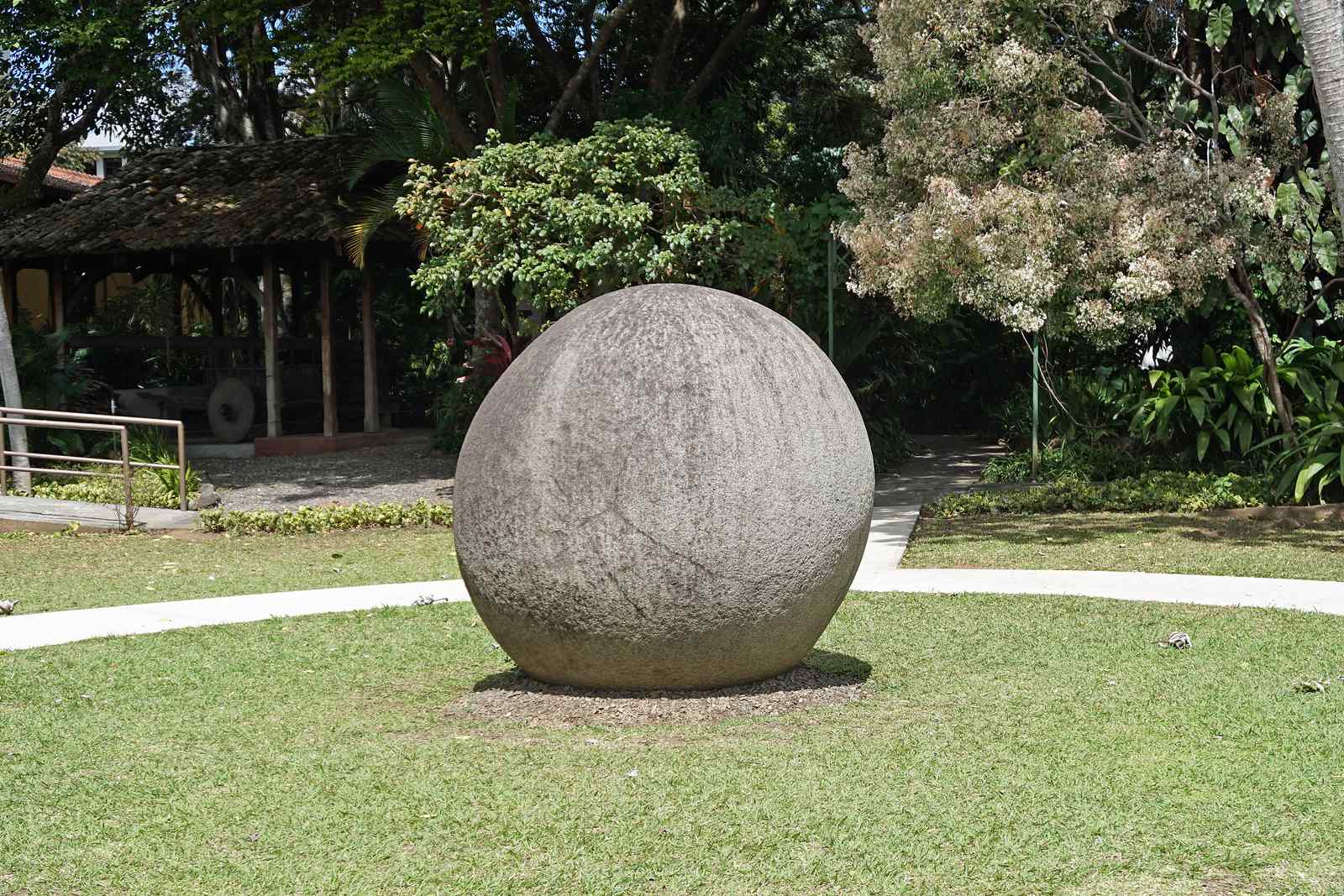
Many non-experts have speculated that the so-called Diquis Spheres were used for astronomical purposes, while others think they may have pointed the way to significant places. The truth is that no one knows for sure, and perhaps this historical mystery will never be solved. The Chibchan people who once populated Costa Rica and other parts of Central America vanished in the wake of the Spanish conquest, and the purpose of the spheres vanished with them, John W. Hoopes, an anthropologist at the University of Kansas, told JSTOR Daily in January 2016.
These perfectly rounded granite spheres range from tiny to massive – some weighing several tons. The precision required to create such perfect spheres without modern tools is astounding. They’ve been found scattered throughout the jungle, some in apparent alignments, others isolated. The loss of the culture that created them means we’ll likely never understand their true significance, which is both frustrating and haunting.
Nan Madol: The Venice of the Pacific

The city of Nan Madol was built between approximately A.D. 1180 and 1500, on a coral reef near Micronesia. It consisted of about 100 artificial islands made from huge basalt blocks and connected with viaducts. Picture this: hundreds of millions of tons of basalt, quarried and transported to build an entire city on a coral reef in the middle of nowhere. How?
The mystery is particularly puzzling since on Nan Madol, there is no freshwater nor food. Water must have been transported from inland, even by boat. All this would have required an extreme amount of work, and it’s not clear why or how this happened. Building a city where nothing can grow and fresh water doesn’t exist seems like madness. Yet someone did it, and the engineering feat remains impressive even by today’s standards. The people who built it left no written records explaining their motivations.
The Phaistos Disc: Bronze Age Printing Press?
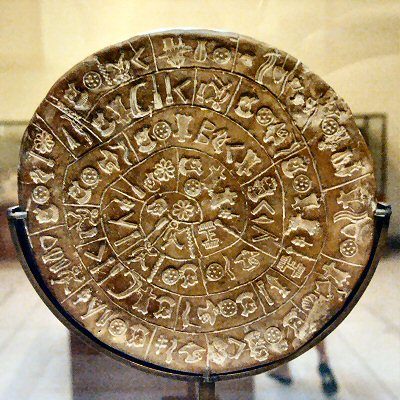
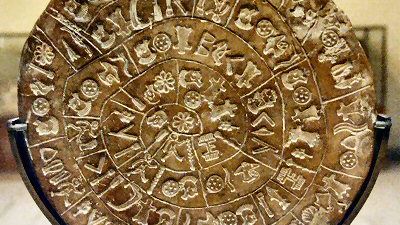
The Phaistos Disc is a unique archaeological artifact in 1908 by the Italian archaeologist Luigi Pernier during excavations of the Minoan palace in Phaistos on the island of Crete. The disc is a round clay tablet about 16 cm in diameter and almost 2 cm thick, covered on both sides with a spiral row of symbols. The disk is unique in that its 241 characters, organized into 61 groups, were impressed onto soft clay by pressing individual stamps before firing. This makes it the oldest known example of the use of a unique “printing” technology with movable characters, thousands of years before Gutenberg invented printing.
Scholars have struggled for decades to decipher its meaning – some believe it’s a hymn or prayer, while others think it could be a type of game or record. Here’s the thing – the symbols are beautiful and clearly deliberate, but without more examples or a bilingual text, we’re essentially flying blind. The technique used to create it shows sophisticated thinking about mass production, yet we’ve never found another example. It stands alone, mysterious and mute.
The Nazca Lines: Messages Written on Earth
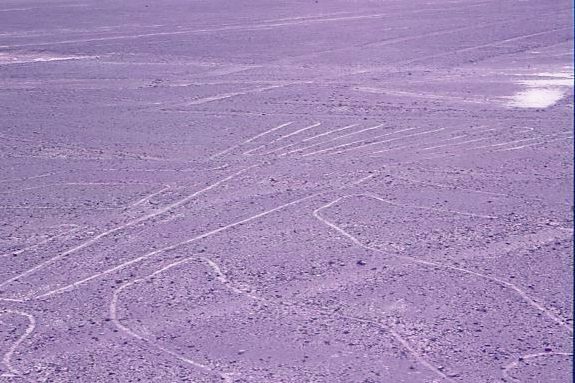
The Nazca Lines are a series of massive ancient geoglyphs etched into the desert floor of the Nazca plateau in southern Peru. These designs cover an area of roughly 19 square miles (50 square kilometers). They are believed to have been created by the Nazca people between 500 BC and AD 500. The figures include animals such as birds, spiders, and monkeys, as well as geometric shapes and humanoid figures.
What makes them truly mind-boggling is their scale – many can only be properly viewed from the air. It gets even better: we’re still discovering new Nazca lines. In 2022, archaeologists found over 150 new Nazca lines, which led to even more speculation on how these lines were made – and why. Were they astronomical calendars? Religious pathways? Messages to gods – or visitors from above? The theories are as numerous as the lines themselves, and the truth remains elusive.
Dropa Stones: Ancient Alien Controversy
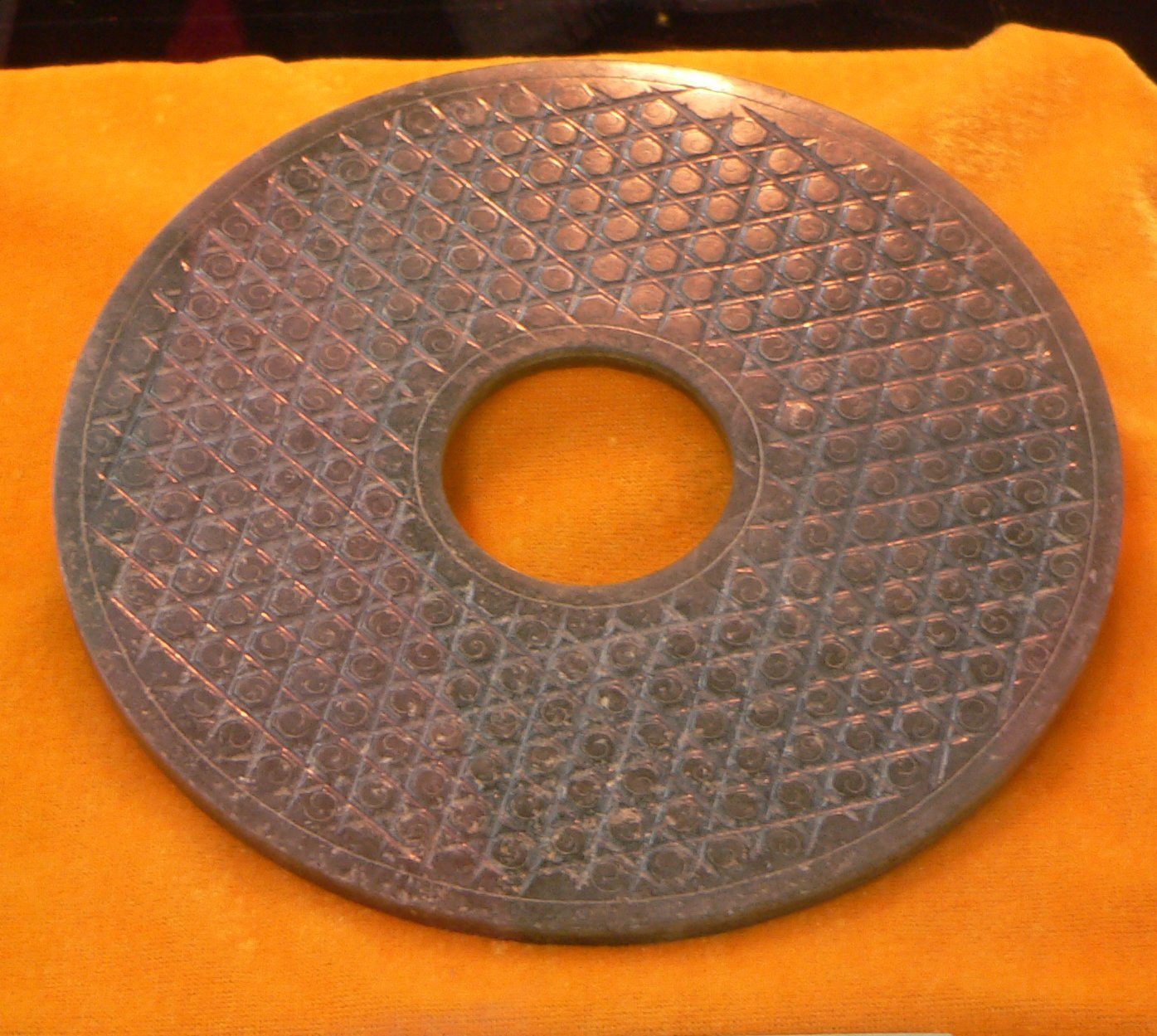
According to a 1960s story widely regarded as a hoax, an expedition led by Dr. Chi Pu Tei into the Baian-Kara-Ula mountains in China in 1938 Nearby caves held traces of the ancient culture which once occupied them. Buried under thick layers of dust, hundreds of stone disks lay scattered about the cave’s interior. There seemed to be nothing spectacular initially, but the disks turned out to be eerily similar to phonograph records – nine inches in diameter, a circle cut into their centers and an obvious spiral groove. They are believed to be more than 10,000 years old. But the spiral, as it turns out, is composed of tiny hieroglyphics. When studied and translated, it was revealed that the discs tell the amazing story of spaceships that crashed into the mountains, piloted by people who called themselves the Dropa.
Now, I’ll admit this one is heavily disputed. Many archaeologists believe the entire story is either a hoax or a massive misinterpretation. The supposed translation about crashed spaceships sounds too convenient, too aligned with ancient astronaut theories to be taken at face value. Yet the stones apparently exist, the hieroglyphics are real, and nobody has provided a definitive alternative explanation that satisfies everyone. It remains a controversial mystery that divides believers from skeptics.
Conclusion: The Past Holds Its Secrets Close
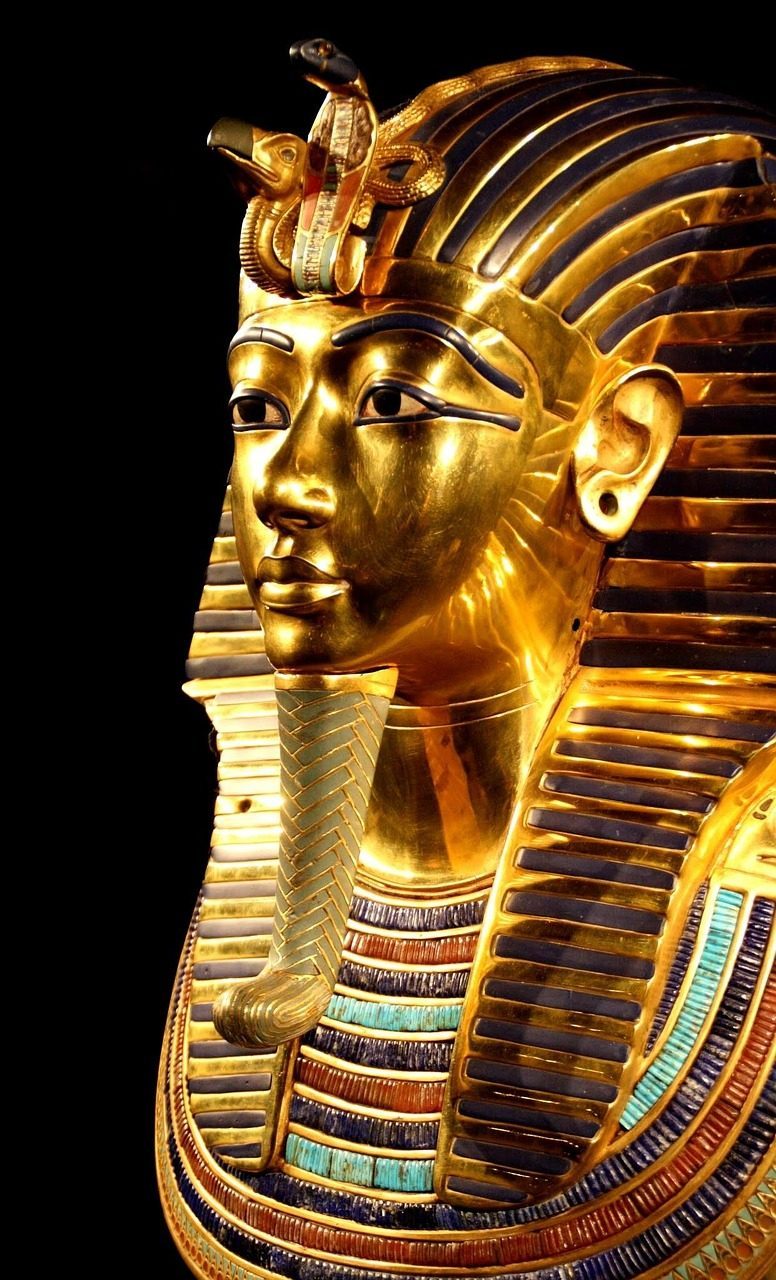
These twelve artifacts remind us that history is far from a closed book. Each discovery raises more questions than it answers, challenging our assumptions about what ancient people knew and what they were capable of achieving. From sophisticated astronomical computers to undeciphered manuscripts, from impossible maps to enigmatic stone spheres, these objects force us to remain humble about our understanding of the past.
The truth is, we’ll probably never know the full story behind some of these mysteries. Cultures vanish, knowledge gets lost, and sometimes objects outlast the very civilizations that created them. Yet that’s precisely what makes archaeology so captivating – every shovelful of earth might reveal something that rewrites history entirely. What do you think these artifacts were truly used for? Which mystery intrigues you the most?
