


There’s something powerful about a people whose very name means “ally” or “friend.” The Dakota tribe carries that identity within their language, their actions, and their enduring legacy throughout North American history. When you think about Native American culture, certain tribes immediately leap into the spotlight for their profound influence on indigenous identity and survival. The Dakota people stand among those titans.
Their story isn’t just one chapter in the broader narrative of Native America. It’s woven into the fabric of how indigenous nations organized themselves, resisted colonization, and preserved traditions against impossible odds. From the shores of Lake Superior to the Great Plains, from ancient woodlands to modern reservations, the Dakota have left an indelible mark that extends far beyond their geographic territories. Let’s be real, understanding Native American history without recognizing Dakota contributions is like trying to understand American democracy without mentioning the Constitution.
Guardians of Sacred Geography and Origin Stories
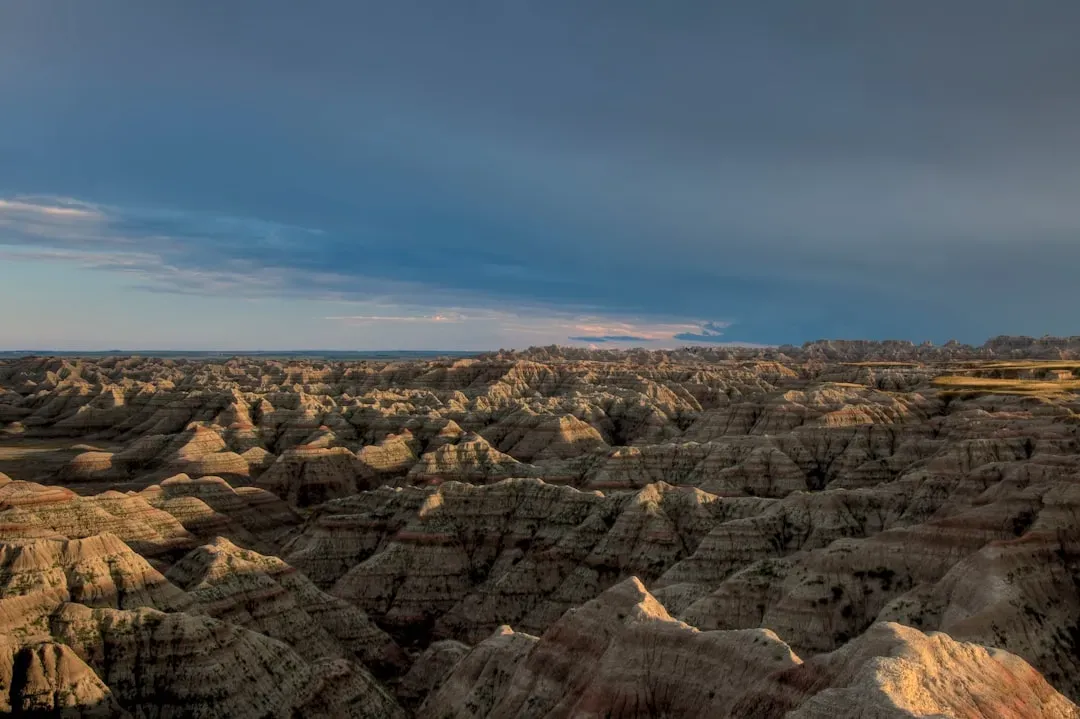
The Dakota consider Bdote, where the Minnesota and Mississippi Rivers meet, as the place where the first members of the tribe came out of rock according to their origin story. This isn’t just folklore or romantic storytelling. It represents something deeper about indigenous connection to specific landscapes that predates European concepts of property by millennia.
Minnesota is centered as the birthplace for the Dakota, with Bdote and Bde Wakan (Spirit Lake, now also known as Lake Mille Lacs) highlighted in Dakota creation stories. The spiritual geography of the Dakota extends across what settlers would later call the Upper Midwest, creating a sacred map that intertwines physical place with cosmological meaning. Today Mni Sota Makoce continues to be sacred land to Dakota people everywhere, demonstrating how territorial memory persists across generations of displacement.
Architects of the Seven Council Fires
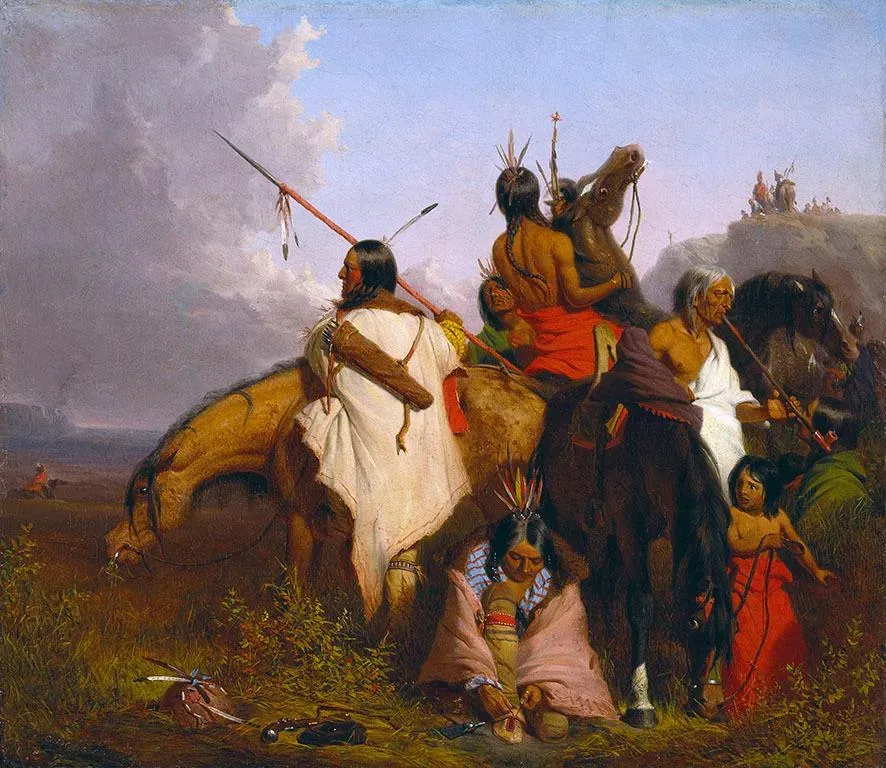
The Dakota are part of the Očhéthi Šakówiŋ, or ‘Seven Council Fires’, a confederacy that represents one of the most sophisticated political alliances in indigenous North America. Think about that for a moment. This wasn’t just a loose collection of bands wandering the plains. It was a deliberate governing structure with defined relationships and responsibilities.
The Dakota people are comprised of four groups: The Bdewakantunwan (Mdewakanton), Wahpetunwan (Wahpeton), Wahpekute, and Sissitunwan (Sisseton) people form the Isanti (Santee), while to the west are the Yanktonai and Yankton and the Teton (Lakota). This organizational genius created stability across vast territories and diverse environments. The Western Dakota maintained their traditional role as caretakers of the Pipestone Quarry, which is the cultural center of the Sioux people, showing how the alliance distributed sacred responsibilities among its members.
Pioneers of Kinship-Based Social Organization
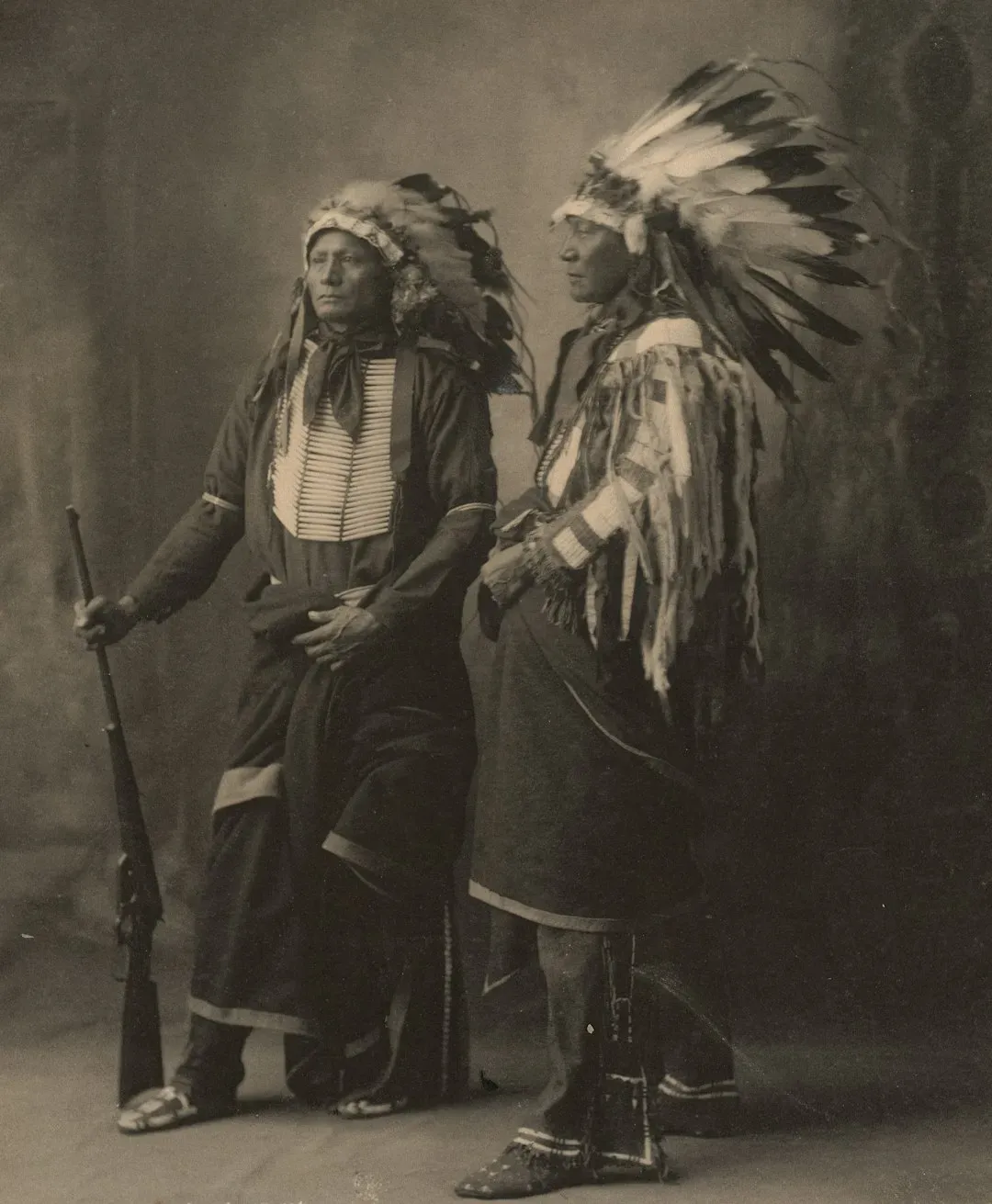
Here’s where things get fascinating. The Dakota didn’t just have families – they built an entire civilization on the concept of kinship relationships. Yankton Dakota anthropologist Ella Deloria wrote in 1944 that the ultimate aim of Dakota life was simple: One must obey kinship rules and be a good relative. Everything else, including property and personal glory, came secondary to this foundational principle.
For the Lakota/Dakota people, the greatest responsibility of a human being was being a good relative. This wasn’t just about blood relations either. The kinship system extended to entire communities through complex networks of obligation, respect, and mutual support. Generosity was greatly admired, and a man’s status in his band or tribe was greatly determined by his generosity with others. This value system created societies where accumulation of wealth for personal gain was considered bizarre, if not immoral.
Masters of Environmental Adaptation and Seasonal Living
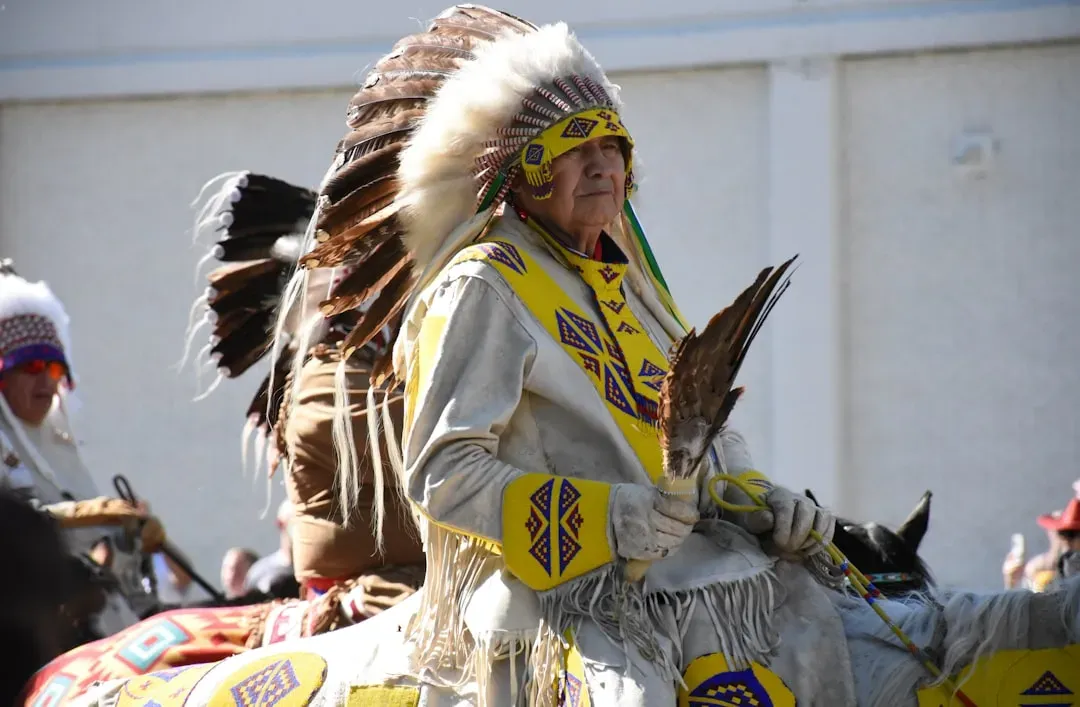
Historically, the Santee Dakota moved their villages and varied their work according to the seasons. This wasn’t primitive wandering – it was sophisticated environmental management that sustained communities for countless generations. The Dakota developed one of the most intricate seasonal cycles in North America, balancing agriculture, hunting, and gathering in ways that modern sustainability experts would admire.
In spring, villages dispersed for hunting while women and children moved into sugaring camps to make maple sugar, and during summer months families gathered to hunt, fish, process game and harvest crops such as corn, squash, and beans. They also gathered wild rice along the vast lakes and in autumn moved to hunting grounds for the annual hunt that prepared them for winter. This cyclical expertise demonstrated profound ecological knowledge and planning that allowed populations to thrive without depleting resources.
The Tragic Catalyst: The Dakota War of 1862
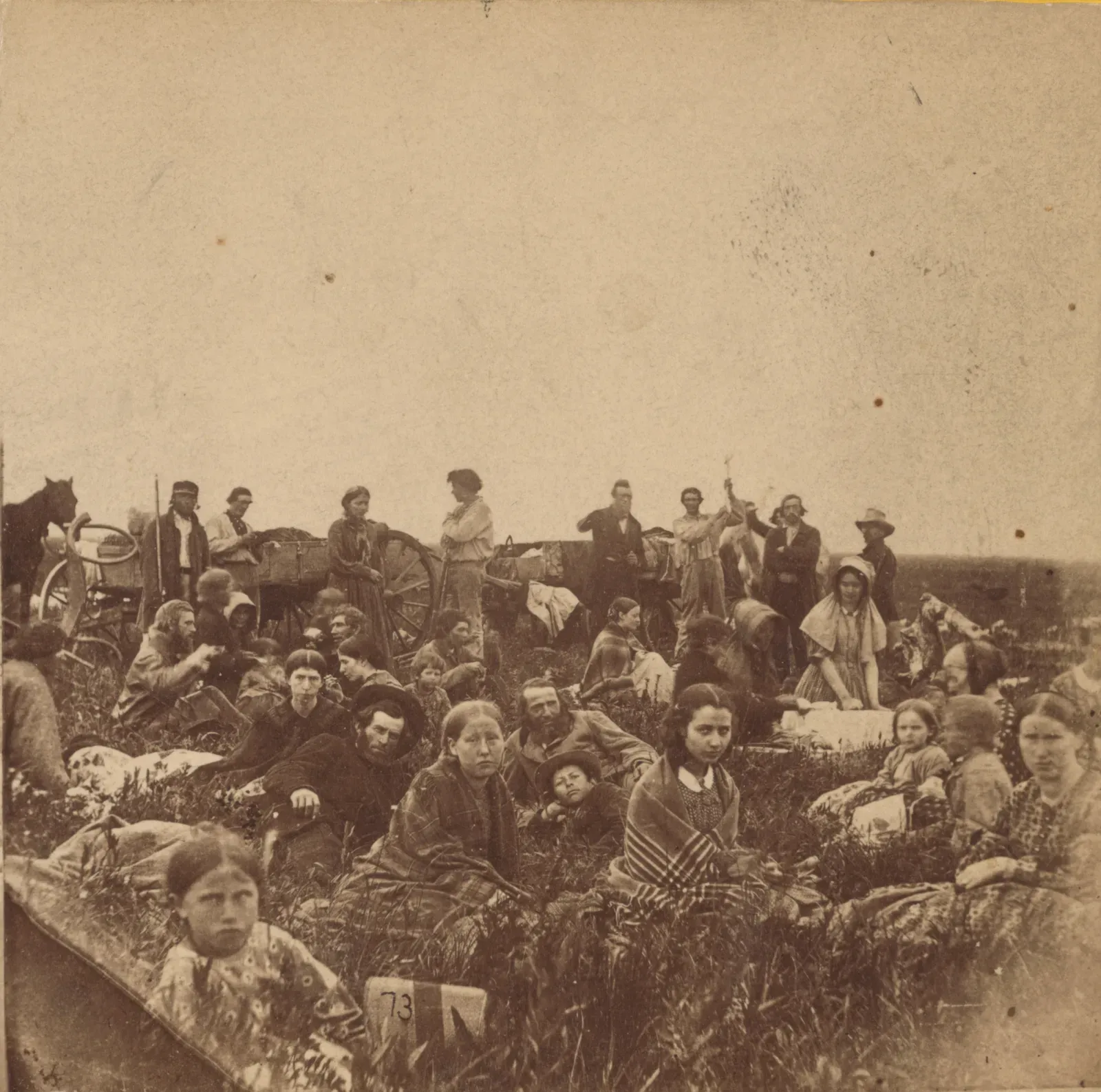
On August 18, 1862, when the Dakota were facing starvation and displacement, they attacked the Lower Sioux Agency and white settlements along the Minnesota River valley, with the war lasting five weeks. This wasn’t random violence. The conflict emerged from systematic treaty violations, starvation conditions, and broken promises by the United States government.
By the summer of 1862 the U.S. government’s payments to the Dakota were lagging thanks to preoccupation with the Civil War, and many among the Dakota were starving while local traders refused to let them buy on credit. Thirty-eight Dakota men were subsequently hanged in the largest mass execution in US history. The aftermath reshaped not only Dakota existence but highlighted the brutal realities of federal Indian policy across the continent. Between 130 and 300 Dakota people died during the winter of 1862–63 at Fort Snelling, mainly due to measles, other diseases, and harsh conditions.
Cultural Preservation Through Strategic Adaptation
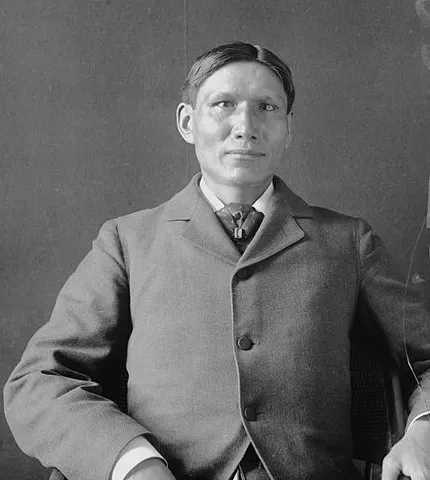
What happened next demonstrates Dakota resilience in ways that still inspire indigenous peoples today. The Dakota kept important aspects of their peoplehood alive not by overtly resisting assimilation pressures, but through subterfuge – threading in elements of their traditions and values in ways that often flew under the radar. This cultural camouflage allowed survival when outright resistance would have meant destruction.
While boarding schools achieved traumatic experiences for many, figures like Charles Eastman, Ella Cara Deloria, Luther Standing Bear and Zitkala-Sa were able to use the education to help their people. These individuals became cultural translators, preserving Dakota knowledge within written records that might otherwise have been lost. They walked between worlds, maintaining Dakota identity while appearing to adopt settler ways. It’s hard to overstate how much courage and intelligence that required.
Living Legacy and Contemporary Significance
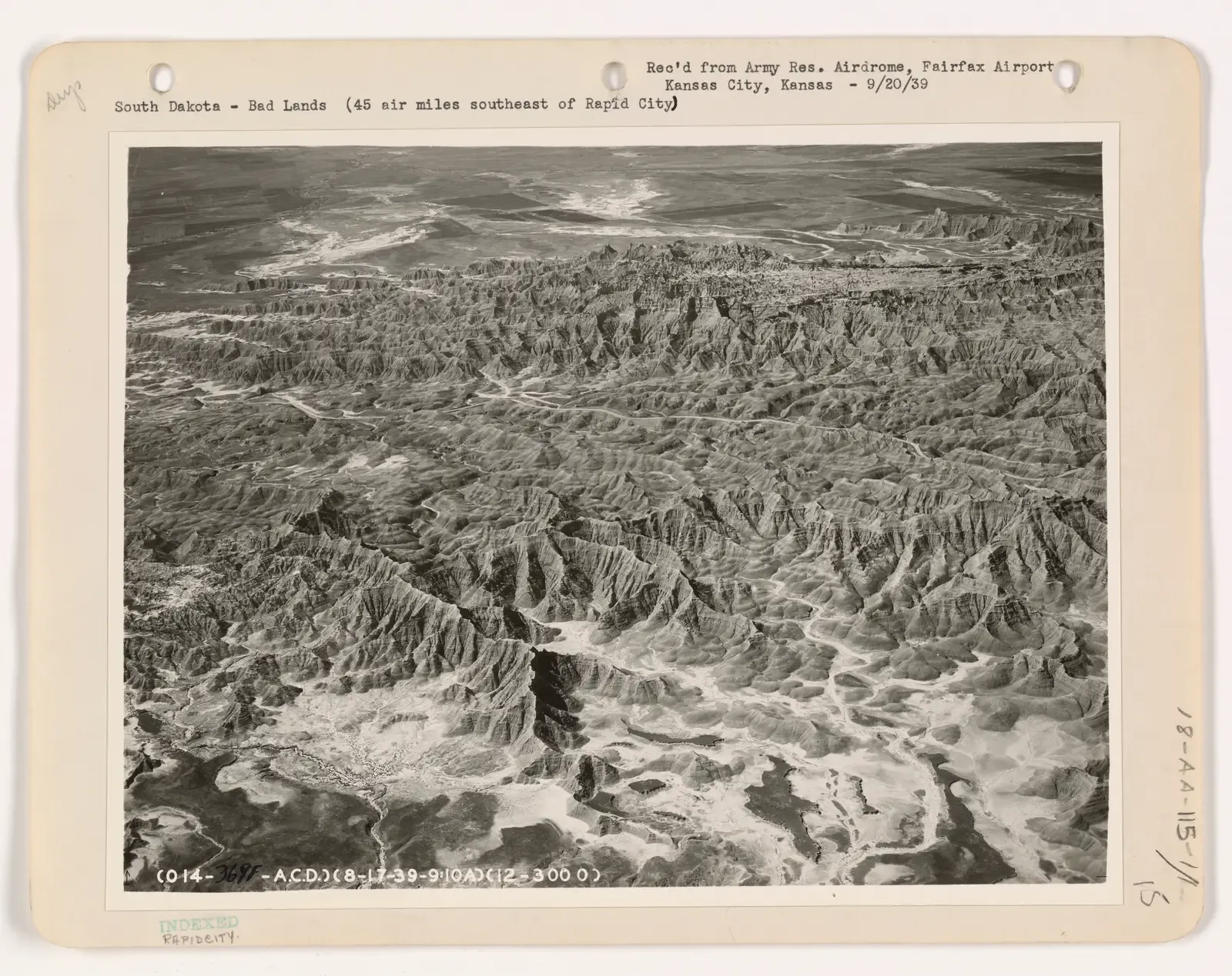
The continuation of Dakota communities, culture, and connection to Mni Sota highlights the great resiliency of the Dakota people, with four federally recognized Dakota tribal nations remaining in Minnesota. Despite everything – forced removals, mass executions, cultural suppression, and land theft – Dakota communities endure and thrive across the United States and Canada.
Within Minnesota today, the four Dakota communities exercise self-governance rights and tribal sovereignty. Legal sovereignty efforts continue, with Sioux nations asserting treaty rights in courts and through environmental activism, as seen in the Dakota Access Pipeline protests at Standing Rock. The Dakota continue influencing not just Native American affairs but broader American consciousness about environmental protection, treaty rights, and indigenous sovereignty. Their historical significance isn’t trapped in museums or history books – it’s actively shaping contemporary struggles for justice and recognition.
Conclusion
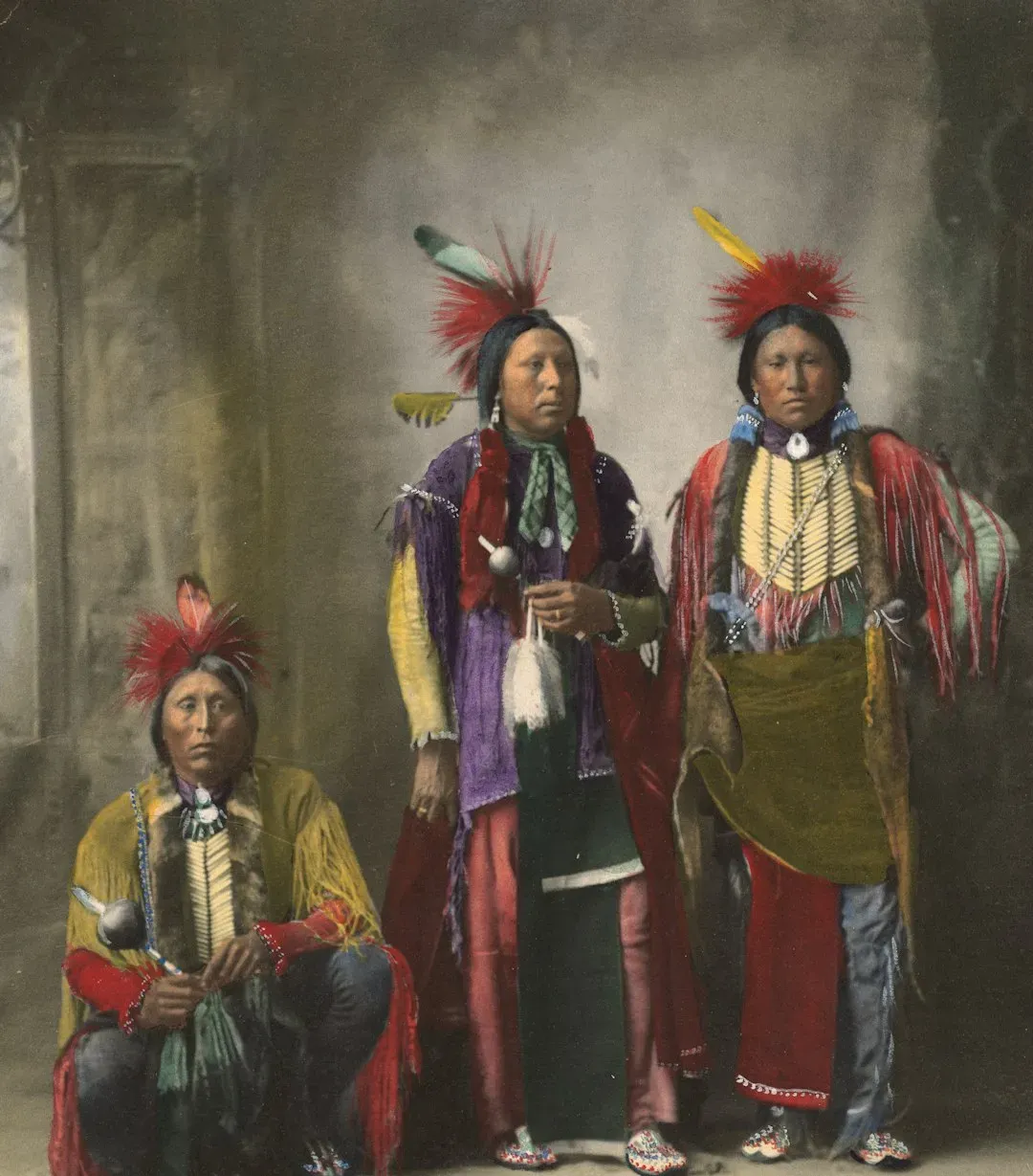
The Dakota tribe’s historical significance radiates outward from their sophisticated political alliances and kinship systems to their tragic resistance against colonization and their remarkable cultural survival. They demonstrated how indigenous nations could organize complex societies based on mutual obligation rather than individual accumulation. They showed the world what happens when governments break solemn promises. They proved that cultural identity can survive even systematic attempts at erasure.
Their legacy lives in every conversation about treaty rights, in the ongoing revitalization of indigenous languages, and in the continued assertion of tribal sovereignty across North America. The Dakota didn’t just witness history – they shaped it through both their achievements and their suffering. Their influence on Native American culture extends to concepts of kinship, environmental stewardship, political organization, and cultural resistance that remain relevant across indigenous communities today.
What does it mean to be a good relative? The Dakota have been asking and answering that question for centuries, offering wisdom that extends far beyond their own communities. What’s your take on how indigenous values like Dakota kinship might reshape modern society?

- 8 Mysterious Spirit Animals Associated with the Zodiac Sign Scorpio - July 29, 2026
- 23 Dog Breeds Trainers Say First-Time Owners Regret - July 29, 2026
- 18 Horse Breeds Farriers Say Are Hard on Hooves - July 29, 2026