
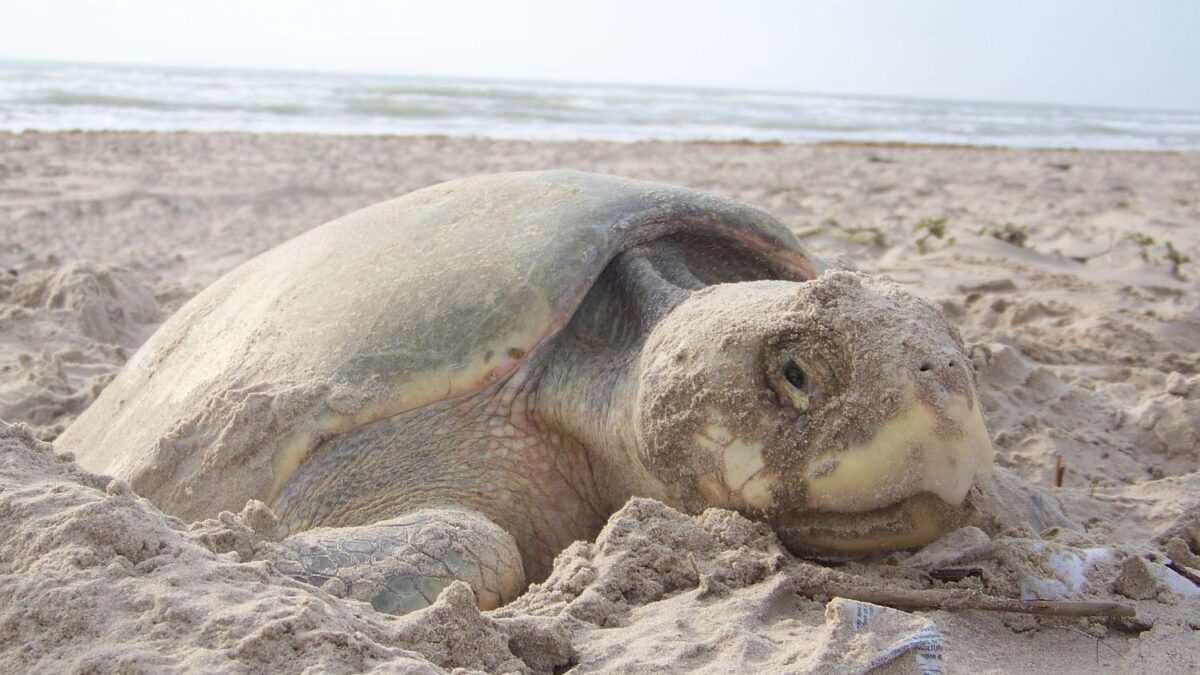
Worried about unexpected vet bills?
Pet insurance can cover thousands in unexpected vet costs. Get a free quote from Lemonade in under 2 minutes.
Get My Free Quote →Sponsored · Opens Lemonade.com
There’s a creature in our oceans that almost disappeared forever. Imagine witnessing tens of thousands of ancient animals converging on a beach in a single day, only to watch their numbers plummet to just a few hundred within decades. It sounds like something from a disaster movie, yet this is the real story of a remarkable marine reptile that most people have never heard of. These turtles carry secrets about survival, adaptation, and the consequences of human choices.
The ocean holds mysteries we’re only beginning to understand. One of these mysteries involves a small, determined sea turtle that refuses to give up despite facing seemingly impossible odds. This is the Kemp’s ridley sea turtle, the rarest and most endangered species of , as well as the smallest. What happened to these creatures is both heartbreaking and inspiring. Let’s dive in to discover what makes them so special.
A Tiny Turtle With a Big Problem
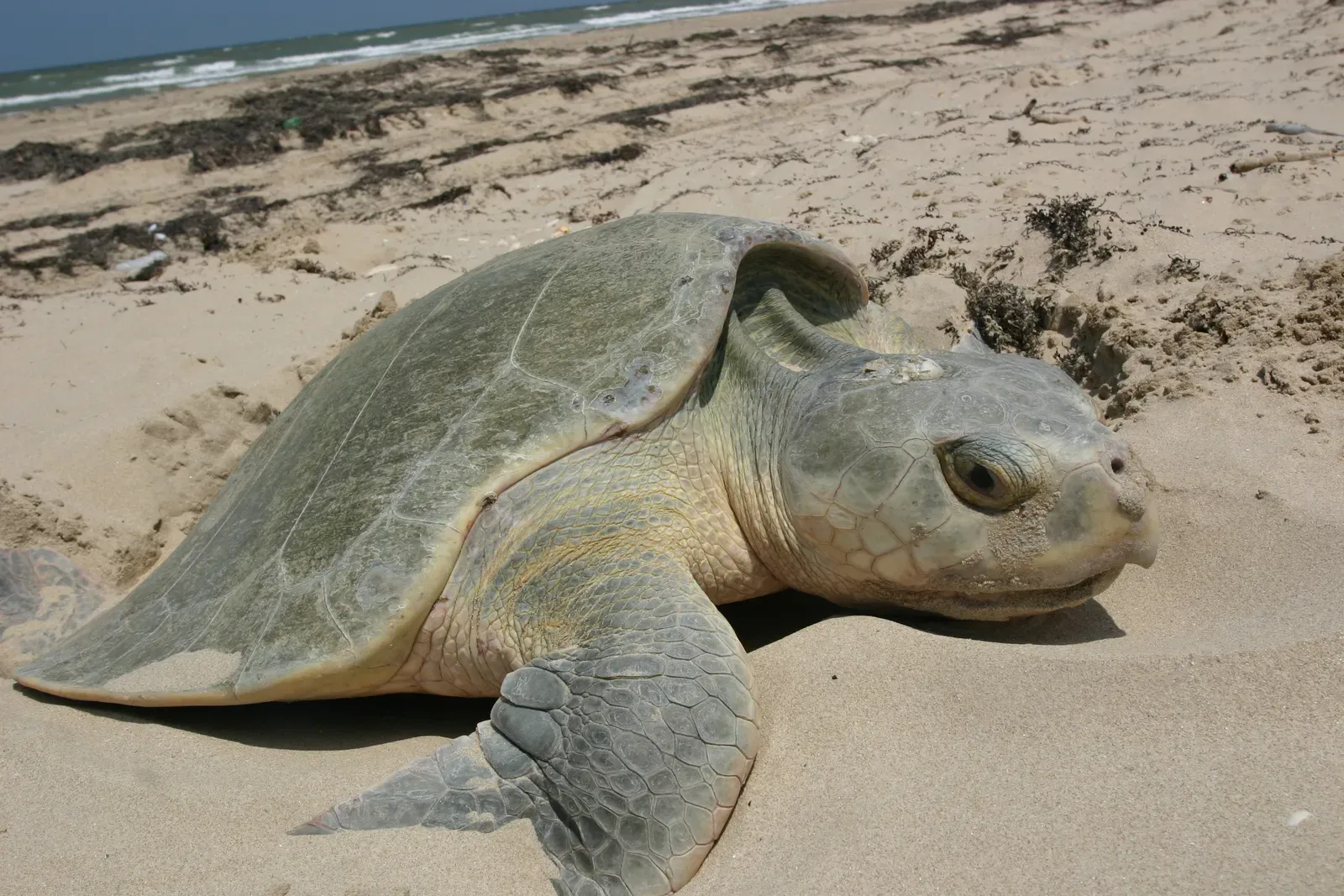
The Kemp’s ridley is the smallest of all sea turtle species, reaching maturity at 58 to 70 centimeters in carapace length and weighing only 36 to 45 kilograms, with adults reaching a maximum of 75 centimeters and weighing up to 50 kilograms. Their size makes them appear almost delicate compared to their massive leatherback cousins who can weigh over 900 kilograms.
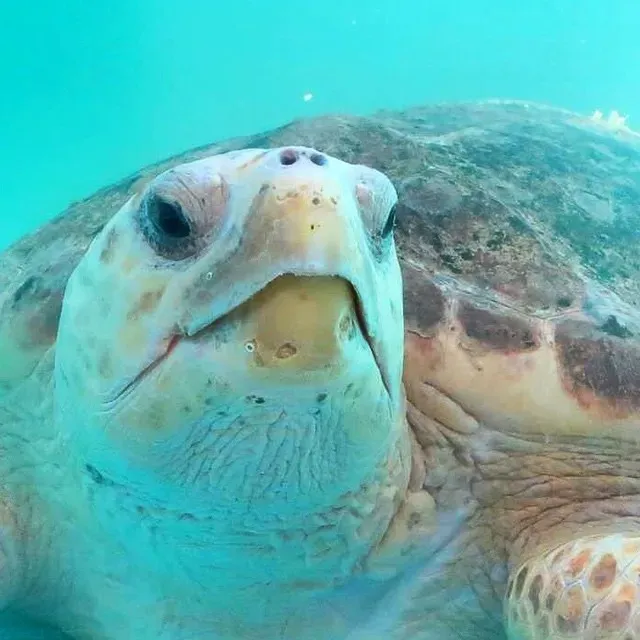
The adult’s oval carapace is almost as wide as it is long and is usually olive-gray in color, though as hatchlings they are almost entirely dark purple on both sides while mature adults have a yellow-green or white plastron and a grey-green carapace. They’re like little armored submarines navigating the coastal waters, equipped with powerful jaws perfect for crushing their favorite food. Their triangular heads and hooked beaks give them a distinctive appearance that sets them apart from other sea turtles.
Where They Live and Roam
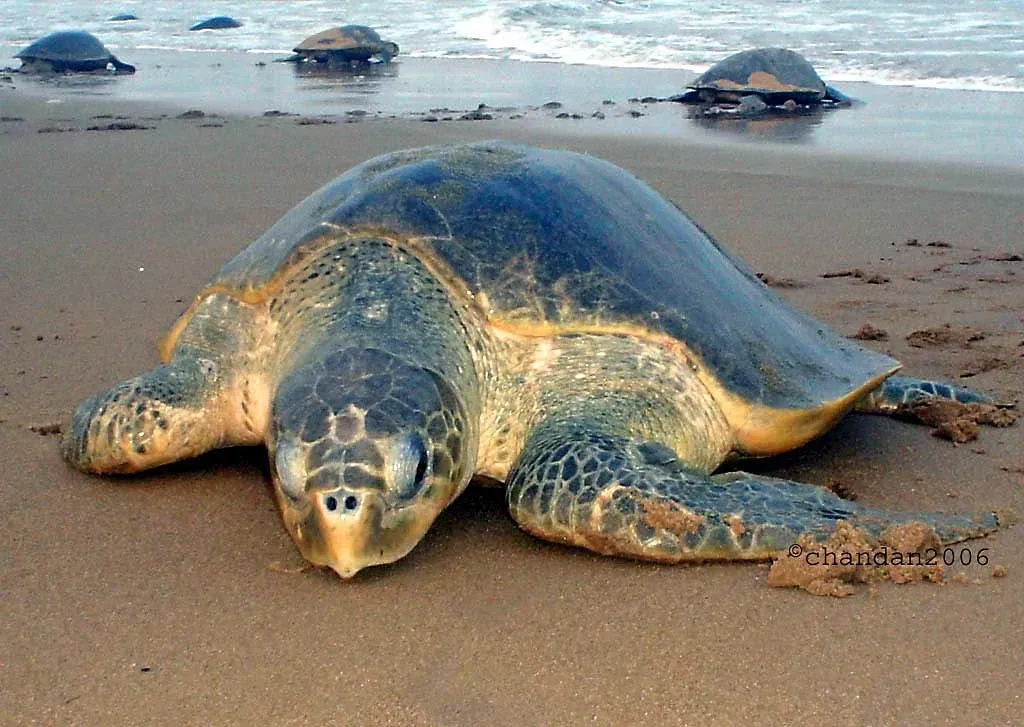
The species primarily occupies habitat around the Gulf of Mexico, though its migrations into the Atlantic Ocean are being affected by rising temperatures. Louisiana waters serve as their primary feeding grounds, where they hunt in shallow coastal areas with muddy or sandy bottoms. Juveniles, however, travel much farther than adults.
They are primarily found in the Gulf of America, but juveniles are also found in the Atlantic Ocean as far north as Nova Scotia and sometimes even occur in the eastern North Atlantic Ocean. It’s hard to say for sure, but these young turtles seem to get swept up in ocean currents and end up thousands of miles from where they hatched. Some have even turned up on European shores. Rising sea temperatures expand this species range, leaving them vulnerable to cold-shocking events when weather changes.
The Mysterious Arribada Phenomenon
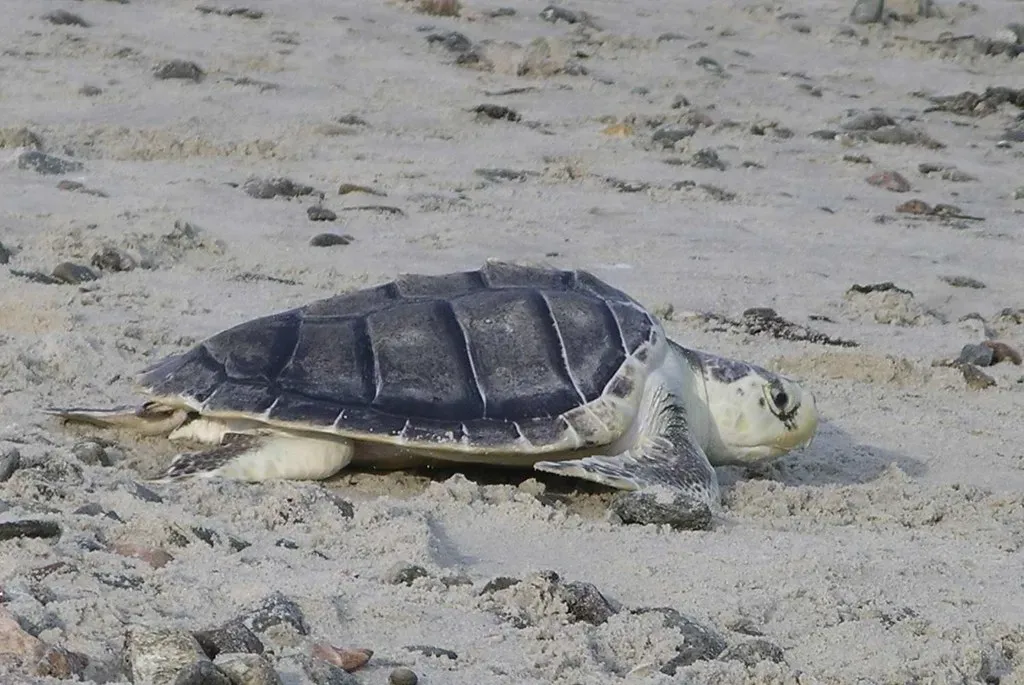
Here’s where things get fascinating. They are the only sea turtles that nest during the day. While other sea turtle species prefer the cover of darkness for their nesting activities, Kemp’s ridleys march onto beaches in broad daylight.
Along with olive ridleys, Kemp’s ridleys are the only sea turtles species to exhibit synchronous mass nesting, termed arribadas, during which tens of thousands of female turtles nest during the same three to seven day period once a month. Nearly 95 percent of Kemp’s ridley nesting occurs in this one confirmed arribada. The arribada, meaning arrival in Spanish, was once a spectacular natural phenomenon. An amateur video from 1947 documented tens of thousands of Kemp’s ridleys nesting near Rancho Nuevo, Mexico on a single day. Can you imagine standing on a beach and watching wave after wave of turtles coming ashore together?
A Catastrophic Decline
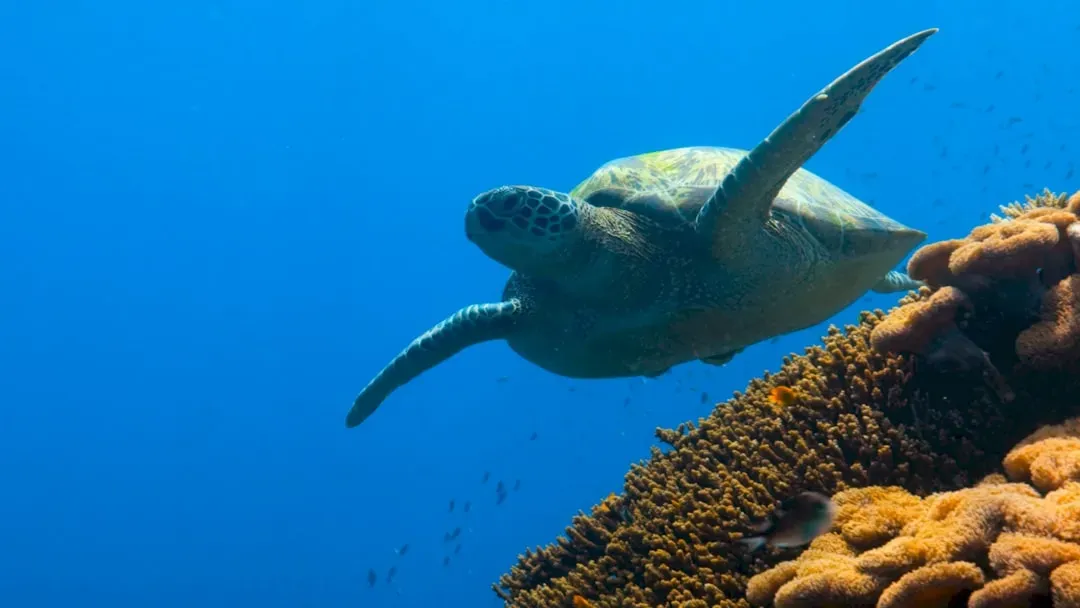
Historically, an estimated 42,000 females nested in a single day at the primary nesting beach at Rancho Nuevo, Tamaulipas, Mexico, but by 1988 only 200 females came ashore during the largest documented nesting event. That’s a decline of more than ninety-nine percent in just four decades. Let’s be real, numbers like that represent an ecological catastrophe.
Egg harvesting and poaching first depleted the numbers of Kemp’s ridley sea turtles, but today, major threats include habitat loss, pollution, and entanglement in shrimping nets. Bycatch in commercial and recreational fishing gear continues to be the biggest threat facing Kemp’s ridley sea turtles, with bycatch presenting the greatest threat. The species came perilously close to extinction. Only about one in a thousand Kemp’s ridley hatchlings survives to adulthood.
Multiple Dangers Lurking Everywhere
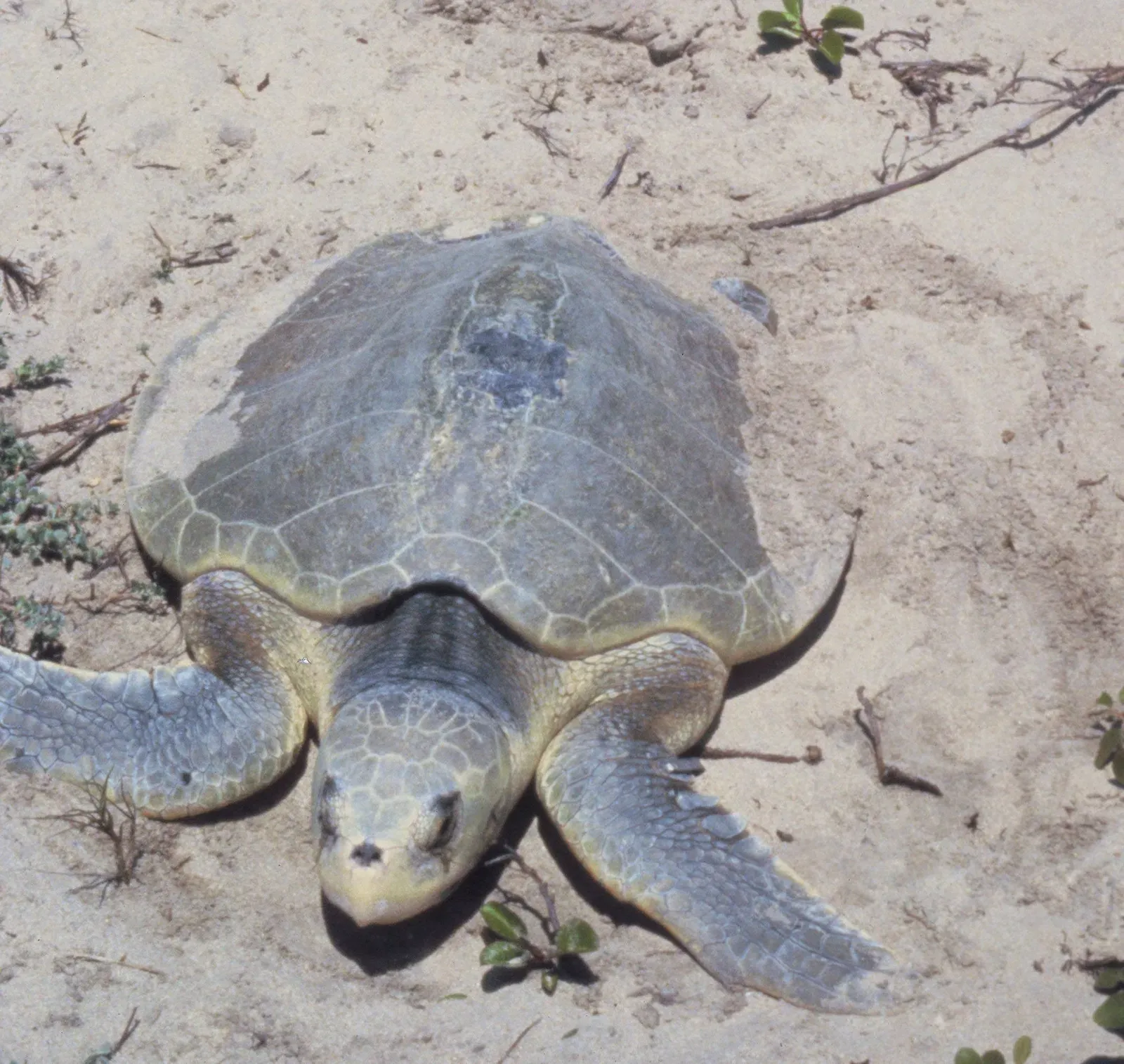
The threats these turtles face read like a tragic checklist of modern environmental problems. Bycatch in fishing nets and lines is one of the greatest threats, while plastic pollution affects Kemp’s ridleys by entangling them and impeding their movement, and sea turtles also eat plastic, mistaking it for food, which can cause choking, intestinal damage, and blockages.
Cold-stunning, a life-threatening condition caused by sudden drops in water temperature, is the major cause of death among sea turtles during extreme cold weather events, and Kemp’s ridleys, which spend a significant amount of time in shallow waters, are especially vulnerable because shallow areas cool off quickly, with turtles becoming at risk when sea surface temperature drops below 50 degrees Fahrenheit. During the winter storm Uri that hit Texas in February 2021, over 13,000 cold-stunned sea turtles were documented, and unfortunately nearly 9,000 did not survive. Climate change makes everything worse, affecting their food sources and producing dangerous temperature swings.
Conservation Efforts Fighting Back
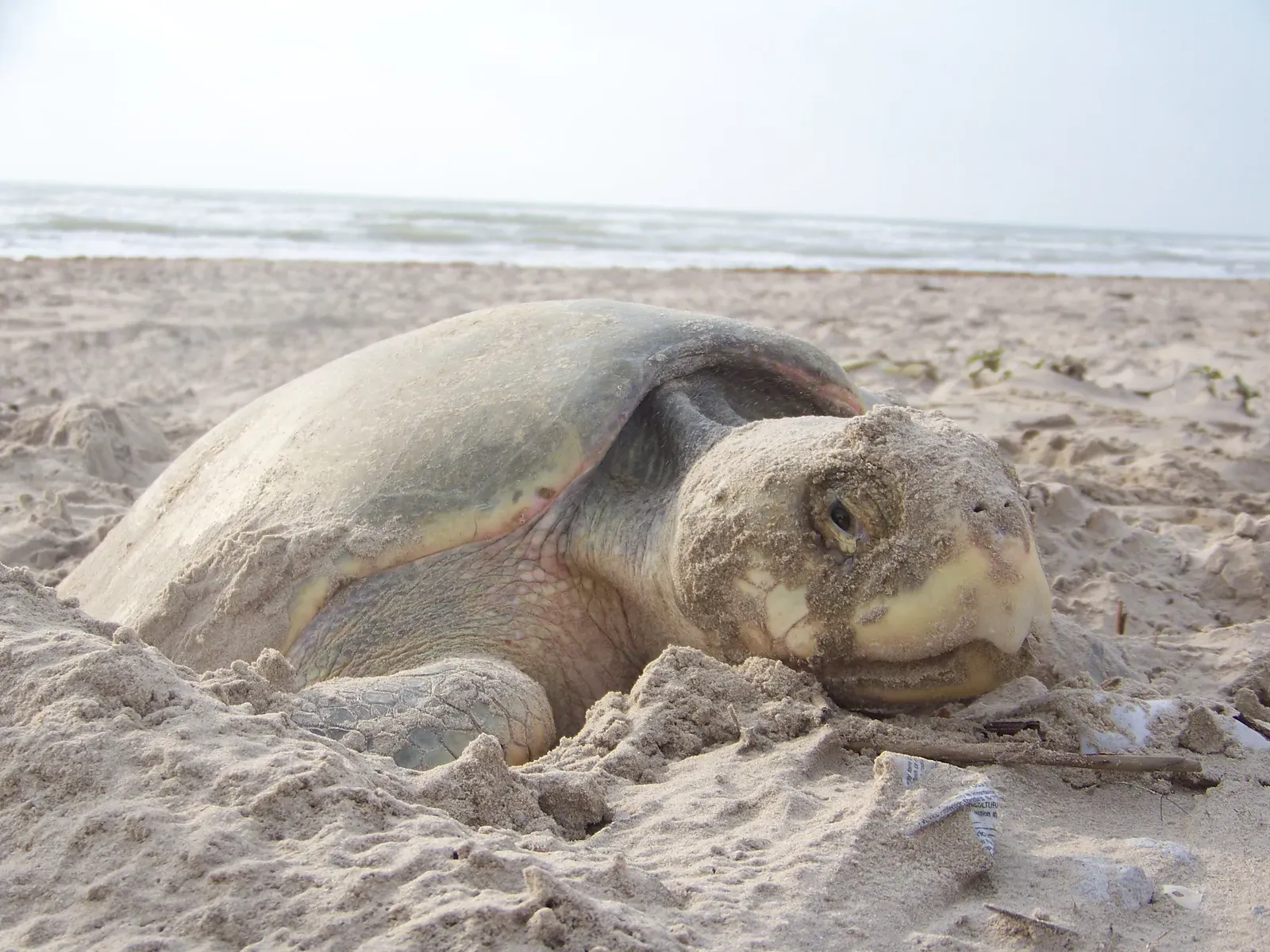
Despite all the bad news, there’s genuine reason for hope. Efforts to protect the species began in 1966, when Mexico’s National Institute of Biological-Fisheries Research sent biologists to the coast of southern Tamaulipas to survey and instigate conservation plans, and in the United States, Kemp’s ridley turtle was first listed under the Endangered Species Conservation Act of 1970 on December 2, 1970.
In 2011, a bi-national recovery plan for the Kemp’s ridley sea turtle was developed in conjunction with the Secretary of Environment and Natural Resources, Mexico, and the recovery team made additional recommendations in 2014. The use of turtle excluder devices by commercial shrimpers has been a game changer in the conservation and recovery of Kemp’s ridley, and nest protection in the United States and Mexico is essential in recovering the species. As of June 13th, 2025, 383 Kemp’s ridley nests were documented on the Texas coast, breaking the previous record of 353 nests set in 2017 at Padre Island National Seashore. That’s encouraging progress.
Signs of Hope and Ongoing Challenges
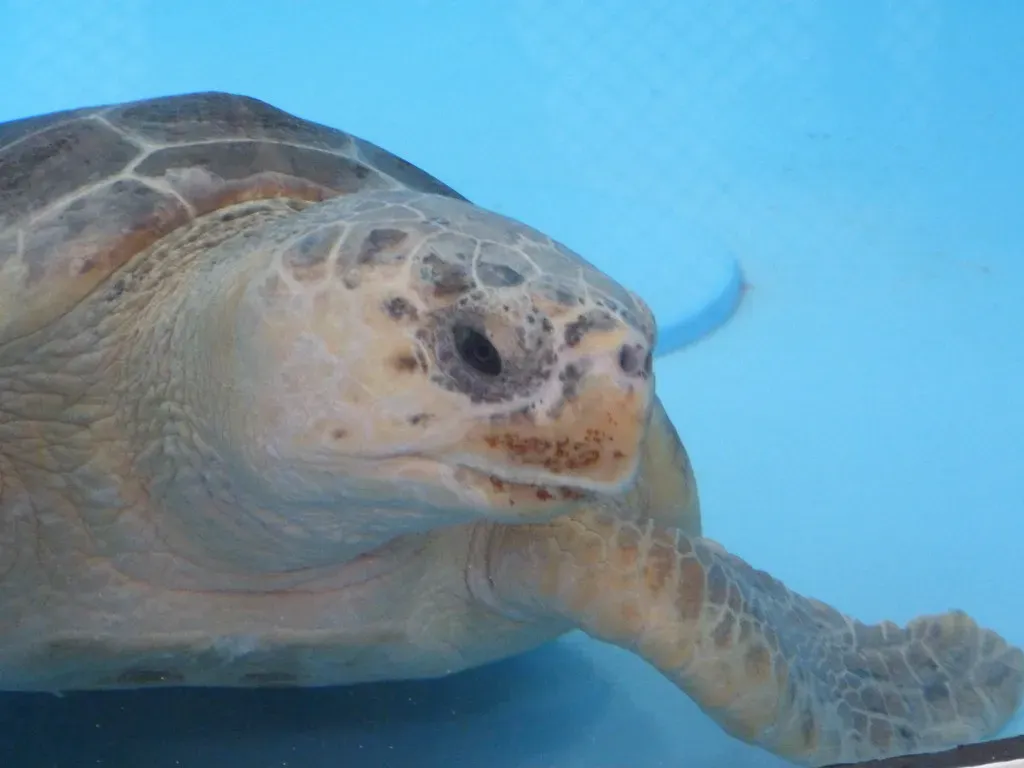
The recovery journey has been slow but steady. Thanks to strict protection laws which protected their nesting beaches in Mexico and reduced accidental capture in fishing gear, the species has begun a slow comeback from a previous low of only 200 nesting individuals in the 1980s, to an estimated 7,000 to 9,000 individuals today. Still, that’s nowhere near the historical numbers.
While on a road to recovery, the Kemp’s ridley still is a long way from returning to population levels that would lead to removal from the endangered species list. In the 50 years since the first stranded sea turtle was discovered in Massachusetts, more than 10,000 cold-stunned sea turtles have been rescued through Mass Audubon Wellfleet Bay’s Sea Turtle Rescue and Research Program, and the vast majority of these turtles have been rehabilitated and released back into the wild. Every individual turtle counts when you’re trying to save a species from extinction. The work continues, balancing threats both old and new as scientists race against time to ensure these ancient mariners don’t vanish from our oceans.
Conclusion
The story of the Kemp’s ridley sea turtle reminds us that conservation success requires decades of commitment, international cooperation, and the willingness to adapt strategies as new challenges emerge. These small but mighty turtles have fought their way back from the very edge of extinction, though they remain critically endangered. Their survival depends on continued protection of nesting beaches, reduction of bycatch, addressing climate change impacts, and the dedication of countless researchers, volunteers, and organizations working tirelessly across borders.
What strikes me most is how interconnected everything is. A turtle that nests in Mexico ends up cold-stunned in Massachusetts. Rising ocean temperatures create both expanded range and deadly cold-stunning events. Every piece of plastic in the ocean, every unprotected nest, every fishing net without proper excluder devices matters. The Kemp’s ridley didn’t ask to become the world’s most endangered sea turtle, yet here we are, watching their numbers slowly climb while knowing how fragile that progress remains. What do you think it would mean if we lost them forever?
Worried about unexpected vet bills?
Pet insurance can cover thousands in unexpected vet costs. Get a free quote from Lemonade in under 2 minutes.
Get My Free Quote →Sponsored · Opens Lemonade.com
