
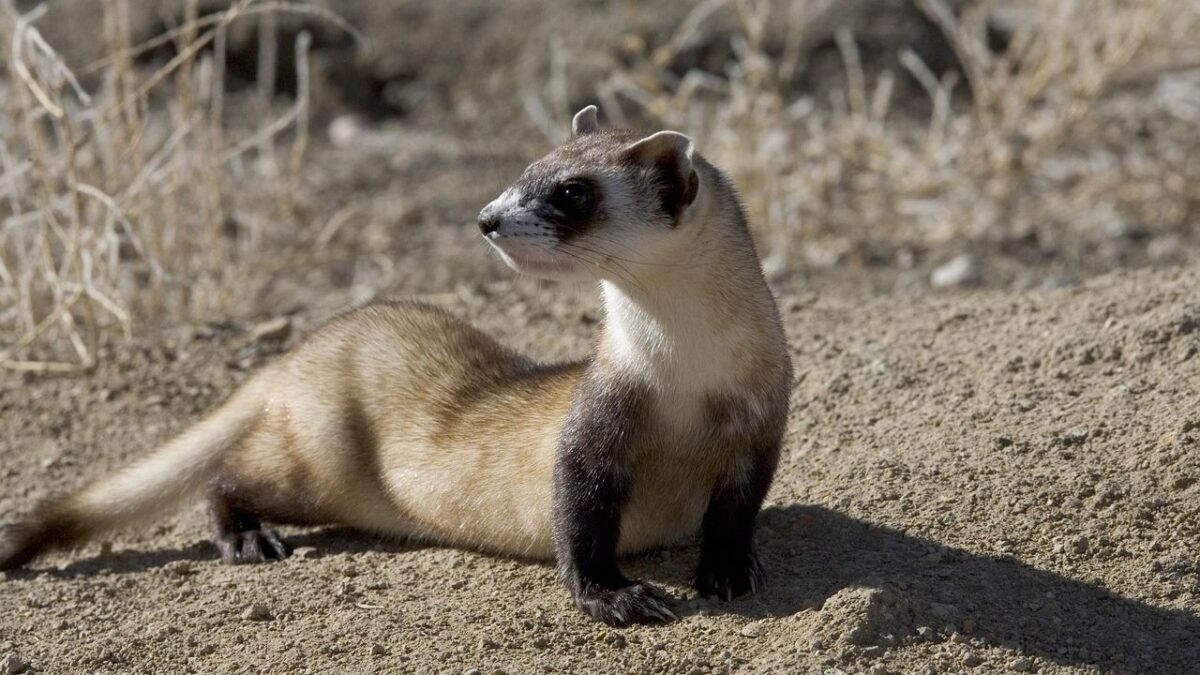
Think you know a thing or two about endangered animals? Let’s be real, there’s probably one species that hasn’t crossed your radar yet. Picture a creature so elusive it was once thought extinct, not once but twice. A masked bandit of the American grasslands that hunts in the dead of night, living almost entirely underground. This little carnivore has been through an absolutely wild journey, and honestly, its story might just blow your mind.
The black footed ferret isn’t your typical endangered species tale. This animal has literally been pulled back from the edge of oblivion through some of the most groundbreaking conservation efforts ever attempted. What makes this ferret so special? It’s about to get interesting.
Declared Extinct Twice, Then Miraculously Rediscovered
The black footed ferret was thought to be extinct twice during the 20th century. It was declared extinct in 1979, but a residual wild population was discovered in Meeteetse, Wyoming in 1981. Here’s where it gets absolutely crazy. A ranch dog named Shep brought home a dead black-footed ferret to his owner that led to the discovery of 24 black footed ferrets alive and well in Northwest Wyoming.
That single discovery changed everything. Without Shep’s hunting instincts, the species would have quietly disappeared forever. Talk about being in the right place at the right time.
All Living Ferrets Descended From Just Seven Individuals
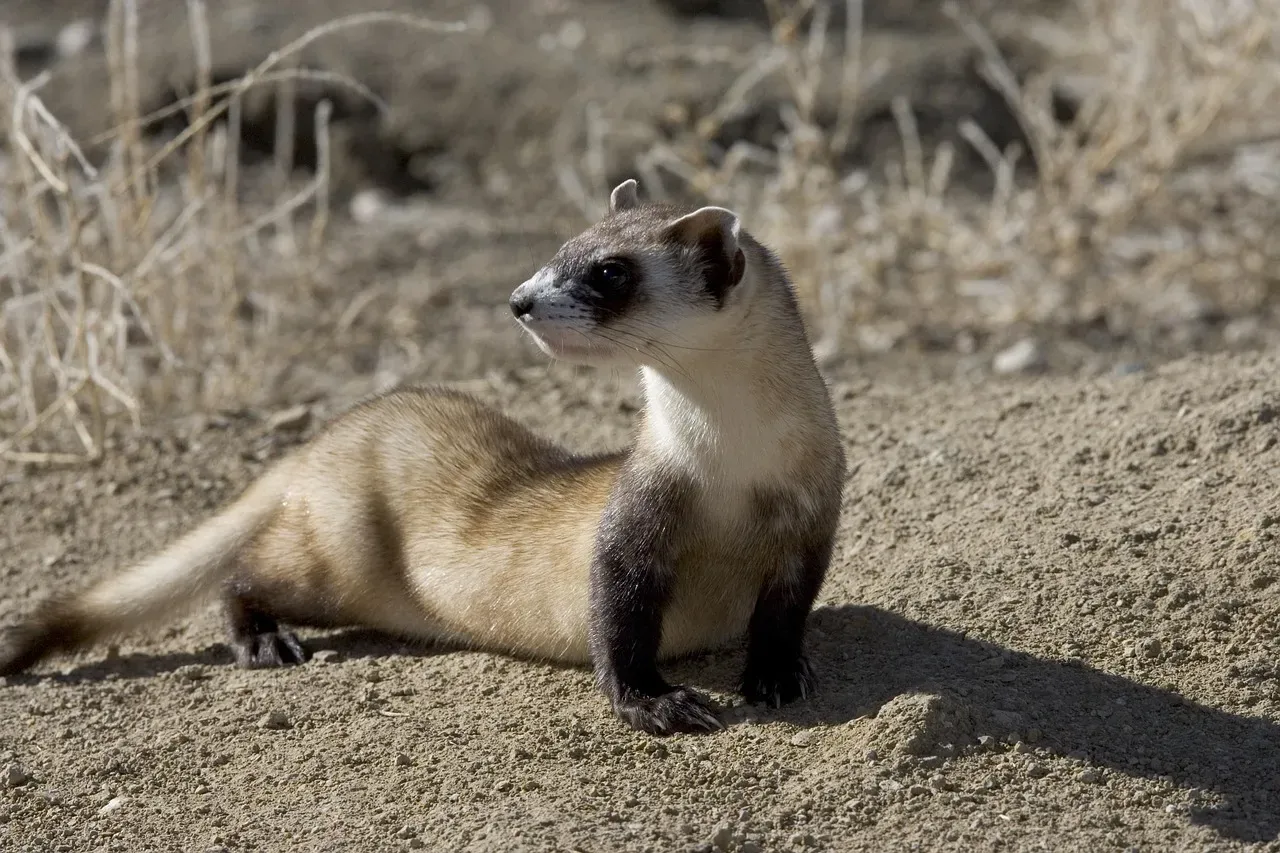
In 1987, 18 animals were captured in the wild to begin a captive breeding program, which has since reintroduced ferrets into promising western habitats. Yet incredibly, only seven of the original wild animals bred, and all living ferrets are closely related. All black-footed ferrets living today are as closely related as siblings or first cousins.
This extreme genetic bottleneck creates serious challenges for the species’ long term survival. Limited genetic diversity can lead to health problems, reduced fertility, and vulnerability to diseases. Scientists are constantly working to manage this delicate genetic balance in breeding programs across the country.
Prairie Dogs Make Up Nearly All Their Diet
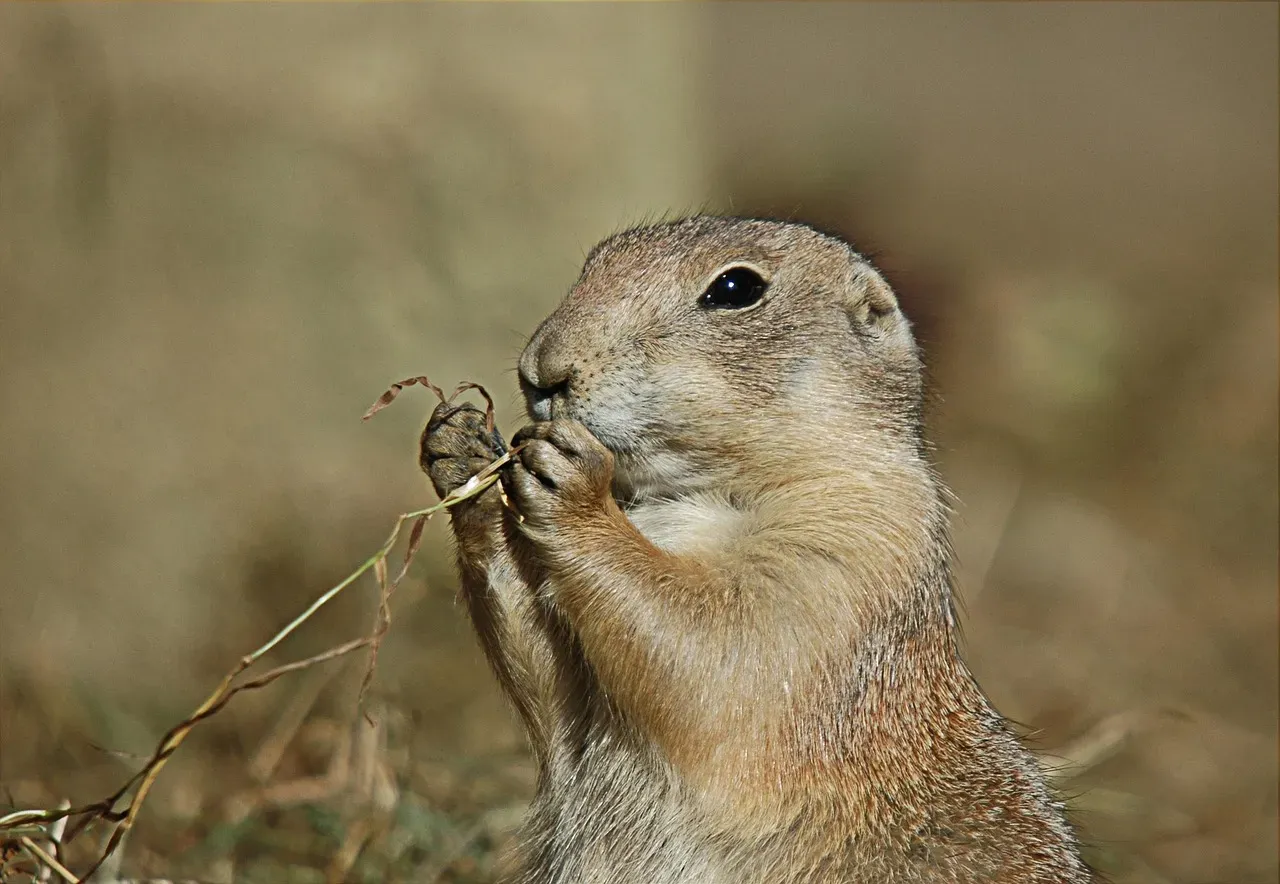
Prairie dogs make up more than 90% of the black-footed ferret’s diet. One ferret may eat over 100 prairie dogs in a year, and scientists calculate that one ferret family needs more than 250 prairie dogs each year. It’s hard to say for sure, but this extreme dependence on a single food source is both fascinating and worrying.
Ferrets kill their prey by suffocating them with a sustained bite to the throat. They do most of their hunting at night in prairie dog burrows, killing prairie dogs while they sleep. They’re not just eating prairie dogs, though. The remainder of their diet includes mice, rats, ground squirrels, rabbits, birds and occasionally reptiles and insects.
They Spend Roughly 90 Percent of Their Time Underground
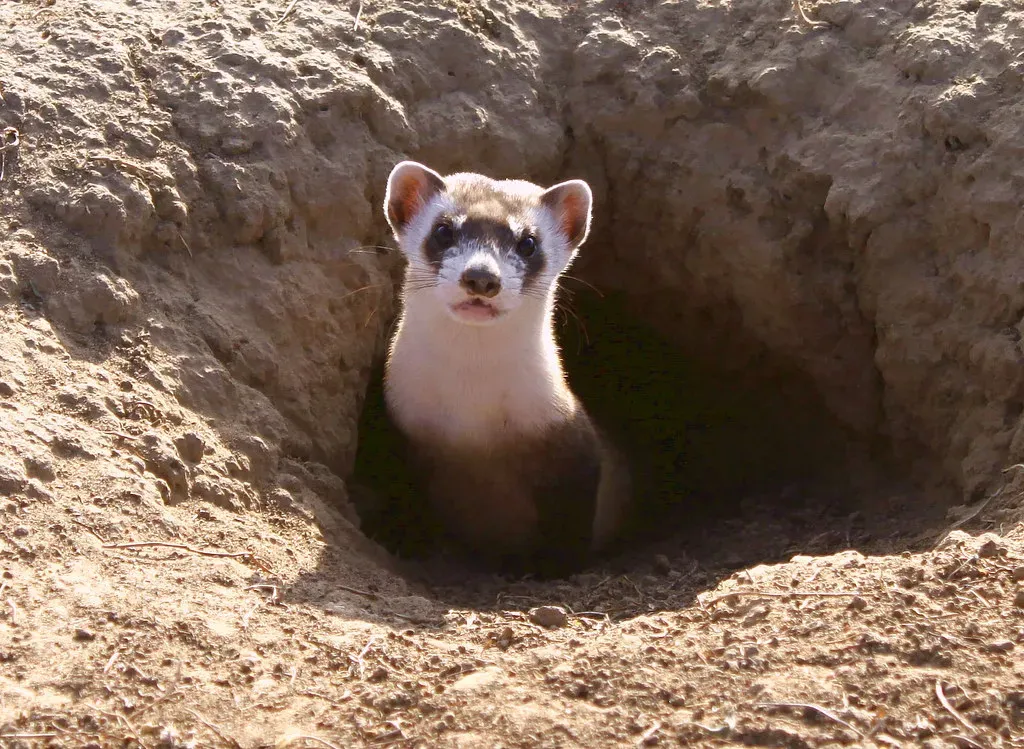
Black-footed ferrets spend about 90% of their time underground. They eat, sleep and raise their young in prairie dog burrows. They are nocturnal, leaving their burrows at night to hunt. They spend most of their time underground in prairie dog burrows, typically spending only a few minutes above ground each day during the first few hours following sunrise to hunt or find new burrows or mates.
This underground lifestyle makes studying these animals incredibly difficult. Researchers can’t just observe them casually because they’re hidden from view most of the time. Believed to be extinct until 1981, black-footed ferrets spend most of their time in extensive prairie dog burrow systems, making study in the wild extremely difficult. This data is expected to be critical for informing future reintroduction and conservation strategies.
Only Around 400 Survive in the Wild Today
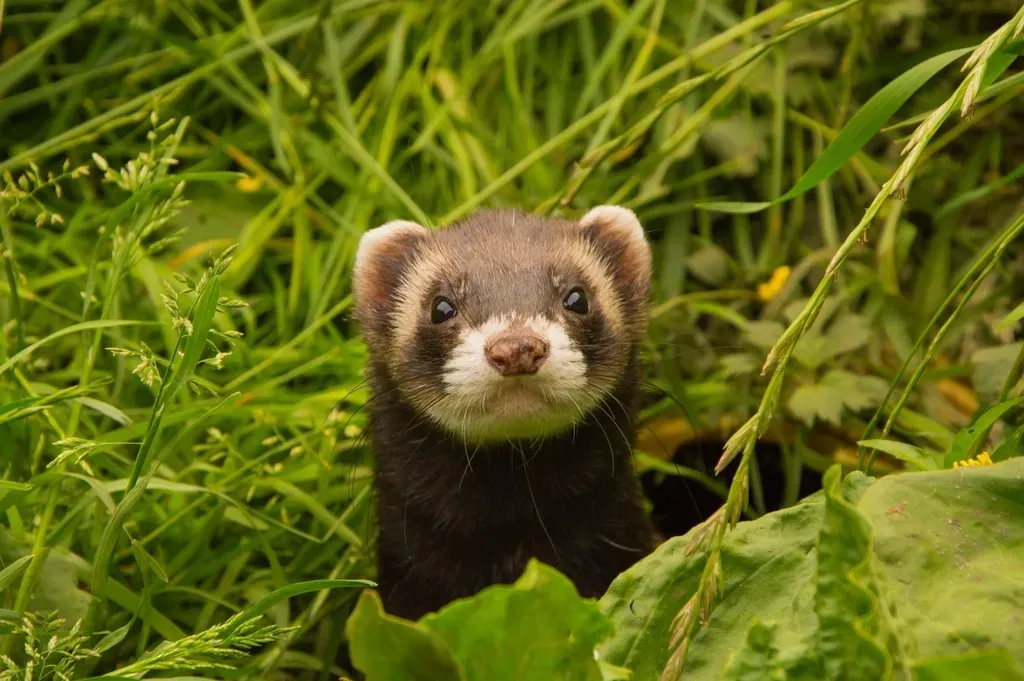
The recovering black-footed ferret population is fragile at only about 400 animals. Biologists estimate that there should be 3,000 adult ferrets in the wild to successfully recover this endangered species. We’re talking about a population that needs to grow roughly seven times larger before it can be considered secure.
There are approximately 300 Black-footed ferrets living in the wild today. The many reintroductions represent a major success for the BFFRIT, which is working toward a goal of 3,000 wild Black-footed ferrets. The journey from 18 individuals to several hundred wild ferrets represents an incredible conservation success, yet there’s still so much work to be done.
Sylvatic Plague Is Their Most Dangerous Threat
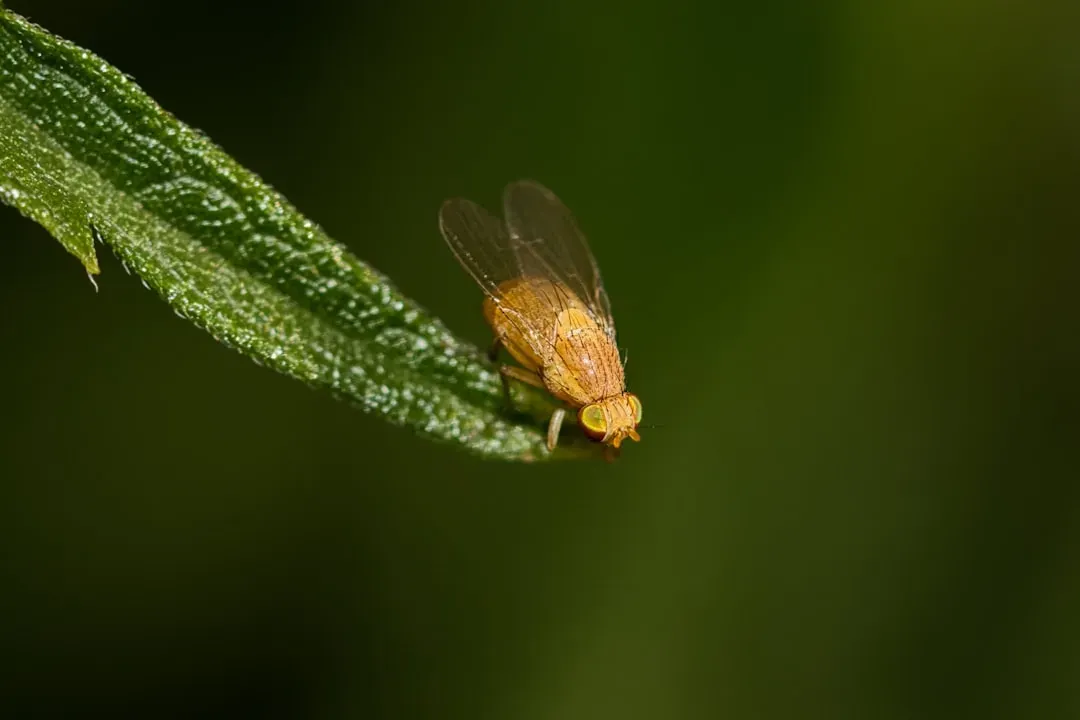
Aside from habitat loss, sylvatic plague (Yersinia pestis) is the single largest challenge to the species. The plague bacterium was accidentally brought to North America from Asia by humans in the late 1800s. It is the same pestilence that devastated Europe in the 14th century. Nearly 150 years later the disease is widespread over the western United States and Great Plains.
Sylvatic plague, spread by fleas, is deadly to both ferrets and prairie dogs, and has drastically reduced prairie dog populations throughout North America, nearly exterminating the food source for black-footed ferrets. The ferrets face a double threat. The plague not only kills them directly but also wipes out entire prairie dog colonies, eliminating their food supply in one devastating blow. Managing this disease remains one of the biggest challenges in ferret recovery efforts.
Scientists Successfully Cloned Ferrets to Increase Genetic Diversity
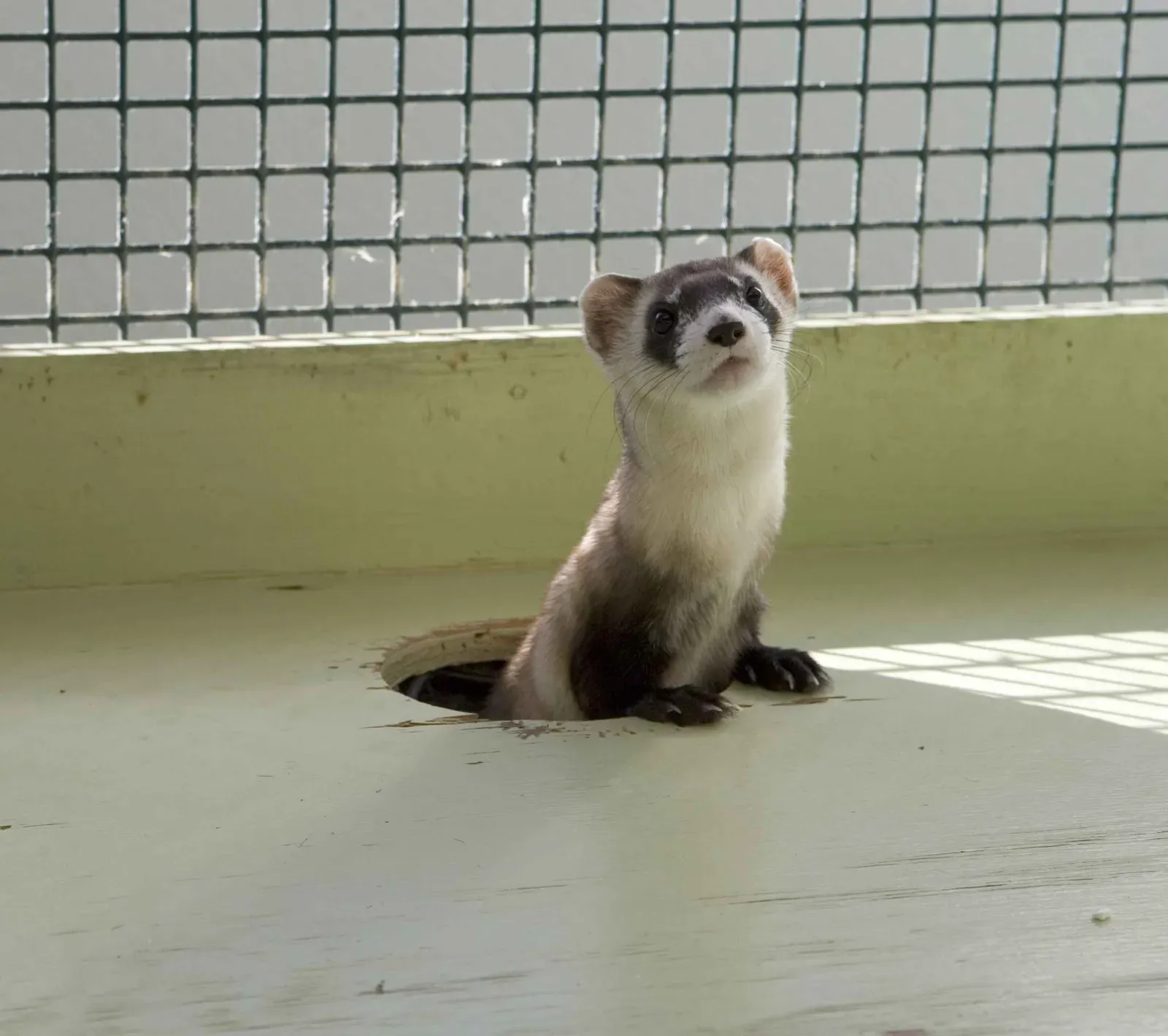
Here’s where conservation gets truly futuristic. The world’s first successfully cloned black-footed ferret, Elizabeth Ann, was born on December 10, 2020, marking the first time a U.S. endangered species had been successfully cloned. In May 2023, two additional cloned black-footed ferrets were born from the same cell line. The ferrets, named Noreen and Antonia, are Elizabeth Ann’s genetic twins. Noreen was born at the National Black-footed Ferret Conservation Center, while Antonia was born at the Smithsonian’s National Zoo & Conservation Biology Institute (NZCBI) in Virginia.
In 2024, Antonia, a cloned black-footed ferret, successfully gave birth to two healthy offspring after mating with Urchin, a 3-year-old male. The kits were born at the Smithsonian’s National Zoo and Conservation Biology Institute in Front Royal, Virginia. This was the first time in history a cloned endangered animal has given birth in the United States. That’s not science fiction, that’s happening right now in 2025. This marks the first time the unique genetics of Willa have been integrated into the black-footed ferret population.
They’re Surprisingly Playful and Vocal Creatures
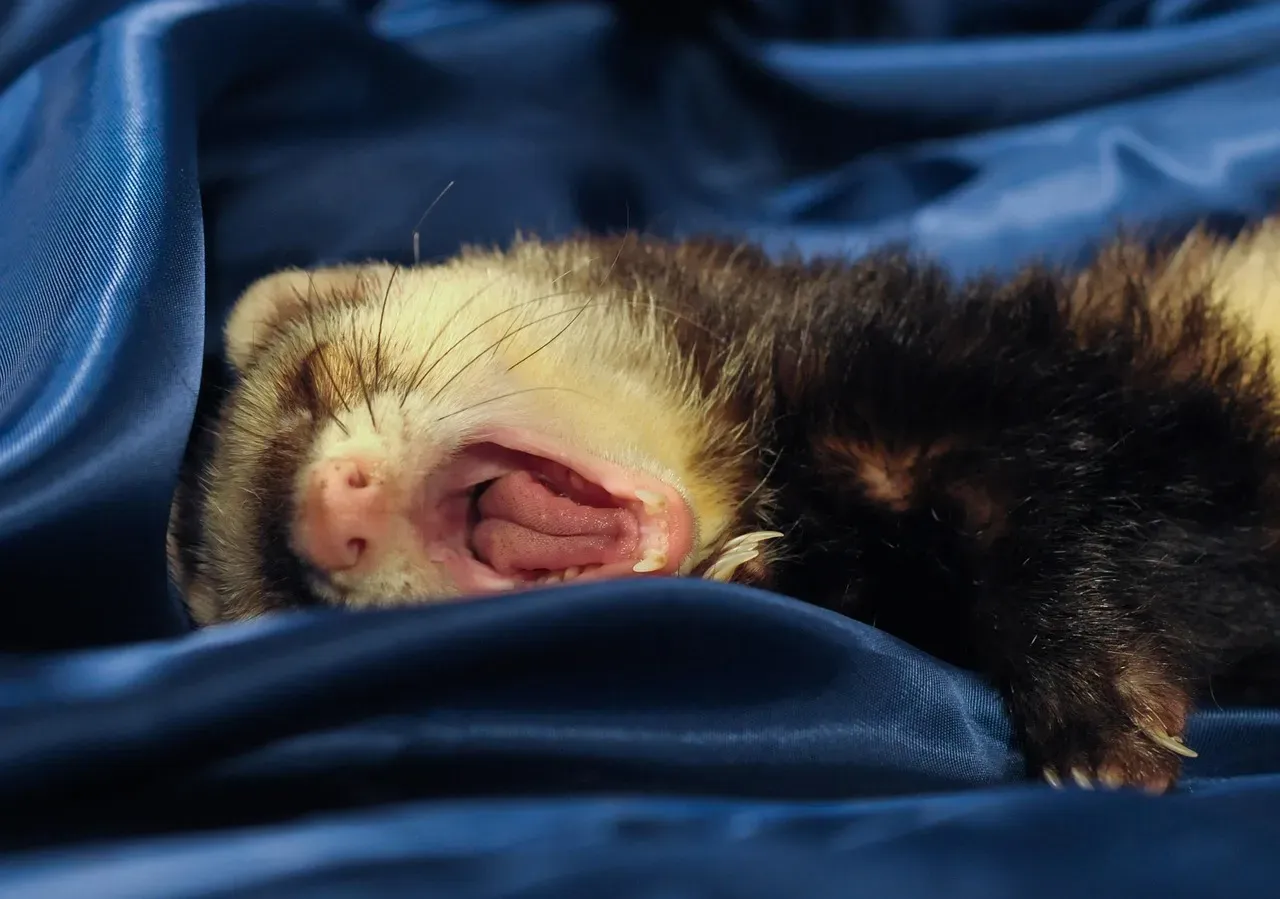
They are known to be quite playful and vocal! They bark, chatter and even chuckle, and the “ferret dance” is hopping about with their mouths wide open, apparently having all sorts of fun. Black-footed ferrets are very vocal. A loud chatter is used as an alarm call. A hiss is used to show agitation or fear, and females use whimpering sounds to encourage the young to follow. Male ferrets often “chortle” to females during breeding.
Black-footed ferrets are very playful and curious about their surroundings, especially as kits. Both wild and captive ferrets do the “ferret dance” with mouths wide open, hopping, leaping, and bucking with apparent total reckless abandon! Despite their fierce hunting skills and solitary nature, these little carnivores have a surprisingly lighthearted side. Watching them perform their wild dance moves must be one of the perks of working in ferret conservation.
Conclusion
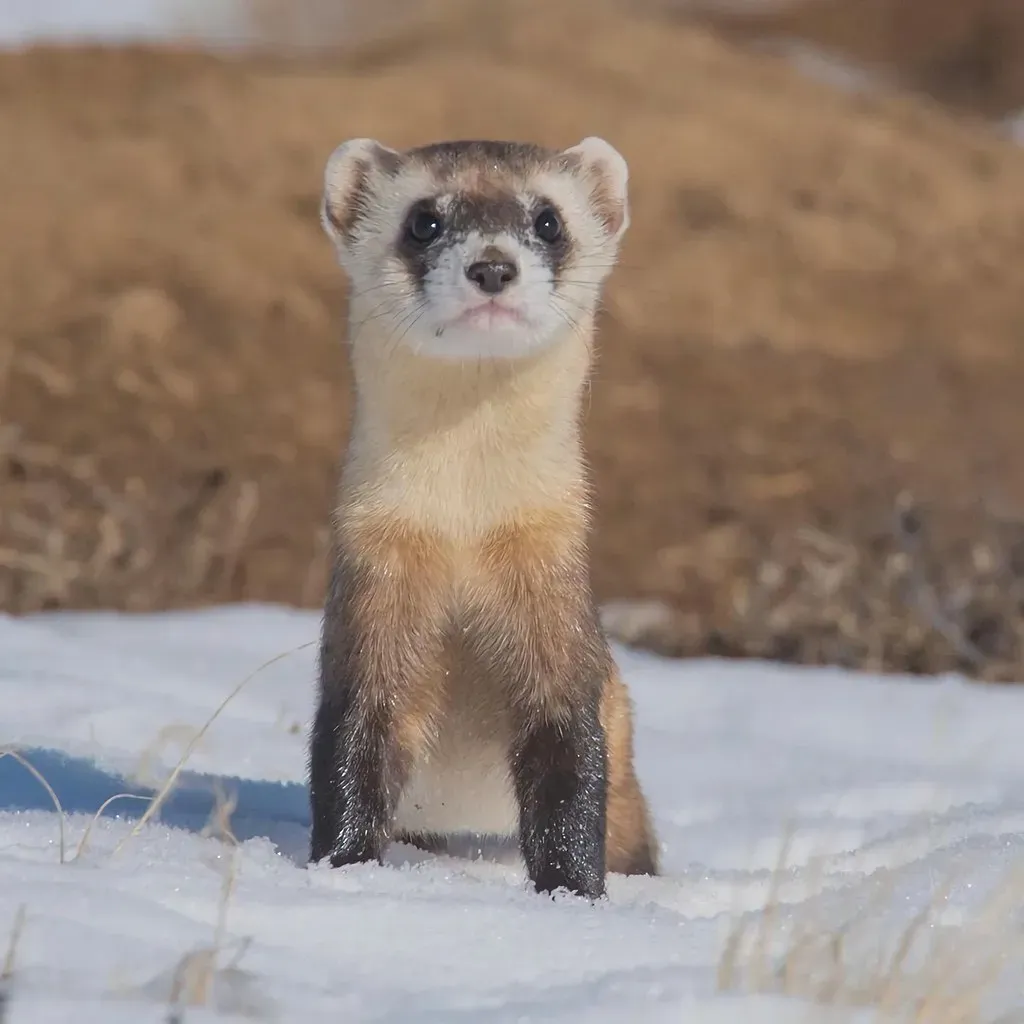
The black footed ferret’s story is nothing short of extraordinary. From the brink of extinction to cutting edge cloning technology, this species has survived against impossible odds. Their dependence on prairie dogs, their underground lifestyle, and their limited genetic diversity all paint a picture of a species hanging on by a thread, yet fighting back with the help of dedicated scientists and conservationists.
Recovery is happening, but it’s slow and requires constant human intervention. The fact that we’ve gone from 18 individuals to several hundred in the wild represents hope in its purest form. What do you think about the cloning breakthrough? Could this be the future of saving endangered species, or should we focus more on habitat preservation? Let us know your thoughts.
