
Think you know every creature roaming our planet? Think again. Our world is filled with creatures so bizarre they almost seem Photoshopped. Let’s be real, some of these animals look like nature hit the randomize button during creation.
From deep sea dwellers with transparent heads to moths covered in poodle fur, our planet houses life forms that defy imagination. These aren’t fantasy creatures from sci-fi movies. They’re real, they’re breathing the same air we do, and they’re absolutely extraordinary.
The Blobfish: Nature’s Most Misunderstood Creature
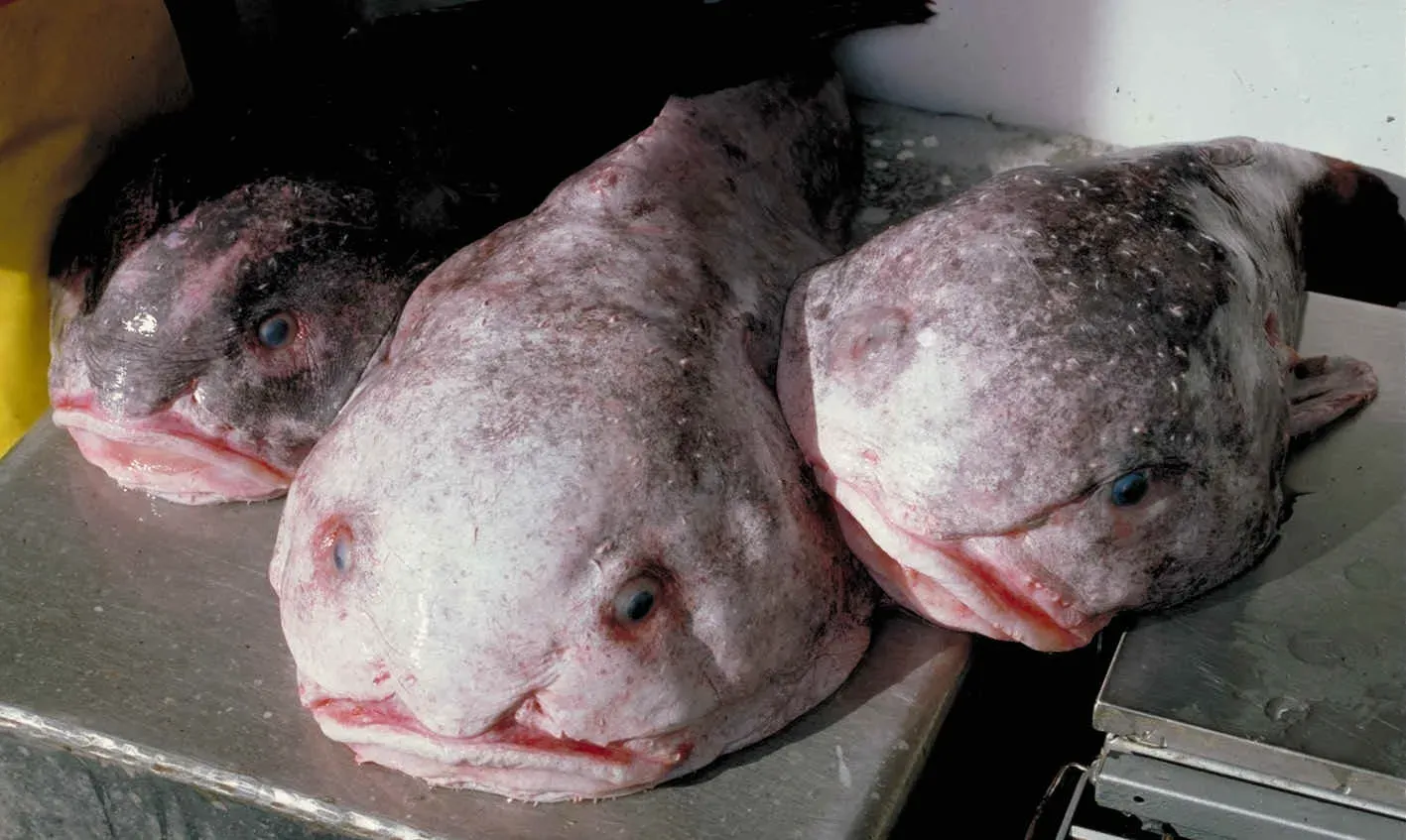
The blobfish is one of the more well-known species of bizarre, wacky animals on Earth, having been revered as one of the ugliest creatures still in existence, living as deep sea creatures that reside around Tasmania, Australia, and New Zealand. Here’s the thing most people don’t realize: the blobfish is actually very misunderstood and unfairly judged, as the pressure at depth can be more than 100 times what we experience on the surface, and when brought up, the change in pressure causes it to expand and distort into the ugly blob we know.
Instead of using gas bladders like many fish, the blobfish is made up of gelatinous mass with a slightly lower density than water, and lacking muscle, spends much of its existence floating along with the current and eating whatever floats right in front of it. On the ocean floor where it actually lives, it looks relatively normal. It’s basically the aquatic equivalent of looking terrible in your passport photo.
The Aye-Aye: Madagascar’s Creepy-Looking Primate
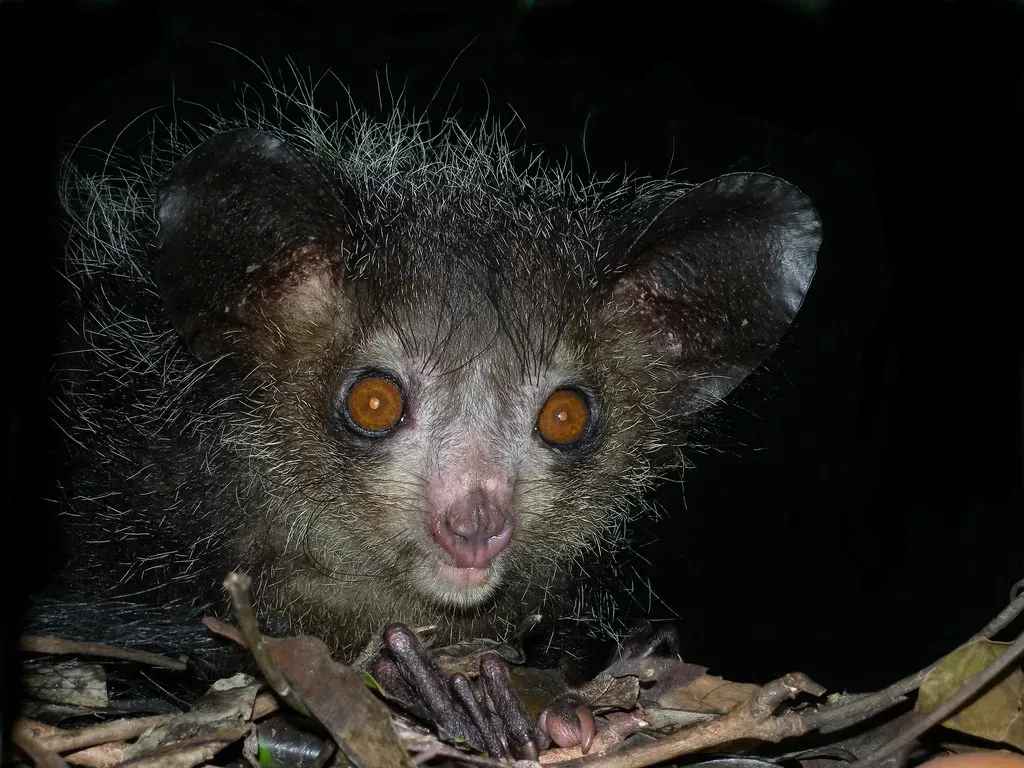
The aye-aye is often considered the strangest primate in the world thanks to its unusual appearance and eating habits, with large ears, long middle fingers, and continuously growing incisors setting them apart from other primates as the world’s largest nocturnal primates found only on Madagascar. This creature genuinely looks like something Tim Burton might have sketched during a particularly dark creative session.
It’s characterized by its unusual method of finding food: it taps on trees to find grubs, then gnaws holes in the wood using its forward-slanting incisors to create a small hole in which it inserts its narrow middle finger to pull the grubs out. The aye-aye has rodent-like teeth that grow perpetually and a special middle finger that is long, thin and skeletal in appearance. Honestly, it’s hard to say for sure, but the aye-aye might just be evolution’s most interesting experiment in primate design.
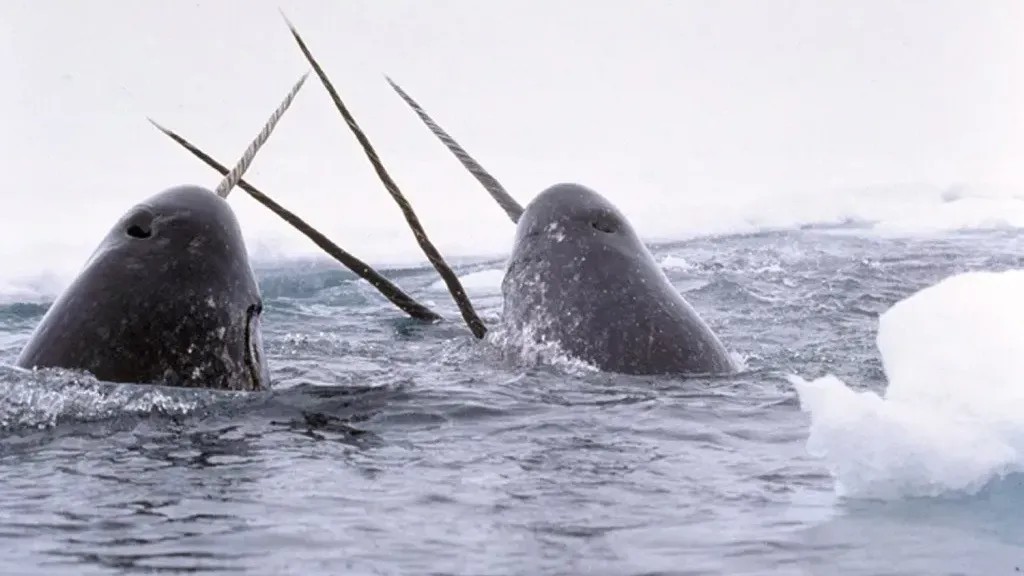
The Narwhal: The Ocean’s Real-Life Unicorn
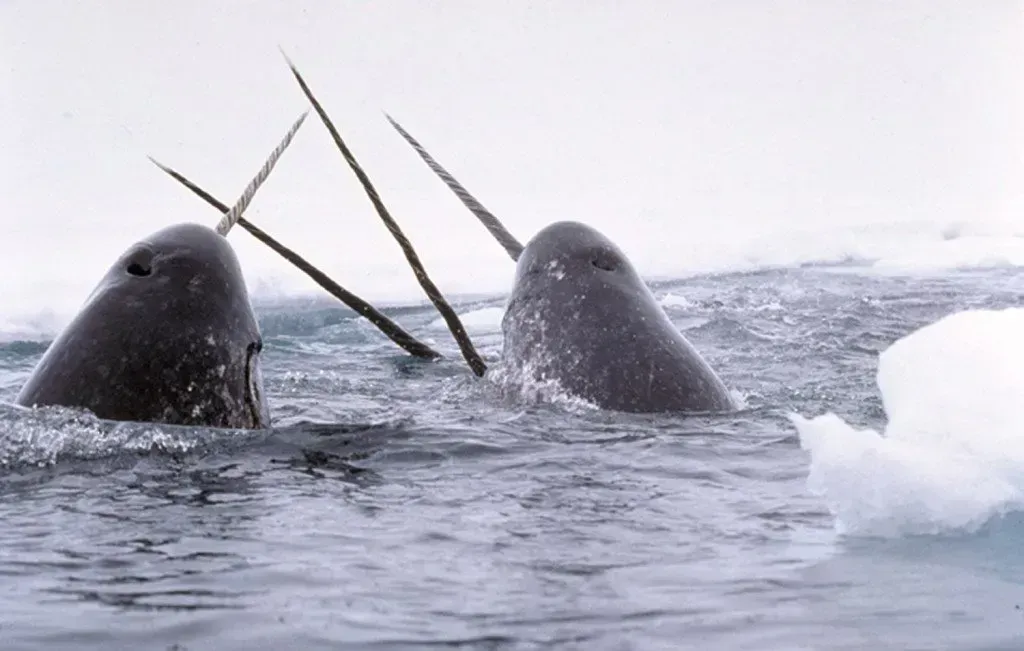
The narwhal, known as the “unicorn of the sea,” is a whale species that sports a long, spiral tusk which is actually an elongated tooth that can grow up to 10 feet and is primarily found in males. This isn’t some decorative horn. Scientists believe the tusk may be used in mating displays, dominance battles, or even for sensory perception due to the nerve endings inside.
Narwhals live in Arctic waters and can dive to incredible depths of over 5,000 feet, making them one of the ocean’s most peculiar creatures. They’ve been valued for centuries, and climate change now threatens their icy habitat. These magnificent creatures swim through some of the coldest, most inhospitable waters on the planet like it’s nothing.
The Venezuelan Poodle Moth: A Fluffy Enigma
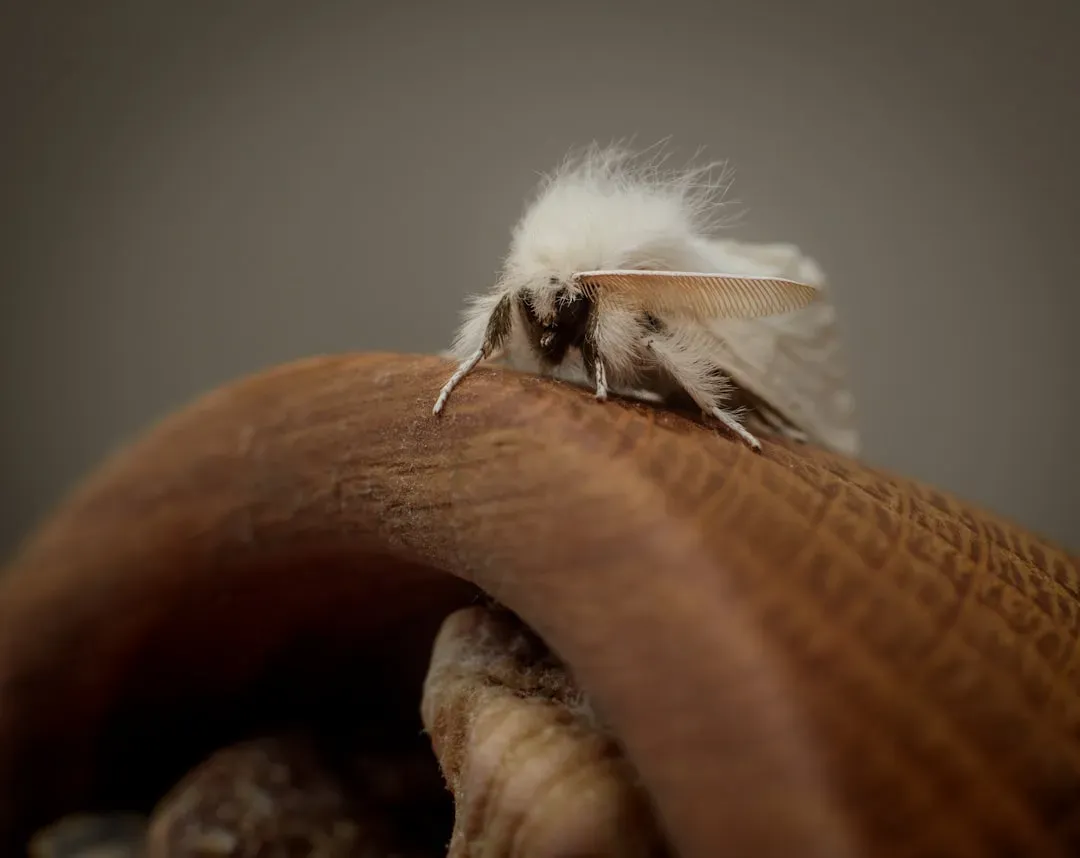
The Venezuelan poodle moth, discovered in 2009, quickly became an internet sensation for its bizarre, fluffy appearance, with its body and wings covered in dense white fur giving it the look of a miniature poodle, and it likely inhabits the rainforests of Venezuela. When photos first surfaced online, many people thought it was fake. It’s not.
Its unusual appearance has captured the public’s imagination even though scientists are still studying its biology, making it one of the weirdest insects discovered in recent years. Little is currently known about this creature’s behavior or habitat preferences. What we do know is that nature apparently decided to create a moth that looks like it belongs in a fancy dog show.
The Babirusa: The Pig with Facial Tusks
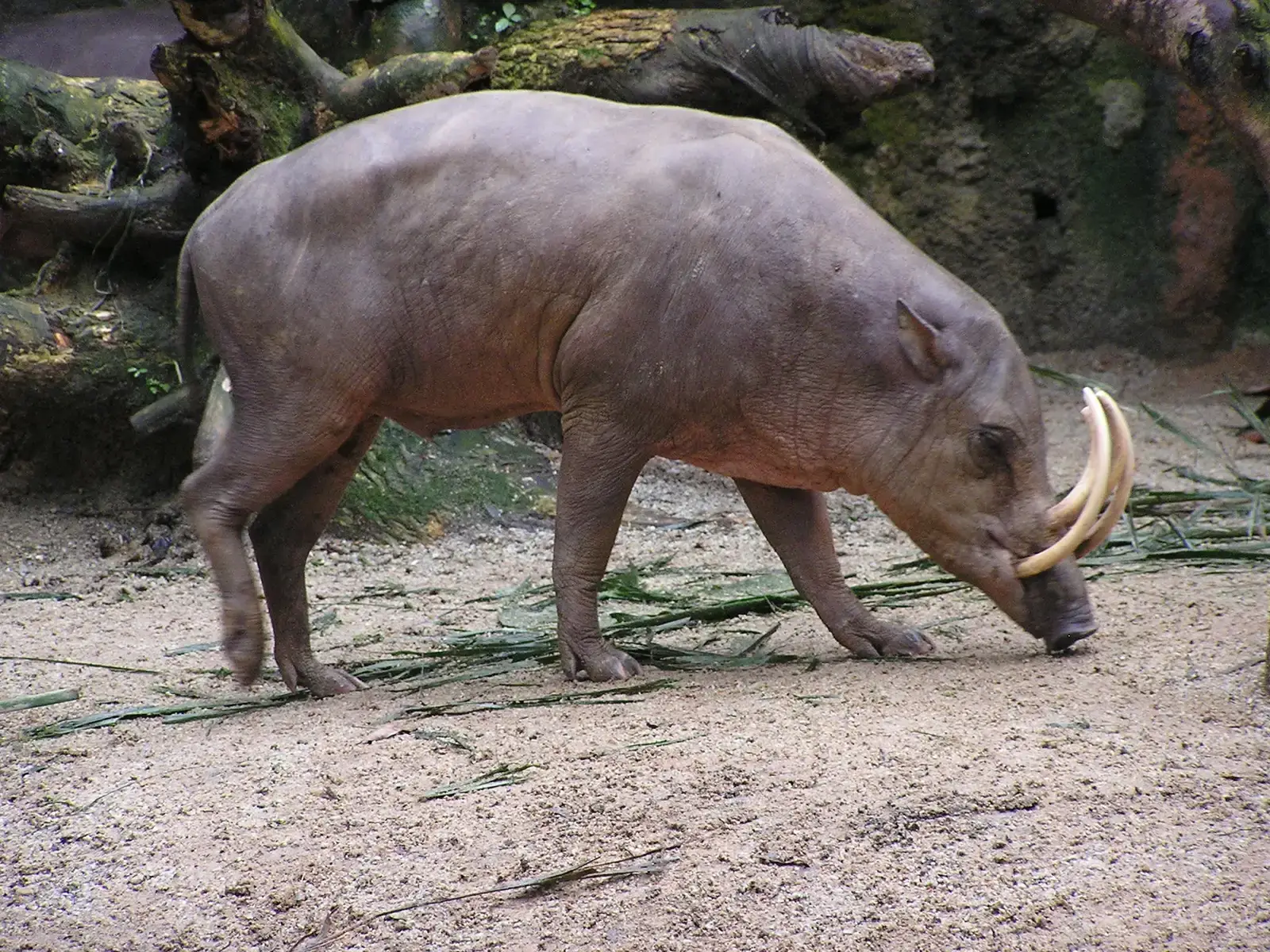
Babirusas have long canine tusks and a distinct weird prehistoric appearance. These tusks are unlike anything you’ve seen before. In males, the upper canines actually grow upward through the skin of their snouts and curve back toward their foreheads. It looks absolutely wild.
You’d think the babirusa would use their tusks for fighting, but they don’t, and scientists are actually quite puzzled why their teeth have evolved in this way. These strange pig relatives from Indonesia have stumped researchers for years. The tusks seem almost impractical, growing so long they sometimes curve back and pierce the animal’s own skull. Nature can be weird like that.
The Mantis Shrimp: Tiny but Terrifyingly Powerful
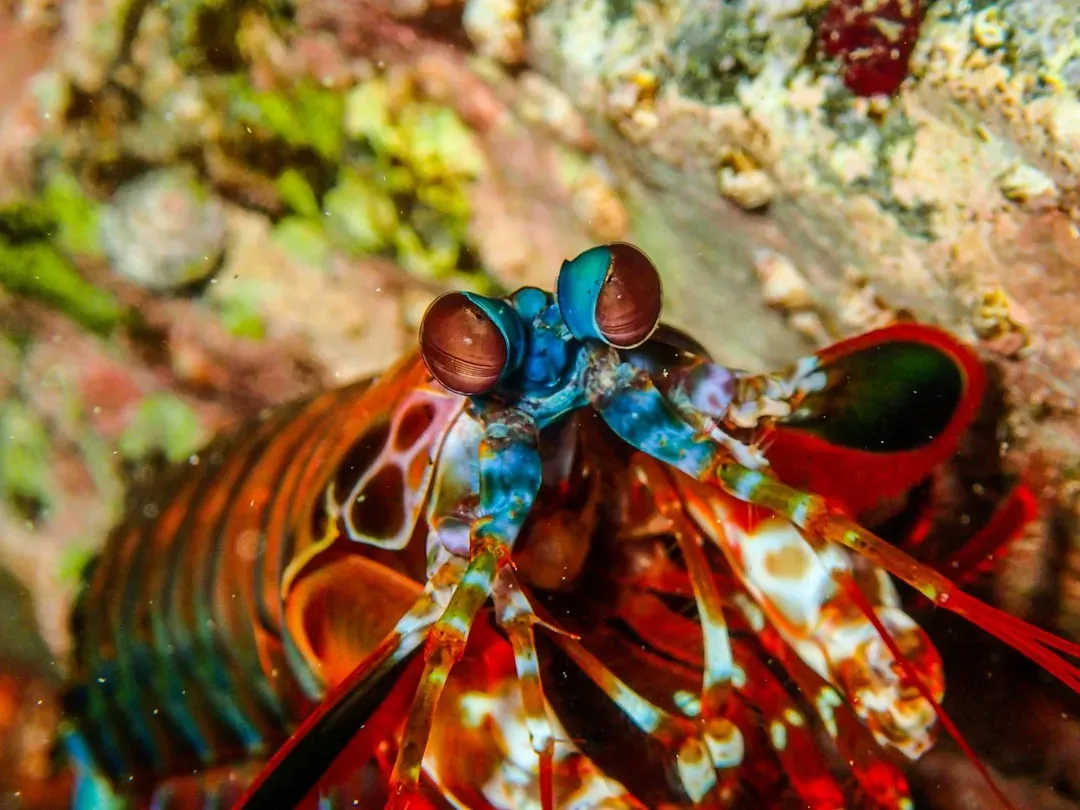
The Mantis Shrimp is a small, aggressive marine Crustacean that are able to club prey with the force of a bullet, or spike them with their sharp claws. Don’t let their size fool you. These creatures pack one of the most powerful punches in the animal kingdom, capable of breaking through aquarium glass.
They have incredible vision too, seeing colors humans can’t even imagine. Their eyes move independently and can perceive polarized light. Honestly, the mantis shrimp is basically a superhero trapped in a crustacean body. Some larger species are known to be extremely dangerous to handle, making them both fascinating and intimidating creatures of tropical and subtropical waters.
The Axolotl: The Smiling Salamander That Never Grows Up
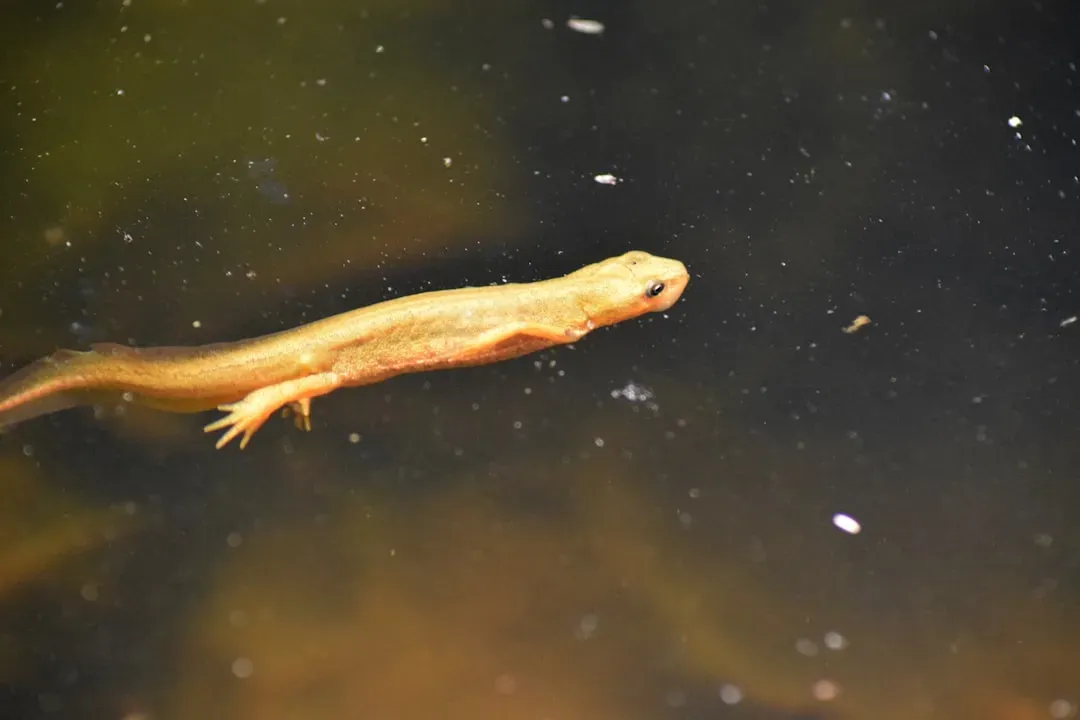
The Axolotl or ‘Mexican Walking Fish’ as it’s more commonly known isn’t actually a fish but an amphibian, with the branches extending from the side of its head actually being its gills. These permanently aquatic salamanders have become internet famous for their perpetual smile and adorable appearance.
What makes them truly extraordinary is their regenerative abilities. Axolotls can regrow entire limbs, portions of their heart, and even parts of their brain. They remain in their larval form throughout their entire lives, a phenomenon called neoteny. Sadly, they’re critically endangered in the wild, existing primarily in the canals of Mexico City.
The Leafy Sea Dragon: Floating Seaweed That Swims
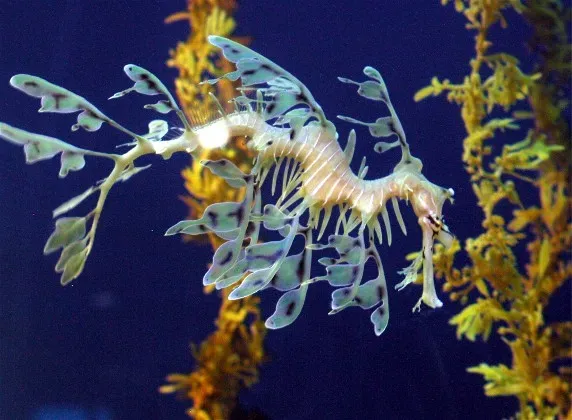
The leafy sea dragon, native to the waters off southern Australia, is a fish that looks almost identical to floating seaweed, with its leaf-like appendages serving as camouflage to help it blend into its surroundings, and unlike other marine creatures, it swims slowly and relies on its disguise rather than speed for protection. This creature is camouflage perfection.
Males carry the eggs, much like their seahorse relatives, a rare trait in the animal world. Watching one drift through the water is mesmerizing. They’re so well disguised that spotting them in their natural habitat feels like winning a biological lottery. These delicate creatures move with an otherworldly grace that makes them seem more like underwater spirits than actual fish.
The Japanese Spider Crab: The Ocean’s Giant Arthropod
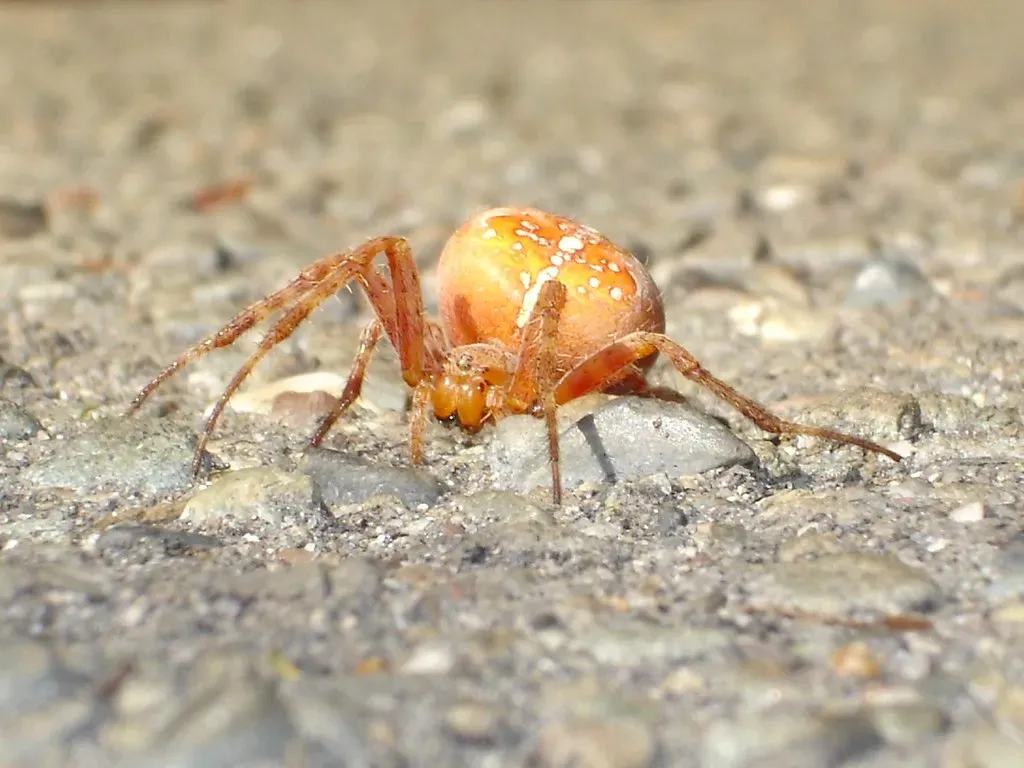
The Japanese spider crab is the largest arthropod in the world with a leg span that can reach up to 12 feet, yet despite its fearsome appearance, it is relatively harmless and feeds on decaying plant and animal matter on the ocean floor. Imagine encountering something with legs longer than most humans are tall crawling along the seafloor.
These crabs live in deep waters and have long lifespans, sometimes living up to 100 years, with their long, spindly legs and enormous size making them an unsettling yet fascinating marine creature. They’re actually considered a delicacy in Japan during crab-fishing season. The idea of eating something that could theoretically give you a hug is both bizarre and somewhat unsettling.
The Pink Fairy Armadillo: The Tiniest Armored Mammal
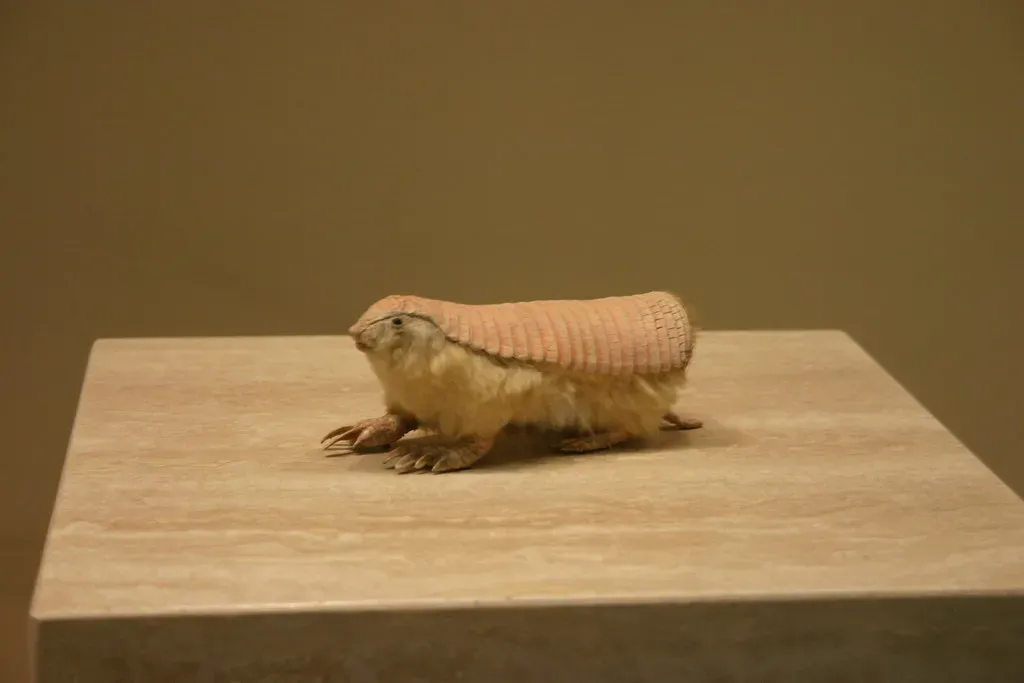
The pink fairy armadillo lives underground and has the nickname of the Sand Swimmer due to how quickly it can navigate sand, being the smallest species of armadillo in existence and generally inhabiting sandy regions, with estimates suggesting there are only 100 pink fairy armadillos left on Earth. This creature is extremely rare and notoriously difficult to study.
It’s small enough to fit comfortably in a human hand. The pink color comes from its shell, which actually helps regulate body temperature by allowing heat to dissipate. These nocturnal burrowers spend most of their lives underground in the sandy plains of central Argentina. Scientists struggle to learn about them because they’re so elusive and don’t survive well in captivity.
The Tarsier: The Bug-Eyed Primate
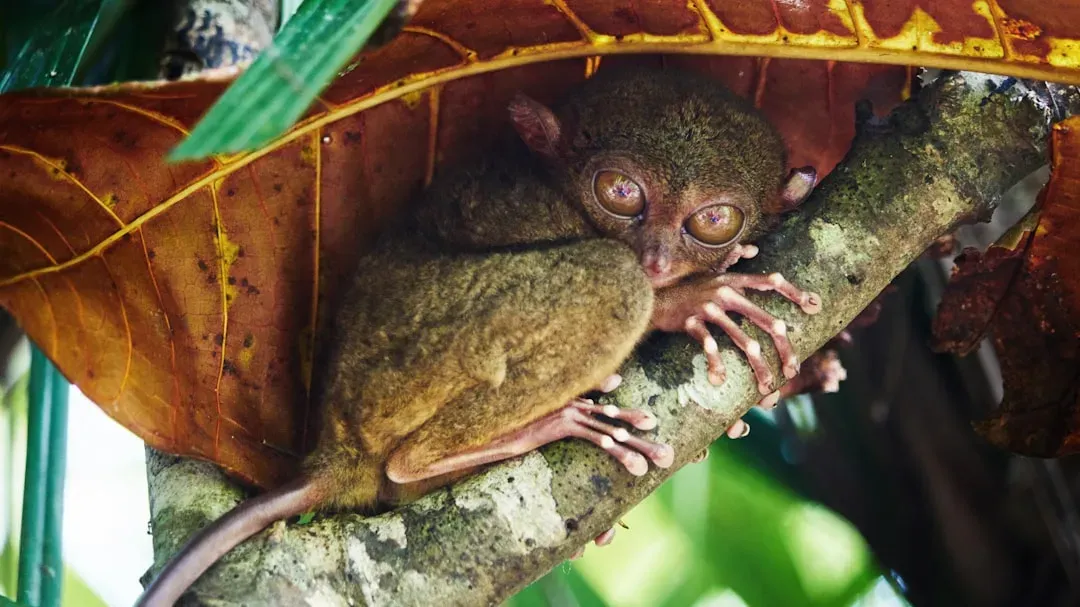
Tarsiers are tiny primates found in Southeast Asia, known for their disproportionately large eyes, each larger than their brain, with these enormous eyes giving them excellent night vision necessary for their nocturnal lifestyle. Looking into a tarsier’s eyes is genuinely unnerving because they’re so enormous and fixed in their sockets.
They also have long fingers and toes that help them cling to branches and leap between trees, with their diet being exclusively carnivorous, which is unusual for primates, consisting of insects, small birds, and reptiles. Tarsiers can rotate their heads 180 degrees, just like owls. These tiny primates are fierce hunters despite their adorable appearance, capable of catching prey with lightning-fast reflexes.
The Olm: The Blind Cave Dweller
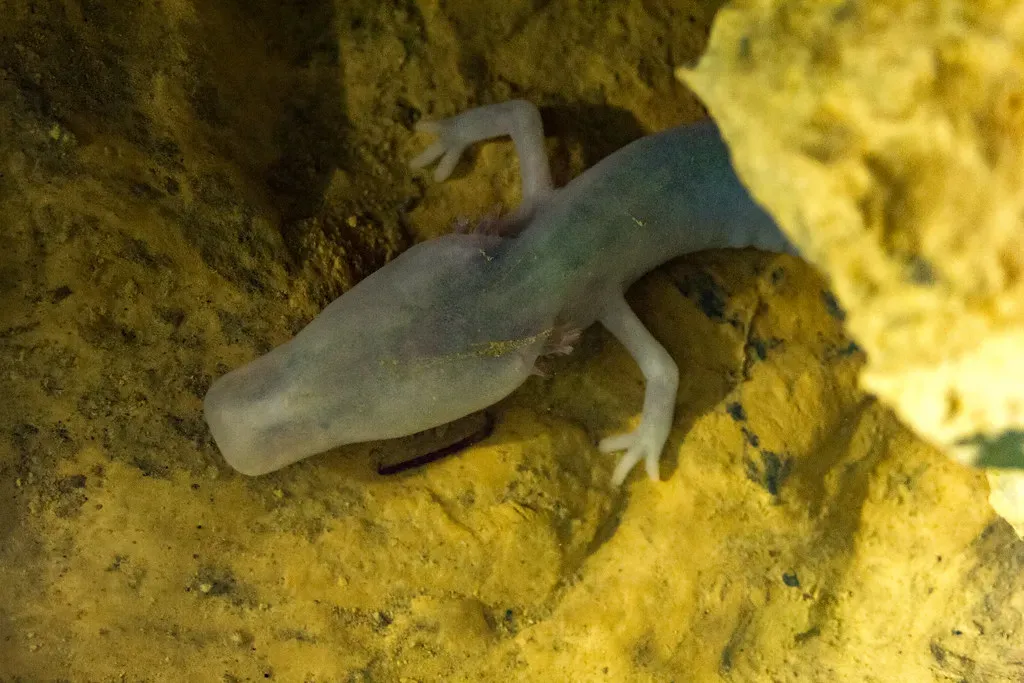
The olm is a blind, cave-dwelling amphibian found in the underground waters of Central and Southeastern Europe that is completely adapted to a life in darkness, with skin that lacks pigmentation and no functional eyes, able to live up to 100 years and survive for long periods without food due to their low metabolic rate. This creature looks like something from another dimension.
Their pale, elongated bodies and ability to detect vibrations and chemicals in water instead of relying on sight make them very unique. They’ve adapted so perfectly to their dark, underwater cave environment that they’ve essentially lost all need for sight. Some people call them “baby dragons” because of their appearance. Living in complete darkness for potentially a century seems like the ultimate commitment to an underground lifestyle.
Conclusion
Our planet is stranger and more wonderful than most of us ever imagine. These eleven creatures represent just a tiny fraction of the bizarre biodiversity Earth has to offer. From the crushing depths of the ocean to remote rainforests and underground caves, evolution has created solutions to survival that seem almost impossible.
What strikes me most is how many of these animals are endangered or critically threatened. The pink fairy armadillo, the aye-aye, and countless others face uncertain futures. Perhaps learning about them will inspire us to protect the weird, the unusual, and the downright bizarre inhabitants of our planet. What do you think is the strangest animal on this list? Did any of these surprise you?

- 14 Signs Your Dog Has Started Living in the Moment More Than You Do - July 12, 2026
- 10 Most Ancient Cities That Thrive Till Today - July 12, 2026
- 8 Mysterious Underground Cities - July 12, 2026