
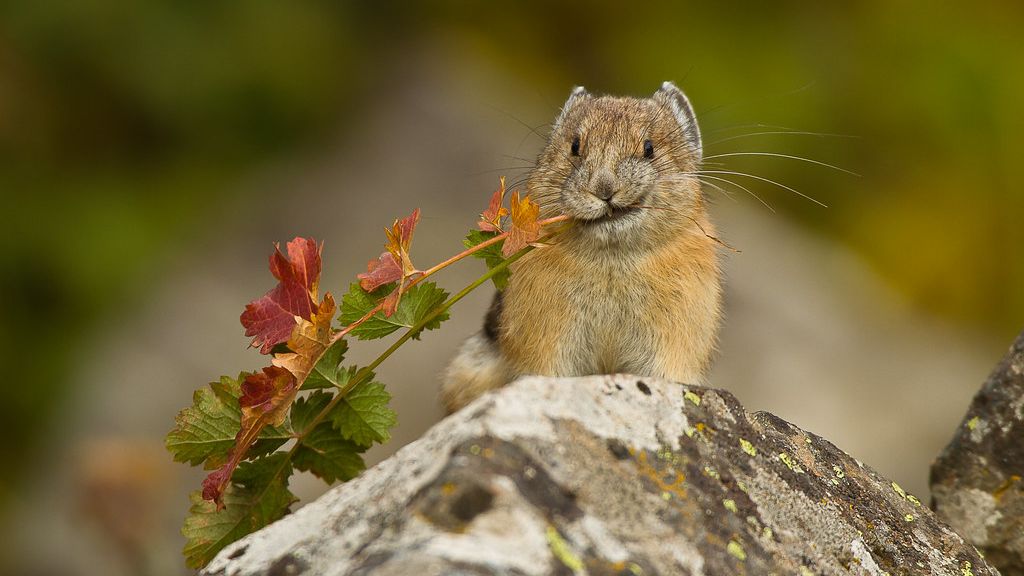
Have you ever heard that high-pitched squeak while hiking through Colorado’s alpine wilderness and wondered what tiny creature was responsible? Chances are, you’ve encountered one of the Rocky Mountains’ most fascinating yet often overlooked residents. These small, furry mammals don’t just survive in one of the harshest environments on Earth, they thrive there, at least for now.
Despite their adorable appearance, pikas are tougher than you might think. They’re busy all summer long, preparing for winters that would challenge even the hardiest creatures. What makes them truly remarkable isn’t just their resilience but how perfectly adapted they are to a world that’s rapidly changing around them. Let’s dive into the remarkable world of these alpine survivors and discover what makes them so special.
1. They’re Not Rodents – They’re Rabbit Relatives
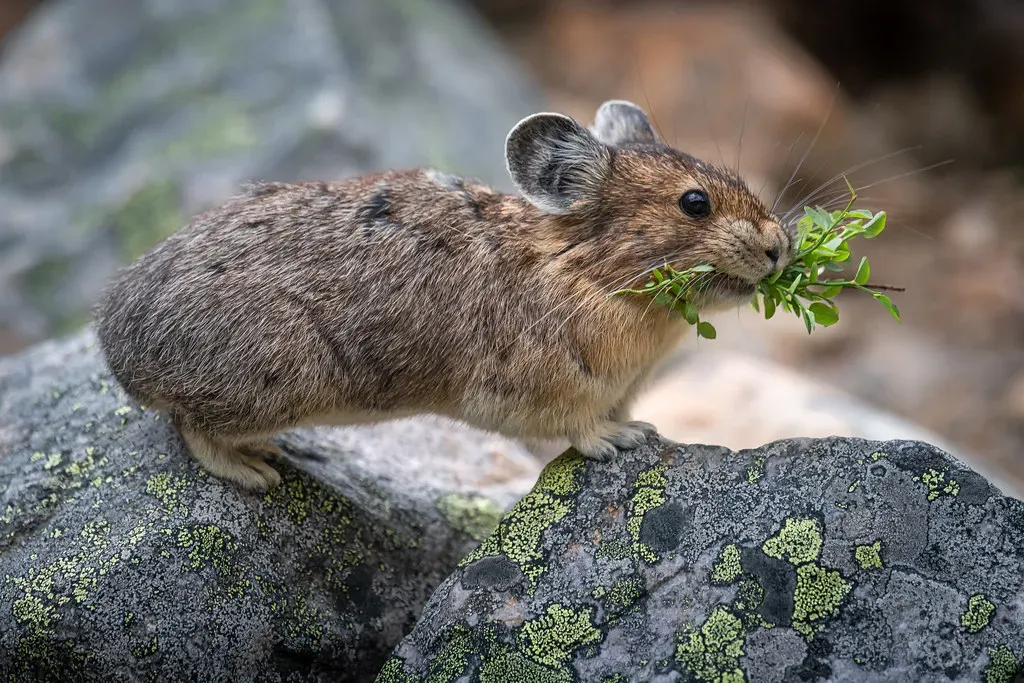
Pikas have round ears and are about the size of rats, although they’re more closely related to rabbits and hares. It’s hard to say for sure, but at first glance most people would swear they’re looking at some kind of mouse or hamster scurrying across the talus slopes. The confusion is understandable given their compact size and rounded body shape.
The American pika (Ochotona princeps) is a small, herbivorous mammal of the family Ochotonidae, closely related to rabbits and hares (order Lagomorpha). What really sets them apart from their larger cousins are those adorable rounded ears and the complete absence of a visible tail. Pikas are about the size and shape of a guinea pig, about eight inches in length and weighing about seven ounces.
Their closest living relatives might hop around meadows and forests, but pikas have taken a different evolutionary path entirely. American pikas are believed to have evolved from Siberian ancestors that crossed the former land bridge between Asia and Alaska. They once lived across North America, but have been retreating upslope over the past 12,000 years. Think of them as the mountain specialists of the lagomorph family, perfectly suited for life where few other mammals dare to venture.
2. They Live at the Edge of the World
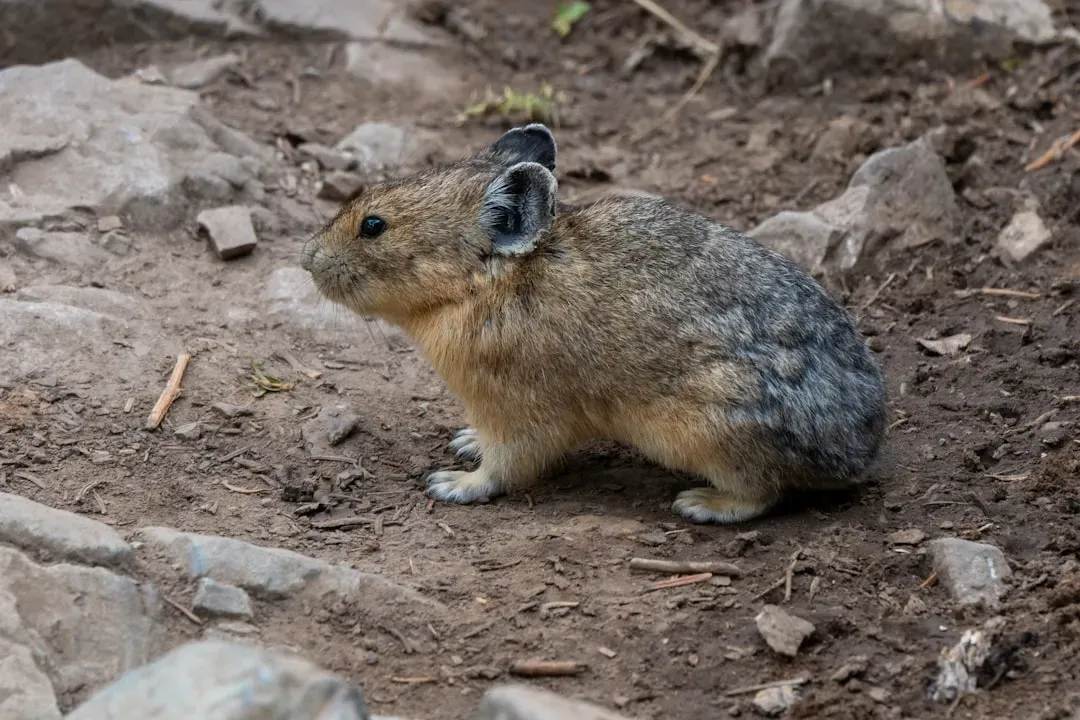
Colorado’s pikas are denizens of the alpine: the high-altitude, mostly treeless tundra that’s frequently exposed to temperatures well below 0°F (-18°C), winds exceeding 50 – 100 miles per hour, and is largely covered by snow for nine months of the year. Honestly, it sounds more like a description of another planet than a place on Earth. These little mammals have made their home in one of the most inhospitable environments imaginable.
The pika (pronounced “pie-kah”) is a small, furry creature that typically lives in the alpine zones of Rocky Mountain National Park and is among the hardest working of the park’s animals. You’ll find them scampering across boulder fields and rocky slopes, usually above treeline where most other mammals wouldn’t dream of settling down. Nowadays, American pikas can be found throughout the Rocky Mountains between northern New Mexico and central British Columbia.
Their preferred habitat is talus, those massive piles of broken rock debris scattered across mountainsides. The crevices between boulders provide shelter from predators and extreme weather while creating surprisingly stable microclimates. American pikas primarily inhabit scree and talus fields, often surrounded by alpine vegetation, and are also found in piles of broken rock. They occasionally occupy man-made substrates such as mine tailings or piles of scrap lumber.
3. They Don’t Hibernate – They Work All Winter
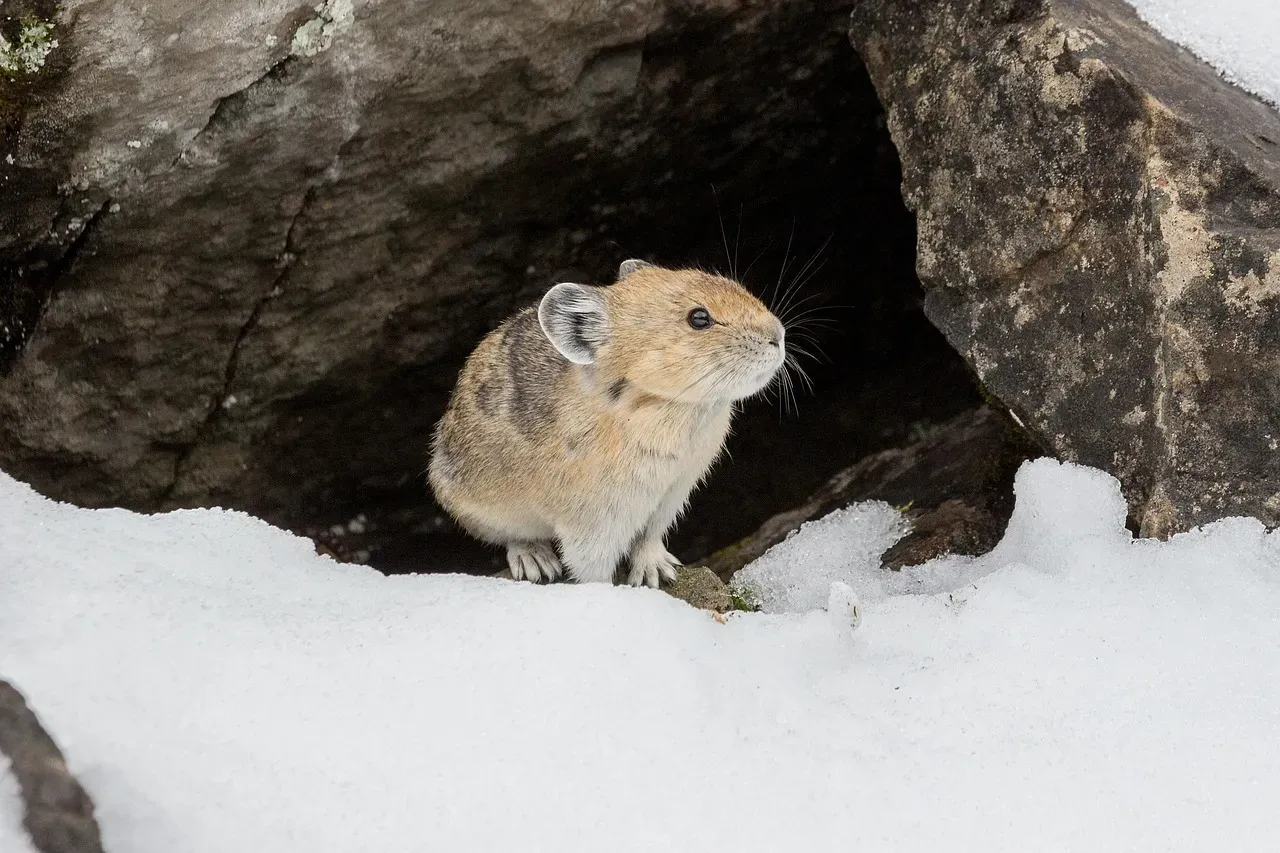
Here’s where things get really interesting. There’s no feasting for a long winter’s sleep either: like rabbits and hares, pikas don’t hibernate. While marmots and other alpine mammals are snoozing away the coldest months, pikas remain active beneath the snow, surviving on food they’ve collected during warmer weather.
Instead, they keep warm thanks to an extremely thick fur coat, a high metabolism, and a high resting body temperature of roughly 104.2°F (40.1°C): a life-threatening level for a human! Their internal thermostat runs so hot that what would give us a dangerous fever is just their normal operating temperature. This high metabolism is both a blessing and a curse, keeping them warm in brutal winters but making them extremely vulnerable to summer heat.
The winter beneath the snow isn’t easy, though. In Colorado, pikas will spend most of the summer collecting grasses and forbs (flowering plants) from nearby alpine meadows and then laying them out to dry in organized collections tucked in amongst the talus. These so-called “haypiles” serve as the winter food cache for each pika: its lifeline to survive until the next summer. Without these carefully curated food stores, they simply wouldn’t make it through until spring.
4. They Make Up to 14,000 Foraging Trips Each Summer
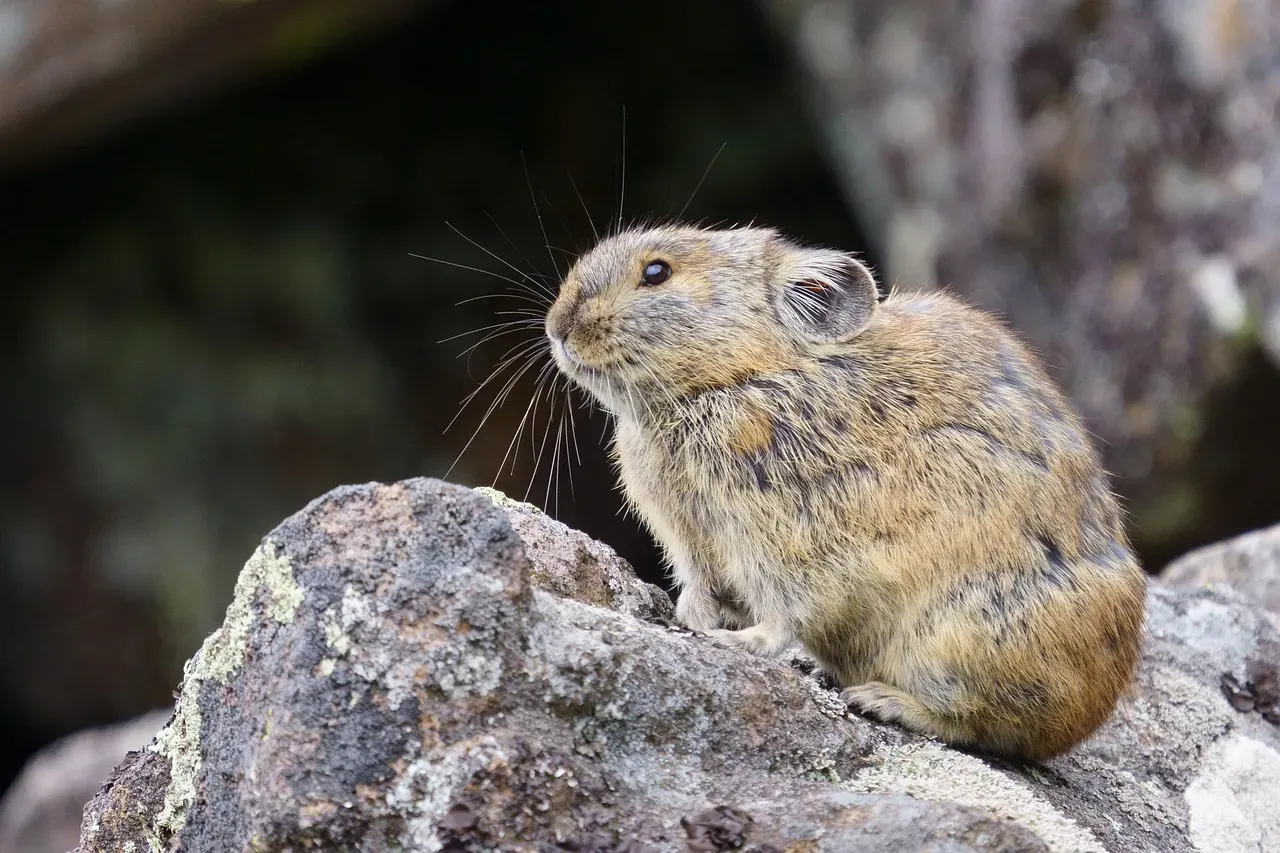
Pikas will make up to 14,000 foraging trips in order to collect enough food for the winter. Let that number sink in for a moment. Imagine making nearly fourteen thousand trips back and forth, carrying groceries in your mouth, just to prepare for a few months ahead. It’s exhausting to even think about.
All summer long you can watch the many pikas as they scurry across the tundra, their mouths filled with grass, sedges, and flowers. This vegetation they bring back to their secret hiding places in the rocks where it dries in large piles called haystacks. If you visit the high country in late summer or early fall, you’ll likely spot these tireless workers darting across the landscape with bouquets of wildflowers clenched in their tiny mouths.
Because of this, pika territories and haypiles are defended fiercely! You would too if you’d made thousands of trips to build your winter food supply. These little creatures are surprisingly territorial, chasing off any neighbors who might try to steal from their carefully assembled haypiles. The stakes couldn’t be higher when your survival depends on that stash lasting through nine months of snow cover.
5. They’re Incredibly Vocal – And Often Heard Before Seen
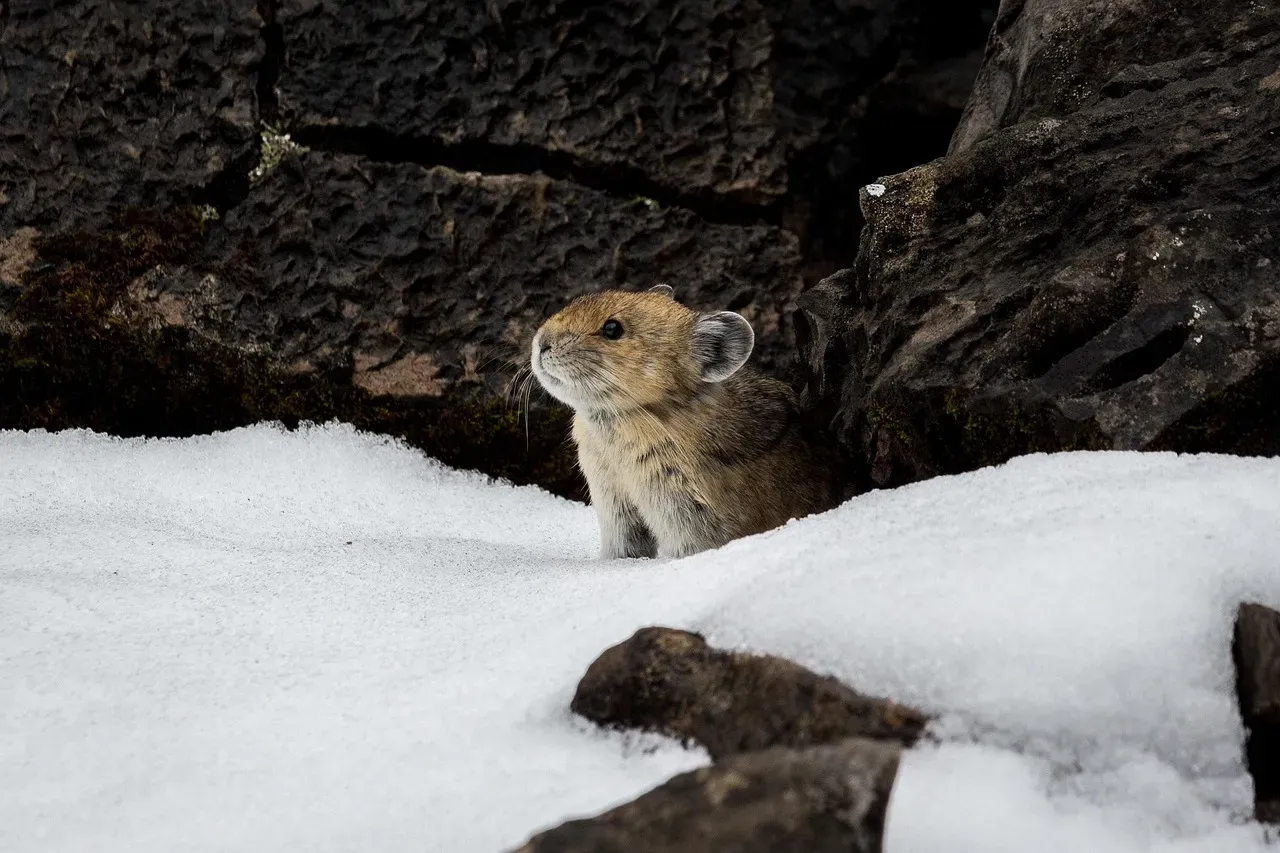
Pikas, which often greet hikers in the Rocky Mountains with loud squeaks, have long been a favorite of visitors to Colorado. That piercing chirp echoing across the boulder fields is one of the quintessential sounds of the alpine zone. You’ll hear it long before you manage to spot the little creature responsible.
American pikas are often heard before they are seen. They make calls and sing to define and protect their territory, alert others to the presence of dangers, and attract mates. The call sounds like the bleat of lamb, but more high-pitched and squeaky. These tiny creatures emit a loud, sharp squeak that can be hard to locate, much like when a ventriloquist ‘throws’ his or her voice. When danger is near, a pika will whistle to other pika in the colony, then disappear to the safety of nearby rocks.
Their communication system is surprisingly sophisticated. Pikas are vocal animals, using a variety of calls and songs both to warn of approaching predators and during the breeding season. Males sing longer songs during mating season, while both sexes use shorter alarm calls to warn neighbors of approaching danger. It’s a complex language for such a small creature, revealing an intricate social structure hidden among the rocks.
6. They Can Die From Just a Few Hours of Heat Exposure
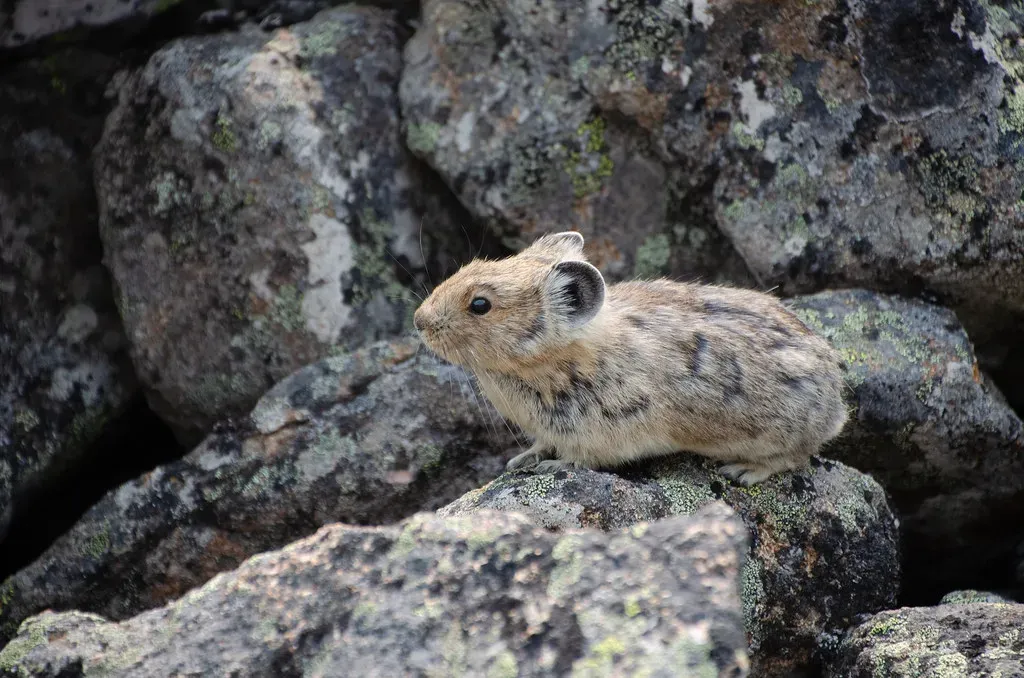
Pikas can die within six hours if exposed to temperatures above 25.5 °C (77.9 °F) without access to cool refuges. That’s barely above room temperature for most of us. Their adaptation to frigid alpine conditions has left them extraordinarily vulnerable to warmth.
The evolved just-right metabolism of pikas means they have a high resting body temperature in order to survive the winter without needing to hibernate. Problem is, “during the summertime, they’re very sensitive to heat, meaning they can’t actually survive for a few hours at anywhere above about 76 degrees.” It’s like they’re walking a tightrope between freezing and overheating, with very little margin for error on either side.
At lower elevations and during the midday heat, they retreat into cooler scree openings to avoid lethal temperatures. Watch a pika during summer and you’ll notice they’re most active during cooler morning and evening hours, ducking back under rocks when the sun climbs higher. The spaces between talus boulders create surprisingly stable microclimates that remain cool even when surface temperatures soar. Without these refuges, pikas simply couldn’t survive summer in the mountains.
7. They Practice Coprophagy – Yes, They Eat Their Own Droppings
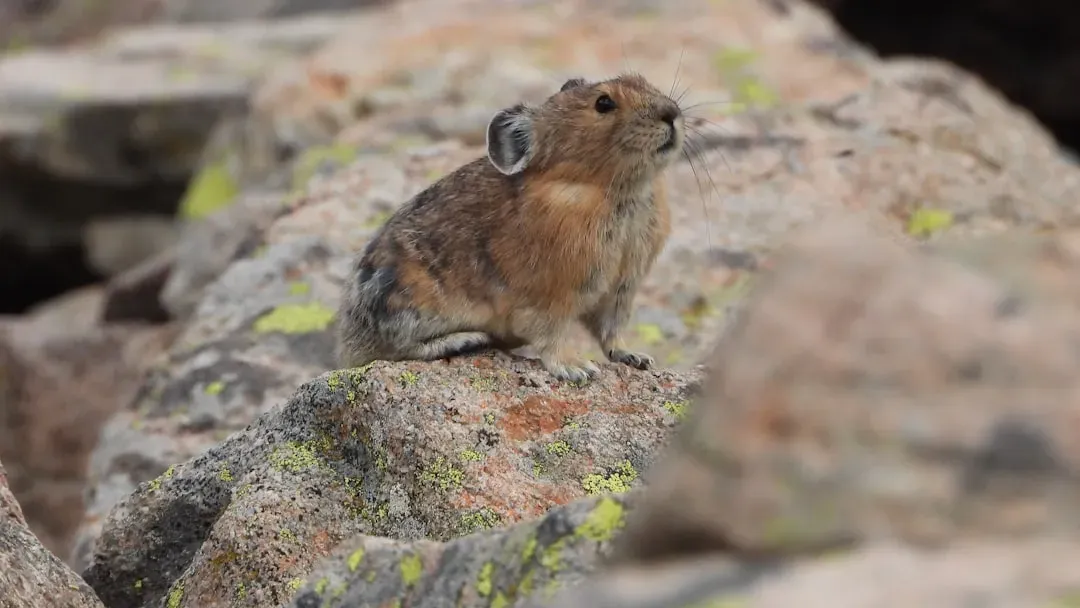
Like rabbits, it eats its droppings in order to maximize the amount of nutrition for its body. I know it sounds gross, but hear me out. This behavior, called coprophagy, is actually a clever adaptation that allows pikas to extract every possible nutrient from their plant-based diet.
The process works like this: pikas produce two types of droppings. Regular feces are expelled and left behind, but they also produce softer cecotropes that are immediately reingested. These special pellets pass through the digestive system a second time, allowing the pika to absorb nutrients that weren’t fully broken down during the first pass. It’s essentially nature’s version of getting a second chance at a meal.
This might seem bizarre to us, but it’s incredibly common among lagomorphs. When you’re living in an environment where food is only abundant for a few short months each year, you can’t afford to waste a single nutrient. Every calorie counts when you’re maintaining that high metabolism through a brutal alpine winter.
8. They’re Among the Most Territorial Mammals on Earth
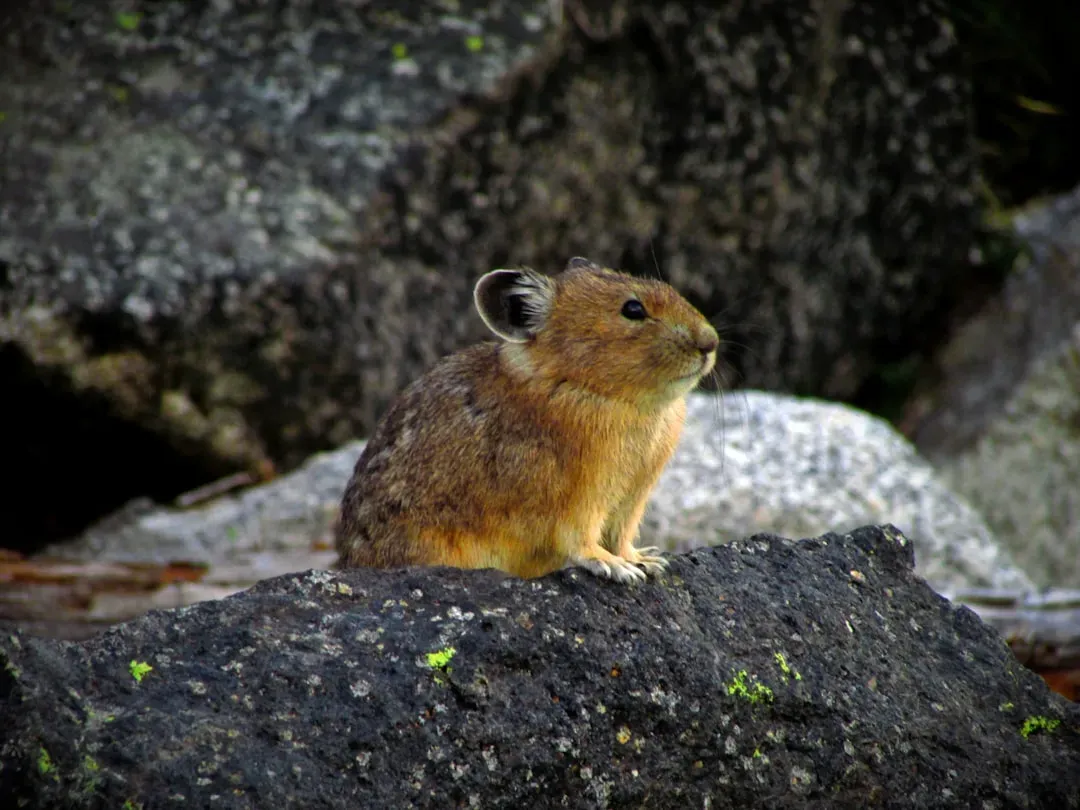
Pika are one of the most territorial mammals, frequently involved in chases and short fights. For such small, seemingly gentle creatures, they take property rights very seriously. Their territories are well-defined, and trespassing neighbors are met with swift retaliation.
Both males and females maintain and defend individual territories throughout the year. These territories typically contain the talus patches where they live, along with adjacent meadows where they forage. Because of this, pika territories and haypiles are defended fiercely! When you’ve invested thousands of trips into building a haypile, you’re not about to let some neighbor waltz in and help themselves.
The territorial behavior intensifies during breeding season and again in autumn when haypiles are being established. Pikas engage in chase sequences across the rocks, emit aggressive calls, and sometimes escalate to brief physical confrontations. It’s a reminder that beneath that cute exterior lies a fierce determination to protect what’s theirs.
9. They’re Climate Change Indicator Species
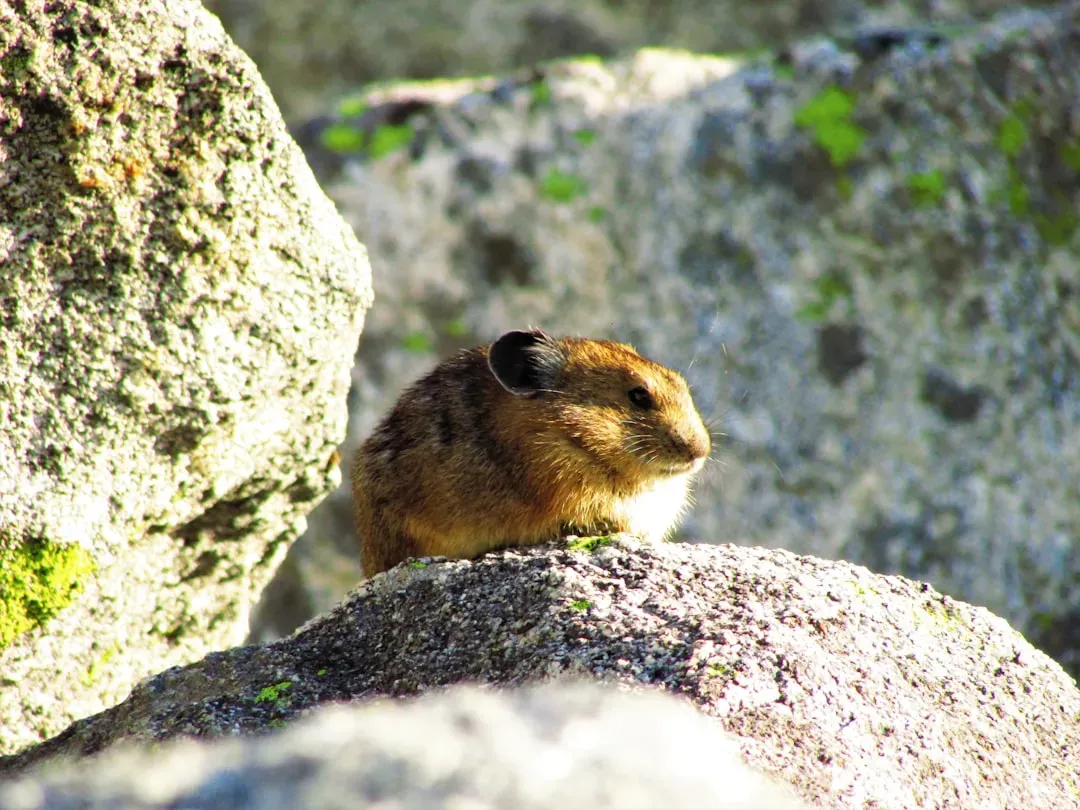
The American Pika is a charismatic indicator species of the potential effects of climate change on mountain ecosystems. Pikas are sensitive to summer heat and rely on winter snowpack for insulation from harsh winter temperatures. Scientists consider them canaries in the coal mine for alpine ecosystems, their fate serving as an early warning system for broader environmental changes.
A new study suggests that warming temperatures may already be taking a toll on these little animals. The researchers discovered that the “recruitment “of juveniles to this site seems to have plummeted since the 1980s. In other words, these populations are becoming dominated by older adults, with fewer juvenile pikas being born, or migrating in, to take their place. This troubling trend suggests that young pikas are struggling to establish territories as temperatures rise.
Based on the researchers’ calculations, the proportion of pikas they trapped that were juveniles fell by roughly 50% from the 1980s to today – suggesting that younger pikas could be growing rarer on Niwot Ridge. The implications are sobering. Without successful recruitment of young pikas, populations age and eventually disappear. Climate projections suggest things could get worse before they get better.
10. They Face an Uncertain Future in a Warming World
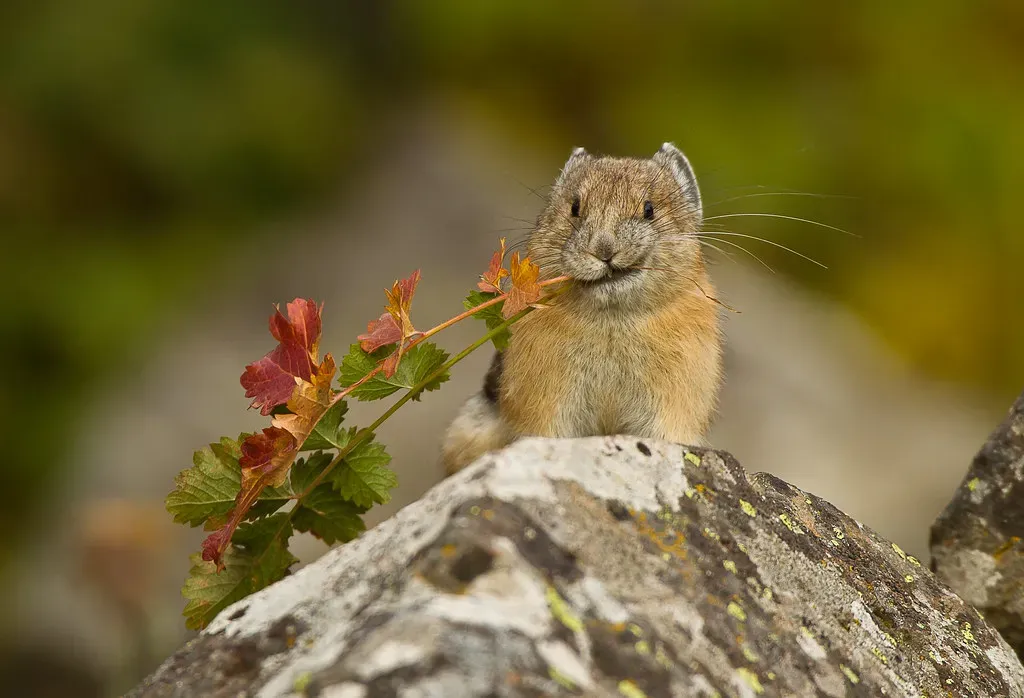
However, their ability to migrate in response to climate change is limited, as their current habitat is confined to small, isolated “islands” of alpine talus across mountain ranges. Unlike birds or larger mammals that can travel long distances to find suitable habitat, pikas are essentially trapped on their mountain peaks.
Unfortunately, the unique traits that allow pikas to survive the extreme alpine winters they face in Colorado and elsewhere aren’t well-suited to warming temperatures. As temperatures rise, pikas are forced to move to higher elevations to find cool enough conditions. The problem is, eventually you run out of mountain. In Colorado’s Rocky Mountain National Park, researchers found that pikas could be effectively gone from the park by 2100 if climate change continues unabated.
There’s some debate among scientists about just how dire the situation is. Some research suggests pikas are more resilient than previously thought, adapting by becoming more nocturnal and using behavioral strategies to cope with heat. Others point to widespread population declines and disappearances from lower-elevation sites as evidence that time is running out. What’s certain is that pikas represent a species at a crossroads, their future intertwined with the choices we make about our planet’s climate.
Conclusion
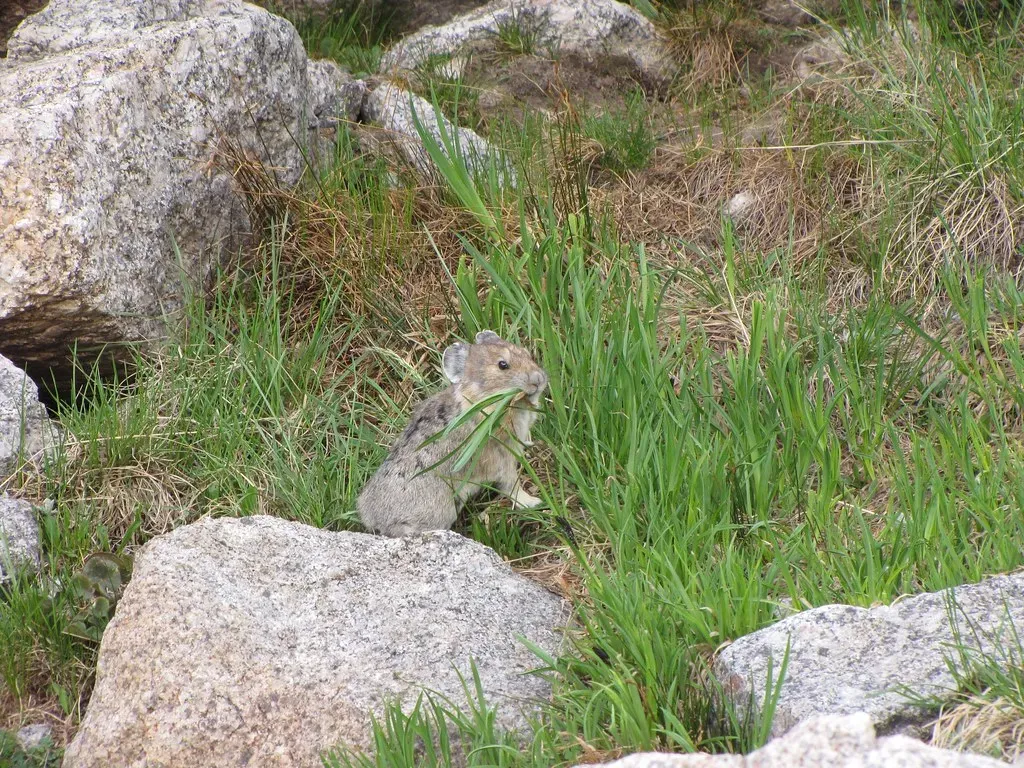
The American pika stands as a testament to nature’s ingenuity and adaptability. These tiny alpine dwellers have perfected life in one of Earth’s most challenging environments, surviving brutal winters without hibernation and making thousands of foraging trips to secure their survival. Their high-pitched calls echo across Colorado’s boulder fields, signaling a presence that has endured for thousands of years.
Yet their remarkable adaptations may ultimately prove to be their vulnerability. As temperatures climb and their cool mountain refuges shrink, pikas face an uncertain future. Whether they can adapt quickly enough to a rapidly changing climate remains one of the most pressing conservation questions in the Rocky Mountains.
Next time you’re hiking above treeline and hear that distinctive squeak, take a moment to search the rocks for its source. You might just spot one of these incredible survivors, mouth full of wildflowers, working tirelessly to prepare for winter. What do you think about the pika’s chances in our warming world? Share your thoughts in the comments.
