
Have you ever wondered which ancient civilization would have been your true home? Maybe you’re flipping through history books and feeling an inexplicable pull toward certain cultures, certain architectural marvels, certain ways of life that feel weirdly familiar. Here’s the thing: it might not be random at all.
Astrology has been guiding humanity for thousands of years, linking celestial patterns to earthly experiences. The same stars that once hung over Babylon, Athens, and Alexandria still shine above us today, unchanged and eternal. Your zodiac sign carries distinct personality traits, desires, and values that align remarkably well with specific ancient cities and their unique characteristics.
Think about it this way. Each ancient metropolis had its own personality, its own energy, its own way of approaching life, power, creativity, and community. Some cities thrived on intellectual pursuits while others celebrated military might or artistic expression. Honestly, the parallels between zodiac traits and historical urban centers are kind of uncanny when you dig into them.
So let’s embark on a journey through time and the cosmos. We’re about to match your astrological DNA with the ancient cities that would have felt like home. Be surprised by what the stars reveal about your true historical habitat.
Aries: The Warrior Spirit of Sparta
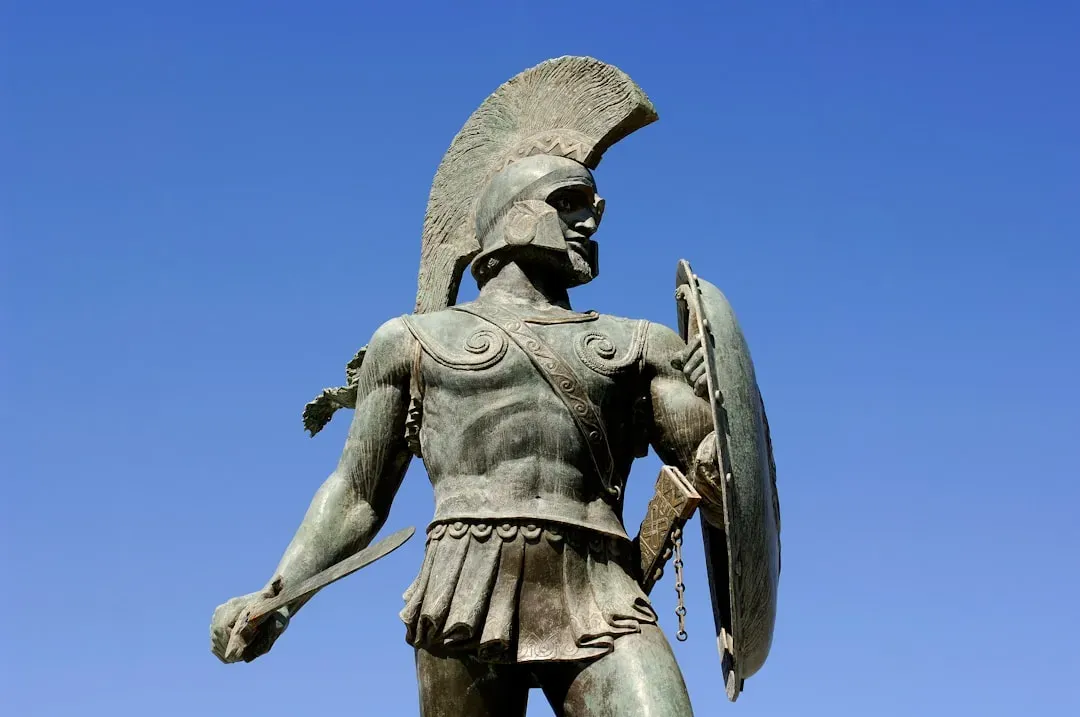
If you’re an Aries, there’s only one ancient city tough enough to contain your fierce energy: Sparta. This Greek city-state wasn’t interested in pretty facades or philosophical debates. They wanted discipline, courage, and raw physical prowess. Sound familiar?
Aries begins the zodiacal year as a cardinal sign, known for being vivacious, enthusiastic, and impulsive, with an intense call-to-action. Spartans embodied these exact qualities, training from childhood to become legendary warriors. Boys left home at age seven to enter rigorous military training. Girls trained too, preparing to become strong mothers of future soldiers.
The city itself was austere, functional, almost brutally simple. No grand temples or elaborate markets cluttered Sparta. Everything served a purpose. Resources went toward military superiority, not decoration. This no-nonsense approach mirrors the Aries tendency to cut through complexity and get straight to the point.
Competition defined daily life in ancient Sparta. Athletic contests, military drills, tests of endurance. The entire culture celebrated winning, being first, conquering obstacles. For an Aries who thrives on challenge and hates coming in second place, Sparta would have been paradise. Every day brought new opportunities to prove yourself, to lead from the front, to be number one.
Warriors returned home from battle bearing their shields or carried upon them. That level of commitment to courage, that refusal to retreat or surrender, that’s pure Aries energy bottled into a city-state. Sparta didn’t just accept your competitive fire. It demanded it.
Taurus: The Luxurious Gardens of Babylon
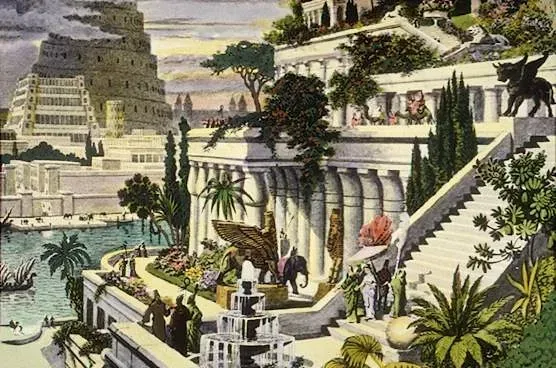
Babylon is one of history’s most well-known ancient cities due to its appearance in both Christian and Jewish religious literature and also due to its having been a supposed home to the Hanging Gardens of Babylon. For Taurus, this legendary city represents everything you value: beauty, stability, and sensory pleasure.
Picture yourself in ancient Babylon under Nebuchadnezzar II’s reign. The city was ringed three times with walls forty feet high and so thick that chariot races were held atop them, and the walls of Babylon appeared on some writer’s lists among the Seven Wonders of the Ancient World. That’s the kind of lasting, solid construction that speaks to Taurus souls.
The supposed Hanging Gardens, whether myth or reality, perfectly capture Taurus energy. Terraced gardens dripping with exotic plants, water flowing through ingenious irrigation systems, fragrant flowers perfuming the air. Every physical sense engaged in pure delight. This wasn’t just gardening. It was luxury made tangible.
Babylon prospered through agriculture and trade, accumulating wealth that funded spectacular architecture and artistic endeavors. The city valued what could be touched, tasted, seen, and possessed. Material success wasn’t considered shallow but rather a sign of divine favor and human achievement.
Taurus is always counted on for great taste and pleasurable pastimes, with an ability to weather any storm through thick and thin. Babylon’s resilience through centuries of conquest and rebuilding mirrors that stubborn Taurean determination. The city repeatedly rose from destruction, rebuilt itself, and endured. That’s your sign’s superpower right there.
Gemini: The Intellectual Marketplace of Athens
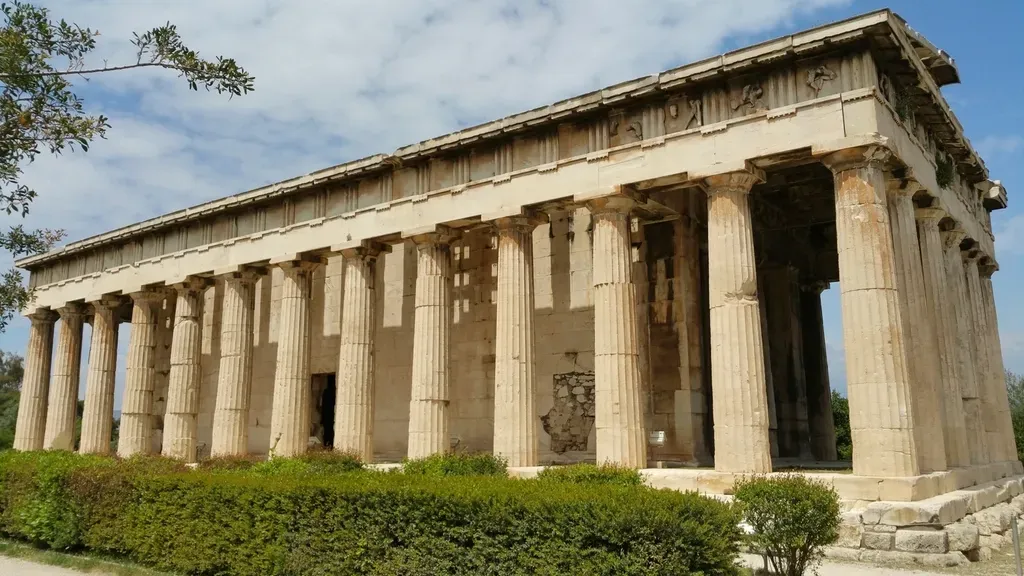
Athens and Gemini? It’s almost too perfect. Greek city-states reached great levels of prosperity that resulted in an unprecedented cultural boom, expressed in architecture, drama, science, mathematics and philosophy, and nurtured in Athens under a democratic government. This was the birthplace of Western intellectual tradition, where ideas flowed as freely as wine at symposiums.
Gemini is typically concerned with learning as much as possible from its peers, and Gemini’s intelligent duality implies that Gemini’s mercurial mind considers all perspectives. In Athens, you could spend mornings debating philosophy in the Agora, afternoons attending theatrical performances, evenings discussing astronomy with scholars. Every day brought intellectual variety.
The Athenian marketplace wasn’t just commercial. It was the social and intellectual heart of the city where citizens gathered to exchange goods, gossip, political views, and philosophical theories. Information spread rapidly through this network of conversations. For a Gemini who lives for communication and connection, the Agora would have been your natural habitat.
Athens celebrated versatility and mental agility. The same person might be a soldier, politician, philosopher, and playwright. Socrates questioned everything, Plato pondered ideal forms, Aristotle categorized the natural world. Meanwhile, playwrights like Sophocles and Aristophanes explored human nature through drama and comedy. Multiple perspectives weren’t just tolerated but encouraged.
Democracy itself required constant debate and discussion. Citizens needed to articulate arguments, consider opposing viewpoints, and adapt their positions. The entire political system was built around the exchange of ideas. Honestly, Athens practically invented the art of the productive argument, and Geminis would have absolutely thrived in that environment.
Cancer: The Nurturing Banks of Thebes, Egypt
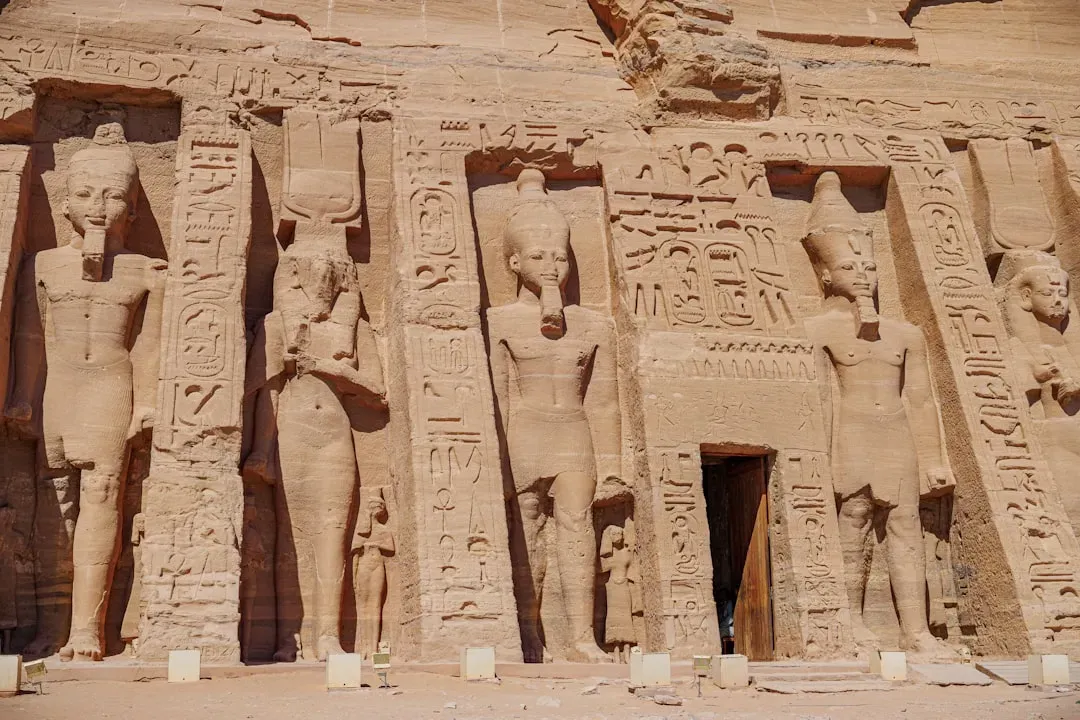
Thebes replaced Memphis as the capital of ancient Egypt during most of the Middle Kingdom and New Kingdom, important since early times as the city of the god Amun, when a Theban aristocrat named Mentuhotep II took power around 2055 BCE. This city embodied the protective, tradition-honoring qualities that define Cancer.
Thebes was fundamentally about legacy and lineage. Pharaohs built massive temple complexes to honor both gods and ancestors, creating monuments meant to last for eternity. This deep reverence for the past and concern for future generations perfectly captures Cancer’s emotional connection to family and history.
The city’s relationship with the Nile River mirrors Cancer’s connection to water. The river’s annual floods brought life-giving nutrients to the surrounding farmland, sustaining communities through natural cycles. This rhythm of ebb and flow, nurturing and renewal, speaks to Cancer’s intuitive understanding of emotional tides.
Cancers are deeply emotional and have an intuitive understanding of what their loved ones need, checking in regularly, remembering small details, and creating warm, safe spaces for those they care about. Thebes functioned as a spiritual home for all Egyptians, a sacred center where people felt connected to something larger than themselves.
Family tombs in Thebes weren’t morbid but rather expressions of enduring love and connection. Elaborate burial preparations, offerings left for the deceased, beautiful artwork depicting family members reunited in the afterlife. Every detail demonstrated that relationships transcended death itself, continuing forever. For emotionally deep Cancer, this resonates profoundly.
The massive Temple of Karnak grew over centuries as successive rulers added their own contributions, each generation building upon the work of their ancestors. That’s Cancer energy in architectural form: honoring the past while creating something meaningful for future generations.
Leo: The Glorious Stage of Rome
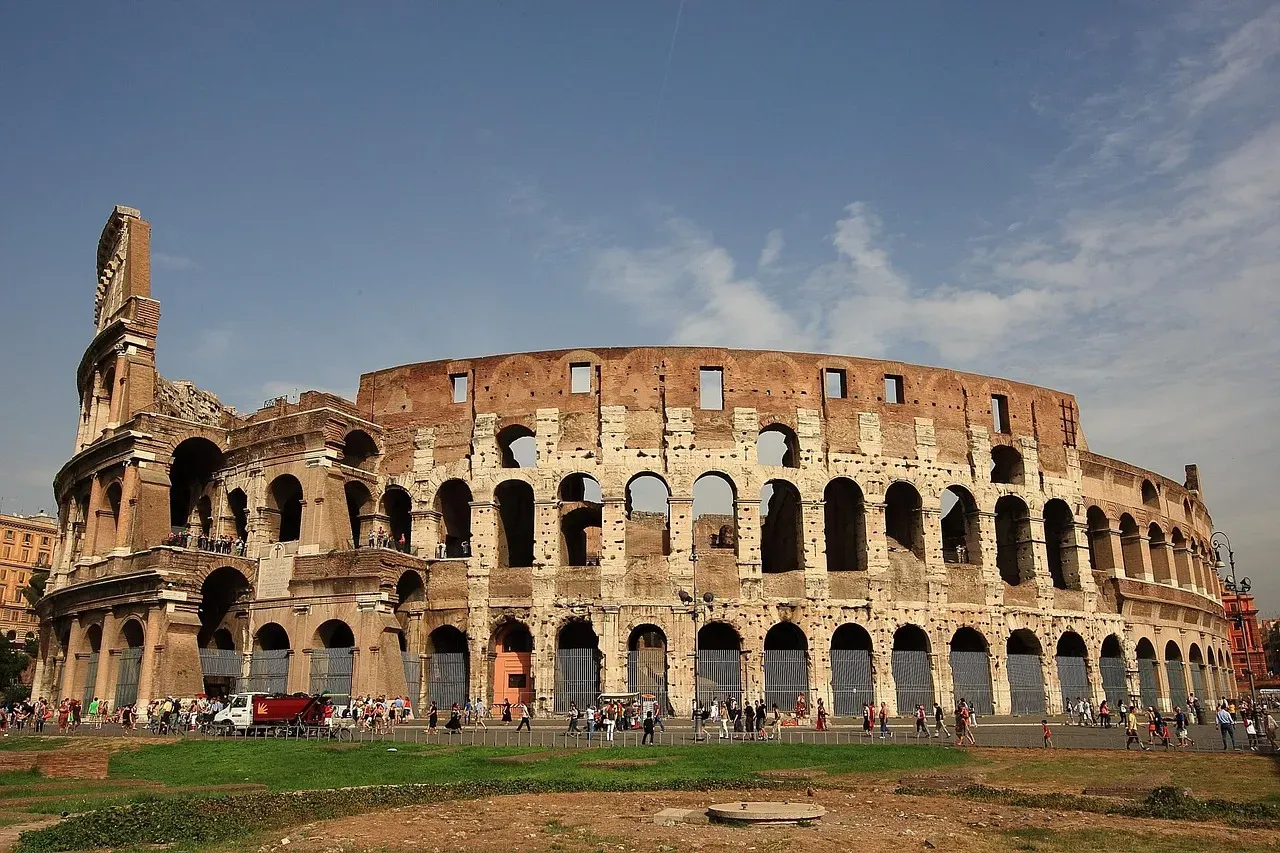
Rome is arguably the most famous of all ancient cities, founded in the 8th century BCE and gradually expanding across the Seven Hills of Rome. For Leo, Rome represents the ultimate stage where your natural charisma and leadership abilities could truly shine.
Everything about Rome was designed for spectacle and grandeur. Gladiatorial contests were held in the iconic Colosseum, while 150,000 spectators could enjoy chariot racing at the Circus Maximus. This was entertainment on a massive scale, public performances where heroes were made and legends were born. Leos would have eaten this up.
Roman generals celebrated military victories with elaborate triumphs, parading through the streets while crowds cheered and threw flowers. The honored general rode in a golden chariot, dressed in purple and gold, wearing a laurel crown. It was pure theatrical glory, and Rome understood that great leaders deserved great recognition. Your Leo heart is probably racing just reading about it.
The city’s architecture itself made bold statements. Massive columns, sweeping arches, intricate mosaics, stunning frescoes. Romans didn’t do subtle. They built structures meant to inspire awe and demonstrate power. The Pantheon’s dome was an engineering marvel that wouldn’t be surpassed for over a thousand years.
Leadership came naturally to Romans, who created complex systems of governance, law, and administration that shaped Western civilization. Guided by the Senate, Rome expanded its territory for nearly 500 years before becoming an empire under the first emperor Augustus. This combination of organizational skill and personal magnetism perfectly matches Leo’s ability to command respect while genuinely caring about their subjects.
Rome celebrated individual achievement while fostering collective pride. Citizens felt genuinely honored to be Roman, connected to something magnificent and eternal. That’s the Leo gift: making everyone around you feel part of something special while you naturally occupy the central, radiant position.
Virgo: The Sacred Order of Memphis
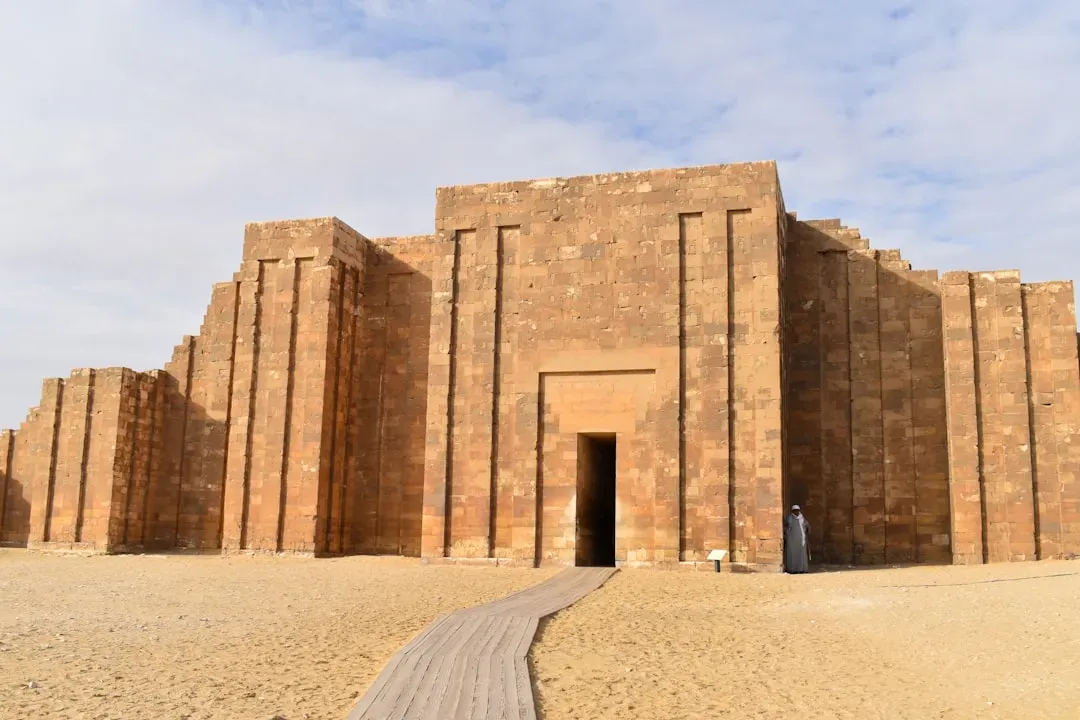
Memphis was the capital of the Old Kingdom where pharaohs built their pyramids, founded around 3100 BCE by Menes to rule the newly unified Upper and Lower Egypt. This meticulously planned city speaks directly to Virgo’s love of organization, purpose, and practical service.
Memphis wasn’t built randomly but carefully positioned where the Nile River opens into the Delta, controlling trade routes and agricultural resources. Every decision had strategic reasoning behind it. The city’s layout reflected careful planning and attention to geographical advantages. This practical, analytical approach is quintessentially Virgo.
The god of Memphis was Ptah, who was thought to be the god of artisans and craftspeople. Here was a city that honored skilled work, craftsmanship, and the dignity of labor. Virgo’s ruling planet Mercury governs communication and detailed work, making Memphis’s celebration of artisans particularly fitting.
The pyramids near Memphis represent Virgo’s perfectionist tendencies taken to their logical extreme. These structures required incredible mathematical precision, careful planning, and painstaking execution. Every stone had to be cut exactly right, placed precisely, aligned perfectly. No detail was too small to matter.
Virgos thrive when serving something greater than themselves, and Memphis functioned as the administrative and religious heart of a vast civilization. Scribes kept meticulous records, priests performed daily rituals with exact precision, and craftspeople created objects of lasting beauty and utility. Everyone had a role, a function, a way to contribute to the greater order.
The city’s longevity demonstrates Virgo’s ability to create systems that endure. Although superseded as capital during the First Intermediate Period, Memphis remained important throughout Egyptian history, and when razed by Assyrians in 671 BCE, the city was rapidly rebuilt due to its religious importance. That’s practical Virgo resilience right there.
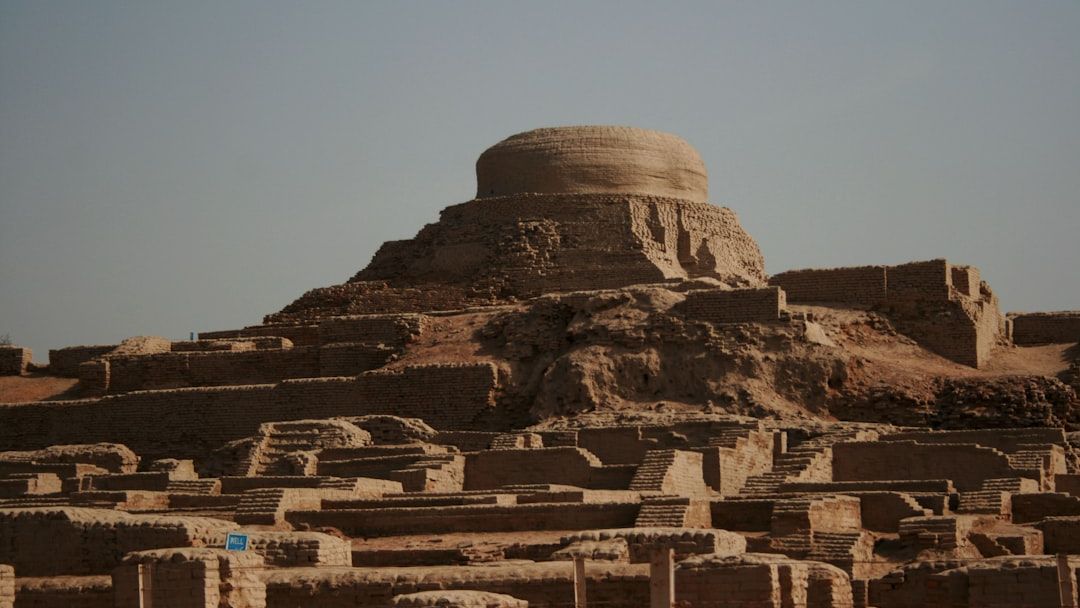
Libra: The Harmonious Communities of the Indus Valley
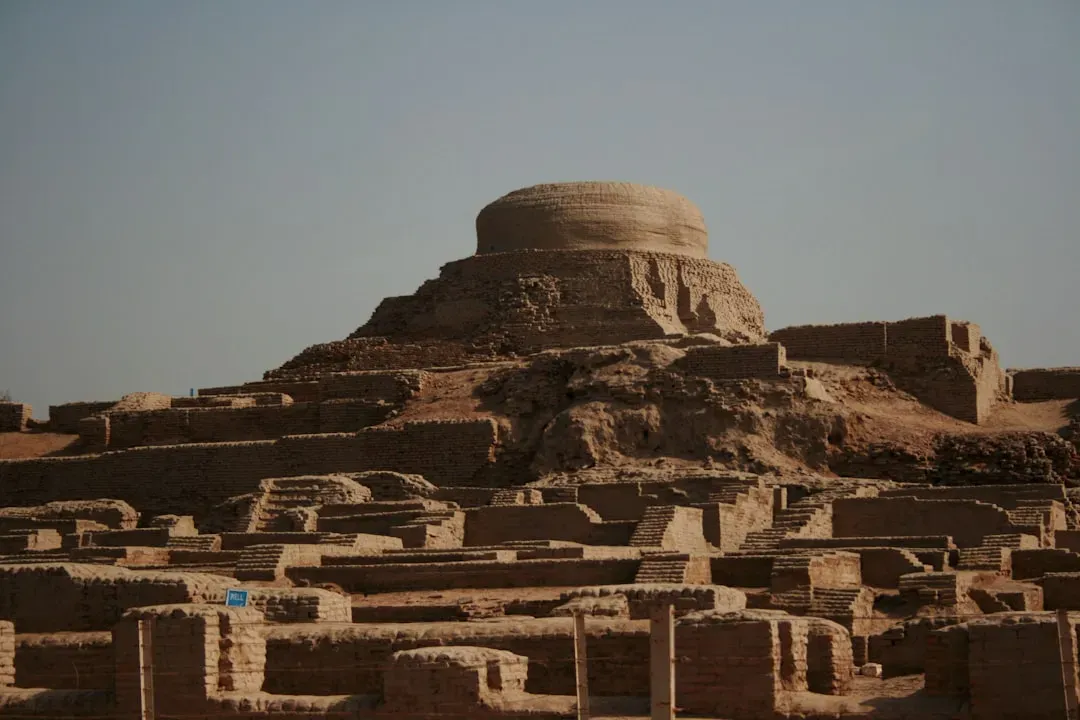
The well-planned cities of the Indus Valley formed a civilization larger than Egypt, unique among ancient civilizations in that archaeologists have found no evidence that they were ruled by hierarchical figures such as priests or kings, with no evidence these ancient peoples used weapons or needed armies. For Libra, this sounds like paradise.
These Bronze Age cities flourished in what’s now Pakistan, Afghanistan, and India, built on principles of balance, equality, and peaceful cooperation. This all aligns perfectly with Libra’s endless quest for balance and harmony. Imagine living where social equity wasn’t a radical idea but simply how society functioned.
The urban planning demonstrates Libra’s aesthetic sensibilities and love of order. Streets laid out in precise grids, sophisticated drainage systems, standardized brick sizes, public baths available to all citizens. Everything was designed with both beauty and function in mind. The cities weren’t just organized but genuinely pleasant to inhabit.
Trade flourished without military conquest or domination. The Indus Valley civilization exchanged goods with Mesopotamia and other regions through peaceful commerce based on mutual benefit. This diplomatic approach to international relations perfectly captures Libra’s ability to create win-win situations and maintain harmonious relationships.
Libra is characterized by rationality, diplomacy, and good aesthetic tastes. The archaeological evidence from these cities shows sophisticated artistic traditions, careful attention to public spaces, and what appears to be remarkably egalitarian social structures. No massive palaces overshadowed humble dwellings. No fortifications suggested constant warfare.
The mystery surrounding these cities adds to their allure. We don’t know exactly how they governed themselves or why they eventually declined. What we do know is they created something remarkable: large, prosperous urban centers that functioned without apparent coercion or violence. That’s the Libran ideal made manifest in ancient bricks and mortar.
Scorpio: The Mysterious Depths of Mayan Cities
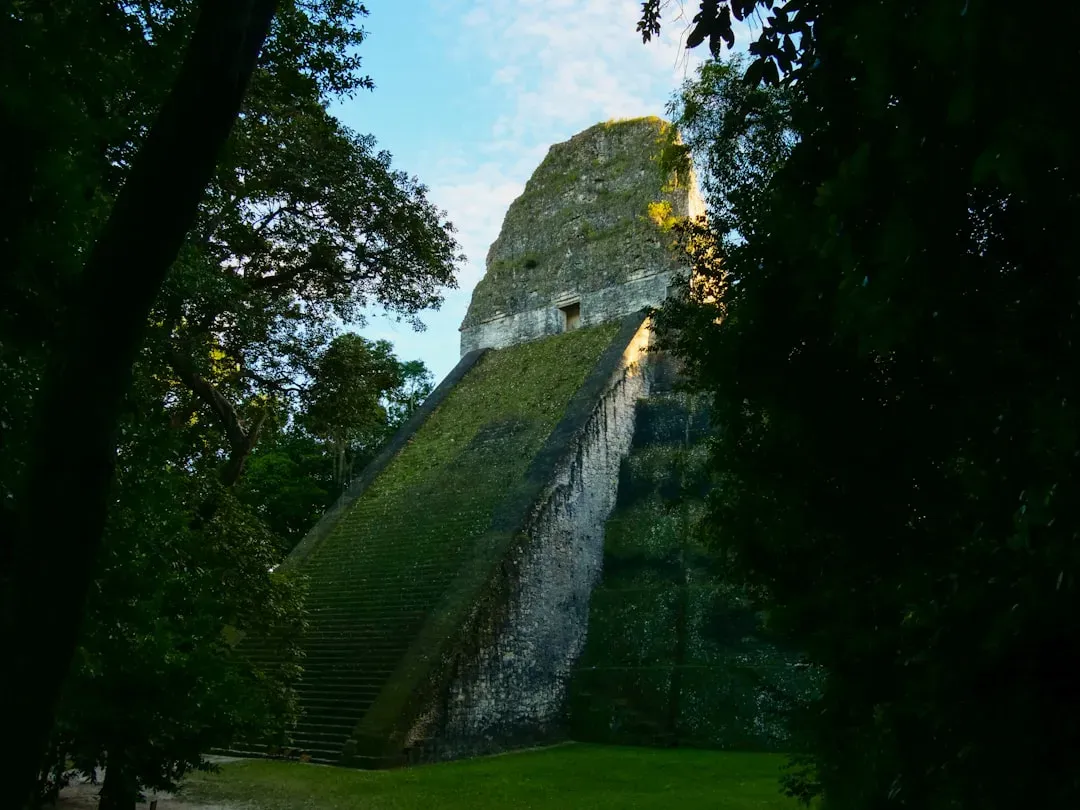
Scorpio is the sign most closely entwined with mystery and darkness, so what better ancient culture to symbolize you than the Mayans of what is now eastern Mexico, where to ancient Mayans, death was merely a rite of passage into another life. This fearless approach to life’s deepest mysteries perfectly captures Scorpio intensity.
Mayan cities like Tikal, Chichen Itza, and Palenque rose from dense jungle, their pyramids piercing the forest canopy. These weren’t merely administrative centers but sacred spaces where priests studied celestial movements and performed elaborate rituals. The integration of physical and spiritual realms speaks to Scorpio’s understanding that reality extends beyond surface appearances.
Mayan astrology was about the organization of time which they recorded in great detail, creating the most accurate of ancient calendars by combining a 260-day ritual calendar with a 365-day solar calendar which gave them the power to predict astronomical phenomena such as eclipses and comets. This deep knowledge of hidden patterns and cosmic rhythms aligns with Scorpio’s investigative nature.
Mayan culture didn’t shy away from life’s darker aspects. Their artwork and writings addressed death, sacrifice, bloodletting, and transformation with unflinching honesty. This willingness to confront difficult truths and explore taboo subjects mirrors Scorpio’s comfort with intensity and shadow work.
The cities themselves hold secrets still being uncovered. Hidden chambers, undeciphered glyphs, architectural alignments with astronomical events. Modern archaeologists continue discovering new structures beneath jungle vegetation. There’s something deeply Scorpionic about cities that refuse to reveal all their mysteries at once, demanding patience and dedication from those seeking understanding.
Scorpios understand that true power often operates beneath the surface, unseen but profoundly influential. The Mayans mastered this principle, creating sophisticated mathematical systems, astronomical calculations, and architectural achievements that still astound modern experts. They transformed, adapted, and endured through centuries of environmental and social challenges. That’s Scorpio resilience embodied in limestone and jungle vines.
Sagittarius: The Expansive Empire of Persia
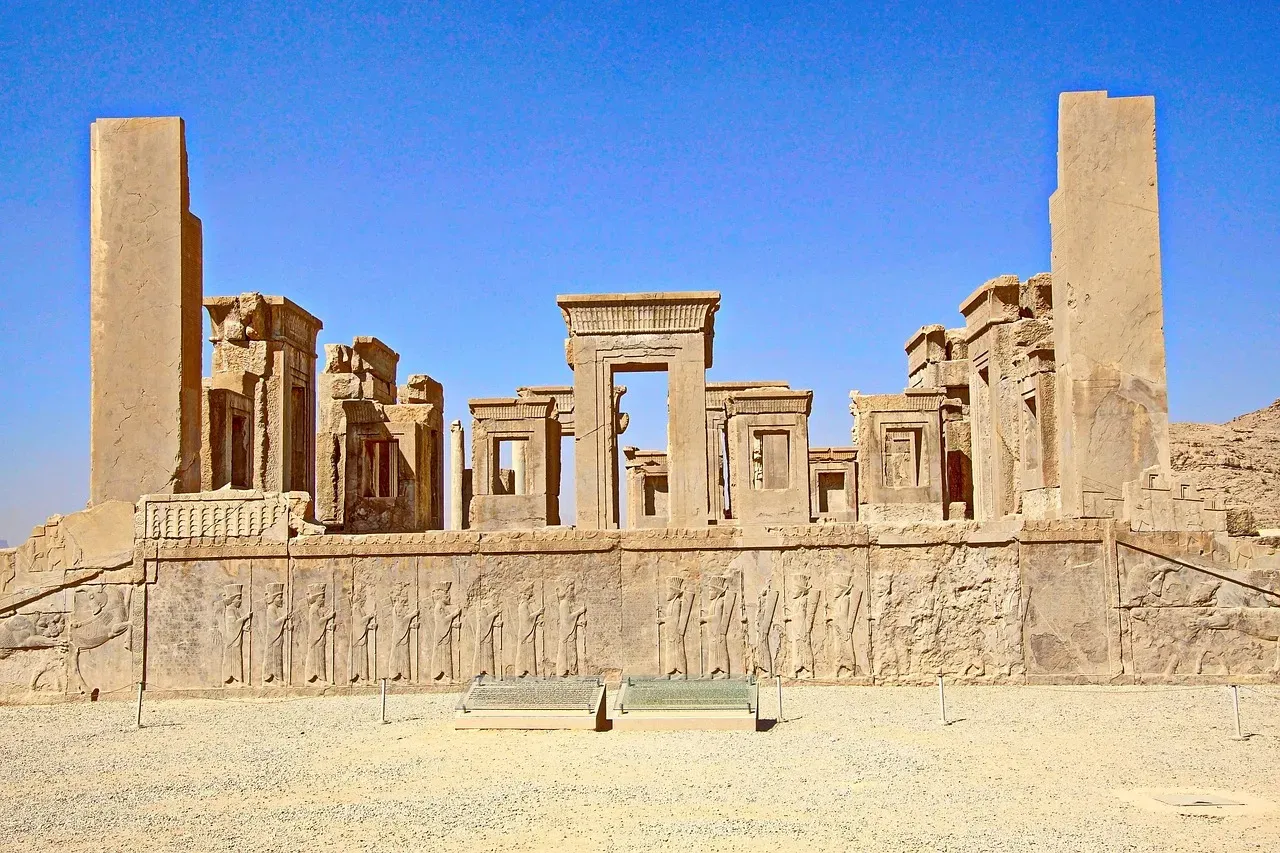
Sagittarius is the sign most closely aligned with curiosity, exploration, and a pioneering spirit, so the great Persian Empire, one of history’s most powerful and extensive, most closely mirrors your soul, and during its height, the Persian Empire stretched from the Indus Valley in the east all the way to Egypt in the West. This vast reach captures Sagittarius’s hunger for horizons.
Cyrus the Great, Persia’s most famous emperor, envisioned a culture where citizens could live, think, and worship as they pleased without fear of persecution, and ancient Persians were entirely tolerant of other religions. This philosophical openness and respect for diverse perspectives perfectly embodies Sagittarian values.
The Royal Road connected distant parts of the empire, facilitating trade, communication, and cultural exchange. Travelers could journey from Sardis to Susa, encountering different languages, customs, and ideas along the way. For adventure-loving Sagittarius, this interconnected world offered endless opportunities for exploration and learning.
Persian cities like Persepolis demonstrated architectural grandeur and cultural sophistication. The city was founded in 518 BC by Darius I, ruler of ancient Persia’s Achaemenian Empire, and grew in grandeur until Alexander the Great sacked it two centuries later. Even in ruins, the site still inspires awe with its massive stone columns and intricate bas-reliefs.
Sagittarius thrives on freedom of movement, thought, and expression. The Persian Empire, despite its military power, generally allowed conquered peoples to maintain their own customs, religions, and local governance. This relatively enlightened approach to imperial administration reflects Sagittarian belief in personal liberty and cultural diversity.
The empire’s eventual downfall demonstrates a Sagittarian weakness too: sometimes optimism and expansiveness aren’t enough. The archer shoots the arrow into the far distance, not knowing where it will land, and this is part of the excitement of life for Sagittarius, since you identify yourself as a citizen of the world and long to see all that it has to offer. Persia reached too far, ultimately fragmenting under its own vastness. Still, what a glorious reach it was.
Capricorn: The Disciplined Order of Constantinople
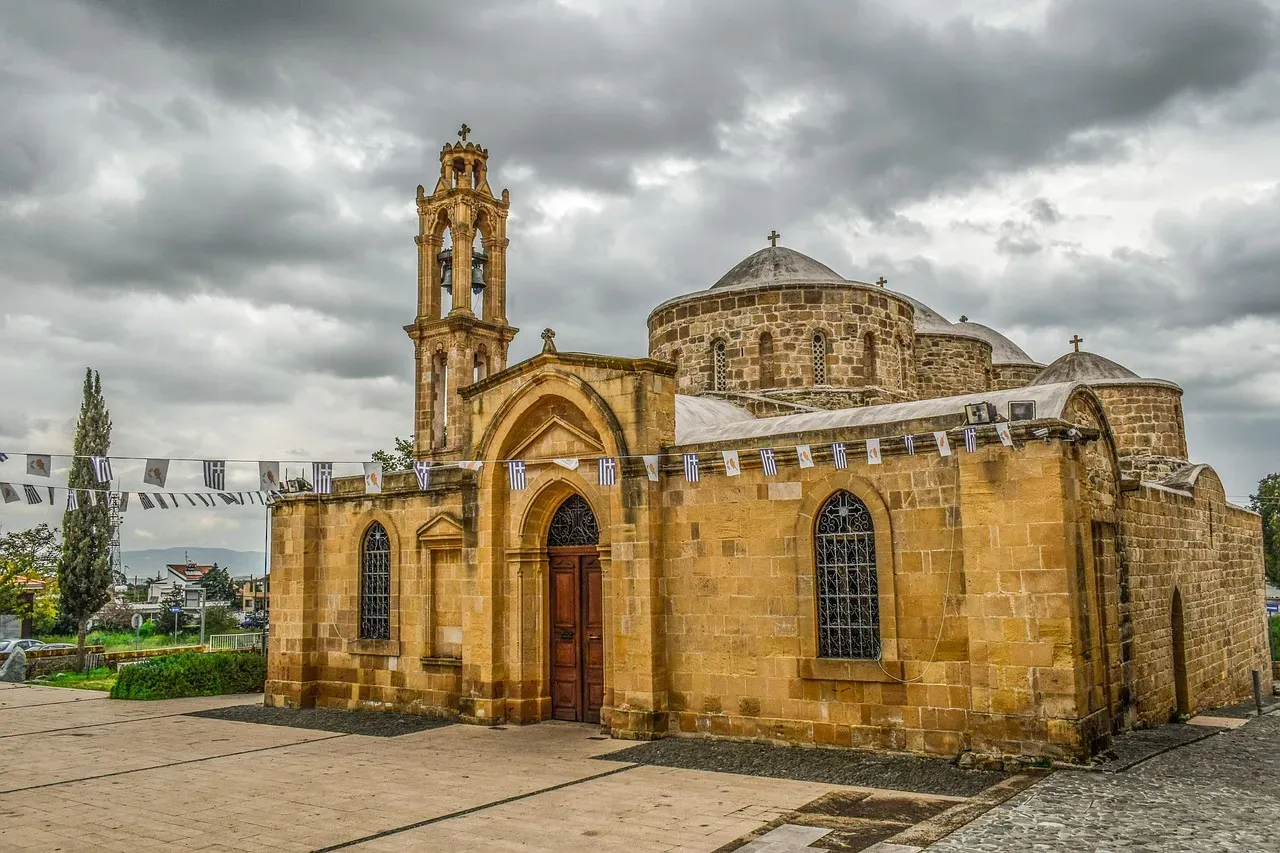
Constantinople represents Capricorn’s ultimate expression: strategic positioning, enduring influence, and remarkable resilience. Istanbul is still one of the world’s major cities, and over its long history, numerous fires, earthquakes, and invasions devastated and reshaped it. Yet it survived, adapted, and thrived for over a thousand years as the Byzantine capital.
The city’s founder, Constantine the Great, demonstrated quintessentially Capricornian qualities: patience, strategic thinking, and long-term vision. He didn’t just build a new capital. He positioned it at the crossroads of Europe and Asia, controlling vital trade routes and military passages. Every decision served practical, enduring purposes.
Capricorn is the mountain goat, sure-footed in its determined ascent to the summit, and your trajectory is upwards, striving towards accomplishment and a position of respect. Constantinople’s massive defensive walls, sophisticated bureaucracy, and accumulated wealth demonstrated exactly this kind of steady climb to prominence.
The Byzantine administration developed complex hierarchies, carefully defined roles, and elaborate court protocols. While this might seem stuffy to some signs, Capricorn appreciates clear structures and earned authority. You didn’t just stumble into important positions in Constantinople. You worked your way up through demonstrated competence and dedication.
The city preserved Roman legal traditions, Greek philosophical texts, and Christian theological writings throughout centuries when much of Europe descended into chaos. This role as guardian of civilization appeals to Capricorn’s sense of responsibility and tradition. Someone had to maintain standards and preserve knowledge. Constantinople accepted that burden.
Trade, diplomacy, and military strength all required careful management and resource allocation. The city’s thousand-year survival didn’t happen by accident but through consistent, disciplined administration. That’s pure Capricorn energy: understanding that lasting success requires sustained effort, not just momentary brilliance.
Aquarius: The Visionary Center of Alexandria
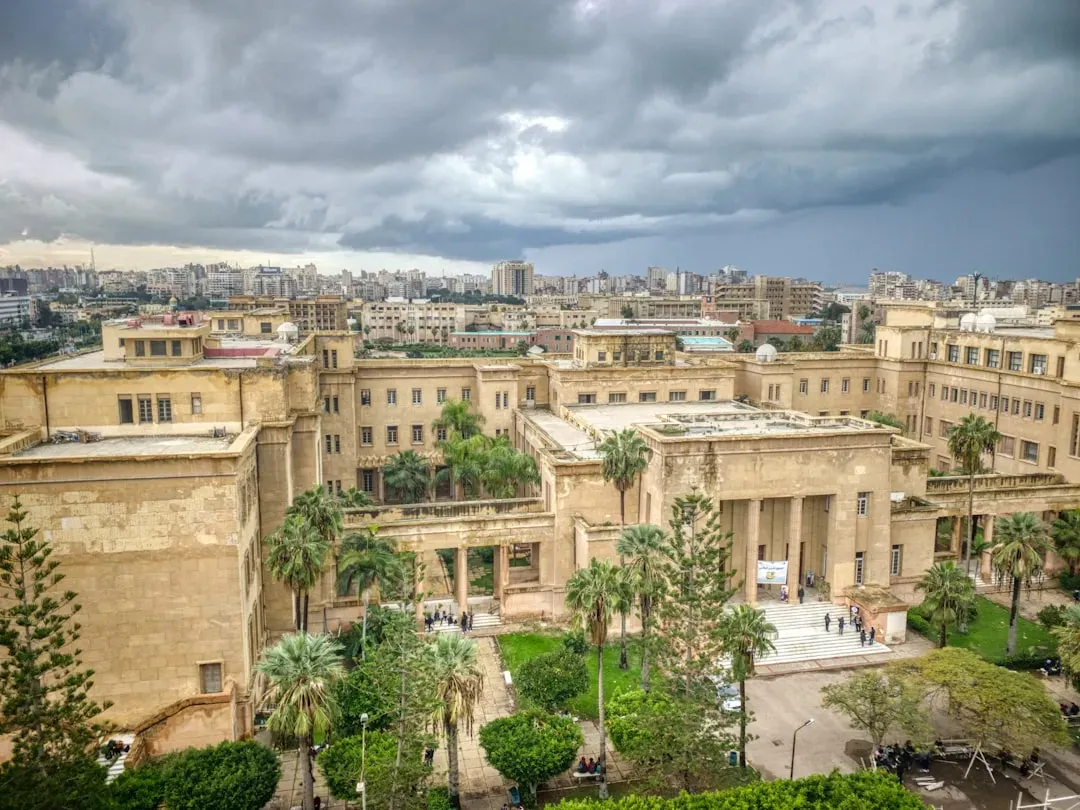
Ancient Alexandria’s peak population of one million people in 100 BC made it one of the ancient world’s largest cities, but more importantly, it became the intellectual and cultural center of the Hellenistic world. For forward-thinking Aquarius, Alexandria represents the perfect blend of innovation and humanitarian ideals.
Alexander the Great commissioned Dinocrates of Rhodes to lay out his new city of Alexandria, the grandest example of idealized urban planning of the ancient Mediterranean world, where the city’s regularity was facilitated by its level site near a mouth of the Nile. This was urban design based on rational principles and innovative ideas, not tradition or accident.
The legendary Library of Alexandria embodied Aquarian values: knowledge should be collected, preserved, and shared for the benefit of all humanity. Scholars from across the known world gathered here to study, debate, and advance human understanding. It wasn’t about individual glory but collective progress.
In Ptolemaic Alexandria, Babylonian astrology was mixed with Egyptian tradition to create Horoscopic astrology, containing the Babylonian zodiac with its system of planetary exaltations along with the Egyptian concept of dividing the zodiac into thirty-six decans and the Greek system of planetary Gods. This cultural synthesis perfectly captures Aquarian ability to integrate diverse ideas into innovative frameworks.
Aquarius follows their own path and embraces their uniqueness, recognizing opportunities that others miss, and while they cherish independence, they also have deep concern for people and significant changes. Alexandria attracted independent thinkers, eccentric philosophers, and visionary scientists who challenged conventional wisdom while serving broader humanitarian goals.
The city’s famous lighthouse, one of the Seven Wonders of the Ancient World, served practical purposes while demonstrating technological innovation. It guided ships safely to harbor, facilitating trade and communication between cultures. That’s quintessentially Aquarian: using ingenuity to benefit the collective, creating something both useful and inspiring.
Pisces: The Sacred Waters of Anuradhapura
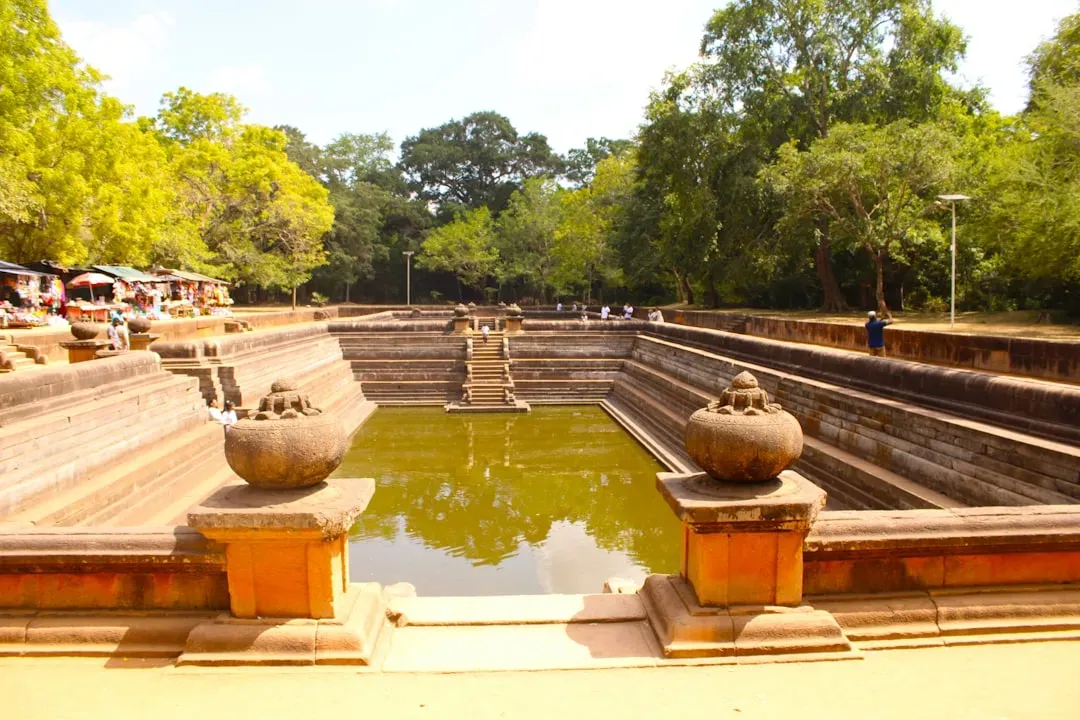
Anuradhapura, the ancient capital of Sri Lanka, offers Pisces everything your watery soul craves: spiritual depth, artistic beauty, and connection to the divine. This city flourished as a Buddhist center for over a thousand years, creating an environment where material and spiritual concerns intertwined seamlessly.
The city’s relationship with water mirrors Pisces’s elemental nature. Elaborate irrigation systems, artificial lakes, and ornate bathing pools weren’t merely practical but sacred. Water symbolized purification, transformation, and the flow of spiritual energy through physical space.
Pisceans are known for their compassionate nature and creative talents, being empathetic, artistic, and intuitive. Anuradhapura’s Buddhist monasteries emphasized compassion for all living beings, meditation practices that developed intuition, and artistic traditions that expressed spiritual truths through beautiful forms.
The city’s sacred Bo tree, believed to be a descendant of the tree under which Buddha achieved enlightenment, captures Pisces’s connection to timeless spiritual realities. This wasn’t just a plant but a living link to transcendent experience, rooted in physical earth yet pointing toward ineffable truth.
Thousands of monks studied, meditated, and served the community in Anuradhapura’s monasteries. This blend of contemplation and service appeals to Pisces’s desire to escape worldly concerns while simultaneously helping others. You could retreat from harsh realities into spiritual practice, then return to serve humanity with renewed compassion.
The city’s art demonstrates Piscean aesthetic sensibilities: graceful sculptures of Buddha, delicate stone carvings, moonstone entrances adorned with symbolic animals. Everything possessed both physical beauty and layers of spiritual meaning, inviting contemplation and imagination.
Soft and dreamy, Pisces has a quality that makes others feel at ease, being incredibly intuitive and often picking up on emotions without needing words, and their imagination serves as both an escape and a gift. Anuradhapura offered exactly this combination: a gentle, spiritually-oriented community where sensitivity was valued and imagination could explore both artistic and mystical dimensions of existence.
Conclusion: Your Ancient Home Awaits
So there you have it. Twelve ancient cities matched to twelve zodiac signs, each pairing revealing something profound about personality, values, and the kinds of environments where different souls truly flourish. It’s hard to say for sure, but there’s something compelling about recognizing your own traits reflected in civilizations that thrived millennia ago.
These connections remind us that human nature hasn’t fundamentally changed despite technological advances and cultural shifts. The same drives, values, and personality patterns that shaped ancient civilizations still influence us today. Aries warriors still seek challenges, Libra diplomats still pursue harmony, Scorpios still probe beneath surfaces, and Sagittarians still hunger for distant horizons.
Let’s be real: you can’t actually time-travel to ancient Babylon or stroll through Alexandria’s legendary library. Those worlds are gone, preserved only in ruins, texts, and imagination. Yet understanding which ancient city resonates with your zodiac sign offers surprising insights into your authentic self and the environments where you naturally thrive.
Maybe you’ve always felt drawn to certain historical periods or cultures without quite understanding why. Your astrological DNA might be calling you home to a place you’ve never visited in this lifetime but somehow recognize at a soul level. The stars that guided ancient navigators and inspired temple architects still wheel overhead, connecting us to those vanished worlds.
Which ancient city spoke to you? Did the match feel right, or did another civilization call to you more strongly? Tell us in the comments what surprised you most about your zodiac’s ancient home.
