
The threads connecting Native American tribes to the fabric of the United States run deeper than most history books reveal. When we think about American identity, we often overlook the profound contributions that Indigenous peoples made to our national character. The Choctaw Nation stands out in this regard, not merely as bystanders in history but as active participants who fundamentally influenced how America fights, communicates, and sees itself.
Consider this for a moment: the language of a tribe from the Southeastern woodlands once baffled German intelligence officers halfway around the world. Or think about how a people forced from their ancestral lands still chose to help strangers across an ocean during their darkest hour. These aren’t footnotes in history. These are stories that reveal something essential about resilience, innovation, and humanity itself. Let’s dive into the remarkable ways the Choctaw shaped the nation that both displaced them and benefitted from their gifts.
America’s First Code Talkers in World War I
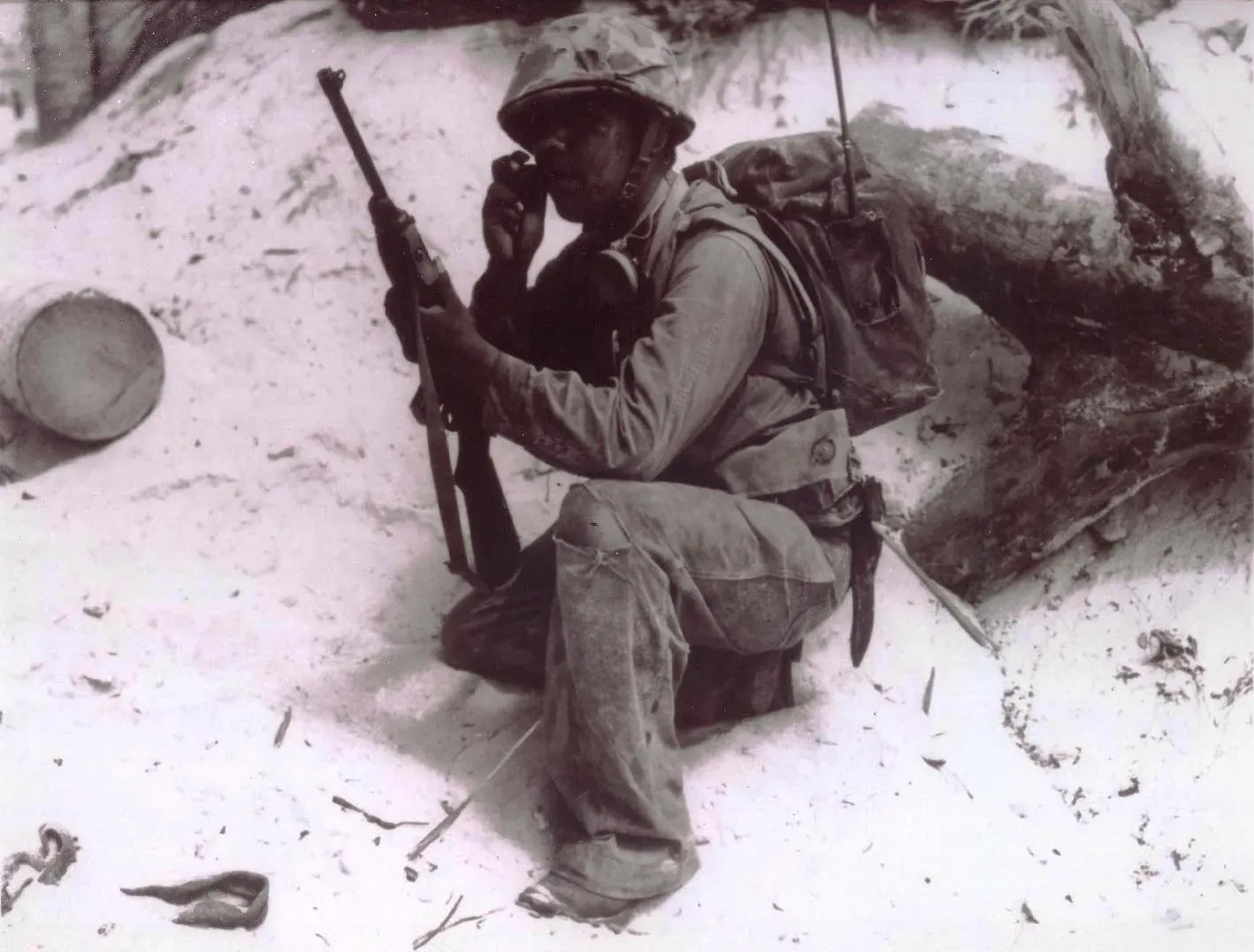
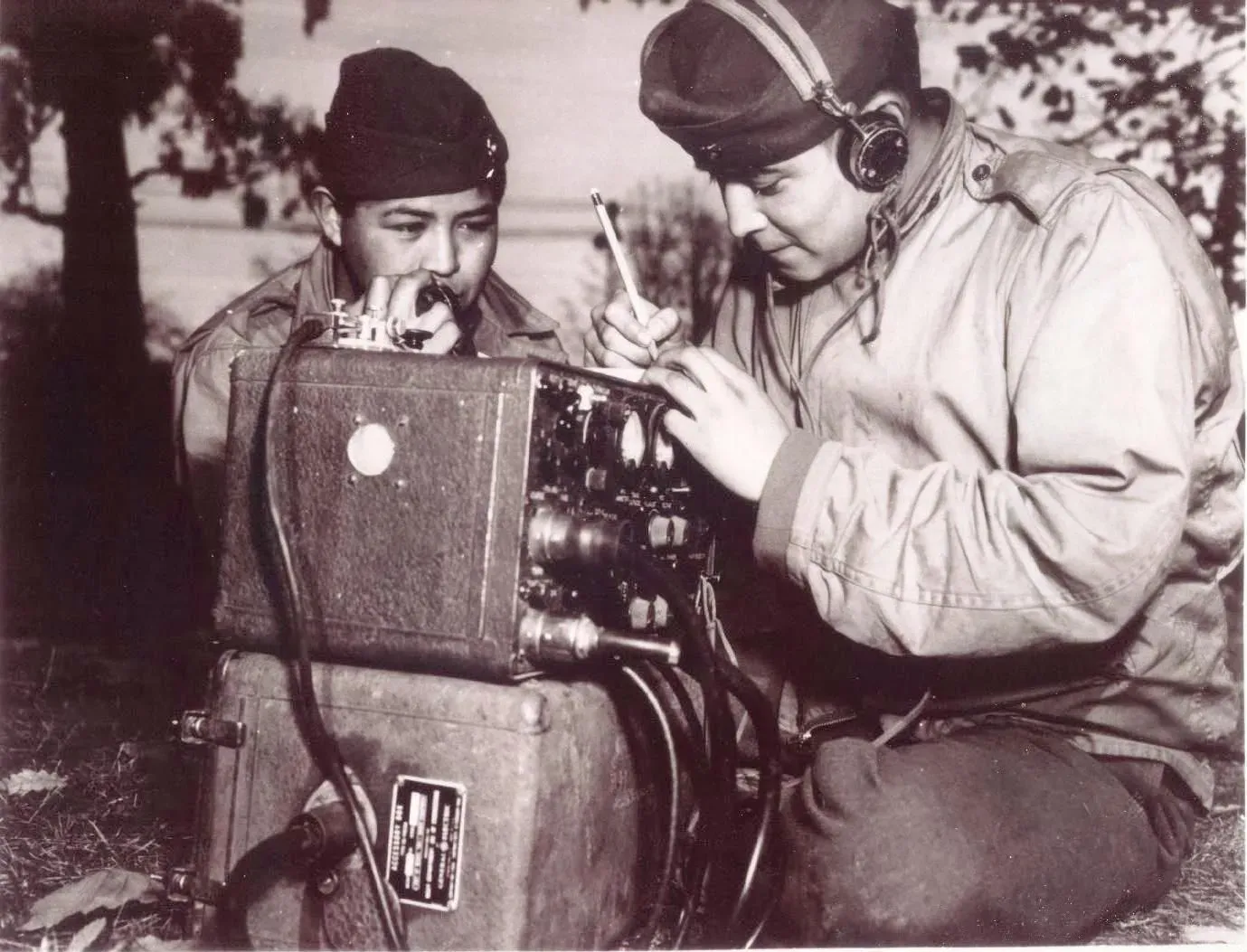
During World War I, Choctaw soldiers served in the US military as some of the first Native American codetalkers, using the Choctaw language, with 19 young Choctaw soldiers being the first to use their native language to confuse the enemy, making a marked difference in the outcome of World War I. Honestly, this changed everything on the battlefield. The German forces proved not only to speak excellent English but also to have intercepted and broken American military codes, so when Colonel Alfred Wainwright Bloor overheard two Choctaw soldiers speaking with each another, he realized he could not understand them, and that if he could not understand them, the same would be true for Germans.
This change enabled the Americans to protect their actions and almost immediately contributed to a turn-around on the Meuse-Argonne front, with captured German officers saying they were baffled by the Choctaw words, which they were completely unable to translate. The Germans were so confused that their entire intelligence operation crumbled. According to historian Joseph Greenspan, the Choctaw language did not have words for many military ideas, so the code-talkers had to invent other terms from their language, such as ‘big gun’ for artillery, ‘little gun shoot fast’ for machine gun, ‘stone’ for grenade and ‘scalps’ for casualties. Historians credit these soldiers with helping bring World War I to a faster conclusion.
Strategic Alliance with the United States in Early Wars
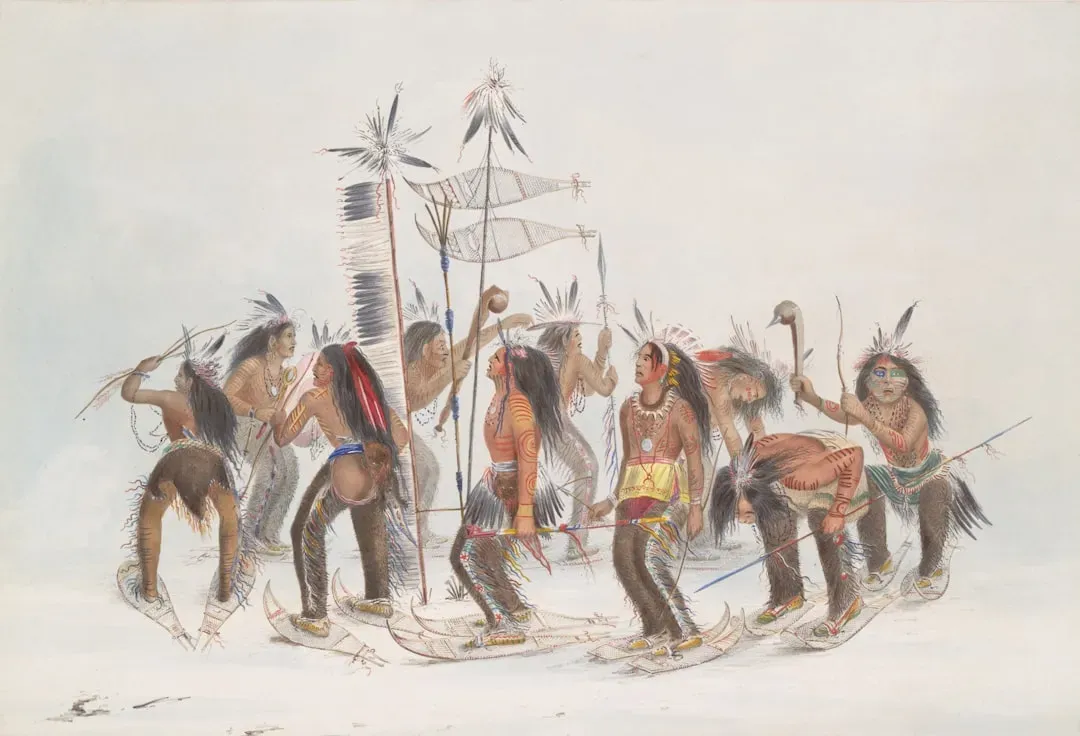
Most Choctaw allied with the Americans during the American Revolution, War of 1812, and the Red Stick War, most notably at the Battle of New Orleans. This wasn’t a passive partnership. John Swanton later wrote, “the Choctaw were never at war with the Americans,” noting that the Nation as a whole was kept out of anti-American alliances by the influence of Apushmataha, greatest of all Choctaw chiefs.
When British forces sought to create Native alliances against the United States, the Choctaw made a different choice. Pushmataha approached U.S general Flournoy offering to form a company of Choctaw warriors to fight for the United States against the Red Sticks, reasoning that with war all around them, young Choctaw men would end up fighting for one side or the other, and he wanted them fighting for the United States. Here’s the thing: even when some of his own nephews were murdered by U.S. citizens, Pushmataha didn’t abandon his support for America. Around 795 Choctaws, including Pushmataha, reported to Fort Montgomery and were mustered in as regular troops, and they fought in the last skirmishes of the Creek War, later continuing with Jackson to New Orleans.
Influence on American Military Tactics and Guerrilla Warfare
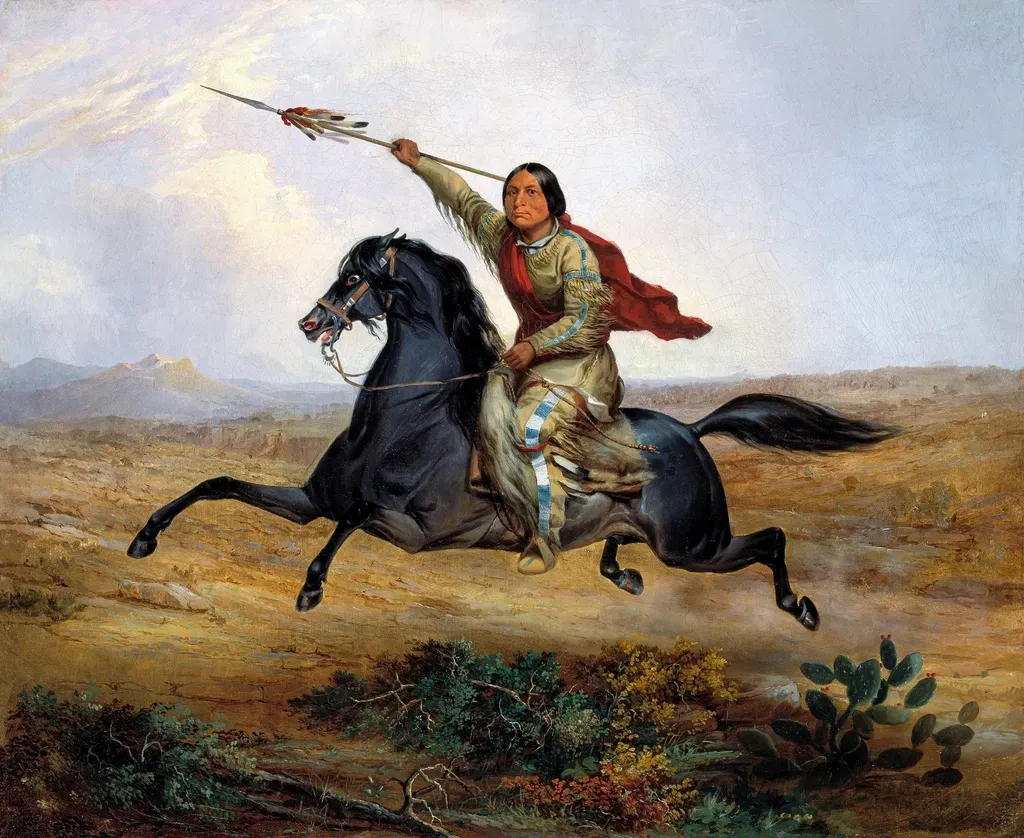
Many of the warfare and battle tactics the service branches use today originated from the Native Americans. It’s hard to say for sure, but the tactical innovations Native warriors brought to American warfare proved transformative. The Indian troop’s first mission was to track down deserters, but Samuel G. Spann was aware of their potential for scouting and use of guerrilla warfare.
When the Mohawks skulked, they hid in the terrain to surprise attack the enemy, along with diversions and ambushes, and skulking was an essential mode of warfare for the forest Indians in the northeastern U.S., which enraged the European officers who viewed it as being against the “rules of war”. Let’s be real, European officers complained about these tactics precisely because they worked so effectively. The overall battle strategy of these Native American leaders focused on preserving the lives of the individual warrior, which represented a radical departure from European mass-formation warfare.
Language Preservation and American Linguistic Heritage
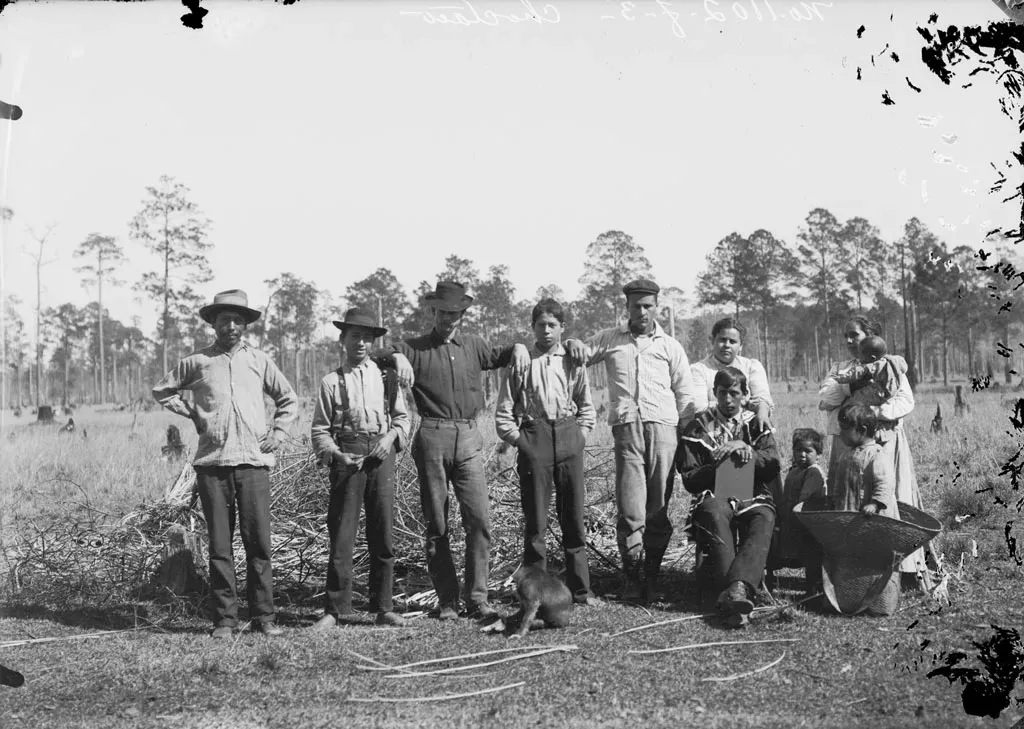
The Choctaw language was well known among the American frontiersmen of the early 19th century. This wasn’t just casual knowledge either. In 1870, a Christian Missionary and fluent Choctaw speaker Cyrus Byington published a Choctaw Dictionary Grammar of the Choctaw Language, creating one of the earliest systematic linguistic studies of any Native American language.
Today, language preservation efforts reveal the depth of Choctaw influence on American identity. After generations of pressured assimilation into US culture, use of the Choctaw language dwindled to just 300 native speakers, putting the tribe’s linguistic heritage at risk and eroding its cultural identity – one of the legal definitions of tribal status and sovereignty. “Our language is not just a means of communication; it is the living spirit of our identity, our stories, our traditions, and our connection to the land and ancestors”. The vast majority of language preservation programs nationwide now model their efforts on Choctaw initiatives.
The Humanitarian Gift That Defined American Generosity
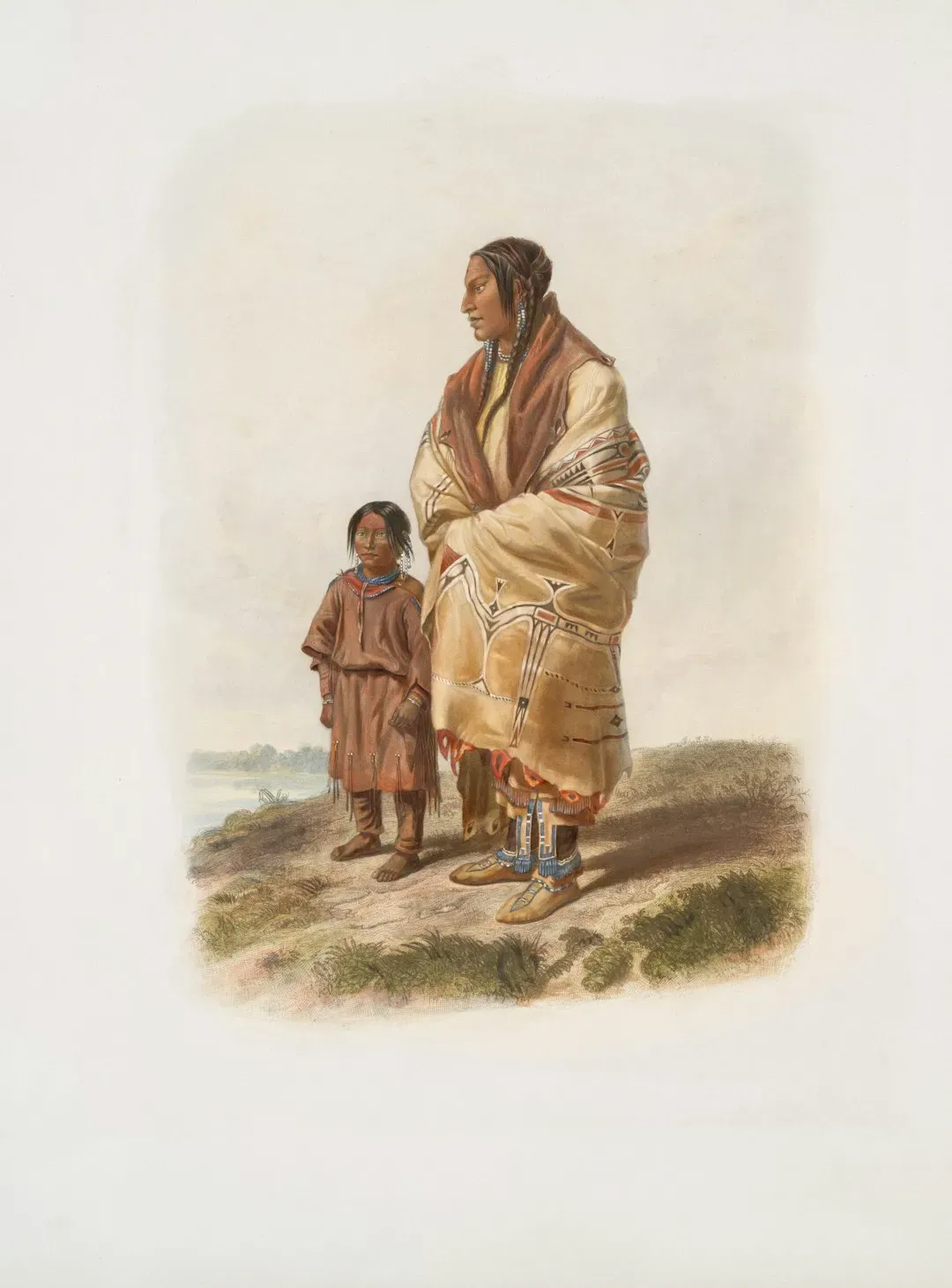
This one gets me every time. In 1847, when the Choctaws had only recently arrived over the ruinous “trail of tears and death” to what is now Oklahoma, they took up a donation and collected over $5,000 (in today’s money) to support the Irish during the Potato Famine, with Choctaw individuals making donations totaling $170, the equivalent of several thousand dollars today.
Think about the timing here. Only 16 years after they began their long, sad march along the Trail of Tears, the Choctaws learned of people starving to death in Ireland, and with great empathy, Choctaw individuals made donations totaling $170 to assist the Irish people during the famine. Though years had passed since the tribe’s forced relocation from Mississippi to Oklahoma, the community remained plagued by poverty, disease and premature death, making it difficult to imagine a people less well-positioned to act philanthropically. Yet they did. This single act redefined what it means to be generous in the face of your own suffering, embedding that principle deep into American charitable identity.
Pioneering Indigenous Citizenship and American Integration
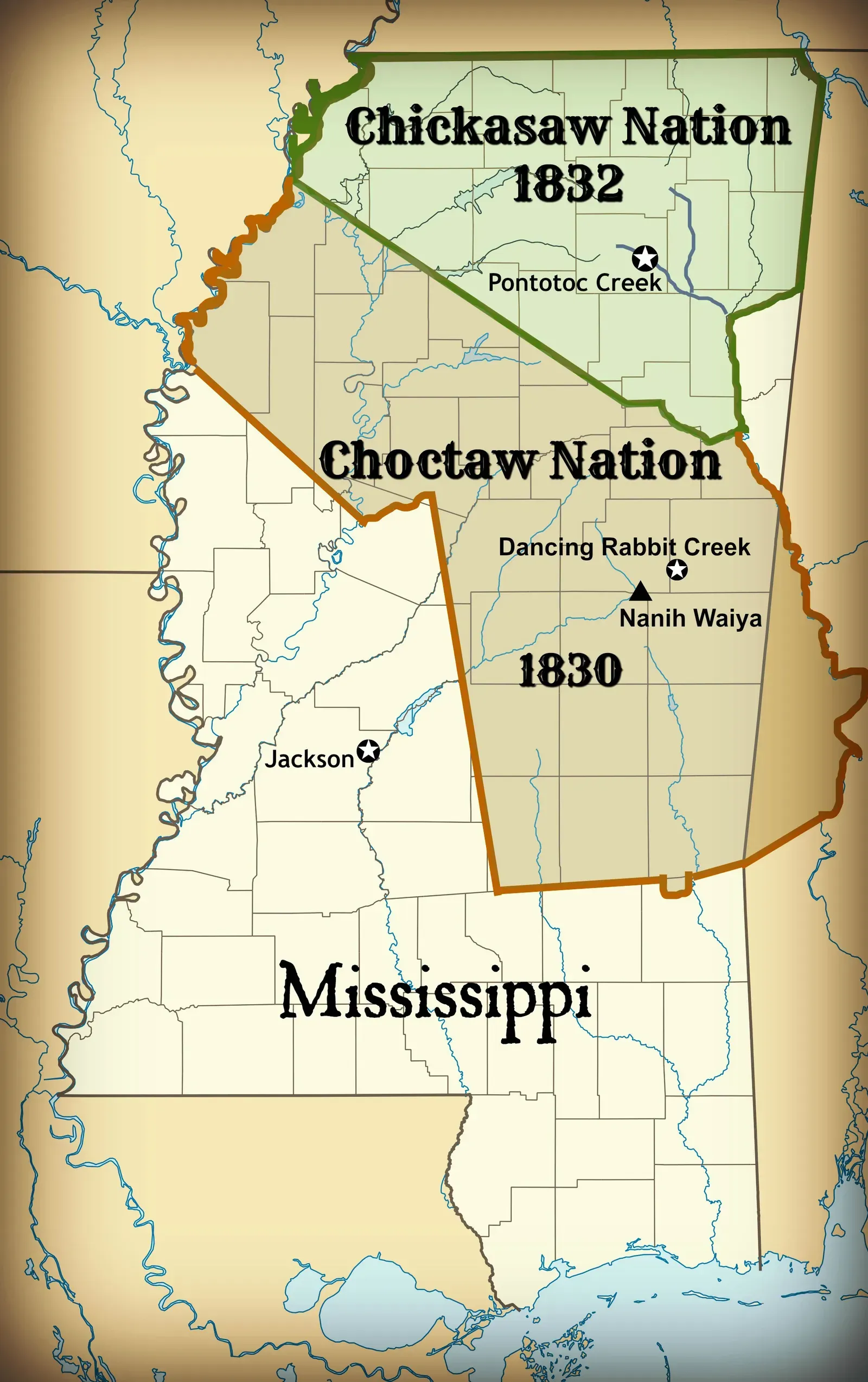
Those Choctaw who chose to stay in the state of Mississippi were considered state and U.S. citizens; they were one of the first major non-European ethnic groups to be granted citizenship. This represented an absolutely groundbreaking moment in American identity formation. At a time when the concept of citizenship remained rigidly defined along racial lines, the Choctaw broke through those barriers.
The Treaty of Dancing Rabbit Creek represented one of the largest transfers of land that was signed between the US government and Native Americans without being instigated by warfare. The implications were massive. Choctaw integration into American society, while often painful and coerced, created legal precedents for how the United States would eventually extend citizenship rights to other groups. The nation’s entire framework for understanding citizenship beyond European ancestry owes a debt to these early Choctaw pioneers.
Continued Military Service and Modern American Defense
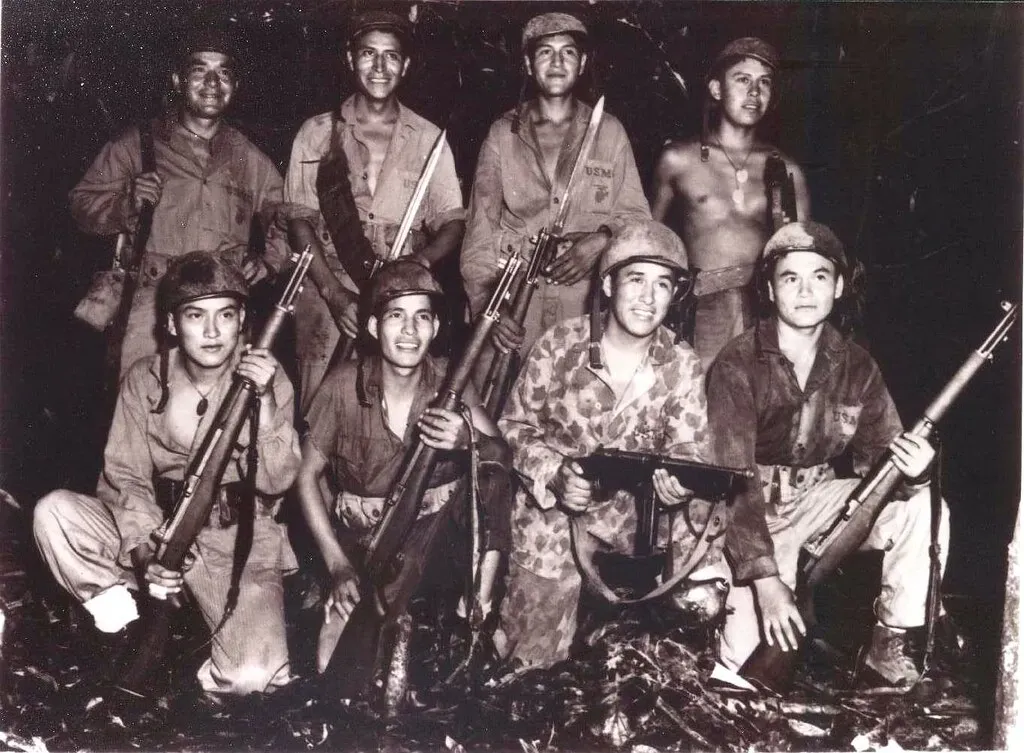
About 190,000 American Indians are military veterans, with the Choctaw representing a disproportionate share. During World War II, 44,000 Native Americans from 50 tribes of an estimated population of under 400,000 served on active duty, including nearly 800 women. The tradition established by the original code talkers continued.
The U.S. Army repeated the use of Native Americans as code talkers during World War II, working with soldiers from a variety of American Indian tribes, including the Navajo. This ongoing contribution to American defense extends right through Vietnam, Korea, Iraq, and Afghanistan. Roughly about one-fifth of all Native Americans serve in the military at some point in their lives, far exceeding the national average. Their legacy of service, initiated by those Choctaw warriors who fought alongside Andrew Jackson, continues to define American military culture today.
Conclusion
The Choctaw story isn’t separate from American history. It’s woven directly into the DNA of what makes this nation work. From pioneering code-talking technology that would save countless lives in two world wars, to demonstrating humanitarian compassion when they themselves had almost nothing, the Choctaw in ways that still resonate today.
These contributions matter because they remind us that American identity has always been multicultural, built on the sacrifices and innovations of Indigenous peoples who chose cooperation even when betrayed. The next time you hear about military communications, humanitarian aid efforts, or debates about American citizenship, remember the Choctaw. Their fingerprints are all over these institutions. What would you have done in their place, just sixteen years after losing everything? That question alone reveals why their legacy deserves more than a footnote. Did you expect that their influence ran this deep? What do you think about it?
