
Picture the humid summer days in Louisiana and Mississippi, where temperatures routinely climb above ninety degrees with air so thick you could almost swim in it. Now imagine trying to cool yourself down by panting while wearing a heavy winter jacket that you can’t take off. That’s the reality for certain dog breeds in these sweltering Southern states.
While some pups were born to handle the heat, others face serious health risks when exposed to high temperatures and humidity. It’s not just about comfort either. For some breeds, the scorching Southern climate can genuinely be life-threatening.
English Bulldog
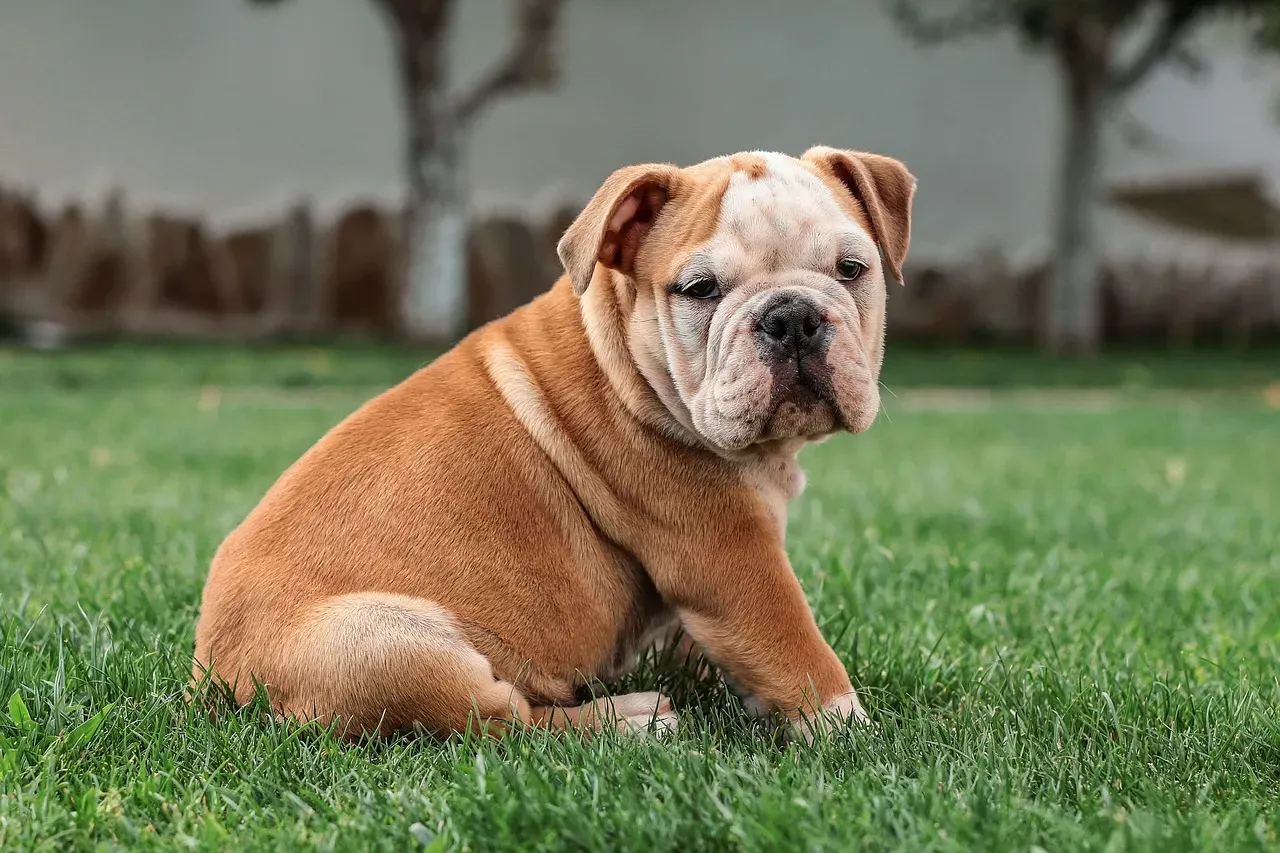
The flat face of an English Bulldog makes this breed prone to overheating, as their short snouts and heavy builds cause them to overheat quickly. These stocky companions can’t efficiently cool themselves through panting because their airways are severely restricted. Even a casual ten-minute walk during a warm Louisiana afternoon could leave them gasping for air.
This brachycephalic breed has a short muzzle that raises the risk of overheating, and it’ll likely be easy to keep this laid-back dog inside all day. The good news? English Bulldogs aren’t exactly marathon runners by nature, so keeping them indoors during peak heat shouldn’t feel like torture for either of you.
Siberian Husky
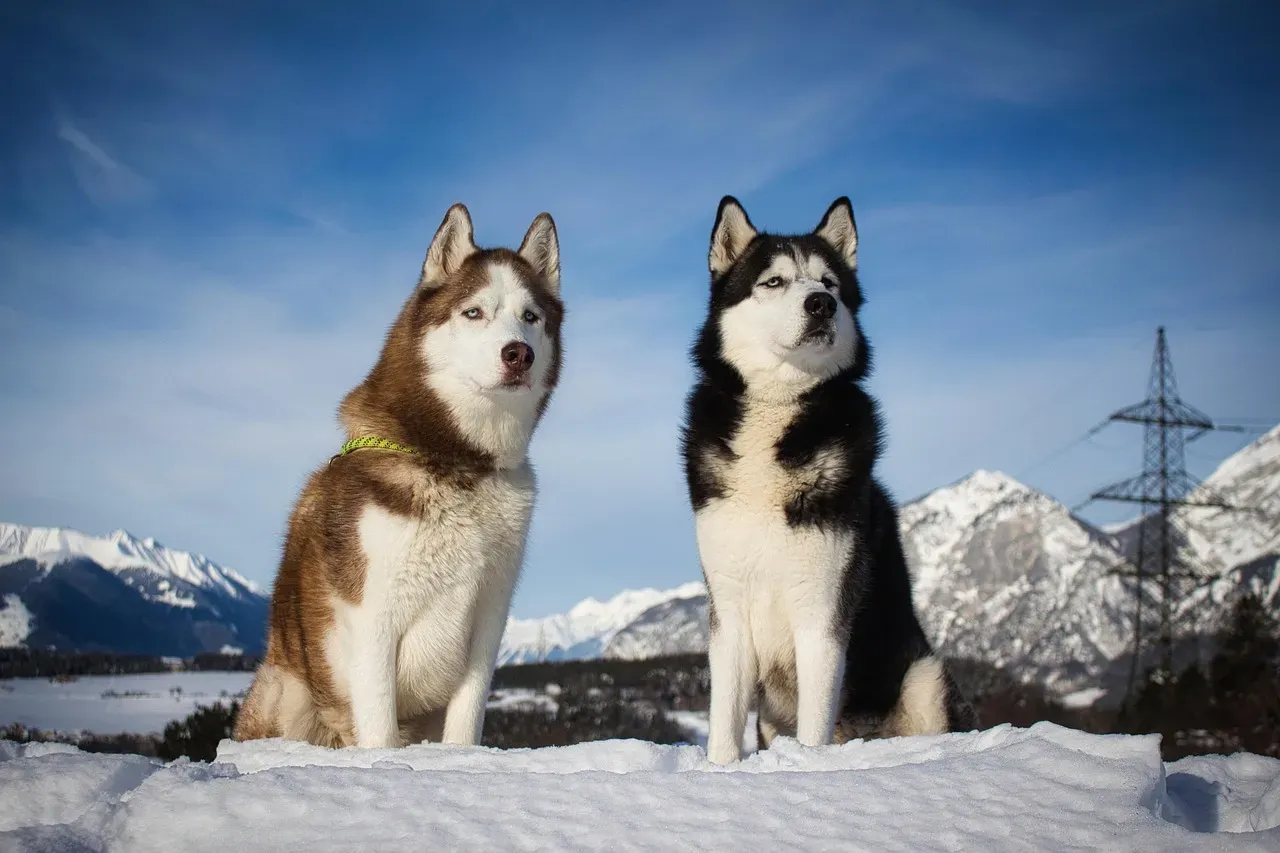
Let’s be real – these gorgeous dogs were literally bred to pull sleds across frozen tundra. Siberian Huskies come from cold, wintry climates and run the risk of overheating in hot weather. Their thick double coat that protects them beautifully in subzero temperatures becomes a liability in the Deep South.
Dog breeds such as huskies have a double coat, which makes it thicker than most, and the darker the dog’s fur, the more heat it will absorb. While they shed heavily approaching summer, it’s often not enough to compensate for the dramatic temperature difference between Siberia and Mississippi. These energetic dogs need lots of exercise, which becomes nearly impossible during Southern summers without risking heatstroke.
French Bulldog
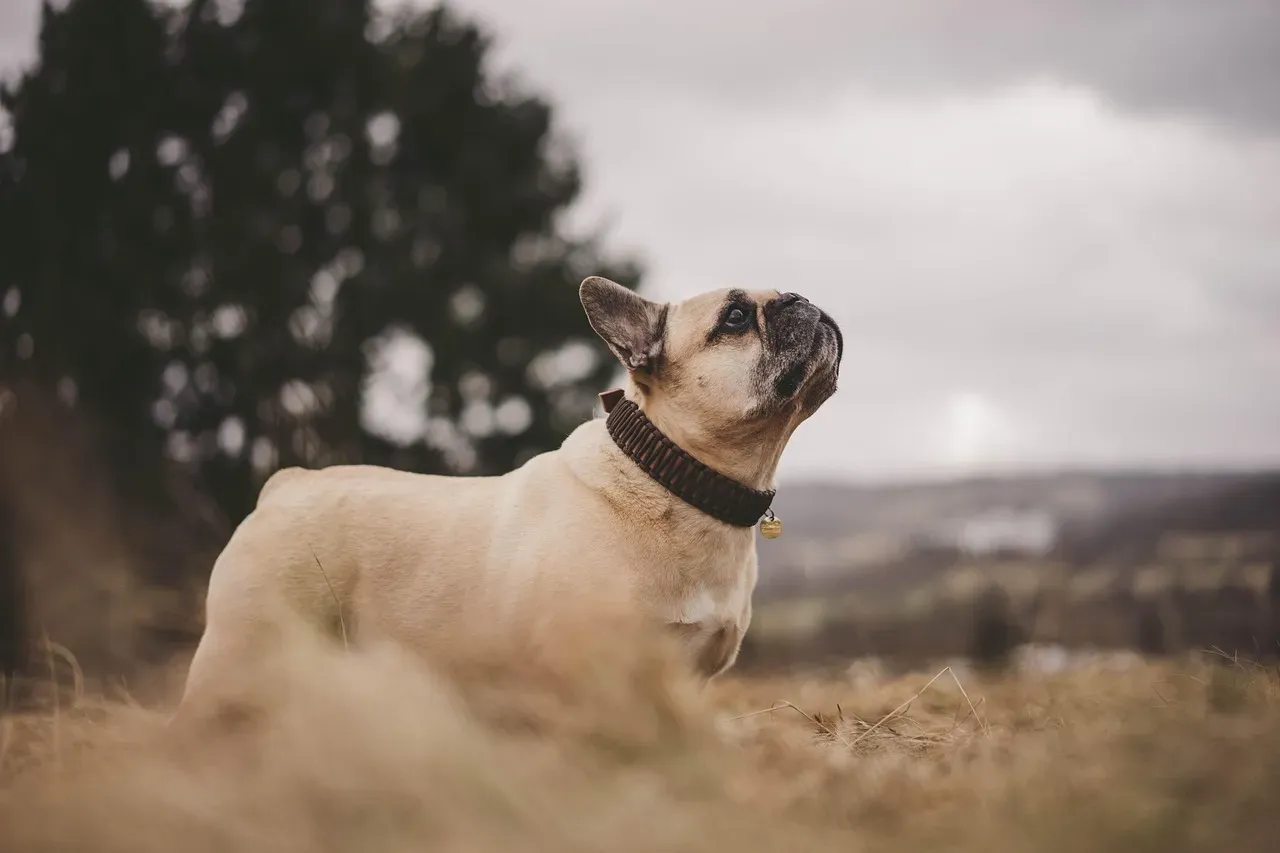
Despite their smaller size compared to English Bulldogs, Frenchies face identical breathing challenges. French Bulldogs cannot effectively cool down through panting, and because dogs don’t sweat like humans do, this can be dangerous. Their adorable squished faces come with a serious downside in hot climates.
French Bulldogs share the same breathing challenges as other flat-faced breeds, making heat a real danger, and their small size doesn’t mean they handle the sun better; if anything, they’re just as sensitive. Quick bursts of activity in hot weather can leave them struggling to catch their breath. Indoor play sessions with plenty of air conditioning become essential rather than optional.
Chow Chow
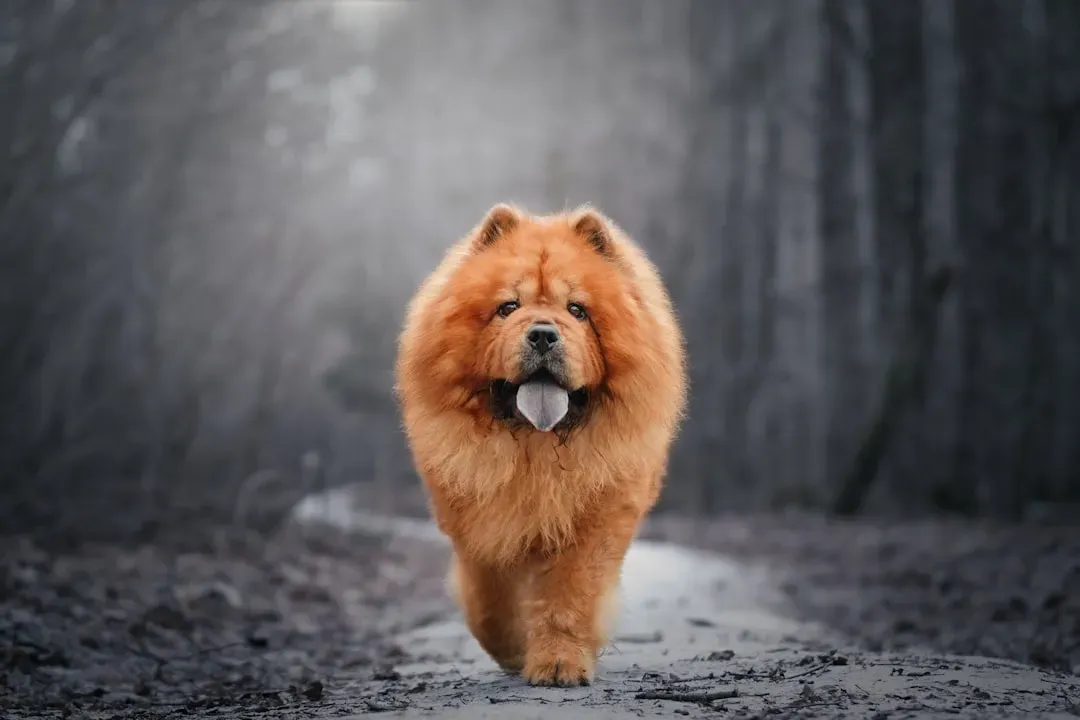
Here’s the thing about Chow Chows – they’re basically walking teddy bears with impossibly thick fur. The breed most at risk is the Chow Chow, as although not quite as flat-faced as many other brachycephalic dogs, the Chow Chow’s shortened muzzle and thick coat can be a deadly combination in hot weather. They’ve got a double whammy working against them in Southern states.
Chow Chows are not well suited for hot weather due to their thick double coat and heavy build, and when not properly cared for, they can easily overheat. Regular grooming helps somewhat, but it’s still an uphill battle. These dignified dogs would be much happier in places like Montana or Maine than steamy Baton Rouge.
Alaskan Malamute
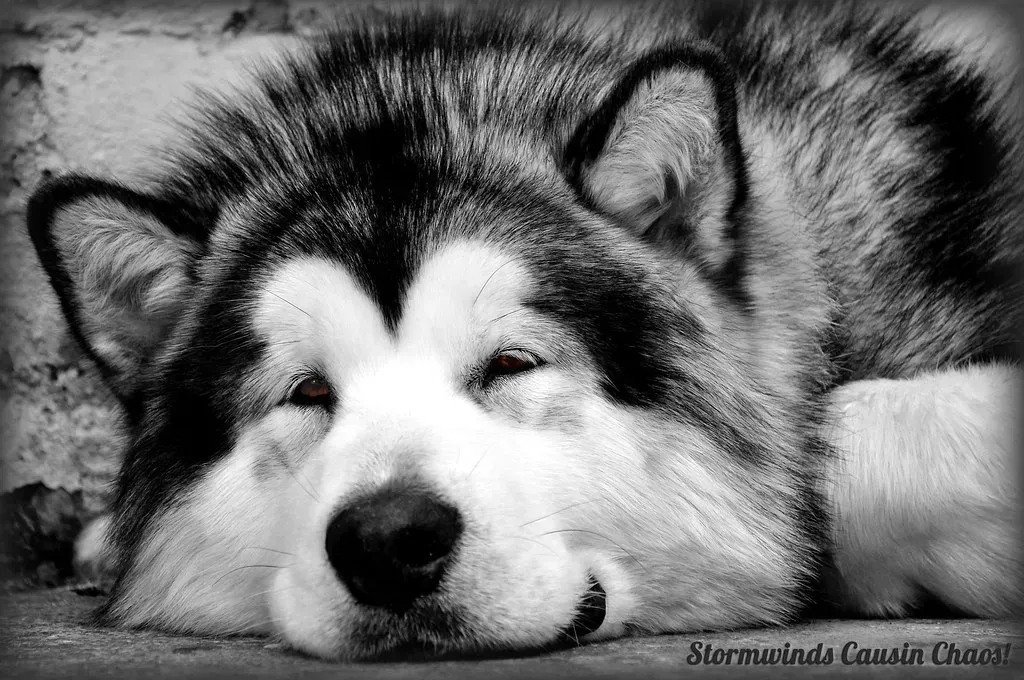
The Alaskan Malamute was bred to pull heavy loads in freezing Alaskan temperatures, which makes them one of the best dog breeds for cold weather, but one of the worst for hot climates. It’s right there in the name – these powerful working dogs evolved for the exact opposite climate of the Gulf Coast.
Their dense, insulating coat designed to protect against Arctic winds becomes a suffocating burden when humidity hovers around eighty percent. The Alaskan Malamute feels right at home in big snowdrifts, but a summer heat wave is less tolerable for this double-coated working dog whose dense coat is like a well-insulated parka that traps heat. Malamutes love being active and outdoors, which makes life in Southern states particularly challenging for them and their owners.
Pug
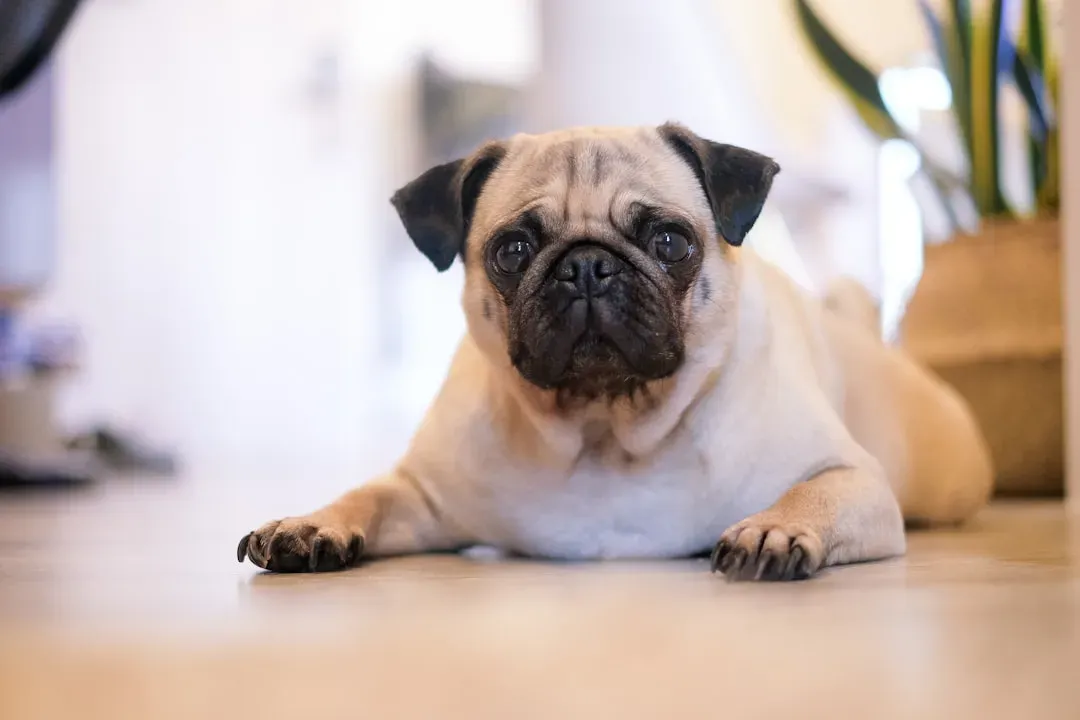
Those wrinkly, smooshed faces that make Pugs so endearing? They’re also the reason these little guys suffer terribly in hot weather. A Pug’s wrinkly, smooshed face is adorable, but don’t expect these brachycephalic dogs to keep up with you when the weather turns warm, as Pugs can’t easily cool themselves by panting.
Despite the Pug’s short fur and compact size, they don’t do well in hot weather because of their flat face, and cool, well-ventilated places are important for keeping this small dog breed cool during the summer. Honestly, if you own a Pug in Mississippi, your air conditioning bill might rival your mortgage payment during summer months. They’re known couch potatoes anyway, so at least indoor lounging suits their lifestyle.
Saint Bernard
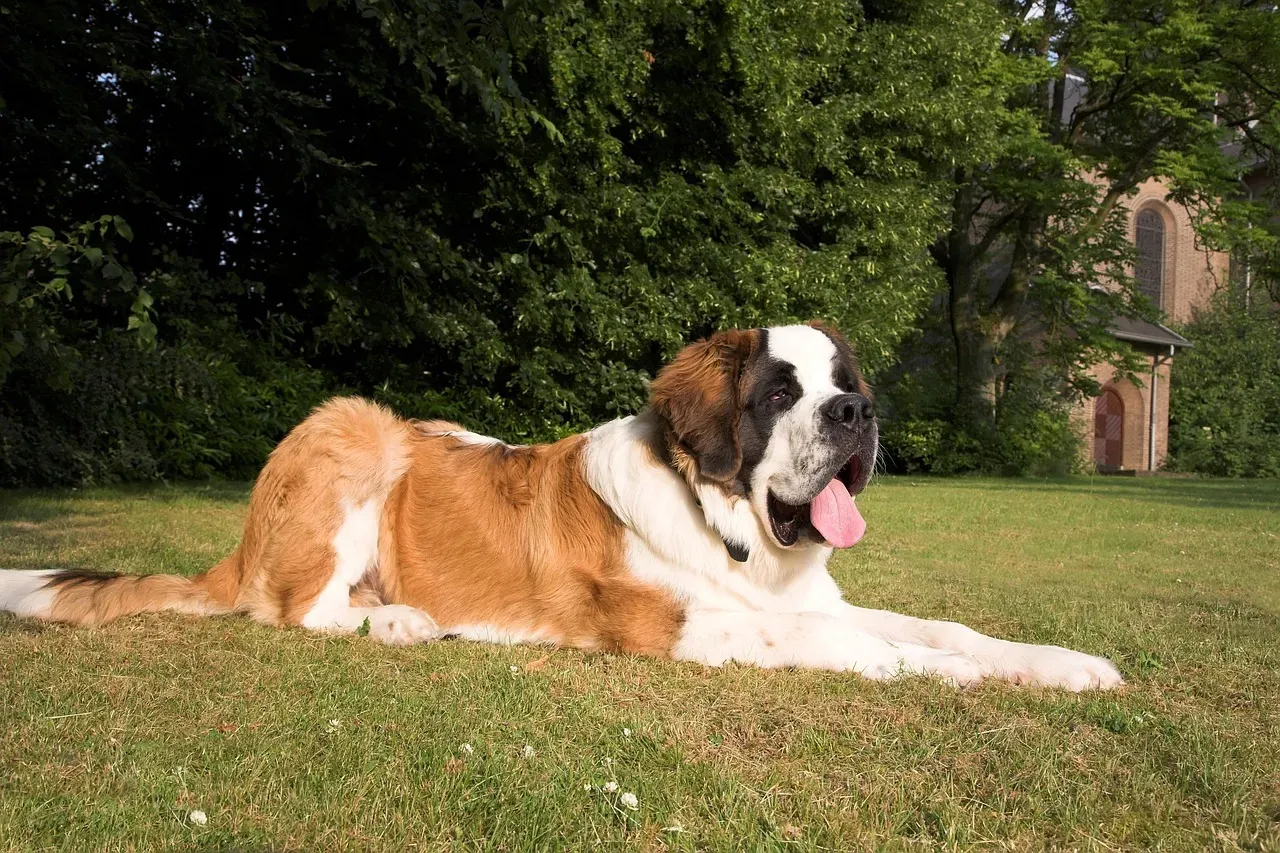
Originally from the Swiss Alps, Saint Bernards were bred for cold-weather rescue work, and thanks to the thick coat that protects them in the mountain snow, Saint Bernards can struggle in hot and humid climates. These gentle giants were meant to trudge through snowdrifts searching for lost travelers, not wade through Louisiana humidity.
Their massive size alone generates substantial body heat, and when you add their thick, insulating coat into the equation, you’ve got a recipe for disaster in Southern summers. These dogs need constant access to shade, fresh water, and ideally air conditioning to survive the climate safely. It’s hard to say for sure, but moving a Saint Bernard to the Gulf Coast might just qualify as canine cruelty.
Akita
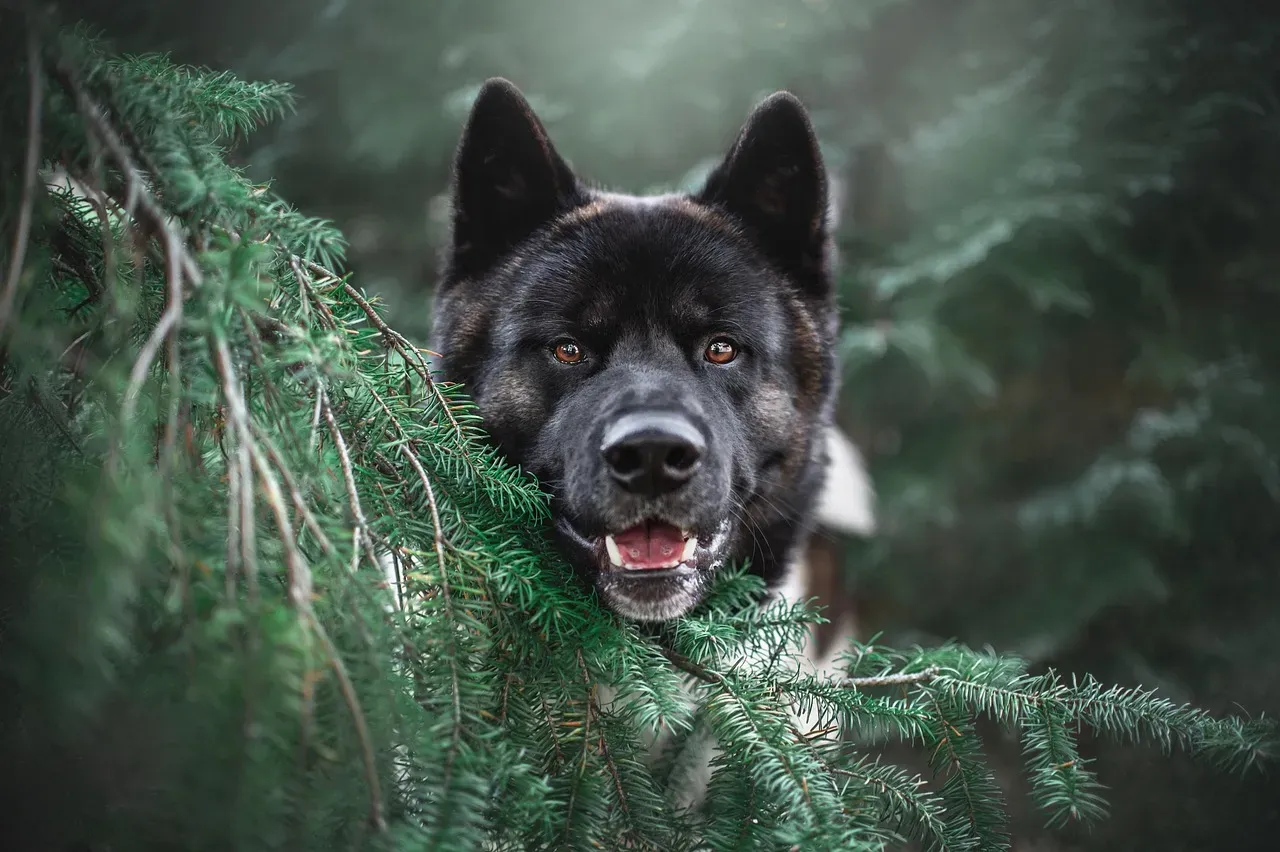
In cold weather, an Akita’s thick double coat provides insulation, but in hot weather, this coat may cause them to overheat, and this, coupled with their heavy build, means Akitas have a low tolerance for heat. These dignified Japanese dogs originated in mountainous regions where winters are harsh and summers relatively mild.
Akitas have thick double coats designed to keep them warm in icy conditions, and that same fur can trap heat in warmer months, leading to discomfort. They may appear stoic and unbothered, but don’t let that fool you – they’re struggling internally to regulate their body temperature. Regular grooming and plenty of cool water become absolutely essential during hot days.
Pekingese
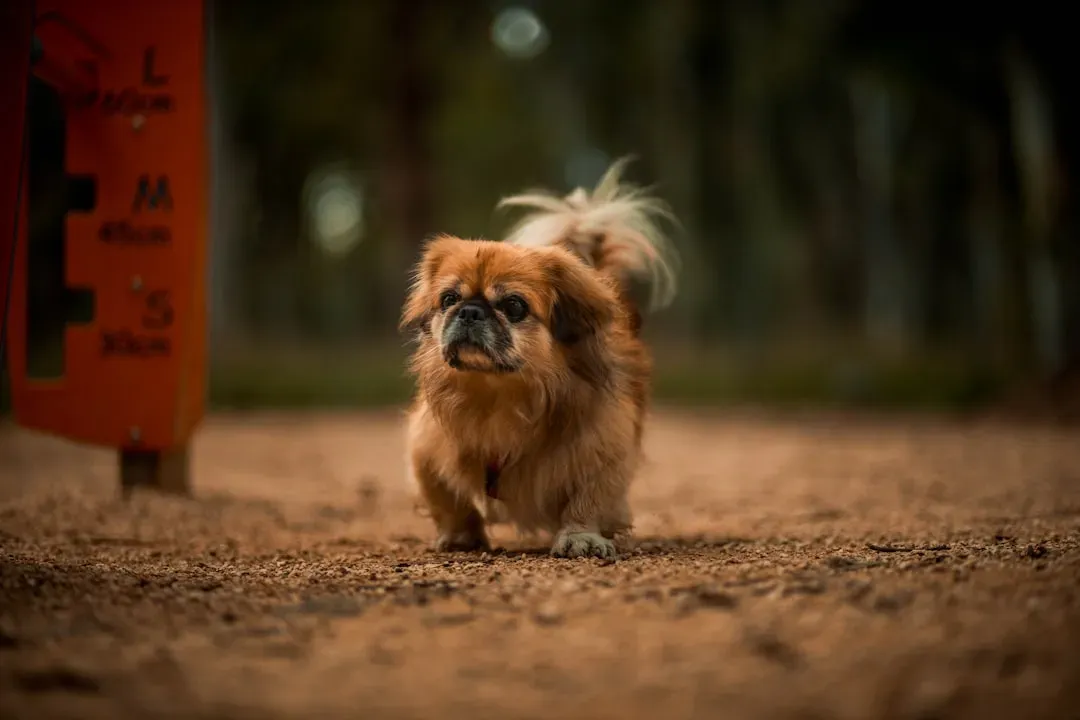
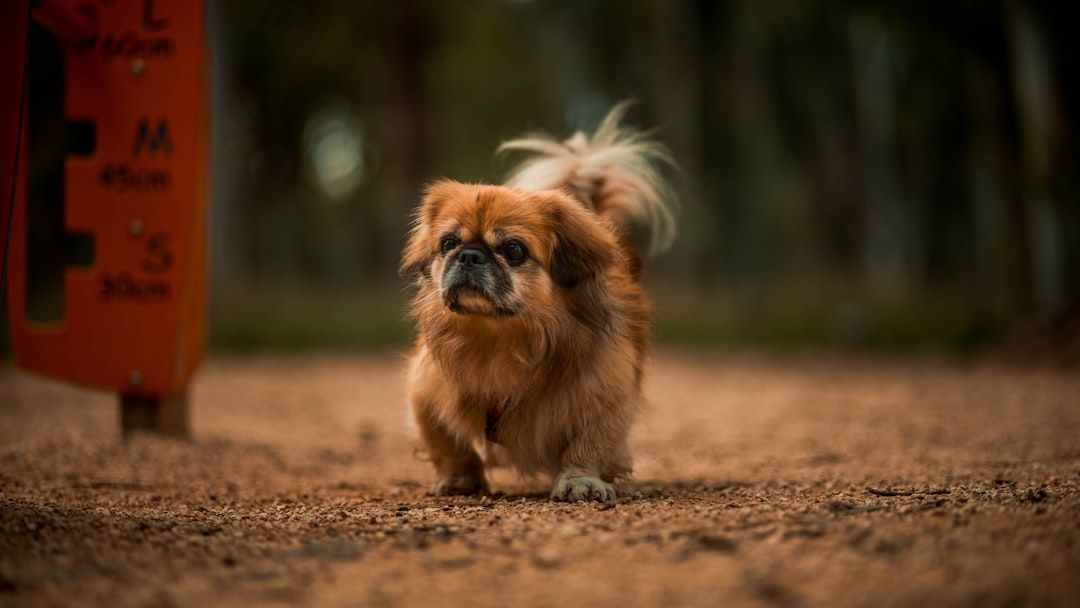
The most recognizable attributes of the Pekingese are the breed’s round, flat face and long, dense coat, but those features also mean that these pint-sized pups can’t handle hot weather. They’ve got the worst of both worlds – brachycephalic breathing difficulties combined with a heavy coat.
Pekingese dogs are low-energy, but their thick coats and short muzzles make summer heat a challenge, as they can’t pant effectively, and their short legs keep them closer to hot surfaces like pavement. When temperatures climb, these little dogs need brief outings only, with indoor activities providing the mental and physical stimulation they crave. Their regal bearing might suggest they’re above the heat, but biology doesn’t care about dignity.
Cavalier King Charles Spaniel
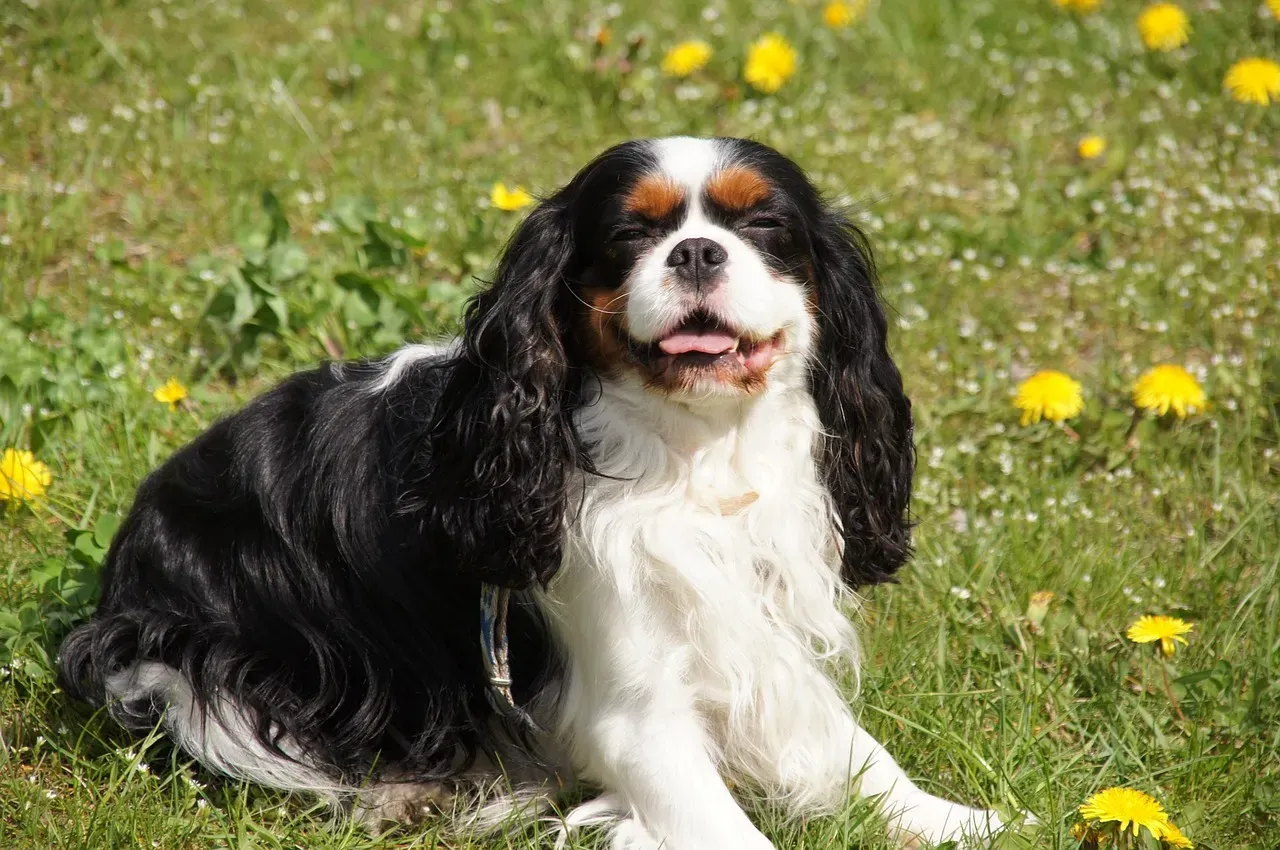
With their silky coats and brachycephalic faces, Cavaliers can struggle in summer temperatures, and their small size also makes them more sensitive to sudden heat changes. These sweet-natured companions may not look as flat-faced as Bulldogs, but they still have shortened muzzles that cause breathing difficulties.
These sweet-natured dogs have long, silky coats that can become stifling in high heat, and while they love to play, they can quickly tire in warmer conditions, with their gentle nature often making them quiet about discomfort. That last point is particularly concerning – owners need to actively watch for subtle signs of overheating rather than waiting for their Cavalier to complain. Short walks during cooler morning or evening hours, plus indoor playtime, keep them safe and happy.
Conclusion
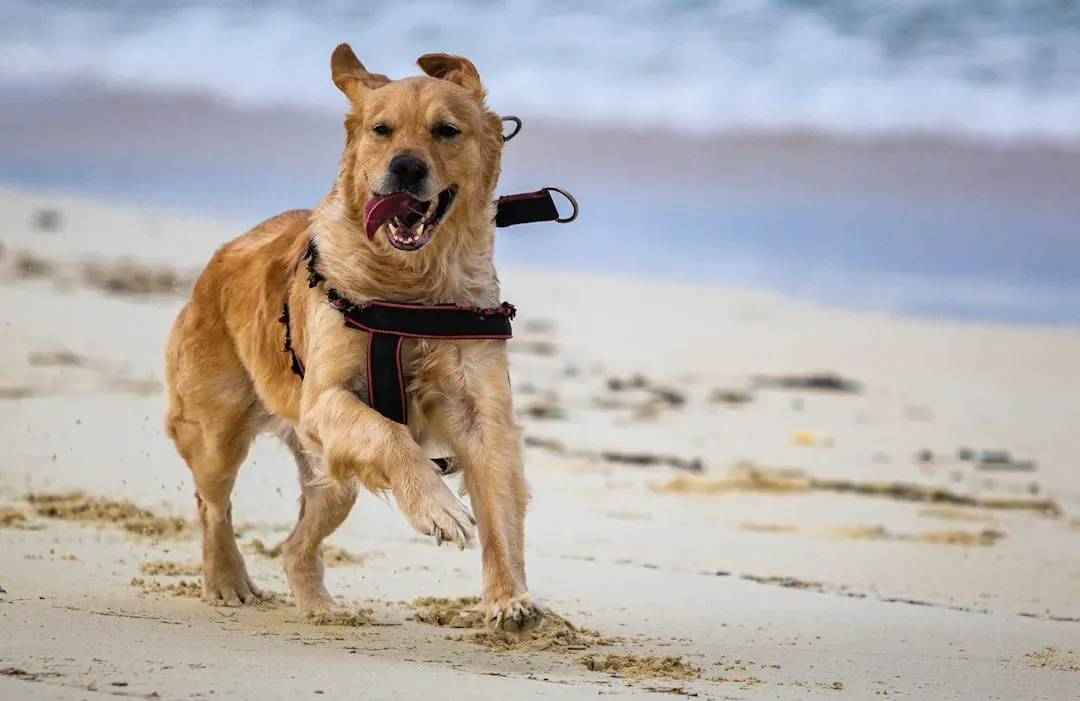
The reality is that some dogs simply weren’t designed for the brutal heat and humidity that Louisiana and Mississippi dish out for roughly six months of the year. Flat-faced dogs had twice the odds of suffering heatstroke compared with a labrador retriever. That’s not a minor difference – it’s a significant health risk that responsible pet owners need to take seriously.
If you already own one of these breeds in a Southern state, don’t panic. With proper precautions like limiting outdoor time during peak heat, providing constant access to cool water and air conditioning, and watching carefully for signs of distress, you can keep your furry friend safe. Still, prospective dog owners in hot climates should think carefully before choosing breeds that naturally struggle with heat.
What’s your experience been like keeping cold-weather breeds in hot climates? Have you found strategies that work particularly well?

- 13 Dog Breeds Experienced Groomers Quietly Stopped Recommending to First-Time Owners After Seeing Too Many Heartbroken Families - June 18, 2026
- 15 Silent Signs Your Old Dog Is Getting Ready to Cross the Rainbow Bridge – Most Owners Never Catch Them - June 18, 2026
- 12 National Parks Where Bison Still Rule the Plains - June 18, 2026