
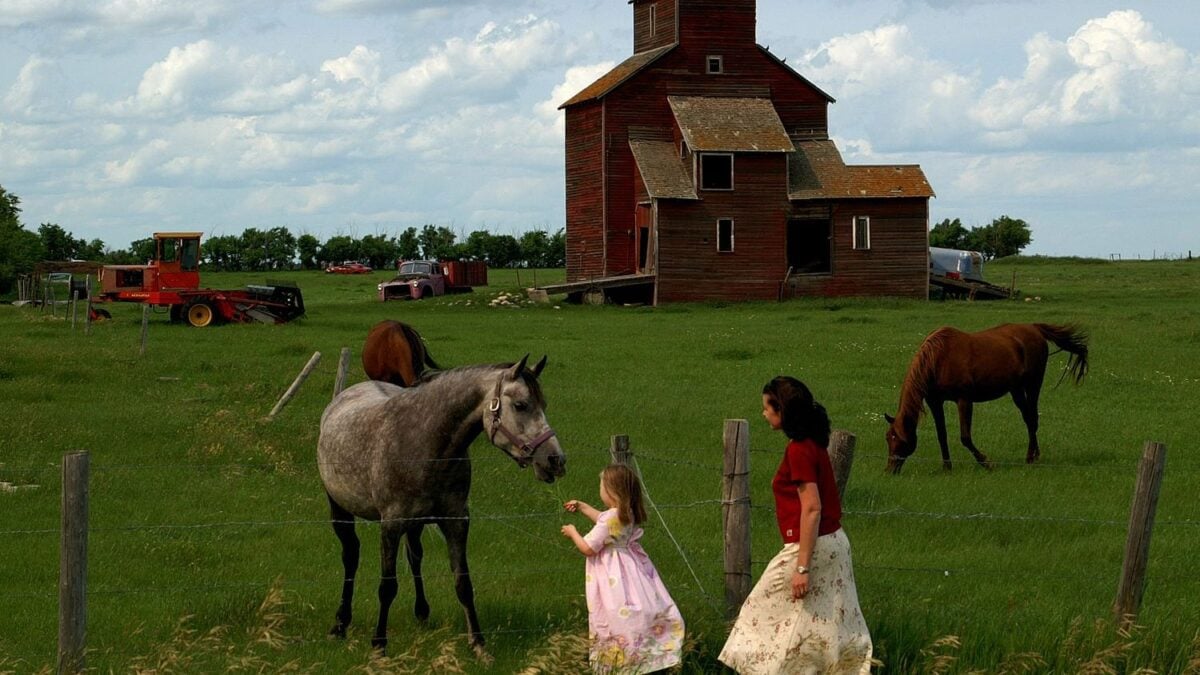
There’s something almost magical about horses. These powerful, elegant creatures have been our companions for thousands of years. Yet despite all that time together, misconceptions about them continue to spread like wildfire through stables and riding arenas across the world. Some of these myths are harmless little quirks of tradition, passed down from one generation of horse lovers to the next. Others? Well, they can actually put your horse’s health and wellbeing at risk.
From Hollywood movies to childhood storybooks, horses have been portrayed in many ways, leading to a host of widely held beliefs about them that are untrue. While some of these are harmless, others can be dangerous both for riders and the horses because they affect how we care for horses. Let’s be real, most of us have probably believed at least one or two of these myths at some point. So let’s dive in and separate the horse tales from the actual facts.
They Sleep Standing Up All Night Long
You’ve probably heard this one a million times. Horses supposedly spend their entire lives on their feet, even catching some shuteye while vertical. There’s a kernel of truth here, which is probably why this myth has such staying power.
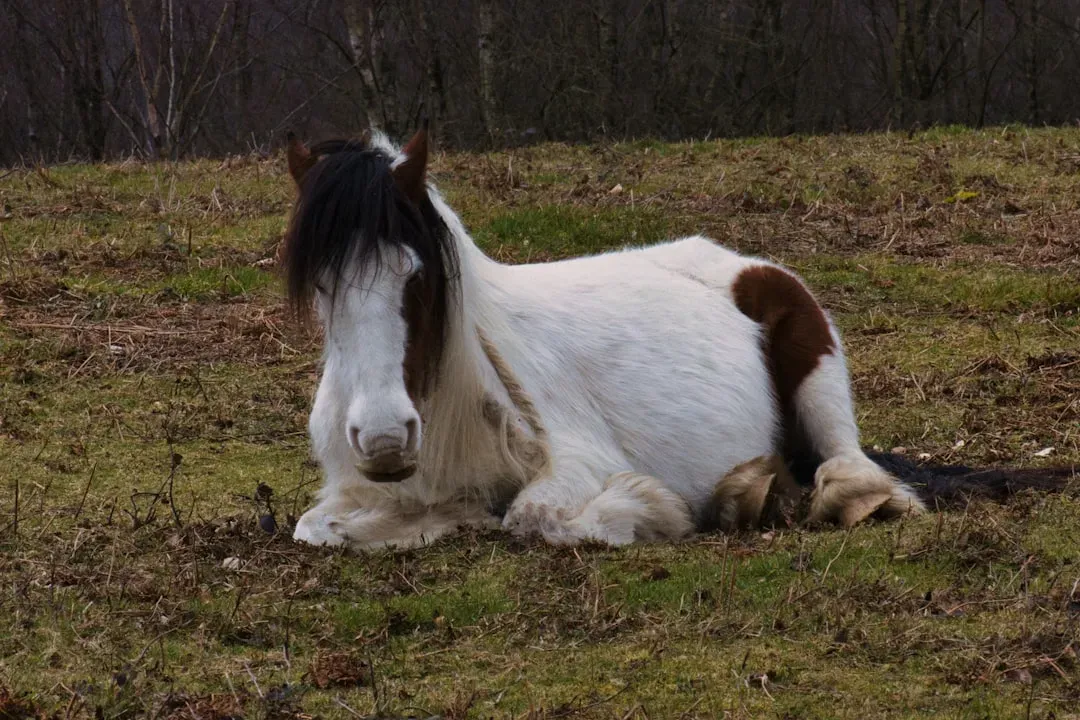
While it’s true that horses can doze while standing – a handy evolutionary trick to escape predators quickly – they cannot achieve the deep, restorative REM sleep they need in this position. Think of it like when you nod off on a long flight but never really get proper rest.
Horses often lie down to achieve deep REM sleep. While horses can doze standing up thanks to a unique locking mechanism in their legs, they require lying down to achieve deep REM sleep. This stage of sleep is essential for their overall health and well-being. If a horse never lies down, something’s actually wrong.
In a safe environment, horses will absolutely stretch out on the ground for proper rest. This behavior can be observed in both wild and domesticated horses. Honestly, if your horse isn’t lying down occasionally, it might mean they don’t feel secure enough to do so.
Horses Are Basically Colorblind
Here’s another persistent belief that just won’t die. Many people think horses see the world like an old black and white movie, all shades of grey and nothing else. Thankfully for horses, that’s not quite accurate.
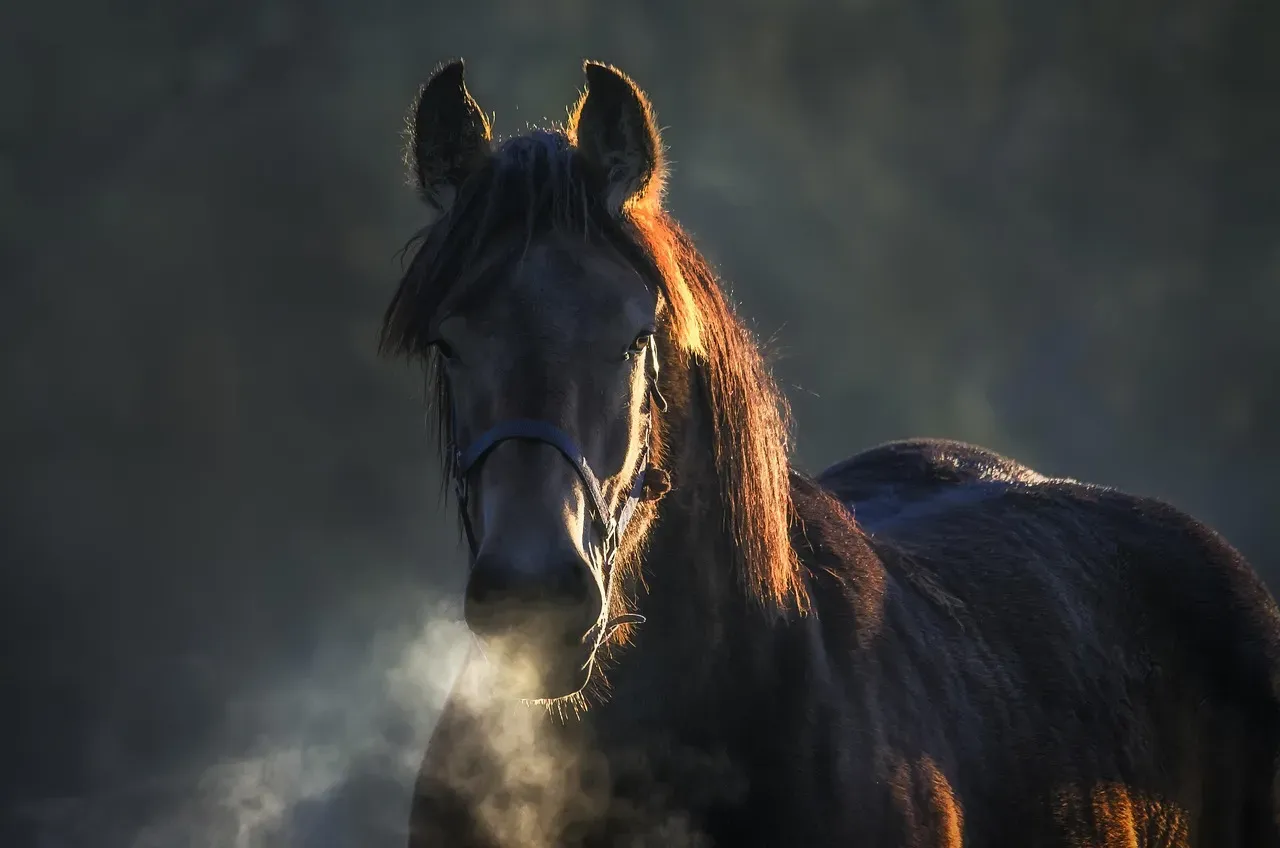
Horses are not completely colorblind, but their vision is different from ours. They have dichromatic vision, which means they primarily see the world in hues of blue and yellow. They have difficulty distinguishing between reds and greens, which might appear as brownish or grayish tones.
So yes, they can see colors, just not the full rainbow we humans enjoy. Understanding this helps explain why a horse might spook at an object that seems unremarkable to us – it might look very different through their eyes. That bright red barrel might look pretty dull and undefined to them.
This is actually pretty important information when you’re setting up training equipment or trying to understand why your horse reacts oddly to certain objects. What looks perfectly normal to you might appear strange or threatening through their unique vision.
Grain and Protein Make Horses Hot and Crazy
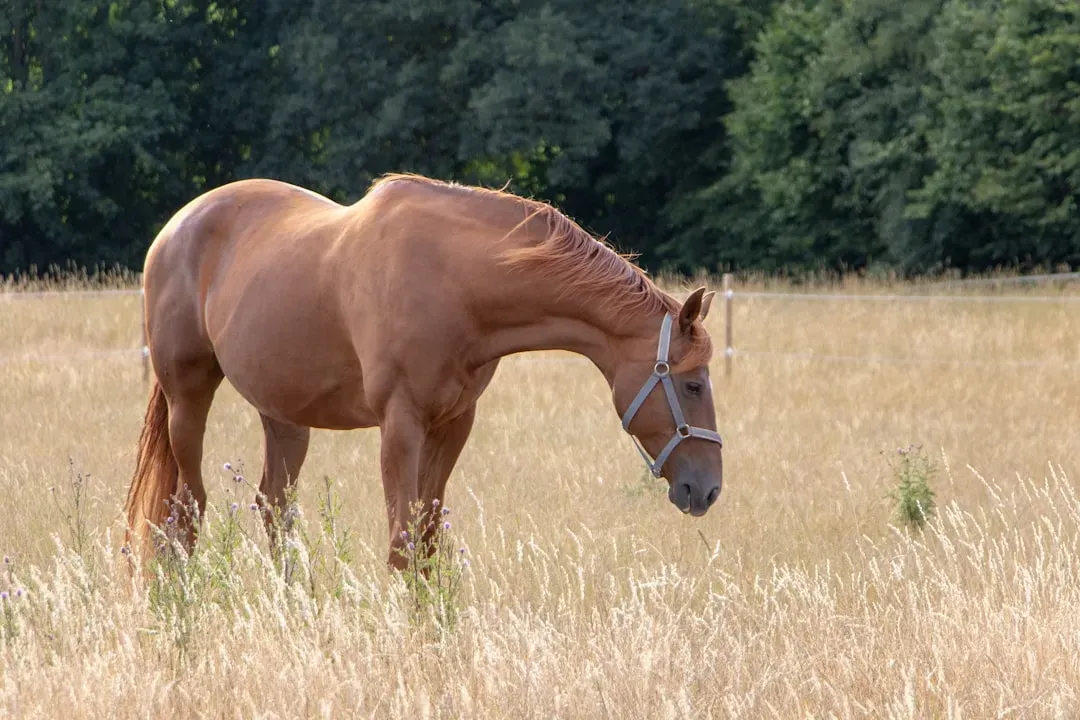
Ask around any barn, and you’ll hear someone swear that their horse gets “hot” on grain or that too much protein turns horses into wild beasts. I know it sounds convincing, especially when someone’s describing their horse bouncing off the walls after a big feed.
There is absolutely no research that shows a connection between protein levels in the diet and horse temperament. We know today that it is sugar and starch, not protein, that has the most dramatic effect on horse behavior. The real culprit isn’t the protein content at all.
It is extensively documented that diets high in non-structural carbohydrates (NSC), such as sugar and starch, are closely related to excitability and a lack of focus in horses. When horses eat diets high in NSC they experience a dramatic rise in blood glucose, and this essentially places them on a sugar high. These elevations in blood glucose can lead to hyperactivity or jumpiness in many horses.
Think of it like giving a kid a bunch of candy before bedtime. The sugar rush is real, and horses experience something very similar. Research has shown that overfeeding grain will also increase “hot” behavior in horses, because this creates a calorie excess. If the horse is consuming more energy than is needed to fuel normal metabolism and his current workload, that excess energy will have to be used somehow…many times in ways that the horse owner does not appreciate!
Cold Water After Exercise Causes Colic
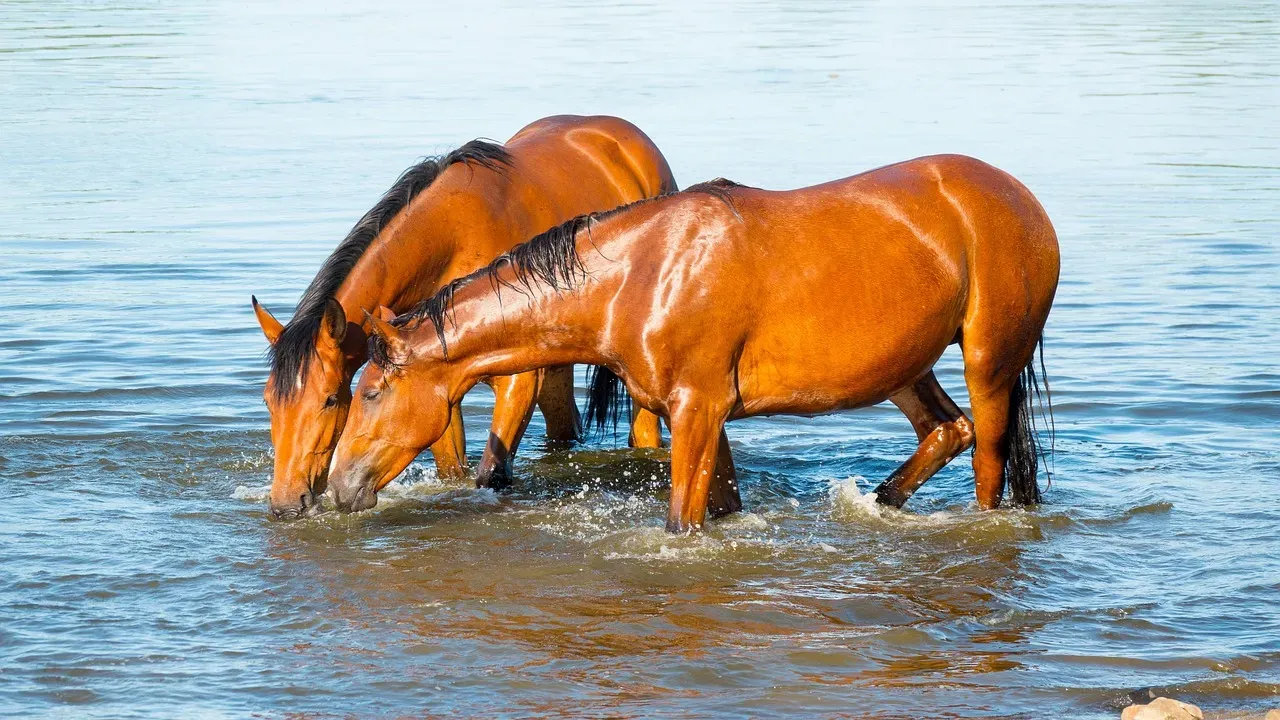
This myth has probably caused more anxiety among horse owners than almost any other. People genuinely panic about letting their sweaty horses drink cold water, fearing it’ll trigger a deadly case of colic. Let’s put this one to rest right now.
There isn’t enough evidence to prove that horses can’t consume cold water, seeing that horses in the wild always drink from water sources such as streams and rivers that are often close to freezing temperatures. However, horses don’t prefer consuming cold water right after a workout. There’s a difference between preference and danger.
Horses don’t develop health problems from drinking cold water. Wild horses have been drinking from icy streams for millennia without keeling over from colic. Your domesticated horse isn’t going to spontaneously combust from a cold drink either.
Equines are warm-blooded creatures that need some time to cool off after a heavy workout. Therefore, this misconception is normally associated post-workout hydration, and there aren’t any health issues allied with the consumption of cold water. It’s actually more dangerous to deny a thirsty horse water than to let them drink something chilly.
Bran Mash Is a Great Weekly Treat and Digestive Aid
Ah, the traditional Saturday night bran mash. It’s been a stable ritual for generations, with owners lovingly mixing up warm, soggy wheat bran believing it cleanses their horse’s digestive system. Sounds wholesome, right? Here’s the thing though.
Using bran mash as a weekly ‘cleanser’ or laxative is common practice among horse owners. It is believed to add bulk to the stool, help with hydration, assist digestion, and is a good source of fiber. The intentions are good, but the science tells a different story.
Providing a weekly bran mash could dramatically alter the daily feeding program and disturb the normal population of microorganisms in the hindgut. Dumping wheat bran into the digestive system can cause a sudden die-off of some bacteria and force overgrowth of others. This shifting bacterial population in the gut could result in diarrhea, leading one to believe that wheat bran acted as a laxative.
Research shows that wheat bran does not have a laxative effect or soften manure in the horse. So that loose manure you’re seeing? That’s actually distress, not healthy cleansing. Horses thrive on routine and consistency in their diet.
Horses are creatures of habit and adapt quickly to a feeding schedule. If that schedule is irregular, it might lead to anxiety or undesirable behaviours. The same is also true for weekly bran mashes, which can also disrupt the ecosystem. Best to skip this old tradition entirely.
White Hooves Are Weaker Than Dark Ones
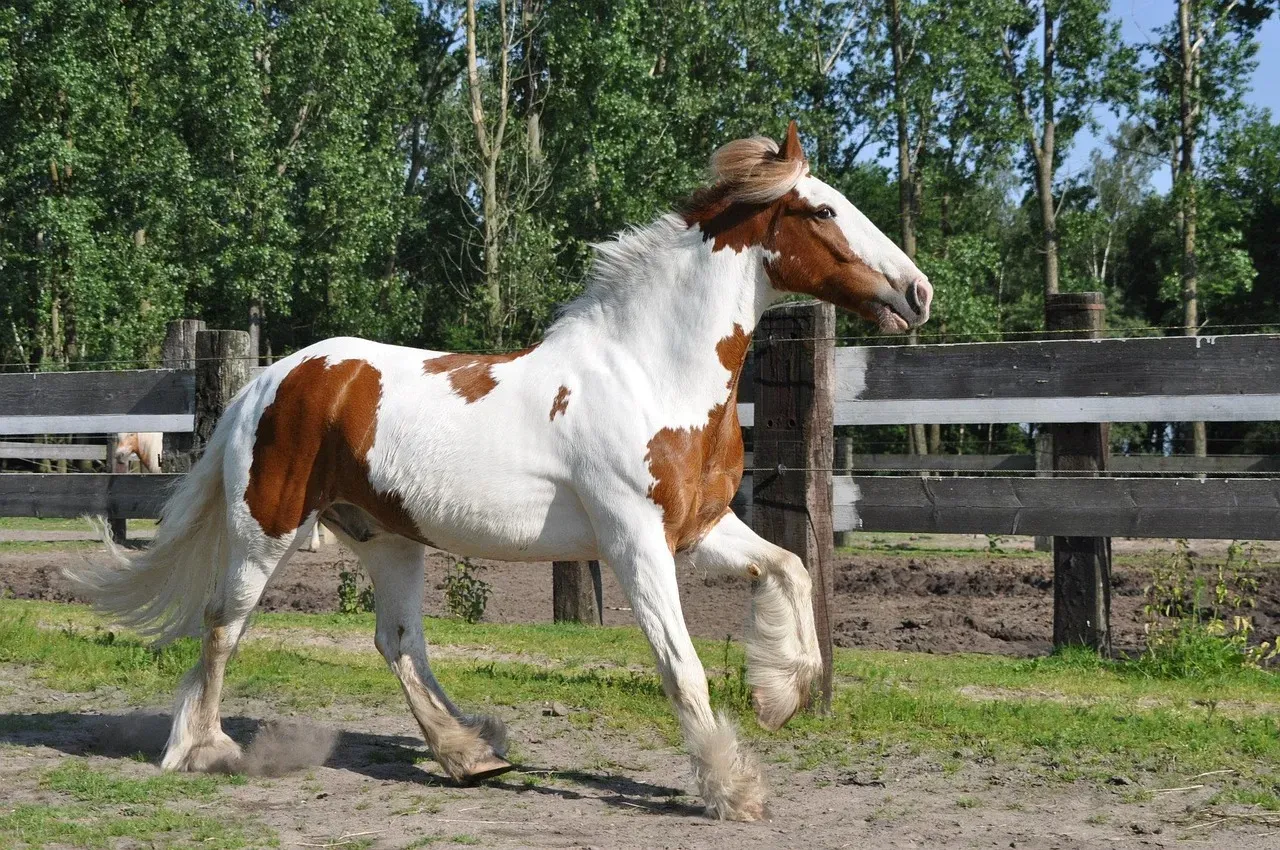
Walk through any barn and mention white hooves, and someone will inevitably tell you they’re softer, weaker, or more prone to problems than dark hooves. This belief is so widespread that it’s almost accepted as gospel truth. It’s hard to say for sure, but the facts don’t support it.
Structurally, a dark hoof and a white hoof are exactly the same, making white hooves no weaker than dark hooves. The color of the hoof wall has nothing to do with its strength or quality. Absolutely nothing.
Reasons for the perpetuation of the inferiority of white hooves may stem from genetics. If a line of horses with white hooves were genetically predisposed to weak hooves or poor hoof conformation, it may have been easier to base judgment on the color of the hoof rather than its overall structure. In other words, correlation got confused with causation.
The quality of any hoof, regardless of color, depends on genetics, nutrition, proper trimming, and overall care. A well-maintained white hoof will be just as strong as a well-maintained dark one. The pigmentation is purely cosmetic, nothing more.
Walking a Colicky Horse Prevents Intestinal Twists
Colic is every horse owner’s nightmare, and when it strikes, the traditional advice has always been to walk the horse. The reasoning? Walking supposedly prevents the intestines from twisting. Generations of worried owners have spent hours trudging around paddocks with sick horses based on this belief.
Modern veterinary medicine shows that if your horse is rolling around in pain, it is best to walk them, but not necessarily because it will relieve the colic. Walking will prevent your horse from injuring themselves or going into shock; it will not avoid an intestinal twist, as previously thought.
So walking does serve a purpose, just not the one people think. Traditional practice for colic has been to walk the horse frequently and keep them upright. But if your horse isn’t distressed, it’s okay to let them lie down quietly. The key is preventing injury, not preventing the twist itself.
There’s no evidence that walking actually stops intestines from twisting. What it does do is keep a panicked, rolling horse from hurting themselves during painful episodes. That’s still valuable, but understanding the real reason helps you make better decisions about when walking is necessary and when rest might be better.
All Horses Need Grain in Their Diet
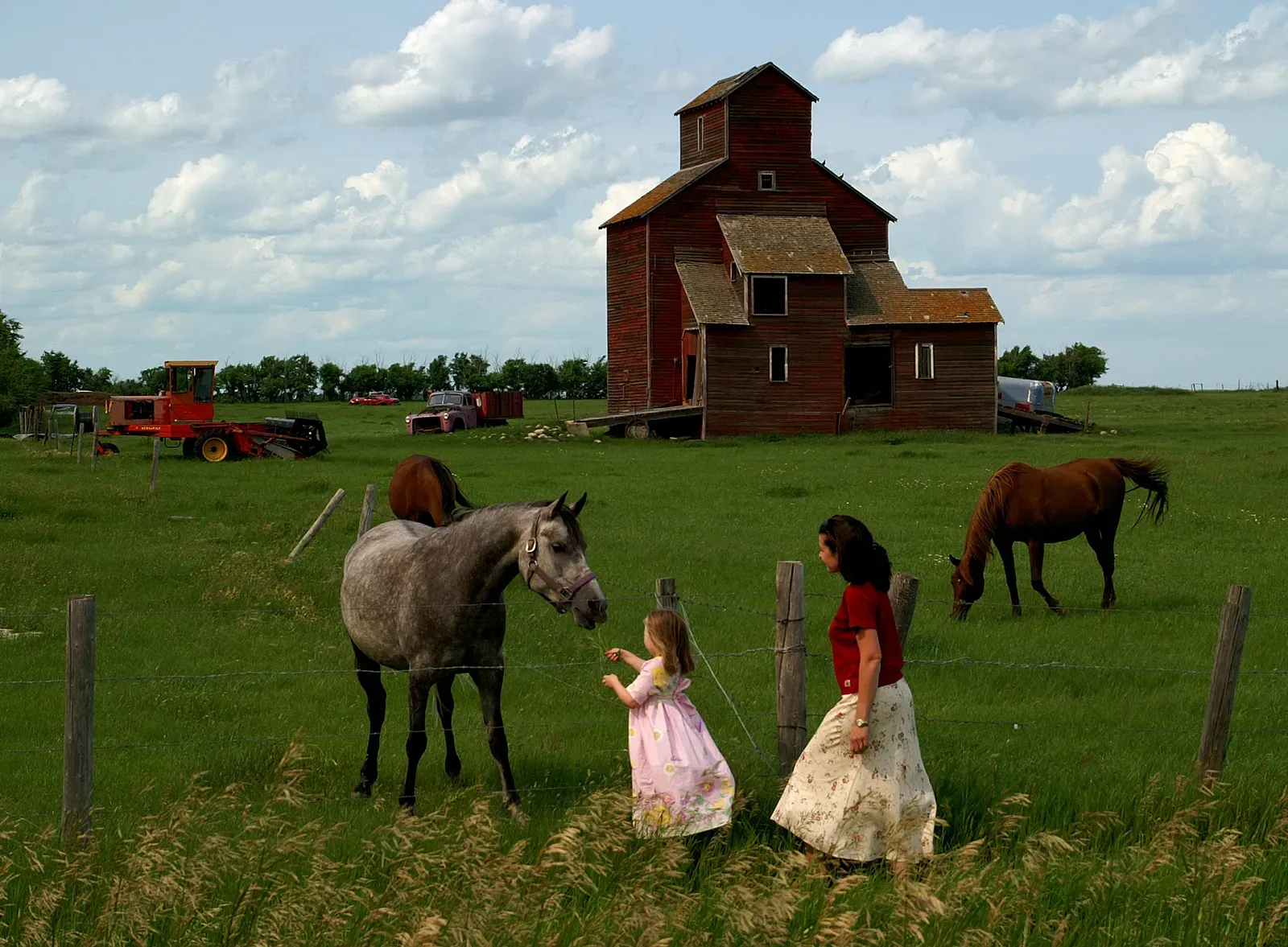
Visit most barns and you’ll see rows of grain buckets ready for feeding time. There’s this pervasive assumption that every horse needs grain, otherwise they’ll somehow be undernourished or lack energy. It’s become such standard practice that many people don’t even question it.
The most important part of the horse’s diet is water, followed by forage. Forages such as hay or pasture are what the horse’s digestive tract was designed for. Good-quality hay or pasture can provide the horse with almost all of the nutrients he needs. By offering ample forage, your horse can easily meet his calorie, protein, calcium, phosphorus, potassium, magnesium, iron, and vitamin needs.
One of the most widespread myths is that grain is more critical to a horse’s diet than forage. The reality is that forage horse feed should make up the majority of a horse’s nutrition. Horses evolved as grazing animals, not grain eaters.
Show horses, racehorses and nursing broodmares can all use the extra nutritional support of grain to help fuel their higher energy expenditure. But because the equine digestive system is poorly designed to digest large quantities of carbohydrates, there’s a limit to how much grain you can feed without risking dangerous conditions like colic and laminitis. Many easy keepers thrive beautifully on quality forage alone.
Horses Are Not Very Intelligent
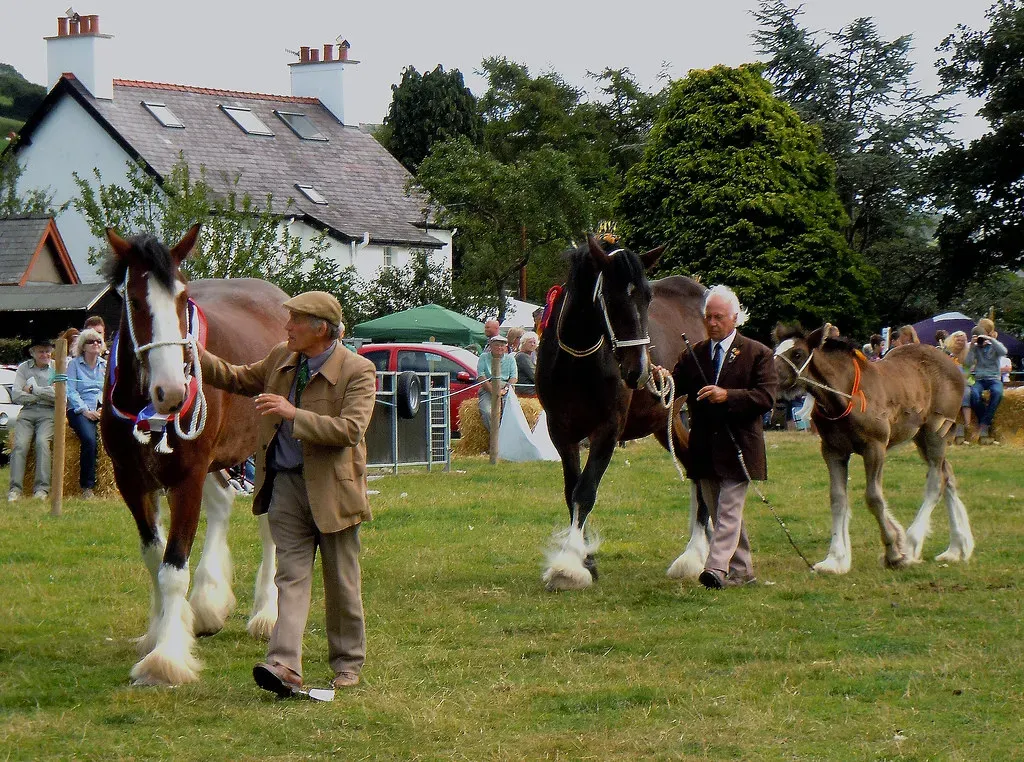
Some people dismiss horses as beautiful but dim, incapable of much beyond basic training through repetition. Maybe they’ve struggled to teach a horse something and concluded the horse just wasn’t smart enough to get it. That’s really selling horses short.
Horses are highly intelligent animals. While they don’t have the same cognitive processes as humans (and don’t think like humans), they have extremely good recognition and repetition skills. They can even read human emotions, which makes them excellent therapy animals.
Horses also have an extraordinary memory, and can remember human friends after long periods of separation. They also have the ability to recall complex, problem-solving strategies for 10 years or more. That’s pretty remarkable when you think about it.
Like most animals, horses have to be trained to understand human commands, but this works both ways. If they could tell us, horses would likely say that they have been training humans to understand them for centuries. Sometimes when training isn’t working, the problem isn’t the horse’s intelligence but our communication methods.
Horses Don’t Need Vaccinations If They Stay Home
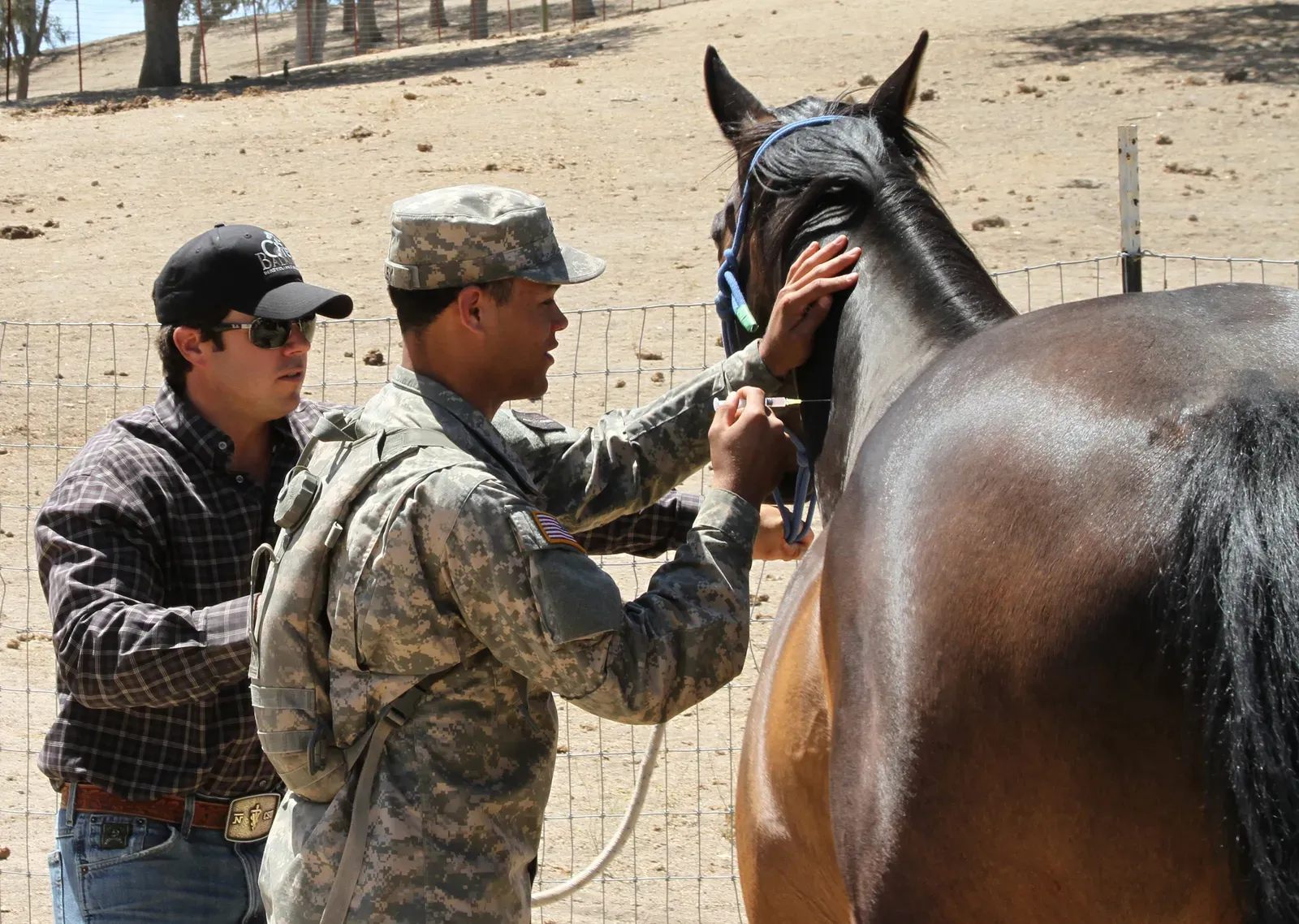
If your horse never leaves the property, they’re completely safe from disease, right? Many owners genuinely believe their stay-at-home horses don’t need vaccinations. It seems logical on the surface, but disease doesn’t respect property boundaries.
It’s easy to overlook the importance of influenza as a disease as outbreaks are relatively rare. However the disease is debilitating for your horse and can be distressing for you to witness. Influenza is an airborne virus and can spread quickly and easily through a yard and as such your horse doesn’t need to leave the yard to be at potential risk. Under favourable weather conditions influenza can spread up to 5km.
Although influenza is endemic in the UK, it’s estimated that less than 50% of the equine population is vaccinated against equine influenza. All horses should be considered to be part of a herd even if they live alone. This is because equine influenza can spread up to 5km under favourable conditions. Your horse could catch something from a neighbor’s horse several properties away.
Then there’s tetanus. Tetanus is caused by a bacterium (Clostridium tetani) which is found in the soil. The bacteria enter the body through wounds, with punctures of the sole of the foot a common route of infection. The bacteria then cause disease by producing toxins that affect the nervous system. In the majority of cases, tetanus is fatal. The bacteria lives in the soil everywhere, not just at shows or trail rides.
Therefore the health status of your horse does make a difference to other horses. In these situations the disease is unable to spread because there are too few susceptible horses left to propagate the outbreak and therefore your horses vaccination status does make a difference to other horses. Protecting your horse also protects the wider equine community.
Conclusion: Time to Update Our Horse Knowledge

From Hollywood movies to childhood storybooks, horses have been portrayed in many ways, leading to a host of widely held beliefs about them that are untrue. While some of these are harmless, others can be dangerous both for riders and the horses because they affect how we care for horses. Understanding the truth behind these common horse myths is essential for any rider, owner, or enthusiast.
The beautiful thing about science and veterinary medicine is that they keep advancing, giving us better information to work with. What our grandparents believed about horse care might have been the best knowledge available at the time, but we know so much more now. It’s hard to say for sure, but many of these myths probably started from genuine observations that were misinterpreted or from well-meaning advice that got twisted through generations of repetition.
The real question is whether we’re willing to update our practices based on current evidence or cling to tradition just because that’s how it’s always been done. Our horses deserve care based on facts, not folklore. They can’t exactly tell us when outdated beliefs are causing them problems.
Did any of these myths surprise you? What old piece of horse wisdom have you recently discovered was completely wrong? Share your thoughts in the comments below.
