
When the sun dips below the horizon and the world fades into shadow, most people retreat indoors, shutting out the darkness. Yet out there, beyond your window, a different world awakens. An entire shift of creatures stretches, yawns, and prepares for the night ahead.
These aren’t creatures of myth or legend. They’re real animals with remarkable adaptations that allow them to flourish when the rest of us would stumble blindly. Think about it for a moment: while you’re winding down for the evening, these nocturnal wonders are just beginning their day. Let’s dive into their extraordinary world.
Masters of the Dark: Why Choose the Night
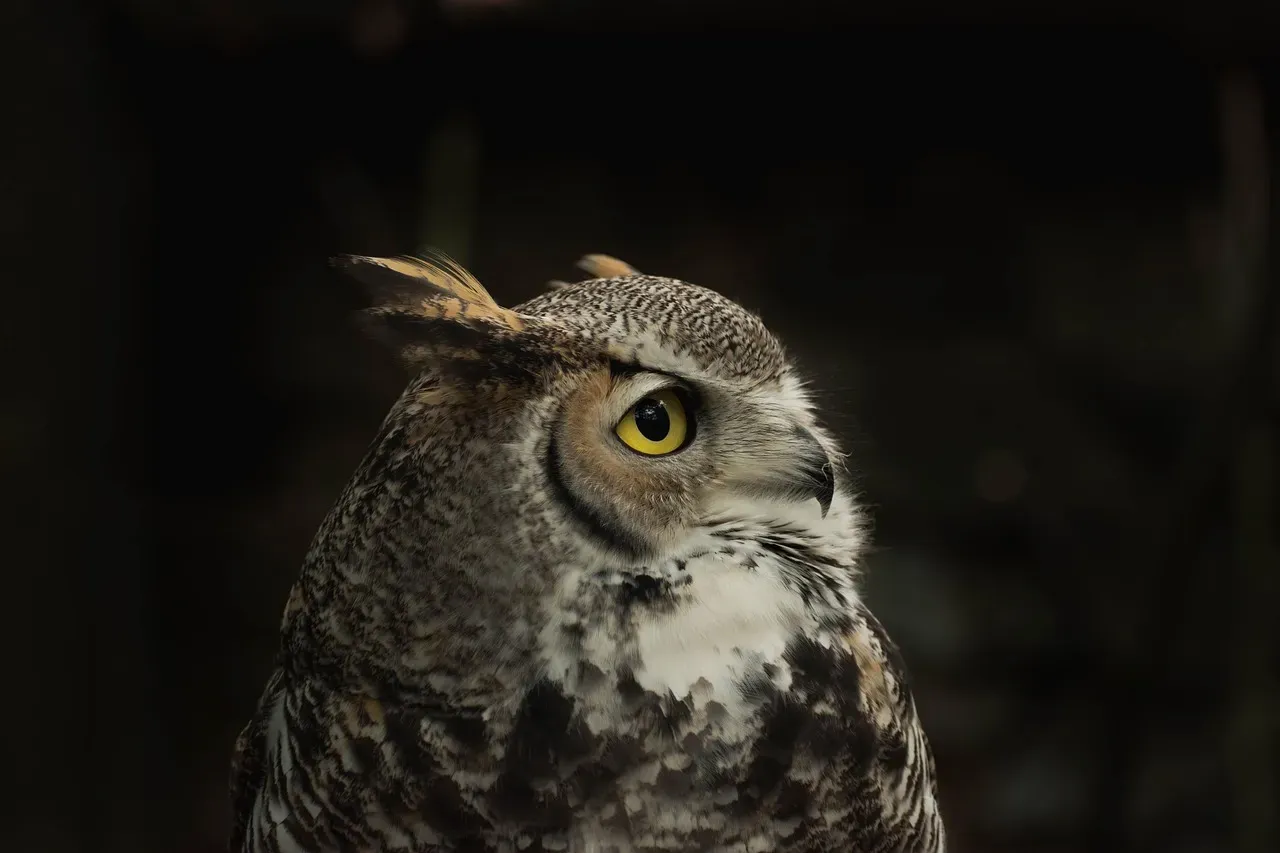
Nocturnal species take advantage of the night time to prey on species that are used to avoiding diurnal predators. This evolutionary strategy is honestly brilliant when you think about it. The darkness offers something daytime simply cannot: an entirely different playing field.
Nocturnality is a form of crypsis, an adaptation to avoid or enhance predation. Avoiding competition becomes crucial when resources are limited. That most mammals have adapted to the dimness of night over the brightness of day suggests strong evolutionary advantages for their behaviour – and there can be big benefits to living life by moonlight.
First, there is an obvious intrinsic advantage in the darkness itself, with the absence of light helping both hunter and hunted to avoid detection. It’s hard to say for sure, but the night creates a strange balance where predator and prey dance in shadows, each hoping their adaptations give them the edge.
Eyes Like Moonbeams: The Owl’s Supernatural Vision
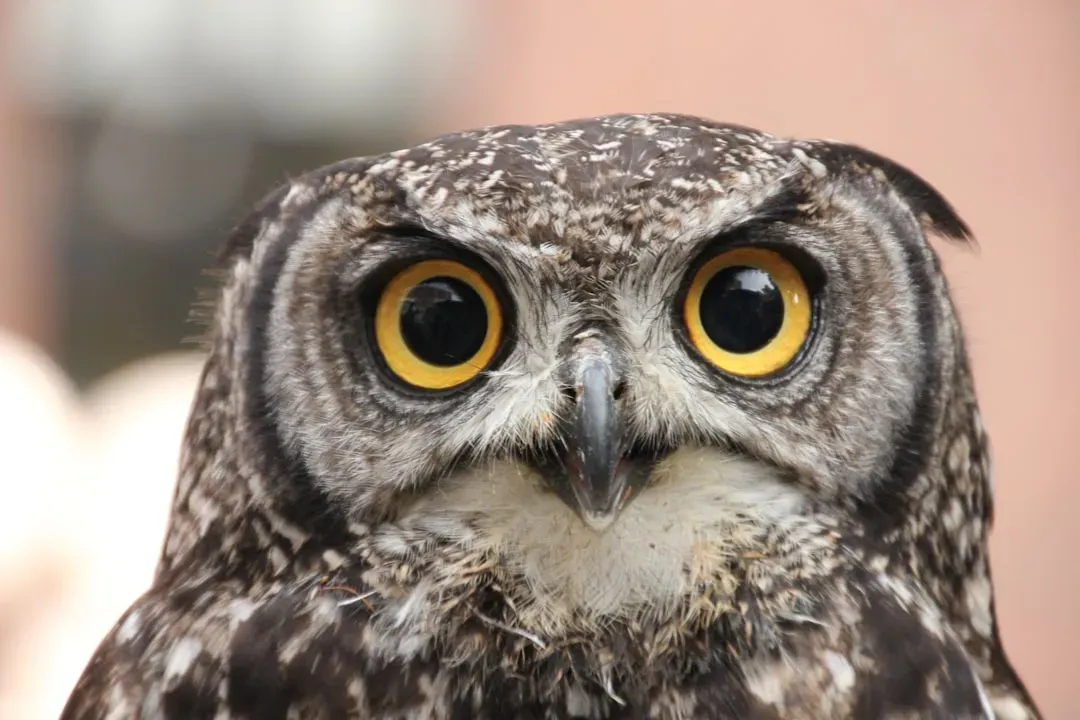
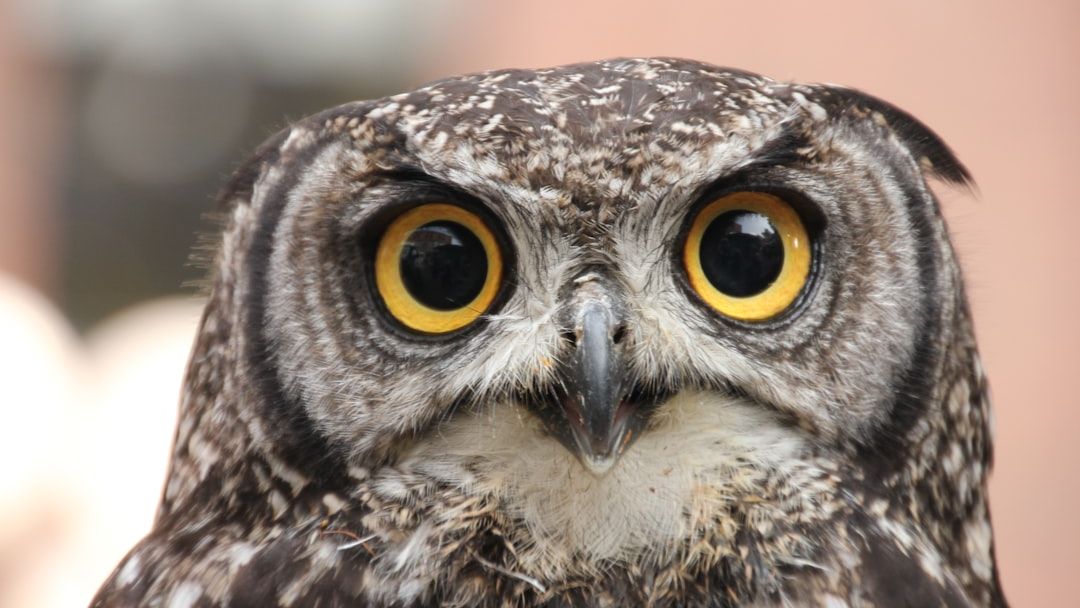
Many nocturnal creatures including tarsiers and some owls have large eyes in comparison with their body size to compensate for the lower light levels at night. Picture an owl perched silently on a branch. Those enormous eyes aren’t just for show.
Owl eyes are packed with rods, about 30 for every cone (humans have about 20 rods for every one cone), making them very good at noticing movement in the dark. Their retinas are essentially engineered for darkness. Barn owls retained a quarter of their maximal acuity when luminance decreased by 5.5 log units.
Here’s the thing: these birds aren’t just seeing in the dark. The visual sensitivity of a Tawny Owl is about 100 times greater than that of a diurnal bird like a pigeon. That’s not a small difference; that’s the difference between helplessness and mastery. Because their eyes are situated on the front of their head instead of the sides, owls have what is known as binocular vision. This means owls can see an object with both eyes at the same time in 3 dimensions – height, width, and an increased depth perception. They truly own the night.
Echolocation Wizards: When Bats Take Flight
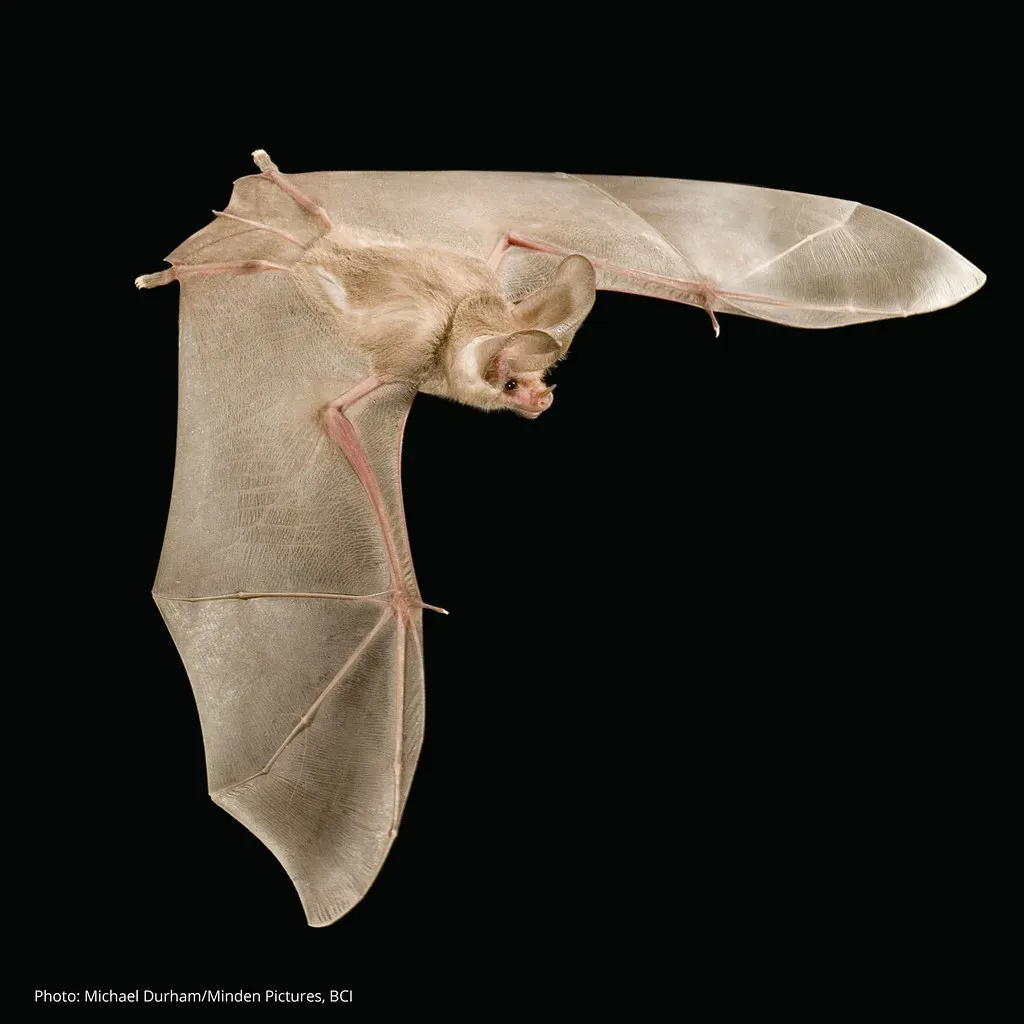
Bats get a bad reputation, but they’re among the most sophisticated hunters on the planet. Most bat species navigate and find their food in complete darkness using a biological sonar system called echolocation. They generate high-frequency sound pulses from their larynx, or voice box, and emit them through their mouth or nose.
Bats can see as well as humans can, but they have evolved a sophisticated method of using sound that enables them to navigate and find food in the dark called echolocation. The sophistication of this system is genuinely mind-boggling. Bat echolocation is so sophisticated that these animals can detect an object the width of a human hair.
Echolocation proves to be better at navigating and hunting in the night skies. Recording the sounds bounced off insects, scientists determined echolocation to be twice as effective as vision when it comes to finding prey in dim or dark conditions. Nature found a solution that surpasses even the best night vision. Bats can eat more than 50% of their body weight in insects each night. That’s a lot of mosquitoes.
Living Lanterns: The Firefly’s Glowing Secret
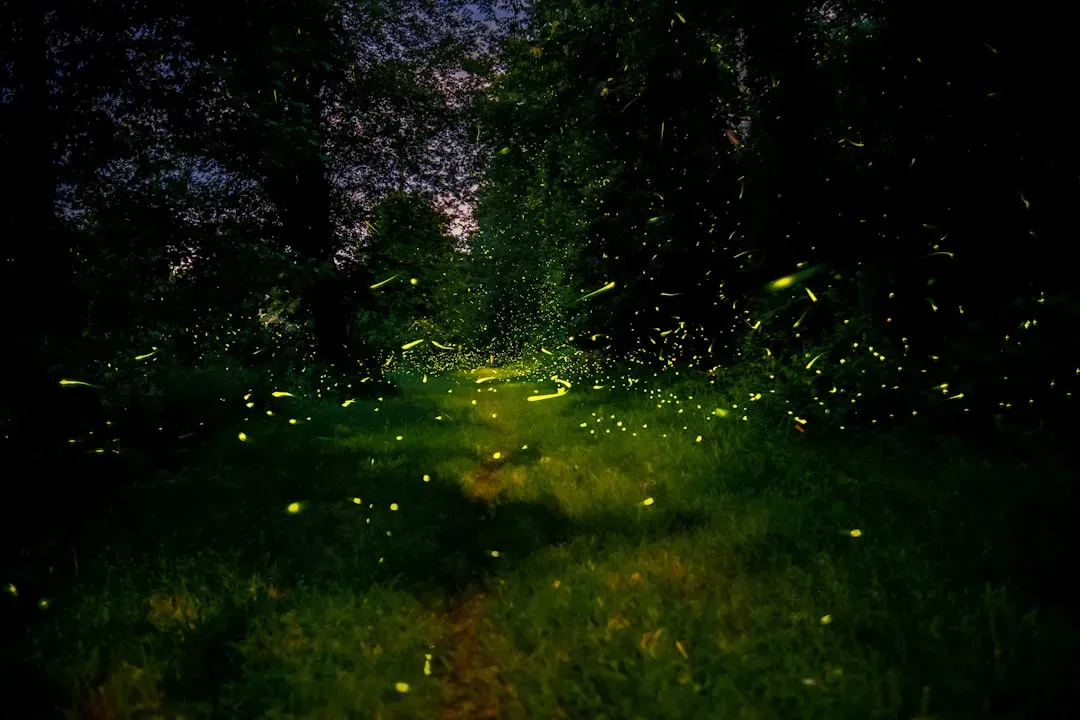
The most commonly known fireflies are nocturnal, although numerous species are diurnal and usually not luminescent; however, some species that remain in shadowy areas may produce light. On summer evenings, these beetles create natural light shows that captivate anyone lucky enough to witness them.
Bioluminescence is thought to have originally evolved as a warning signal to predators, saying “don’t touch me, I have nasty chemicals that will hurt you if you do.” But evolution had other plans. Adults emit light primarily for mate selection. Early larval bioluminescence was adopted in the phylogeny of adult fireflies, and was repeatedly gained and lost before becoming fixed and retained as a mechanism of sexual communication in many species.
What happens is the male is out there giving off its species’ flick, flick, flick pattern. Then a female of the same species will respond with a different pattern. Ideally the right male finds the right female, and they mate and everybody’s happy. It’s like a bioluminescent dating app. Light pollution is an especially concerning threat to fireflies. Since the majority of firefly species use bioluminescent courtship signals, they are also sensitive to environmental levels of light and consequently to light pollution.
Reading the Moon: How Lunar Light Shapes Behavior
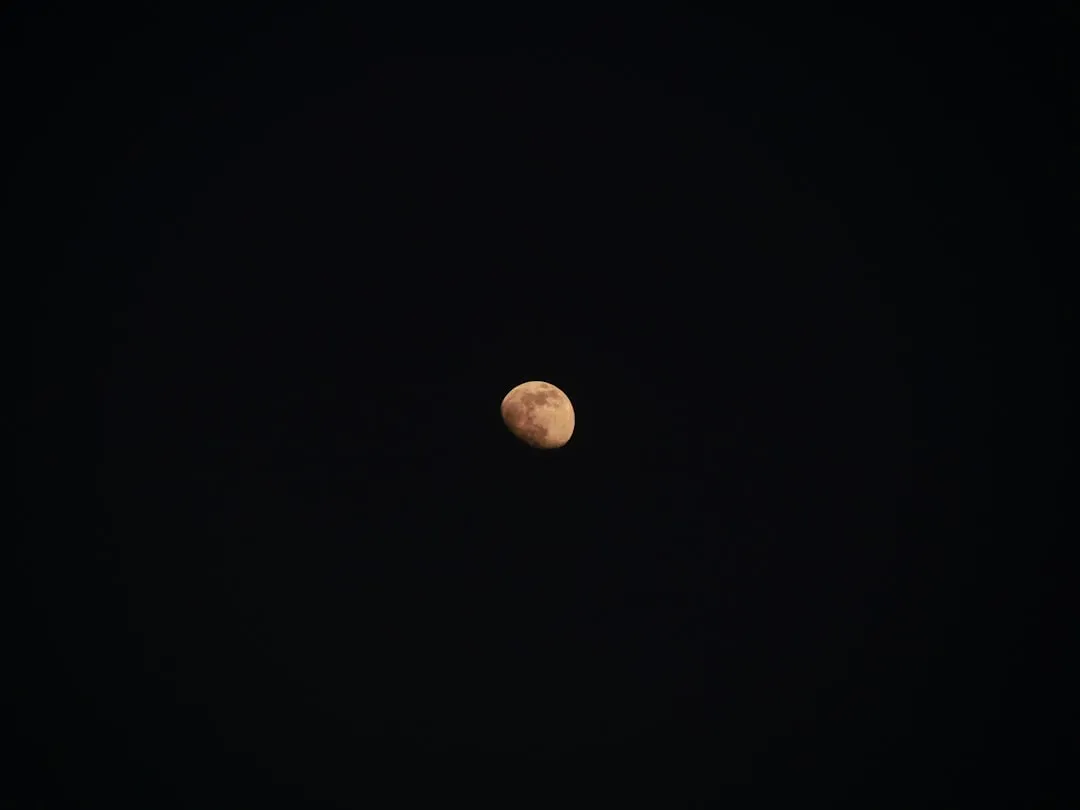
The moon isn’t just a pretty sight in the night sky. It’s a signal that fundamentally changes how nocturnal animals behave. Study found that half of tropical mammals change their behavior based on moon phases. Some avoid moonlight, while others become more active.
Prey animals that primarily used their vision to find food or spot danger were more active on well-lit nights, they found. Those that used other senses – smell or sound, for example – were less active. The relationship is complicated, far more nuanced than we once believed. Nocturnal animals also calculate their eat-or-be-eaten chances by how bright the moon is. A full moon might make it easier for predators to spot them – or for them to spot lurking predators.
They climb to 4,000 m and remain at 2,000 m during periods around full moon, when moonlight likely allows feeding on aerial insects. A lunar eclipse catalyzed a synchronized rapid descent by the swifts, showing the direct influence of light on their behavior. The moon’s influence reaches across entire ecosystems.
The Hedgehog’s Hustle: Nighttime Foraging Masters
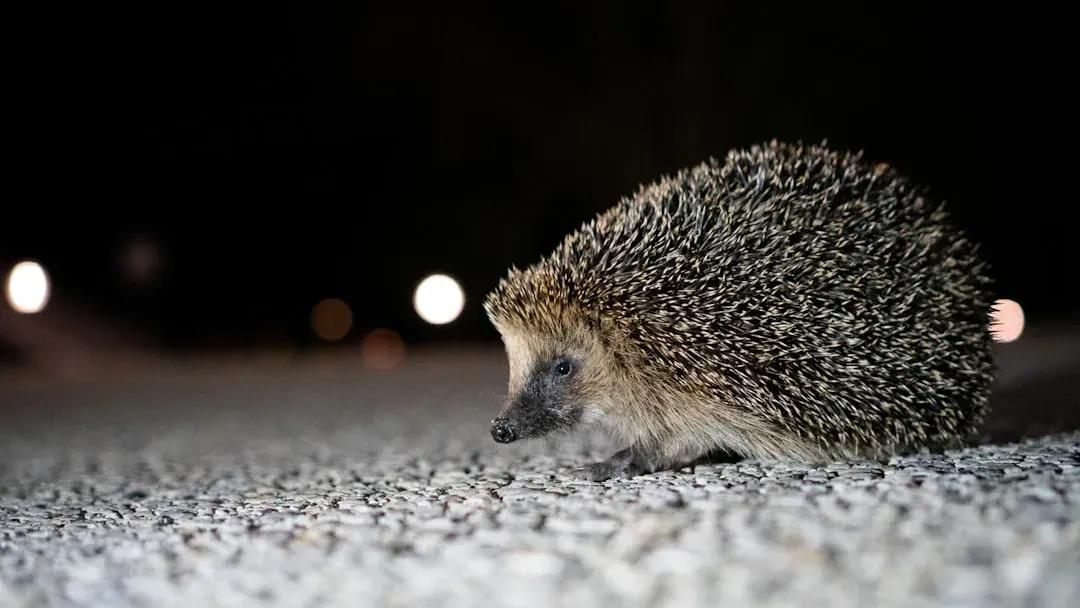
Hedgehogs are primarily nocturnal, waking around dusk to forage throughout their home range. Precisely how long hedgehogs are active for during a night varies according to location, sex and season. These spiky little mammals are far busier than you’d imagine once darkness falls.
Their keen sense of smell and hearing helps them navigate and find resources in the dark. As nocturnal foragers, hedgehogs rely on their sense of smell to locate insects, worms, and other small invertebrates. They’re equipped with exactly the tools they need for their midnight missions. In the wild, hedgehogs usually forage and look for food during the night when it’s difficult for their natural predators to see them.
Hedgehogs spend a significant portion of their night searching for food. They have a varied diet consisting of insects, snails, frogs, and even small snakes. Let’s be real: these creatures are tougher than they look. Hedgehogs may be found resting among vegetation away from their nest periodically during the night, and I have seen many videos from “feeder cams” showing a hedgehog curling up in the feeding station to for a nap after eating its fill of biscuits, on one occasion even sleeping in the half-full bowl of biscuits. Even nocturnal animals need their rest breaks.
When Night Becomes Day: The Threats Facing Creatures of Darkness
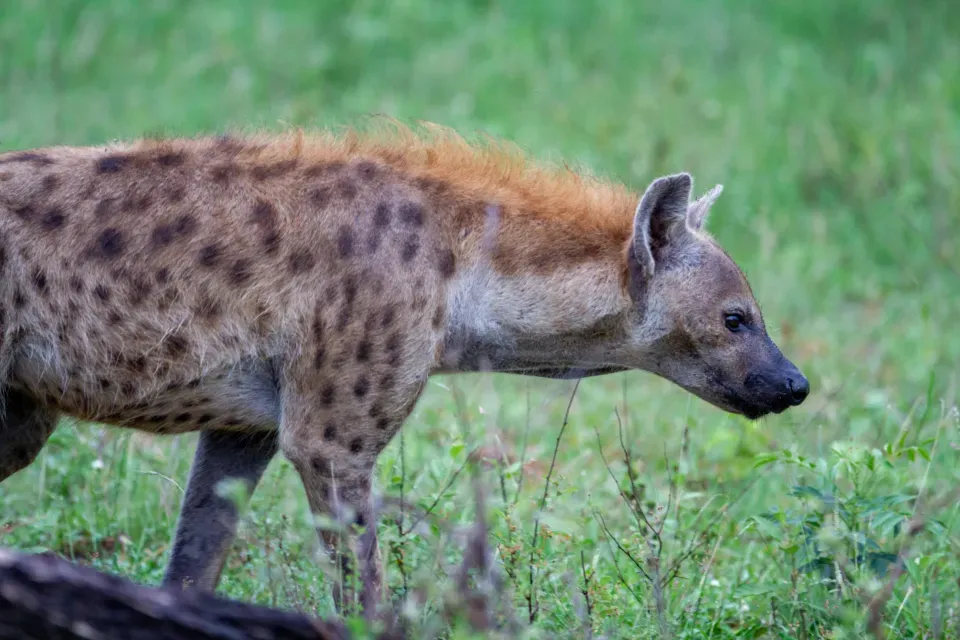
Light pollution is a major issue for nocturnal species, and the impact continues to increase as electricity reaches parts of the world that previously had no access. We’re fundamentally changing the rules of the game these animals have played for millions of years.
Over the past century electric lighting has introduced direct and indirect light pollution into the full range of terrestrial habitats, changing nocturnal animals’ visual worlds dramatically. The consequences are far-reaching and often heartbreaking. Light pollution can disorient species that are used to darkness, as their adaptive eyes are not as used to the artificial lighting. Insects are the most obvious example, who are attracted by the lighting and are usually killed by either the heat or electrical current.
Studies show that some animals are changing their behaviour because of human activity. Foxes are believed to have been day hunters driven to nocturnality by human persecution, but now the threat has diminished they are giving up the night life. In contrast, grizzly bears are becoming more nocturnal because of growing numbers of hikers encroaching on their habitats, while some African primates have begun staying up late and raiding farms at night when fields are unattended. Animals are adapting, but at what cost? However, the concern is that these new night hunters are not adapted to the dark so their survival prospects may suffer.
The nocturnal world is a realm of wonders that most of us never witness. From owls with their supernatural vision to bats navigating by sound, from fireflies painting the darkness with living light to hedgehogs shuffling through gardens on urgent errands, these creatures have mastered the art of thriving when light fades. They’ve evolved remarkable adaptations over millions of years, turning darkness from a limitation into an opportunity. Yet as our lights encroach further into the night, we’re threatening the very adaptations that make these animals so extraordinary. Perhaps it’s time we turned down the lights and gave the night back to those who truly need it. What do you think about the hidden world that comes alive while you sleep?

- 14 Quiet Signs Your Dog Knows Its Time Is Near and Wants You Close - July 22, 2026
- 10 Falcon Facts That Will Blow Your Mind - July 22, 2026
- 5 Incredible Migratory Journeys Animals Make Every Year - July 22, 2026