
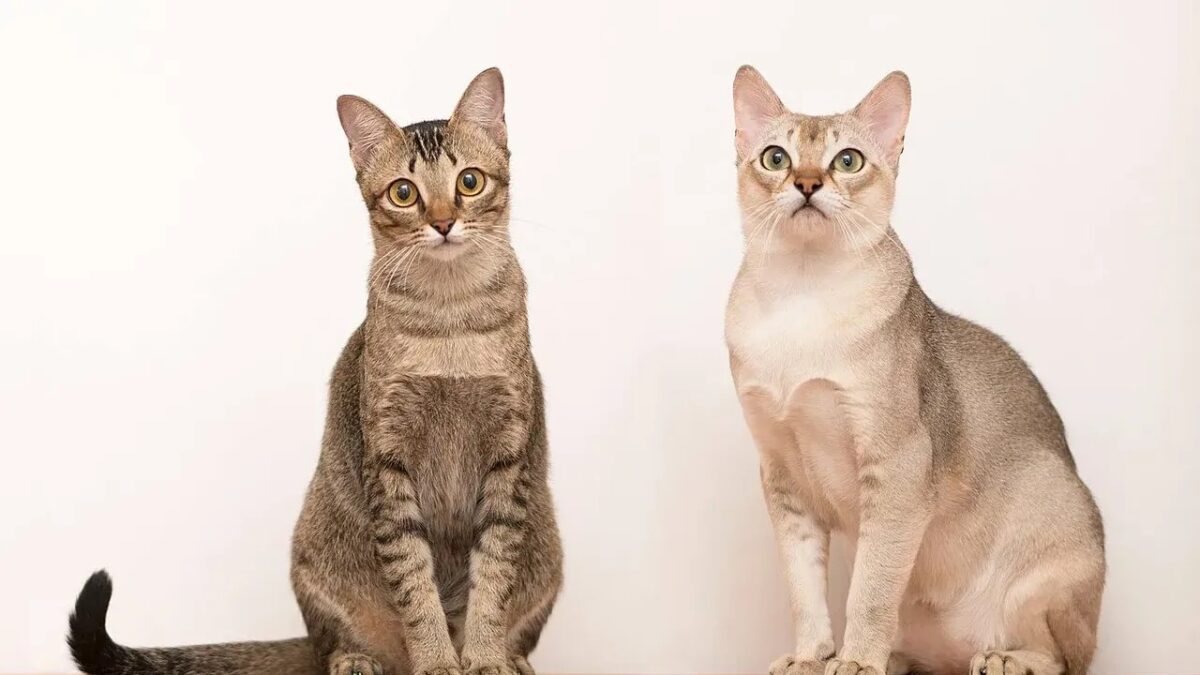
If you’ve ever tried to train a cat, you know it can feel like talking to a wall. While dogs might eagerly fetch a ball or sit on command, cats have their own unique way of looking at the world. It’s not that they don’t understand what you’re asking. They just might not care.
Some cat breeds take independence to a whole other level. These felines have earned a reputation among trainers and behaviorists for their stubborn, headstrong personalities. No amount of treats or patience seems to get through to them. Let’s explore the breeds that will make you question your training skills.
Persian
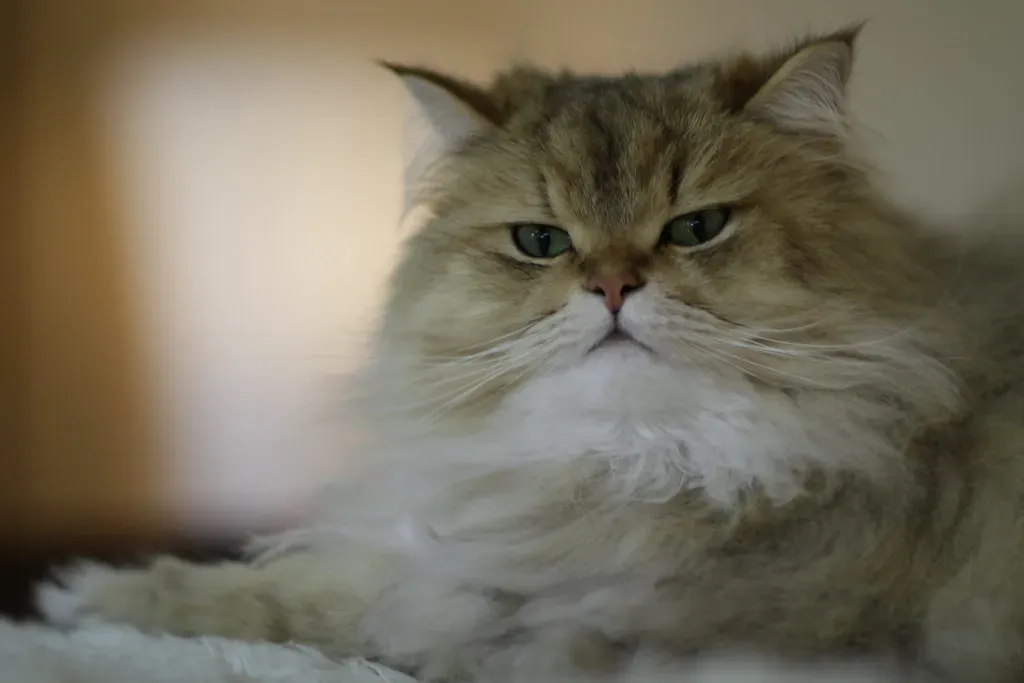
Persian cats are incredibly difficult to motivate, constantly ignoring their owners and spending their time grooming their thick coats. These luxurious furballs have mastered the art of selective hearing. When you call them, they might glance your way, maybe, before returning to their nap.
Getting a Persian cat to listen to their owner will be incredibly difficult unless training starts when they are kittens. Even then, success isn’t guaranteed. Their calm demeanor can be misleading because it masks a deep stubborn streak.
Training Persian cats will require quite a bit of patience, as they aren’t always that interested in training and you won’t necessarily get them to perform any tricks. They prefer lounging to learning. Their independent nature means they’ll only cooperate when it suits them, which is rarely.
Think of Persians as beautiful, fluffy statues. They’re content to be admired from afar. Honestly, they’ve perfected the royal treatment for centuries, so why should they listen to you now?
Himalayan
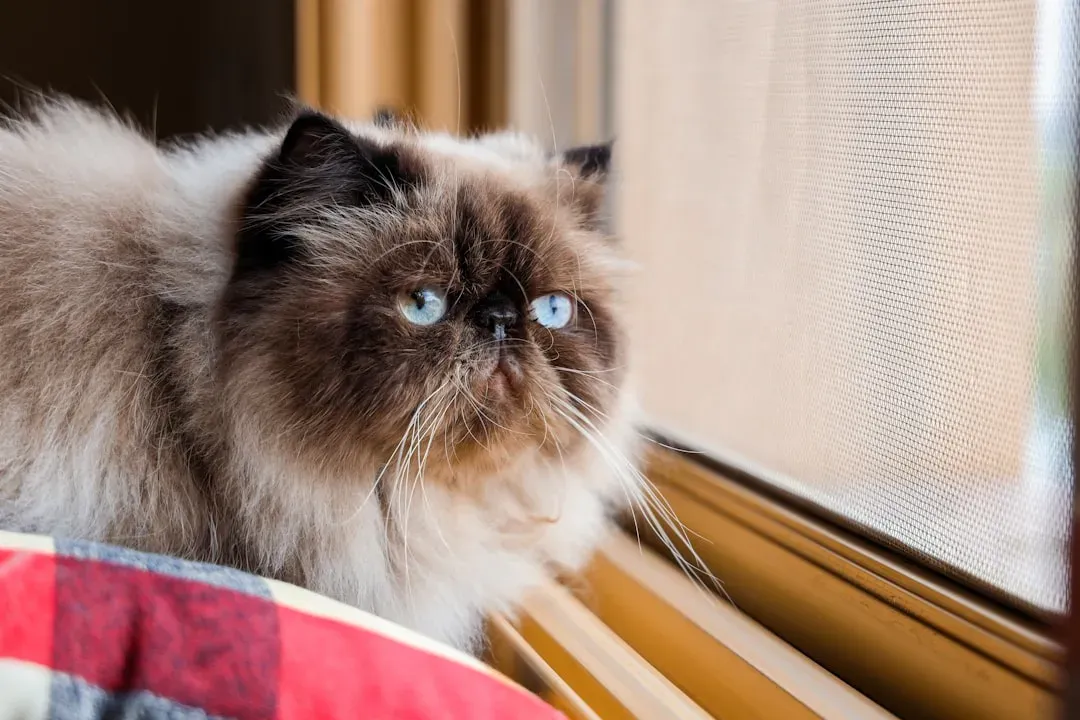
Himalayan cats are a combination of Persian and Siamese and are incredibly stubborn animals with loving hearts. They inherit the Persian’s disinterest in commands along with the Siamese’s strong will. This creates a uniquely stubborn personality that trainers find challenging.
The breed frequently dismisses their owners’ commands and, despite proving capable of problem solving, they prefer to wait for their owners to solve their problems for them. It’s not that they can’t learn. They just choose not to participate.
These cats are smart enough to know exactly what you want. They simply decide it’s not worth their effort. You might see them stare at a closed door, meowing until you open it, even though they could easily jump or figure out another way.
Himalayans are selective about when they show their intelligence. They’ll hunt and solve problems when it benefits them. Commands from humans? That’s a different story entirely.
Scottish Fold
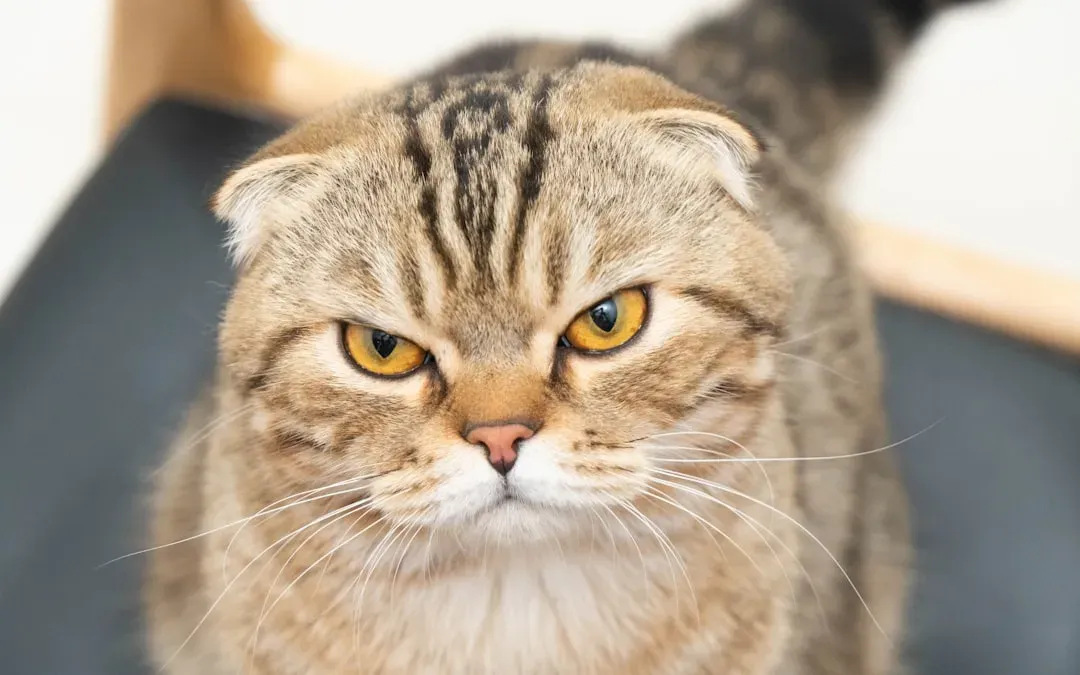
Scottish fold owners debate whether the breed has trouble hearing or prefers to just ignore their owners, with veterinarians indicating Scottish folds have good hearing, making it likely the breed is stubborn. Those adorable folded ears aren’t the problem. It’s the attitude underneath them that’s the real challenge.
These round-faced cats have a calm exterior that hides their strong-willed nature. While generally laid-back, the Scottish Fold can be stubborn if they don’t want to be handled or moved. Try picking one up when they’ve settled somewhere, and you’ll understand what trainers mean.
Scottish Folds are observant and intelligent, which makes their refusal to follow commands even more frustrating. They watch everything you do, learning your patterns and routines. Yet when you ask them to do something simple, they act like you’re speaking a foreign language.
Their stubbornness isn’t aggressive. It’s more like passive resistance. They’ll simply sit there, blinking slowly at you, as if to say, “I heard you, but no thanks.”
Russian Blue
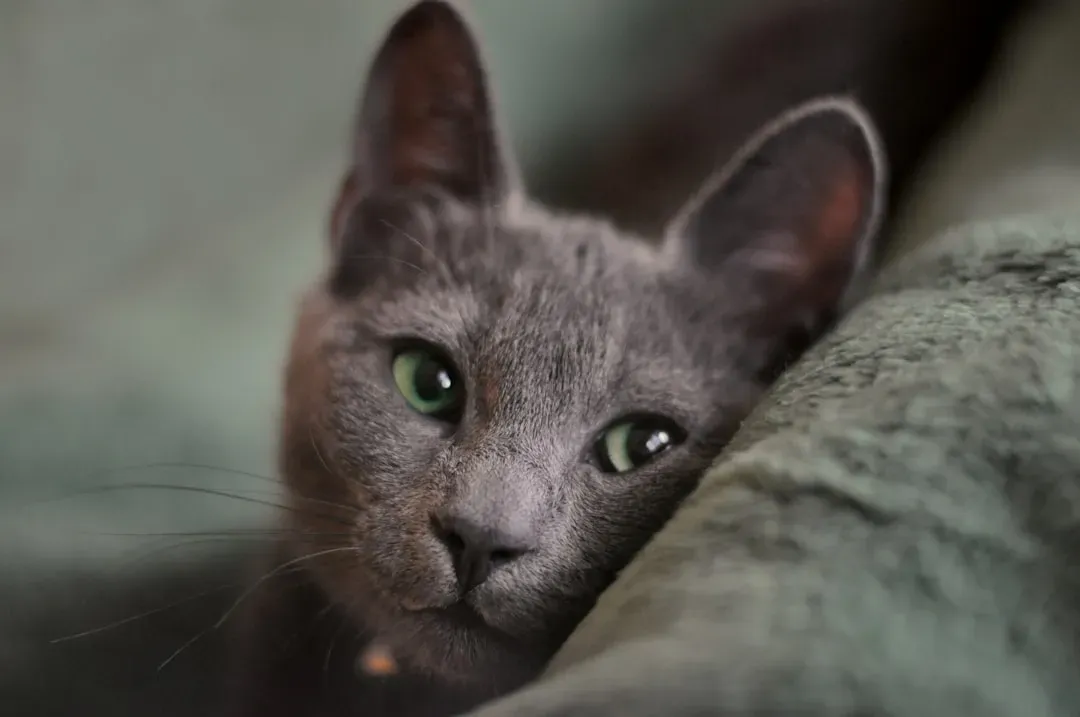
Unlike many cats that demand attention, the Russian Blue does not and may refuse to come out from under the bed on a whim, becoming stubborn when you try to change up routine or invite new people over. These cats are sensitive to their environment and despise disruption.
The International Cat Association calls them “observant and persistent.” Persistent in doing what they want, that is. They need plenty of alone time and watch situations from the outside before deciding whether to participate.
Training a Russian Blue requires respecting their boundaries, which they’ve drawn with laser precision. Push too hard, and they’ll retreat even further into their shell. They’re not being difficult on purpose. Well, maybe they are.
Their aloofness makes typical training techniques ineffective. Treats might work occasionally, but their preference for routine and solitude trumps any reward you can offer. They’ll train you before you train them.
American Shorthair
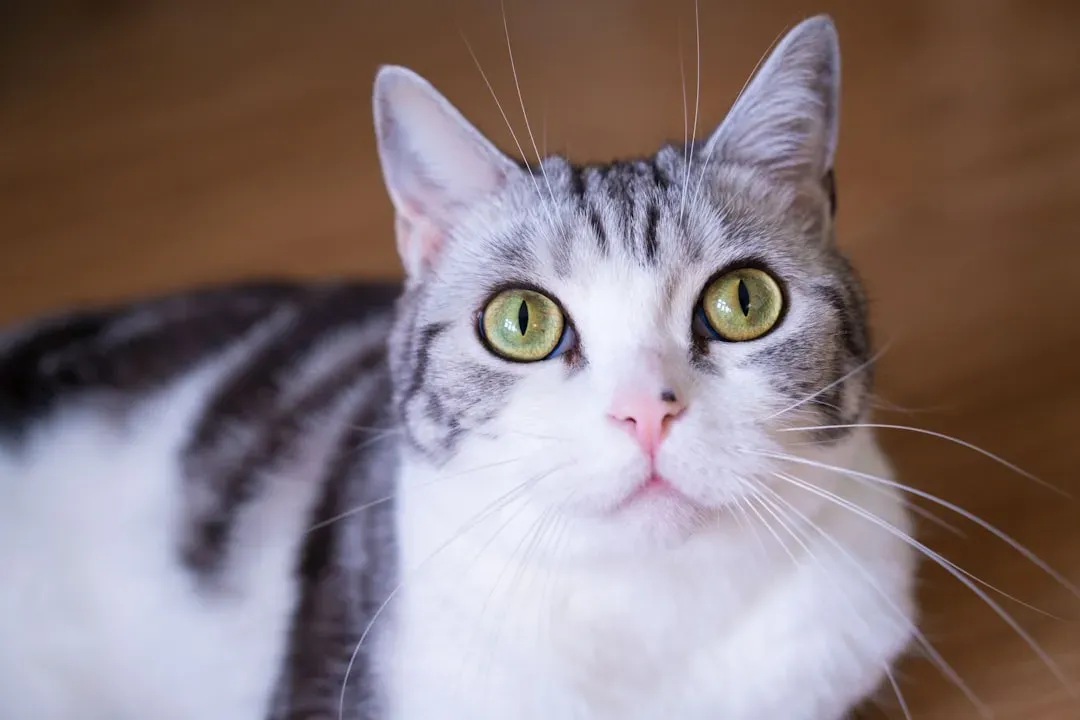
The American shorthair cat breed is one of the most popular breeds in America and they can be difficult to train because of their personalities, but they are willing to learn with proper motivation. The catch is finding that motivation. These cats are patient but independent.
Very patient, they will wait for their turn at a pat or to play with cat toys. This patience extends to ignoring your commands. They’ll wait you out until you give up or until they feel like cooperating.
American Shorthairs are active and love running around, but structured training sessions bore them. They prefer to explore and play on their own terms. Getting them to repeat a behavior reliably is like trying to herd, well, cats.
Their laid-back personality can fool you into thinking they’ll be easy to train. In reality, they’re just conserving energy for when they want to do something fun, which doesn’t include listening to you.
Oriental Shorthair
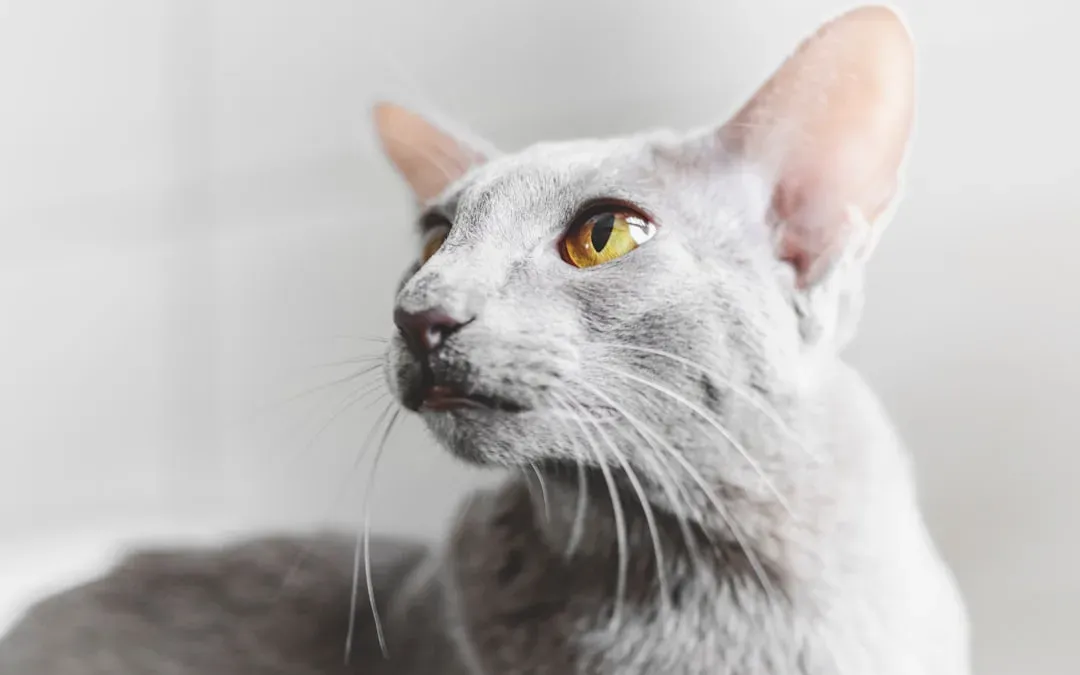
Oriental Shorthairs thrive when surrounded by their family members, but if you’re not around enough, these cats happily become destructive until you get home, and will not only interrupt your activities but also open drawers if it means getting your attention. They’re demanding and manipulative in the most charming way.
These cats have their own agenda, and it rarely aligns with yours. Training them to stop certain behaviors feels impossible because they’re so determined to do things their way. Like their Siamese ancestors, Oriental Shorthairs will meow, chirp and trill often.
They’re intelligent, no doubt about that. The problem is they use that intelligence to outsmart you rather than follow commands. If they want something, they’ll figure out how to get it, training be damned.
Living with an Oriental Shorthair is like living with a perpetually curious toddler. They’ll ignore your “no” and do exactly what they want the moment you turn your back. It’s exhausting and endearing in equal measure.
Devon Rex
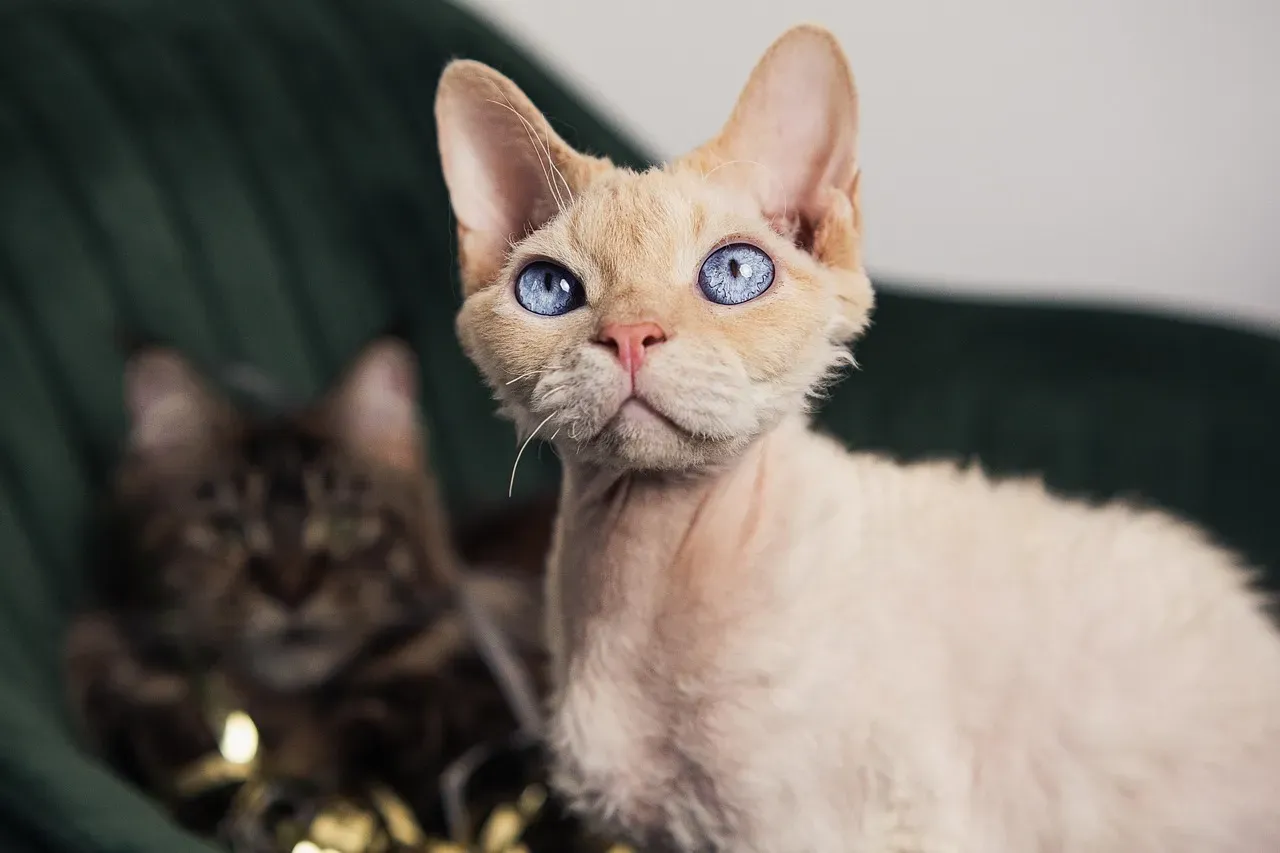
The Devon Rex is one of the strongest willed cats, known for begging for food off your dinner plate and meowing at you as though you’ve neglected their appetites completely, trying to wear you down with their big, pleading eyes and intensely devoted dispositions. They’re relentless in pursuing what they want.
You know nothing about strong-willed cats unless you meet a Devon Rex breed, as they do not stop bothering you until they get what they want. Ignoring them doesn’t teach obedience. It just makes them try harder.
These cats have a mischievous streak that makes training nearly impossible. Just when you think you’ve made progress, they’ll do the exact opposite of what you taught them. It’s like they enjoy the chaos.
Their intelligence works against any training efforts. They learn quickly, sure, but they also learn how to manipulate situations to their advantage. You might think you’re training them, but really, they’re training you to give in.
Balinese
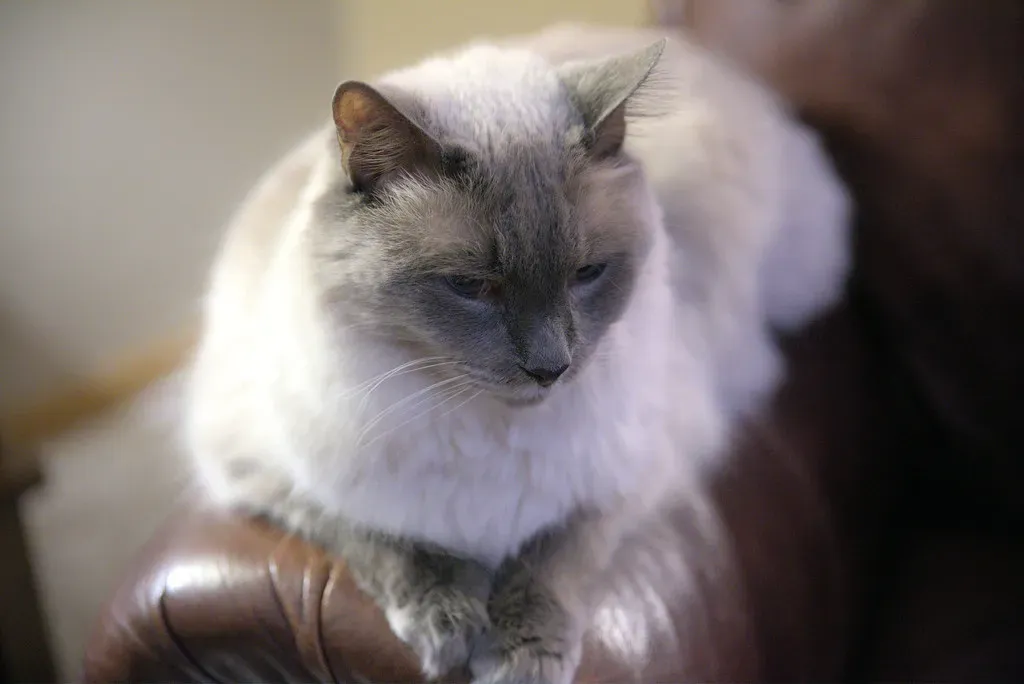
The Balinese is extremely fine-tuned to their owner’s emotional state and will follow you everywhere, making sure you know where they are at all times, with leaving them alone too long not being wise. They demand constant attention, which makes structured training sessions challenging.
This breed demands a lot of attention and will follow you everywhere, making sure you know where they are as they are very vocal and like to talk with their human friends. Their focus is on interaction, not instruction.
Training a Balinese feels like trying to teach during a party. They’re too busy engaging with you emotionally to pay attention to commands. Their attachment can border on neediness, which distracts from any training goals.
These cats will ignore your commands in favor of getting your affection. Sit? Maybe later. Right now, they need you to acknowledge their presence and pet them. Training takes a back seat to their emotional needs.
Khao Manee
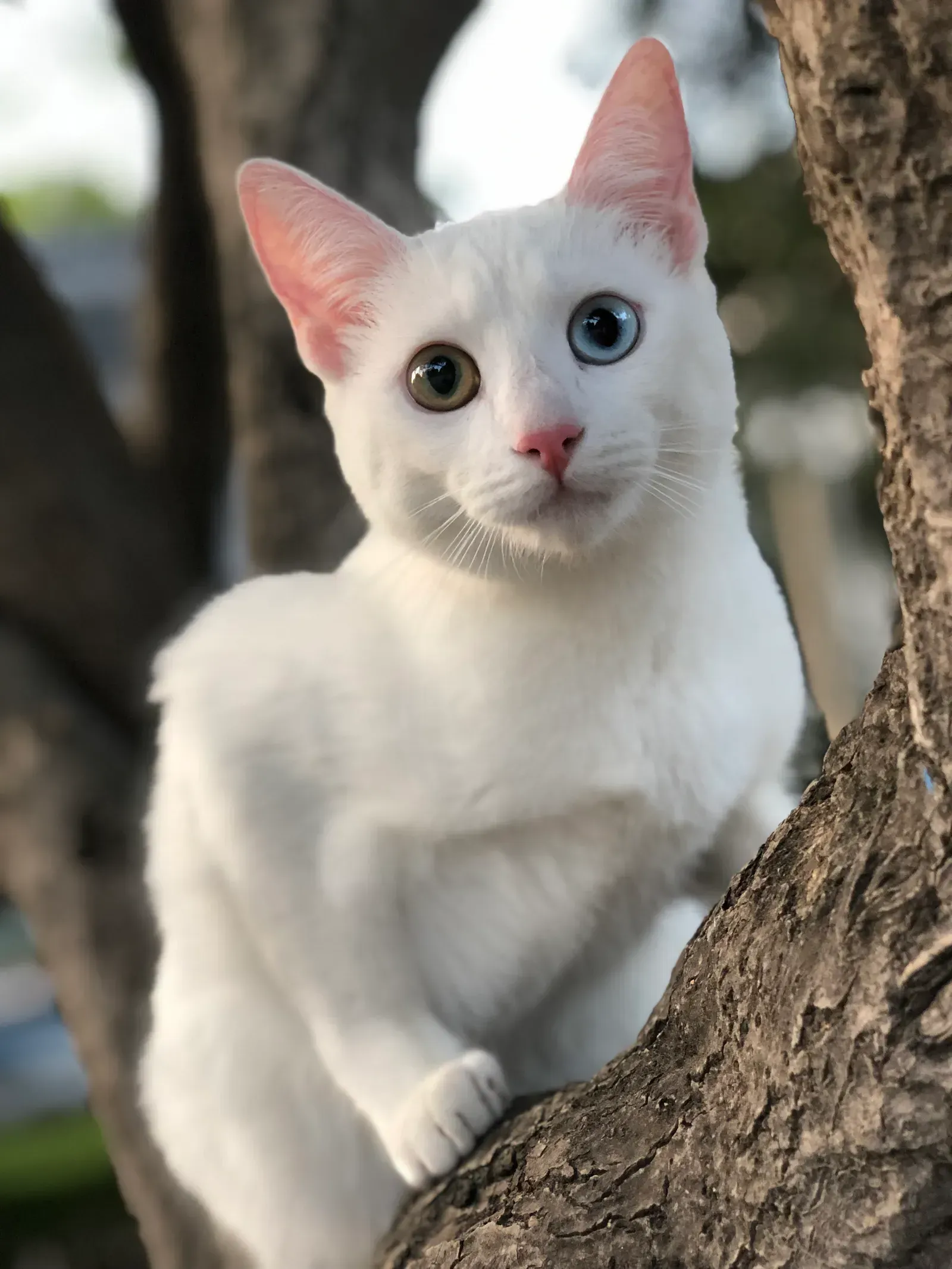
The Khao Manee is all natural and these ancient kitties have been around for centuries with ultra-curious personalities, wanting to explore and play all day long no matter if it gets them into trouble, and once they set their mind to something, consider it done. Their determination doesn’t extend to following your rules.
These rare white cats have a single-minded focus that makes training nearly impossible. If they decide they want to investigate the top shelf, no command will stop them. They’re curious to a fault.
Their ancient lineage comes with an independent streak honed over centuries. They’ve survived without human intervention for so long that modern training methods barely register. You’re dealing with a cat that knows its own mind.
Trainers find Khao Manees frustrating because they seem to understand commands perfectly. They just choose not to care. It’s the ultimate display of feline independence wrapped in a beautiful white package.
Chausie
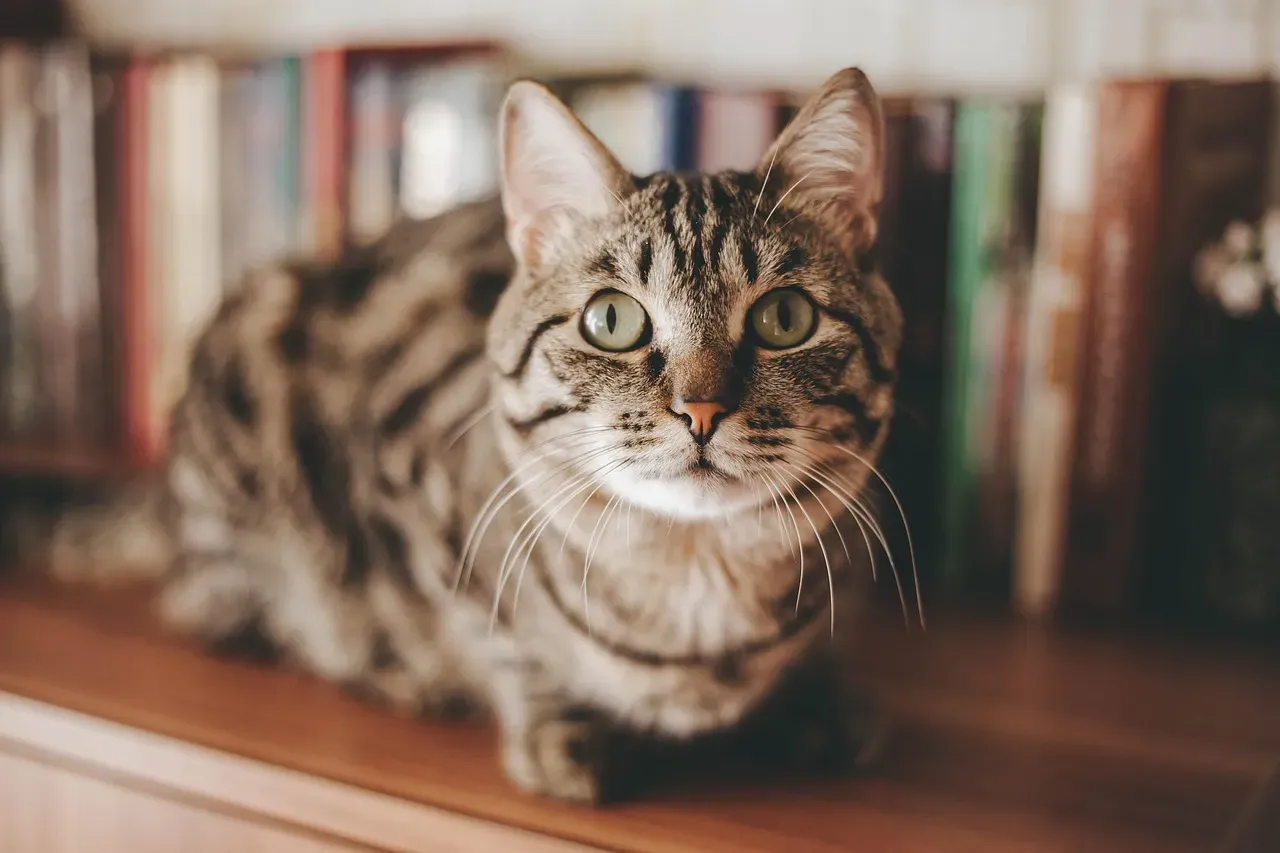
As one of the largest domestic cat breeds, Chausies will take over the table, the tops of shelves, the small spaces you never think they’ll fit into, and more, as these curious adventure seekers won’t give up until they’ve seen it all and are incredibly vocal. Their size and determination make them unstoppable.
These cats have wild ancestry that shows in their behavior. Training a Chausie to stay off counters or follow commands conflicts with their natural instincts to explore and dominate their territory. They’re too driven by curiosity.
Their intelligence is obvious, but it serves their exploration goals, not your training objectives. They’ll learn to open cabinets and doors but refuse to come when called. It’s selective learning at its finest.
Living with a Chausie means accepting that your home is their jungle gym. Commands like “get down” or “stay” are suggestions they politely decline. They’ve got places to explore and heights to conquer.
Singapura
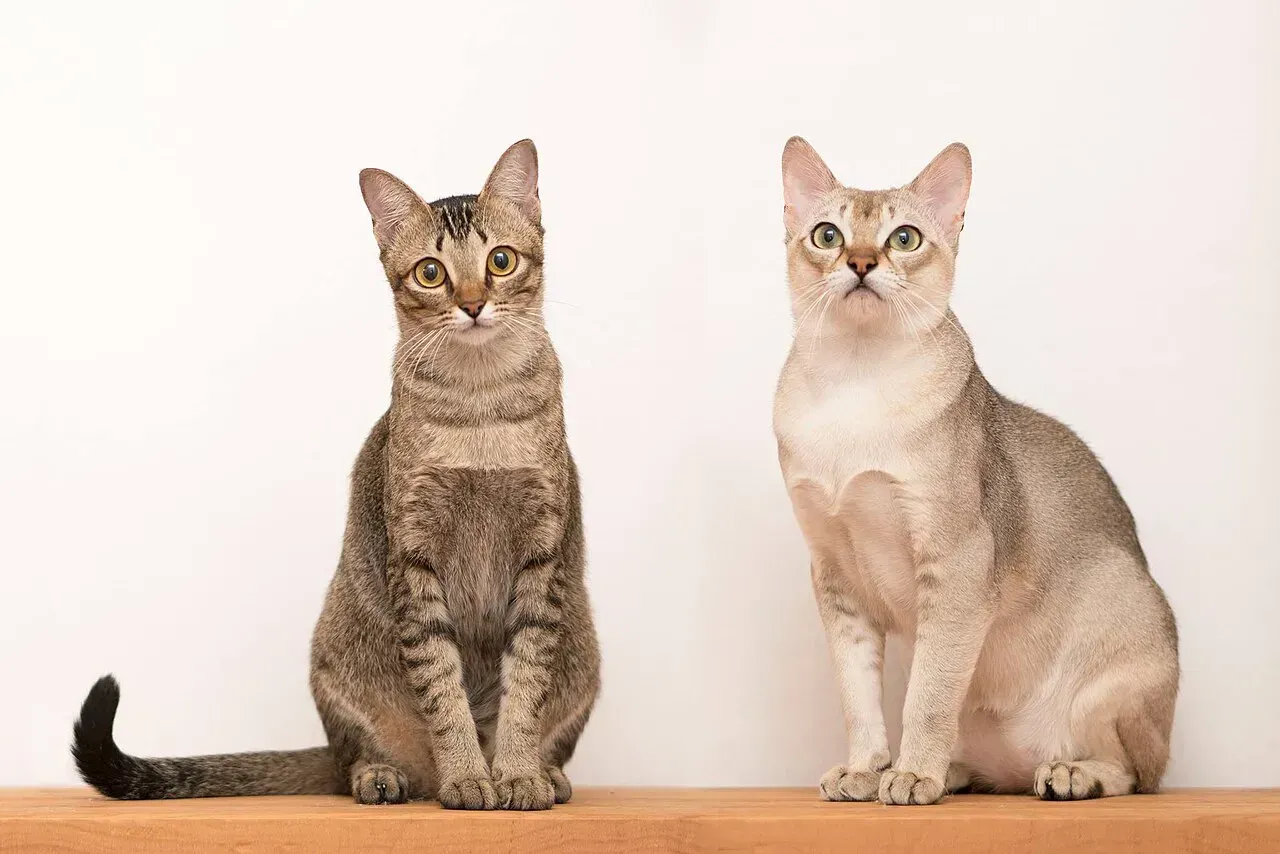
Singapura cats, one of the smallest cat breeds weighing only five to eight pounds, have enough energy to outplay a cat three times their weight, with sleeping all day not being their thing as they want human interaction and will demand more playtime even if you say no. Their persistence wears down even patient trainers.
These tiny cats pack a huge personality into a small frame. Their energy levels make focused training sessions nearly impossible. They’d rather play than learn, and they’ll ignore every command to continue their fun.
Singapuras are manipulative in the cutest way. They know how to get what they want through sheer persistence. Training them requires endless patience, and even then, success is questionable.
Their demand for interaction doesn’t translate to obedience. They want to engage with you on their terms, which doesn’t include following commands. It’s playtime all the time, and you’re just along for the ride.
Cornish Rex
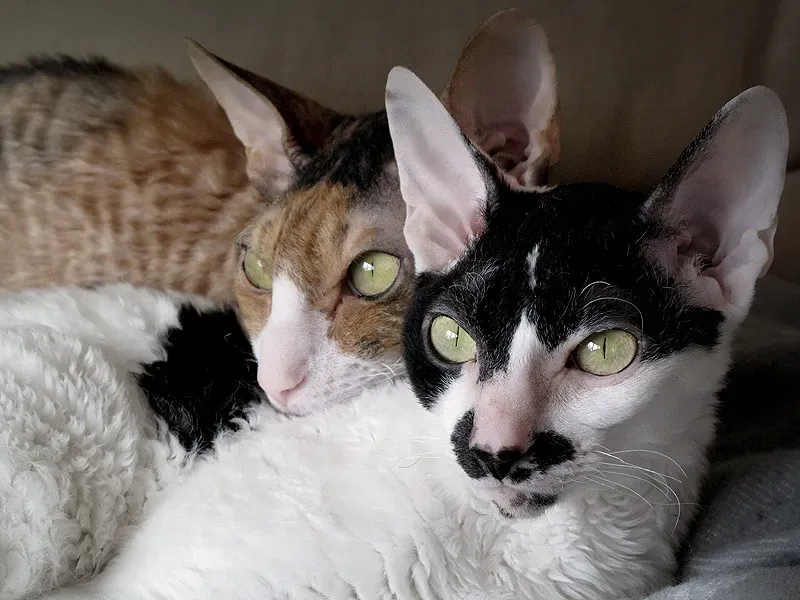
The Cornish Rex will insert themselves into any situation involving their family members as attention seekers through and through, and if you play fetch with them, you might never find a way to end the game. Their obsessive nature makes training goals nearly impossible.
These cats are so focused on getting attention that they can’t concentrate on learning commands. Training requires focus, and Cornish Rex cats are too busy seeking interaction to settle down. They’re perpetually in motion.
Their intelligence shows in how they manipulate situations for attention. They’ll learn tricks if it gets them noticed, but forget about teaching them boundaries or restrictions. Those concepts don’t exist in their world.
Trainers often give up on Cornish Rex cats because they’re exhausting. The breed’s relentless energy and need for involvement override any training technique. You might teach them something today, but tomorrow they’ll act like they’ve never heard of it.
Tonkinese
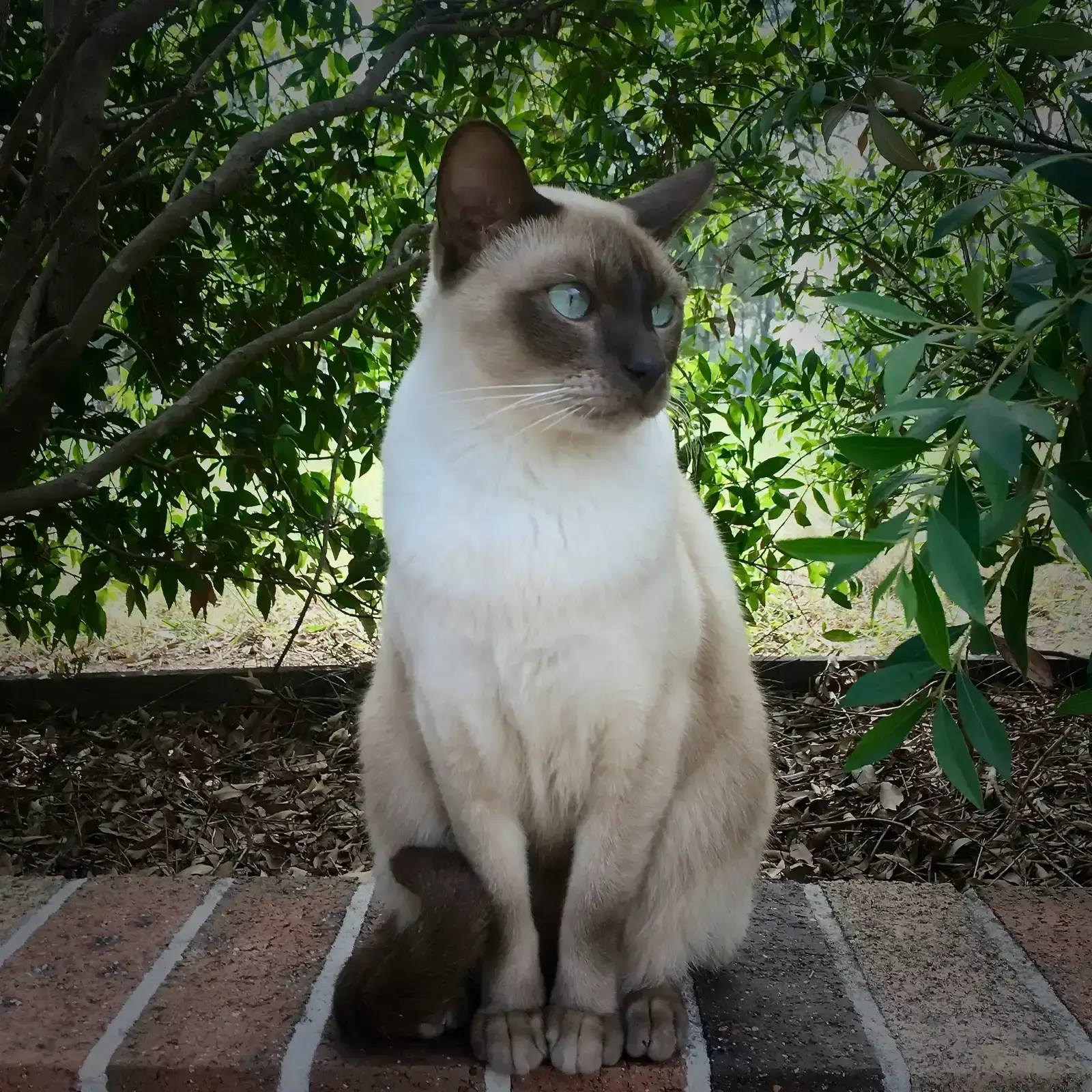
Based on available research, the Tonkinese is known to be stubborn when it comes to getting their own way. These cats blend the best and worst traits of Siamese and Burmese breeds. The result is a beautiful cat with a stubborn personality.
Tonkinese cats are intelligent and social, which sounds ideal for training. However, their intelligence comes with strong opinions about what they should and shouldn’t do. Your commands fall into the “shouldn’t” category more often than not.
They form strong bonds with their owners, but that doesn’t translate to obedience. In fact, their attachment might make them more demanding and less inclined to follow rules. They know you love them, so why should they change?
These cats will negotiate rather than obey. It’s like living with a tiny diplomat who always gets their way through charm and persistence. Training becomes a battle of wills that you’re destined to lose.
Conclusion
Training these cat breeds can test even the most patient pet owner. Their stubborn, independent personalities weren’t developed to frustrate you, though it certainly feels that way sometimes. The most stubborn cat breeds all have one thing in common: an unflinching dedication to their activity of choice, as these breeds choose a lane and refuse to merge, no matter how hard you might try to persuade them otherwise.
Let’s be real, part of what makes cats so appealing is their independence. These particular breeds just take it to an extreme level. They’re not broken or defective. They’re just being authentically themselves, which happens to include ignoring everything you say.
The key is adjusting your expectations. You might not turn your Persian into a trick-performing prodigy, but you can build a loving relationship based on respect and understanding. Sometimes the best training is learning to appreciate them exactly as they are.
What’s your experience with stubborn cat breeds? Have you managed to crack the code with any of these independent felines? Share your stories in the comments below.
