
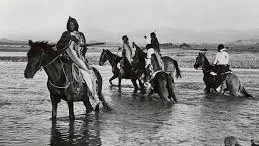
The Rocky Mountains hold countless stories, but few are as deeply woven into the landscape as that of the Ute people. Long before European explorers set foot on this majestic terrain, the Ute thrived among the peaks, valleys, and high plateaus of what we now know as Colorado, Utah, and parts of New Mexico. Their connection to these mountains isn’t just historical. It’s spiritual, cultural, and visceral.
Think of the Rockies as more than just geological formations. For the Ute, these mountains were home, sanctuary, and the very center of their universe. Their name for themselves, Nuche, simply means “the people,” reflecting a profound sense of identity rooted in this land. Let’s dive in and uncover some remarkable facts about the Ute and their enduring relationship with the Rocky Mountains.
The Ute People Are Among the Oldest Inhabitants of the Region
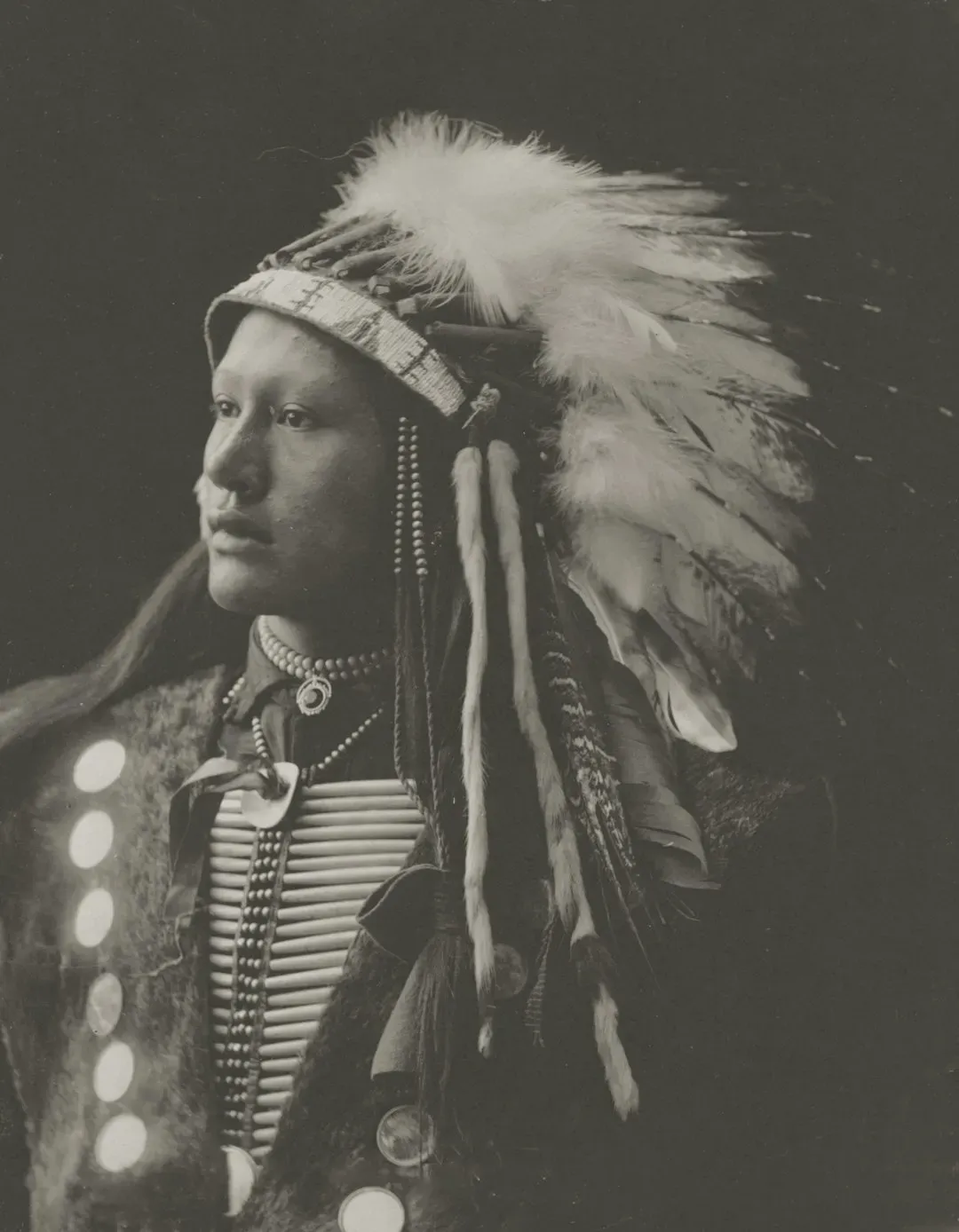
The Ute people are the oldest residents of Colorado, inhabiting the mountains and vast areas of Colorado, Utah, Wyoming, Eastern Nevada, Northern New Mexico and Arizona. According to their own oral traditions, they’ve been here since time immemorial. They are generally believed to have first appeared as a distinct people in AD 1000–1200 in the southern part of the Great Basin, and migrated to the Four Corners region by 1300.
From the Four Corners region, they continued to disperse across Colorado’s Rocky Mountains over the next two centuries. Their long presence in the region shows a remarkable adaptation to some of the most diverse and challenging environments in North America. The state of Utah itself bears their name, a lasting testament to their historical dominance in the area.
Their Territory Once Spanned a Massive Expanse of the West
Prior to contact with Europeans, the Ute people inhabited a vast expanse that included much of present-day Utah, Colorado, and northern New Mexico. Historically, their territory also included parts of Wyoming, eastern Nevada, and Arizona. That’s an enormous stretch of land, covering thousands of square miles of some of the most dramatic terrain in North America.
The Ute origin story and tribal memory recognize this region – stretching north and south through central and western Colorado and into Utah and northern New Mexico – as the place where their tribal identity and most important elements of cultural life were formed. Let’s be real, controlling that much territory required not just survival skills but genuine mastery of the environment. The Ute weren’t just passing through; they understood every ridge, valley, and river in their homeland.
The Rocky Mountains Were Their Spiritual and Physical Home
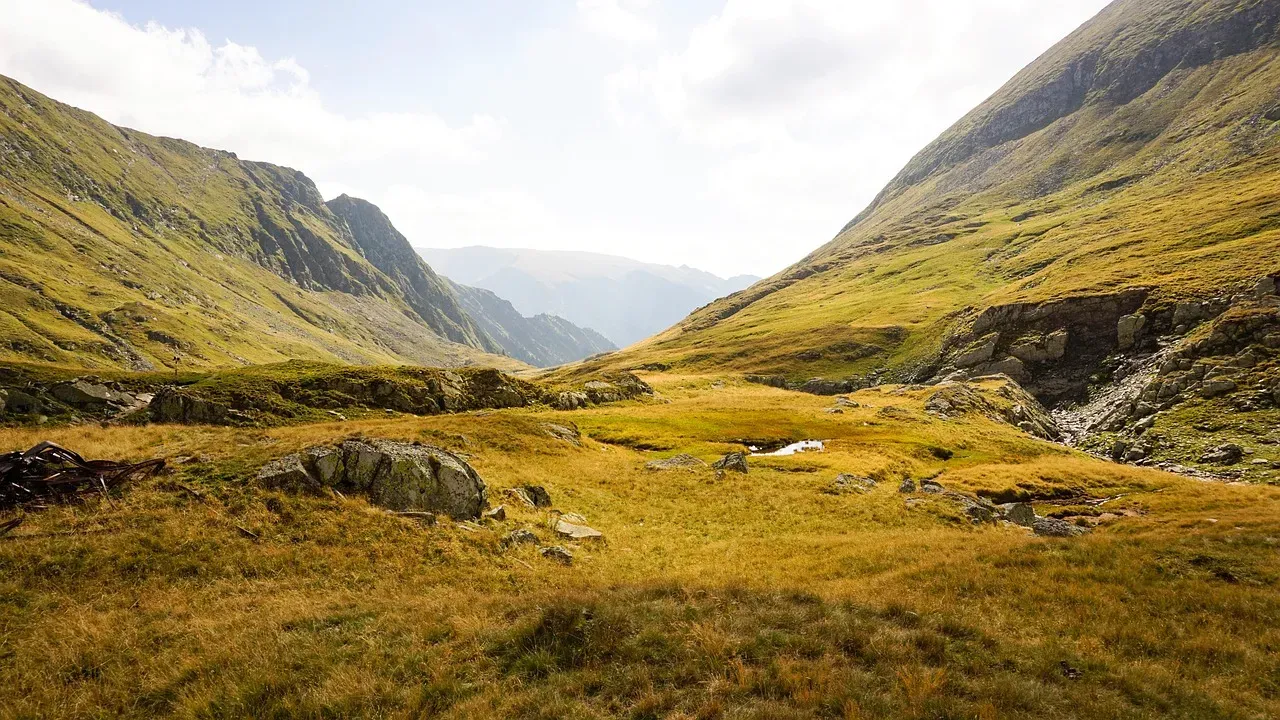
From time immemorial the Eastern Ute people of present day Colorado and Utah have considered the Rocky Mountains their traditional homelands. These weren’t just hunting grounds or seasonal camps. The Utes are intimately connected to the mountains and the surrounding area as both the physical and spiritual center of their existence.
Living a nomadic hunter-gatherer lifestyle, summers were spent in the Pikes Peak area mountains, which was considered by other tribes to be the domain of the Utes, and Pikes Peak was a sacred ceremonial area for the band. The mountains shaped everything about Ute life, from the foods they ate to the ceremonies they performed. I think it’s hard to overstate just how deeply the landscape and culture were intertwined.
The Ute Language Connects Them to a Broader Indigenous Network
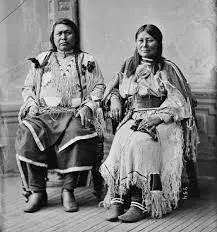
As they expanded across the Great Basin the Utes were connected by the Southern Numic language, a division of the Uto-Aztecan language family. The language of the Utes is Shoshonean, a dialect of that Uto-Aztecan language, and it is believed that the people who speak Shoshonean separated from other Ute-Aztecan speaking groups, such as the Paiute, Goshute, Shoshone Bannock, Comanche, Chemehuevi and some tribes in California.
This linguistic connection reveals something fascinating about the broader indigenous history of the American West. Despite being spread across vast distances, these groups shared common roots. There are regional differences in Ute speech, but all dialects are mutually intelligible. Language became a bond that helped maintain Ute identity even as different bands lived hundreds of miles apart.
Seasonal Migration Patterns Defined Their Way of Life
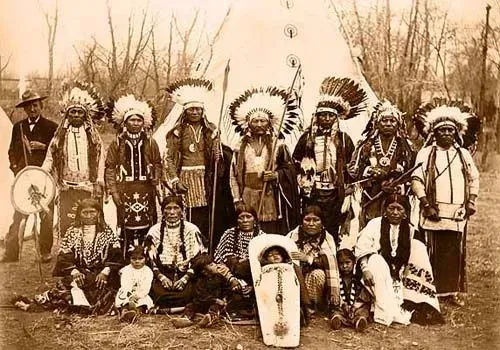
The Ute people followed the cycle of the seasons, and each group traveled within a specific territory in search of food, returning to their hunting and gathering areas year after year, moving to deserts and valleys during the winter and to mountains in the summer. This wasn’t random wandering. It was a sophisticated pattern of movement fine-tuned over generations.
From Ute Pass, Utes journeyed eastward to hunt buffalo, and they spent winters in mountain valleys where they were protected from the weather. The North and Middle Parks of present-day Colorado were among favored hunting grounds, due to the abundance of game. These migration patterns demonstrate an intimate knowledge of the land and its resources that could only come from centuries of careful observation.
Horses Revolutionized Ute Culture and Power in the 1600s
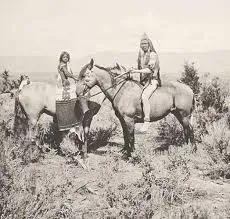
The Utes had already acquired horses from neighboring tribes by the late 17th century. About 1640 the Utes began trading with the Spanish for horses. The introduction of horses was honestly one of the most transformative moments in Ute history. Before horses, the Ute traveled on foot, which limited how far they could roam and what they could carry.
Horses allowed the Utes to travel farther than previously possible for subsistence, they expanded the seasonal circuits within their traditional territory, venturing as far east as the panhandles of Texas and Oklahoma, and travel times decreased, allowing them to stay together for longer periods throughout the year. Utes became seasoned horsemen, using the animal to improve their mobility, trade, hunting, and warfare, and they became one of the most powerful and feared tribes in the Four Corners by the early 1700s. The horse didn’t just change how they moved. It fundamentally altered Ute society.
Wickiups Remain an Archaeological Link to Their Mountain Heritage
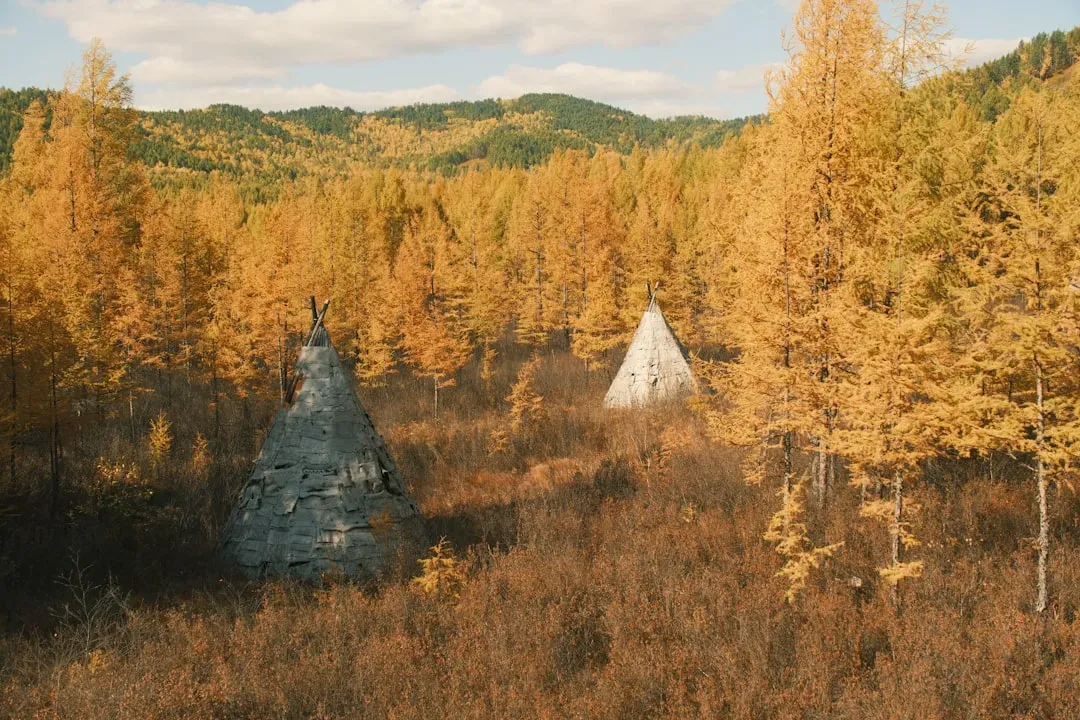
Wickiups, conical-shape dwellings used by the Ute Mountain Ute Tribe of southwestern Colorado, are still in use for ceremonial purposes. There are small piles of fallen wooden timbers on national forests in the Rocky Mountain Region that tell a story of the area’s past, as they are part of aboriginal wooden structures known as wickiups, a conical-shaped dwelling used by native people, and these ancient relics are known to be part of the Ute Mountain Ute Tribe of southwestern Colorado and are still in use for ceremonial purposes.
Since 2003, the Forest Service has participated in the Colorado Wickiup Project to document historic aboriginal wooden structures in the state. Researchers for the Wickiup Project have found the remnants of hundreds of such features in locations from Rocky Mountain National Park to the Uncompahgre Plateau, to the Colorado River Basin and Piceance Creek area. These structures offer tangible proof of the extensive Ute presence throughout the Rockies.
Three Modern Tribes Preserve the Ute Legacy Today
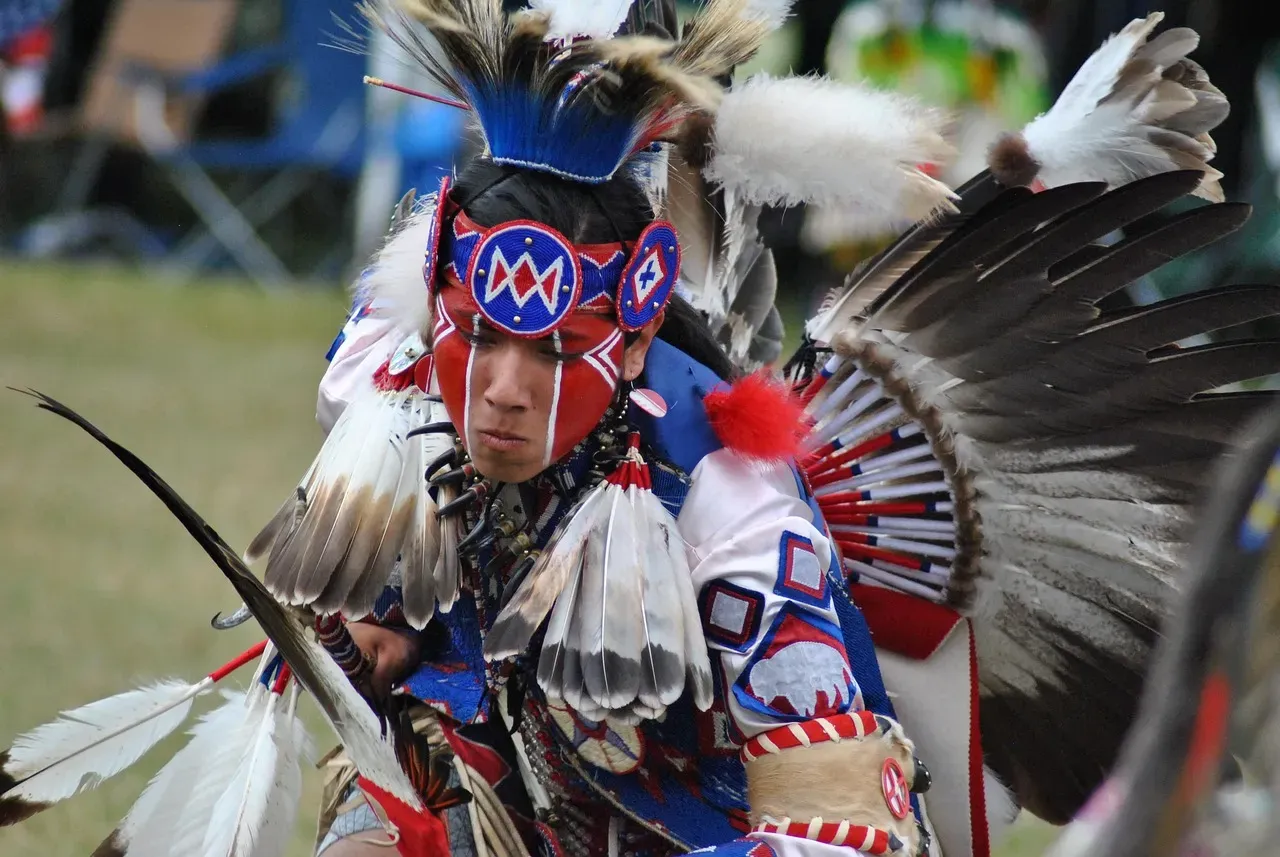
The Ute Mountain Ute Tribe is one of three federally recognized tribes of the Nuche (Ute) people, and their tribal lands comprise 597,288 acres of trust land and 27,354 acres of fee land in southwestern Colorado, northwestern New Mexico, and small, isolated sections of Utah, with approximately 2,200 tribal members living on, working on and using these lands. The other two tribes are the Southern Ute Indian Tribe and the Ute Indian Tribe of the Uintah and Ouray Reservation.
Despite forced relocations and massive land losses over the past century and a half, these three tribes continue to thrive. Today, the Ute tribe retains its traditional wisdom, a strong culture and is an important contributor to the Utah economy. They maintain their languages, perform traditional ceremonies like the Bear Dance and Sun Dance, and work to pass their heritage to younger generations. Their resilience speaks volumes about the strength of their connection to the Rocky Mountains.
The story of the Ute people is far from over. Their history with the Rocky Mountains runs deeper than most of us can imagine, stretching back over a thousand years. From ancient migration patterns to modern tribal governance, the Ute have maintained an unbreakable bond with the land that shaped them. What do you think about the enduring legacy of indigenous peoples in shaping the American West? Their story reminds us that these mountains have always been home to someone.
