
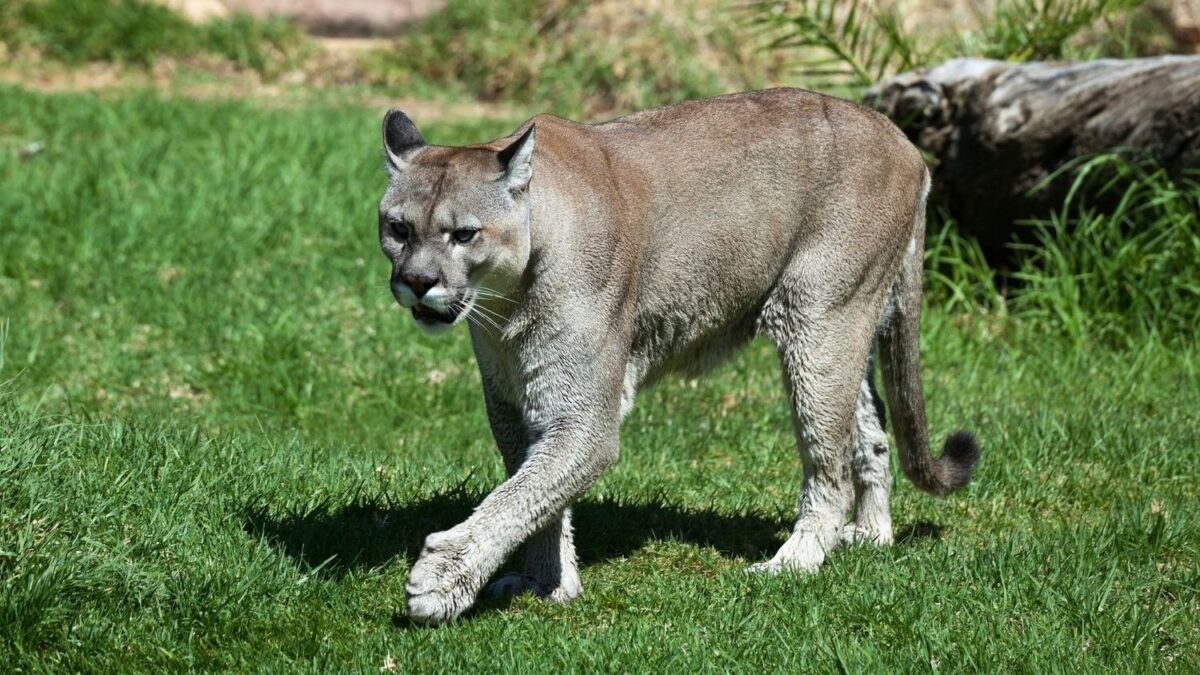
Picture this: somewhere in the sprawling hills above Los Angeles, a young mountain lion stands at the edge of a massive freeway. Eight lanes of roaring traffic separate him from potential mates, new territory, fresh genetic diversity. He turns back. Most of them do. The few who try often don’t make it. This isn’t just a dramatic scene from a nature documentary. It’s the daily reality for one of North America’s most majestic predators, now battling for survival in one of the most urbanized landscapes on Earth.
Southern California’s mountain lions face a unique constellation of threats that most wildlife populations never encounter simultaneously. The California Department of Fish and Wildlife has recommended granting threatened species status to roughly 1,400 mountain lions roaming the Central Coast and Southern California, pointing to grave threats posed by freeways, rat poison and fierce wildfires. This recommendation came in December 2025, marking a critical moment in the fight to save these big cats. The stakes couldn’t be higher. There’s an almost 1 in 4 chance, according to research, that mountain lions could become extinct in the Santa Monica and Santa Ana mountains within 50 years. Let’s be real, that timeline is terrifyingly short for a species that once roamed freely across the entire region.
Trapped Behind Concrete Walls
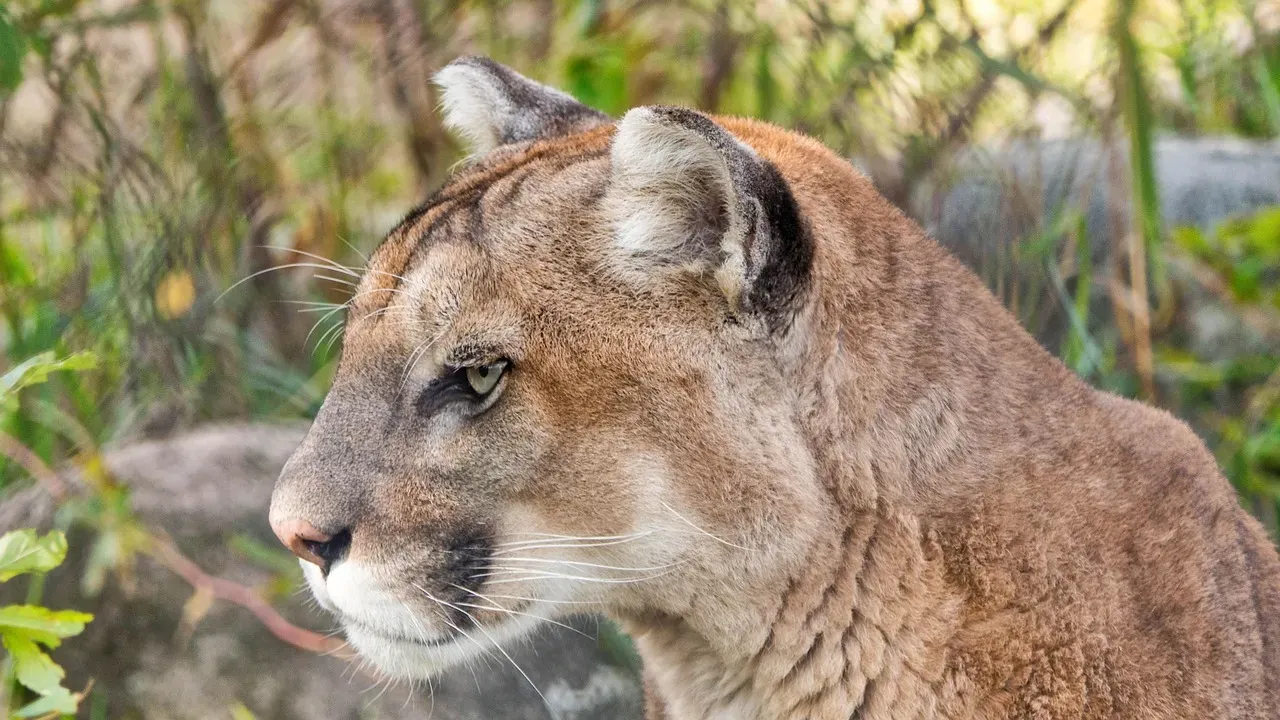
Freeways carve through Southern California like scars across the landscape, and for mountain lions, they might as well be prison walls. The smallest populations in greater Los Angeles are threatened by local extinction due to isolation by large freeways and development. These aren’t just obstacles that slow the cats down. They’re deadly barriers that fundamentally reshape how these animals can exist. Data gathered during the study proved that in this region, vehicle collisions are the leading cause of death for mountain lions, followed by deaths secondary to depredation permits.
Think about what it means for a species that evolved to roam territories spanning hundreds of square miles to suddenly find themselves boxed in. Young male mountain lions naturally disperse when they reach maturity, seeking their own territories. A team of researchers has found that young mountain lions avoid highly developed areas and crossing busy roads as they navigate between populations seeking breeding territories in the Golden State. They avoid the highways instinctively, but that avoidance creates isolated populations that can’t mix genes with other groups.
The numbers paint a grim picture. Since 2002, at least a dozen mountain lions have been killed on the freeway (as has one black bear), and GPS tracking collars show that most approach the freeway then turn back, while only one was able to repeatedly cross. Here’s the thing: even structures meant to help can fall short. Only one mountain lion has been known to successfully make it across California’s Interstate 15 from the east side to the west since 2001. That single male, known as M86, briefly brought new genetic material to the Santa Ana Mountains population before he too was killed by a vehicle.
Inbreeding: When Family Trees Become Family Circles
Isolation leads to inbreeding, and inbreeding leads to devastation. It’s as simple and as horrifying as that. In Southern California, lions have shown deformities from inbreeding, including kinked tails and malformed sperm. These aren’t minor cosmetic issues. They’re visible symptoms of genetic collapse happening in real time.
Scientists studying these populations have documented truly alarming findings. The animals averaged a whopping 93% abnormal sperm rate, while some also displayed physical signs of inbreeding, like deformed tails or testicular defects. To put that in perspective, healthy populations don’t exhibit these kinds of reproductive problems. Isolated populations in southern California and along the central coast exhibit much lower genetic diversity than mountain lion populations in most states. The Santa Ana and Santa Monica mountain lion populations now rank among the most genetically impoverished anywhere, second only to the critically endangered Florida panther.
Honestly, the comparison to Florida panthers should terrify anyone paying attention. These findings are similar to the signs of severe inbreeding seen early on among most Florida panthers in the 1990s – including the kinked tails, undescended testes and teratospermia (60% or more abnormal sperm), Huffmeyer noted. The Florida panther population only recovered with the introduction of mountain lions from Texas. “The Florida panthers were also severely isolated and severely inbred, so the fact that we’re seeing the same traits in our mountain lion population is alarming,” she said. California’s big cats are following the same catastrophic trajectory that nearly wiped out their Florida cousins. Without intervention, extinction becomes not just possible but probable.
The Invisible Killer: Rat Poison’s Deadly Legacy
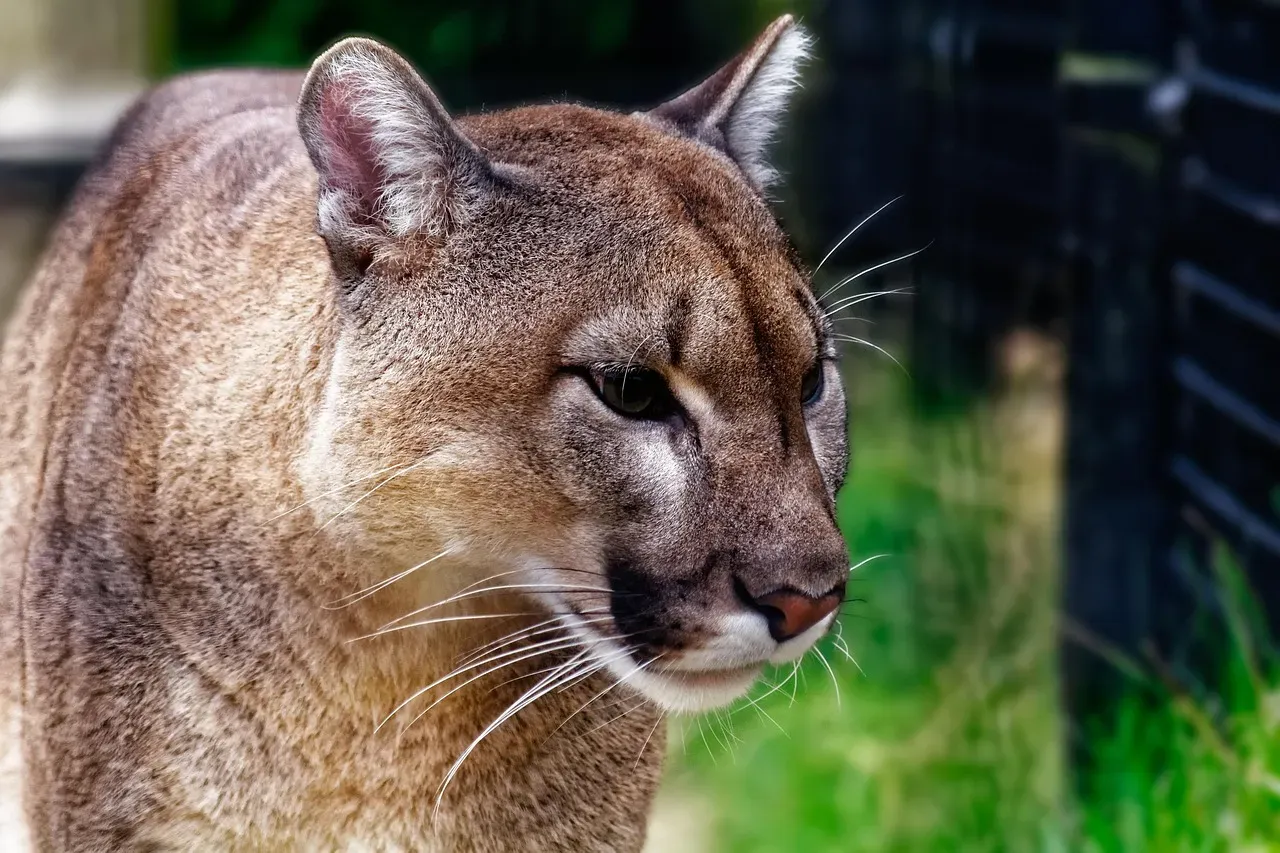
There’s a threat stalking these mountain lions that you can’t see, can’t hear, and won’t know about until it’s too late. Rodenticide poisoning has emerged as a silent epidemic among Southern California’s wildlife. NPS researchers have now documented the presence of anticoagulant rodenticide compounds in 39 out of 40 local mountain lions tested, including these four fetuses. Let me repeat that: 39 out of 40. Nearly every single mountain lion tested had poison in their system.
How does this happen? The mechanism is both simple and insidious. Someone puts out rat poison to deal with rodents. A rat eats it. The rat doesn’t die immediately but wanders around, increasingly disoriented and weak. A coyote catches the poisoned rat. Then a mountain lion kills and eats the coyote. This is called secondary or even tertiary poisoning, and it creates a deadly domino effect through the food chain. A Department of Fish and Wildlife study found that from 2014 to 2018, the rodenticides were found in more than 90 percent of mountain lions tested, and in the majority of tested bobcats, Pacific fishers and northern spotted owls.
The consequences can be immediate or chronic. NPS researchers have documented the presence of anticoagulant rodenticide compounds in 26 out of 27 local mountain lions that they have tested, including in a three-month-old kitten. Mountain lions as young as three months old are being exposed to these toxins. Some die directly from the poisoning, bleeding out internally. Others suffer compromised immune systems, making them vulnerable to disease and less able to hunt successfully. All four full-term fetuses were exposed to three anticoagulant compounds (bromadiolone, chlorophacinone, and diphacinone), and three of the four were also exposed to brodifacoum. These included first-generation AR compounds, diphacinone and chlorophacinone, and longer-lasting and faster-acting second-generation compounds, bromadiolone and brodifacoum. Even unborn kittens carry poison in their bodies before they take their first breath.
P-22: The Mountain Lion Who Changed Everything
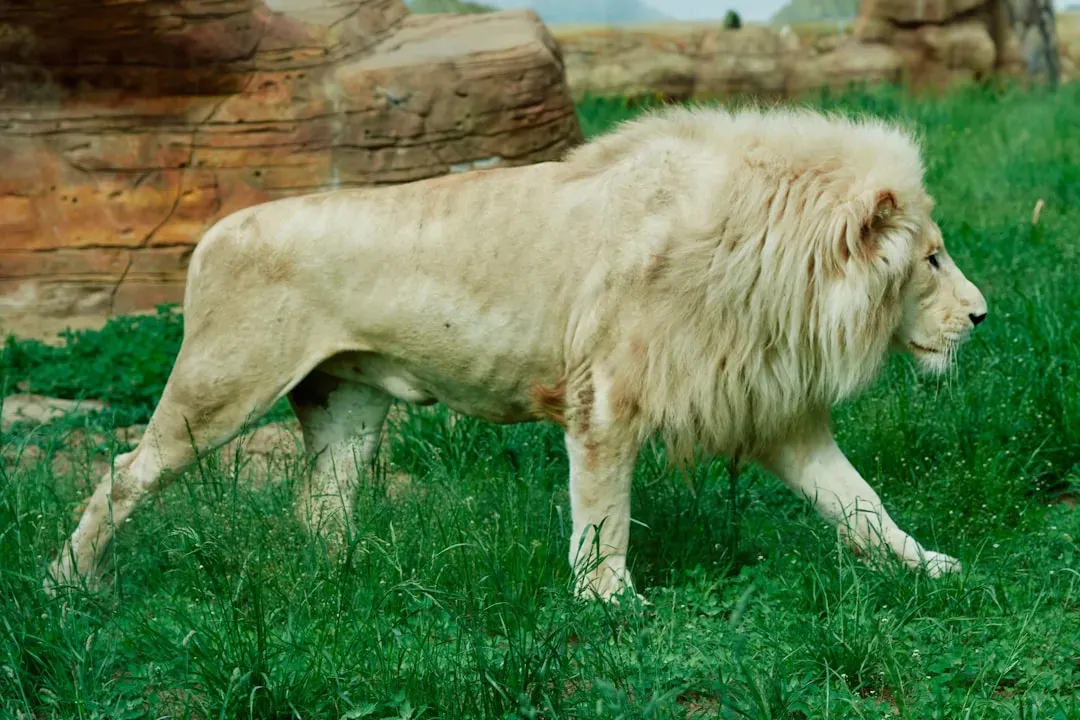
If you lived in Los Angeles anytime in the past decade, you probably knew about P-22. The late P-22 – a celeb mountain lion that inhabited Griffith Park – personified the tribulations facing his kind. Rat poison and car collisions battered him from the inside out. He was captured and euthanized in late 2022, deemed too sick to return to the wild because of injuries and infection. His story captured hearts around the world, transforming abstract conservation statistics into a narrative people could grasp and care about deeply.
P-22’s journey to Griffith Park was nothing short of miraculous. To reach that urban island of green space, he somehow crossed both the 405 and 101 freeways, two of the most dangerous highways in America. The U.S. National Park Service noted that P-22’s nine-square-mile Griffith Park habitat (23 km2) is too small for an adult cat by a factor of 31 and that it was unlikely he would ever find a mate there. It’s the smallest ever recorded range for an adult male mountain lion. He lived there for over a decade, a solitary bachelor trapped in paradise. National Geographic’s iconic photo of him beneath the Hollywood Sign became a symbol of resilience and loss simultaneously.
When P-22 died, the outpouring of grief was real and widespread. “The results confirmed P-22 had been suffering from multiple severe injuries and chronic conditions that impaired his ability to function in the wild and would have lowered his quality of life if placed in human care,” the National Park Service said in a news release. He had been hit by a car, suffered from kidney disease, had severe mange and ringworm infections, and carried rodenticide in his system. His death became a rallying cry. His plight galvanized public support for a massive wildlife crossing across one of LA’s largest freeways. The Wallis Annenberg Wildlife Crossing will serve as a legacy that P-22 leaves to all his relations. October 22 is now celebrated as P-22 Day in Los Angeles.
Building Bridges to Survival
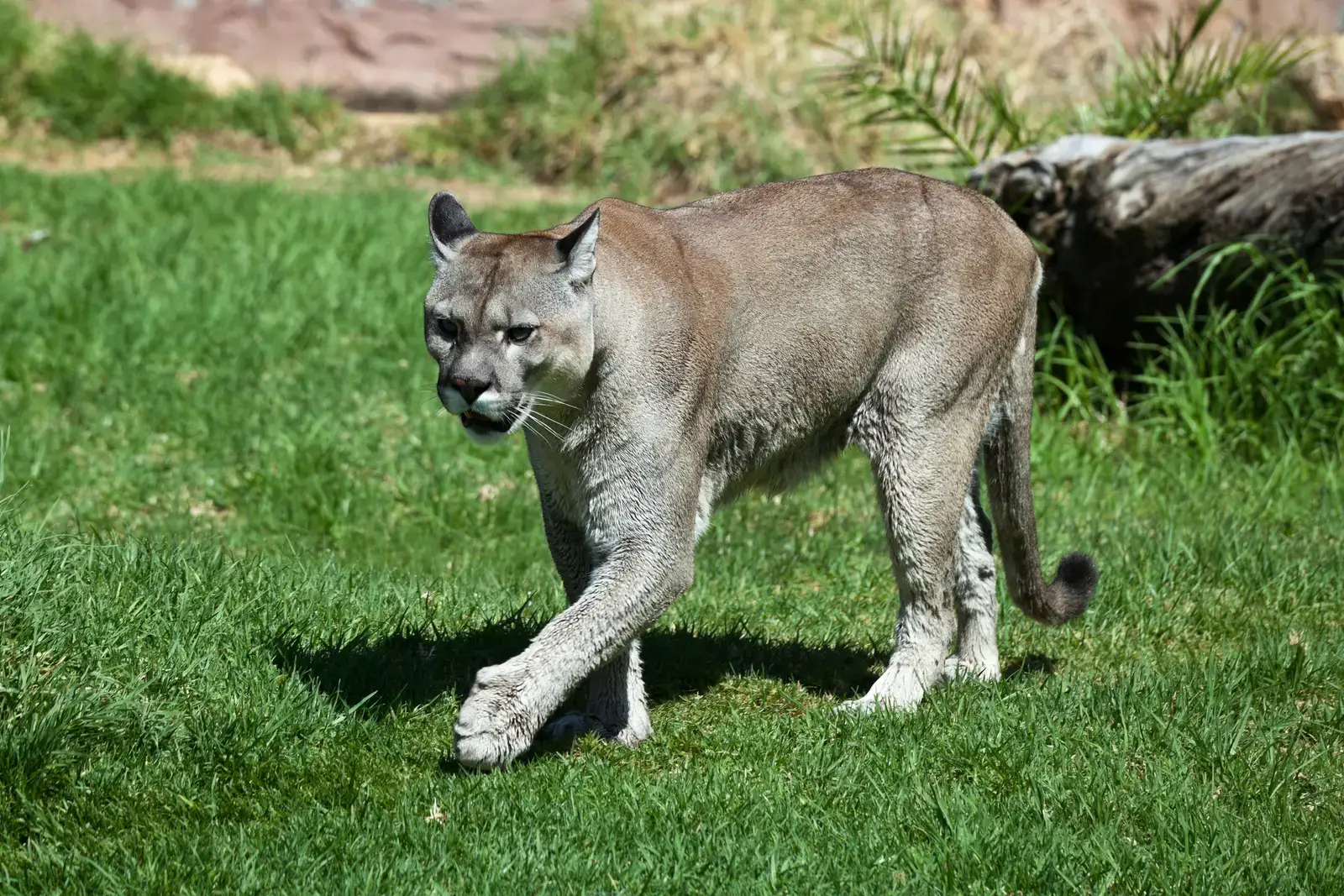
Here’s where the story shifts from despair to something approaching hope. But imperiled lions, Cummings said, need their habitats stitched together in the form of wildlife crossings – such as the gargantuan one being built over the 101 Freeway in Agoura Hills. The Wallis Annenberg Wildlife Crossing, when completed, will be the largest wildlife crossing in the world. It represents a fundamental shift in how we think about infrastructure and coexistence with wildlife in urban areas.
The science behind wildlife crossings is compelling. Making it possible for even just one mountain lion from elsewhere to join the population every two years, would bring extinction risk down dramatically to just 2.4%. That’s staggering. A single mountain lion successfully crossing every couple of years could mean the difference between extinction and survival. The results indicated that if the mountain lions remain cut off from other populations by freeways and development, they will face a 99.7% chance of extinction within 50 years. Wildlife crossings aren’t just nice-to-have amenities. They’re essential infrastructure for preventing extinction.
Construction on the crossing began in 2022, with completion expected in late 2026. To help combat this, the Wallis Annenberg Wildlife Crossing, opening in late 2026, will be a seamless corridor providing a safe passage for all our local wildlife, including the area’s protected mountain lions. The structure will span ten lanes of freeway, vegetated with native plants to create a natural corridor that mountain lions, bobcats, deer, coyotes, and even smaller creatures can use. 62 locations were identified, with 12 being identified as the highest priority. This is great news for mountain lions in California as lack of genetic connectivity is many of their population’s greatest threat. With the Wallis Annenberg Crossing across the 101 as a model we can move forward with projects that improve connectivity and preserve biodiversity across the state. The hope is that this landmark project will inspire similar crossings throughout the state and beyond.
A Race Against Time
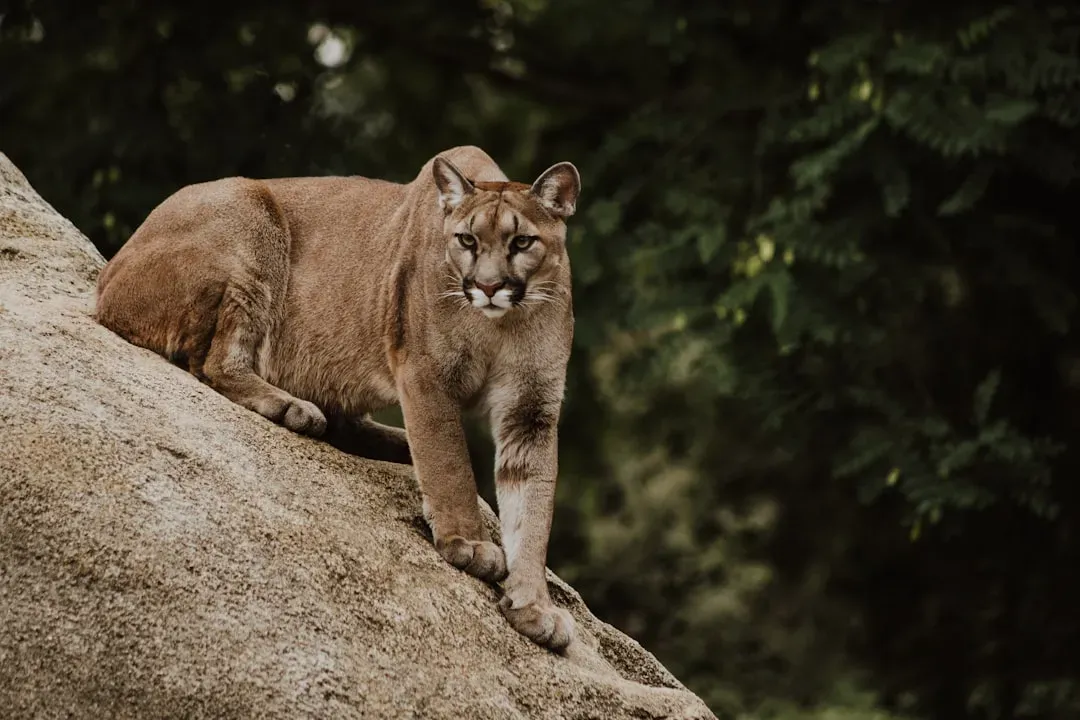
The clock is ticking for Southern California’s mountain lions, and not slowly. The latest report concludes the six lion populations face significant long-term risks from inbreeding, shrinking habitat and human-caused deaths. State wildlife commissioners are expected to vote on the threatened species designation in February 2025, which would provide additional protections and require more careful consideration of development projects that might impact mountain lion habitat and movement corridors.
There’s resistance, of course. It’s a move that supporters say will give the vulnerable animals a chance at recovery, but detractors have argued it will make it harder to get rid of lions that pose a safety risk to people and livestock. Some worry about restrictions on development or complications with protecting other endangered species like bighorn sheep that mountain lions occasionally prey upon. Yet the alternative – allowing these populations to slide toward extinction – seems far worse. Another challenge that mountain lions face in Southern California is inbreeding due to restrictions on the land they can roam, which the Times reported has led to deformities among certain populations. A wildlife crossing being built over the 101 Freeway in Agoura Hills aims to address many of those challenges for the species.
California has also taken legislative action on the rodenticide crisis, though questions remain about enforcement. AB 1788 prohibits the use of second-generation anticoagulant rodenticides (SGAR) statewide until the Department of Pesticide Regulation’s Director certifies that specified measures have been taken to evaluate, restrict, and only use SGARs when necessary. It’s progress, but whether it’s enough and whether it came soon enough remains to be seen. The overall annual survival rate for this population of mountain lions – also known as cougars or pumas – was abnormally low at about 56 percent, despite being considered “specially protected” in the state. Protected status hasn’t been enough to prevent population decline when the threats are this pervasive and interconnected.
Conclusion
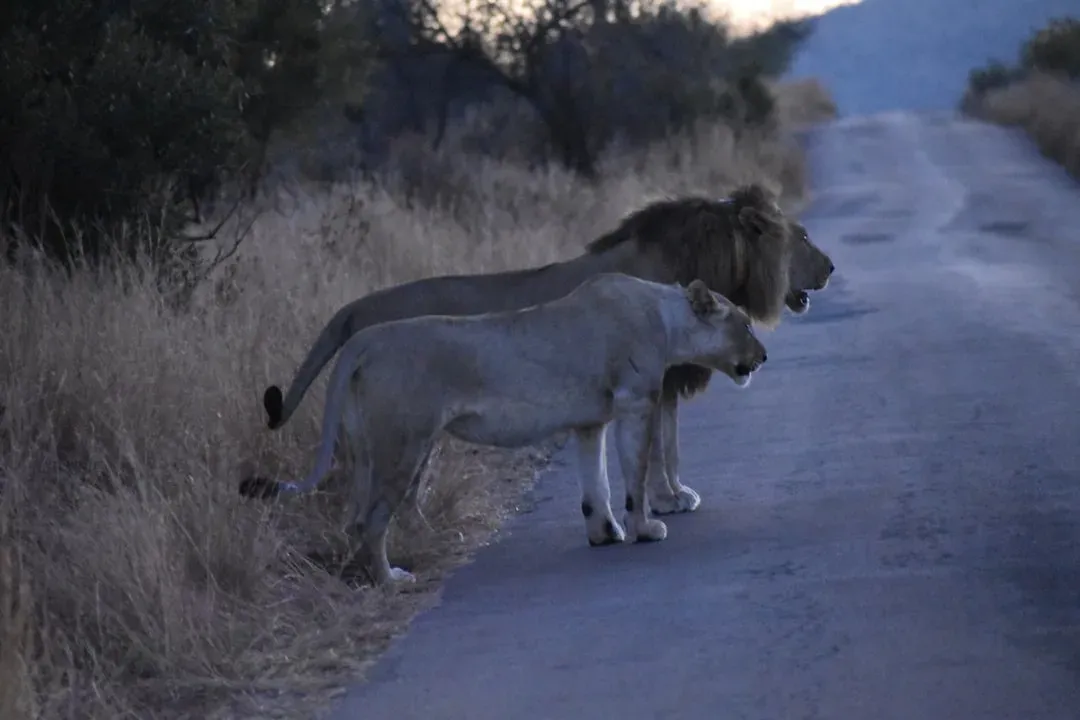
Southern California’s mountain lions stand at a crossroads between extinction and recovery. Their fate isn’t sealed, though the path forward remains narrow and fraught with challenges. Every wildlife crossing built, every successful dispersal of a young male into an isolated population, every reduction in rodenticide use – these incremental victories add up.
The story of these mountain lions is ultimately a story about us and the choices we make about the world we want to inhabit. Can we share space with apex predators in one of the most developed landscapes on Earth? Can we build infrastructure that serves both human and wildlife needs? The answer, it turns out, is yes, but only if we decide to prioritize coexistence and commit the resources necessary to make it work.
P-22 showed us that mountain lions can survive against impossible odds in the heart of a megacity. Now we need to show them that survival doesn’t have to be solitary, isolated, or short-lived. The Wallis Annenberg Wildlife Crossing and the potential threatened species designation represent hope. Whether that hope is realized depends on whether we can build enough bridges, protect enough habitat, and act quickly enough. The mountain lions are fighting for their survival. The question is whether we’ll fight alongside them. What kind of Los Angeles, what kind of California, do we want future generations to inherit?
