
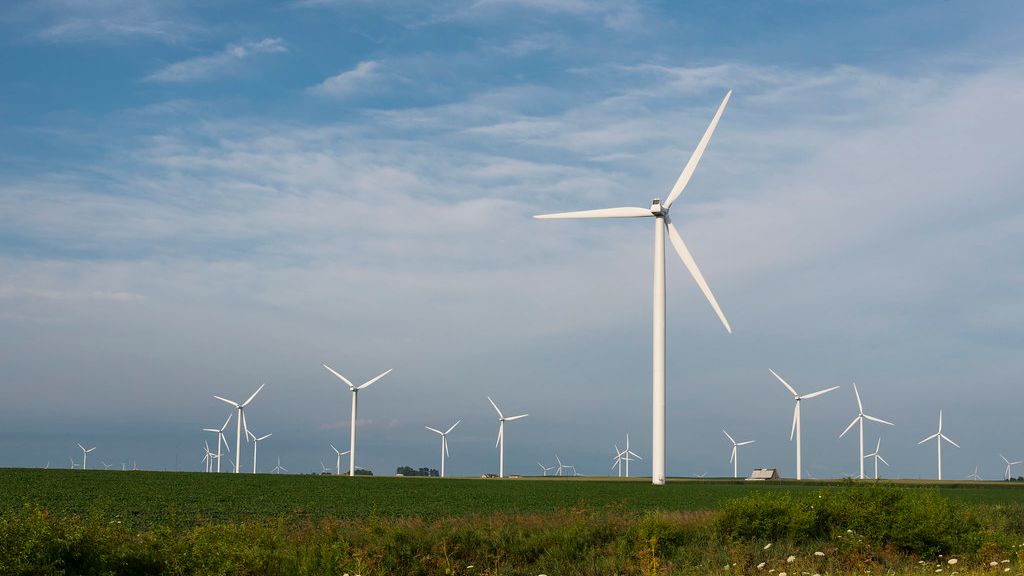
Wind energy sounds amazing in theory. Clean, renewable, infinite supply. What could possibly go wrong? Let’s be real though, there’s more to the story than glowing green energy brochures would have you believe. Despite massive investments and ambitious climate goals, wind power in the United States carries some serious drawbacks that rarely make headline news. Honestly, it’s worth looking at both sides of the coin before we commit billions more to an energy source that isn’t quite as perfect as politicians claim. The challenges run deeper than you might expect, from dead birds to blackouts to neighbors losing sleep. Curious what the real deal is?
Threat to Wildlife and Birds
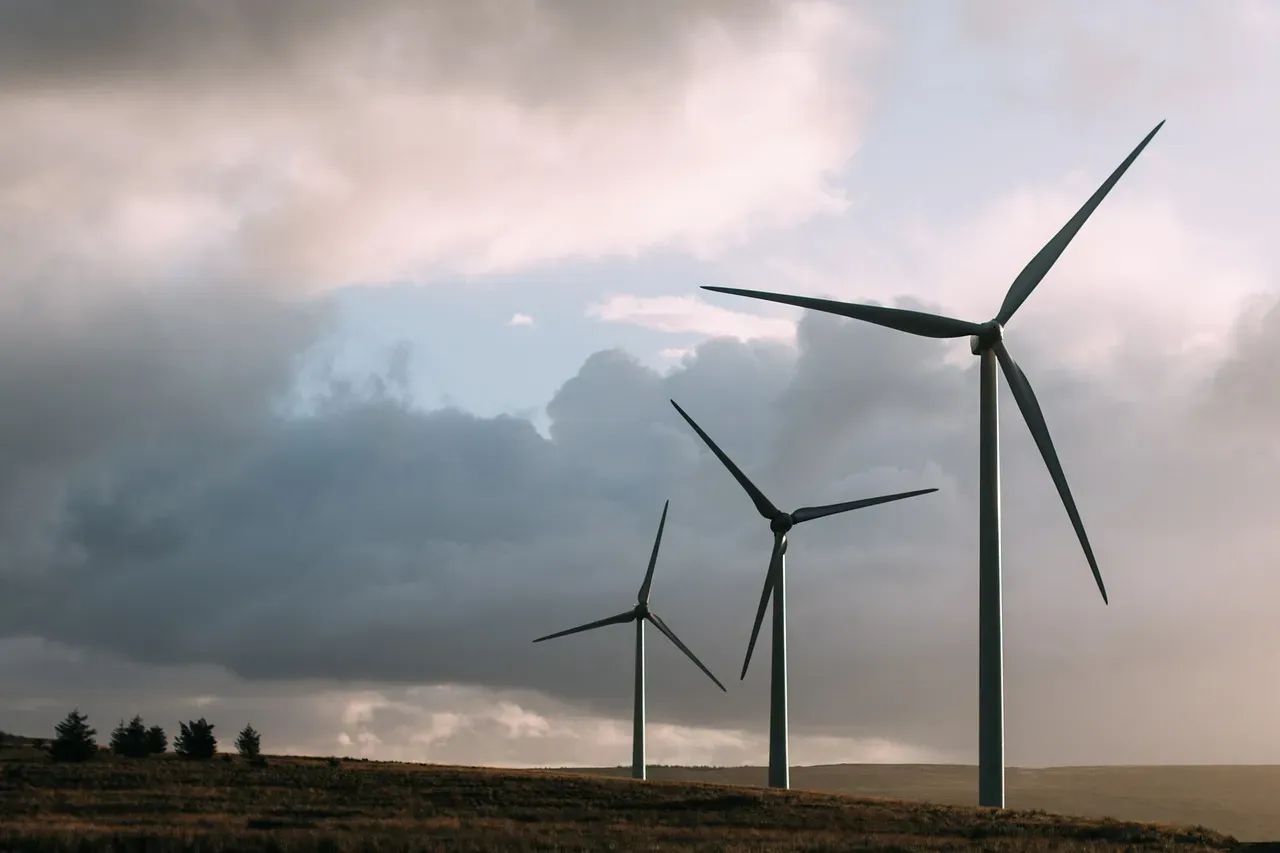
Wind turbines kill over 1 million birds a year, according to the American Bird Conservancy, and hundreds of thousands of bats. Think about that for a moment. These aren’t just random sparrows either. Turbines can kill different types of birds than windows and cats do, for example, ecologically important seabirds and birds of prey that breed slowly and whose populations can’t quickly recover from losses.
The average death count of birds increases as turbine heights reach 475 to 639 feet, with danger to birds increasing because blades at higher altitudes overlap with the average flight height of nocturnally migrating birds. Bats face similar dangers. Dead bats are found beneath wind turbines all over the world, with an estimated tens to hundreds of thousands dying at wind turbines each year in North America alone.
It gets worse. Some birds are strongly repelled by wind turbines; they won’t fly or feed within miles of them, and so lose large areas of habitat. This isn’t just about individual deaths anymore. A study shows that a one-standard-deviation increase in wind turbines reduces bird abundance by 9.75% and leads to a 12.2% reduction in bird species richness at the county level.
Golden eagles and other raptors are particularly vulnerable. The entire ecosystem feels the impact when these predators and pollinators disappear.
Intermittency and Reliability Issues
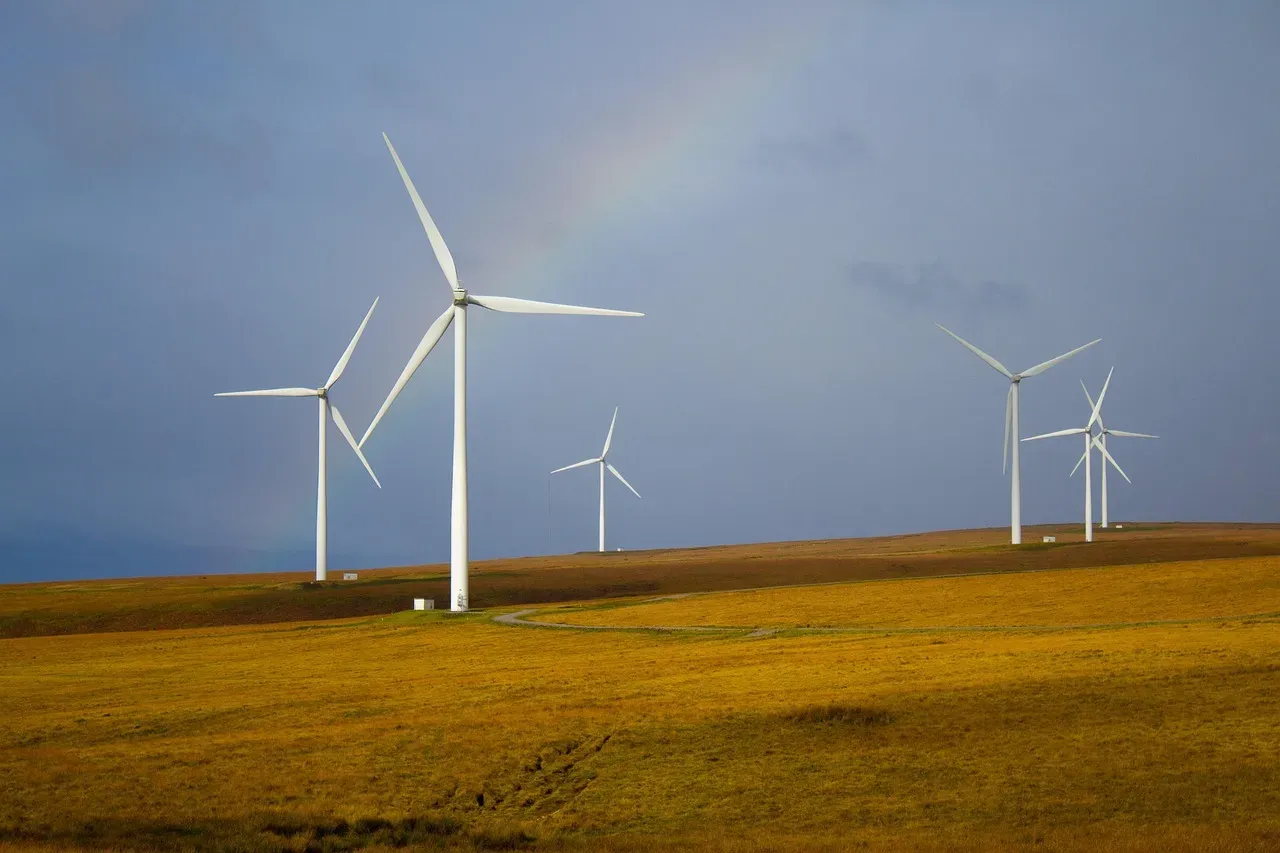
Here’s the thing about wind. Sometimes it blows, sometimes it doesn’t. Because the wind does not always blow, these turbines are running at maximum power only about 35% of the time. That’s pretty awful when you’re trying to power a city or hospital.
Wind turbines can go from full power to zero within hours if the weather changes. Imagine your electricity supply doing that. Wind power is considered highly intermittent and non-dispatchable because it is a variable power source, with its electrical output depending on many factors such as wind speed, air density, turbine characteristics, and more, all of which also change depending on location of the site.
This creates real problems for grid operators. Fast fluctuations in output from wind or solar energy disrupt both the hourly load-following phase of grid planning and the second-to-second balance between total electric supply and demand, with the grid operator requiring more reserve power ready to respond at a moment’s notice to ensure the grid remains balanced.
The intermittency issues with solar and wind energy are here to stay and may, in fact, get worse as climate change impacts predictability and variability of these sources. There’s no sugar coating it. Until we solve massive energy storage problems, wind alone simply cannot reliably meet our electricity demands.
Massive Land Requirements
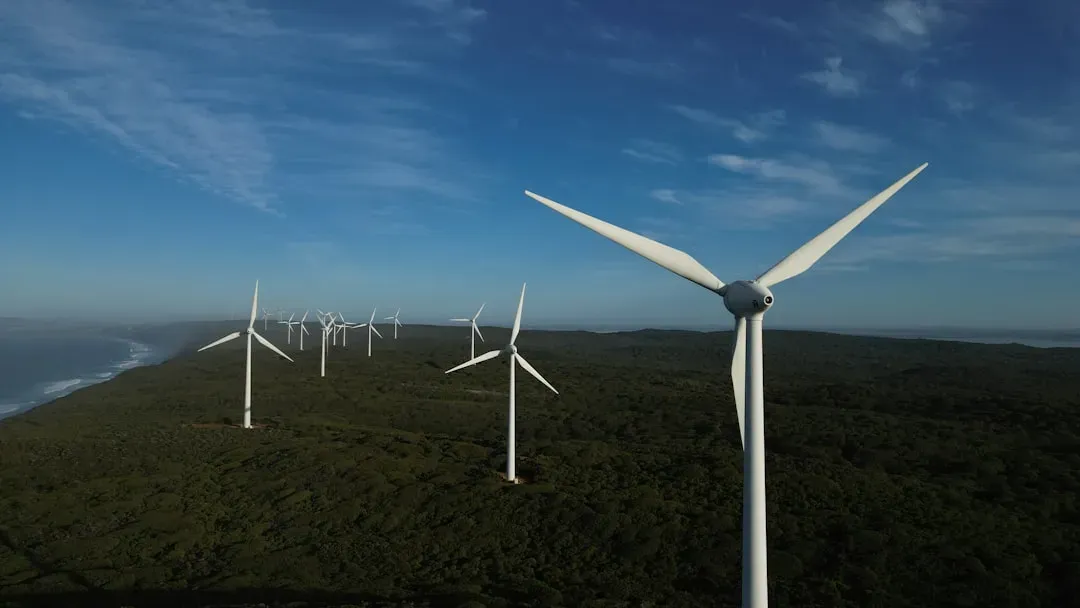
Wind energy requires vast expanses of land, with wind energy taking about 30,000 acres per terawatt-hour of electricity generation annually, whereas nuclear energy uses 18 acres. That’s an enormous difference. We’re talking about thousands upon thousands of acres that could otherwise be used for agriculture, conservation, or housing.
In the United States, the direct land use for wind turbines comes in at three-quarters of an acre per megawatt of rated capacity, meaning a 2-megawatt wind turbine would require 1.5 acres of land. That doesn’t even include spacing requirements. Turbines are about 7 rotor diameters away from each other, so an 80-meter rotor would need to be 560 meters – more than a third of a mile – from adjacent turbines.
Let me tell you, when you drive through west Texas or Oklahoma, these wind farms stretch for miles. One wind turbine can require up to 80 acres of land, and each turbine will generate around 2.5 MW. That’s a lot of real estate for relatively modest power output.
The land use conflict becomes even more intense when prime farmland or ecologically sensitive areas are involved. Communities have to weigh energy production against agricultural productivity and natural habitat preservation.
Noise Pollution and Health Concerns
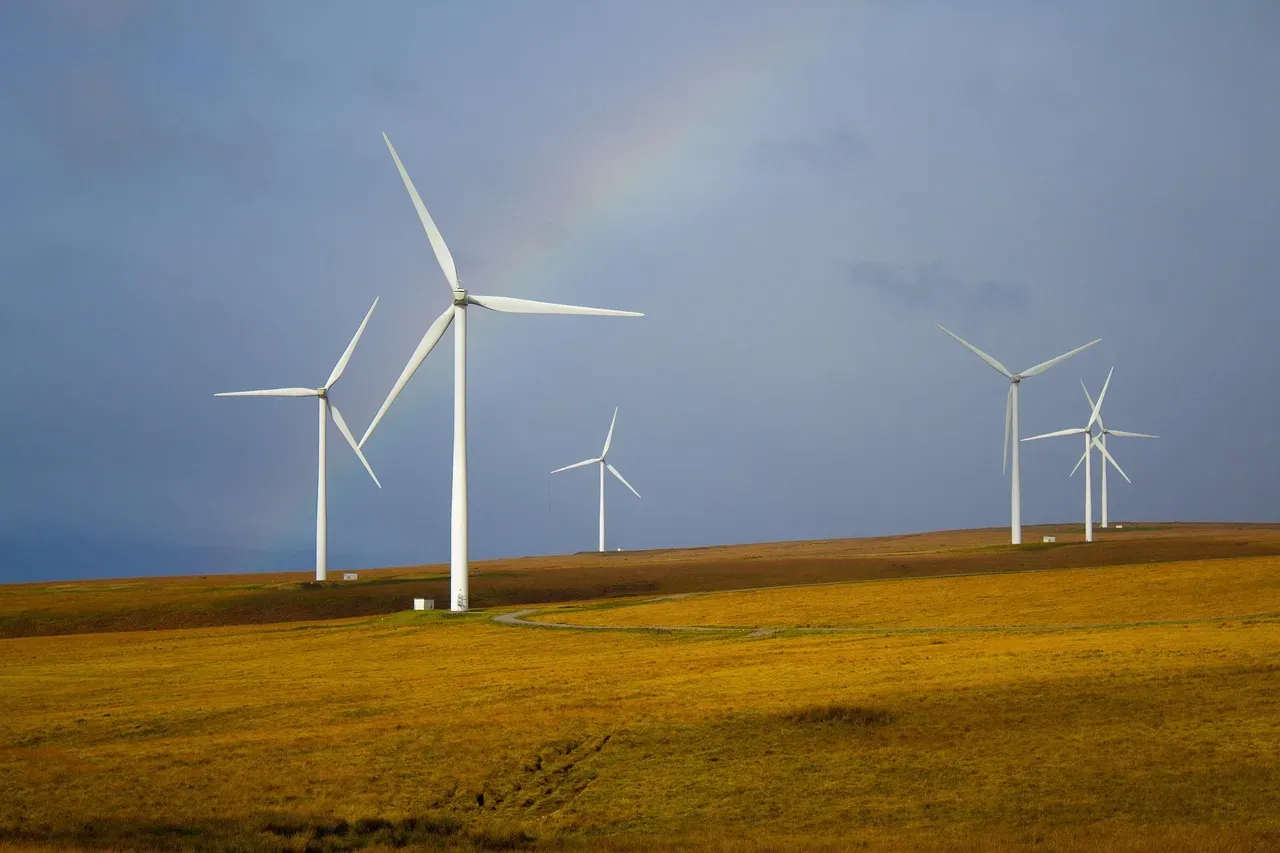
People living near wind turbines aren’t all imagining things. Exposure to wind turbines does seem to increase the risk of annoyance and self-reported sleep disturbance in a dose-response relationship, though there appears to be a tolerable level of around LAeq of 35 dB.
Exposure to low-frequency noise from wind turbines results in headaches, difficulty concentrating, irritability, fatigue, dizziness, tinnitus, aural pain, sleep disturbances, and annoyance. Some studies suggest more serious effects. Clinically, exposure to LFN from wind turbines may cause increased risk of epilepsy, cardiovascular effects, and coronary artery disease.
Not everyone experiences these problems, and the science remains somewhat inconclusive. Annoyance from wind turbine operation may cause stress and anxiety which can, in turn, affect quality of life. Wind turbine noise annoyance was found to be statistically related to several self-reported health effects including blood pressure, migraines, tinnitus, dizziness, and perceived stress.
I know it sounds crazy, but constant low-level noise really can drive people mad over time. The bigger turbines get, the more complaints surface from nearby residents who never imagined signing up for this when they bought their rural homes.
High Infrastructure and Connection Costs
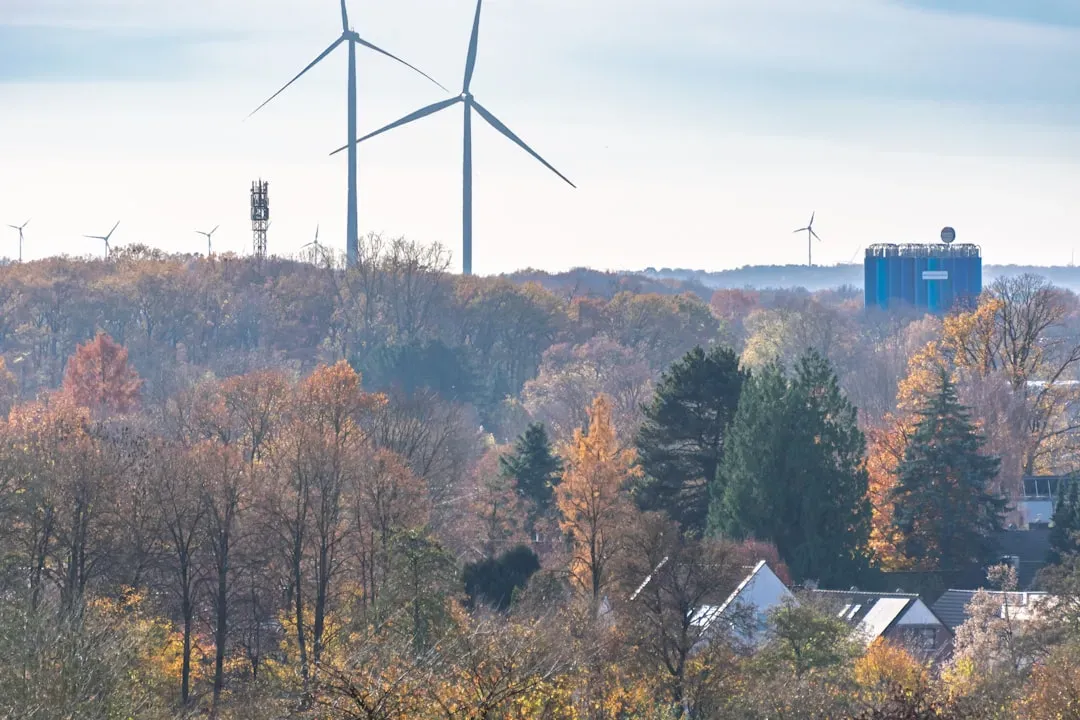
Ideal wind sites are often in remote locations, creating installation challenges to bring electricity from wind farms to urban areas where it is needed to meet demand. This isn’t a minor inconvenience.
Permitting delays and interconnection queues have thrown up practical obstacles for a massive share of wind developments, with 40% of all projects in the United States held up in the permitting phase. That’s nearly half of all proposed projects stuck in bureaucratic limbo.
Building transmission lines across hundreds of miles costs billions. Upgrading the nation’s transmission network to connect areas with abundant wind resources to population centers could significantly reduce the costs of expanding land-based wind energy. Yet that upgrade hasn’t happened at the scale needed.
Many strong wind locations are often far from population centers that consume electricity, and this distance can complicate the connection of wind farms to the main power grid, increasing infrastructure costs. Rural Texas might have fantastic wind resources, but getting that power to Dallas or Houston requires massive infrastructure investment that somebody has to pay for.
Heavy Dependence on Government Subsidies
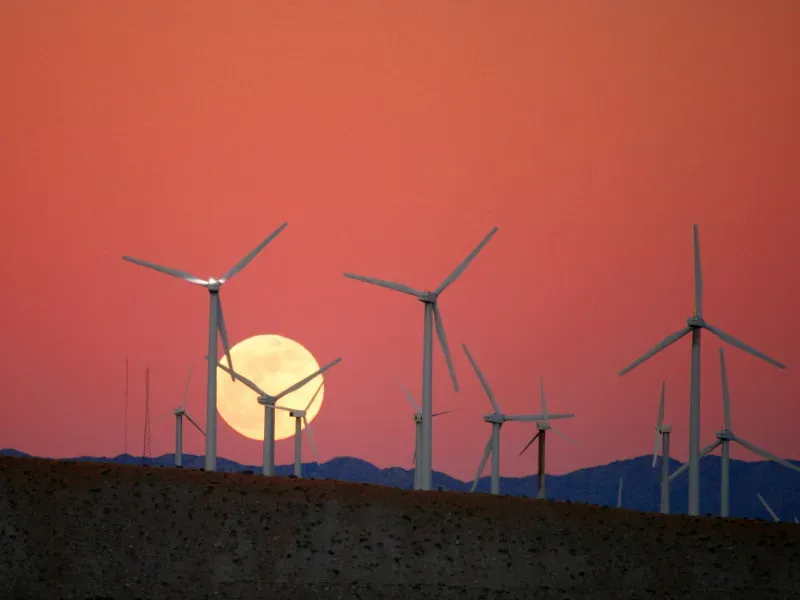
Let’s talk money. Wind is heavily subsidized, with renewable energy sources including wind energy receiving an estimated $425 billion in subsidies between 2023 and 2033 in addition to about $200 billion in other green energy subsidies. That’s a staggering amount of taxpayer money.
These subsidies are essential to wind power, with wind plants found to have a significant decline in performance in their 10th year, just as they lose their eligibility for the production tax credit. What does that tell you? Without government handouts, many wind projects wouldn’t be economically viable.
Far less wind power would be built if subsidies, credits and mandates were removed. The industry isn’t standing on its own two feet yet. On a state level, wind energy has benefited immensely from renewable portfolio standards which require a share of electricity sales to come from renewable energy sources, with California aiming to obtain 60% of its electricity from renewables by 2030.
I’m not saying renewable energy shouldn’t receive support, but we should be honest about the true costs. Proponents often claim wind is now cheaper than fossil fuels, yet the continued need for massive subsidies suggests the economics aren’t quite as rosy as advertised.
Disposal and Recycling Problems
Wind turbines have a disposal problem, with used wind blades that do not fall into the sea usually thrown into landfills, as although some components can be recycled, the blades are built for durability and use materials that are difficult to separate and recycle. This is becoming a real environmental nightmare.
The United States is projected to have about one-fifth of the world’s blade waste of over 47 million tons by 2050. Think about that. Massive fiberglass blades, some longer than a football field, just sitting in landfills for centuries because we don’t know how to break them down economically.
Massive chunks of debris, including sharp fiberglass shards, have been washing ashore on the once-pristine coast of Nantucket island, Massachusetts, from a single damaged turbine blade that broke off at a nearby wind farm. This highlights not just disposal issues but also the physical hazards these massive structures pose.
The irony is thick here. We’re building these turbines to help the environment, yet creating mountains of non-recyclable waste in the process. The wind industry needs to solve this problem before we install hundreds of thousands more turbines across the country.
For an energy source marketed as green and sustainable, leaving behind toxic waste seems like a pretty serious oversight.
Massive Consumption of Critical Minerals
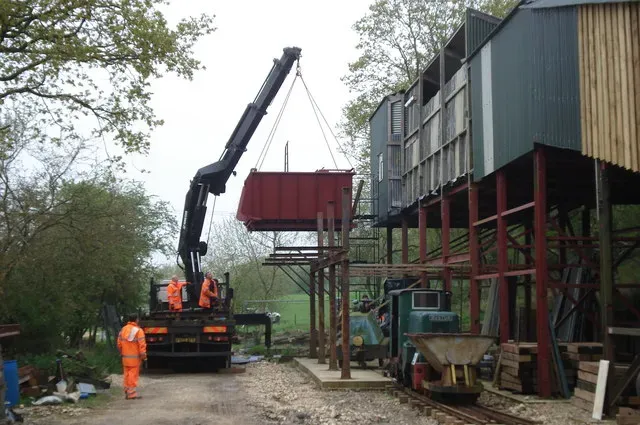
Onshore wind farms require eight times the amount of critical minerals as natural gas power plants do, while offshore wind farms require 13 times as much. That’s an incredible mineral demand that few people talk about.
For every megawatt of power capacity, a natural gas power plant requires about 1 ton of critical minerals while a nuclear power plant needs 6 tons, yet onshore wind plants require 11 tons and offshore wind demands 17 tons of critical minerals. Where exactly are all these minerals supposed to come from?
The staggering quantities of such materials like copper and rare earth metals are environmentally damaging, with mining vital for economic progress but the excessive extraction required for wind turbines out of proportion to the energy produced. We’re essentially trading one environmental problem for another.
China dominates the rare earth mineral market. Creating dependency on foreign sources for critical infrastructure components poses national security risks nobody wants to discuss. Mining these materials involves environmental destruction, often in countries with minimal environmental regulations.
The green energy transition paradox becomes painfully obvious when you realize we’re destroying environments in one part of the world to build “clean” energy in another. It’s hard to call that progress.
Visual Impact and Community Opposition
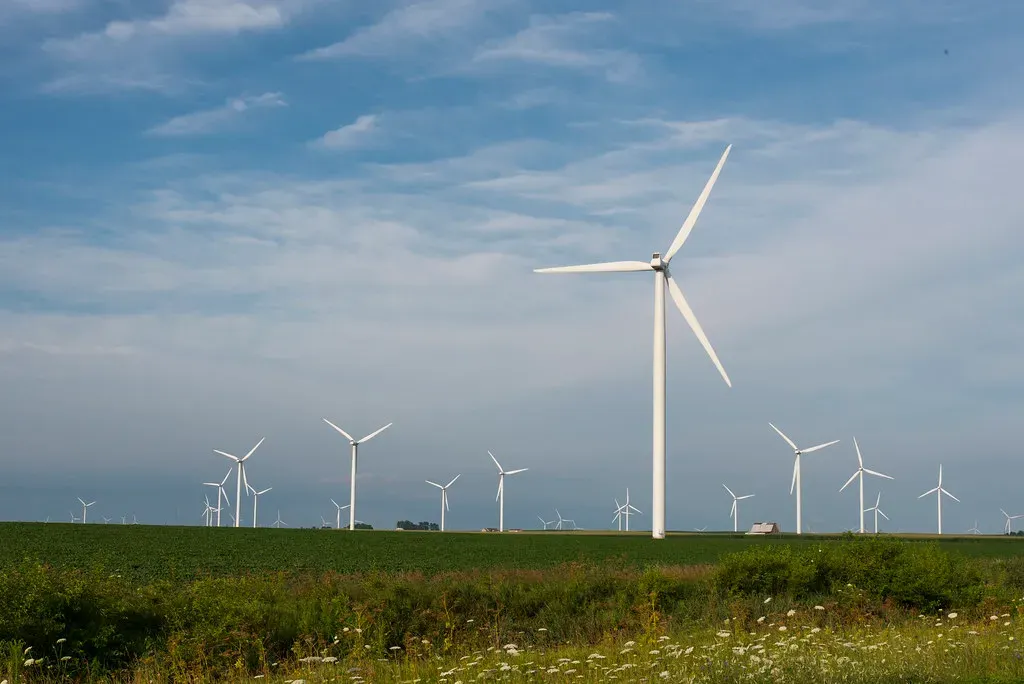
Turbines produce noise and alter visual aesthetics, with wind farms having different impacts on the environment compared to conventional power plants, but similar concerns exist over both the noise produced by the turbine blades and the visual impacts on the landscape. Not everyone wants to stare at three-hundred-foot industrial structures from their kitchen window.
A proposed wind farm in a rural community often faces opposition from local citizens who are concerned about its visual impact on the landscape and potential noise pollution. The United States had 294 wind farms that had been shelved, mothballed, retired or canceled as of February 2025, with reasons ranging from lack of federal funding to economic downturn to loss of local interest in wind farm development.
Communities that initially embraced wind energy sometimes turn against it once they experience the reality. The blinking red lights at night, the shadows cast by spinning blades, the constant visual reminder of industrialization in previously natural landscapes – all of this breeds resentment.
Visual dissatisfaction with turbines can influence people’s perception of noise. It creates a feedback loop where annoyance about one aspect amplifies complaints about others. Property values near wind farms sometimes decline because buyers don’t want the visual intrusion or potential noise.
Tourism-dependent areas particularly struggle with this dilemma. Do scenic mountain ridges or coastal views get preserved, or do they get lined with turbines in the name of clean energy? There’s no easy answer, but ignoring community opposition isn’t working.
Political and Policy Uncertainty
In August, the Trump administration announced the cancellation of $679m in funding for a dozen offshore wind development infrastructure projects, with the US Transportation Secretary calling the projects wasteful. This kind of political whiplash makes long-term planning nearly impossible.
Attorneys general from 17 states and Washington, D.C., are challenging an executive order Trump signed during his first day in office pausing approvals, permits and loans for all wind energy projects both onshore and offshore, saying he doesn’t have the authority to unilaterally shut down the permitting process. When the government can halt an entire industry with the stroke of a pen, investors get nervous.
Even projects already underway will be affected because legislation shrunk the timeline to be able to enjoy the tax incentive from 2032 to the end of 2025, which removes financial incentives for doing projects over the long term. How are companies supposed to make multi-billion dollar investments when the rules keep changing?
This isn’t just about one administration. Wind energy has become politicized to the point where its future depends more on election outcomes than on technical merits or market forces. Energy policy shouldn’t swing wildly every four years, yet here we are.
Developers need regulatory certainty and stable policy frameworks to justify massive capital expenditures. Without that stability, the entire industry remains vulnerable to political winds that blow even more unpredictably than actual wind.
Conclusion
Wind power definitely has its place in America’s energy portfolio. I won’t pretend otherwise. Yet the disadvantages outlined here demonstrate why wind energy alone cannot be our salvation. The wildlife casualties, intermittency problems, massive land requirements, health concerns, infrastructure costs, subsidy dependence, disposal challenges, mineral consumption, community conflicts, and policy uncertainty all represent serious obstacles that demand honest conversation.
We need energy solutions that actually work in the real world, not just in theoretical models or political speeches. That means acknowledging both the benefits and drawbacks of every energy source, including wind. Perhaps the smartest path forward involves a diversified energy mix rather than betting everything on turbines that only work when nature cooperates.
What’s your take on wind energy? Have you lived near a wind farm, or do you think the benefits outweigh these disadvantages? The conversation is far from over.
