
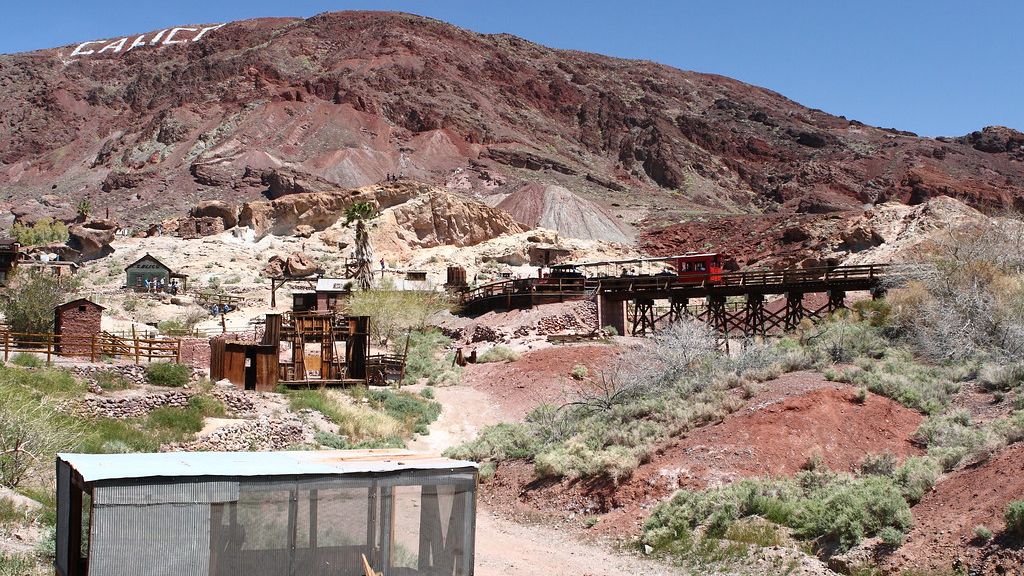
There’s something haunting about a place where time has simply stopped. Empty streets, crumbling facades, and the wind whispering through skeletal buildings – these are the signatures of America’s ghost towns. They’re scattered across the country like forgotten memories, each one holding stories of boom and bust, dreams and disasters.
Most people picture tumbleweeds and dusty saloons when they think of ghost towns. And honestly, some of them do look exactly like that. Yet the reality behind these abandoned places is far more complex and, frankly, more fascinating than any Hollywood set could replicate.
Bodie, California – The Gold Rush Legend Frozen in Time
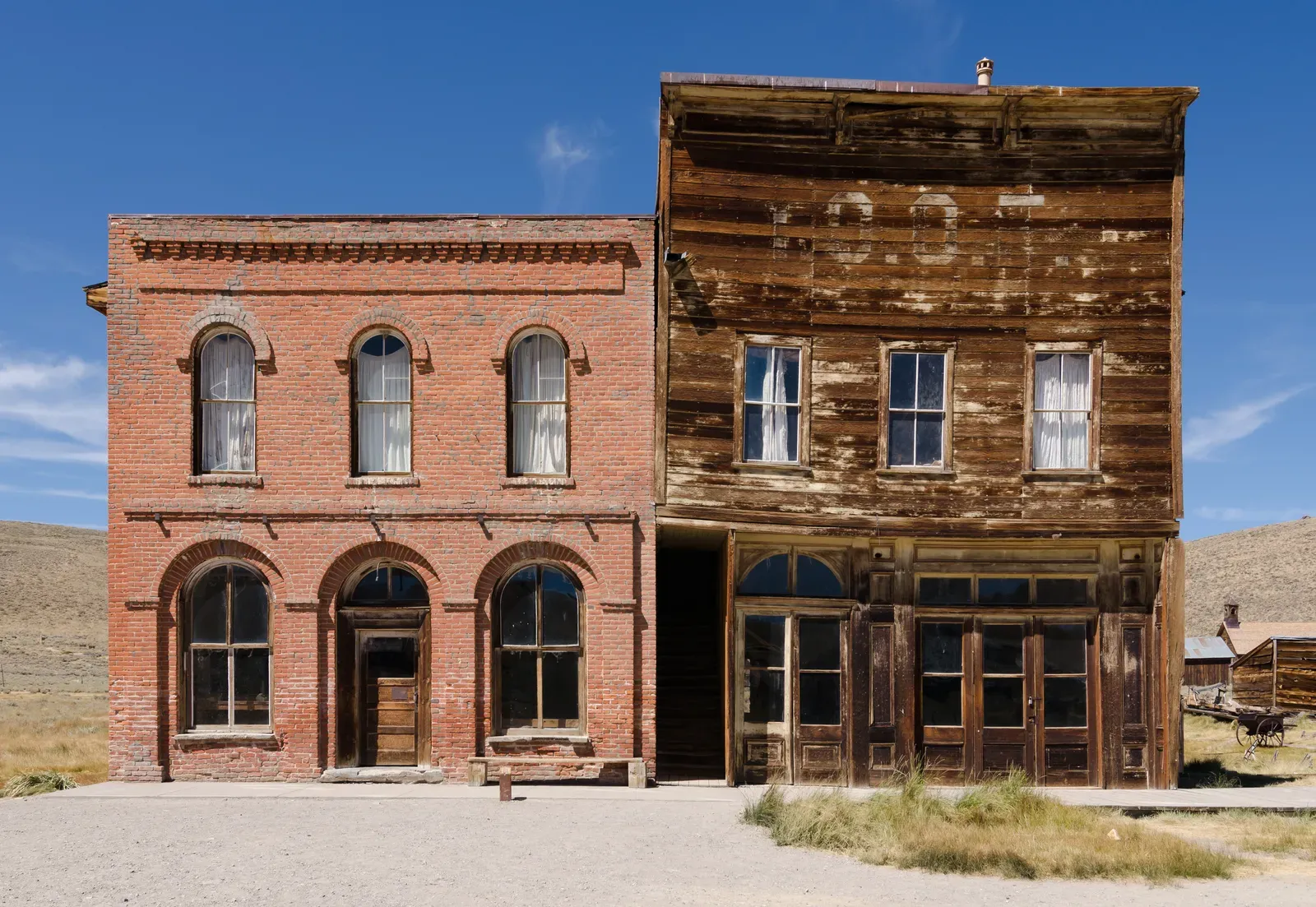
When gold was discovered in 1859 after W.S. Bodey’s prospecting efforts, this isolated town exploded from a handful of miners to roughly eight thousand residents by the late 1870s. The place earned a reputation so wild that families moving there would reportedly say goodbye to Bodie – and good, too.
Today, Bodie is preserved in a state of arrested decay with about one hundred ten structures still standing, making it feel like residents just walked away yesterday. Building interiors remain as they were left, still stocked with goods and furniture, creating an eerie time capsule that draws visitors from around the world. There’s even a legend about a curse – steal anything from Bodie, and bad luck will follow you home.
Rhyolite, Nevada – A Desert Dream That Vanished Overnight
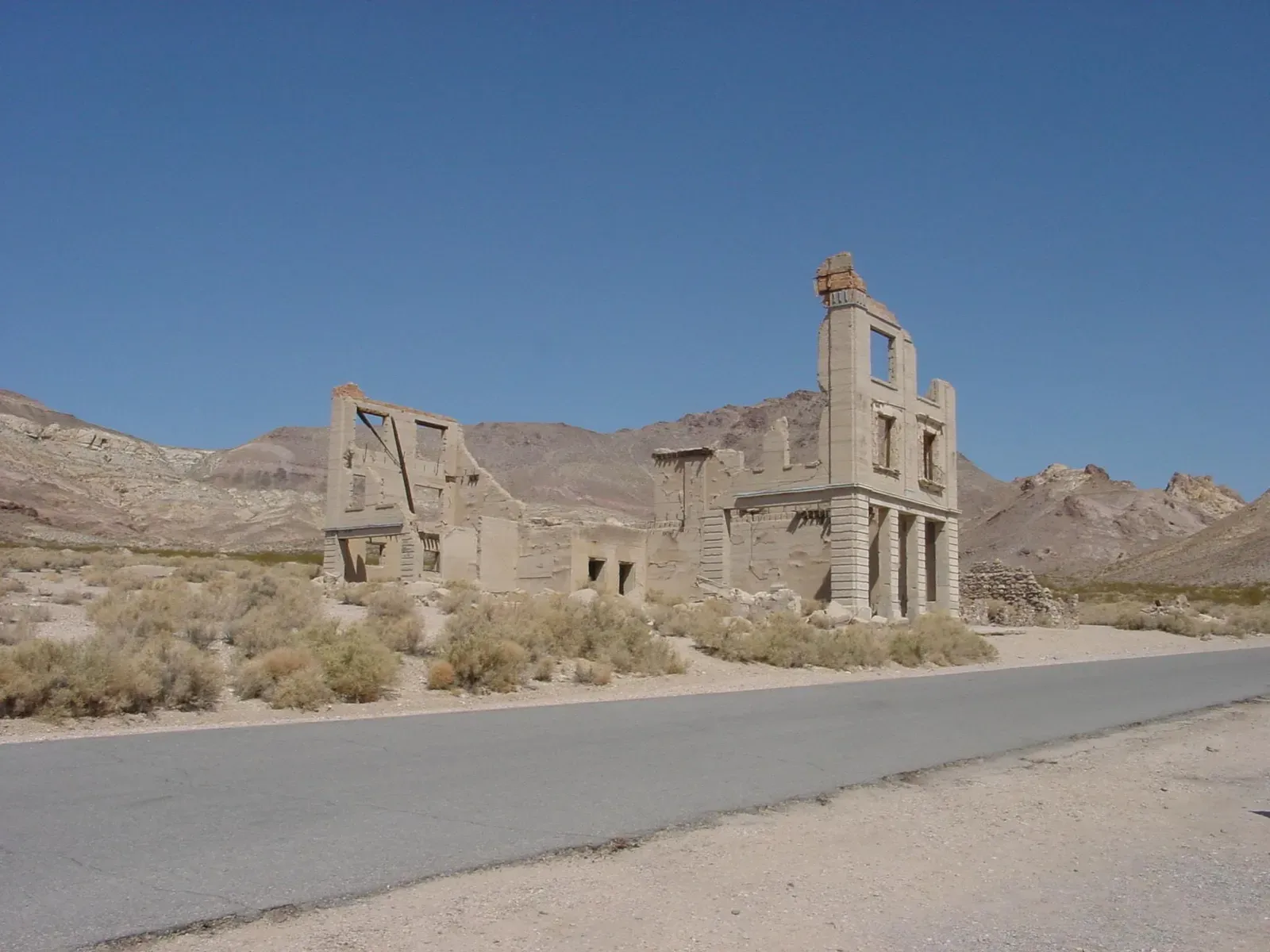
The town began in early 1905 as one of several mining camps that sprang up after a prospecting discovery, and during the ensuing gold rush, thousands of gold-seekers flocked to the area. What’s crazy is how fast things moved – what started as a two-tent mining camp boomed into a bustling town of around five thousand people within six months.
By 1907, Rhyolite had electric lights, water mains, telephones, newspapers, a hospital, a school, an opera house, and a stock exchange. But the dream didn’t last. The 1920 census reported a population of only fourteen, and a 1922 motor tour found only one remaining resident, a ninety-two-year-old man who died in 1924. The historic townsite is now maintained by the Bureau of Land Management and is considered one of the most photographed ghost towns in the West.
Centralia, Pennsylvania – The Town Still Burning Beneath Your Feet
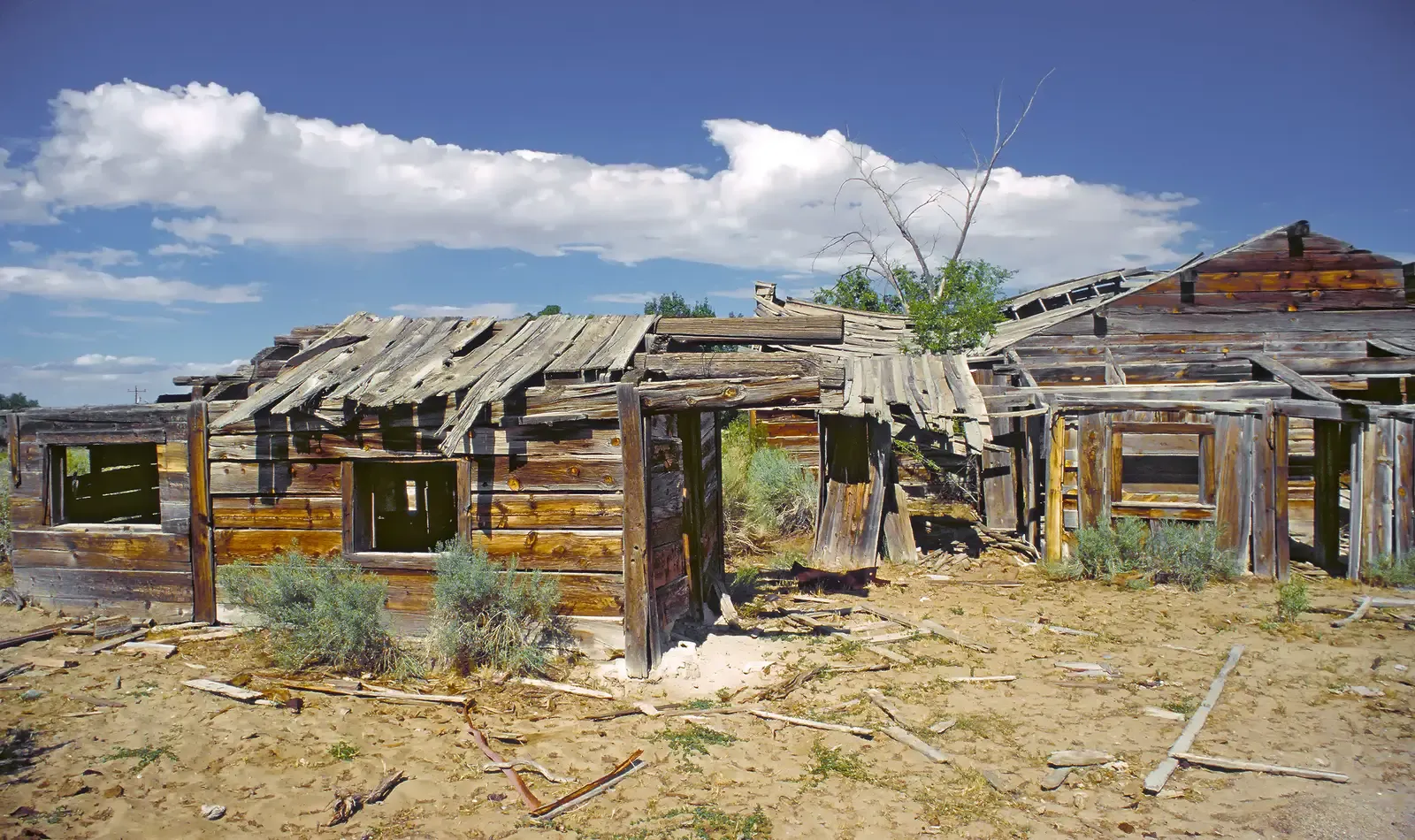
Here’s where things get legitimately unsettling. Centralia’s history as a ghost town began with a coal mine fire that started beneath the town in 1962, and this fire has burned until today, emitting toxic fumes and sinkholes.
Even though Centralia’s fire is still burning and expected to burn for another two hundred fifty years, a handful of residents still live in the doomed town as of 2025. Walking through Centralia means seeing smoke rising eerily from cracks in the ground, abandoned homes with sagging roofs, and streets buckled by underground heat. It’s like something out of a post-apocalyptic movie, except it’s completely real.
Calico, California – The Silver Town With a Second Life
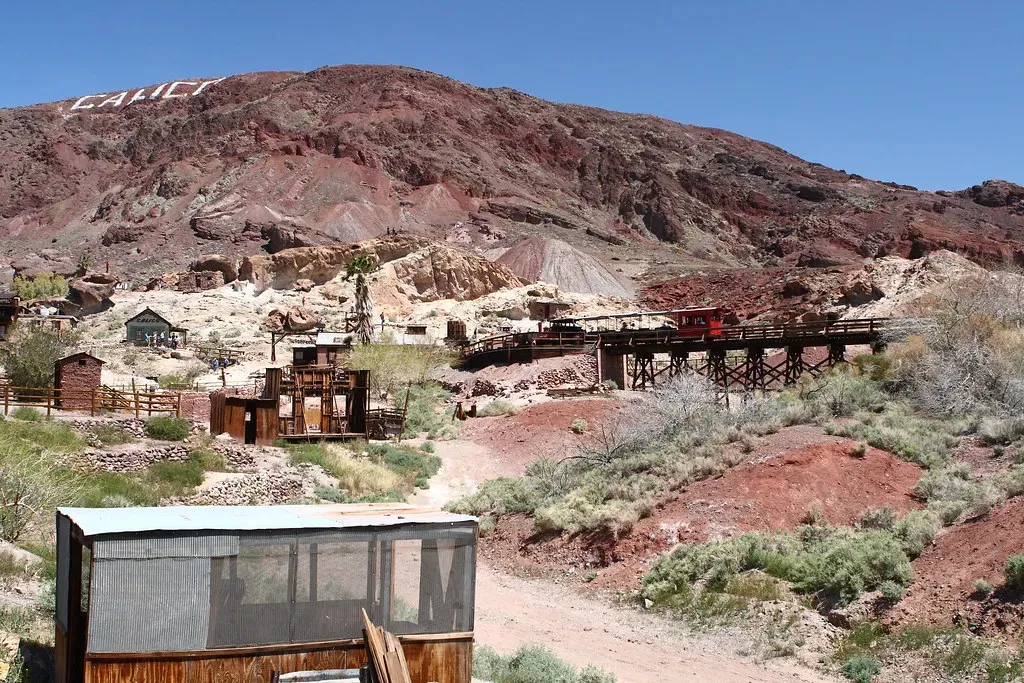
The town got its start in 1881 when four prospectors found silver, and within four years, more than five hundred mines opened while the population swelled to twelve hundred. The silver boom brought prosperity, but it didn’t last – when the price of silver dropped dramatically in the 1890s, businesses started to shutter, and by the early 1900s it was a ghost town.
Businessman Walter Knott of Knott’s Berry Farm fame bought Calico in the 1950s and restored or recreated many of the buildings. Calico Ghost Town is now a tourist haven with mine tours, stunt shows, gold panning and overnight camping available. Some purists might say it’s too commercialized now, but honestly, it beats letting history crumble into dust.
Bannack, Montana – Where Vigilantes Once Ruled
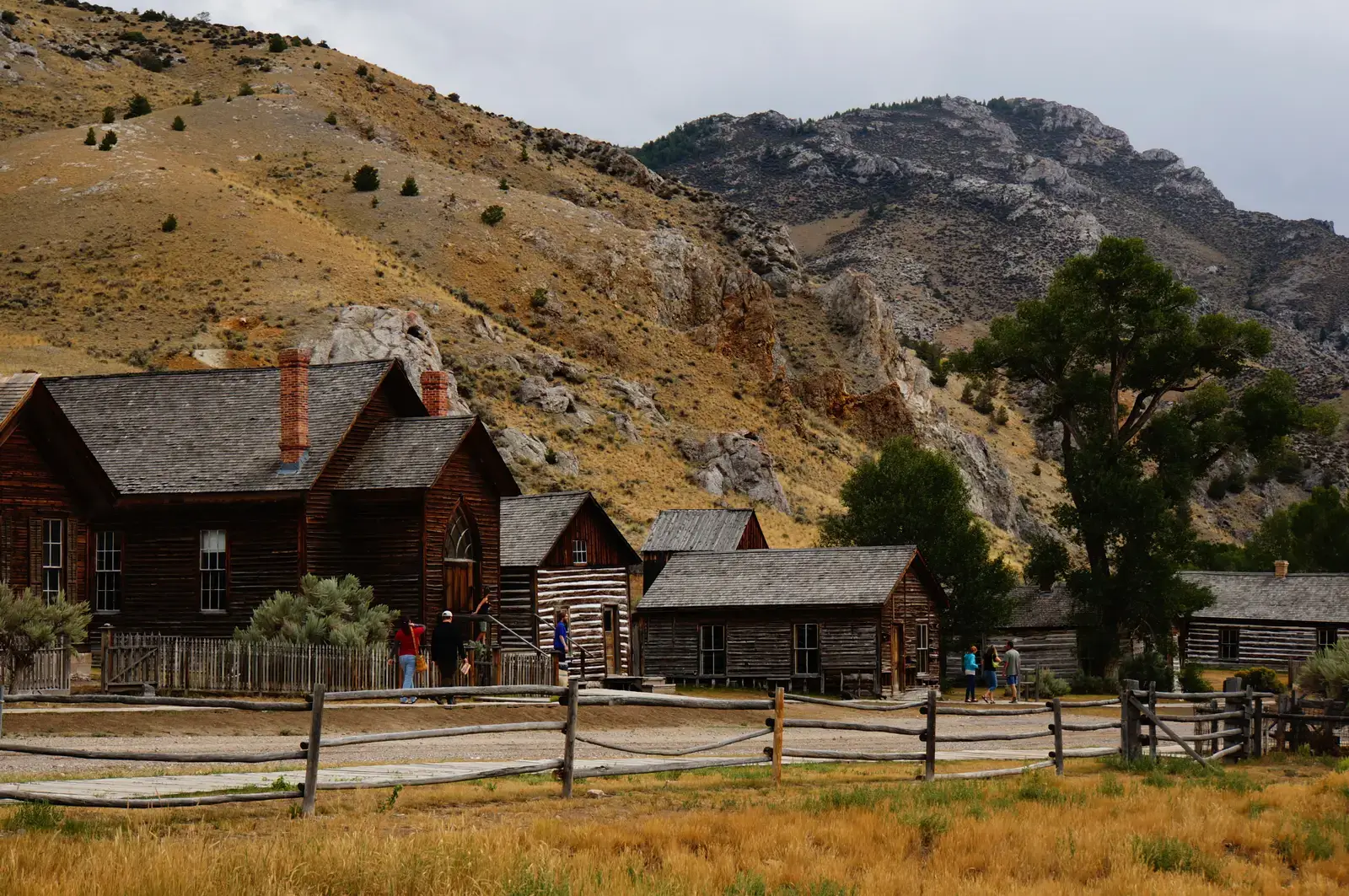
In the 1860s, Bannack’s gold wealth provoked greed and gunplay, earning it the title of “Toughest Town in the West”. The stagecoach routes were notorious for deadly bandits, and justice often came at the end of a vigilante’s rope rather than in a courtroom.
Today, Bannack is a National Historic Landmark managed as Bannack State Park and is remarkably well-preserved, home to more than sixty structures that are still standing. Walking through the old mining town, you can almost hear the echoes of pickaxes striking rock and the raucous laughter spilling from saloons. It’s hard to say for sure, but there’s something about these places that makes you feel like you’re not entirely alone.
Kennecott, Alaska – The Copper Empire in the Wilderness
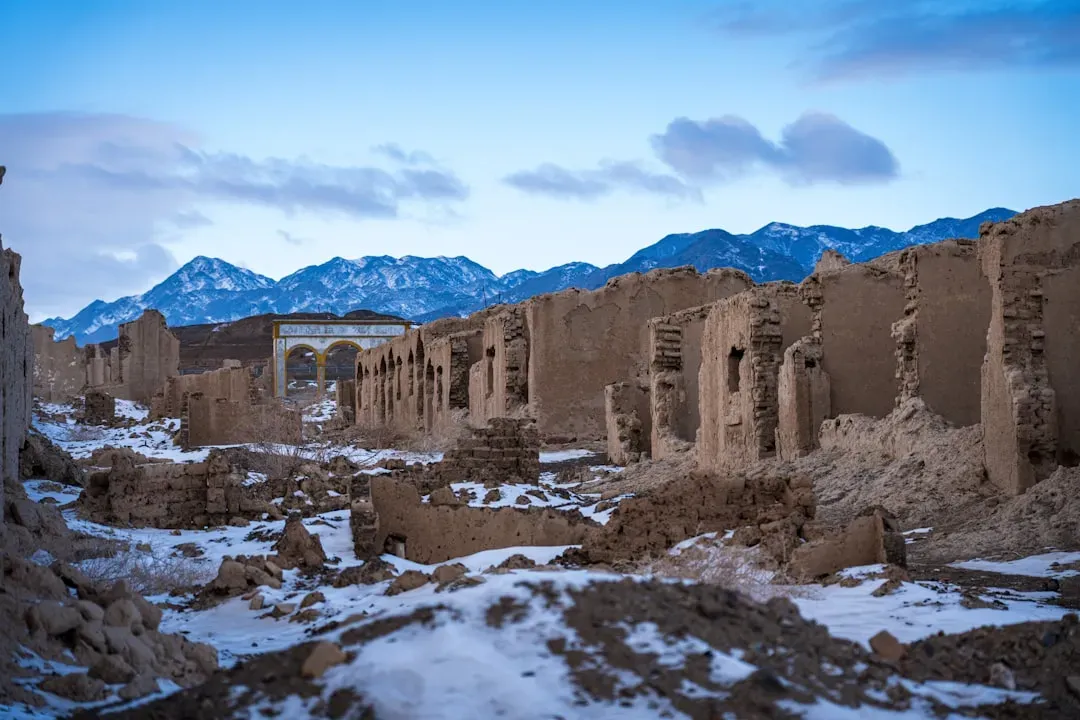
In 1900, Kennecott Copper Corporation struck ore and brought three hundred miners to the remote location, but when the copper ran out in 1938, everyone left – in theory. In its heyday from around 1910 to 1940, Kennecott processed nearly two hundred million dollars worth of copper, but by 1938 the mine was empty and the corporation abruptly abandoned the operation.
What makes Kennecott truly remarkable is its location within the wilderness. The weathered wooden buildings stand against a backdrop of massive glaciers and jagged peaks, creating one of the most photogenic ghost towns you’ll ever see. The isolation preserved the site far better than most abandoned towns – tools, equipment, and personal belongings remained largely untouched for decades.
Cahawba, Alabama – A Capital Lost to the Floodwaters
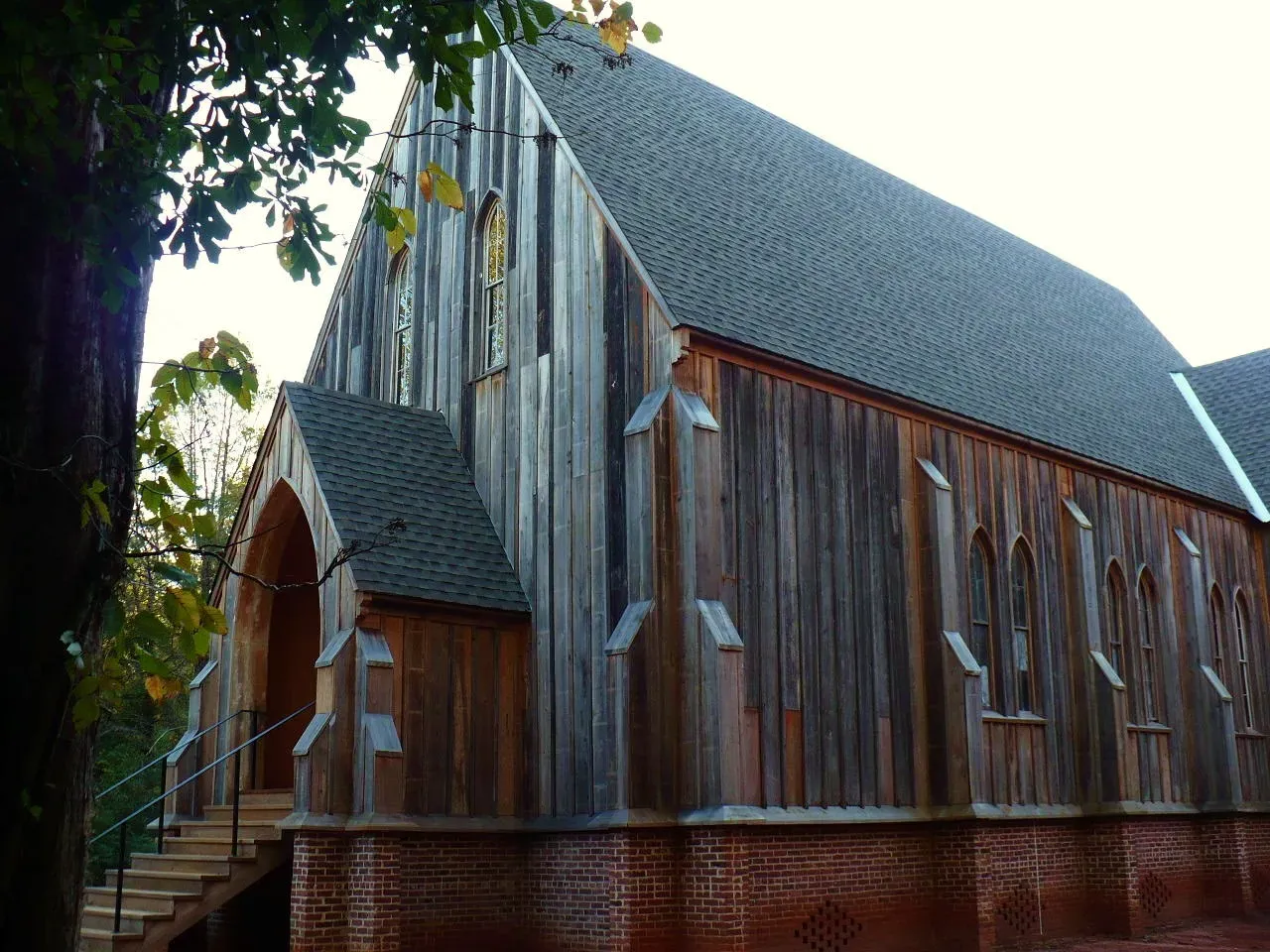
Alabama’s first capital, Cahawba, was a thriving cotton town between the 1820s and ’70s and also a Civil War prison camp, but was unfortunately built on a flood plain. The location seemed perfect at first – situated at the confluence of two rivers meant easy transportation for cotton and goods.
The floods came repeatedly, though, washing away buildings and drowning crops. Eventually, people gave up fighting the water and moved to higher ground. Only damp, decaying ruins remain on this elegant archaeological site, and ghosts of nineteenth century children, slaves and prisoners have reportedly stuck around. The Spanish moss hanging from ancient oaks adds to the Southern Gothic atmosphere that makes Cahawba feel like stepping into a forgotten chapter of American history.
Virginia City, Nevada – The Silver Boomtown That Refused to Die
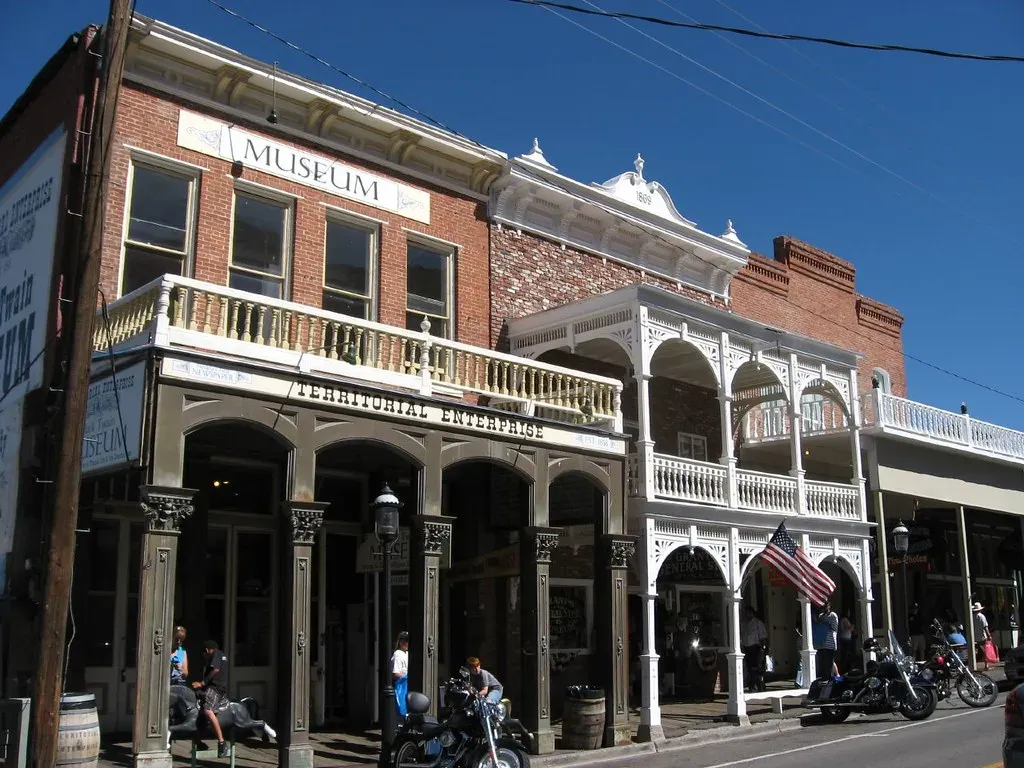
Following the 1859 Comstock Lode discovery – the American West’s most valuable ore find – this settlement exploded from nothing to twenty-five thousand residents within years. When the “Big Bonanza” strike yielded three million dollars monthly during the 1870s, Virginia City epitomized America’s mineral wealth frontier.
Unlike most ghost towns, Virginia City didn’t completely fade away. Today you’ll find exceptional preservation efforts that transformed Virginia City into a thriving tourist destination, with historic buildings, mine tours, and cultural festivals celebrating its silver heritage. Walking down the wooden sidewalks past old saloons and Victorian mansions, you get a sense of what a Wild West boomtown really felt like – minus the gunfights and typhoid fever, thankfully.
St. Elmo, Colorado – The Alpine Ghost Frozen at High Altitude
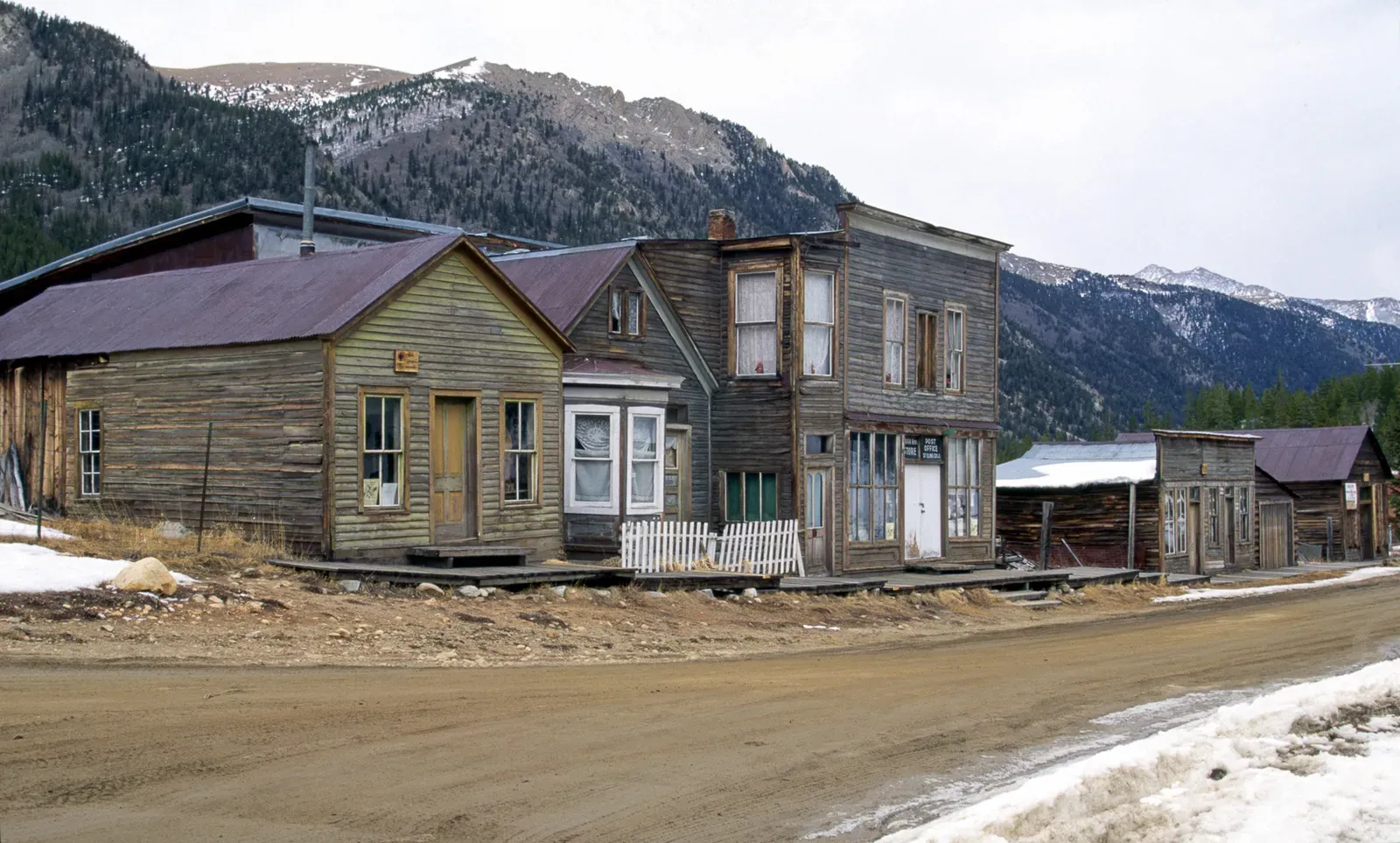
The town of St. Elmo in Chaffee County is considered one of the best-preserved ghost towns in America, founded in 1880 and serving primarily as a mining town until the 1920s. Nestled high in the Colorado Rockies, St. Elmo once bustled with miners seeking their fortunes in gold and silver.
The Stark family ran the town’s general store and the Home Comfort Hotel, and long after the parents passed away, their adult children continued to live in St. Elmo even after most residents had moved on – some say Annabelle Stark still haunts the region. The high elevation and dry climate helped preserve many original structures, making St. Elmo a favorite destination for photographers and history enthusiasts alike.
Garnet, Montana – Where Gold Created and Destroyed a Community
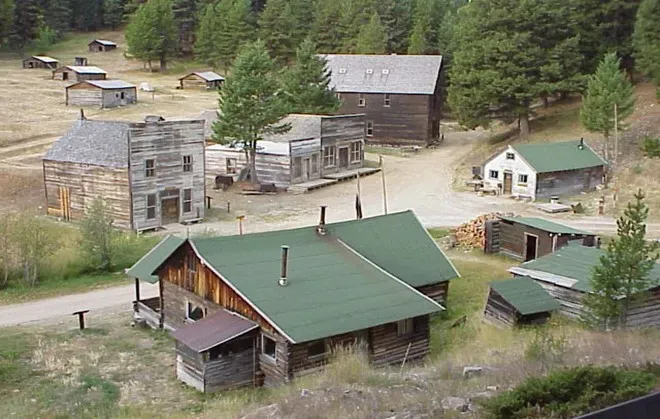
In the 1890s and early 1900s, this was a bustling place home to thirteen hundred residents and thirteen saloons, and it’s said that between 1897 and 1917, Garnet produced around one million dollars in gold. The miners worked grueling shifts underground, emerging to spend their hard-earned money in the numerous establishments lining the main street.
Half the town burned down in 1912, and as the mines were running out of gold anyway, it was abandoned – most residents left immediately after the fire, and now more than thirty historic buildings remain with their interiors untouched and still full of personal belongings. Garnet is one of the best-preserved ghost towns in Montana and a wonderful place to learn about the state’s history and culture.
Conclusion
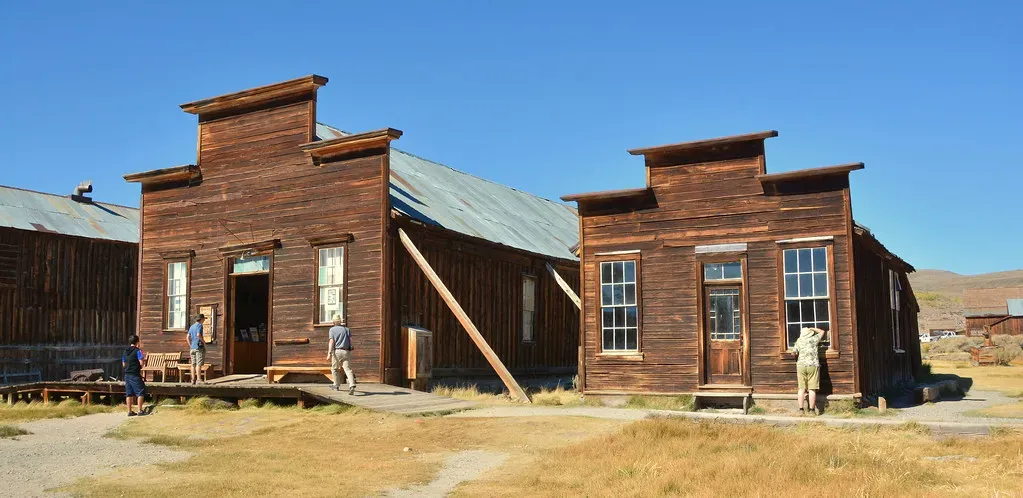
Ghost towns remind us that nothing lasts forever, no matter how prosperous or permanent things seem. These abandoned communities scattered across America tell stories of ambition, hardship, sudden wealth, and devastating loss. Each empty building and overgrown street represents real people who built lives, raised families, and chased dreams in places that eventually faded from maps.
What strikes me most about these places is their honesty. Unlike carefully curated museums, ghost towns show the raw truth of frontier life – the boom-and-bust cycles that could make or break entire communities in a matter of years. Whether it’s Bodie’s arrested decay, Centralia’s underground inferno, or Rhyolite’s photogenic ruins, each site offers a unique window into America’s past.
What would it have been like to watch your hometown slowly empty out around you? Tell us your thoughts in the comments below.
