
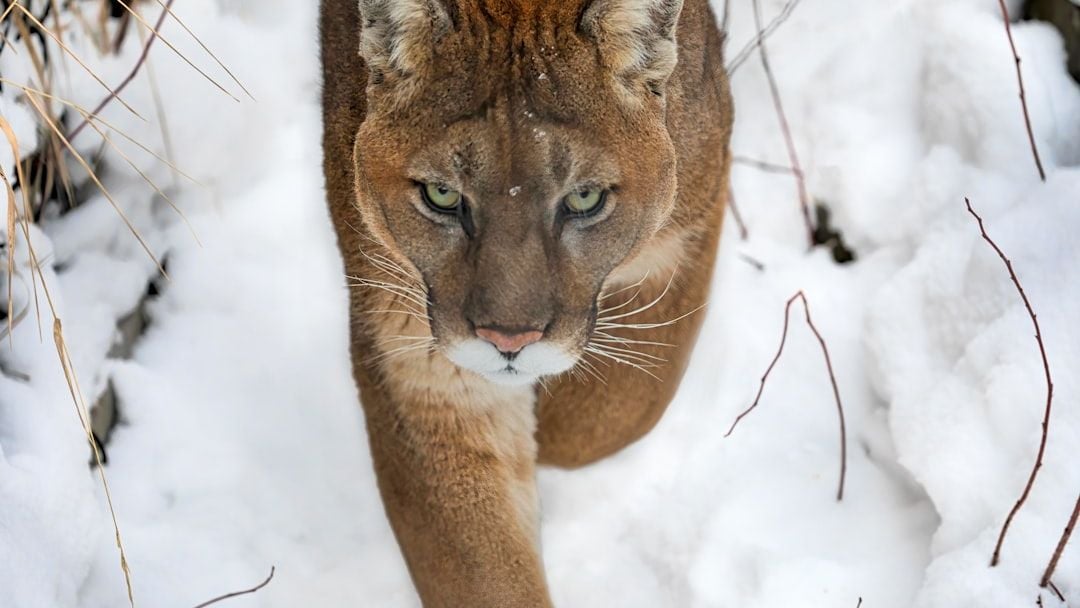
Imagine catching a fleeting glimpse of tawny fur disappearing into the shadowy cypress swamps of Florida. You might think you’ve just witnessed a ghost, and in many ways, you wouldn’t be far off. The Florida panther, one of North America’s most elusive and critically endangered big cats, has long captured the imagination of locals and conservationists alike. With fewer than three hundred individuals left in the wild, these majestic predators are clinging to survival in a rapidly shrinking corner of the Sunshine State.
Yet despite their precarious situation, Florida panthers have a remarkable story to tell. From their genetic rescue in the nineties to their unexpected hunting prowess, these cats are full of surprises. Let’s dive in and discover what makes this rare feline so extraordinary.
They’re Not Actually a Separate Species
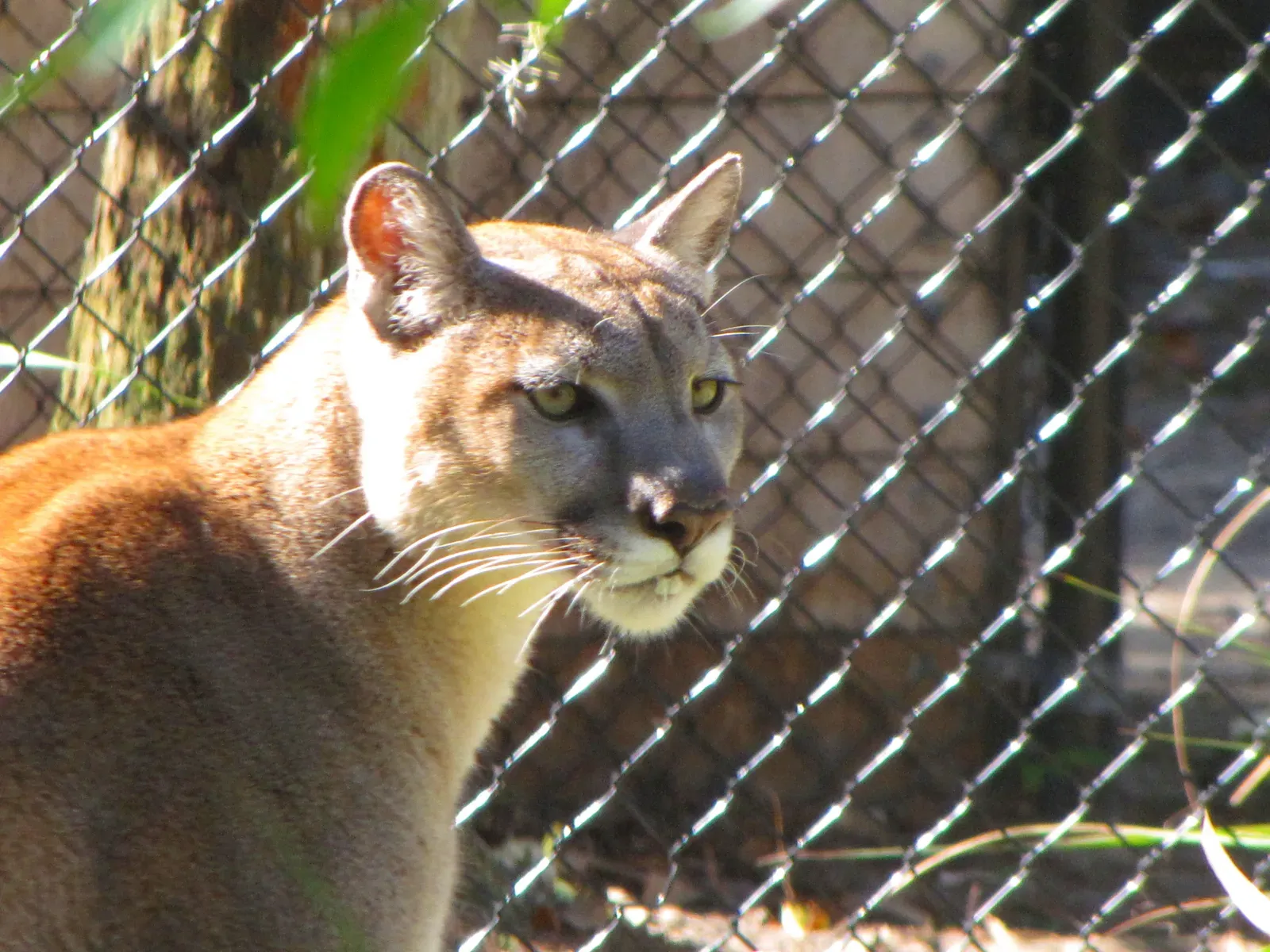
The Florida panther, despite its unique name and iconic status, is actually classified as a North American cougar rather than a distinct species. Originally thought to be a unique subspecies, genetic studies in recent decades revealed that Florida panthers share too many similarities with western cougars to be truly separate. Think of them less as a completely different animal and more like a regional variation with its own story.
The Florida panther is one of more than 25 subspecies of puma. What makes them distinctive, though, are certain physical traits that emerged from years of isolation. Florida panthers usually have a crooked tail and a unique patch of fur on the back, almost like a cowlick, not conforming to the rest of the panther’s fur. These characteristics, however, tell a darker tale. Kinked tails and cowlicks are a negative consequence of inbreeding and poor genetic variation, traits that Florida panthers often suffer because their populations had been so low in the past that multiple generations of inbreeding were unavoidable.
The genetic bottleneck nearly sealed their fate. Interestingly, these odd physical markers have become less common as conservation efforts have increased genetic diversity. It’s a visible reminder of how close this population came to disappearing entirely.
They Nearly Went Extinct in the 1970s
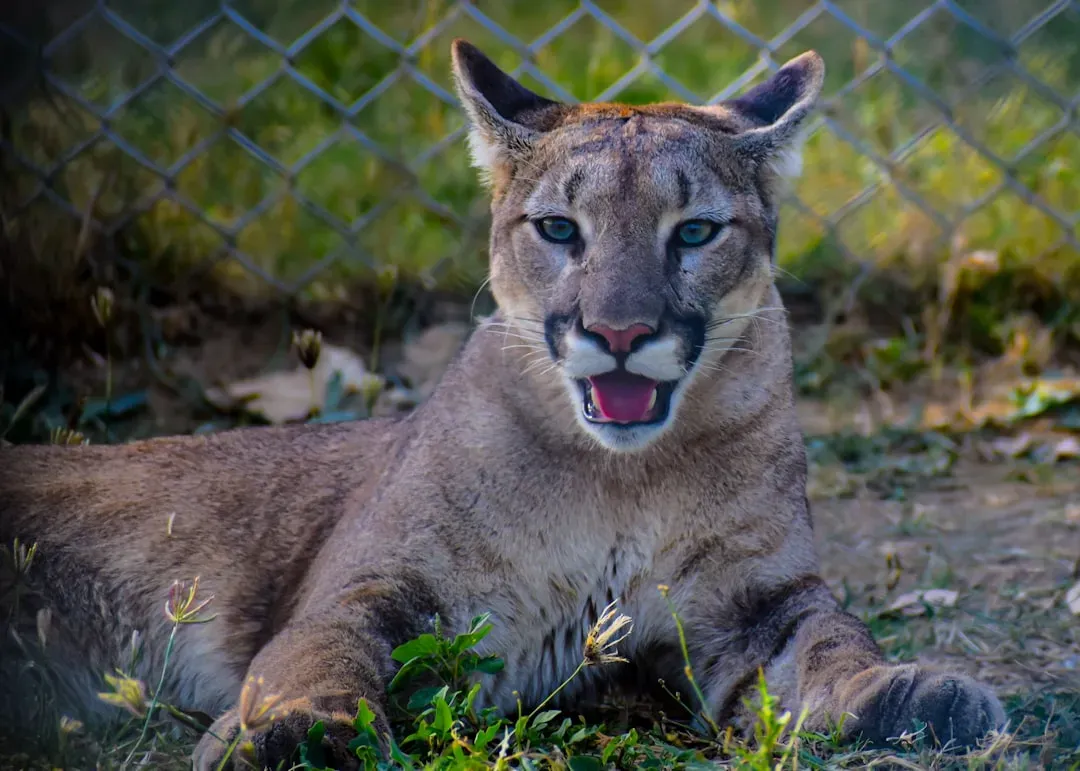
In the 1970s, an estimated 20 Florida panthers remained in the wild. Let that sink in for a moment. Twenty cats. That’s barely enough to fill a small classroom. At one point, scientists feared they might have already vanished completely.
Federally listed as endangered since 1967, the Florida panther was once down to 25 individuals. The reasons were all too human: widespread hunting, habitat destruction, and bounty programs that paid settlers for killing them. In 1887, the state of Florida offered a bounty of $5 per panther pelt, the equivalent of over $150 in today’s dollars. Decades of persecution combined with rapid urban sprawl pushed these magnificent cats to the very edge.
Recovery has been painstakingly slow. As of 2024, about 200 individuals are left in the wild. While that’s a tenfold increase from the darkest days, the species remains critically endangered. It’s a testament to human determination, but also a sobering reminder of how fragile wildlife populations can be.
Texas Cougars Saved Them From Genetic Collapse
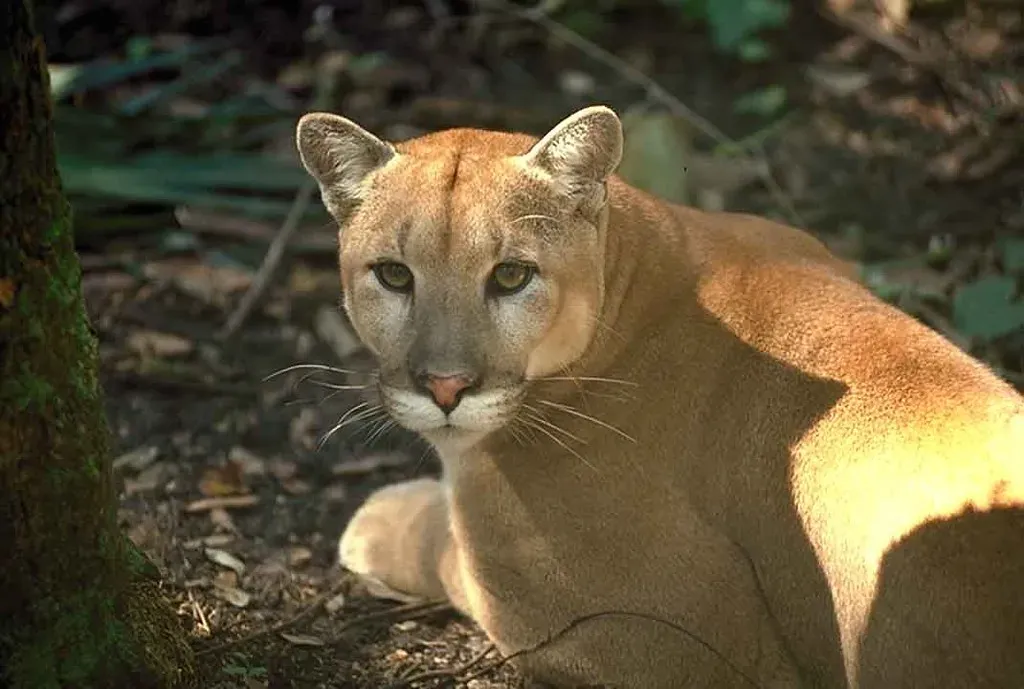
Here’s where the story gets truly fascinating. By the mid-nineties, Florida panthers were suffering from severe inbreeding depression. This genetic bottleneck caused a decline in birth rates, and those that were born exhibited birth defects such as cowlicked fur, kinked tails, and even holes in their hearts. Scientists realized something radical had to be done, or the population would spiral toward extinction regardless of habitat protection.
In 1995, panthers from Texas were introduced to the Sunshine State in an attempt to preserve the Florida panther population from inbreeding leading toward extinction. Eight female Texas cougars were carefully selected and released into Florida panther territory. This subspecies of puma would have been a natural breeding partner for panthers since they shared habitat and range on the Texas/Louisiana border. It was a controversial move at the time, with concerns that Florida’s unique genetic lineage might be diluted or even replaced.
A new study shows that inbreeding has been reduced without replacing the original local ancestry and genetic variation with genes introduced from Texas, though the findings highlight that the effects might be transient and continued management of the panthers is needed. The intervention worked spectacularly. By 2007 the Florida panther population had tripled to an estimated 100 individuals that were more genetically resilient. Today’s panthers are healthier, stronger, and carry the hope of a species brought back from the brink.
They’re the Only Wild Cougars East of the Mississippi
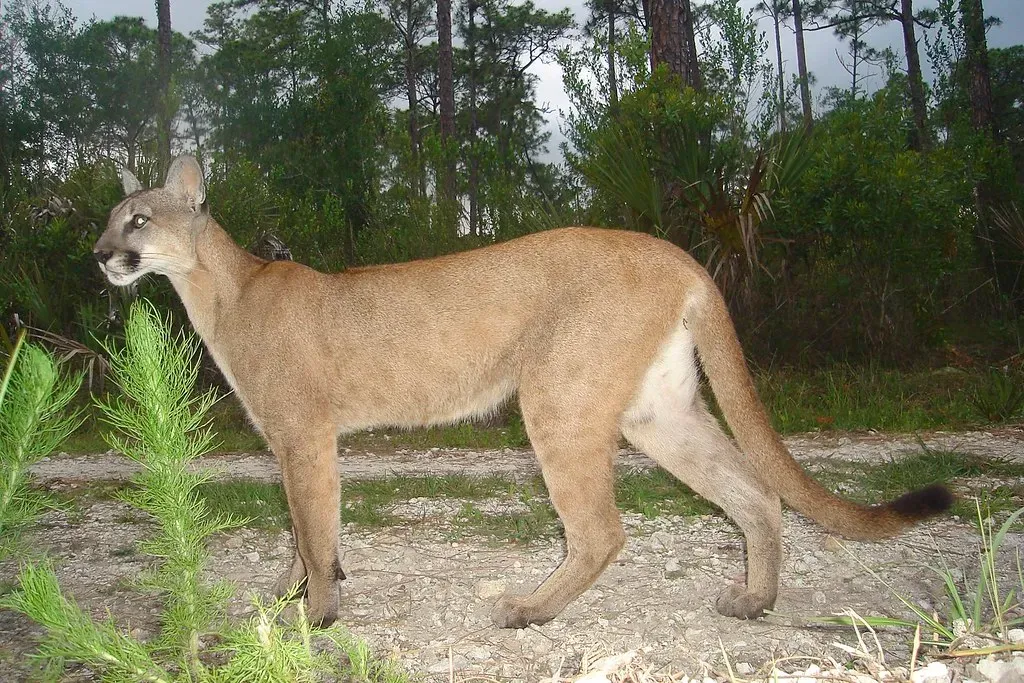
It is the only confirmed cougar population in the Eastern United States, and currently occupies 5% of its historic range. Once upon a time, cougars roamed freely throughout the entire eastern half of North America, from the Atlantic Coast to the Great Plains. European colonization changed all that.
Before European settlement, mountain lions occupied almost all of North America, but widespread hunting and trapping by settlers eventually eradicated them from the eastern United States except for a small population that survived in southwest Florida. Today’s Florida panthers represent the sole survivors of what was once a vast eastern population. Every other cougar east of the Mississippi was hunted into oblivion.
The historic range of the Florida panther extended from Florida to Louisiana throughout the Gulf Coast states and Arkansas, but today the only place with wild Florida panthers is the southwestern tip of Florida. Their territory has been squeezed into a fraction of what it once was, making them not just rare, but geographically isolated in a way few other big cats experience.
They Can’t Roar Despite Being Big Cats
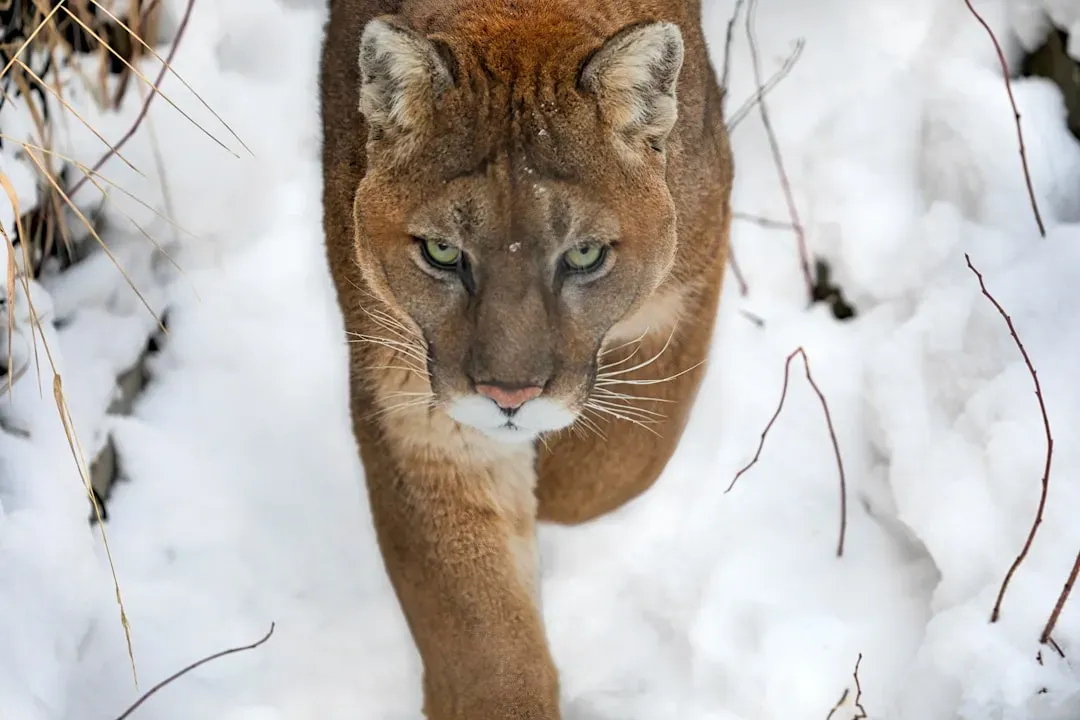
If you’re expecting a dramatic lion-like roar echoing through the Everglades, prepare to be disappointed. Unlike other large cats, mountain lions lack a flexible hyoid and are unable to roar. The hyoid bone in a cat’s throat determines whether it can produce those bone-rattling roars we associate with African lions or tigers.
They are usually quiet but sometimes they chirp, peep, whistle, purr, moan, scream, growl and hiss, and females signal their readiness to mate by yowling or caterwauling, but they don’t roar. Imagine a giant housecat with an attitude problem and you’re getting closer to the truth. They purr when content, hiss when threatened, and emit eerie screams that have startled many a Florida hiker at dusk.
Even though the Florida panther, like other puma species, is a big cat, they can’t roar and instead yowl, hiss, growl, and even purr like a housecat. It’s oddly endearing and terrifying at the same time. Their vocalizations are adapted for solitary life rather than pack communication, a reflection of their independent nature.
Males Need Massive Territories to Survive
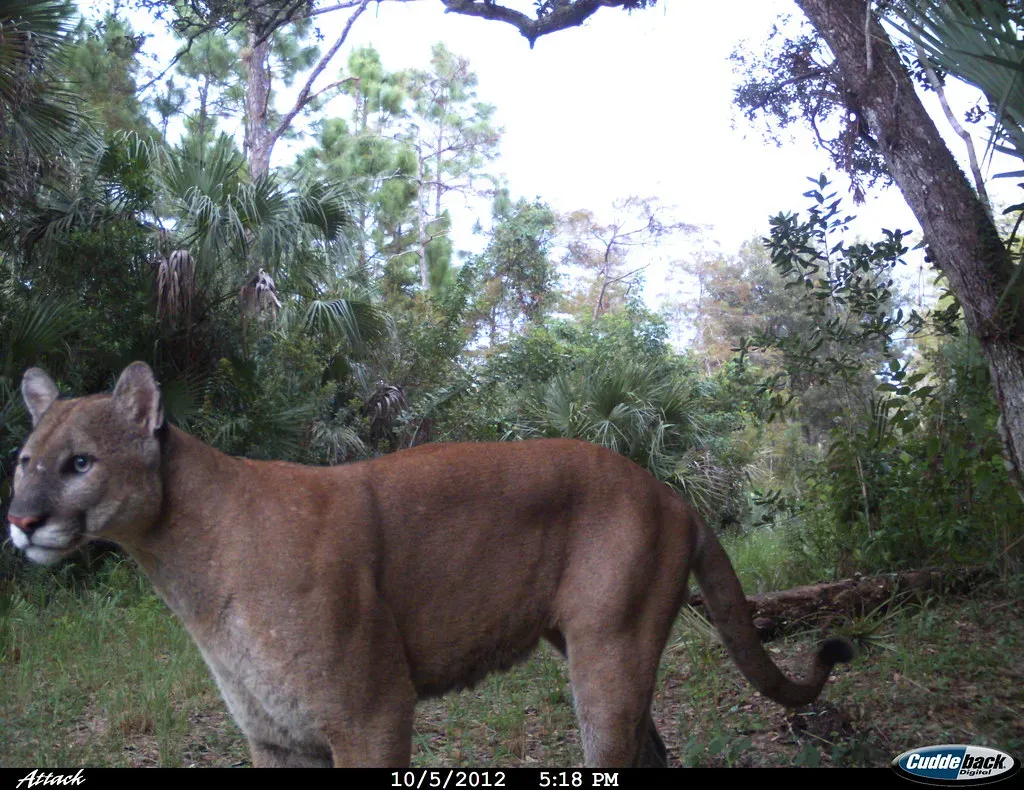
A male can make a territory more than 200 to 250 square miles in size. To put that in perspective, that’s roughly the size of Chicago. A male panther has a territory of about 200 square miles – the equivalent of roughly 100,000 football fields – and, like most felines, won’t share its territory with other males.
Female panthers are somewhat less demanding. The average female panther requires about 80 square miles of territory but will share territory with other females as well as with males. This difference creates interesting dynamics. Males roam vast distances, marking their territories with scent and claw marks, while females establish smaller, overlapping home ranges closer to their mothers.
Territorial aggression between Florida panthers is the second leading cause of individual panther mortality. With habitat shrinking and panther numbers growing, males increasingly find themselves competing for the same space. If panthers are squeezed into an area that’s too small, they’ll fight each other and can even kill each other. It’s a grim reality that highlights why habitat conservation remains absolutely critical.
Vehicle Collisions Are Their Biggest Killer
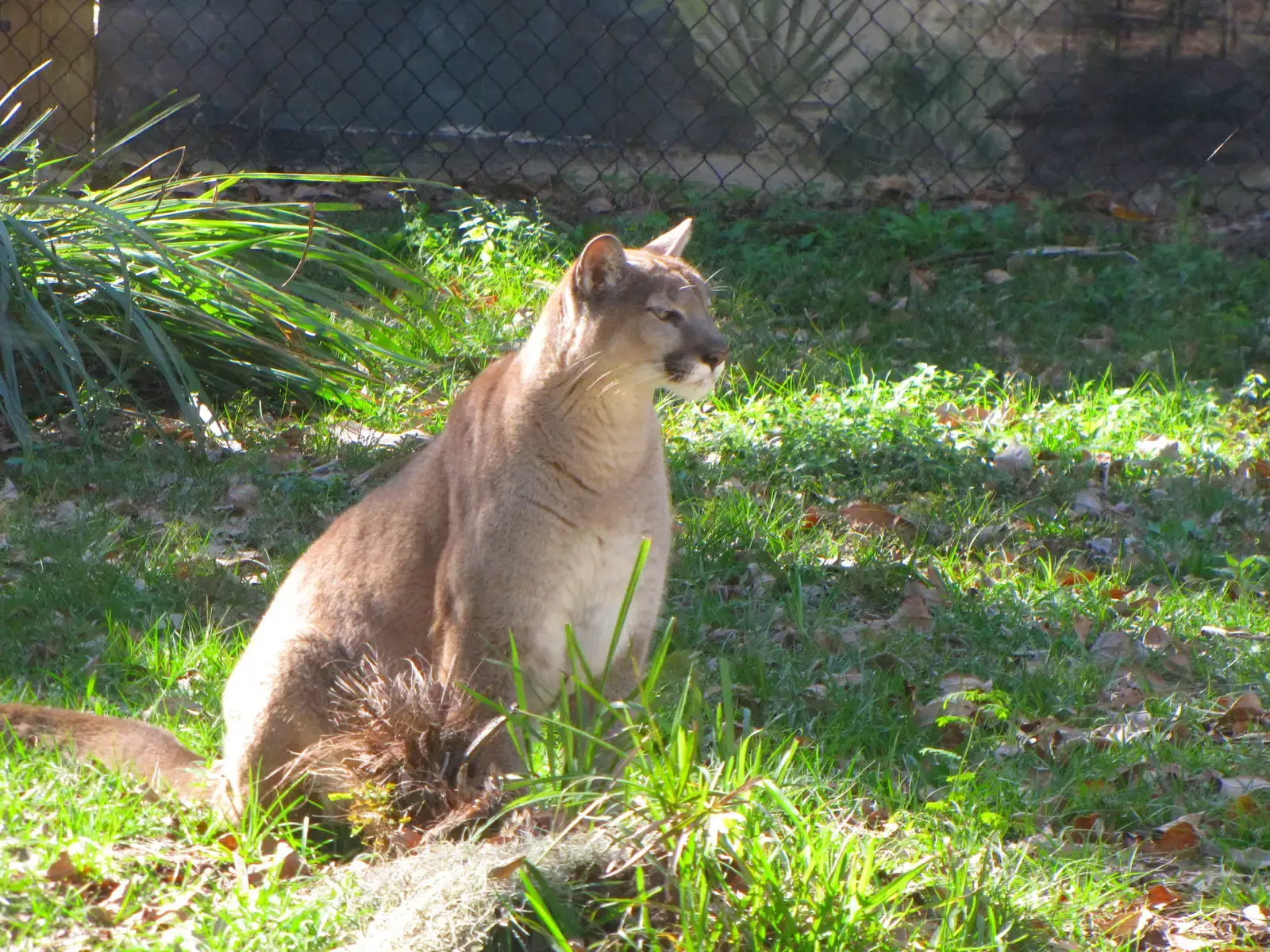
Between 2014 and 2023, 80% of panther fatalities were from vehicles. Roads crisscross panther habitat like scars across the landscape, and the cats have no choice but to cross them in search of food, mates, and territory. Thirty-six Florida panther deaths were recorded in 2024, with all recorded deaths this year having been due to vehicle collisions, which was the primary cause of death among panthers.
Eighty-percent of panthers that are killed in vehicle collisions are young, four years of age or less. These are the dispersing juveniles, the future breeding stock, cut down before they’ve even had a chance to establish themselves. Males are killed at a higher ratio (60%) because they travel more widely.
Conservation efforts are responding. In December, the FDOT received $6.1 million to upgrade state highways with wildlife underpasses and fencing. Wildlife corridors and underpasses allow panthers to move safely beneath highways. It’s a race against time and traffic, and every crossing built could mean the difference between survival and extinction.
They’re Now Apex Predators Dominating Deer Populations
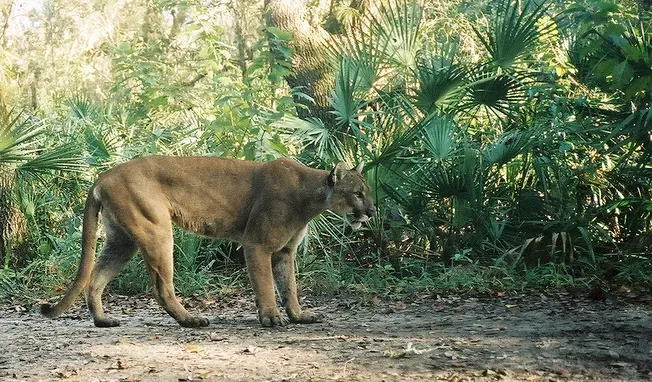
Here’s a surprising success story hidden within the larger struggle. According to a 2022 study from the University of Georgia, Florida panthers are now the main cause of death for white-tailed deer in Southwest Florida. Think about that for a second. A critically endangered cat has recovered enough to become the primary predator controlling deer populations in their territory.
Of 241 deer captured and fitted with GPS collars during the study, 96 were killed by Florida panthers. This shows improved health (and therefore ability to hunt) in the endangered panther population. These aren’t weak, struggling animals anymore. They’re efficient killing machines reclaiming their ecological role.
An adult Florida panther needs to eat about 35–50 deer-sized animals each year, although females with cubs may need twice that amount. Their hunting prowess demonstrates that when given space and genetic diversity, these cats can thrive. It’s a hopeful sign, even as they continue to face enormous challenges.
Panthers Are Born Spotted, Not Tan
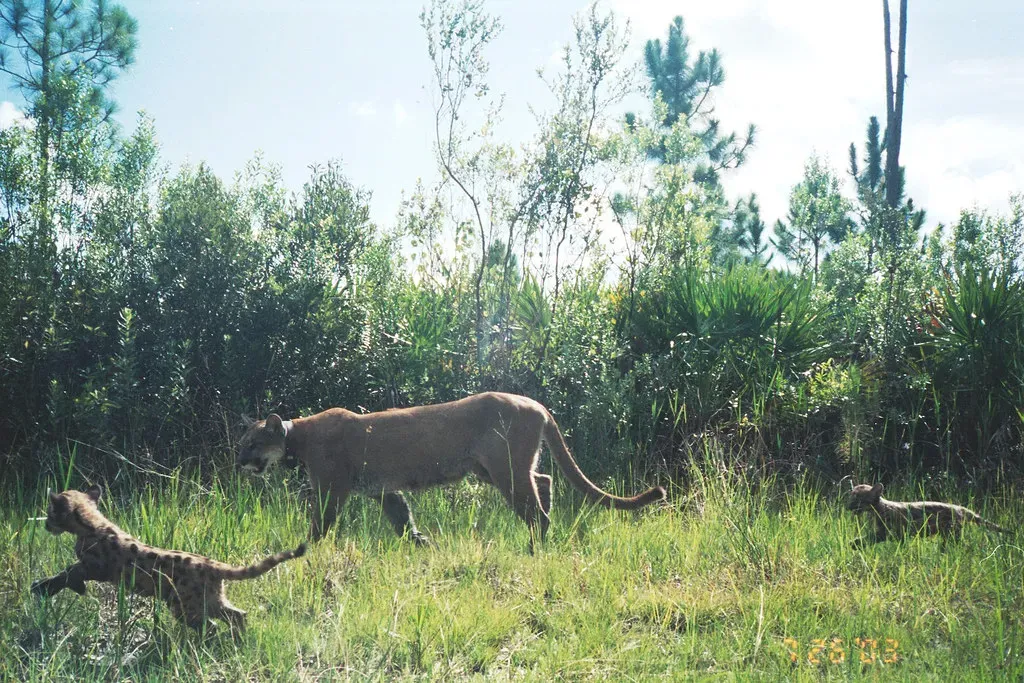
Florida panthers are spotted at birth, and typically have blue eyes. If you stumbled upon panther kittens in a den, you might mistake them for bobcat babies or even domestic tabby cats. At birth, the kittens are born covered in dark spots, and the spots help camouflage the kittens under forest debris.
As the panther grows, the spots fade and the coat becomes completely tan, while the eyes typically take on a yellow hue, and the panther’s underbelly is a creamy white with black tips on the tail and ears. The transformation happens gradually over their first several months. As they develop, the spots fade away and they look more and more like adult panthers.
Kittens face a perilous start to life. The kittens are vulnerable to predators, especially right after birth when they are blind. Mother panthers give birth in dense palmetto thickets, carefully selecting den sites that offer maximum concealment. Kittens will spend the first 6–8 weeks of life in those dens dependent on their mother, and in the first 2–3 weeks, the mother spends most of her time nursing the kittens. It’s a tender side to a fierce predator.
Schoolchildren Chose Them as Florida’s State Animal
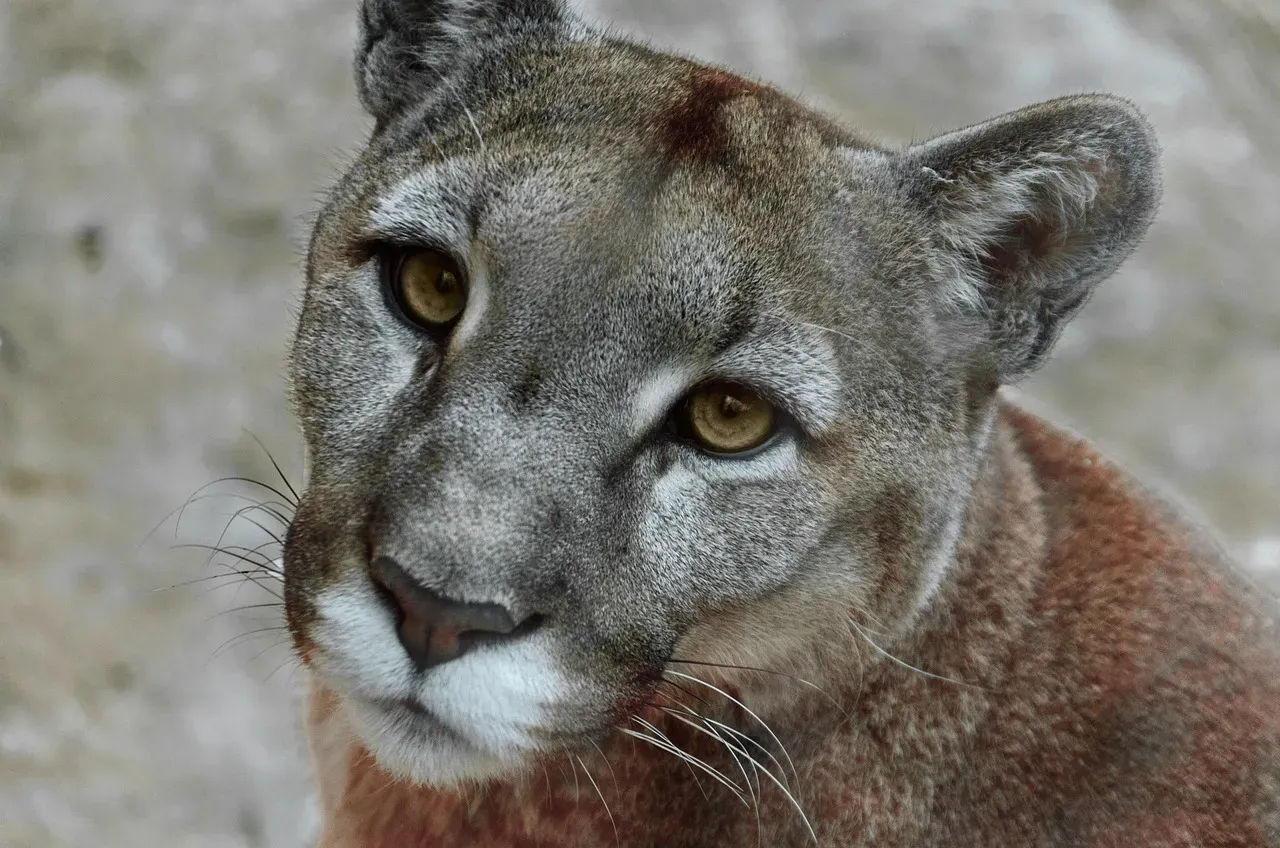
Schoolchildren picked the panther as the state animal in 1981. It wasn’t a decision made by politicians in backroom deals or conservation bureaucrats in distant offices. Florida’s students, in a statewide vote, chose this elusive cat as the symbol of their state. In 1982, the Florida panther was chosen by a vote of students throughout the state as the Florida state animal.
The choice reflects deep cultural significance. Many native American tribes of the southeastern United States, including Cherokee, Seminole, and Miccosukee, consider the Florida panther as an animal of great spiritual importance. Traditionally Seminole medicine people have come from the panther clan, and the panther is thought to be a favorite of the Creator and to have special powers.
The panther’s image has graced state license plates for over three decades and is the namesake of the back-to-back winners of the National Hockey League’s 2024 and 2025 Stanley Cup. From sports teams to specialty license plates that fund conservation research, the Florida panther has become woven into the state’s identity. It’s hard to say for sure, but perhaps that cultural embrace has played a role in keeping conservation efforts alive even when the odds seemed impossible.
Conclusion
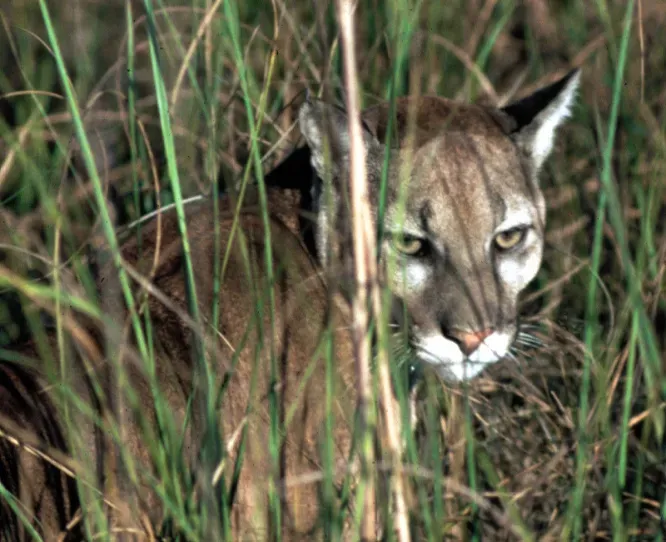
The Florida panther’s journey from near extinction to cautious recovery is nothing short of remarkable. These ghost cats of the Everglades have survived hunting, habitat loss, genetic collapse, and the relentless march of development across their territory. Yet they persist, prowling through cypress swamps and pine flatwoods, a living reminder of Florida’s wild heart.
Their story isn’t over, though. With continued habitat fragmentation, deadly vehicle collisions, and the ever-present challenge of maintaining genetic diversity, Florida panthers remain critically endangered. Conservation efforts, including wildlife corridors, genetic management, and public education, offer hope but require sustained commitment.
What’s your take on sharing our landscapes with apex predators like the Florida panther? Should more be done to protect their remaining habitat, even if it means limiting development? The conversation matters, because ultimately, the fate of these magnificent cats rests in human hands.

- 6 US States With the Most Salmon - July 12, 2026
- 14 Signs Your Dog Has Started Living in the Moment More Than You Do - July 12, 2026
- 8 Fascinating Facts About the Elusive Red Wolf, America’s Most Endangered Canine - July 12, 2026