
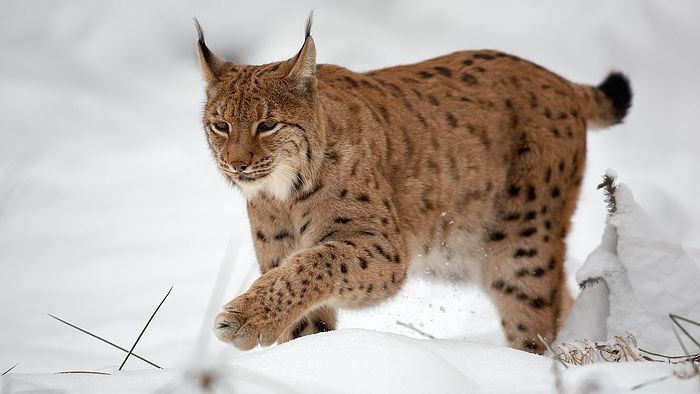
When people think of wild cats in America, mountain lions and bobcats usually come to mind first. The elusive Canada lynx, on the other hand, often gets forgotten. These snow-footed felines once roamed across the northern tier of the United States in considerable numbers, but those days are long gone.
Today, finding a lynx south of the Canadian border is like searching for a ghost in a winter forest. They are only found in limited, northern portions of Washington, Idaho, Montana, Minnesota and Maine, making these big-pawed cats one of the rarest predators in the lower 48. What makes a state suitable for lynx? It’s all about deep snow, dense forests, and plenty of snowshoe hares. Let’s dive into which states still harbor these mysterious creatures.
Maine: The Lynx Capital of the Lower 48
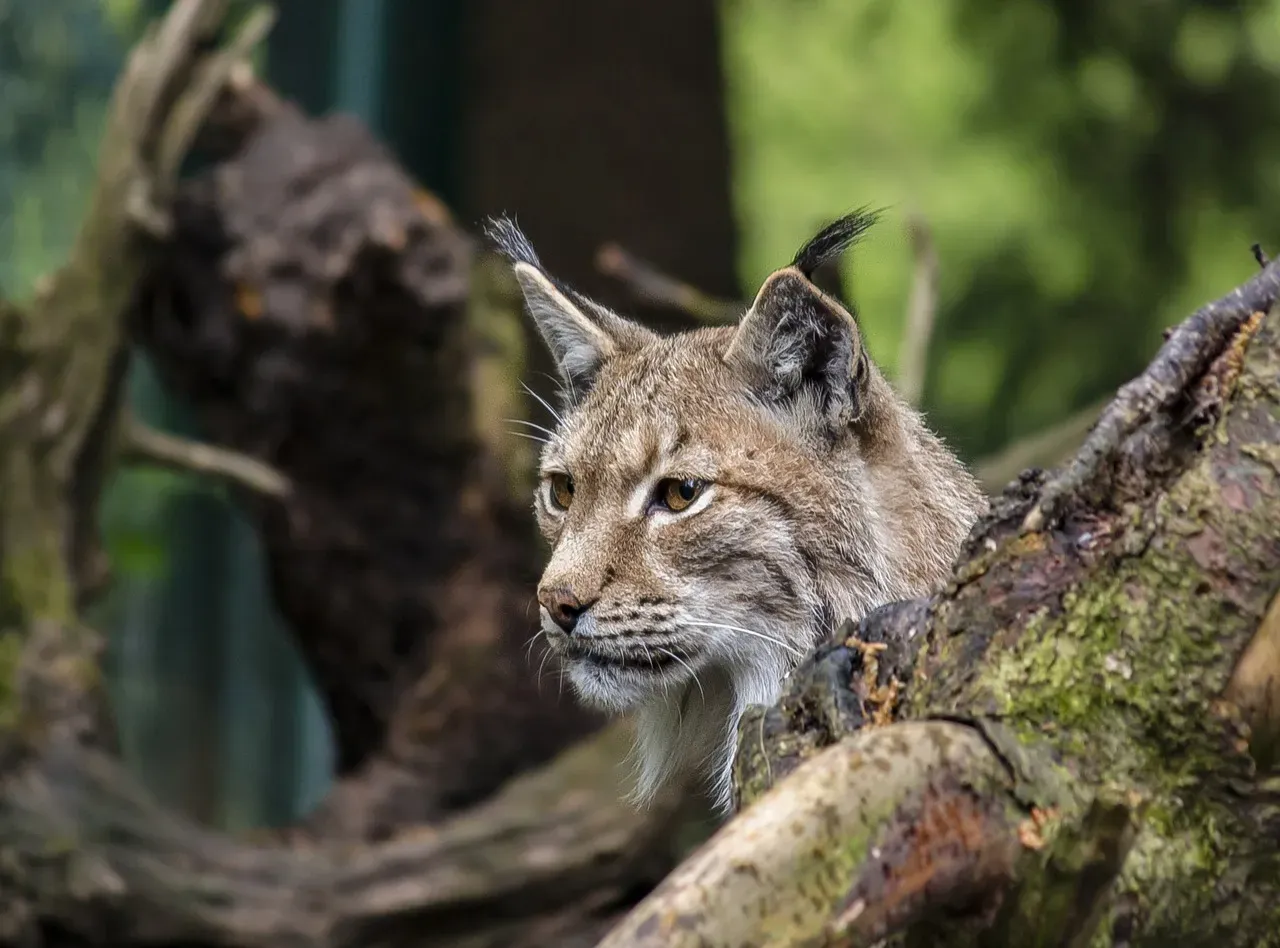
Maine is home to the largest lynx population in the lower 48, which makes it the undisputed champion when it comes to lynx territory in the contiguous United States. The dense boreal forests of northern and western Maine provide exactly what these cats need to survive. Think of endless stretches of young spruce and fir trees where snowshoe hares thrive in abundance.
Currently, Maine is the only state in the Northeast with a resident breeding population of lynx, comprising the southern edge of a larger lynx population that extends into Quebec and New Brunswick. What’s fascinating here is that Maine’s lynx population isn’t just hanging on by a thread. Between 1999 and 2011, researchers captured and monitored 85 lynx in the state, documenting healthy reproduction rates.
A joint twelve-year study revealed that the extensive cutting of spruce and fir in the 1970s and 1980s following an insect outbreak benefited lynx 25-35 years later in Maine. The abundance of young dense conifer forest became ideal habitat for snowshoe hare, the principal food source for lynx. It’s a reminder that forest management, when done right, can sometimes create unexpected benefits for wildlife.
The northern reaches of Maine are remote, sparsely populated, and blanketed in deep snow for months each year. This isolation has allowed lynx to maintain stable numbers here when they’ve vanished from so many other places. Honestly, if you want to see lynx tracks in America, Maine is your best bet.
From 2014-2024, 49 lynx mortalities from vehicle collisions were documented, showing that even in their stronghold, these cats face modern dangers. Still, Maine remains the anchor for eastern lynx populations and a conservation success story worth celebrating.
Montana: Rugged Mountains and Lynx Habitat
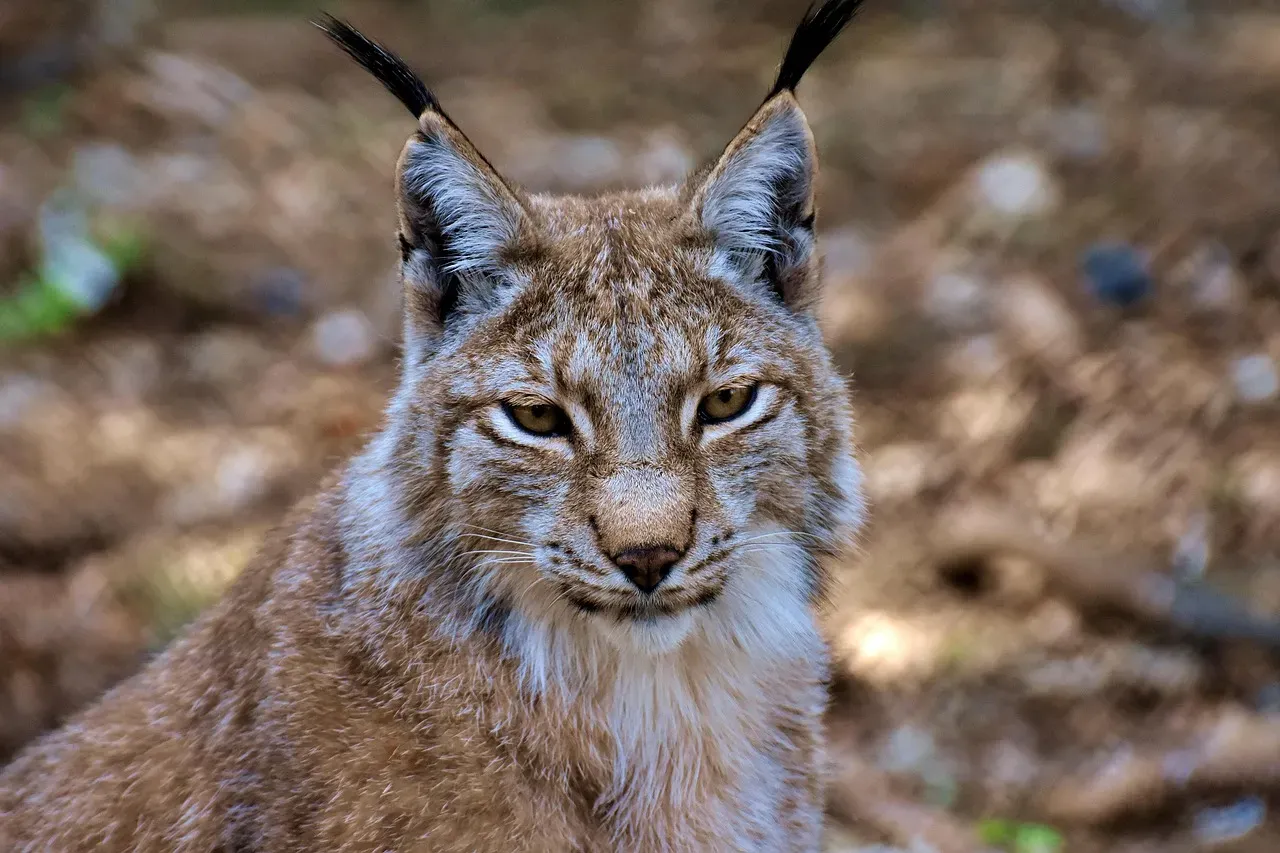
Montana’s northwestern corner is lynx country through and through. Resident breeding populations exist in northwestern Montana/northern Idaho, particularly in the dense forests along the Rocky Mountain front and areas near Glacier National Park. The terrain here is wild and unforgiving, exactly what lynx prefer.
Recent research suggests that the most important Canada lynx populations in the lower 48 states are on the Crown of the Continent, near Seeley Lake in the Clearwater drainage and in the Garnet Mountains. These aren’t easy places for humans to reach, which is precisely why lynx have managed to hold on. The Crown of the Continent ecosystem is one of the most intact wild landscapes in North America.
Montana’s lynx face challenges from habitat fragmentation and changing climate patterns. Warmer winters mean less snow cover, which gives competitors like bobcats and coyotes an advantage. Lynx evolved to hunt on top of deep powder snow, using their oversized paws like natural snowshoes.
The state has worked hard to protect critical lynx habitat on federal lands. Logging practices have been modified, and wildlife corridors have been identified to help lynx move between suitable habitats. It’s hard to say for sure, but conservation efforts seem to be paying off in keeping Montana’s lynx population viable.
The northern Rockies offer something special, a landscape where lynx can still roam freely across vast territories, following snowshoe hare populations through the seasons. Montana represents the heart of western lynx habitat, a place where wilderness still means something.
Washington: Holding On in the Cascades
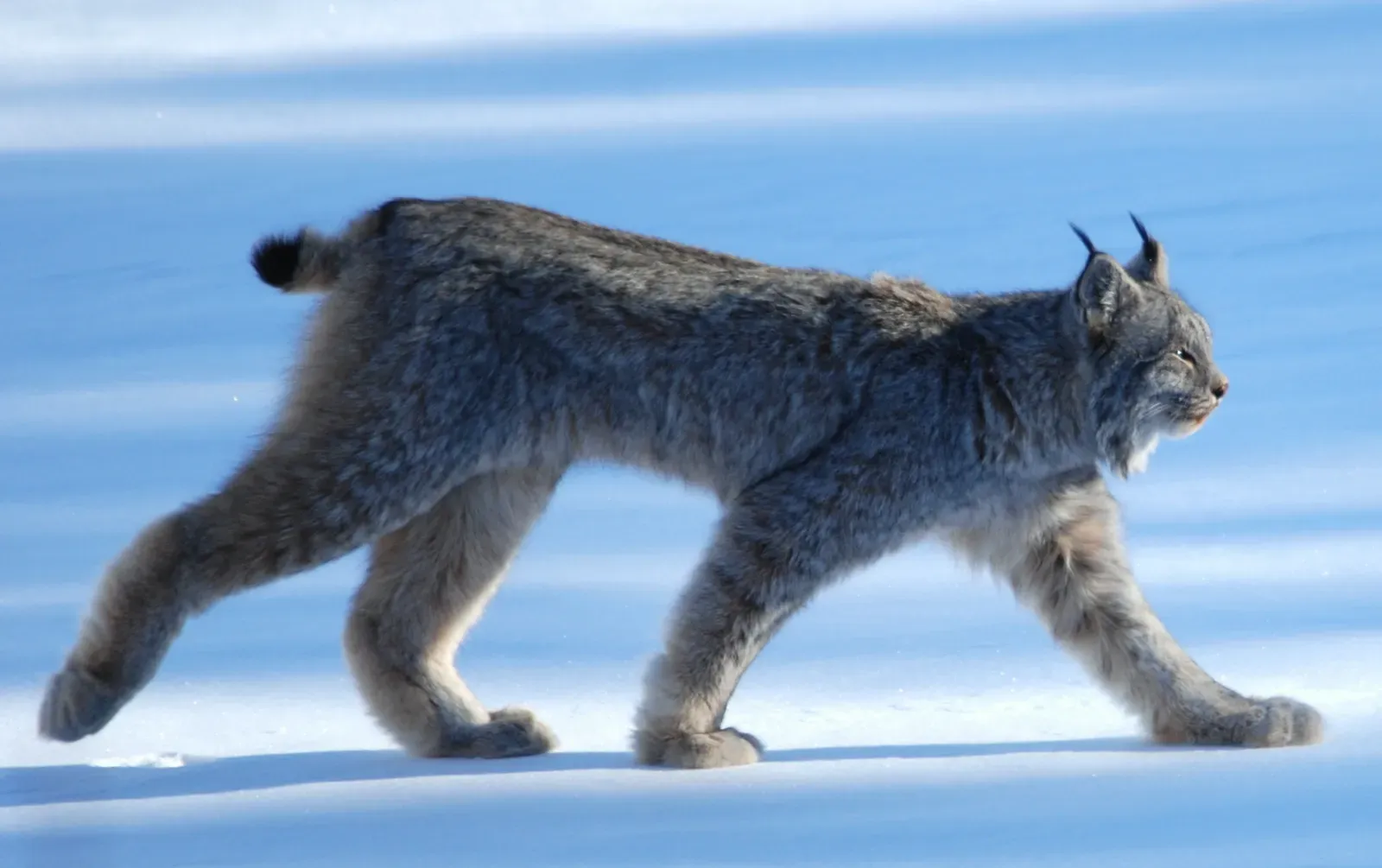
Currently, biologists estimate that fewer than 50 Canada lynx remain in Washington, potentially only a few dozen individuals. That’s a sobering number, placing Washington’s lynx population among the most precarious in the nation. Yet the Cascade Mountains and scattered areas in the northeast still provide habitat for these rare cats.
Canada lynx once occurred throughout the northern counties of Washington, but they are now largely restricted to a single area that encompasses western Okanogan, northern Chelan, and eastern Whatcom and Skagit counties. The North Cascades represent Washington’s best hope for lynx recovery, with their snowy peaks and dense coniferous forests creating ideal conditions.
Washington state listed lynx as endangered in 2016, recognizing the dire situation these animals face. Habitat fragmentation from roads, logging, and development has squeezed lynx into smaller and smaller pockets. Snowmobile trails create packed snow corridors that allow competitors like coyotes to invade lynx territory more easily.
Conservation groups have worked to protect key areas like the Loomis Forest, saving thousands of acres of prime lynx habitat from development. Efforts to reconnect habitat patches between the North Cascades and other mountain ranges could be crucial for genetic diversity.
Here’s the thing, Washington’s lynx population may be small, but it’s still breeding and persisting. Washington’s lynx population is estimated to range from less than 96 to 191 individuals, and every individual matters when numbers are this low. The state represents the western edge of lynx range in the lower 48, making it essential for the species’ overall survival.
Minnesota: Great Lakes Lynx Country
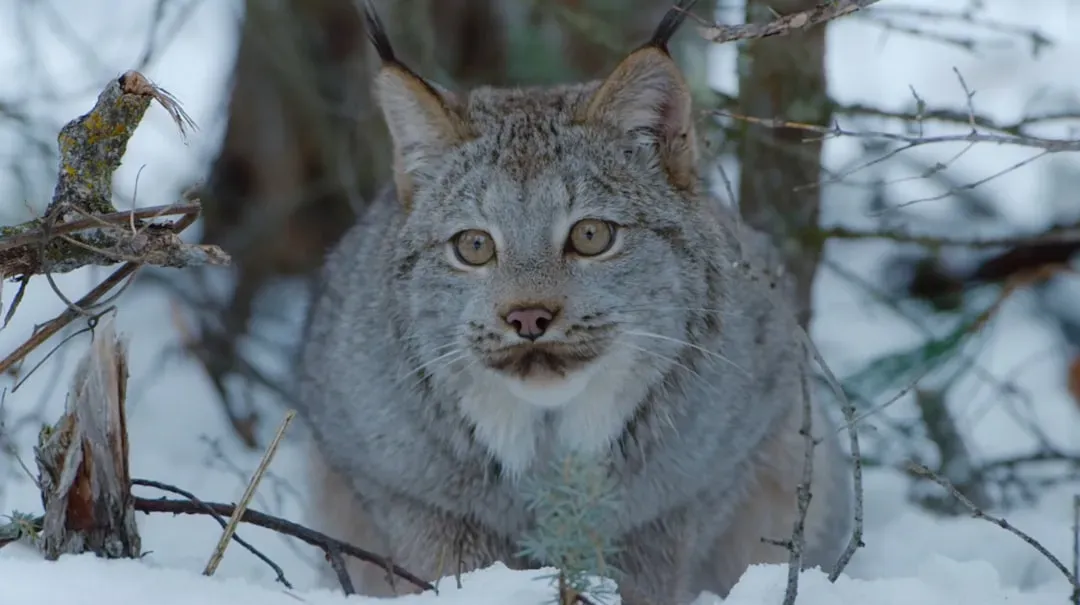
Minnesota might surprise you as a lynx state, but resident breeding populations exist in northeastern Minnesota, particularly in the dense forests bordering Lake Superior. This is where the boreal forest extends down from Canada into the United States, creating perfect lynx habitat.
Lynx live in dense forests across northern Canada, in northern Minnesota and Maine, and in mountainous areas of northwestern United States. The northeastern corner of Minnesota features thick stands of spruce, fir, and mixed forests with plenty of understory vegetation. Deep winter snows give lynx their hunting advantage over other predators.
Minnesota’s lynx population fluctuates with snowshoe hare cycles and immigration from Canadian populations to the north. The lynx has been protected in Minnesota since 1984 due to declining numbers, reflecting concerns about population viability. The state sits at the southern edge of suitable lynx range, making it vulnerable to climate shifts.
Interestingly, lynx in Minnesota show up more frequently during years when hare populations crash in Canada, forcing lynx to disperse southward in search of food. This creates temporary spikes in lynx sightings, even in areas that can’t support permanent populations.
The Superior National Forest and Boundary Waters Canoe Area Wilderness provide large blocks of protected habitat where lynx can thrive. These vast, roadless areas offer the kind of solitude and prey density that lynx populations need to persist. What would you guess is the biggest threat to Minnesota’s lynx? Climate change and habitat alteration consistently top the list.
Colorado: A Reintroduction Success Story
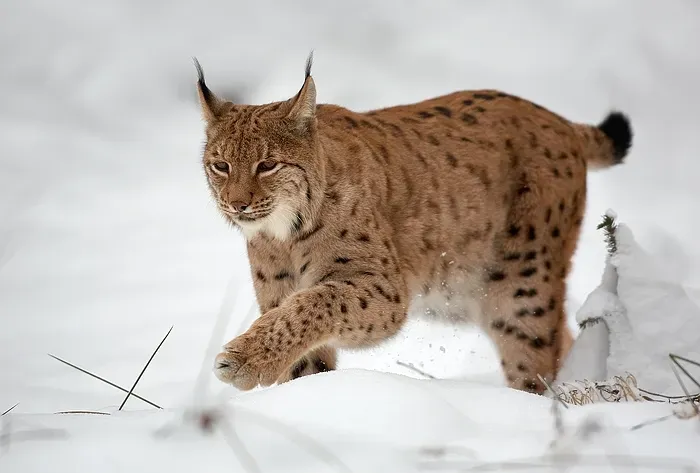
By 2010, after an 11-year effort, the lynx had been successfully reintroduced into Colorado. The initial introduction was in the San Juan Mountains in southwestern Colorado, but self-sustaining populations were established throughout the south-central Colorado Rockies. This represents one of the most ambitious and successful lynx recovery programs in American history.
Colorado’s lynx disappeared in the 1970s due to trapping and habitat loss. Starting in 1999, wildlife managers began releasing lynx captured in Canada into the high-elevation forests of the San Juan Mountains. Around 200 lynx were released over a span of 20 years. Today, that population has held firm at around 150-200 cats.
The Colorado Rockies offer subalpine forests at elevations where deep snow persists for much of the year. These high-country environments support healthy snowshoe hare populations, giving lynx the prey base they need. The reintroduced cats have expanded their range beyond the original release sites, exploring suitable habitat across south-central Colorado.
This wasn’t without challenges. Plague and vehicle strikes have caused lynx deaths, and ensuring genetic diversity required continued monitoring. Still, western Colorado now includes resident breeding populations, proving that thoughtful wildlife management can restore species to their former range.
Colorado’s success offers hope for lynx conservation across the West. It demonstrates that with adequate habitat protection, prey availability, and careful reintroduction planning, even locally extinct species can return. The sight of lynx tracks in Colorado’s backcountry, absent for decades, now tells a story of ecological restoration done right.
Conclusion
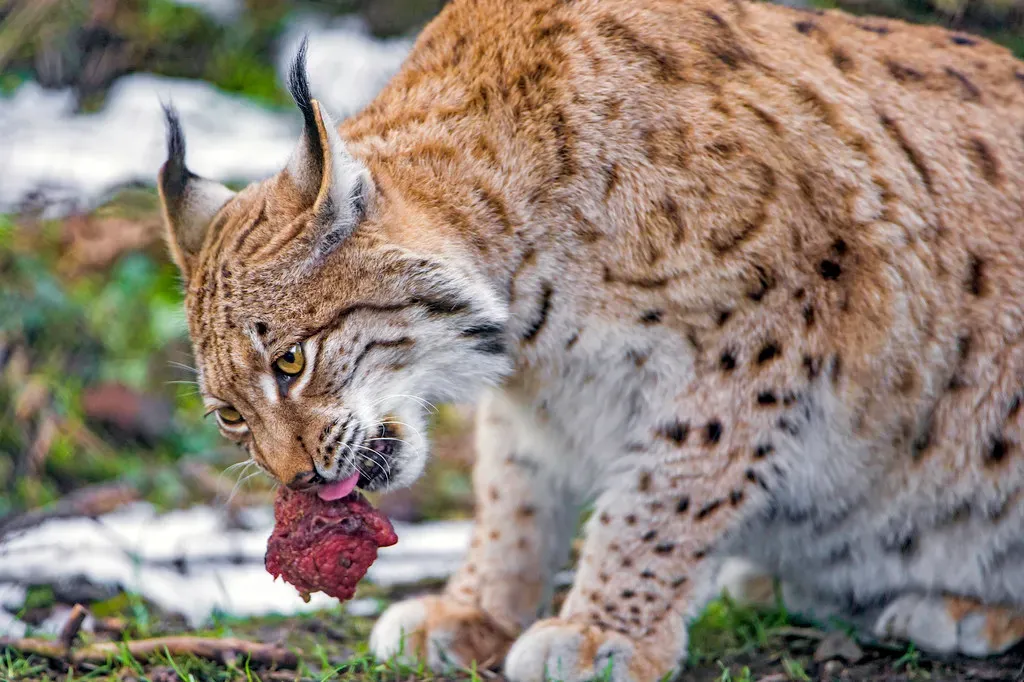
The Canada lynx remains one of America’s most enigmatic wild cats, clinging to existence in just a handful of states across the northern United States. Maine leads the pack with the largest population, while Montana, Washington, Minnesota, and Colorado each play crucial roles in the species’ survival. These five states represent the last refuges for lynx in the lower 48, places where deep snow, dense forests, and abundant snowshoe hares still exist.
The main threats include the impacts of global climate warming on boreal forest habitats and the species depending on them, including lynx and snowshoe hares. As winters warm and snow cover diminishes, lynx face an uncertain future. Their specialized adaptations, those oversized paws and preference for deep snow, could become liabilities in a changing climate.
Conservation efforts continue across all five states, with habitat protection, research programs, and monitoring helping to track lynx populations. The species was listed as threatened under the Endangered Species Act in 2000, bringing federal protections that have helped stabilize some populations. Each state approaches lynx conservation differently, but all recognize the importance of preserving these rare predators.
The story of America’s lynx is far from over. Colorado’s successful reintroduction proves recovery is possible, while Maine’s stable population shows that with the right habitat, lynx can thrive. What do you think the future holds for these snow-footed cats? Share your thoughts in the comments.

- 12 Architectural Wonders From The Ancient World That Inspire Us Today - July 18, 2026
- 6 Beautiful Ancient Cities That Time Forgot (But Shouldn’t) - July 18, 2026
- 6 Common Animal Behaviors That Are Often Misunderstood by Humans - July 18, 2026