
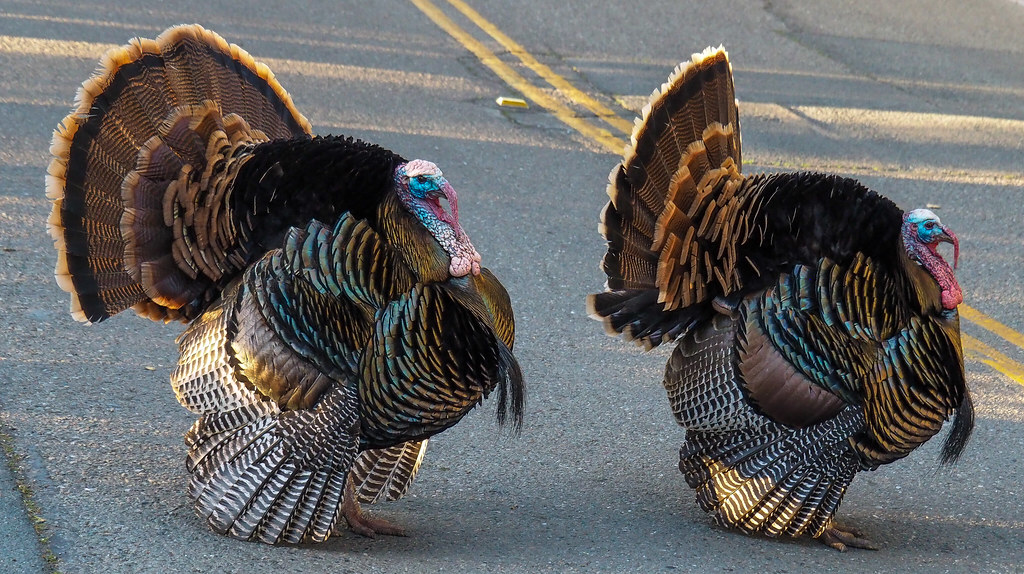
Ever looked out your window and spotted a wild turkey strutting through your yard? These birds have made one of the most remarkable comebacks in wildlife conservation history. From near extinction in the early twentieth century to thriving populations today, wild turkeys now number around six and a half million across the country. Yet not all states are equally blessed with these impressive birds. Some regions have become absolute hotspots for wild turkey populations, offering hunters and wildlife enthusiasts extraordinary opportunities to observe these magnificent creatures in their natural habitat.
Let’s be real, the distribution of wild turkeys across America tells a fascinating story. It’s about geography, habitat, conservation efforts, and a whole lot of determination from wildlife managers who refused to let these birds disappear. The states with the highest populations have something special going on. Let’s dive in and explore which six states are leading the pack.
Texas: The Undisputed Wild Turkey Capital
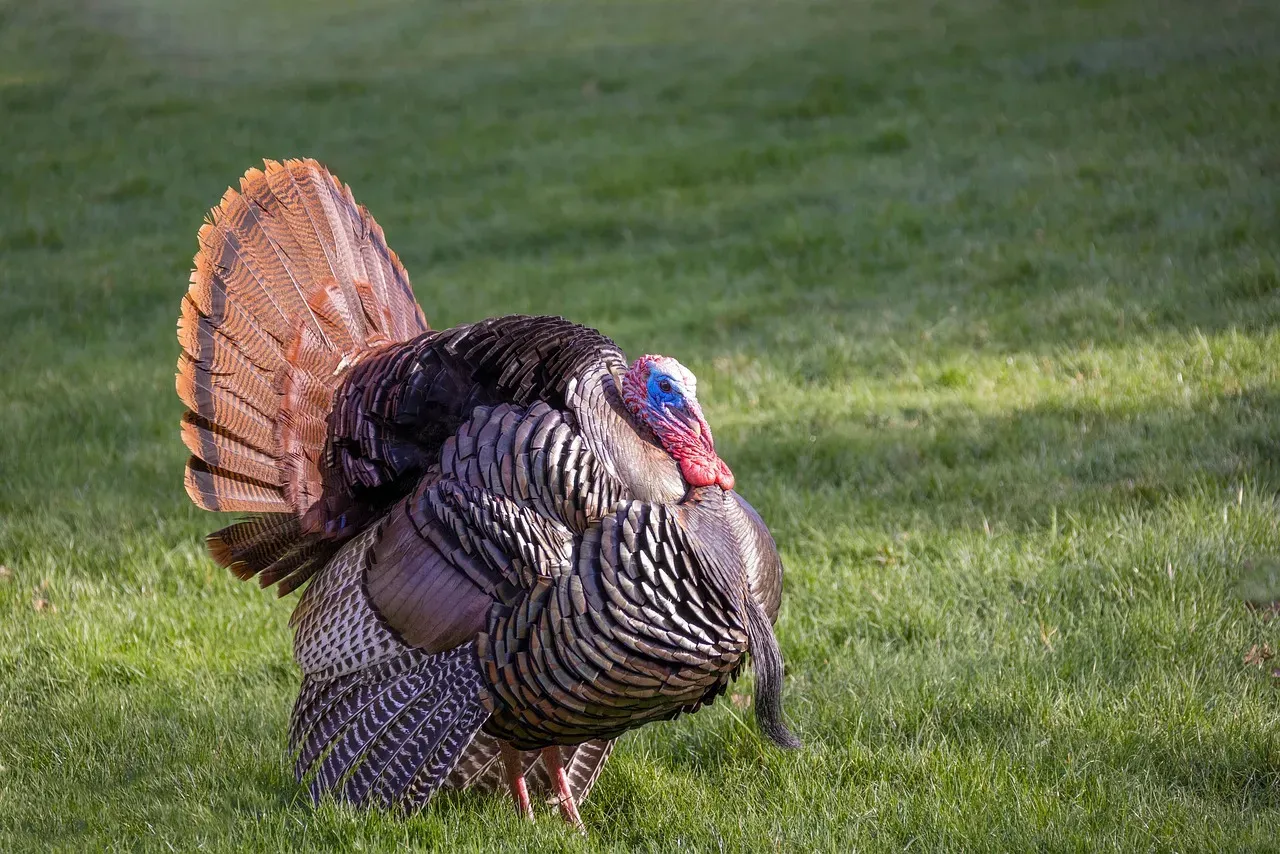
Texas leads the nation, with an estimated 600,000 wild turkeys in 2025. Everything really is bigger in Texas, and that includes their commitment to wild turkey conservation. The Lone Star State’s vast and diverse landscapes create perfect conditions for these birds to flourish. From the rolling hills of the Hill Country to the dense woodlands of East Texas, turkeys have found plenty of room to roam.
The state’s vast landscapes and diverse habitats provide ideal conditions for Rio Grande turkeys, the subspecies that thrives in the Lone Star State’s climate. What sets Texas apart isn’t just the sheer numbers. It’s the diversity of habitat available across this massive state. Turkeys need a mix of open areas for feeding and wooded zones for roosting, and Texas delivers both in abundance.
The climate in Texas also works in favor of turkey populations. Mild winters mean better survival rates for poults, and the variety of food sources keeps adult birds healthy year round. Oak trees provide acorns, grasslands offer insects, and agricultural areas contribute grains. It’s like a turkey buffet stretching across hundreds of thousands of square miles.
Wildlife managers in Texas have also implemented smart conservation practices. They’ve balanced hunting regulations with population sustainability, ensuring that harvest numbers don’t threaten the overall flock. The result? A thriving turkey population that continues to grow and expand into new territories. Hunters from across the country flock to Texas for a chance at bagging one of these impressive gobblers.
Texas’s success story demonstrates what’s possible when you combine ideal habitat, favorable climate, and dedicated wildlife management. The state has become a model for turkey conservation, showing other regions how to support large, healthy populations. Roughly half a million turkeys might seem like a lot, but across Texas’s vast expanse, there’s still plenty of room for more.
Missouri: The Show Me State Shows Off
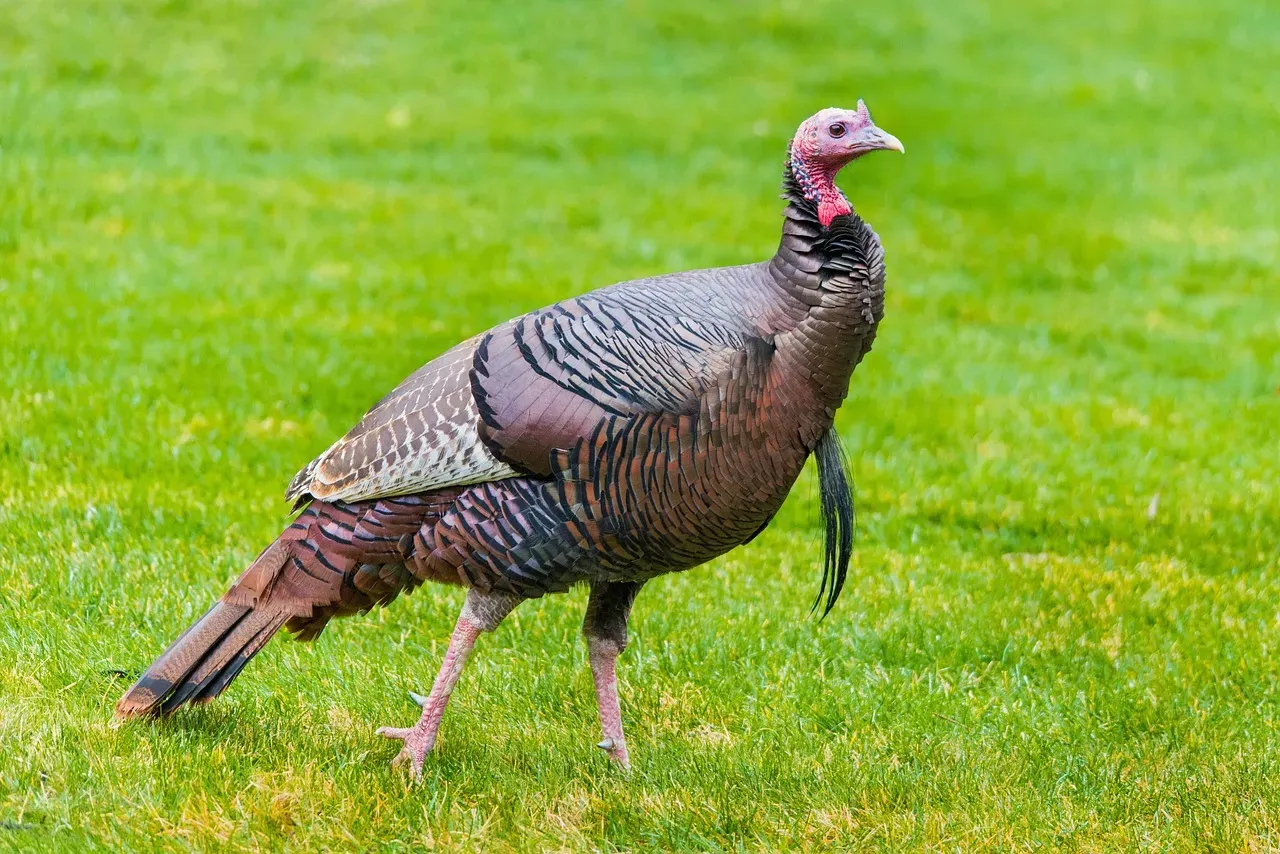
In 2024, Missouri had the largest estimated wild turkey population, followed by Texas, Mississippi, and Kentucky. Missouri has long been recognized as a powerhouse for wild turkey populations. The Show Me State features incredibly diverse habitat that turkeys absolutely love. Rolling hills, dense forests, open grasslands, and agricultural fields create a patchwork landscape perfect for supporting large flocks.
Missouri features incredibly diverse habitat, quality food sources, and all-around ideal conditions for wild turkeys to thrive. There are about 400,000 birds here, too. The abundance of oak and hickory trees provides mast crops that turkeys depend on, especially during fall and winter months. When acorns are plentiful, turkey populations boom.
Missouri’s conservation history with wild turkeys is impressive. The state invested heavily in trap and transfer programs decades ago, moving birds from healthy populations to areas where they’d been extirpated. Those efforts paid off spectacularly. Now, turkeys can be found in nearly every county across Missouri, from the Ozark hills to the northern plains.
However, it’s worth noting that Missouri’s turkey population has faced some challenges recently. Missouri’s wild turkey population dropped by over one-third in less than 20 years, with nearly a 50% decline in northern Missouri since 2004. Wildlife biologists are working hard to understand these declines and implement strategies to reverse them. Still, even with recent decreases, Missouri remains one of the top states for wild turkey numbers.
The hunting culture in Missouri is deeply tied to wild turkeys. Roughly one hundred thousand hunters take to the woods each spring, hoping to call in a gobbler. The state has implemented midday hunting restrictions in some areas, based on the belief that afternoon hunting can disrupt breeding cycles. It’s this kind of thoughtful management that helps maintain sustainable populations for future generations.
Mississippi: Southern Turkey Haven
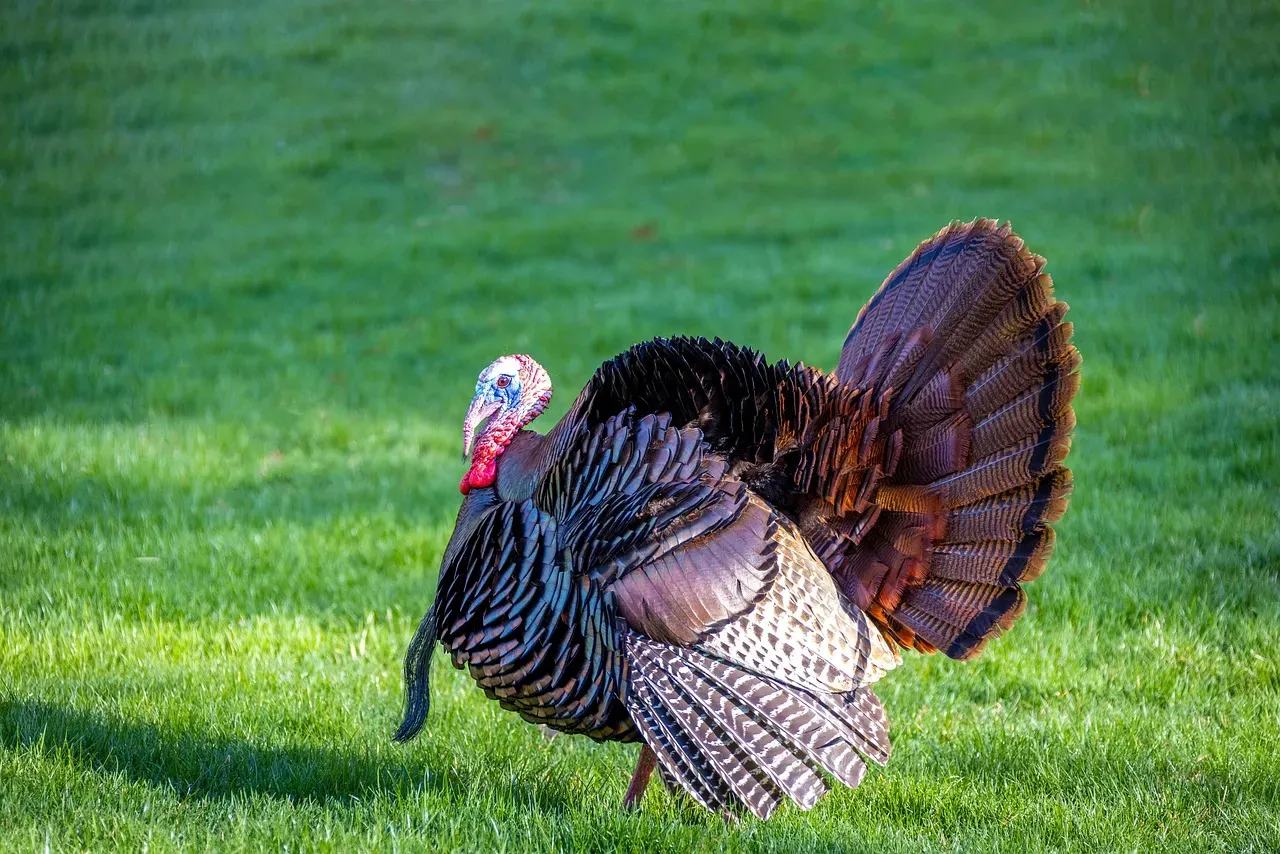
Mississippi’s wild turkey population stands at 270,000. The Magnolia State has consistently ranked among the top turkey states in America. From the fertile Delta to the Gulf Coast, Mississippi offers diverse habitat that supports impressive turkey populations. Mississippians have a rich tradition of chasing wary spring toms, and over the last three decades, the state has consistently boasted one of the largest turkey populations in the country.
What makes Mississippi special is the variety of ecosystems packed into a relatively compact area. Pine forests dominate much of the state, interspersed with hardwood bottoms and agricultural lands. This mixture creates edge habitat where turkeys thrive. They can roost in the tall pines, feed in the agricultural fields, and find insects in the wooded areas. It’s basically turkey paradise.
After nearly a decade of decline, Mississippi’s turkey population seems on the rebound. Harvest figures have ticked upwards each of the past few seasons, and good hatches in recent years have set high hopes for the 2024 spring season. This recovery is particularly encouraging for wildlife managers and hunters alike. It suggests that conservation strategies are working and that the habitat remains capable of supporting large turkey populations.
Mississippi’s mild climate is another advantage. Harsh winters that can devastate northern turkey populations rarely occur here. Poults have better survival rates because they aren’t battling extreme cold or deep snow. Spring arrives early in Mississippi, giving turkeys a long breeding and nesting season. More time means more opportunities for successful hatches.
The state’s commitment to turkey management is evident in their regulations and research efforts. Wildlife biologists conduct regular surveys to monitor population trends, adjust bag limits when necessary, and work with landowners to improve habitat. With a quarter of a million birds from the Delta to the Gulf, hunters should have no problem finding a gobbler in the Magnolia State.
Kentucky: Bluegrass Bird Paradise
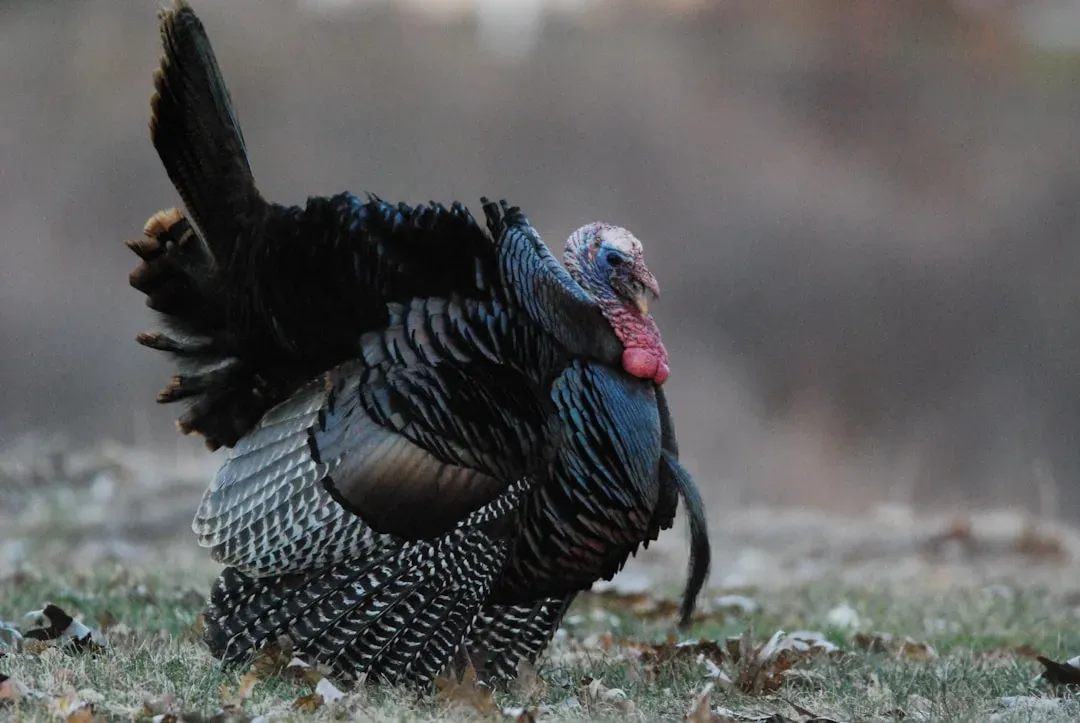
Kentucky has a wild turkey population ranging between 250,000 to 400,000. The Bluegrass State’s rich natural landscapes and dedicated conservation efforts have created one of the strongest turkey populations in the country. Kentucky’s geography is incredibly diverse, ranging from the Appalachian Mountains in the east to the rolling hills of horse country in the central region and the wetlands of the west.
This geographic diversity translates directly into turkey habitat. The eastern mountains offer rugged terrain with mixed hardwood forests that turkeys love. Central Kentucky’s agricultural lands provide abundant food sources, while the forests along rivers and creeks offer roosting sites. Western Kentucky’s bottomlands create excellent habitat for both feeding and nesting.
Kentucky has a long history of successful turkey management. The state’s restoration efforts began decades ago and have been remarkably successful. Wildlife biologists worked tirelessly to trap wild turkeys from thriving populations and relocate them to areas where they’d been absent. Those initial transplants multiplied, and their descendants now occupy virtually every suitable habitat across the state.
The Eastern wild turkey subspecies dominates Kentucky’s landscape. These birds are well adapted to the state’s climate and habitat. They’re also among the largest and most impressive turkeys in the country, making Kentucky a popular destination for serious turkey hunters. A mature Kentucky gobbler can weigh upwards of twenty pounds and sport a beard exceeding ten inches.
Kentucky’s hunting regulations reflect a commitment to sustainable harvest. Bag limits are carefully calibrated based on population surveys and harvest data. The state offers both spring and fall seasons, though spring turkey hunting is by far the most popular. Each spring, tens of thousands of hunters venture into Kentucky’s woods, participating in a tradition that connects them to the land and its wildlife.
California: West Coast Turkey Surprise
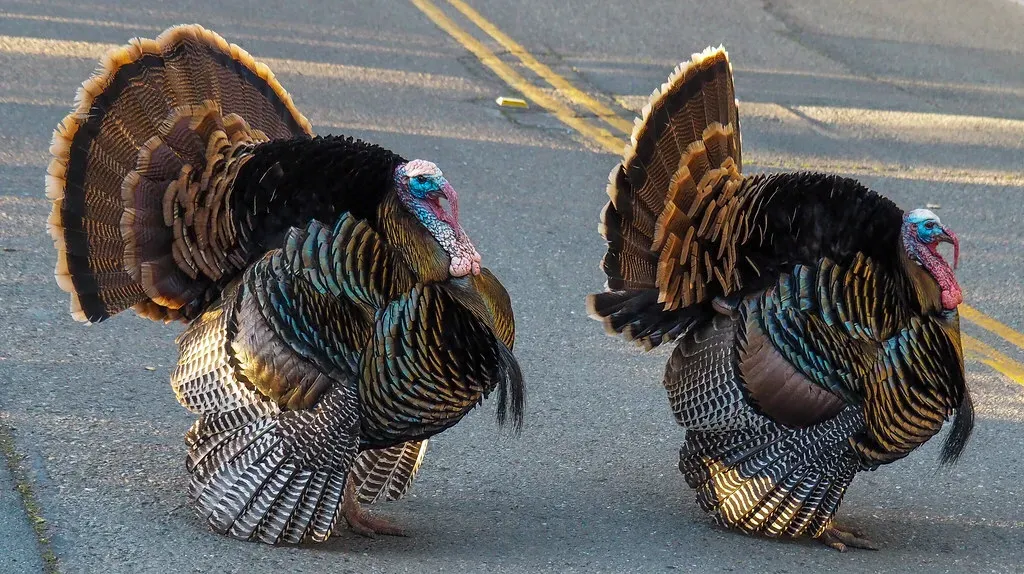
California boasts a substantial population ranging between 300,000 to 400,000 turkeys. Now that might surprise some folks. California isn’t typically the first state that comes to mind when thinking about wild turkeys, yet the Golden State hosts one of the nation’s largest populations. The diversity of California’s landscapes creates pockets of excellent turkey habitat scattered throughout the state.
Unlike eastern states where turkeys are native, California’s birds are the result of extensive introductions and transplants. Wildlife managers brought in multiple subspecies over the years, including Rio Grande turkeys, Merriam’s turkeys, and Eastern turkeys. These different subspecies found niches in various parts of the state, from coastal valleys to mountain foothills and oak woodland savannas.
California’s diverse habitats provide ample opportunities for these birds to thrive despite various environmental challenges. The state’s Mediterranean climate, with wet winters and dry summers, creates unique challenges. Turkeys have adapted remarkably well, though. Oak woodlands provide acorns, a crucial food source, while grasslands offer seeds and insects.
California’s turkey populations are concentrated in specific regions. The Sierra Nevada foothills host substantial numbers of turkeys, as do the coastal ranges and the northern parts of the state. Central California’s oak savannas create ideal habitat. However, the desert regions of Southern California and the Central Valley floor generally lack the diverse habitat turkeys need.
Managing turkeys in California presents unique challenges. The state faces ongoing drought conditions, wildfires, and habitat loss from development. Despite these obstacles, turkey populations have remained relatively stable. Hunters in California enjoy good success rates, and the birds have become an important game species. It’s a testament to the adaptability of wild turkeys and the dedication of California’s wildlife managers.
Alabama: Southeastern Turkey Stronghold
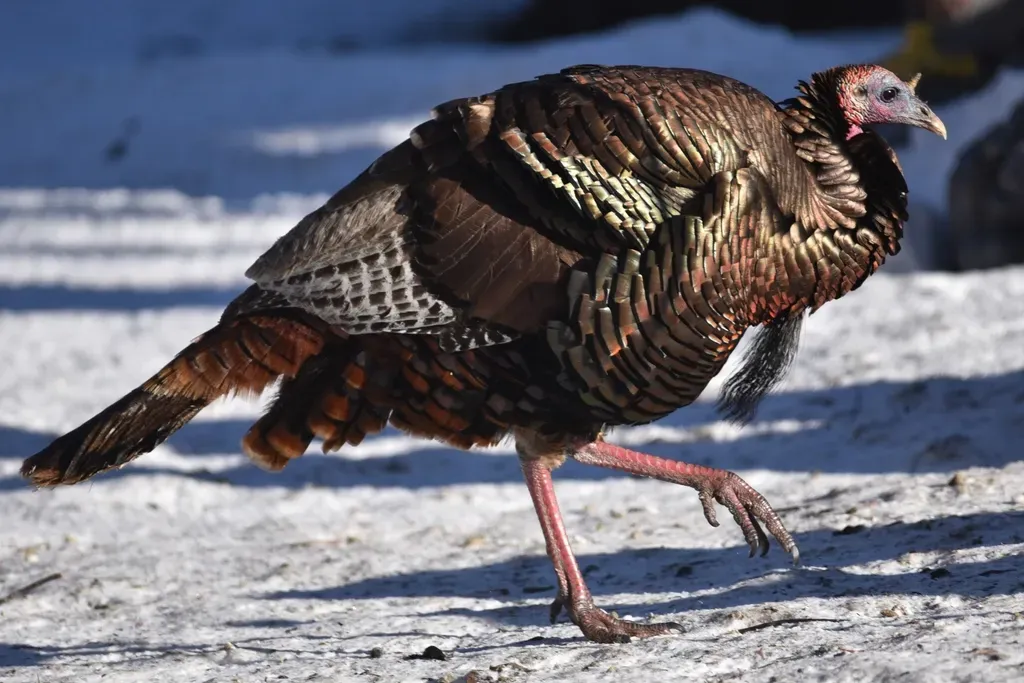
Alabama has a strong turkey population with nearly 400,000 turkeys. The Yellowhammer State represents the heart of southeastern turkey country. Alabama’s diverse landscape, from the Appalachian foothills in the north to the Gulf Coast marshes in the south, provides habitat for one of the most robust turkey populations in America.
What many consider the traditional range of the Eastern wild turkey includes much of Alabama. These birds thrived here for centuries before European settlement. While populations declined dramatically by the early twentieth century, Alabama’s restoration efforts have been wildly successful. Today, turkeys occupy every county in the state, from mountain ridges to river bottoms.
The habitat is great and public land abundant. Another benefit is an early season start date, which is usually mid-March. That early start gives Alabama hunters a jump on the rest of the country. When turkeys in northern states are still dealing with snow and cold, Alabama gobblers are strutting and gobbling in full breeding mode.
Alabama’s forests are dominated by pines, particularly in the southern half of the state. Mixed pine hardwood forests create excellent turkey habitat, offering both food and cover. The understory of these forests provides insects for poults, while mature trees produce seeds and nuts. Agricultural areas scattered throughout the state give turkeys additional feeding opportunities.
The hunting tradition in Alabama runs deep. Turkey hunting is practically a rite of spring for many residents. Non-residents should expect to pay a hefty price if they travel to hunt the Yellowhammer State. Despite the cost, hunters continue flocking to Alabama because the quality of the experience and the size of the birds make it worthwhile. A mature Alabama gobbler represents a true trophy for any serious turkey hunter.
Conclusion: Conservation Success With Ongoing Challenges
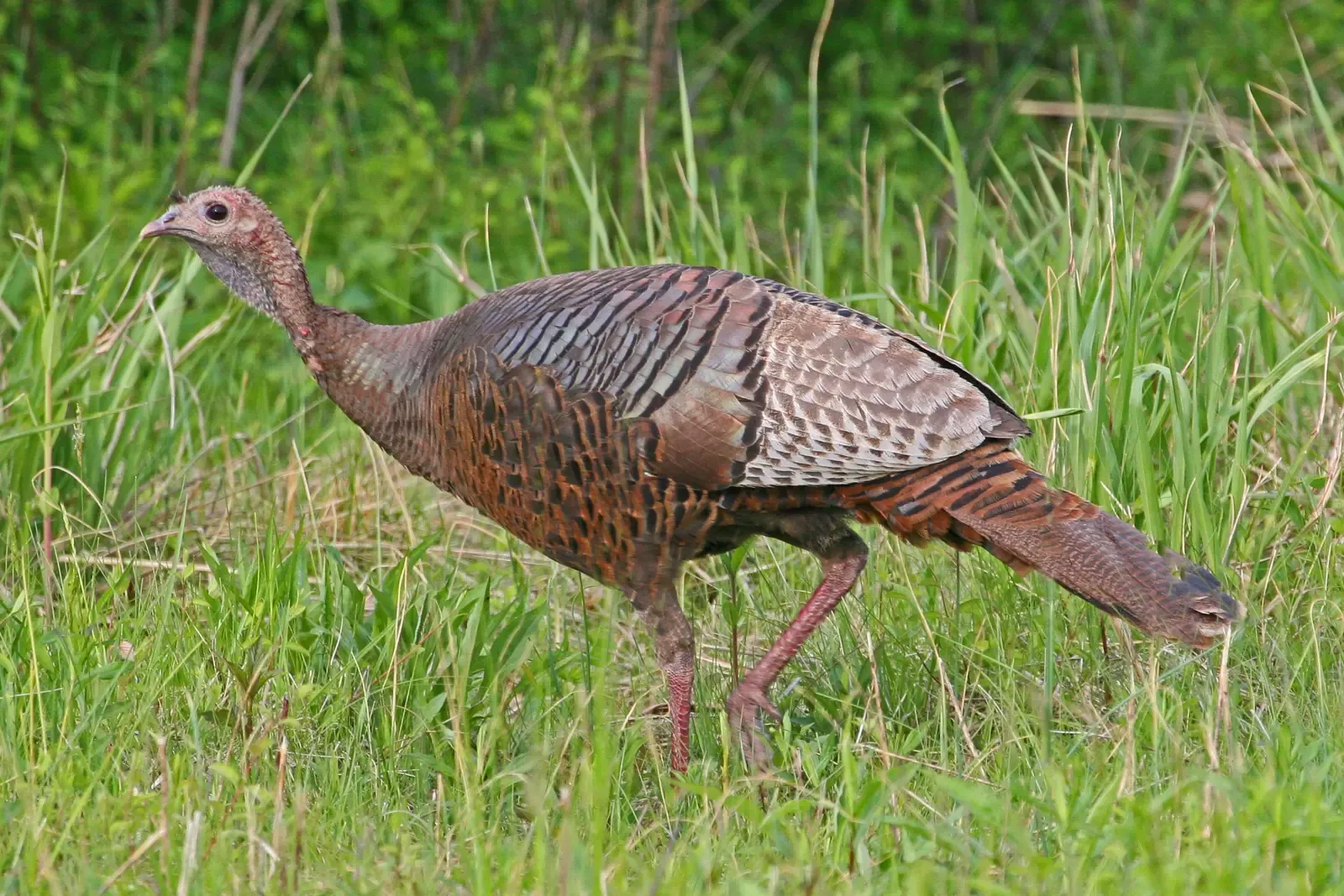
The story of wild turkeys in America is ultimately one of hope and determination. These six states lead the nation in wild turkey populations, but their success didn’t happen by accident. Decades of dedicated conservation work, habitat management, and thoughtful hunting regulations have created conditions where turkeys can thrive. From Texas’s expansive landscapes to Alabama’s southeastern forests, each state offers unique advantages that support healthy turkey populations.
Still, challenges remain. State agencies reported an estimated 3,011,304 to 3,029,304 total wild turkeys in 2024, representing an overall decrease of 39% compared with the 2019 status report. Wild turkey populations nationwide face pressures from habitat loss, changing climate conditions, and declining productivity in some regions. The states with the highest populations must remain vigilant in their management efforts.
Looking forward, the future of wild turkeys depends on continued commitment to conservation. Protecting habitat, conducting research to understand population dynamics, and implementing adaptive management strategies will be crucial. The success of these six states provides a roadmap for others, demonstrating what’s possible when wildlife management is done right.
What would you have guessed about which states have s? Did any of these surprise you?
