
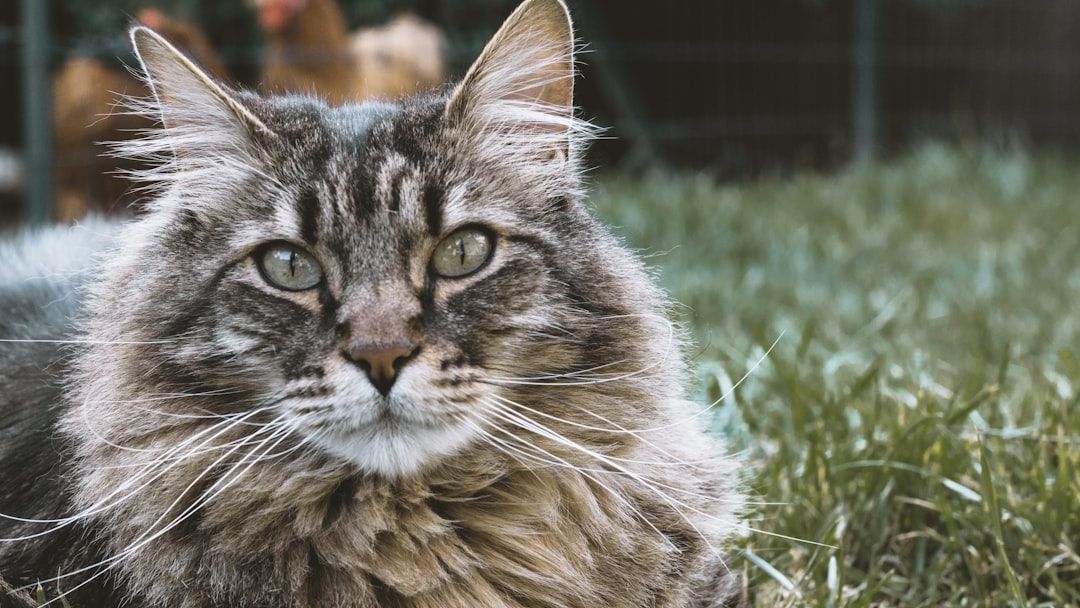
Ever thought cats and dogs were destined to be enemies? Well, prepare to have that notion completely turned on its head. While some felines definitely prefer their solitude, there’s a surprising number of cat breeds that absolutely thrive when they have a canine companion by their side. Whether it’s the shared playtime, the comfort of having another warm body nearby, or simply the joy of having a buddy to boss around, these cats prove that sometimes the best friendships come from the most unexpected places.
If you’re thinking about bringing both species under one roof, you’ll want to know which kitties are most likely to welcome your pup with open paws rather than extended claws. From gentle giants to playful acrobats, the feline world offers some incredible options for multi-pet households. Let’s be real, nothing beats coming home to see your cat and dog curled up together on the couch. So let’s dive in and discover which cats might just become your dog’s new best friend.
Maine Coon
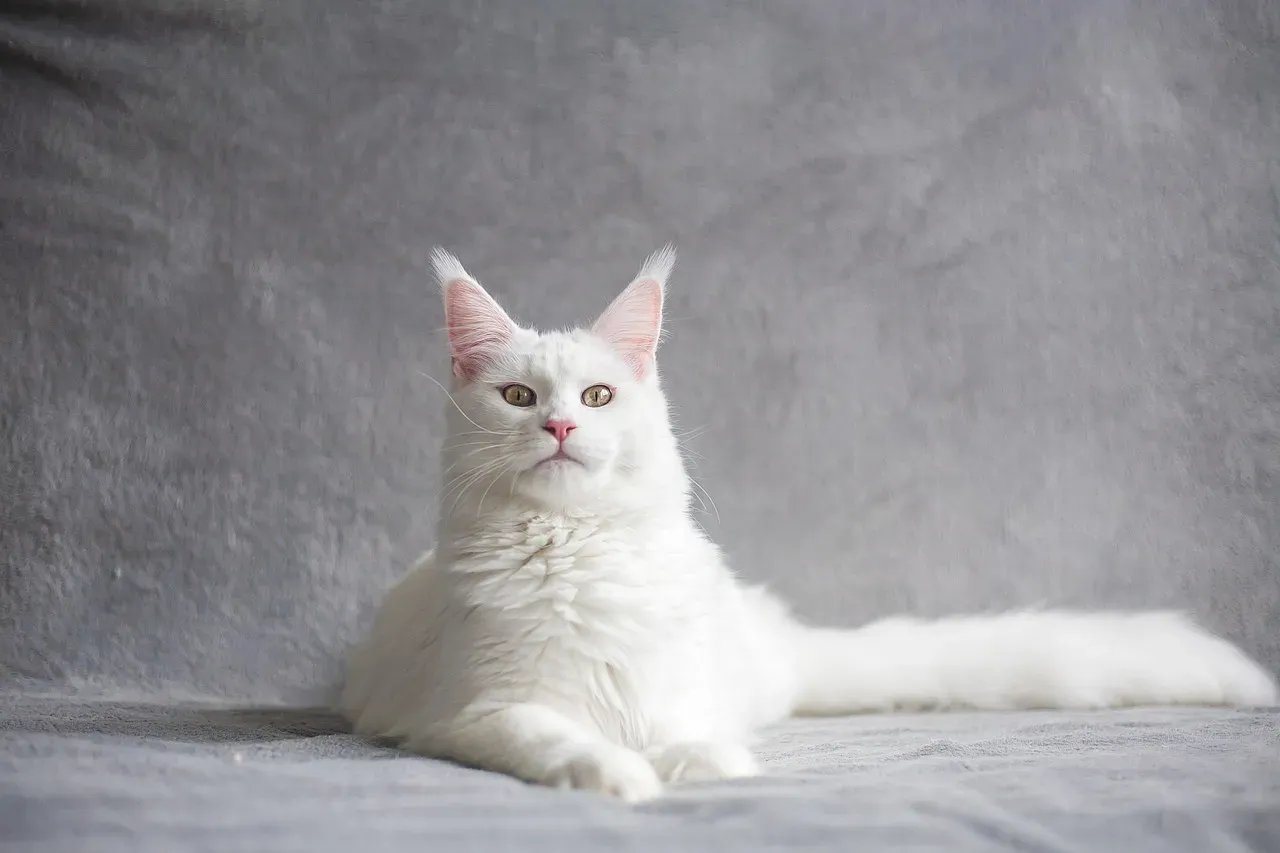
The Maine Coon is a large furry cat with a dog-like personality that makes them great companions for canine family members. These gentle giants truly live up to their nickname in every sense. Think about it like this: they’re basically the golden retrievers of the cat world.
The giant Maine Coon cat is very social and friendly, so they get along well with dogs, and they also love being around people and spend a lot of time snuggling in the lap or on the couch next to their owners. Their size alone helps level the playing field when interacting with larger dogs.
What really sets them apart is their playful nature that never quite fades, even into adulthood. Your dog and Maine coon might compete to see who gets to it first when you throw a ball for fetch. Their thick, luxurious coat also makes them excellent cuddle buddies during colder months.
They are generally very active and playful, making them excellent cat breeds for dog owners who need an extra bit of exercise, and they’re also one of the most vocal breeds of cats, which can be entertaining for both you and your dog. Their chattiness adds another dimension to the household dynamic, creating a lively atmosphere.
Their confidence and sturdy build mean they won’t be easily intimidated by an excited pup. Maine Coons actually seem to enjoy the energy dogs bring to a home, often joining in on whatever activity is happening rather than retreating to a quiet corner.
Ragdoll
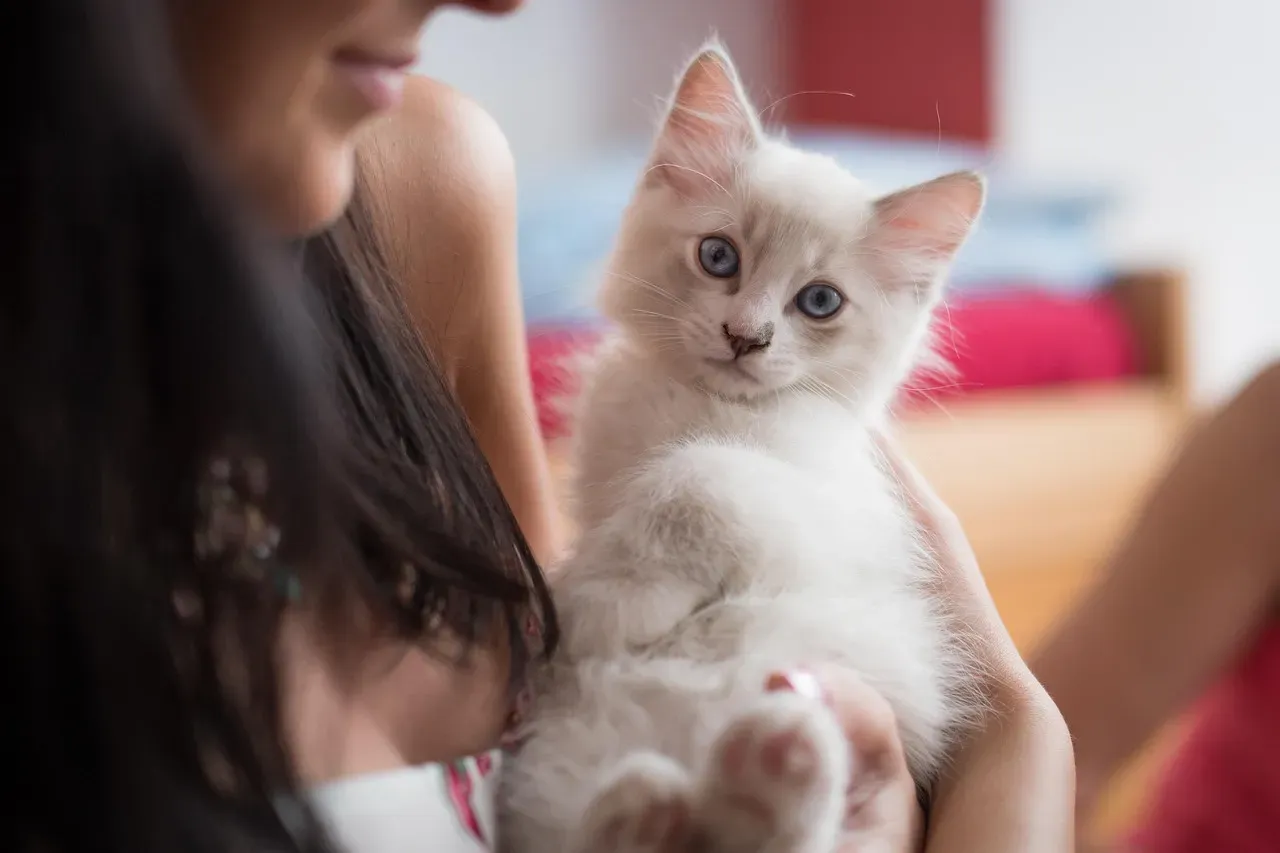
Ragdoll cats have sweet faces and personalities and are known as furry gentle giants, they’re a relaxed breed that gets their name from the funny “ragdoll” pose many adopt when held, and if raised together with dogs, Ragdolls can get along with them and even become friends. Honestly, if ever there was a cat designed for peaceful coexistence, it’s the Ragdoll.
These cats earned their name for good reason. When you pick them up, they literally go limp in your arms like a child’s stuffed toy. That same easygoing temperament extends to their relationships with dogs.
Ragdoll cats are one of the largest cat breeds, so they’re another top pick for people who also have bigger dogs, they tend to be very gentle and quiet animals that appreciate being around other pets, and at the same time, they tolerate even the most energetic of dogs. It’s hard to say for sure, but their calm demeanor seems almost therapeutic for hyper pups.
However, there’s an important caveat here. They do best with more laid-back dogs, as higher-energy breeds can overwhelm them. Pairing a Ragdoll with a mellow golden retriever or basset hound makes more sense than matching them with a hyperactive terrier.
Their tendency to follow their humans around the house means they’ll often be present during dog training sessions or playtime. They’re people-oriented cats who see dogs as part of the family unit rather than intruders in their territory.
Birman
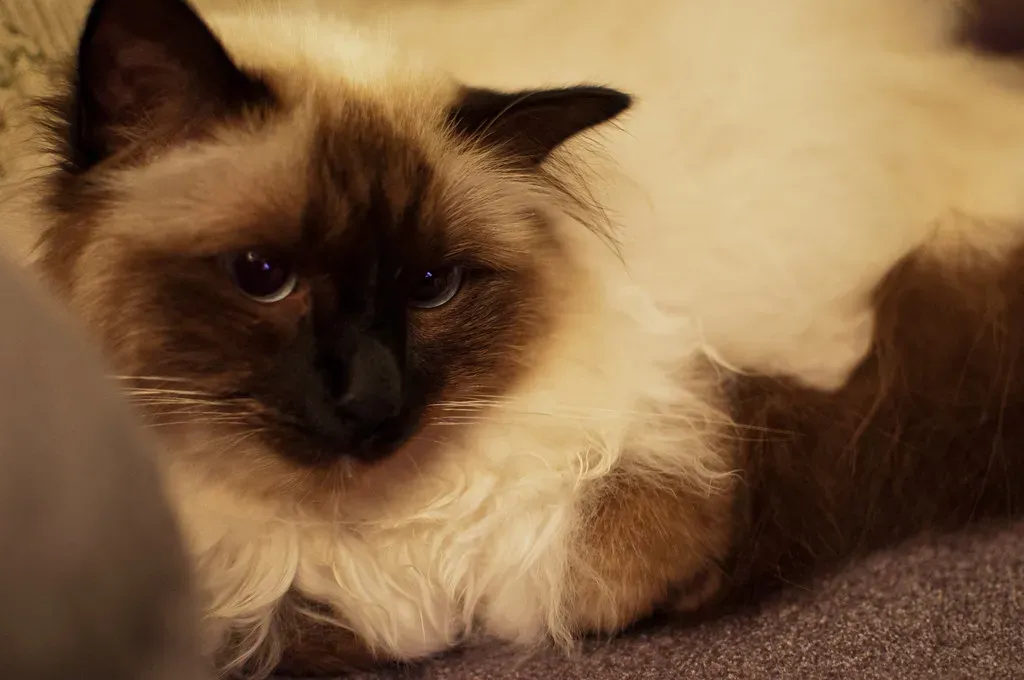
The beautiful Birman comes from Burma, now Myanmar, where they were kept as temple cats, legend has it that their distinctive coats and bright blue eyes were bestowed on them by a goddess, and the Birman’s outgoing and playful attitude makes them a perfect choice of cat for a home with dogs. There’s something almost mystical about watching a Birman interact with a dog.
Birman cats, known for their luxurious fur and unique appearance, make perfect playmates for pet canines, and Birmans love to chase, play tag, and even fetch balls, becoming the best playmate for your dog. Their playful energy matches that of many dog breeds perfectly.
What makes Birmans particularly special is their social nature. Birman cats are known for being very social and calm animals, and they love to be around people and other pets, making them a perfect fit for homes with dogs. They genuinely seem to seek out companionship rather than solitude.
Their willingness to engage in dog-like activities sets them apart from more aloof breeds. Picture your Birman and dog racing after the same toy, then settling down together for an afternoon nap. That’s not fantasy; it’s a realistic scenario with this breed.
They’re quiet but love to be involved with daily life, and their inquisitive nature means they might even enjoy the chance to go for a walk when you’re taking your dog! Here’s the thing: a Birman won’t just tolerate your dog; they’ll actively participate in household activities alongside them.
American Shorthair
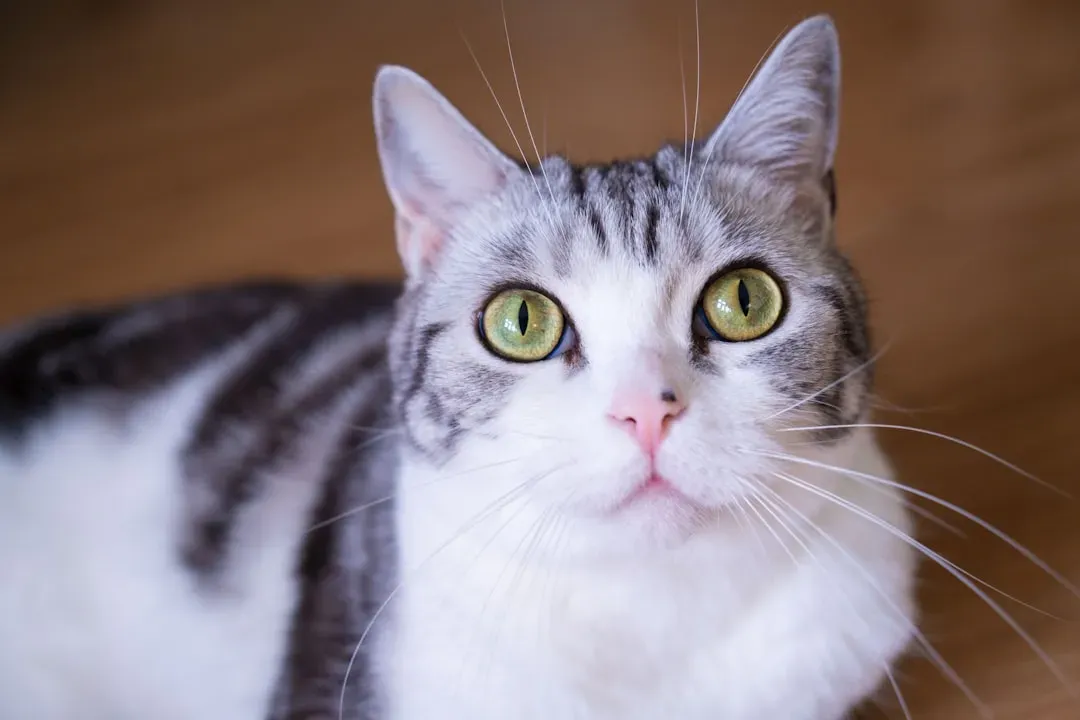
The history of this iconic breed stretches back to the cats that came to America on the Pilgrim ships of 1620, these cats were prized as mousers, these adaptable cats are laidback, and while they do enjoy playing, they also love a good snooze, they’re sociable with both people and other animals alike, and most American Shorthairs get along well with dogs.
Their working-cat heritage means they’re incredibly adaptable to various living situations. American shorthairs are known for their brotherly (or sisterly) love for dogs, and this breed is considered very social, confident and playful, and once boundaries are established in the house, they love to play with housemates, including the family dog.
What I find fascinating about American Shorthairs is their balanced personality. They’re not clingy, yet they’re not distant either. They maintain just the right amount of independence while still being social creatures who appreciate canine company.
The even-tempered American shorthair is easy to groom, train, and adapts well to a new home with a dog, and expect your medium-sized working cat to dote on you for attention, but don’t be surprised if it needs a little alone time to decompress from all the company. They understand when to engage and when to retreat.
Their sturdy build and confident nature mean they won’t be pushed around by a rambunctious dog. As far as cat breeds that get along with dogs go, American shorthairs are a great pick for anyone who wants a longer-term family member, as they can live 15 years or longer. That’s a lot of years of friendship between your pets.
Abyssinian
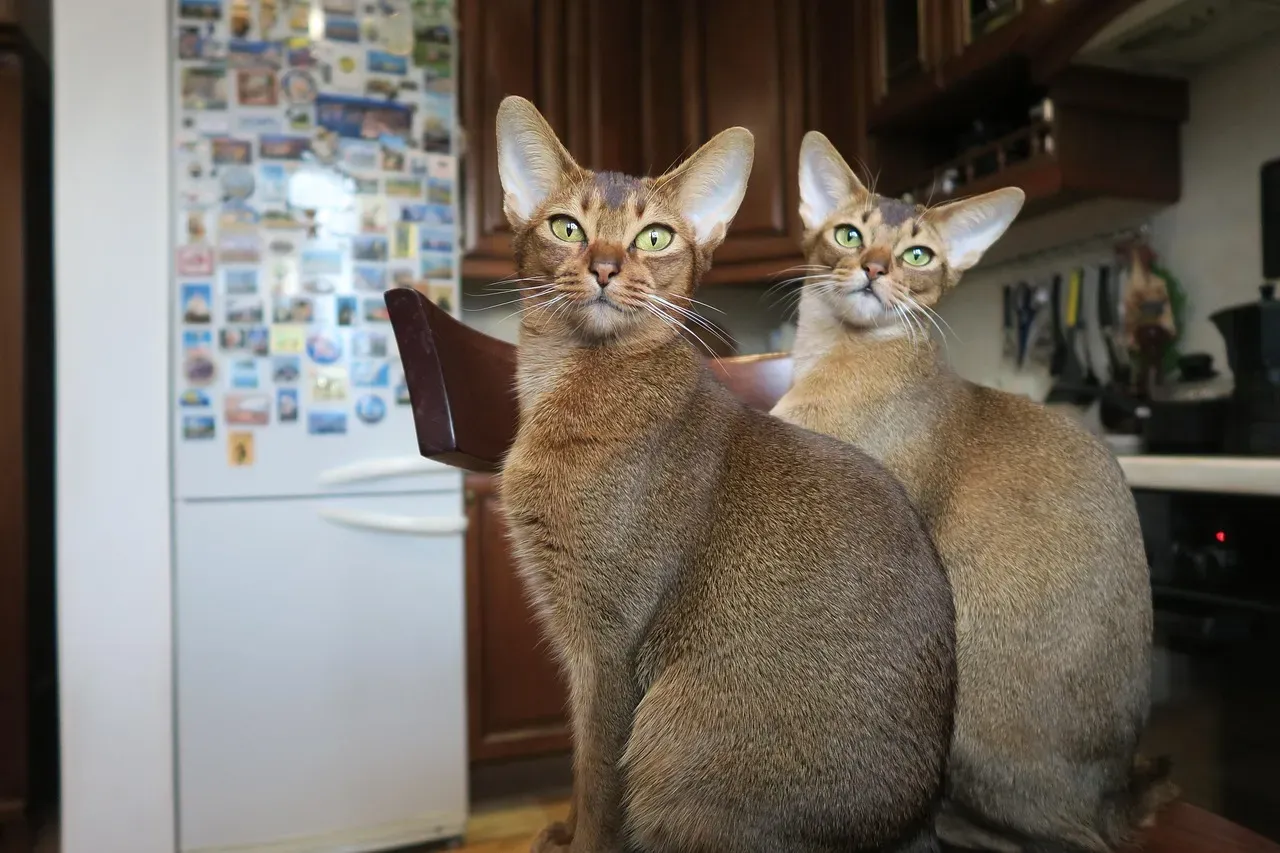
The Abyssinian cat has a wonderful, playful, and engaging personality, they love to live life to the fullest and can often be found exploring the highest reaches of their homes, and they make a great addition to a house with a dog, as they’ll always be ready for a game and will be happy to learn tricks alongside their canine friends.
These athletic cats are basically the gymnasts of the feline world. The slender and short-haired Abyssinian is an extroverted breed that loves to explore and play, making the cats great companions to a young puppy or high-energy, playful dogs, and Abyssinians are known to be highly affectionate and tend to grow attached to their family members – pets included.
Their energy level is something to consider carefully. These aren’t lap cats who’ll lounge around all day. Abyssinian cats are brilliant and active, so they don’t like to sit around all day, and they need plenty of exercise or playtime with their owners to stay happy and healthy.
The Abyssinian’s curiosity means they’ll want to investigate everything your dog does. They might follow your pup around the house, learning from their behavior and even mimicking some dog-like traits. It’s adorable and hilarious at the same time.
This subtly gorgeous and gregarious ticked tabby has a friendly, inquisitive spirit that makes them great companions for other cats and dogs, and Abyssinians may look like wildcats but have a dog-like eagerness to please you once you’ve bonded with them. That willingness to please creates harmony in multi-pet households.
Japanese Bobtail
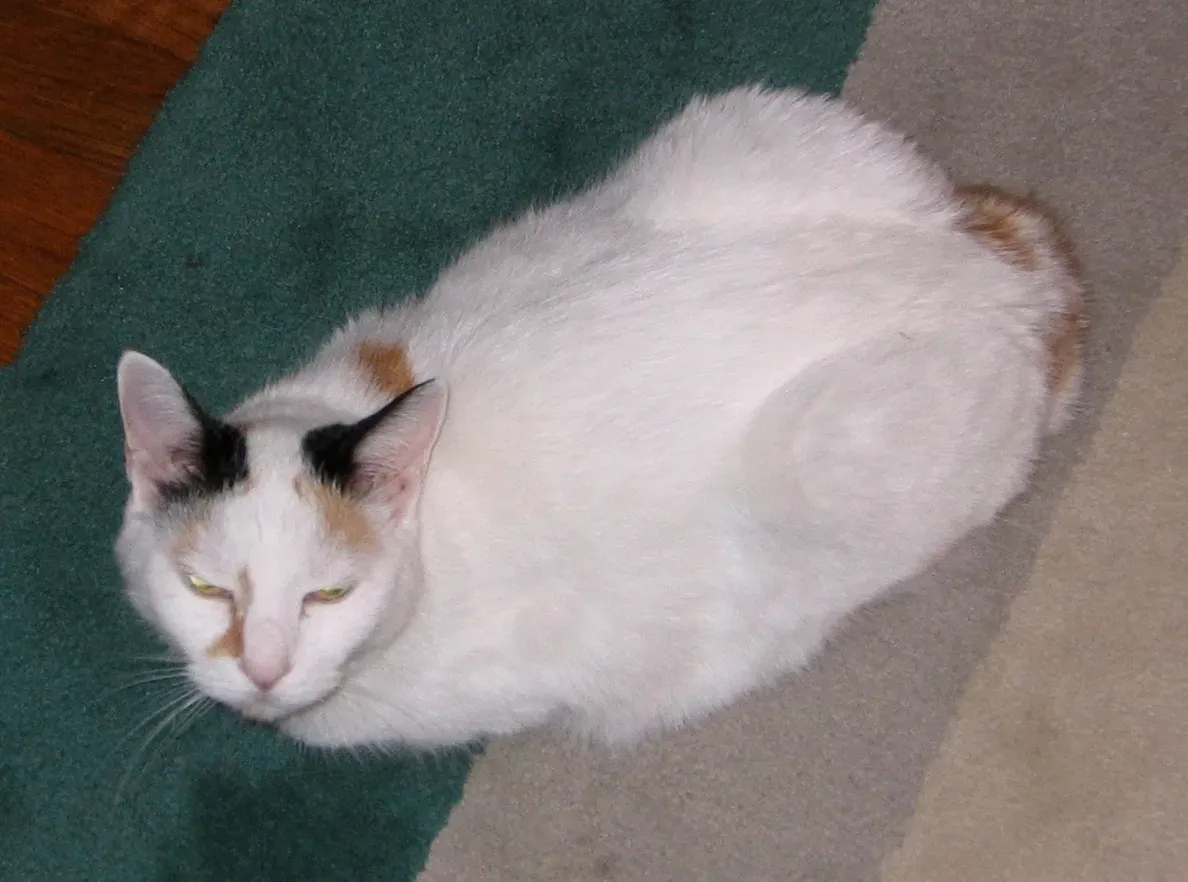
There’s no mistaking Japanese bobtails, thanks to their trademark pompom tails, and these cats consider themselves part of the family and want to join in on all the activities – whether that’s curling up next to you and your pup on the sofa, helping you send emails or greeting company at the door. Their distinctive appearance matches their distinctive personality.
Japanese Bobtail cats, renowned for their trademark pom-pom tails, are considered to be very sociable and friendly, you might see the Japanese Bobtail right in the mix, retrieving toys next to his canine housemate in the home, or he might be next to the water bowl, playing and splashing, and this fun-loving breed is a great sibling for your resident dog.
What sets the Japanese Bobtail apart is their dog-like trainability. These cats are known for their intelligence and devotion and are best suited for homes with pets and children as they don’t always enjoy being alone, and similar to dogs, the Japanese bobtail is highly trainable; they can learn commands, tricks, and even play a game of fetch.
Their social nature means they genuinely prefer having company around. A dog provides that constant companionship when humans are busy or away. They’ll literally become partners in crime, exploring the house together and getting into mischief.
The Japanese Bobtail is famed for their short tail that ranges from pompom-like to 4 or 5 inches long, but also for their playful, dog-like personality, they’re more outgoing than the average aloof cat but will let your dog run the show around your house, and as an intelligent breed, the Japanese Bobtail is nearly as trainable as dogs and might even show up unprompted at your dog’s training sessions to get some tasty treats for themselves.
Siberian
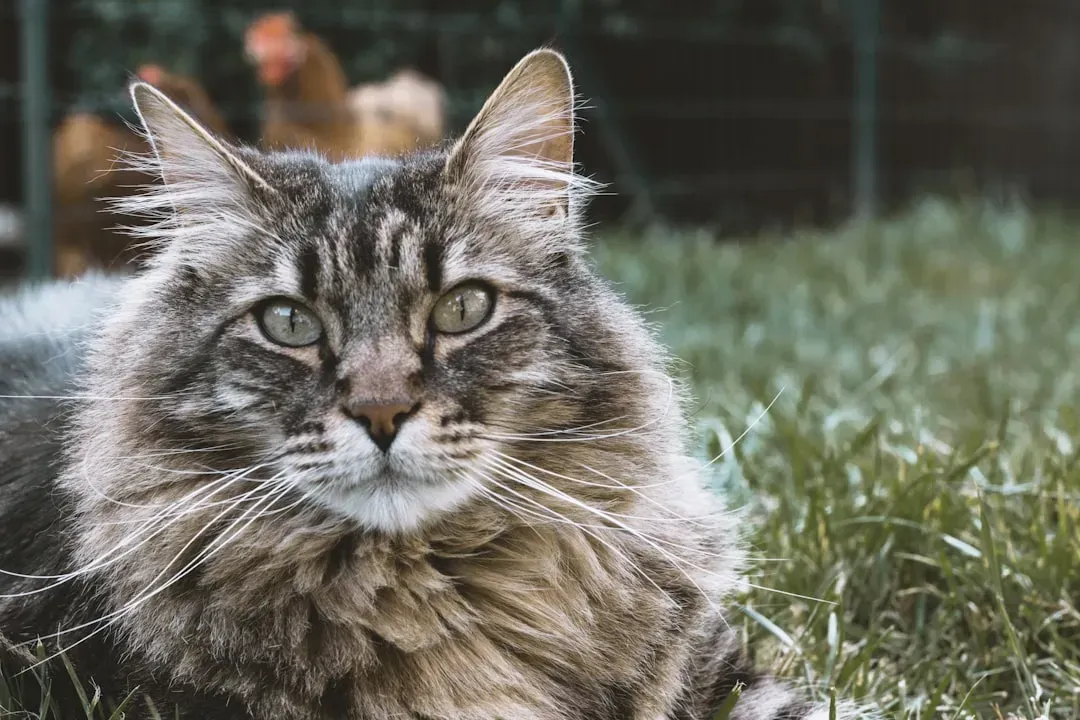
This cat breed hailing from Russia is very hearty and incredibly confident around other cats and dogs in the home and, in fact, may end up being the leader of all pets, maybe it’s their size – which goes up to 17 pounds – or their luxurious waves that give this rare cat breed such confidence, and even as the “mayor” of the feline world, the Siberian is also a cat breed that gets along with dogs quite well.
These Russian beauties are built for adventure. Siberians are athletic and adventurous, with a dog-like personality themselves, and they enjoy play and thrive in active households where a dog can become their partner in fun. Picture them as the huskies of the cat world.
Siberian cats are very intelligent and active, making them a great companion for people who also have large dogs, and they love to play and be around other pets, but they’re not as vocal as other breeds of cats. Their quieter nature balances out a barking dog nicely.
Their dense coat developed to withstand Siberian winters makes them substantial cats who won’t be intimidated by larger dogs. The world’s first-ever Siberian cat was recorded around the year 1,000, according to historical records, and is native to Russia’s forests, and accustomed to the unforgiving climate of Siberia, this cat breed is known for its unique personality and fascination with water.
That fascination with water means a Siberian might actually join your dog at the water bowl for some splashing fun. They’re confident, outgoing, and possess a natural leadership quality that helps establish harmony in multi-pet homes.
Norwegian Forest Cat
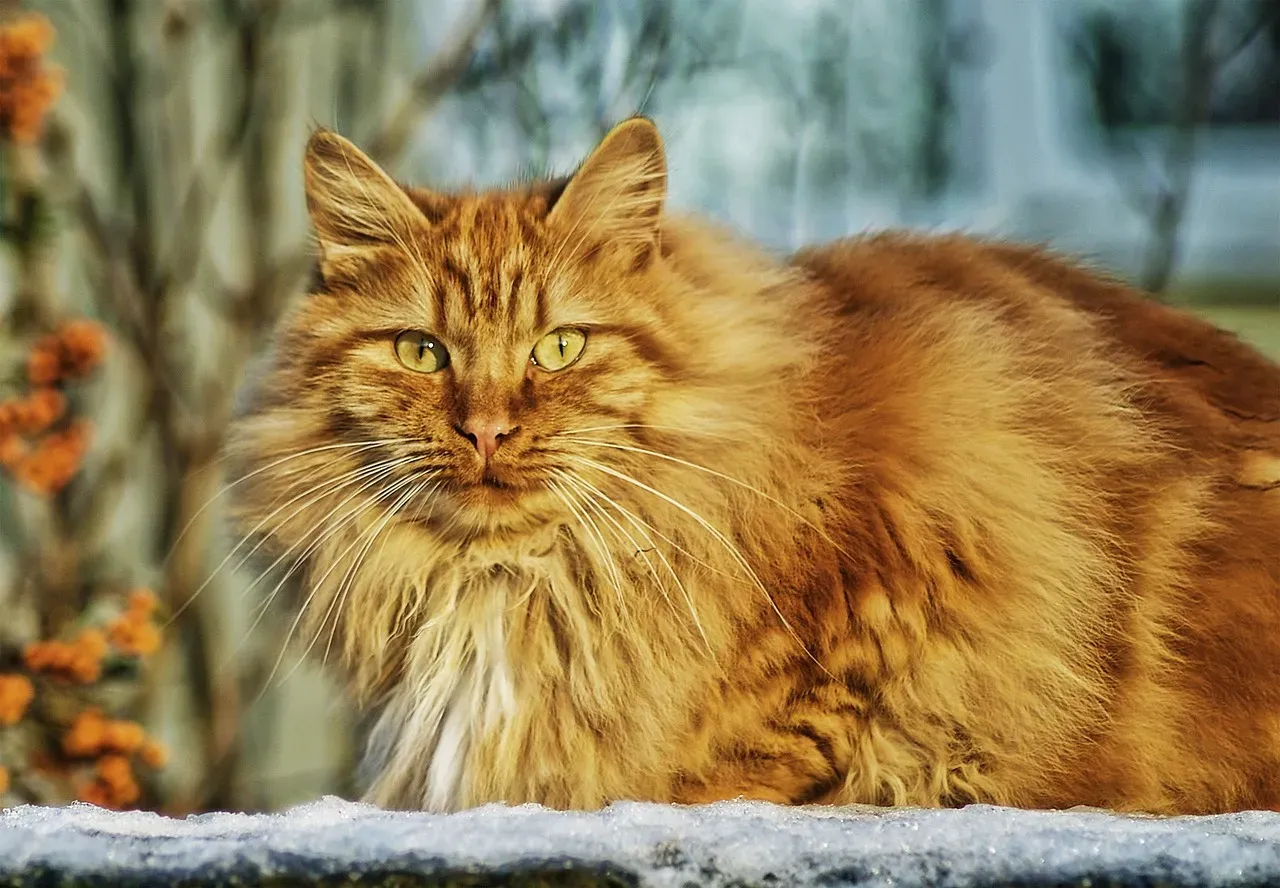
The Norwegian Forest Cat is built to survive the freezing conditions of a Norwegian winter, but these days, they’re just as happy soaking up the comforts of a warm home, these cats might be large, but they’re also extremely gentle and friendly with their families, they may be a little wary of strangers, so you may find them hiding in the highest spot that they can find, and they get along well with dogs, and you may find them both playing in your backyard pond, as this breed loves water!
These magnificent cats possess a quiet dignity that dogs seem to respect instinctively. Their large size and muscular build mean they can hold their own with bigger breeds without being aggressive. The Norwegian Forest cat features a muscular and large physique, this gentle and loving cat has a powerful nurturing instinct, and although it might not ask for attention from other pets in the house, it can get along with the entire family, including dogs.
What makes them particularly suitable for dog households is their patient temperament. It may take time for the Norwegian Forest Cat to get familiar with her canine friend, but once it does, they could become inseparable, and with patience and a little bit of effort, they can go a long way. Good things come to those who wait.
Norwegian Forest Cats take a while to warm up to dogs and, like other breeds, do best when socialized from a young age around other well-behaved pets. Early introduction is key, but their eventual bond with dogs can be incredibly strong.
Their love of water creates unique bonding opportunities with water-loving dog breeds. Imagine both pets splashing around together on a hot summer day. Their thick, weatherproof coat and sturdy constitution make them ideal companions for active dogs who enjoy outdoor adventures.
Conclusion
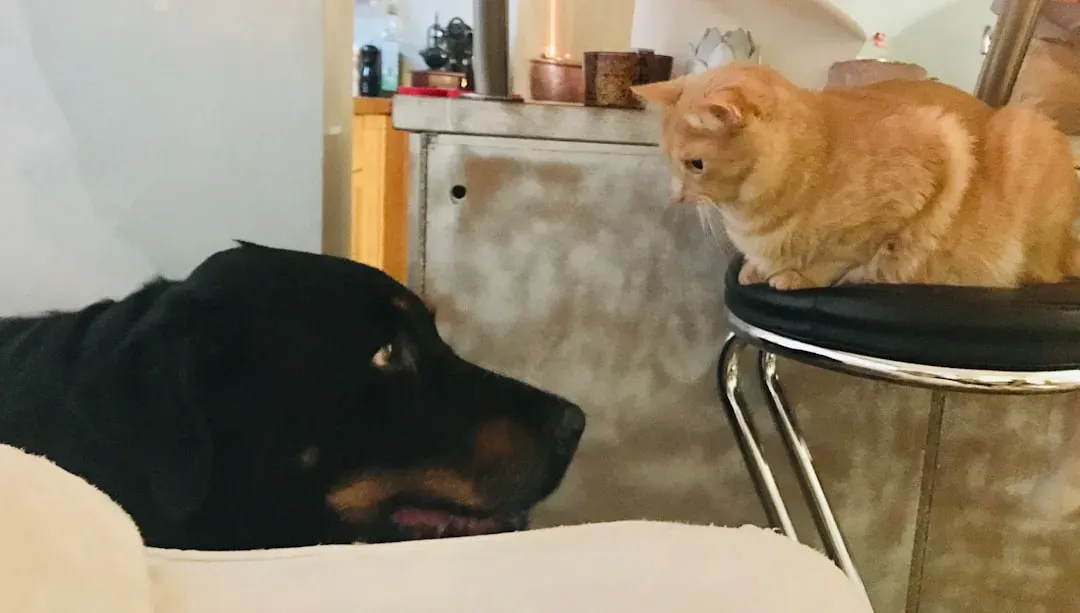
Choosing the right cat breed for your dog-friendly household can transform your home into a peaceful multi-species haven. These eight breeds demonstrate that cats and dogs don’t have to be enemies; they can actually become the best of friends. From the playful Maine Coon to the patient Norwegian Forest Cat, each breed brings something special to the dynamic.
Remember, individual personality matters just as much as breed characteristics. Even within these dog-friendly breeds, you’ll find cats with varying temperaments. Proper introductions, patience, and supervision during initial interactions remain crucial regardless of breed.
The joy of watching your cat and dog bond over shared meals, playtime, or afternoon naps makes the effort worthwhile. They’ll teach each other, protect each other, and provide companionship when you’re not around. Multi-pet households often report that their animals seem happier and more balanced with inter-species friendships.
What do you think about these dog-loving cat breeds? Have you experienced the magic of a cat-dog friendship in your own home? Tell us in the comments.
