

Have you ever wondered what you’d actually do if you came face to face with a black bear in the wild? That moment of raw terror where your instincts scream at you to freeze, run, or simply collapse? For most people, confusion takes over. You might have heard somewhere that playing dead works with bears, right? Here’s the thing, though. That advice could literally get you killed if you’re dealing with the wrong type of bear.
While bear encounters are incredibly rare, knowing the difference between species and how to react could genuinely save your life. The wilderness is unpredictable, and black bears, despite their mostly shy nature, can become aggressive under certain circumstances. Getting this wrong isn’t just a mistake. It’s potentially fatal. So let’s dive in.
The Critical Difference Between Black Bears and Grizzlies
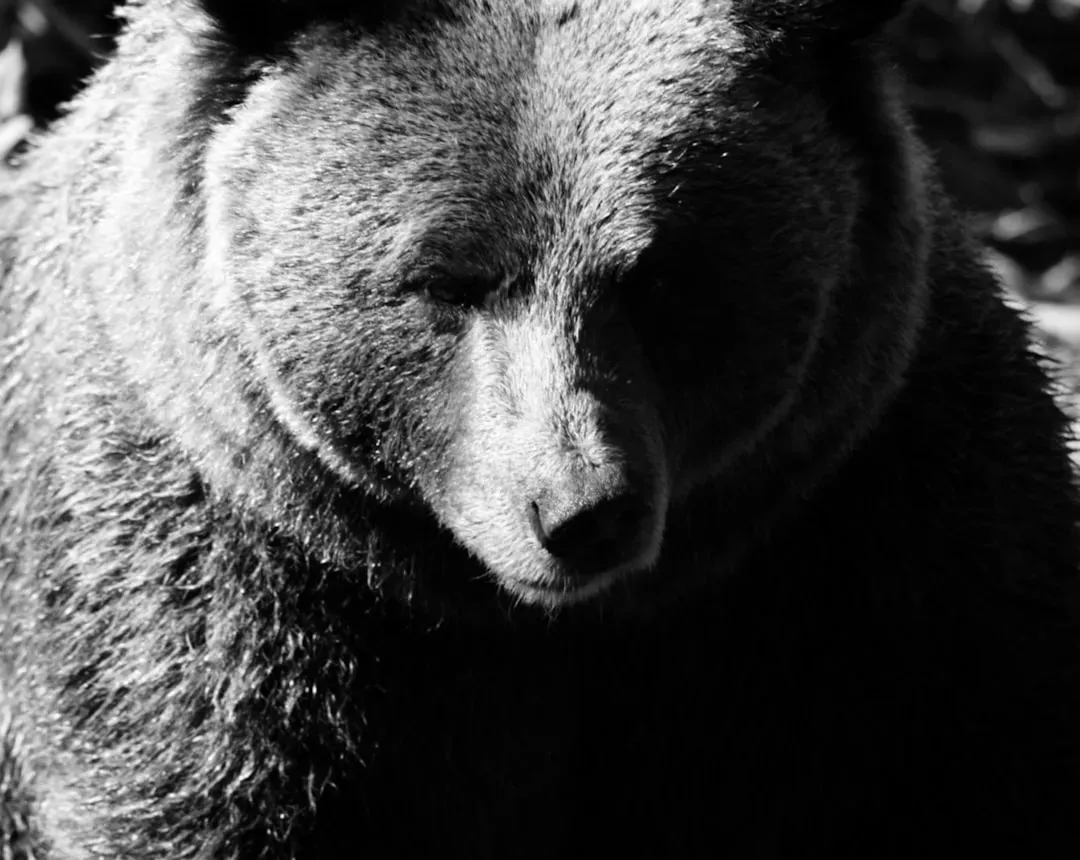
Let’s be real. The biggest problem with bear safety advice is that people lump all bears together. If a black bear charges and attacks you, you must fight back with everything you have and do not play dead. This is the exact opposite of what you’d do with a grizzly.
If a grizzly or brown bear charges and attacks you, you should play dead and not fight back. See the problem? These are two totally different strategies for two different animals. If you confuse them, you’re in serious trouble. Grizzly bears are 21 times more dangerous than black bears.
The fundamental reason comes down to how each species evolved and behaves. Each species has evolved different strategies for survival, with black bears being excellent climbers who are more likely to run away or go up a tree when faced with a perceived threat. Grizzlies, on the other hand, rely on sheer power and aggression. They’re defending their space, their cubs, their food. When you play dead with a grizzly, you’re essentially signaling that you’re not a threat.
With a black bear, however, things work differently. The majority of black bear attacks tend to be motivated by hunger rather than territoriality, meaning victims have a higher probability of surviving by fighting back rather than submitting. If you play dead, you’re literally making yourself look like an easy meal. Think about that for a second.
Why Playing Dead Is Always Wrong With Black Bears
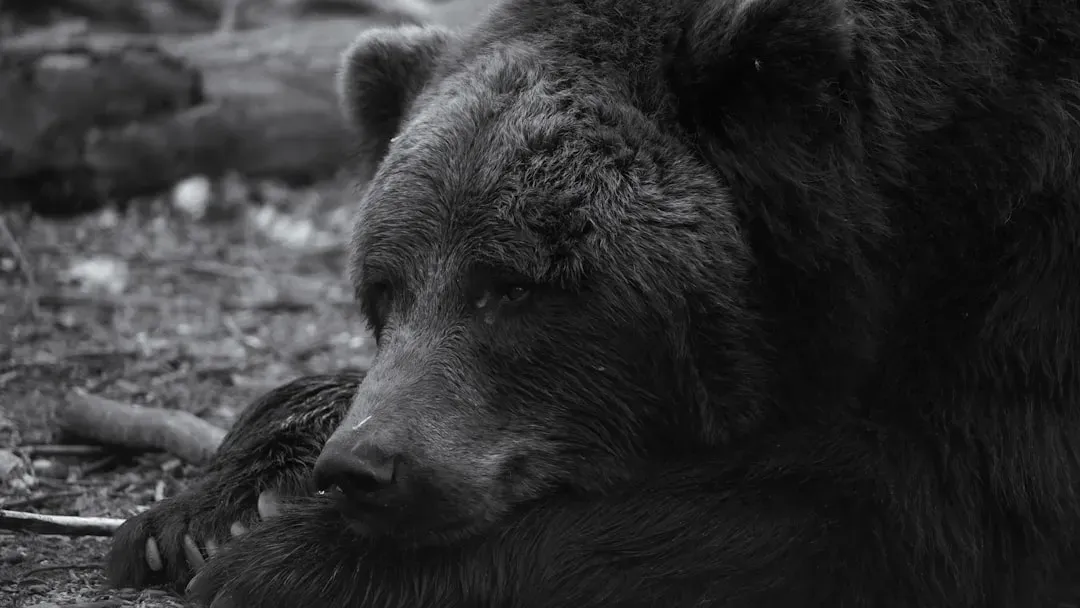
Playing dead is always the wrong action if an American black bear attacks you, and instead, you should fight for your life. This isn’t just some guideline. It’s a survival imperative. Black bears don’t attack defensively the way grizzlies do.
When a black bear decides to come after you, it’s usually because something has shifted in their mind. A bear that attacks may be an extremely rare predatory bear that stalks prey or attacks from behind. Imagine lying motionless on the ground while a predatory animal circles you. You’re not fooling anyone. You’re vulnerable.
If a bear attacks or tries to make contact, fight for your life, do not play dead, and kick, punch or hit the bear with whatever weapon is available. The National Park Service couldn’t be clearer about this. Your only chance is to show the bear that you’re not worth the effort. Make yourself a difficult target.
Never play dead in an encounter with a black bear and stand your ground. Every resource, every expert, every wildlife agency says the same thing. There’s zero debate here. Playing dead with a black bear is a death sentence.
How Black Bears Actually Think During an Attack
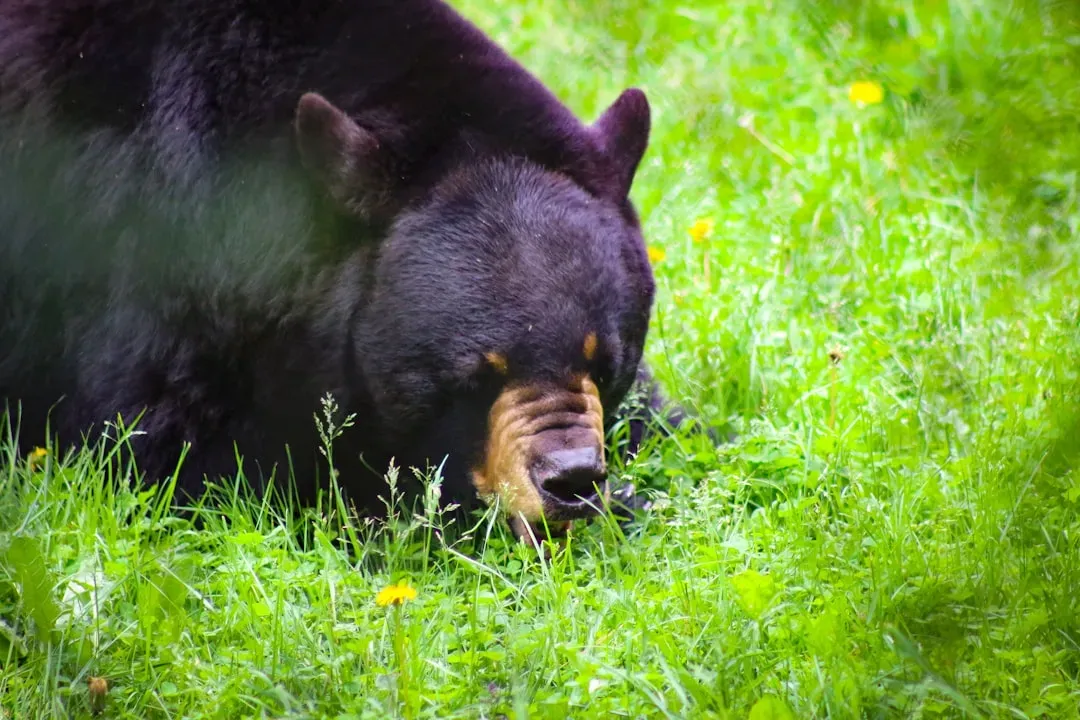
Understanding bear psychology might sound strange, but it’s actually pretty straightforward. Black bears are mostly afraid they will be attacked. That might seem contradictory when we’re talking about an animal that could easily overpower a human. Still, their primary instinct is fear, not aggression.
Most of the time, black bears will avoid you entirely. Black bears are rarely aggressive and actual attacks by black bears are rare. They’d rather be anywhere else than near a human. The problem is when circumstances change, when they’re surprised, cornered, or desperate for food.
Offensive attacks are very rare and include all of the killings by black bears, happening generally in remote areas where bears have the least contact with people. These are the situations where playing dead becomes lethal. A predatory bear isn’t going to stop because you’re lying still. It’s going to see you as food.
Here’s where it gets really interesting. The majority of attacks tend to occur when black bears are encountered suddenly and at close quarters, making black bears generally considered more dangerous than sympatric brown bears which live in more open spaces. The element of surprise matters immensely.
What You Should Actually Do Instead
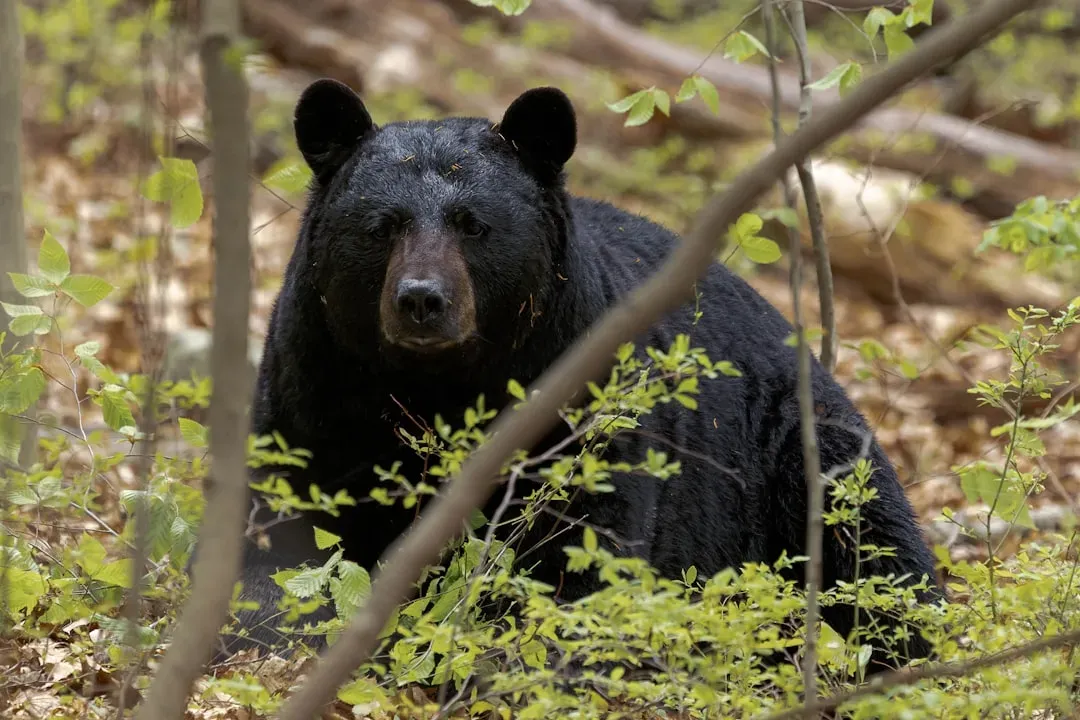
So if playing dead is out, what’s the game plan? First off, aggression is your friend here. Kick, punch or hit the bear with whatever weapon is available and concentrate on the face, eyes and nose. Those are the most sensitive areas, and hitting them hard can make a bear reconsider.
Direct punches and kicks at the bear’s face, and use any weapon like rocks, branches, or bear spray to defend yourself. Honestly, anything works. A hiking pole, a water bottle, your fists. The goal is to convince the bear that you’re too much trouble. Bears are smart. They calculate risk versus reward.
If you are attacked by a black bear, do not play dead and try to escape to a secure place such as a car or building. Obviously, if you can get away, do it. Run to your vehicle, climb into a building, put a barrier between you and the animal. Distance is safety.
What about bear spray? Bear spray containing capsaicin, or hot pepper liquid, is a good option to change the behavior of bold bears. It’s not a guarantee, nothing is, but it’s highly effective. Keep it accessible, not buried in your backpack. You won’t have time to dig around.
The Rare But Real Danger of Predatory Black Bears
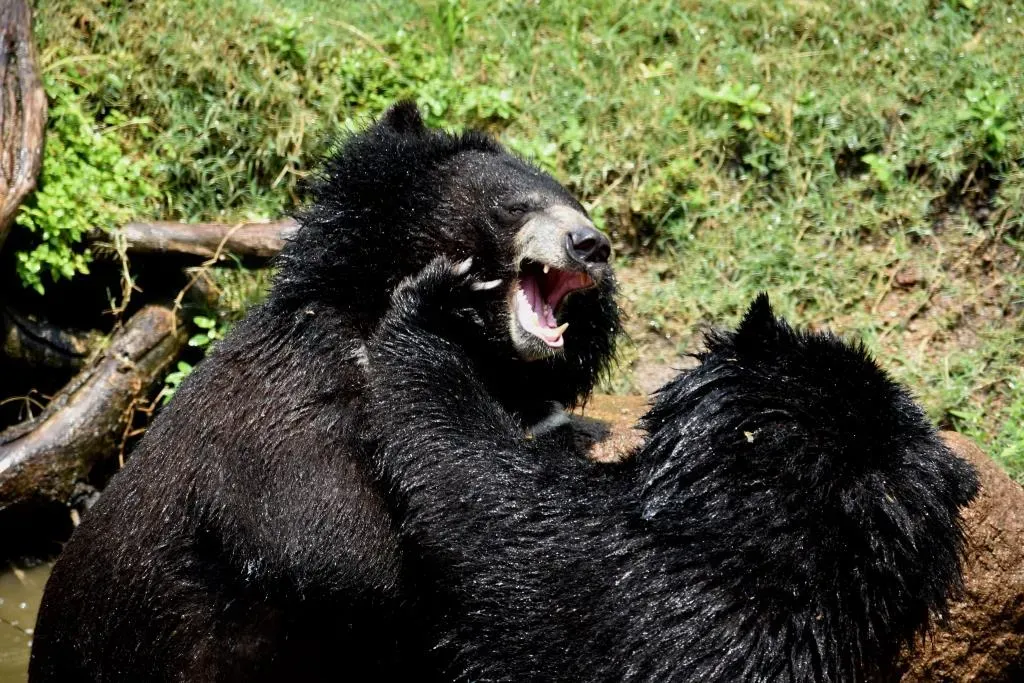
Let’s talk about something that makes most people uncomfortable. Predatory bear attacks. These are incredibly uncommon. The 750,000 black bears of North America kill less than one person per year on the average. That’s statistically almost nothing. You’re far more likely to die in a car accident on the way to the trail.
Still, these attacks do happen. The most serious and potentially deadly attack a black bear might make is an offensive attack, which occurs when a bear appears to stalk or follow you for a period of time and then chooses to attack, or when the bear attacks you at night. Night attacks are especially terrifying because they’re almost always predatory.
If any bear attacks you in your tent or stalks you and then attacks, do not play dead and fight back, because this kind of attack is very rare but can be serious as it often means the bear is looking for food and sees you as prey. This is when fighting back isn’t just recommended. It’s mandatory.
Imagine waking up in your tent to a bear trying to get in. Your instinct might be to freeze, to hope it goes away. That’s the worst thing you could do. You need to be loud, violent, terrifying. Make the bear think twice. If you cannot escape and a bear continues its pursuit, react aggressively and try to intimidate the bear, and if this fails, fight back with anything at hand such as bear spray, rocks, sticks, knives or other possible weapons.
The Bigger Picture About Black Bear Behavior
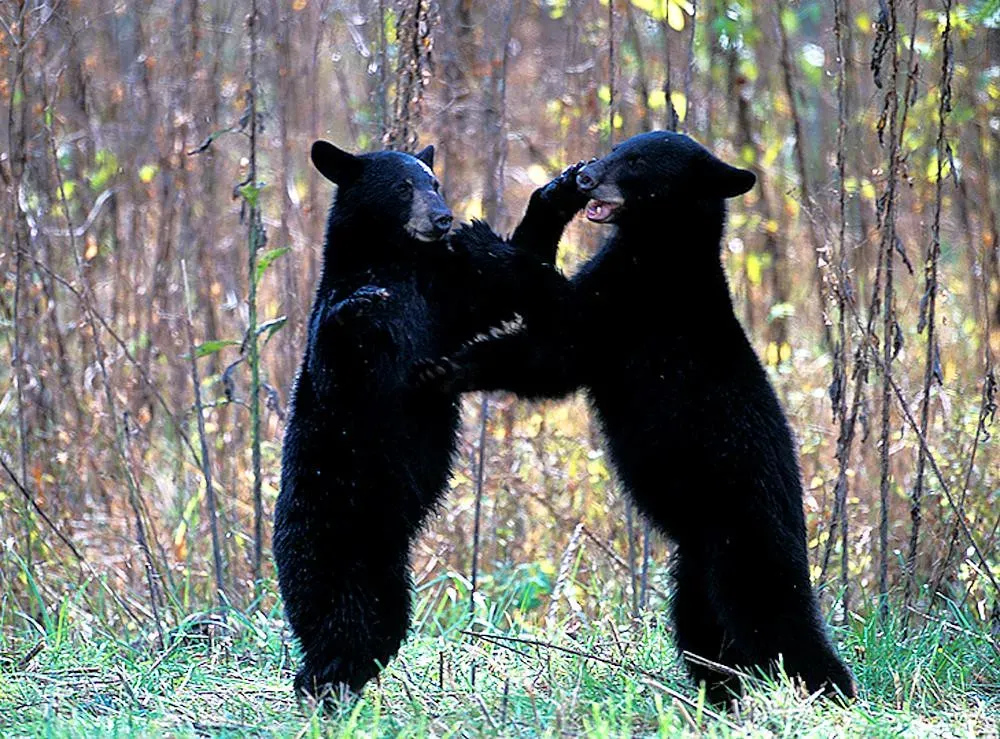
Here’s something most people don’t realize. There is no record of anyone being killed by a mother black bear defending her cubs, and attacks are very rare. That’s wild, right? We always hear about mama bears being the most dangerous, but that’s actually more of a grizzly thing.
Unlike grizzlies, female black bears do not display the same level of protectiveness toward their cubs and will seldom attack humans in their vicinity. This is a huge difference. A mother black bear is more likely to send her cubs up a tree and flee than to charge you. Mother grizzlies? Completely different story.
Black bears are rarely aggressive, actual attacks are rare, and a wild black bear is normally shy and scared of people, even bears that are two to three times heavier than an average person. They’re intimidated by us, which is honestly kind of reassuring.
Black bears that come into campgrounds are looking for food, not people, and can easily be chased away in most cases, with bold and confident bears still recognizing aggressive behavior and running away when someone yells and runs toward them. The takeaway? Show confidence. Act big. Make noise. Most of the time, that’s enough.
Conclusion
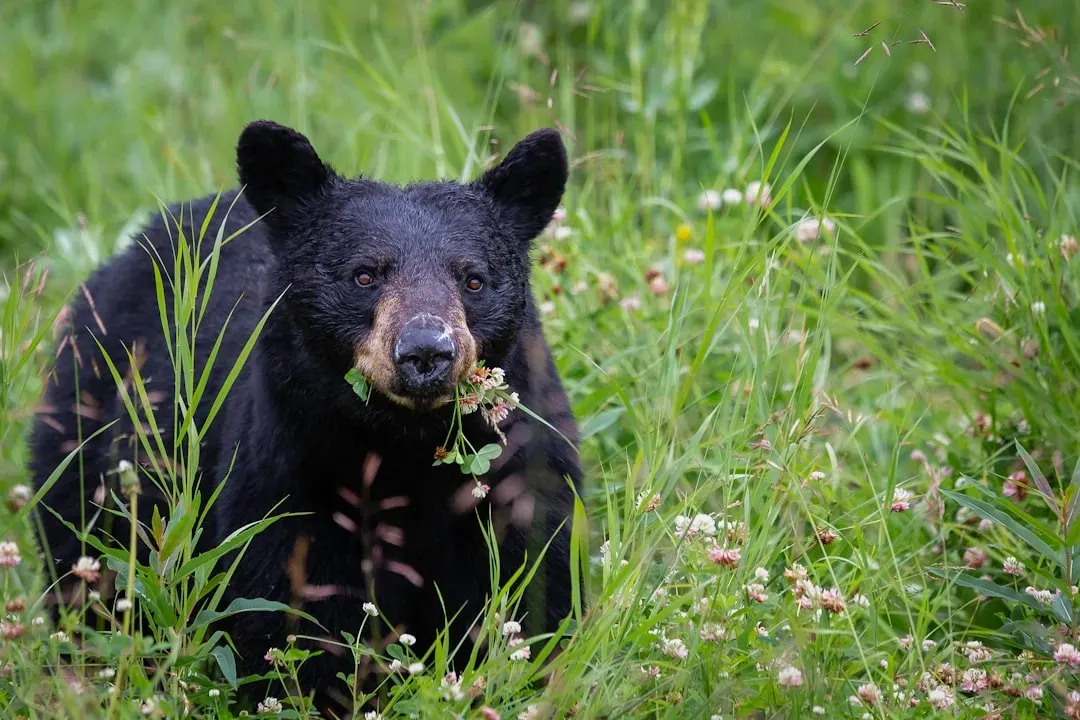
So here we are. The reality is pretty straightforward when you strip away the confusion. Black bears and grizzly bears require completely opposite responses during an attack. With black bears, playing dead is never the answer. You fight. You make noise. You become as difficult and dangerous as possible.
The wilderness is beautiful, and bear encounters are genuinely rare. Still, being prepared means knowing what to do in those critical seconds when panic wants to take over. It’s not about being fearless. It’s about being informed. The difference between the right response and the wrong one could be everything.
What’s your biggest fear when hiking in bear country? Have you ever had a close encounter? The comments are open.

- Why Veterinarians Say If Your Cat Sleeps With Their Back to You, It's the Highest Form of Trust in Feline Behavior - July 20, 2026
- Animal Science Says Ravens Remember Human Faces for Years and Warn Other Ravens About Dangerous People - July 20, 2026
- The Truth About Why Some Animals Are Naturally Solitary Creatures - July 20, 2026