

Most of us think of the animal kingdom as a bustling, social place. We picture herds of elephants moving across savannas, packs of wolves hunting under moonlight, or chattering monkeys swinging through jungle canopies. It’s easy to assume that togetherness equals survival.
Yet here’s something that might surprise you. Around twenty-two percent of mammals are solitary animals, preferring their own company to the safety of numbers. These creatures, from big cats prowling mountain ranges to shy rodents burrowing beneath desert scrub, tell a different story about what it takes to thrive. Their choice isn’t about weakness or antisocial tendencies. It’s about something far more strategic. So what drives an animal to go it alone? Let’s dive in.
It’s All About the Food on the Table
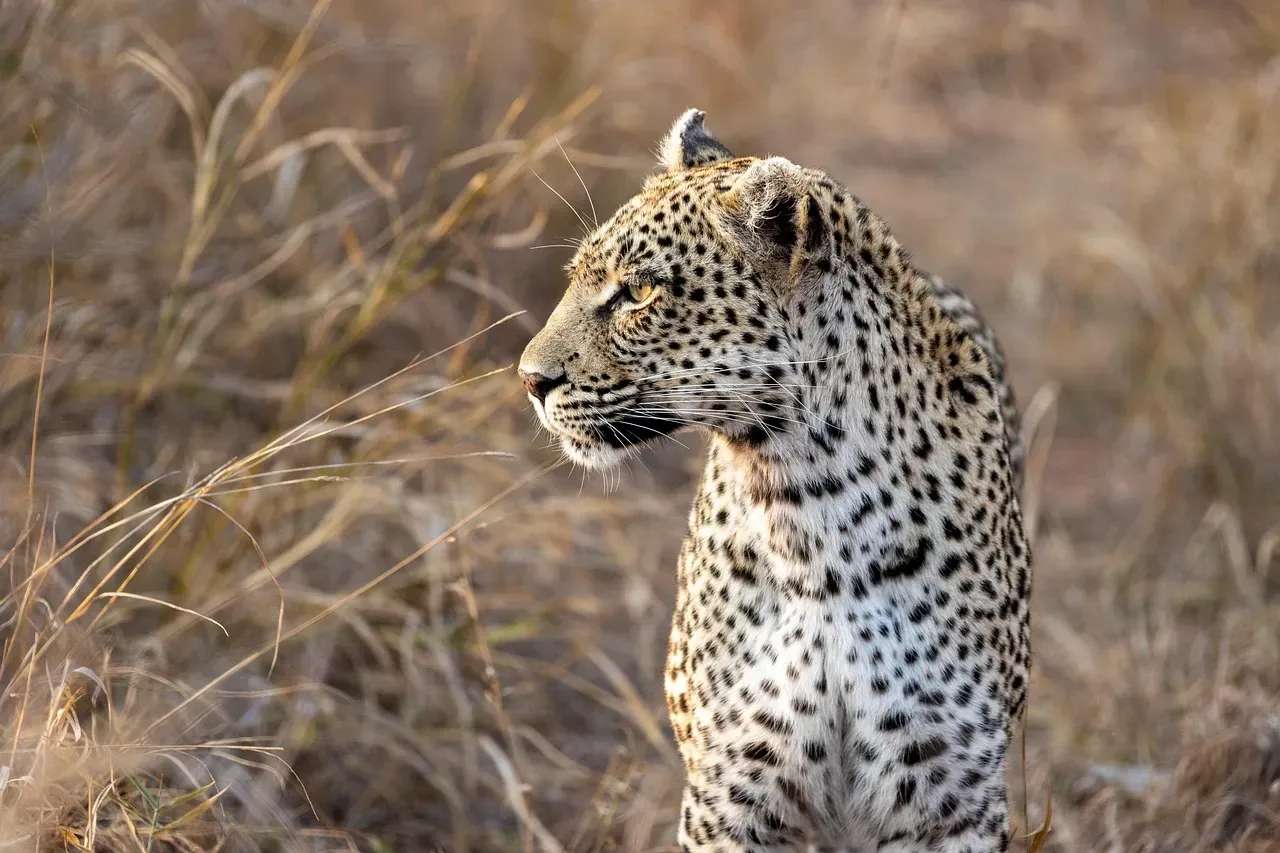
When you’re hungry and resources are scarce, sharing isn’t always caring. In environments with scarce resources, living alone reduces competition for food and shelter. Think about it this way: if there’s barely enough to go around, why would you invite others to the feast?
Solitary animals can keep whatever food resources they find for themselves, and solitary living may have evolved as an adaptation to food scarcity. For a leopard stalking prey in the African bush, every kill is hard-earned. Days might pass between successful hunts. Sharing that zebra carcass with competitors would mean less energy for the next chase.
The distribution of food matters too. The resource dispersion hypothesis predicts that species would tend to be solitary when resources are distributed evenly, rather than clustered together. If food is spread out across the landscape like breadcrumbs on a forest floor, it makes more sense for animals to spread out too.
Territory Equals Survival
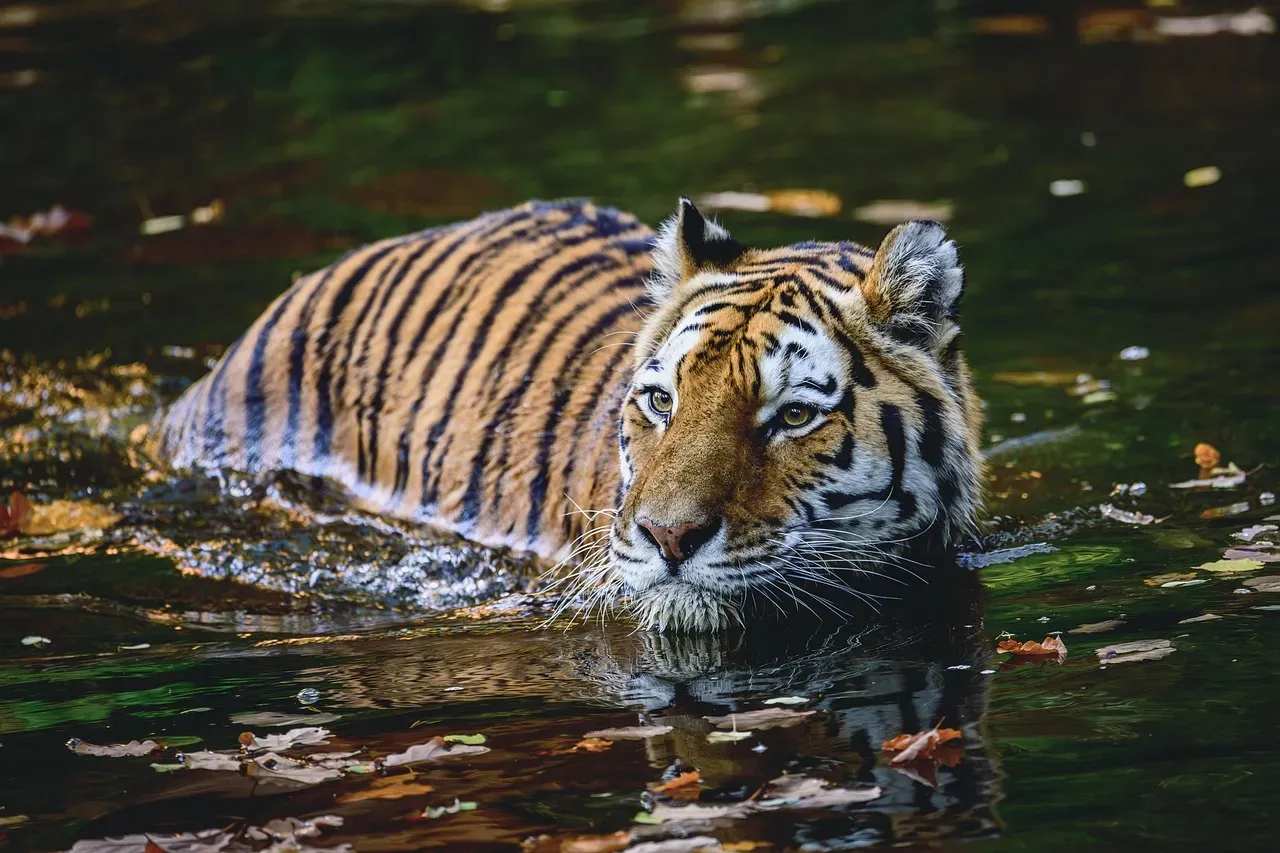
Large solitary carnivores, such as bears and the bigger raptors require an extensive protected area to guarantee their food supply. Territory isn’t just a patch of land. It’s a lifeline.
Solitary animals find more advantages of having their own territories than from sharing the area with other animals. Honestly, it’s about control. When you own your space, you control access to water, prey, shelter, and potential mates. No negotiation needed.
I think there’s something almost ruthless in the way territorial animals operate. Economic defendability is when the advantages of having exclusive access to space are worth the risk of defending a territory instead of sharing it. Tigers might roam territories spanning hundreds of square miles, marking trees with scent and urine to warn others away. It’s not personal, it’s practical.
The Myth of the Antisocial Loner
Here’s where things get interesting. For decades, scientists assumed solitary animals were basically hermits, aggressive and avoidant toward their own kind. Turns out, that’s not the whole picture.
Studies add to growing evidence that solitary living mammals are not unsocial per se. Recent research using camera traps and GPS tracking has revealed something surprising. Most of the studied solitary species meet conspecifics regularly in a nonaggressive context.
Let’s be real, even the loners have moments. Solitary carnivores don’t always act aggressively toward their own species, and sometimes they tolerate each other because it’s in their best interest. Pumas, for example, occasionally share large kills with other pumas rather than risk injury fighting over them. Tigers and jaguars do the same thing. It’s calculated tolerance, not friendship, but it shatters the stereotype of the perpetually hostile recluse.
Protection Through Invisibility
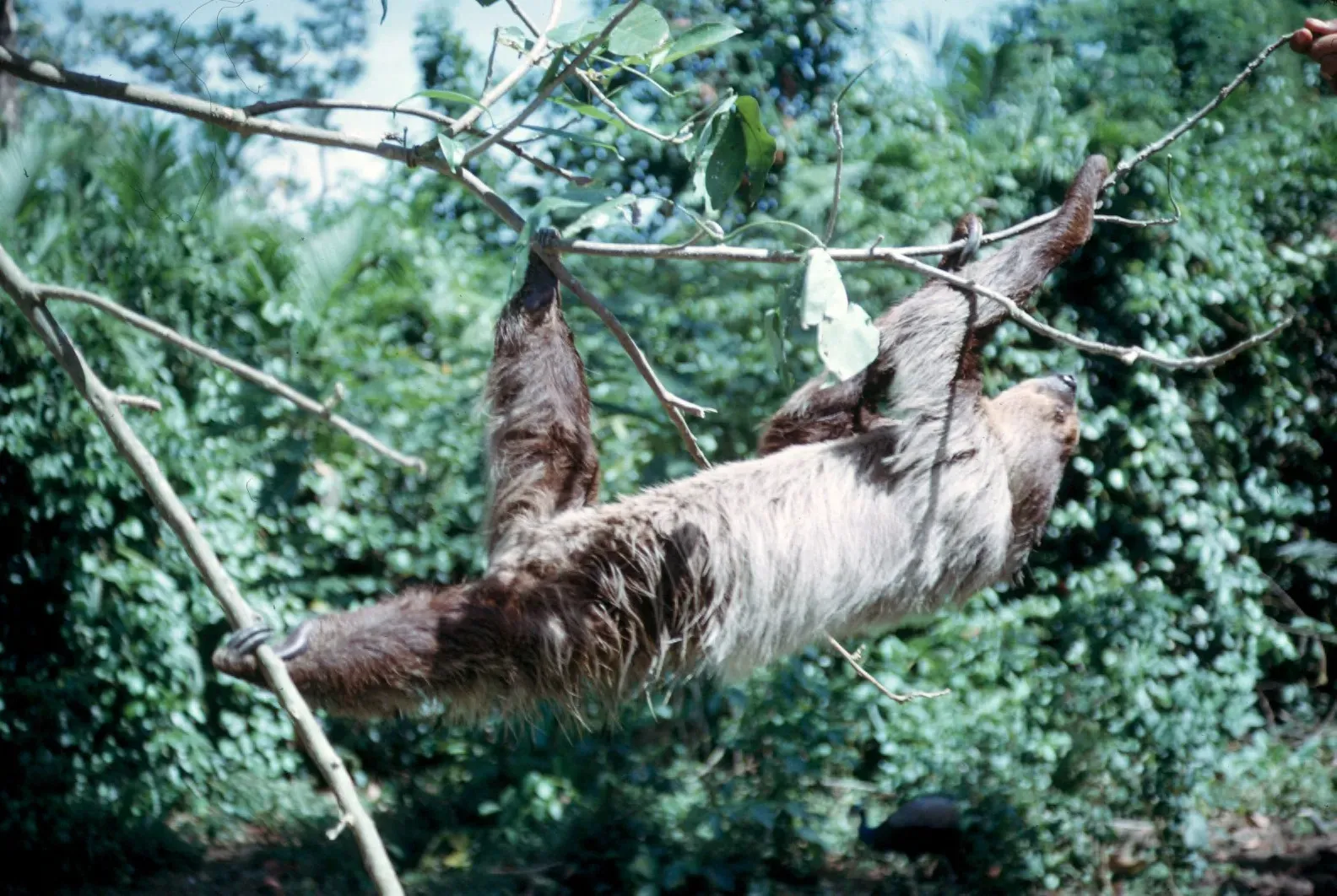
Numbers might deter predators, sure. However, sometimes the best defense is simply not being noticed at all. Solitary living can reduce the risk of predation, as a lone animal is less likely to attract attention.
Think of a sloth hanging motionless in a tree canopy. Its camouflage is nearly perfect when it’s alone. Now imagine a dozen sloths in that same tree. The advantage vanishes instantly. Stealth loses its power when you’re part of a crowd.
Some downsides to living in a group could be the spread of disease or risk of cannibalism between animals. Close quarters mean pathogens spread faster. One sick individual can infect the entire group. For solitary creatures, distance is the ultimate quarantine.
Mating and Parenting on Their Own Terms
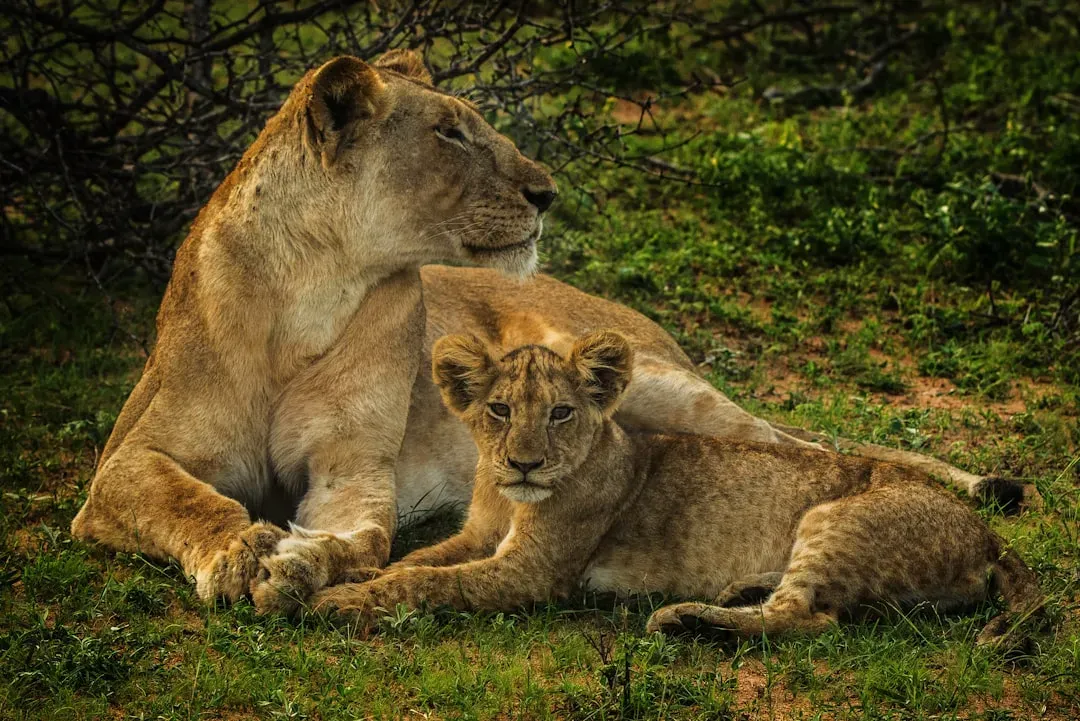
Solitary animals are those that live singly and meet only for courtship and mating. Reproduction doesn’t require year-round companionship. Many solitary species have evolved strategies where males and females occupy overlapping territories but maintain separate lives except during breeding season.
Some animals may be solitary to reduce competition for mates, and in some species the mother may be solitary to provide better care for her young. Female pandas, for instance, raise their cubs alone in bamboo forests. The solitude allows mothers to focus entirely on their offspring without the chaos and competition that group living can bring.
It’s hard to say for sure, but this strategy seems to work remarkably well for species where parental investment is high but brief. Once the young are independent, everyone goes their separate ways again. No drama, no lingering obligations.
Conclusion
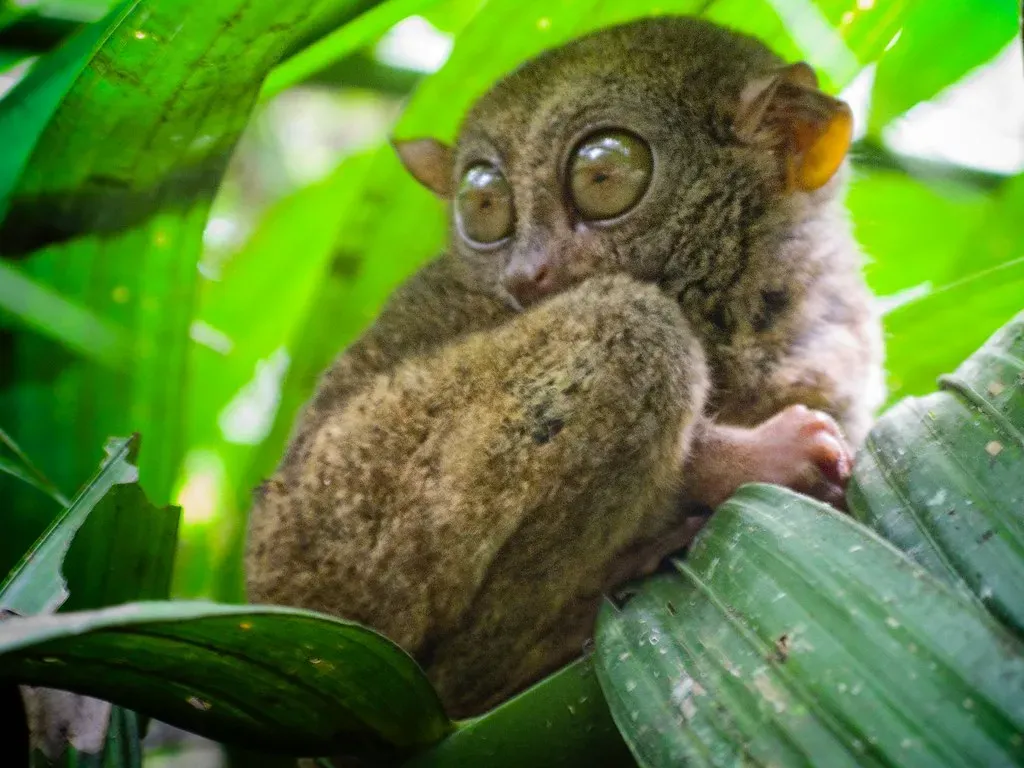
Solitary living isn’t a failure to adapt or some evolutionary dead end. Solitary living is beneficial under many environmental conditions, and comparative studies suggest it might be a derived state rather than ancestral. These animals have found their niche, carving out survival strategies that prioritize independence, stealth, and resource control over the benefits of the pack.
From leopards prowling mountain ridges to koalas clinging to eucalyptus branches, solitary creatures prove there’s more than one path to survival. Their story reminds us that in nature, there’s no single formula for success. Sometimes the quiet ones, the ones who walk alone, are the ones who thrive best.
What’s your take on it? Do you find the solitary lifestyle in animals fascinating or unexpected? Share your thoughts.
