
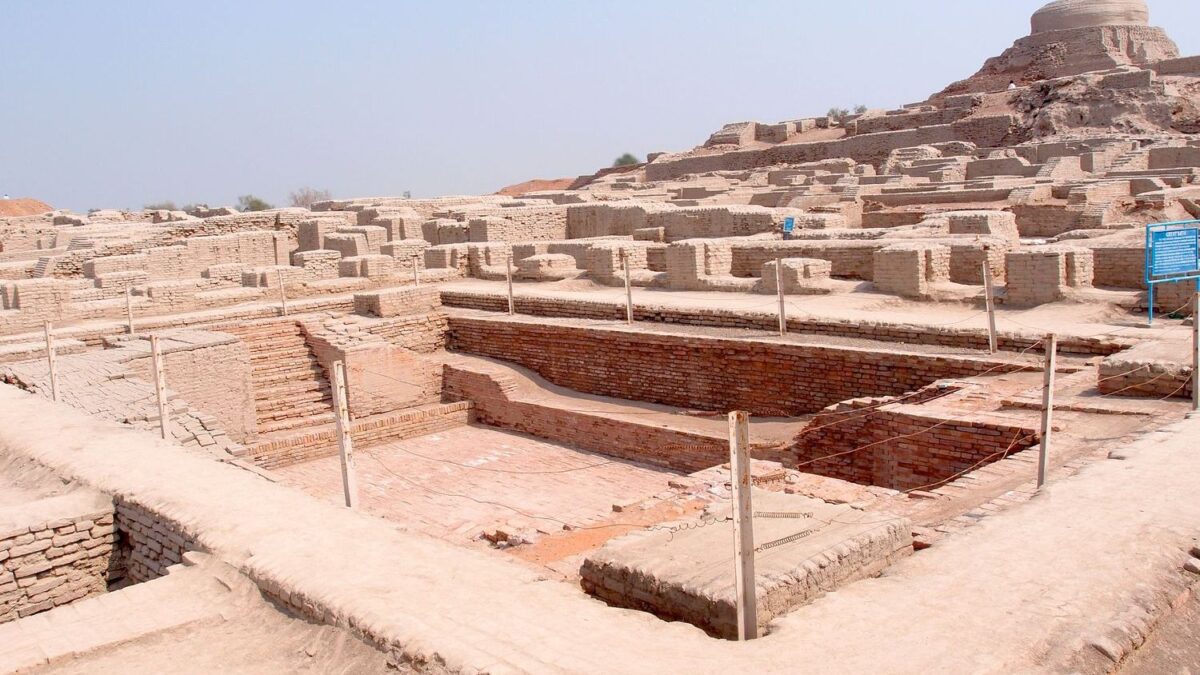
Imagine an entire civilization that rivaled ancient Egypt and Mesopotamia in size and sophistication, yet today we can barely read a word they wrote. Picture sprawling cities with plumbing systems that would make modern engineers jealous, suddenly abandoned without a clear explanation. That’s for you.
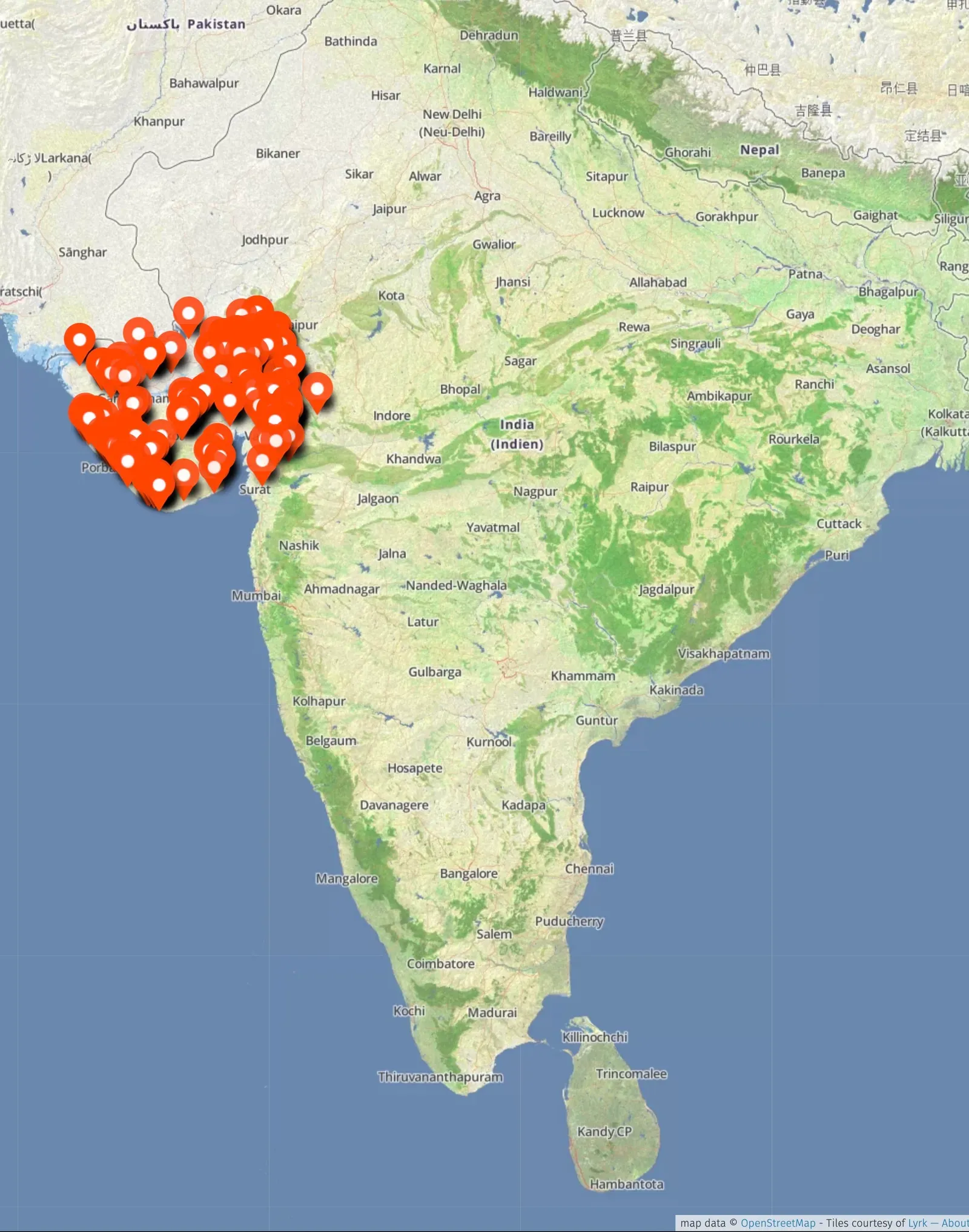
This Bronze Age society flourished alongside Ancient Egypt and Mesopotamia, stretching across what is now Pakistan, northwest India, and parts of Afghanistan. At its height, it covered roughly 3 million square kilometers, bigger than both Ancient Egypt and Ancient Mesopotamia combined. Yet despite excavating over a thousand settlement sites, scholars are still scratching their heads over basic questions about these people. Who were they? What did they believe? Why did they disappear?
Let’s be real, the more archaeologists dig, the more questions seem to pile up. From scripts nobody can crack to statues that shouldn’t exist for their time, the Indus Valley keeps defying expectations. Here’s what makes this lost civilization one of history’s most captivating enigmas.
The Undeciphered Script That Guards Their Secrets
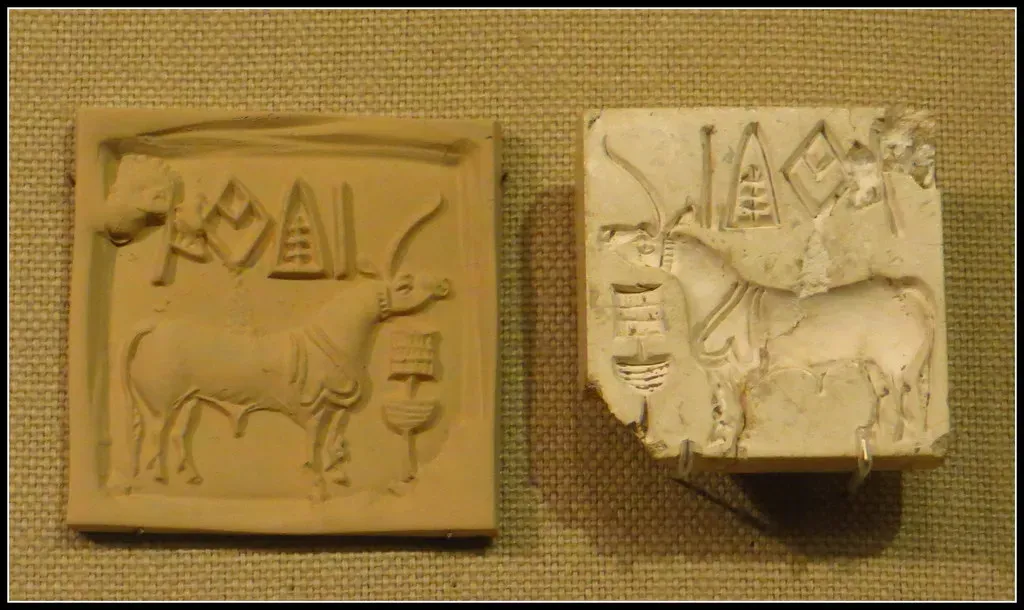
The Indus script consists of symbols produced by the Indus Valley Civilisation, with most inscriptions extremely short, making it difficult to judge whether they constituted a writing system. Think about that for a second. We’ve found thousands of these inscriptions on seals, pottery, and other objects, but we still don’t know what they say.
There is no known bilingual inscription to help decipher the script, which shows no significant changes over time. Unlike Egyptian hieroglyphs, which we cracked with the Rosetta Stone, the Indus script has no such convenient translation guide. The inscriptions are very short, comprising no more than five signs on average, which makes pattern analysis nearly impossible.
Slightly over 400 basic signs have been identified, with only 31 occurring over 100 times while the rest were not used regularly. Some linguists believe the script represents a Dravidian language, while others argue it might be Indo-European or something else entirely. The Indus script has at least 400 unique symbols, making it exponentially more challenging than other ancient scripts. Honestly, it’s hard to say for sure whether we’ll ever crack this code.
The Great Cities With No Kings or Palaces
Here’s the thing that really puzzles archaeologists: where are the kings? Scholars have postulated that Mohenjo-daro was an administrative center, yet it is obvious from the identical city layouts that there was some kind of political or administrative centrality, but the extent and functioning remains unclear.
Unlike other ancient civilizations, the Indus Valley left no evidence of kings, armies, or palaces, and their political structure remains unknown. No grand temples towering over the population. No obvious royal tombs filled with treasures. No weapons caches or fortified citadels suggesting military might.
The cities themselves were marvels of urban planning. The ancient Indus cities were noted for their urban planning, baked brick houses, elaborate drainage systems, water supply systems, clusters of large non-residential buildings, and techniques of handicraft and metallurgy. Yet who organized all this? Who enforced the standardized brick sizes? The absence of obvious rulers makes the Indus Valley unlike any other ancient civilization we know.
The Mysterious Great Bath of Mohenjo-daro
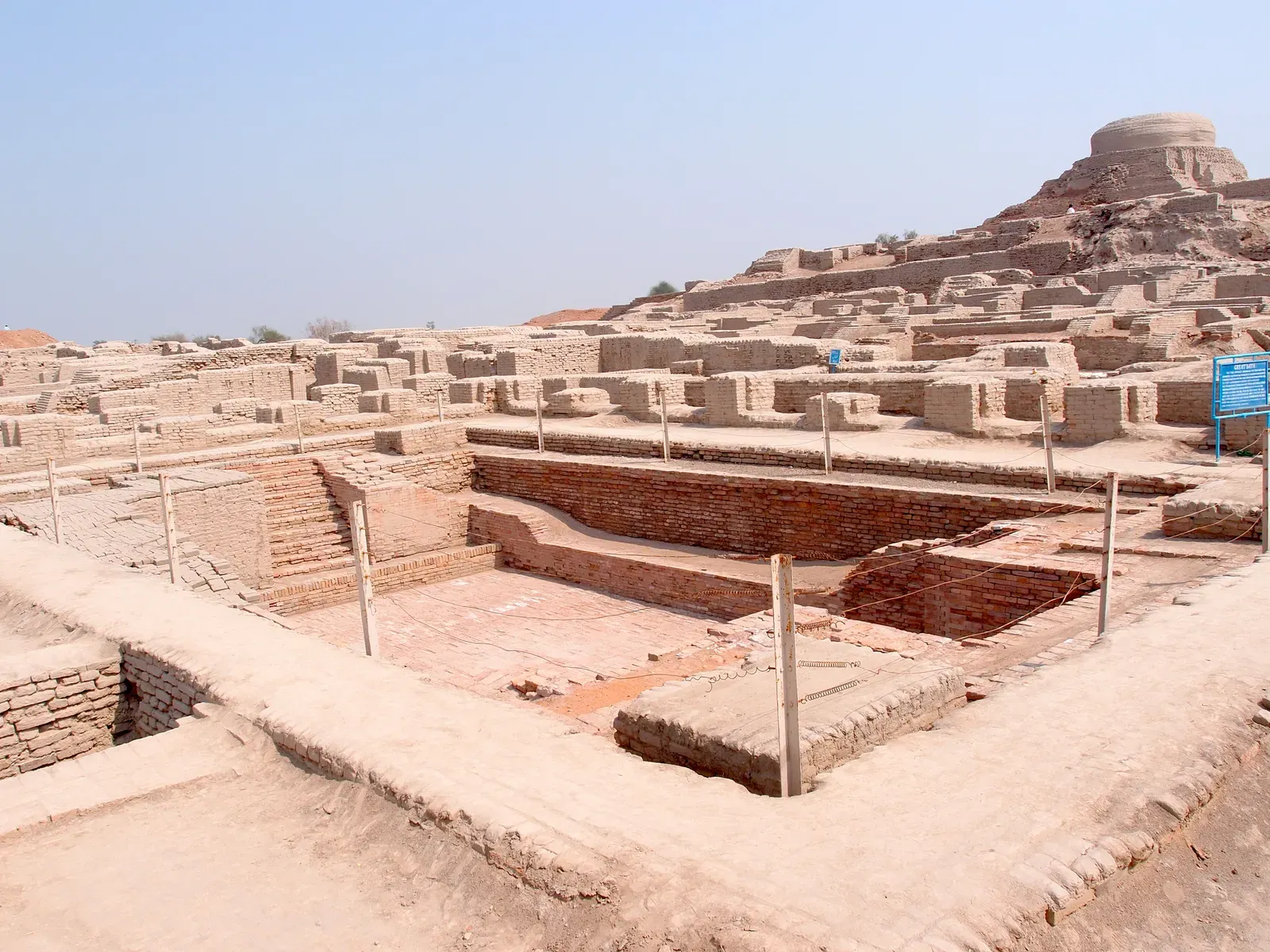
Notable structures include an elaborate bath or tank called the Great Bath, indicating religious and ceremonial significance. This massive structure, built with remarkable engineering skill, measures roughly 12 meters long and nearly 7 meters wide. It’s waterproofed with layers of bitumen and surrounded by columned galleries.
The Great Bath has numerous interpretations, with some scholars believing it was a ritual tank for people to bathe and purify, while others suggest it may have been a civic or ceremonial gathering place. Was it for religious purification, like the ritual bathing traditions that persist in South Asia today? Or was it simply an ancient community pool?
The high level of sophisticated technical skill necessary for producing masonry indicates highly skilled builders, yet the lack of a clear point of authority in relation to the Great Bath presents challenges for understanding the nature of authority. The mystery deepens when you realize that similar large public baths don’t appear in other Indus cities, making this structure uniquely enigmatic.
The Fire Altars That Exist Nowhere Else
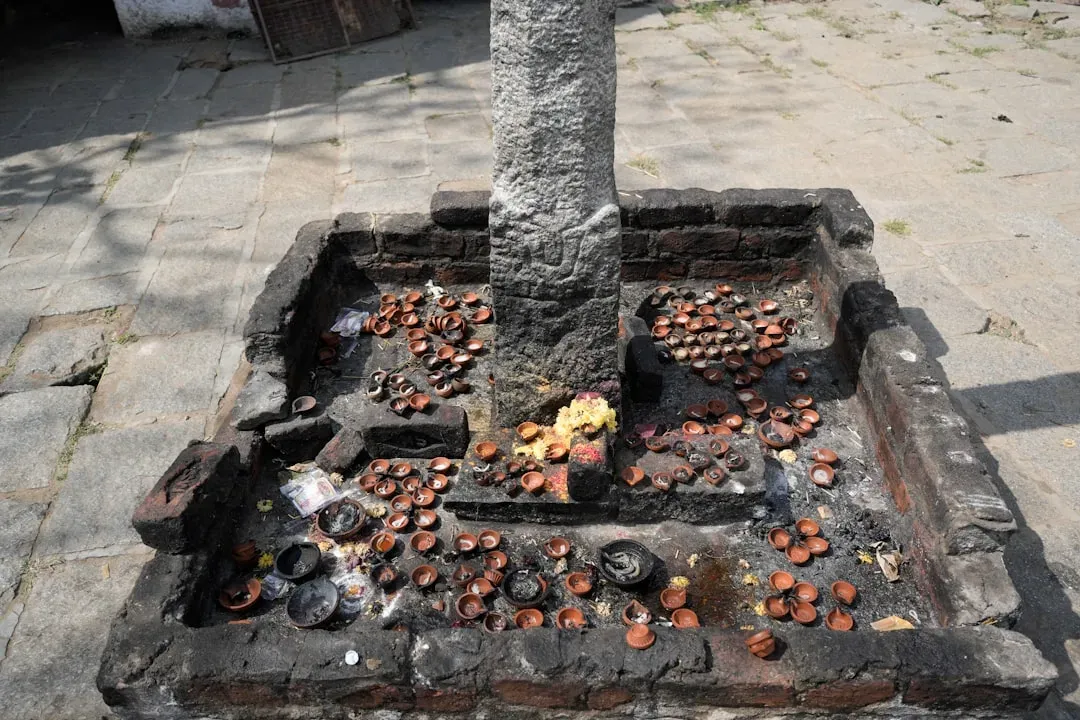
The fire altars at the Kalibangan archaeological site are one of the most intriguing mysteries, unique only to Kalibangan. These altars are not found in any other Harappan sites, making them a distinctive and intriguing aspect of Kalibangan’s archaeological landscape.
These fire altars are raised platforms constructed of bricks and surrounded by low walls. What were they used for? Why don’t we find them anywhere else in the vast Indus civilization? The altars suggest some kind of ritual fire ceremony, possibly related to worship or offerings.
This unique feature at Kalibangan hints at regional variations within the Indus culture that we’re only beginning to understand. It also raises the possibility that different Indus cities practiced different religious traditions, adding another layer to the puzzle. The absence of similar structures elsewhere suggests that whatever happened at Kalibangan was special, perhaps a pilgrimage site or a center for a particular cult.
The Sophisticated Seals With Enigmatic Symbols
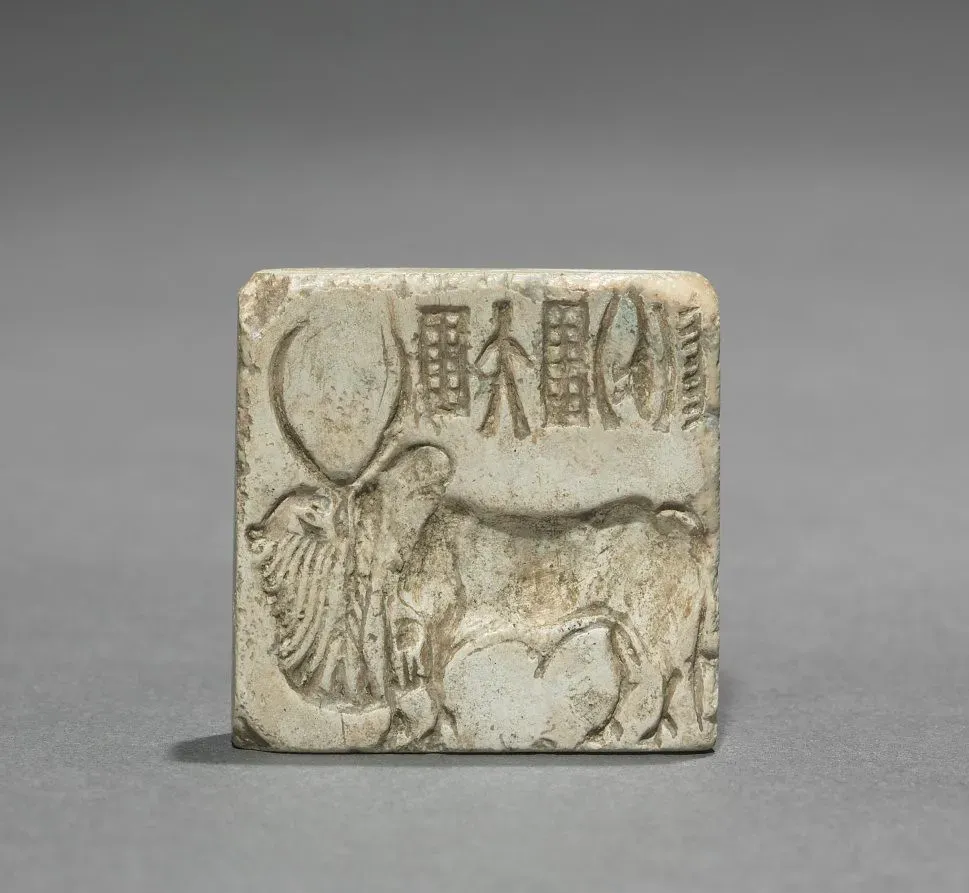
The small carved seals made of steatite are one of the most representative artifacts from . These pocket-sized masterpieces feature intricate carvings of animals, mythical creatures, and those frustratingly undeciphered symbols.
Some of the seals may have been used as amulets or talismans, but they also had a practical function as markers for identification, with clay tags attached to bundles of goods that were traded between merchants, some found in Mesopotamia. Imagine these little squares traveling thousands of kilometers, from the Indus River to ancient Iraq.
The animals depicted on the seals are equally mysterious. There’s a creature that looks like a unicorn, which appears more frequently than any other animal. Was it real, mythical, or symbolic? The Harappan chimaera was composed of body parts derived from different animals, as well as humans and other fantastic beings. These composite creatures suggest a rich mythology we may never fully understand.
The Dancing Girl That Shocked Archaeologists
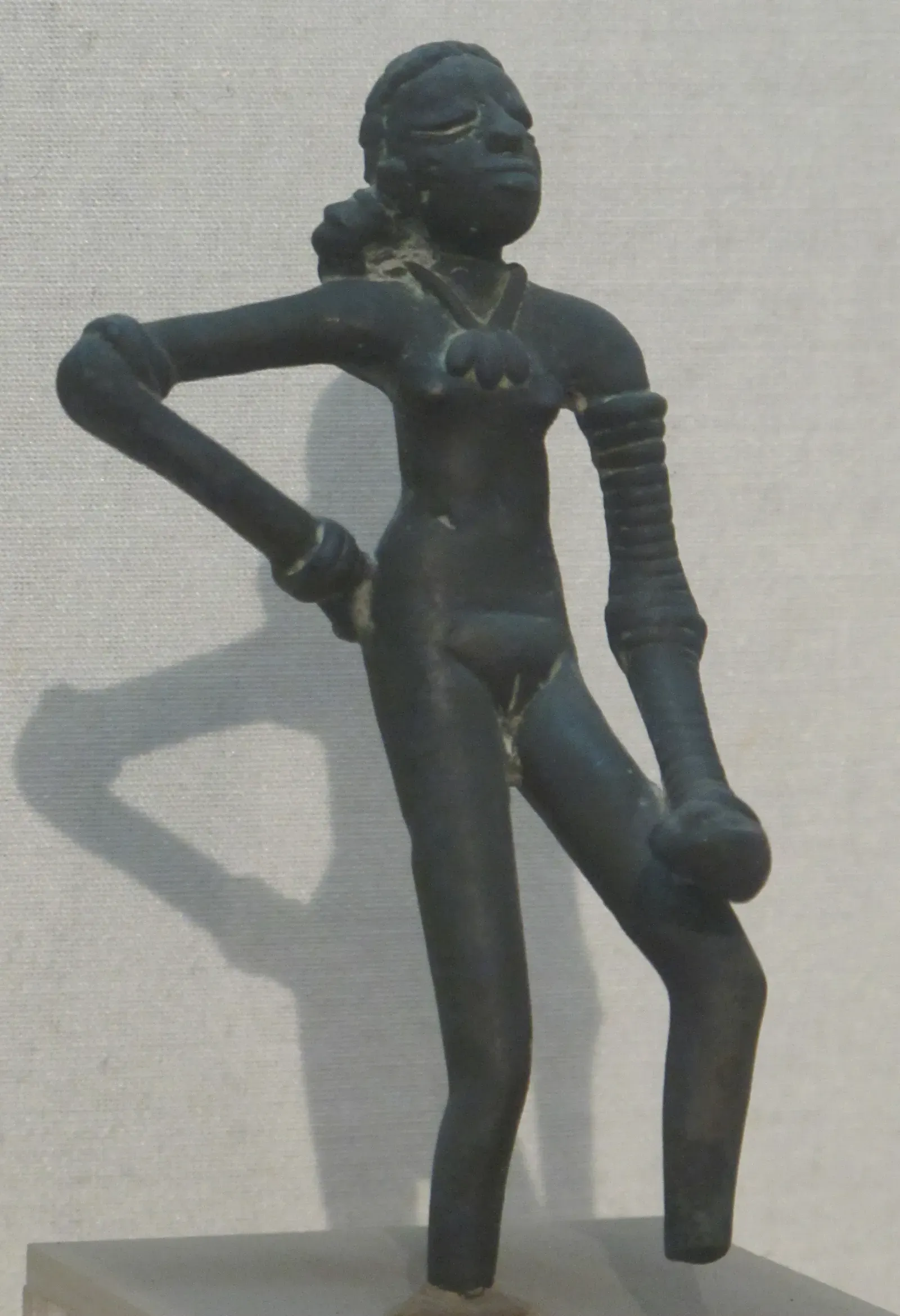
The Dancing Girl is a bronze sculpture made in lost-wax casting around 2300-1750 BC, standing 10.5 centimeters tall, depicting a nude young woman with stylized ornaments in a confident, naturalistic pose, highly regarded as a work of art. When British archaeologist Ernest Mackay found it in 1926, the archaeological community was stunned.
Sir John Marshall reacted with surprise, finding it difficult to believe they were prehistoric, as modelling such as this was unknown in the ancient world up to the Hellenistic age of Greece. The statue seemed impossibly advanced for its age. The girl stands with one hand on her hip in a pose that radiates confidence and personality.
The statue led to two important discoveries: that they knew metal blending, casting and other sophisticated methods, and that entertainment, especially dance, was part of the culture. The lost-wax casting technique required remarkable skill and knowledge of metallurgy. This tiny bronze figure tells us that art wasn’t just functional in the Indus Valley; it was expressive, personal, and valued for its own sake.
The Sudden Decline Without Clear Warfare
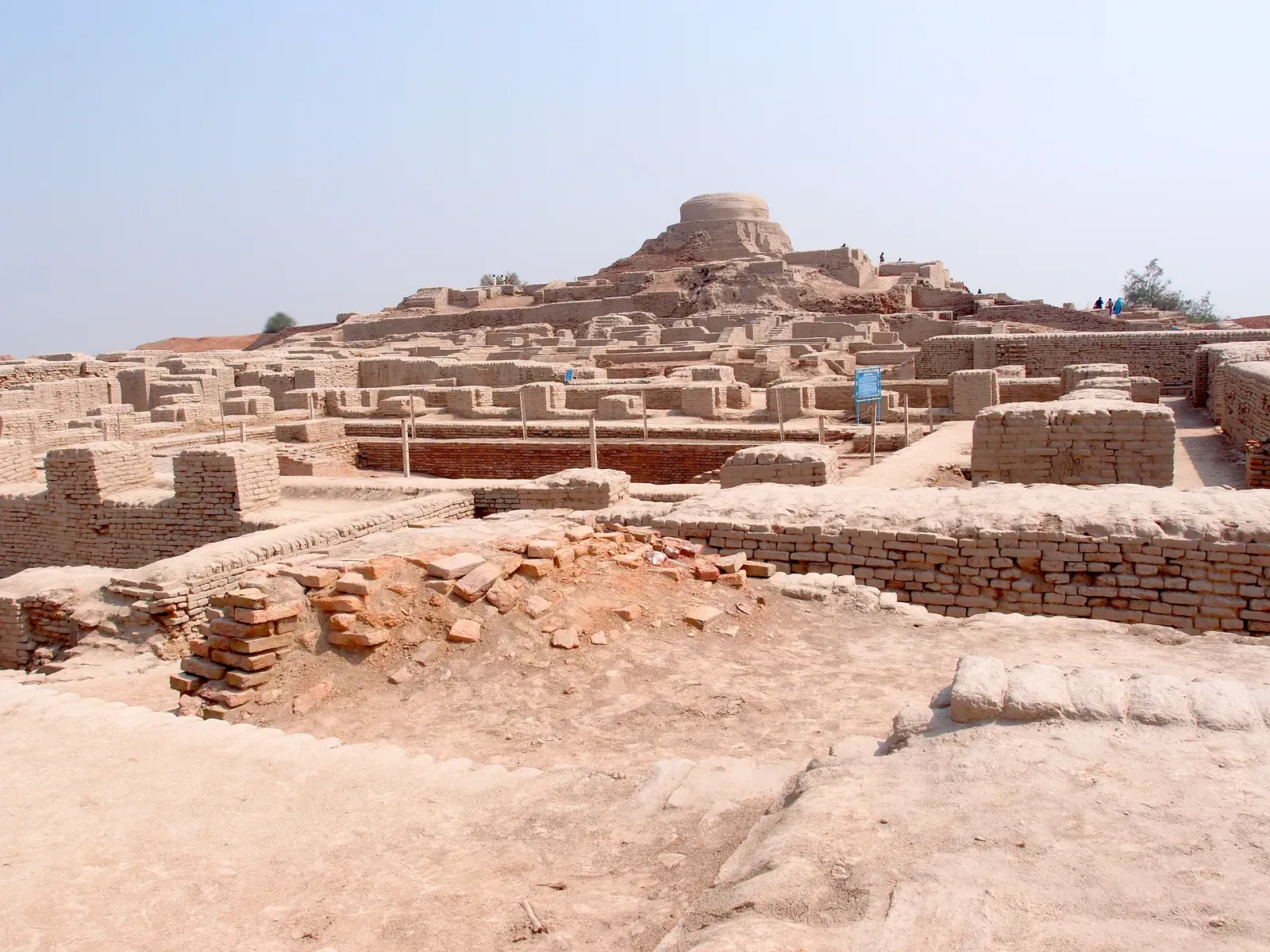
One of the most significant mysteries is the sudden decline and ultimate disappearance around 1900 BCE, with no conclusive evidence of warfare or invasion. This is where things get really puzzling. Most ancient civilizations that collapsed left behind evidence of destruction: burned buildings, scattered weapons, mass graves.
Around 1900 BCE, things in the Indus Valley began to change, with unified systems of weights and measures and planned cities with large populations beginning to fall out of use. Early archaeologists interpreted this as a sudden collapse, but archaeologists today think the evidence points towards a more gradual change.
The advanced drainage system and baths were built over or blocked, writing began to disappear, and standardized weights and measures fell out of use. It’s like the civilization simply unraveled at the seams. Cities weren’t destroyed; they were slowly abandoned. The question that haunts researchers is: why?
The Climate Change Theory That’s Gaining Ground
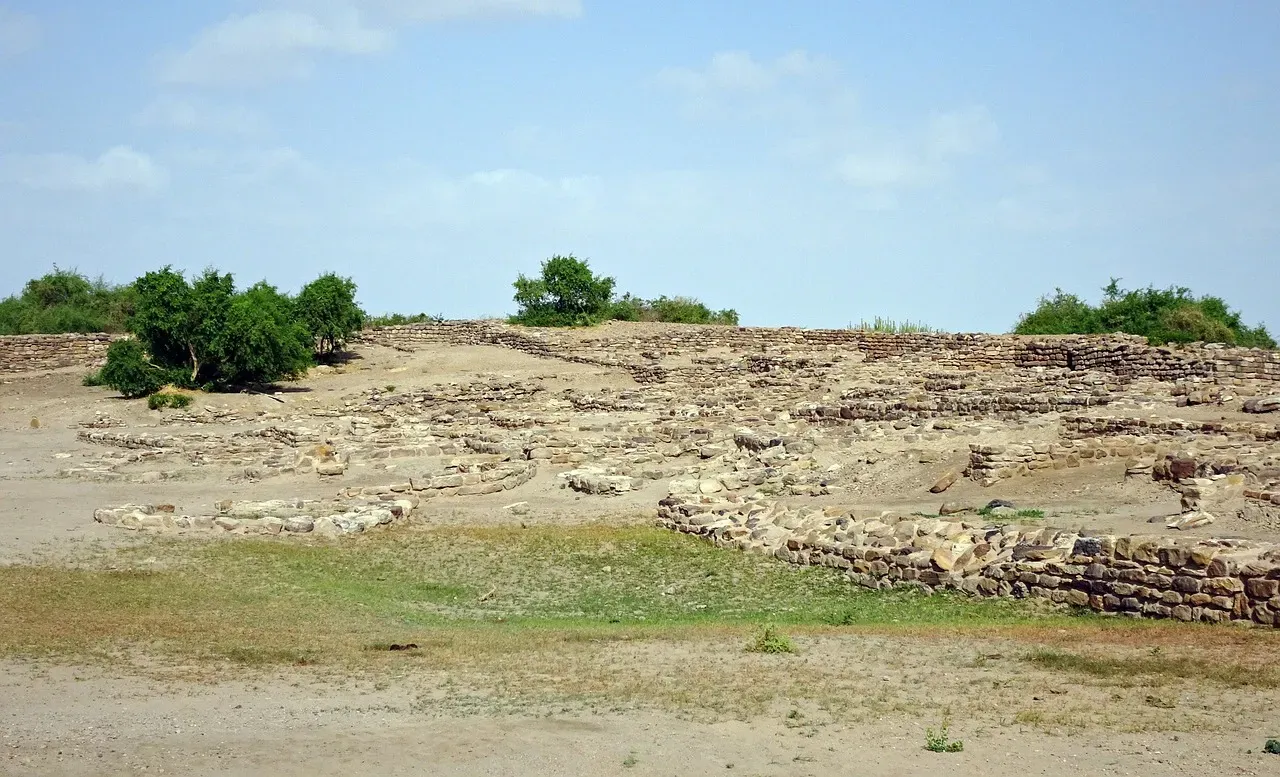
Recent scientific research is finally shedding light on what might have happened. New climate reconstructions show that endured repeated long dry periods that gradually pushed its people toward the Indus River as rainfall diminished. A groundbreaking 2025 study just published adds crucial evidence to this theory.
One particularly long drought lasting 113 years, identified between 3,531 and 3,418 years ago, aligns with archaeological evidence of widespread deurbanization, and researchers conclude the society likely experienced a prolonged and uneven decline with repeated droughts as a significant contributing factor. This wasn’t a single catastrophic event but a slow environmental disaster.
Around 2500 BCE, the intensity of summer monsoons in the Indus River Valley began to decrease, causing droughts and making agriculture difficult for a society that relied heavily on floods for irrigation. Without reliable water, the agricultural base collapsed. Cities that depended on food surpluses couldn’t sustain themselves. People had no choice but to migrate eastward, abandoning the grand urban centers their ancestors had built.
The Absence of Monumental Architecture
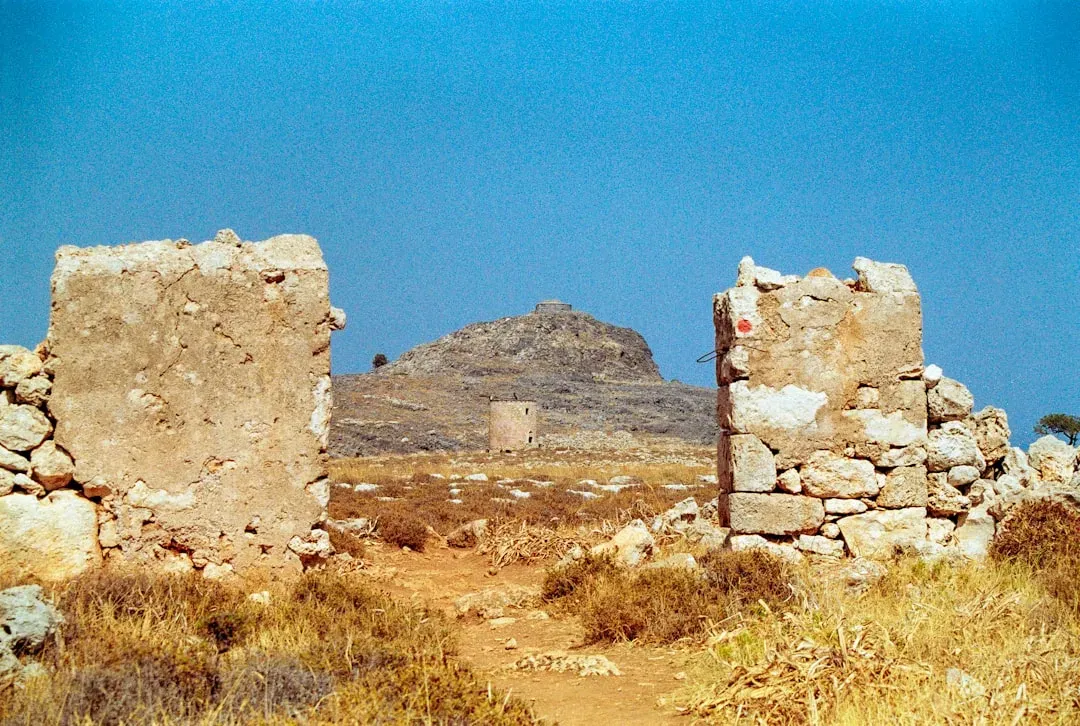
There is no surviving evidence of architectural elaboration, though that may well have been confined to timberwork that has disintegrated. When you visit the ruins of ancient Egypt, you’re overwhelmed by massive pyramids and towering statues. In Mesopotamia, ziggurats dominated the skyline. In the Indus Valley? Nothing like that.
The largest structures are the Great Bath and granaries, which are impressive for their engineering but modest in scale. There are no colossal monuments to gods or kings. Mohenjo-daro had no series of city walls but was fortified with guard towers, and Harappa and Mohenjo-daro were generally not as heavily fortified as other Indus Valley sites.
This absence is itself a mystery. Did the Indus people simply not build large monuments, or have they all disappeared? The uniformity of architecture across cities suggests a shared cultural identity, yet the lack of temples or palaces challenges our assumptions about how ancient societies organized themselves. Maybe their values were just different from other civilizations.
The Lost Trade Networks and Economic Collapse
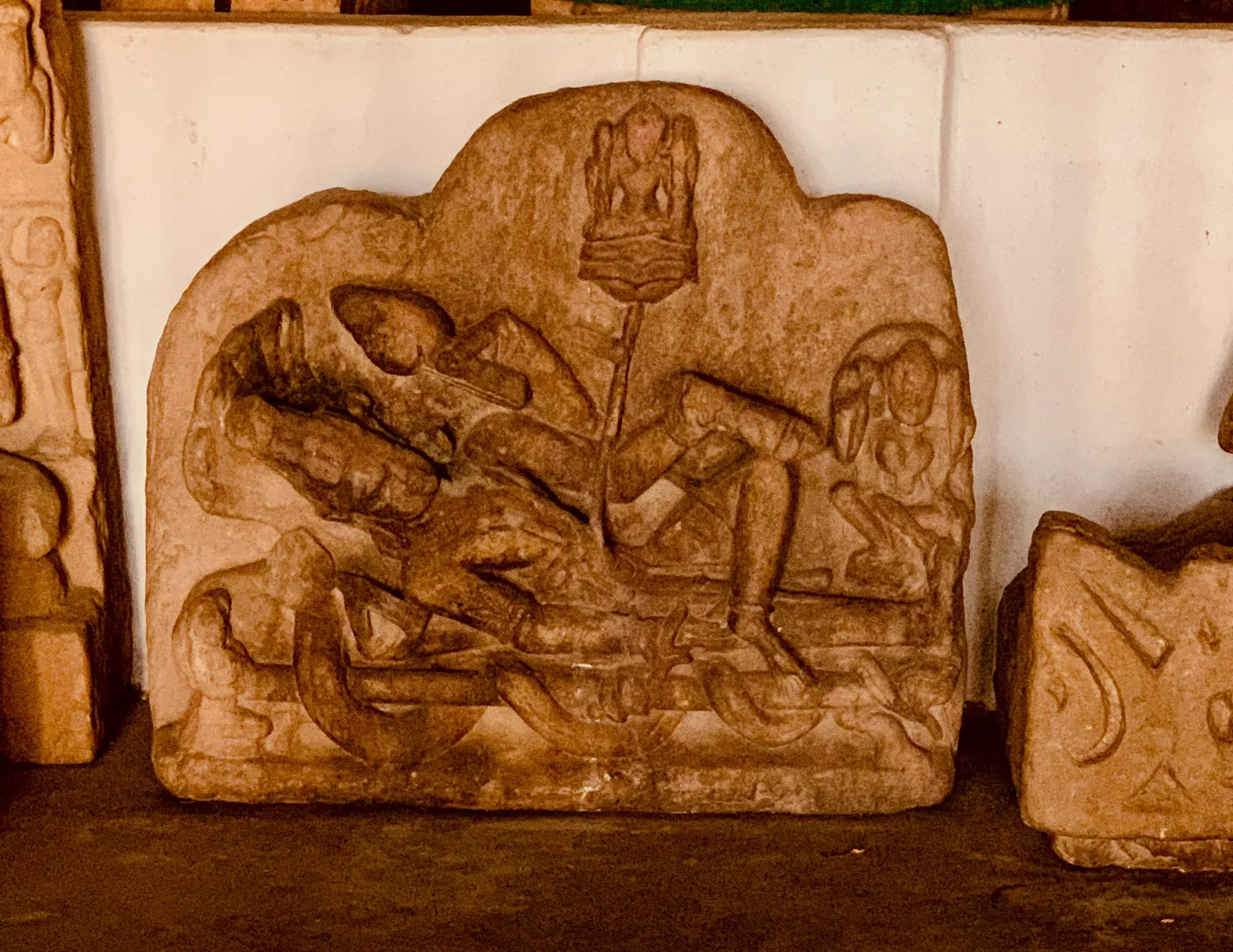
relied heavily on trade with Mesopotamia, with Harappan seals found as far as modern Iraq, but around the same time the Indus cities declined, Mesopotamia faced upheaval, weakening long-distance commerce and causing the economic foundation to crumble.
Archaeological evidence indicates trade with Mesopotamia seemed to have ended, the advanced drainage system and baths were built over or blocked, and writing began to disappear along with standardized weights and measures. The international trade that had brought prosperity dried up along with the rivers.
Without external markets for their goods, the specialized craftspeople and urban economies couldn’t survive. By 1700 BCE the main cities were abandoned with severe depopulation, alongside a marked decrease in long-distance trade, a drop in production of luxury items, and a general shift in population to the east. The collapse wasn’t just environmental or political; it was fundamentally economic. When the trade routes failed, the whole system supporting urban life unraveled.
The Enduring Legacy Nobody Talks About
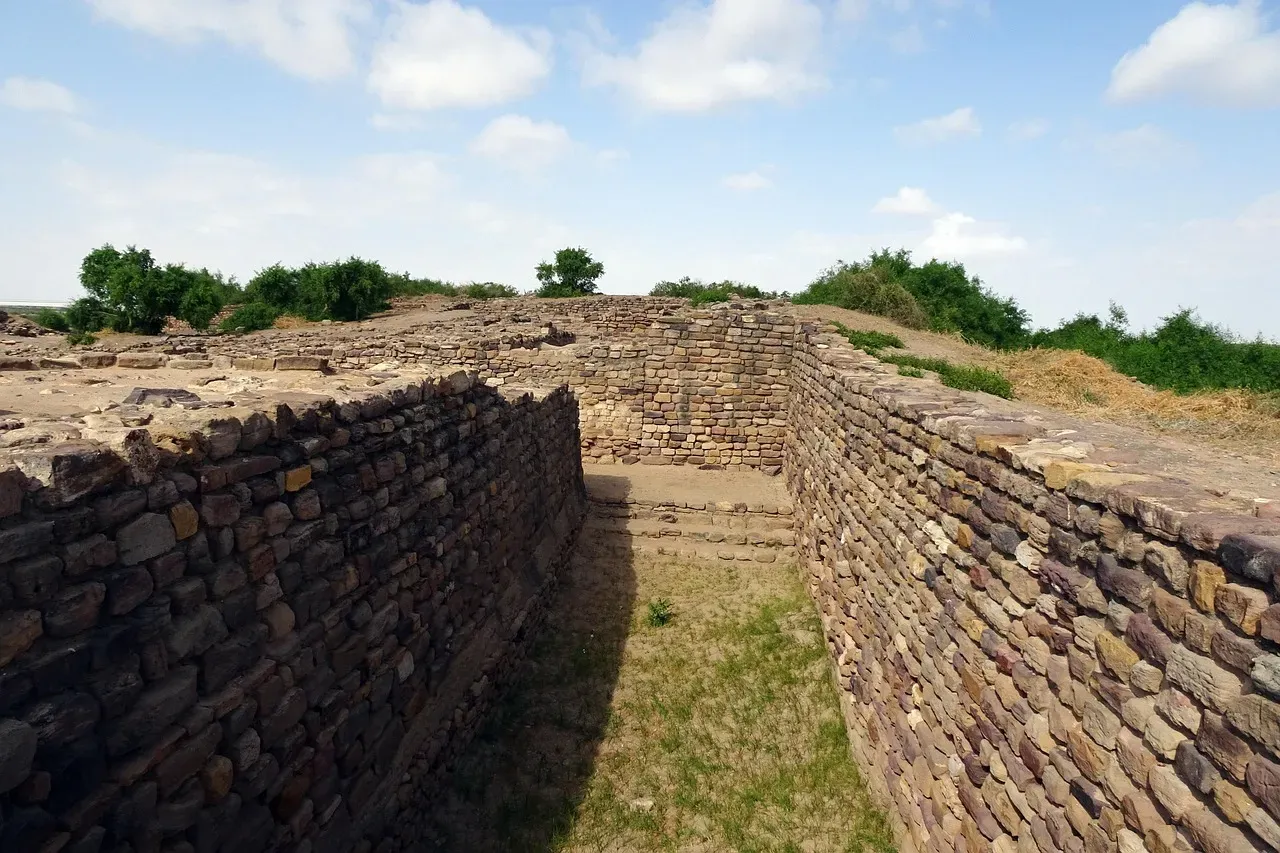
Here’s something that often gets overlooked: Various elements of the Indus Civilization are found in later cultures, suggesting the civilization did not disappear suddenly, with many scholars believing in an Indo-Aryan Migration theory stating the Harappan culture was assimilated. The people didn’t vanish; they transformed.
The traditions of the Indus Valley survived and influenced cultural developments that followed, with continuity seen in settlement patterns, religious iconography like female figurines and yogic postures that may have influenced later Hindu practices. Elements of Indus urban planning, craft traditions, and possibly religious concepts persisted in South Asian culture.
By around 1300 BCE, many Harappan descendants had moved eastward toward the Ganges River forming new communities, with their legacy living on through agricultural practices, craft traditions, and cultural developments. The story of the Indus Valley isn’t really about disappearance but transformation. The grand cities fell silent, the script was forgotten, but the people and their knowledge lived on in new forms.
reminds us that history is filled with gaps we may never fill completely. Despite a century of excavation and research, fundamental questions remain unanswered. While no single theory fully explains its decline, the most compelling evidence points to a combination of environmental change, economic transformation, and gradual social shifts. Perhaps that’s what makes this civilization so fascinating: it challenges our assumptions and keeps its secrets well. What mysteries do you think future discoveries might reveal about these remarkable people?
