

The peregrine falcon is a story of incredible triumph. Once nearly driven to extinction across North America in the decades following World War Two, these magnificent birds of prey have made an astonishing comeback. Their recovery from the devastating effects of DDT pesticide poisoning stands as one of conservation’s greatest success stories.
Today, peregrine falcons thrive throughout the United States. From towering coastal cliffs to high-rise urban buildings, they’ve adapted to diverse habitats with remarkable resilience. Yet their distribution remains uneven. Some states harbor far more breeding pairs than others due to geography, climate conditions, and the availability of suitable nesting sites. Which states lead the pack?
Alaska: The Arctic Powerhouse
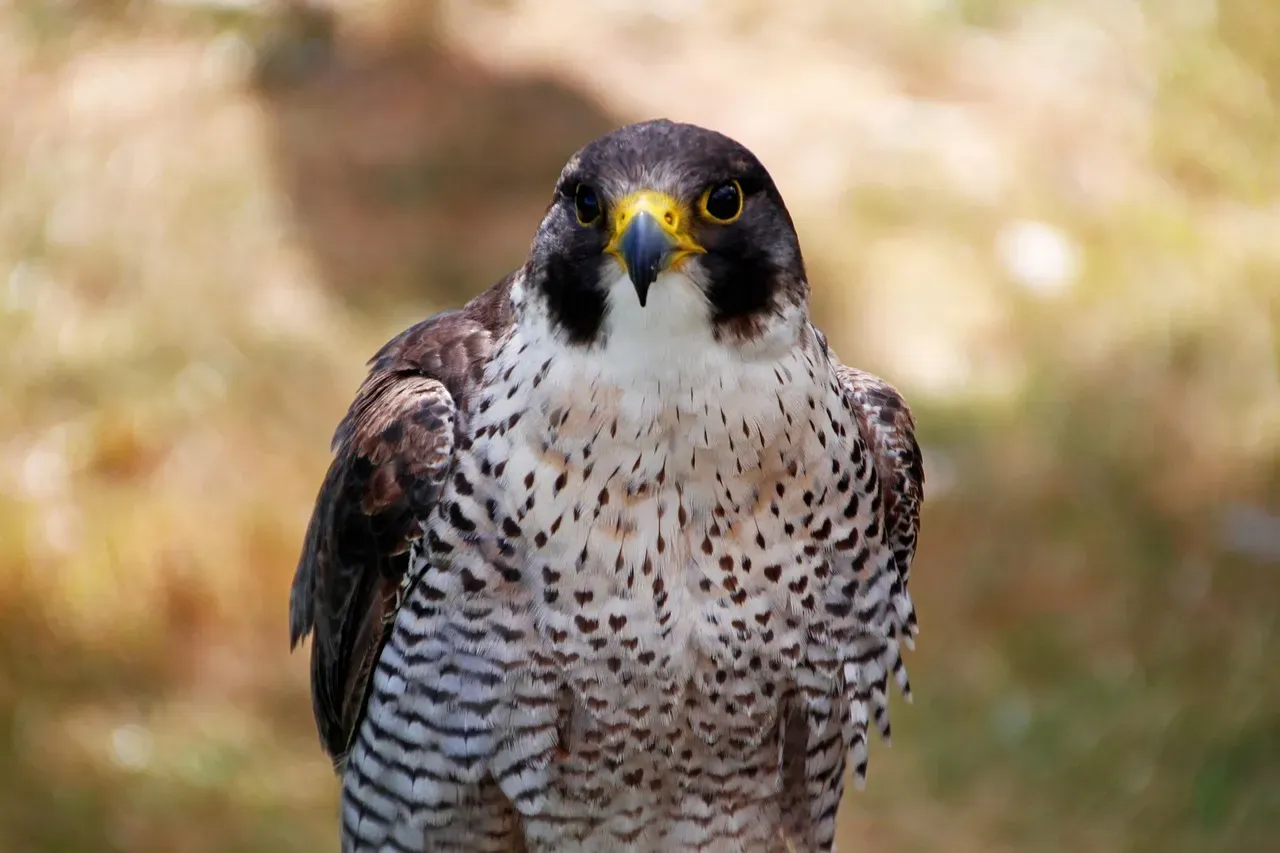
Alaska hosts three distinct population centers for breeding peregrine falcons, including the inland foothill tundra of the arctic slopes, the interior Yukon River system with its delta regions and high mountain drainages, and the Alaska peninsula-Aleutian Islands region. The state’s vast wilderness provides exceptional habitat for these raptors. The American peregrine falcon is found throughout interior Alaska, especially along rivers.
All three North American subspecies occur in Alaska, making it uniquely diverse in terms of peregrine populations. Tundra peregrines breed at higher latitudes in Alaska and Peale’s falcons occur in southern Alaska. The sheer size of Alaska, combined with its relatively untouched natural landscapes and abundant river systems, creates ideal conditions for these magnificent hunters. Think about it this way: more wilderness equals more hunting grounds and nesting sites for falcons that need both space and prey.
Washington: Coastal Recovery Champion
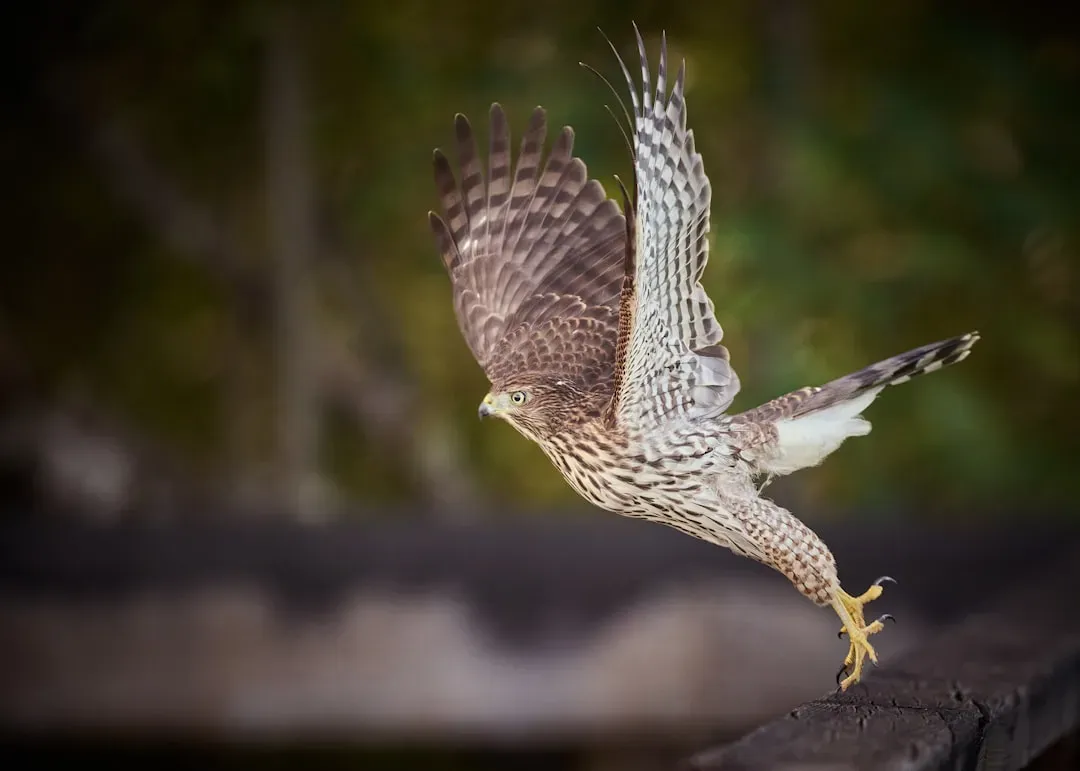
As of December 2021, there were 190 known breeding territories in Washington, far exceeding historical levels. This represents a stunning achievement for a state that once saw these birds vanish completely. The highest densities are along the northern outer coast and San Juan Islands, though they are also found in Cascade Range foothills, along the Columbia River, and in other water bodies within the Columbia Basin.
Washington’s peregrine population demonstrates the power of targeted conservation efforts. Peregrine falcons have experienced a remarkable recovery and the population continues to increase across Washington. The state’s varied geography, from rugged coastlines to mountain ranges, provides optimal habitat diversity. Honestly, Washington’s rapid population growth shows what happens when protective measures work exactly as intended.
California: The Pacific Success Story
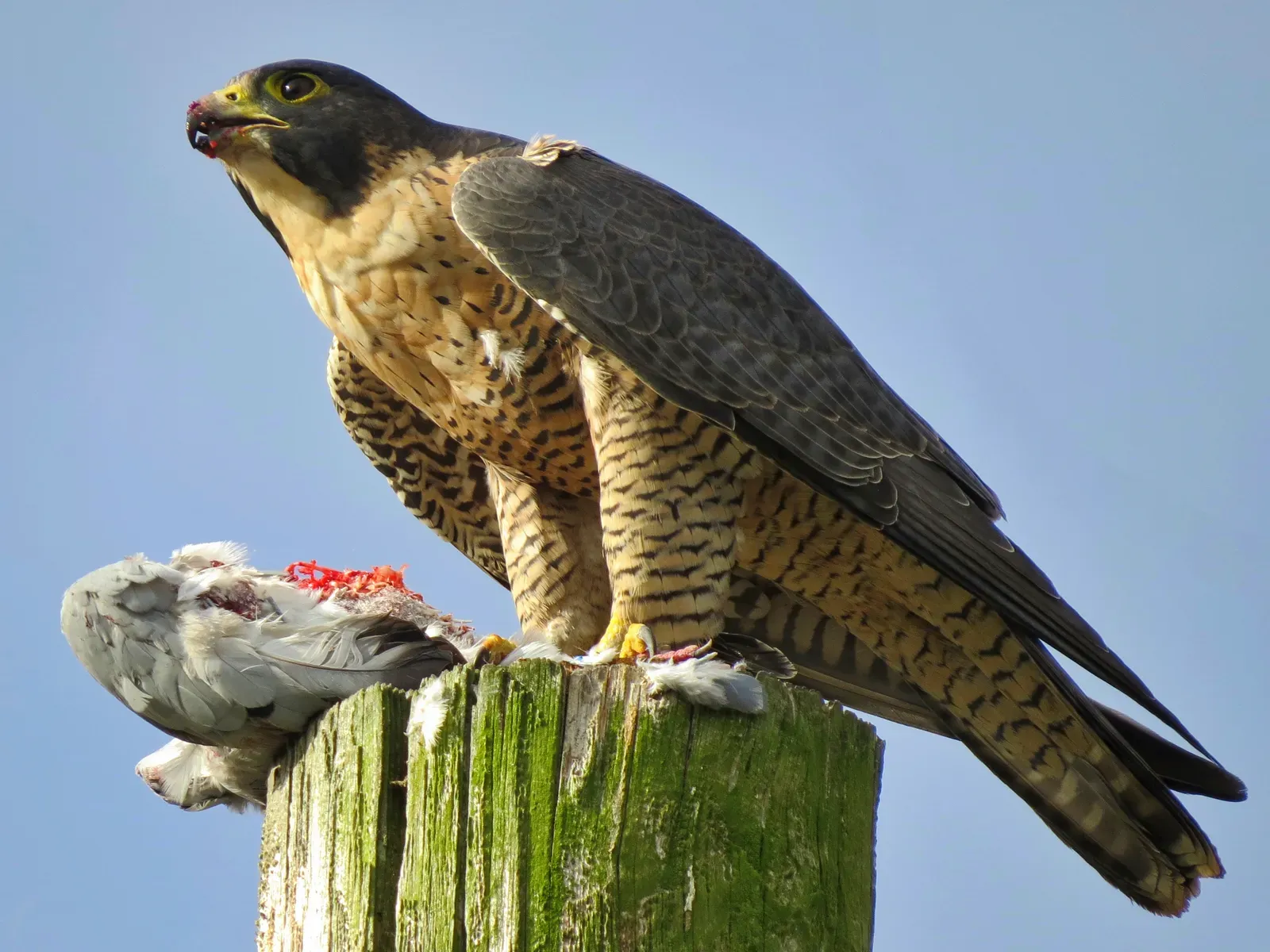
California has long been recognized as a peregrine stronghold. The state’s extensive coastline, mountain ranges, and suitable cliff faces create prime falcon territory. F. p. anatum breeds in Alaska, Canada, and throughout the western states, including California. The Golden State benefits from year-round mild weather in many regions, which supports stable populations that don’t need to migrate.
California’s urban centers have also become unexpected havens for these birds. Cities provide tall buildings that mimic natural cliff ledges, while the abundant pigeon populations offer a reliable food source. The state’s commitment to monitoring and protecting nesting sites has paid substantial dividends. From the Channel Islands to the Sierra Nevada, California’s diverse ecosystems accommodate thriving peregrine communities across multiple habitats.
Virginia: Eastern Coastal Leader
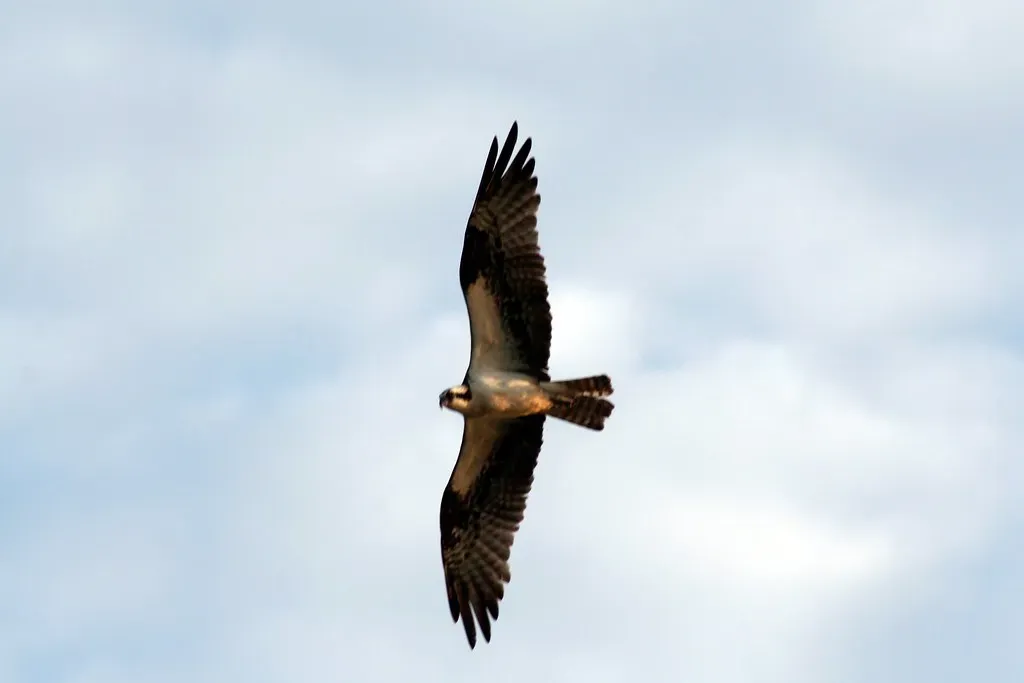
The known population reached a record 35 breeding pairs in 2023, with the population exceeding 28 pairs for the past eight years. Virginia’s success is particularly remarkable given that the entire eastern United States lost its peregrine population by the early 1960s. The highest concentration in the state continues to be along the seaside of the lower Delmarva Peninsula, which supported 10 breeding pairs in 2023.
There have been 24 historical peregrine eyries documented in the Appalachians of Virginia, with seven locations clustered in Shenandoah National Park. The state’s aggressive reintroduction programs and careful monitoring have enabled this stunning recovery. Virginia shows how dedicated conservation work can rebuild populations from complete extirpation to thriving numbers within just a few decades.
New Jersey: Urban Nesting Pioneer
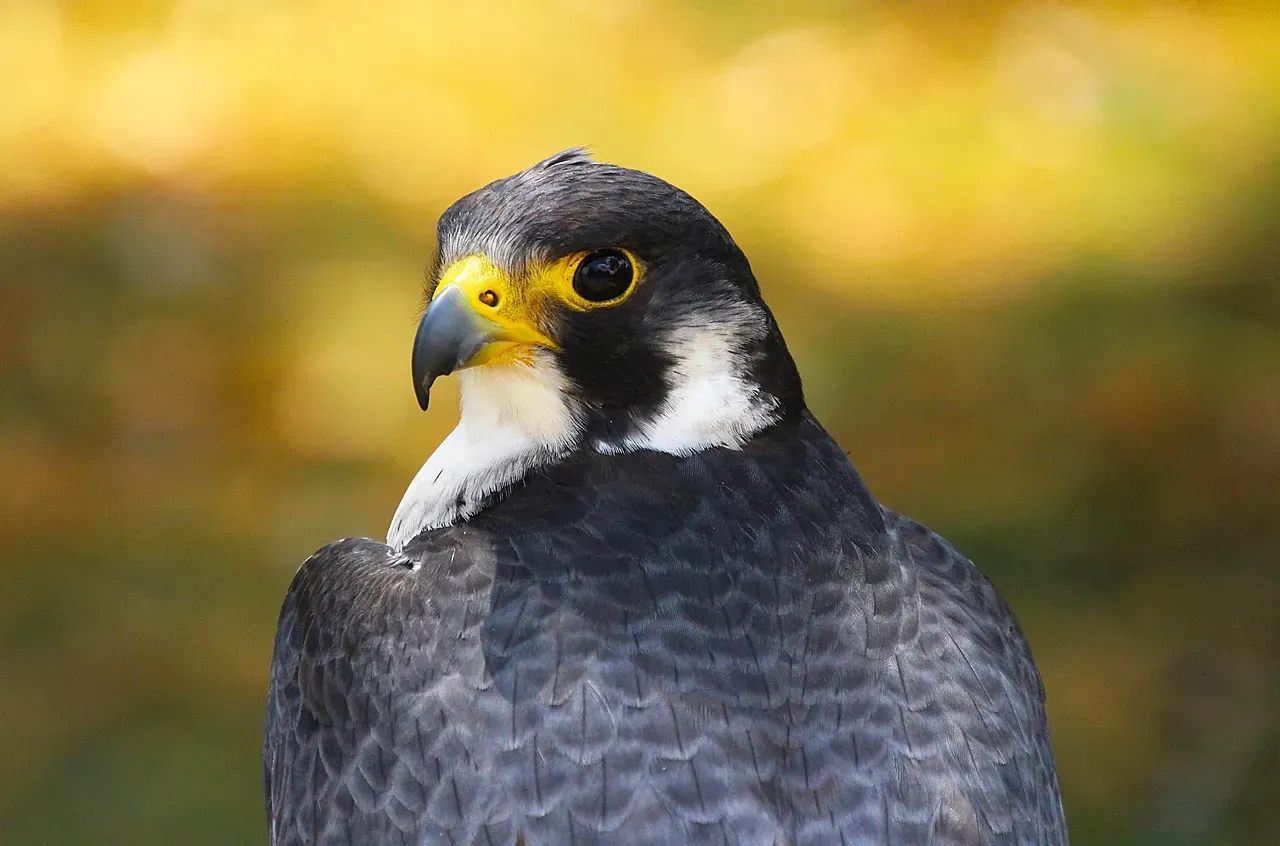
New Jersey might surprise you, given its small size and urban density. Yet this state supports a robust peregrine population, particularly in coastal areas and cities. The state’s location along the Atlantic Flyway makes it critical for both breeding and migrating birds. Of 44 nesting Peregrines, half of them were missing in 2024, with a 50 percent replacement rate, though if you look just at coastal eyries, it’s 63 percent.
New Jersey birds are some of the best-monitored Peregrine Falcons in the world, with most of the nesting adults banded, so researchers know when a falcon goes missing. The state pioneered urban peregrine recovery, establishing nest boxes on bridges, buildings, and other structures. This innovation proved that falcons could thrive in heavily populated areas, inspiring similar programs nationwide. New Jersey’s compact geography works to its advantage, allowing for comprehensive monitoring and rapid response to any threats.
The Conservation Challenge Ahead
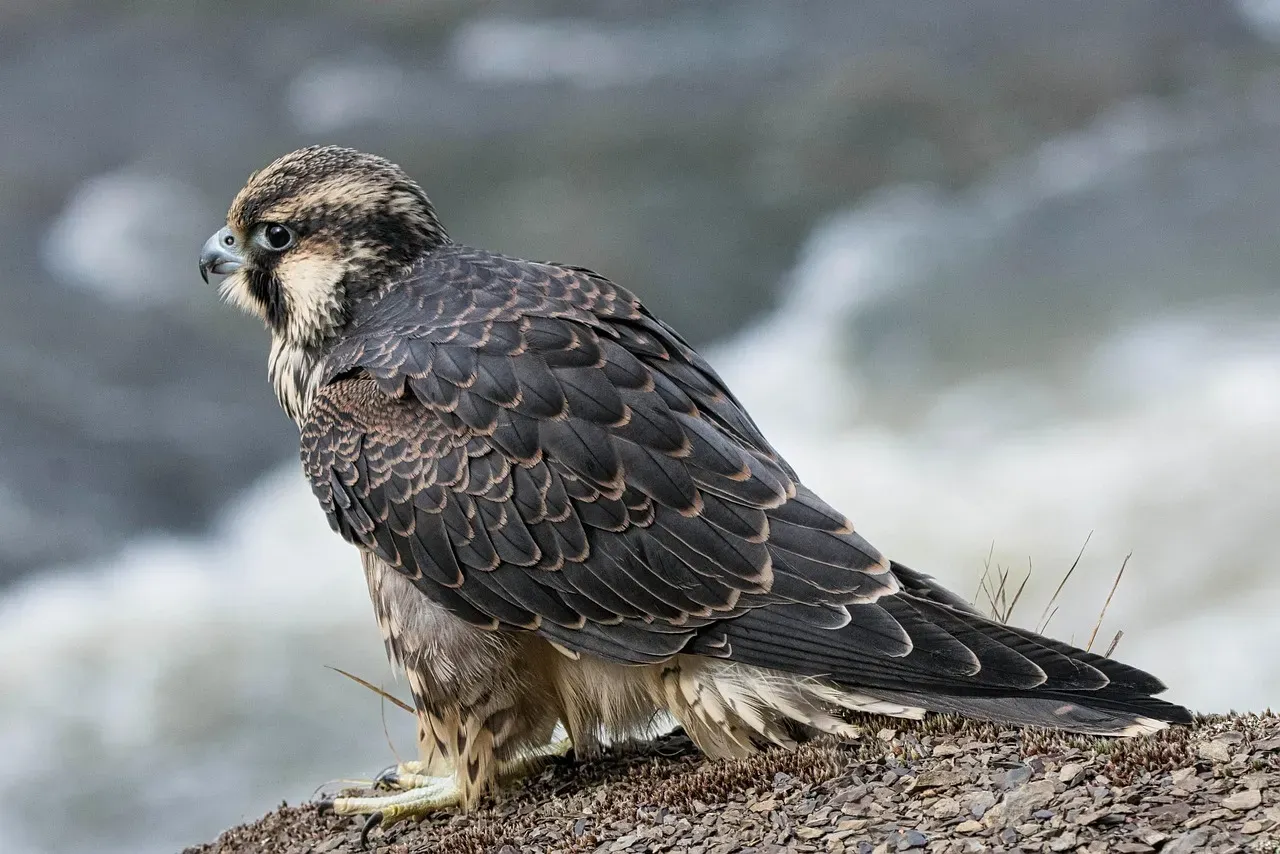
Recent monitoring reveals troubling trends that demand attention. Biologists have noticed similar drops in peregrine numbers in New Jersey, Virginia, Washington and California. Their numbers are heading downward for the first time since the 1960s and ’70s. The suspected culprit is highly pathogenic avian influenza, which has been devastating bird populations worldwide.
These declines remind us that conservation isn’t a one-time achievement. It requires constant vigilance and adaptation to new threats. The states with the highest peregrine populations bear special responsibility for protecting these birds. Their collective efforts will determine whether the peregrine’s remarkable comeback story continues or whether we face another crisis requiring intervention. The expertise and infrastructure these leading states have developed will prove invaluable in addressing whatever challenges lie ahead for these extraordinary raptors.
