

In the symphony of nature, some of Earth’s creatures have evolved remarkable abilities to produce sounds of extraordinary volume. From the thunderous rumble of whales communicating across ocean basins to the deafening chirps of tiny insects, these acoustic marvels have long fascinated scientists and nature enthusiasts alike. Yet, in recent decades, researchers have observed a troubling trend: many of the planet’s loudest animals are falling silent or significantly reducing their vocal activities. This acoustic dimming represents more than just a curiosity—it signals profound changes in our natural world with far-reaching implications for biodiversity, ecosystem functioning, and even human well-being. This article explores the fascinating world of nature’s sound champions, examines why they’re becoming quieter, and considers what this means for our planet’s future.
Nature’s Sound Champions: Who Are the World’s Loudest Animals?

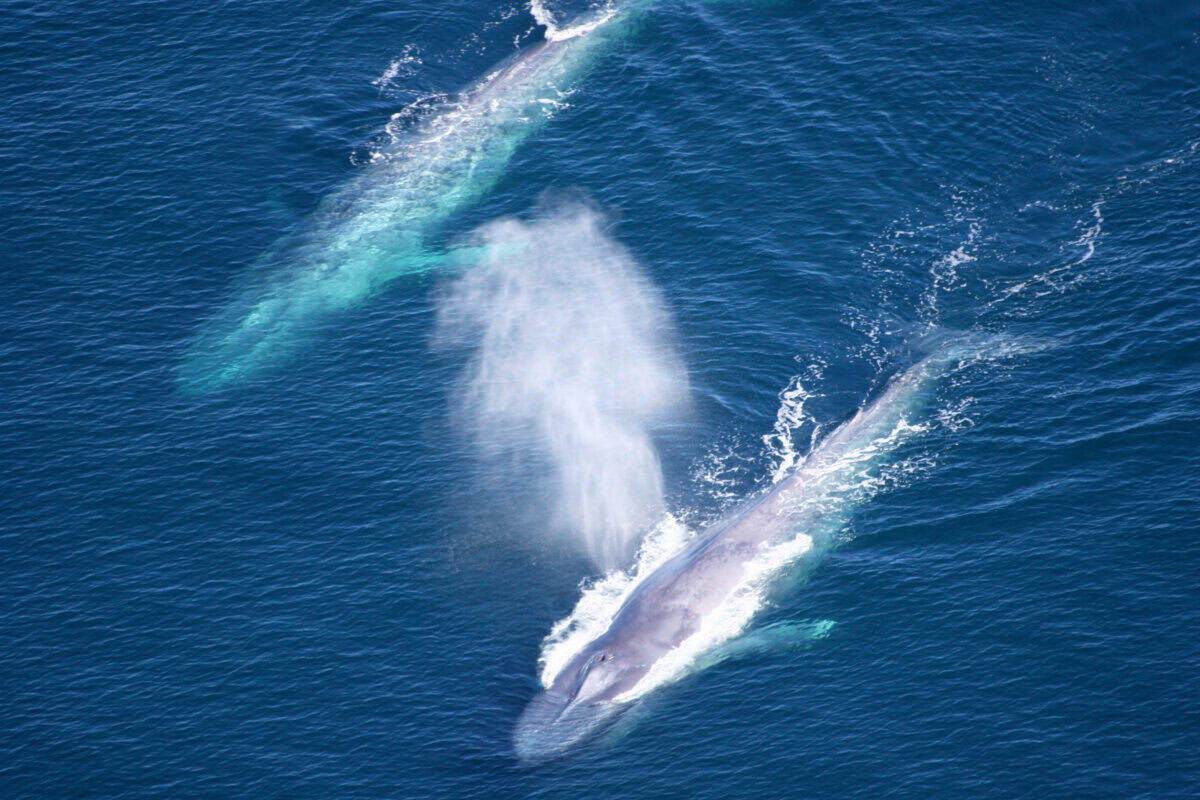
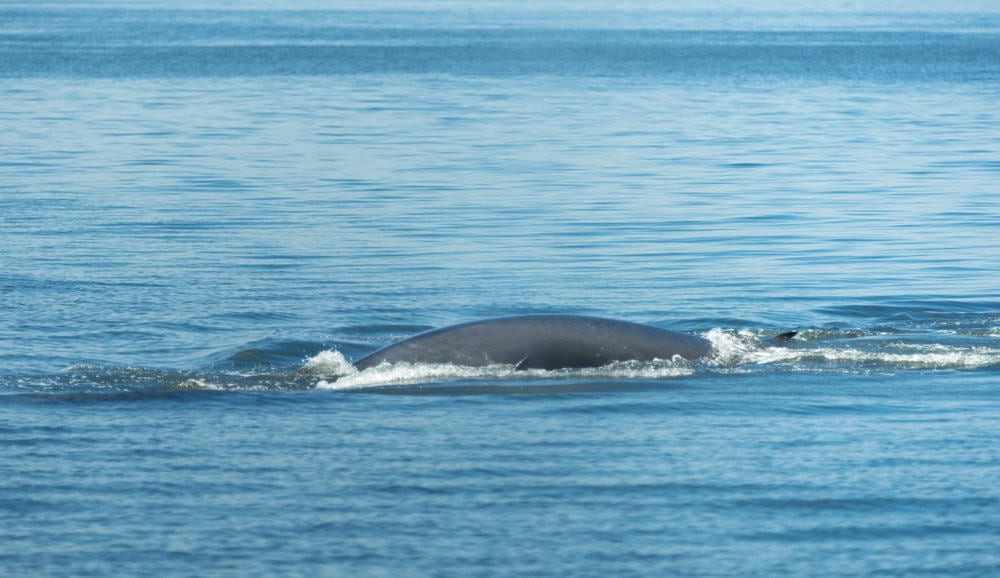
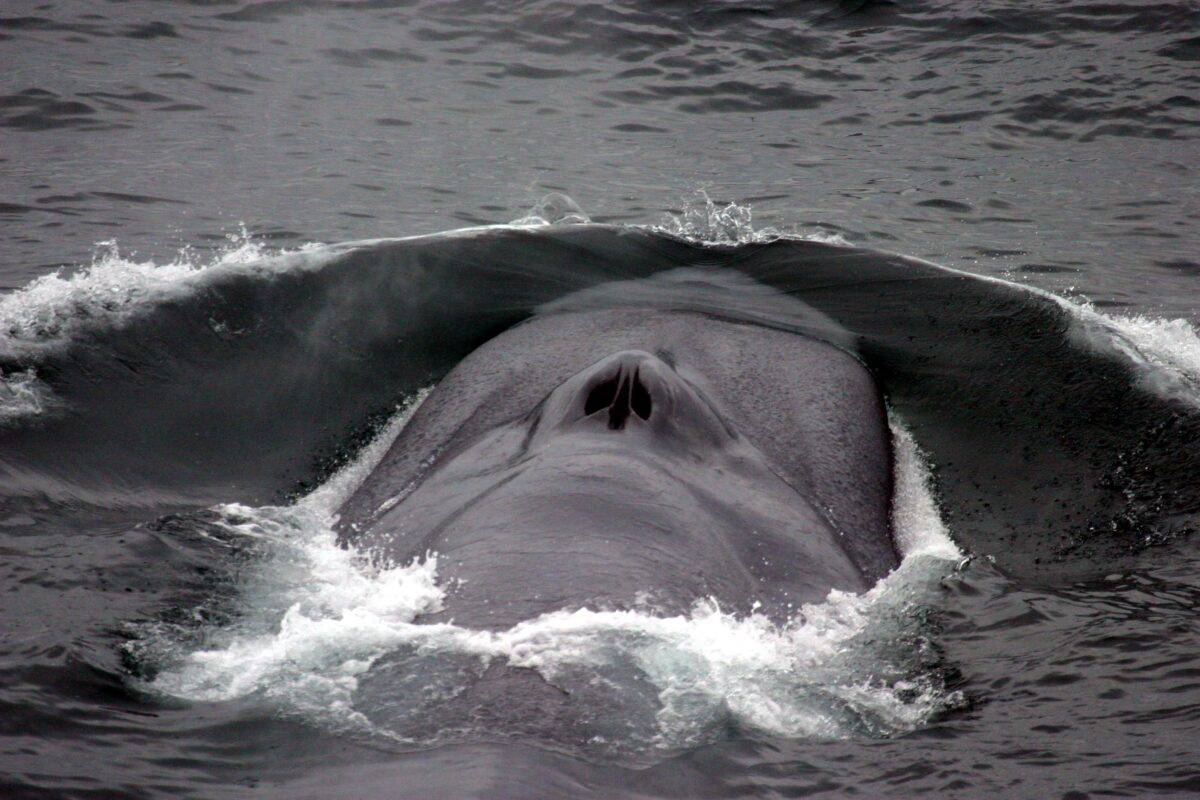
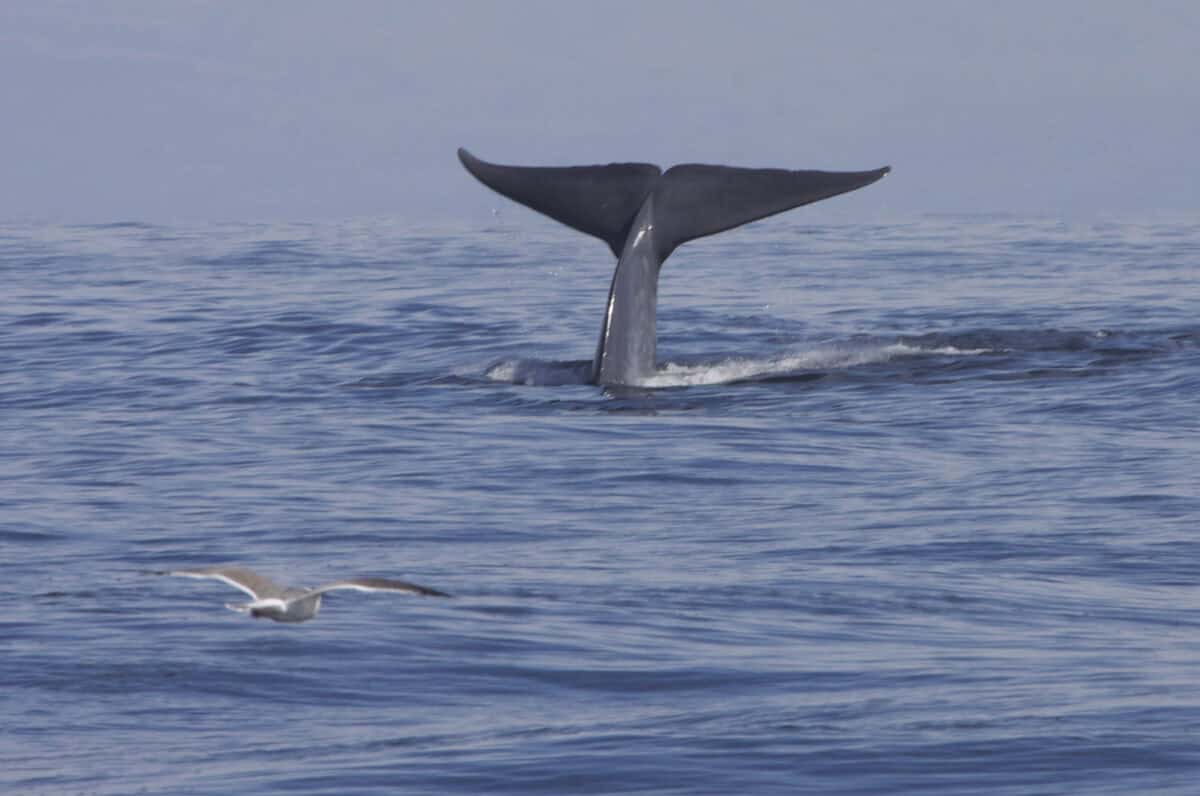
Before we can understand why these animals are going quiet, we should identify nature’s acoustic superstars. The undisputed champion is the sperm whale, whose clicking sounds can reach an astonishing 230 decibels underwater—louder than a rocket launch. The blue whale follows closely, with calls that can travel hundreds of miles through ocean waters. On land, the howler monkey reigns with screams reaching 140 decibels, while the tiny pistol shrimp creates a cavitation bubble that collapses with such force it produces a 200-decibel pop.
Among insects, the cicada chorus can reach 106 decibels, and the water boatman—remarkably—produces the loudest sound relative to body size by rubbing its penis against its abdomen. Each of these sound specialists has evolved its acoustic abilities for specific purposes: finding mates, defending territory, coordinating group activities, or hunting prey. Their vocalizations represent millions of years of evolutionary adaptations finely tuned to their environments—environments that are now rapidly changing.
The Human Noise Factor: How Anthropogenic Sound Is Drowning Out Wildlife

One of the primary reasons animals are going quiet is the dramatic increase in human-generated noise. Over the past century, industrialization, urbanization, and transportation networks have created an unprecedented acoustic environment. Ship traffic has increased ambient ocean noise by approximately 32 decibels since pre-industrial times—a doubling of noise intensity every decade in some regions. In terrestrial environments, highways, aircraft, industrial activity, and even recreational vehicles have created noise “hotspots” where background sound levels regularly exceed 65 decibels.
This acoustic smog forces animals into difficult choices: call louder (which requires more energy), change the timing or frequency of their calls, or simply fall silent. Research shows that birds in urban areas sing at higher frequencies to avoid competition with low-frequency traffic noise, while certain frog species have abandoned calling entirely in areas near highways. This acoustic competition represents a fundamental disruption to communication systems that evolved over millions of years, suddenly challenged by human activities that emerged in just a few generations.
Habitat Loss and Fragmentation: Breaking Up Nature’s Concert Halls
Beyond noise pollution, the physical destruction and fragmentation of habitats directly impact animal communication. When forests are cleared, grasslands converted to agriculture, or wetlands drained, the acoustic properties of these environments fundamentally change. Sound travels differently through open farmland than through a multi-layered forest canopy. For example, studies in the Amazon have documented how deforestation has disrupted the carefully evolved “acoustic niches” where different species vocalize at specific frequencies to avoid overlap. When habitats are fragmented, animal populations become isolated, reducing the need for long-distance communication.
In the United States, the once-continent-spanning calls of wolves have been reduced to isolated pockets, while in Southeast Asia, the territorial calls of gibbons now echo in forest fragments instead of continuous canopy. Additionally, when population densities decline due to habitat loss, the famous “chorus effects” of species like frogs, crickets, and cicadas become muted, as fewer individuals remain to contribute to the collective sound. This acoustic degradation represents another dimension of biodiversity loss beyond the simple counting of species presence or absence.
Climate Change: Altering the Rhythms of Nature’s Symphony

Climate change is silencing animals through multiple mechanisms. Rising temperatures directly affect the physiology of many sound-producing animals, particularly ectothermic species like frogs, insects, and reptiles whose body temperature depends on external conditions. For instance, research on North American spring peepers shows that higher temperatures alter both their calling rate and duration. Ocean acidification—caused by seawater absorbing excess atmospheric carbon dioxide—changes the physical properties of water, affecting how sound travels and potentially disrupting the communication of marine mammals and fish.
Shifting seasons have desynchronized the timing of breeding choruses, with some species calling earlier while others maintain traditional schedules, leading to reduced collective volumes. Perhaps most dramatically, extreme weather events like droughts can eliminate entire calling populations of amphibians when breeding ponds disappear. In Australia, researchers have documented the weakening of dawn choruses in areas affected by increasingly severe and frequent wildfires, as bird populations take years to recover their numbers and vocal behaviors.
Declining Population Numbers: Fewer Voices in the Chorus

The global biodiversity crisis provides perhaps the most straightforward explanation for quieter natural soundscapes: there are simply fewer animals to make noise. The World Wildlife Fund’s Living Planet Index reports an average 68% decrease in monitored wildlife populations between 1970 and 2016. This staggering loss affects acoustic environments profoundly. When thousands of passenger pigeons once darkened American skies, their wingbeats and calls created a constant thunder; today, they’re extinct.
The North Atlantic right whale, with only about 350 individuals remaining, calls less frequently as finding mates across vast ocean distances becomes increasingly unlikely. Insect biomass has declined by 75% in some regions over the past few decades, dramatically reducing the volume of nighttime choruses that once defined summer evenings. Each lost individual represents not just a number in population statistics but a voice silenced in nature’s symphony. These population declines create a feedback loop: as animals become rarer, they vocalize less, further reducing the chances of finding mates and accelerating their decline.
Behavioral Adaptations: Changing Communication Strategies

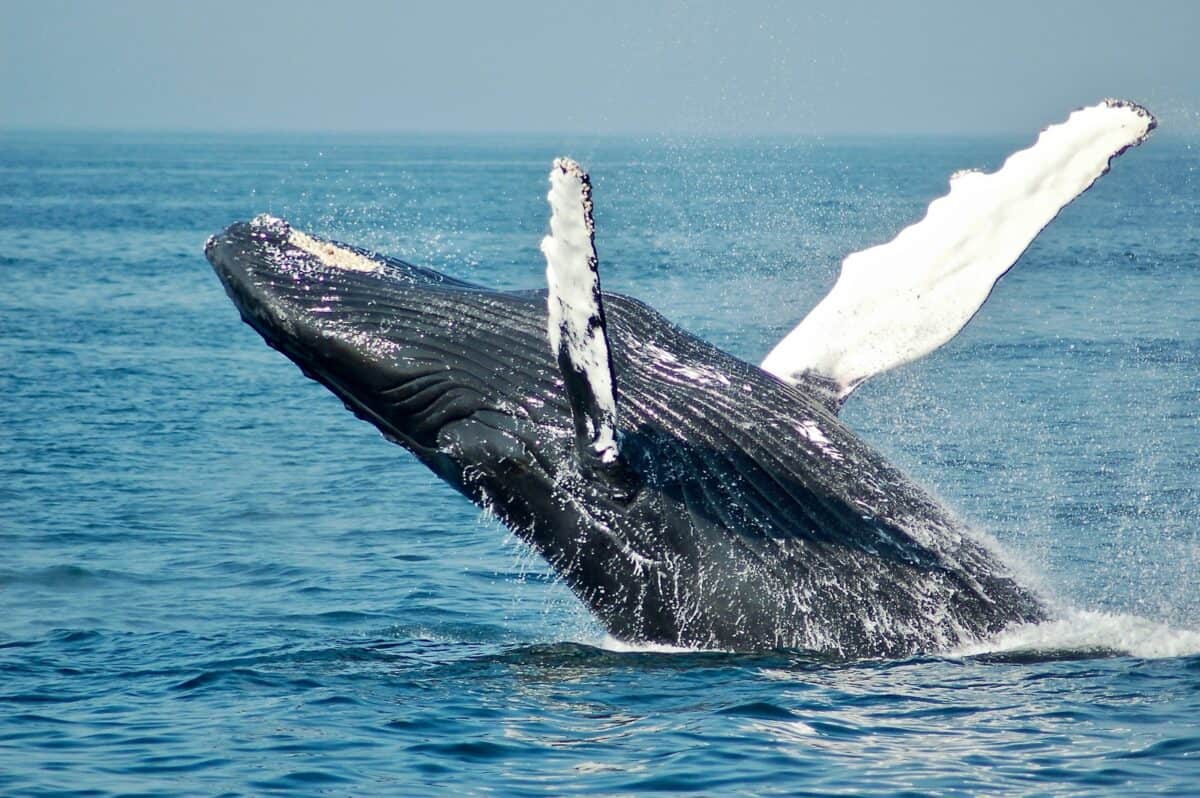
Animals aren’t passive victims of these changes—many species are actively modifying their communication behaviors in response to changing conditions. Urban great tits sing at night to avoid daytime noise competition, effectively creating a new temporal niche for their communications. Male humpback whales in noise-polluted waters have been observed switching from complex songs to simple repeated patterns that can better cut through ship noise. Some frogs have increased the frequency of their calls to avoid masking by low-frequency human noise, while others call less frequently but with greater intensity.
Prairie chickens have altered their booming displays in areas with wind turbines, calling less frequently when blades are in motion. These behavioral adaptations demonstrate remarkable plasticity but come with costs: changed calling patterns may be less attractive to potential mates, require more energy, or fail to communicate important information about territory or predators. Furthermore, not all species have the capacity for such rapid behavioral adaptation—those with genetically fixed communication patterns may simply fall silent when their acoustic environment changes beyond tolerable limits.
Sensory Pollution: When Light Drowns Out Sound

Interestingly, light pollution also contributes to quieter animal soundscapes. Many vocal animals—particularly insects, amphibians, and birds—synchronize their sound production with natural light cycles. Artificial light at night disrupts these patterns, causing some species to call at inappropriate times when potential mates aren’t receptive or predators are more active. In the Netherlands, male European robins in light-polluted areas sing at night when their songs are less effective for territory defense.
Fireflies, which use both light signals and (in some species) sounds for mating communication, face dual disruption from artificial lighting that interferes with their visual signals and noise that masks their acoustic ones. Research in Brazil has shown that artificial lighting reduced frog calling activity by up to 70% in affected areas. This intersection of multiple sensory pollutants—light, noise, even chemical pollutants that affect olfactory communication—creates a perfect storm of communication challenges for many species, leading many to simply stop trying to make themselves heard in environments where their signals no longer function effectively.
Predator-Prey Dynamics: The Risky Business of Making Noise
Sound production has always involved trade-offs for animals—calling attracts mates but may also attract predators. Human activities have dramatically altered these risk calculations. In areas with introduced predators, native species often reduce their calling activity in response to unfamiliar threats. Australian frogs exposed to invasive cane toads call less frequently, while birds near hawk release sites show reduced singing behavior. More subtly, human presence itself can trigger perceived predation risk; studies show that even non-lethal recreational activities like hiking or wildlife photography can cause animals to reduce their vocal behaviors.
The “landscape of fear” created by human activity often silences animals even when they aren’t directly harmed. Conversely, when apex predators are removed from ecosystems—as has occurred in many regions—prey species may alter their calling behavior in the absence of top-down control. The reintroduction of wolves to Yellowstone, for example, changed elk behavior, including their vocalizations during rutting season, as they balanced mate attraction against predation risk. These shifting predator-prey dynamics create complex changes in acoustic landscapes that ripple through entire ecosystems.
Ocean Acoustics: The Crisis Beneath the Waves

Marine environments face particularly severe acoustic challenges. Water conducts sound more efficiently than air, making underwater animals especially vulnerable to noise pollution. The constant low-frequency rumble of commercial shipping has created a situation where some whale species have lost up to 80% of their communication range compared to pre-industrial conditions. High-intensity sonar used in military operations has been linked to mass strandings of beaked whales and other cetaceans that rely on sound for navigation and feeding. Seismic surveys for oil and gas exploration produce some of the loudest human-made sounds in the oceans, with airguns generating pulses exceeding 200 decibels.
These activities have measurably reduced calling rates in multiple whale species, with blue whales calling up to 70% less during seismic operations in their vicinity. Even fish and invertebrates are affected—studies show that reef fish reduce their chorusing behavior in the presence of boat noise, while snapping shrimp, whose clicks form the background crackling of healthy coral reefs, snap less frequently in noise-polluted waters. With plans for increased shipping, offshore energy development, and resource extraction, ocean noise levels are projected to continue rising, further silencing marine soundscapes.
Cultural Dimensions: The Loss of Iconic Soundscapes

Beyond the ecological implications, the quieting of natural soundscapes represents a profound cultural loss. Many iconic sounds have deep significance in human cultures—the dawn chorus celebrates spring’s arrival across cultures, loon calls epitomize wilderness experiences in North America, and cicada emergences mark the passage of time in East Asian traditions. Indigenous knowledge systems often incorporate animal sounds as important cultural reference points and seasonal indicators. As these sounds diminish, we lose not just biodiversity but biocultural diversity—the intersection of biological and cultural richness that has shaped human experience for millennia.
This loss is particularly acute for communities with strong traditional connections to specific soundscapes, such as Indigenous peoples whose ecological calendars may be disrupted when familiar sounds occur at different times or not at all. The growing field of acoustic ecology recognizes these connections, documenting how soundscape changes affect human well-being and cultural continuity. Projects like the Cornell Lab of Ornithology’s Macaulay Library are racing to record vanishing animal sounds before they disappear entirely, preserving acoustic heritage that future generations might otherwise never experience.
Conservation Implications: Why Animal Sounds Matter

The silencing of animal sounds has profound implications for conservation science and practice. Bioacoustic monitoring—using sound recordings to assess biodiversity—has become an essential tool for tracking ecosystem health, but depends on animals actually making noise. When species fall silent, they become effectively invisible to acoustic surveys, creating false negatives that may mask ongoing declines. More fundamentally, many ecological processes depend on acoustic communication: pollination services by bats and birds require them to locate flowering plants through sound and echolocation; predator-prey dynamics often involve acoustic cues; and territorial spacing in many species is maintained through vocal displays.
When these communication systems break down, ecosystem functions suffer. There’s also growing evidence that soundscapes themselves have conservation value—the sounds of healthy ecosystems can facilitate recovery when played in degraded areas, attracting dispersing animals and potentially accelerating restoration efforts. Conservation biologists increasingly recognize that protecting biodiversity means protecting not just species and habitats but also the acoustic environments that enable animal communication. This “acoustic conservation” represents a new frontier in the effort to preserve functioning ecosystems.
Solutions and Hope: Restoring Nature’s Voice
Despite these challenges, there are promising efforts to restore natural soundscapes. Noise reduction initiatives in marine protected areas have shown that wildlife can respond quickly when acoustic conditions improve. The International Maritime Organization has adopted guidelines to reduce ship noise, while some national parks have implemented “quiet zones” or restricted motorized activity during critical breeding seasons. Technological innovations like quieter engines, sound-dampening barriers around highways, and modified industrial equipment can significantly reduce anthropogenic noise at the source.
Meanwhile, habitat restoration projects increasingly consider acoustic characteristics in their design, creating conditions that allow vocal animals to reestablish communication networks. The European Union’s Environmental Noise Directive recognizes natural quiet as a resource worthy of protection, while the U.S. National Park Service has established a dedicated program for soundscape conservation. Most encouragingly, some success stories demonstrate reversibility: humpback whales have increased their singing activity in areas where shipping was reduced during the COVID-19 pandemic, while the return of wolves to parts of Europe has restored howling to landscapes where it had been absent for generations. These examples suggest that with appropriate protection and management, many of nature’s sounds can return to environments where they had fallen silent.
Conclusion: Listening to a Changing World
The quieting of the world’s loudest animals represents one of the most profound yet underappreciated aspects of global environmental change. From the depths of the oceans to forest canopies and urban parks, the acoustic dimension of biodiversity loss affects ecosystems in ways we are only beginning to understand. This silencing reflects multiple interacting pressures: direct noise pollution that masks animal sounds, habitat destruction that eliminates calling sites, climate disruptions that alter communication patterns, and population declines that remove individual voices from nature’s chorus.
The consequences extend beyond aesthetic loss to fundamental ecological processes that depend on acoustic communication for their functioning. Yet this crisis also presents unique opportunities for conservation—reducing noise pollution often delivers immediate benefits, and acoustic monitoring provides powerful tools for assessing ecosystem recovery. Perhaps most importantly, by learning to listen more carefully to the sounds of nature, we might develop greater appreciation for the complex communication networks that sustain life on Earth, motivating more effective protection of the remarkable creatures that fill our world with sound.

From exploring the marine wonders in the Azores and witnessing the vast savannas of Kenya, to delving deep into the rich biodiversity of South Africa and traversing iconic landscapes in Australia and the US like Yellowstone, Chris's experiences are vast.
With a penchant for diving alongside sharks, the ocean holds a special place in his heart.
Through his academic insights, he champions wildlife conservation, striving with 'Animals Around The Globe' to cultivate a profound connection between humans and animals, enhancing our mutual appreciation.
Connect with him at Feedback@animalsaroundtheglobe.com.
- The Anatomy of a Spider: What Makes It So Unique? - July 19, 2026
- The Largest Wolf Pack Ever Tracked in the Wild - July 19, 2026
- Saving Manatees in Florida’s Warming Waters - July 19, 2026