
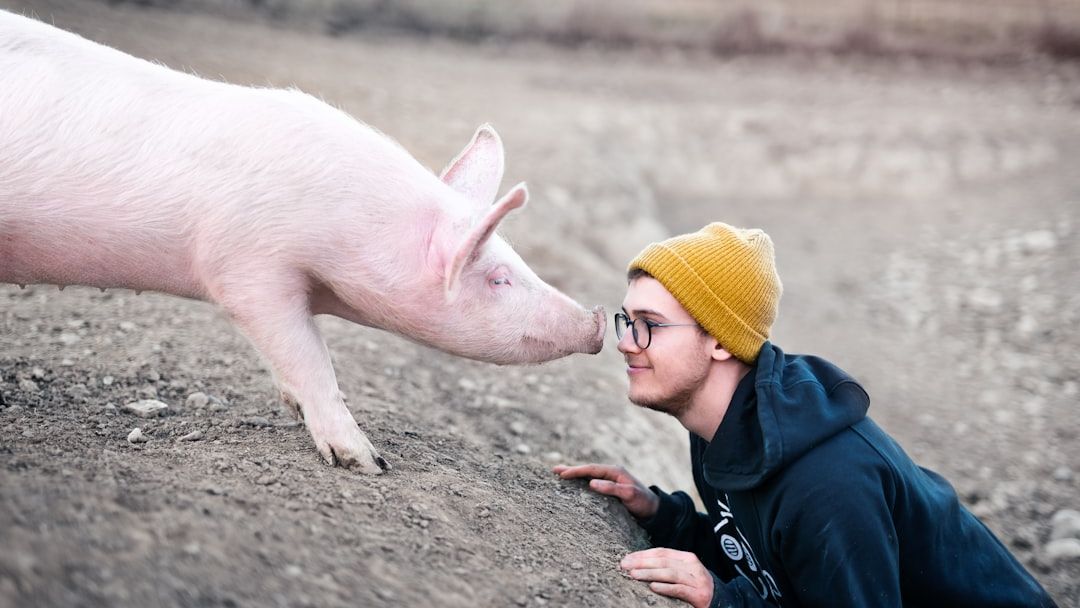
Think you know everything about intelligent animals? Most people would list dogs without hesitation. Maybe cats if they’re feeling generous. Rarely do pigs enter the conversation. Yet these curly-tailed creatures harbor cognitive abilities that rival, and sometimes surpass, our canine companions.
When it comes to social smarts and emotional depth, pigs consistently surprise researchers. The more scientists uncover, the more we realize these animals possess remarkable talents for bonding with humans. Their brains work in ways we’re only beginning to understand. Let’s dig in.
The Mirror Test and What It Reveals About Pig Self-Awareness
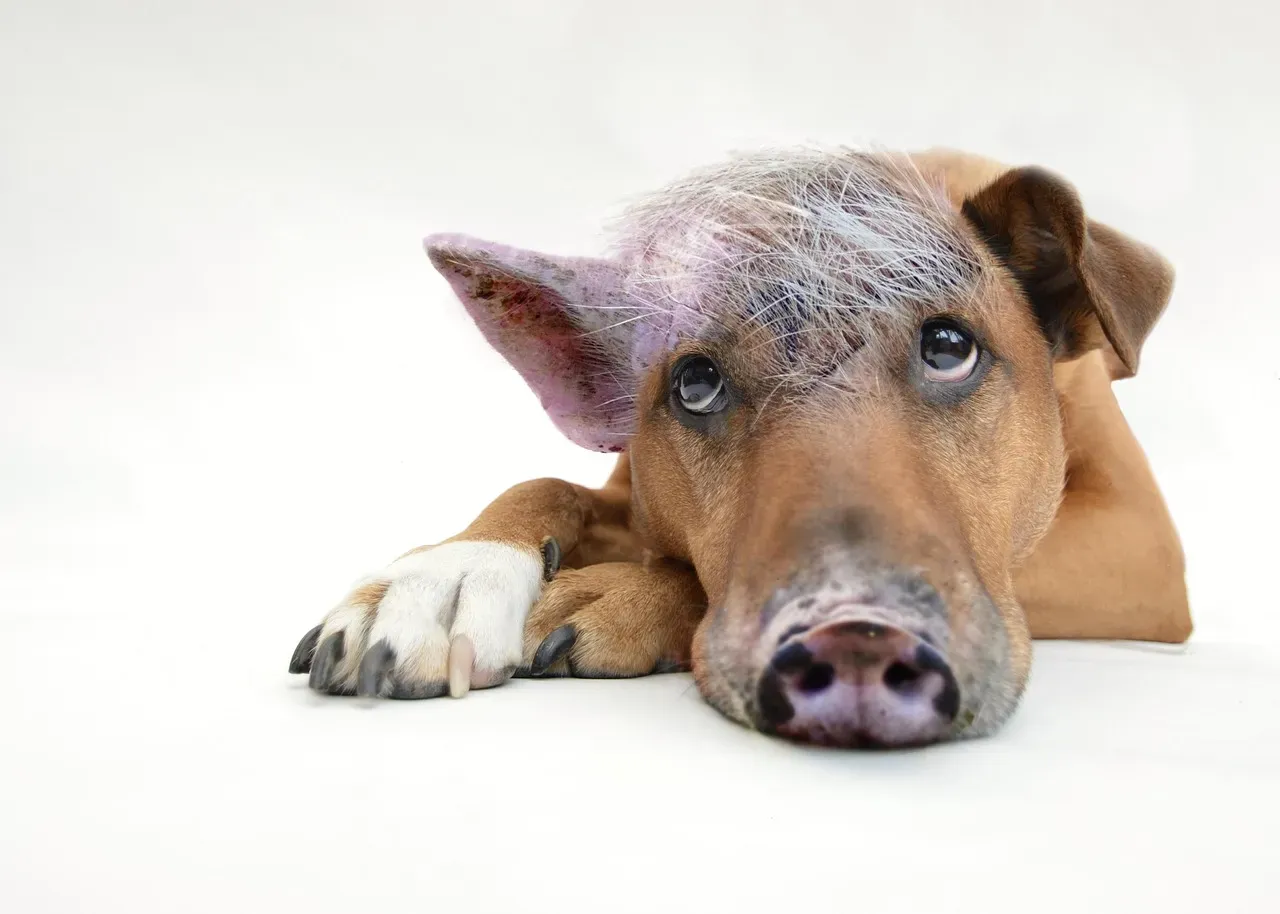
Pigs can use mirrors to locate food, demonstrating a level of self-awareness that puts them in rare company. When you place a pig in front of a mirror, something fascinating happens. They do repetitive movements, a behavior called contingency checking. This isn’t random behavior.
It’s problem solving in action. The pig understands that the reflection moves when they move. More impressively, they apply this knowledge practically. In a study carried out in 2009, pigs were able to interpret a mirror image in order to find a food bowl, demonstrating that the pigs could understand that they were seeing themselves in the mirror, and use this information to solve their problem of finding food.
Here’s the thing: dogs don’t typically pass this test. Neither do most animals. The ability to recognize an image of themselves, known as self-recognition, is only found in the world’s most intelligent species. Think great apes, dolphins, and elephants. Pigs belong in that exclusive club.
This cognitive feat suggests pigs possess what researchers call self-agency. They recognize their actions create effects in the world around them. That’s not just smart. It’s a fundamental aspect of consciousness that we usually reserve for discussing highly evolved species.
Understanding Human Communication Better Than You’d Expect
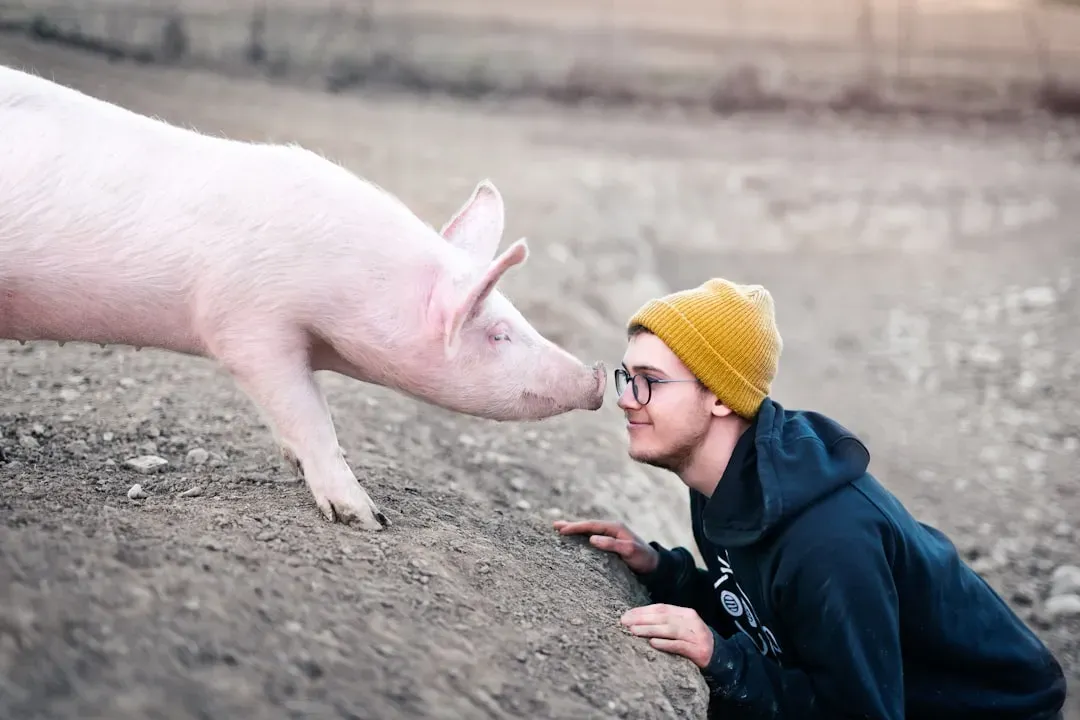
Pigs showed they could grasp gestures and verbal symbols representing both objects and actions, and they also understood phrases, such as “fetch the frisbee,” and successfully performed requested tasks apparently as well as dolphins do. Let that sink in for a moment. We’re talking dolphin-level comprehension.
Medieval pig owners knew something modern science is just confirming. In the Middle Ages pigs were often held in communal corrals, and each pig owner had a horn tuned to a different pitch so that pigs were able to identify the call of the owner and come back. Centuries ago, people relied on pigs’ ability to distinguish individual human voices.
They differentiate humans, even people dressed alike, by recognizing human faces, and can also tell apart humans by their olfaction and hearing. Your pig knows you from your neighbor. Not just by sight, but by smell and sound too. That’s multimodal recognition.
Initial wariness doesn’t last long either. Pigs have shown to fear stranger humans but lose the fear after the person played with the pigs with toys. Through positive interaction, they build trust. The relationship develops naturally, much like it does with dogs.
Pigs can figure where humans are looking and pointing. This matters more than you might think. Understanding human pointing is considered a sophisticated social skill. It requires grasping what another being intends to communicate. Young children develop this. So do dogs. And so do pigs.
Problem-Solving Abilities That Outshine Canines
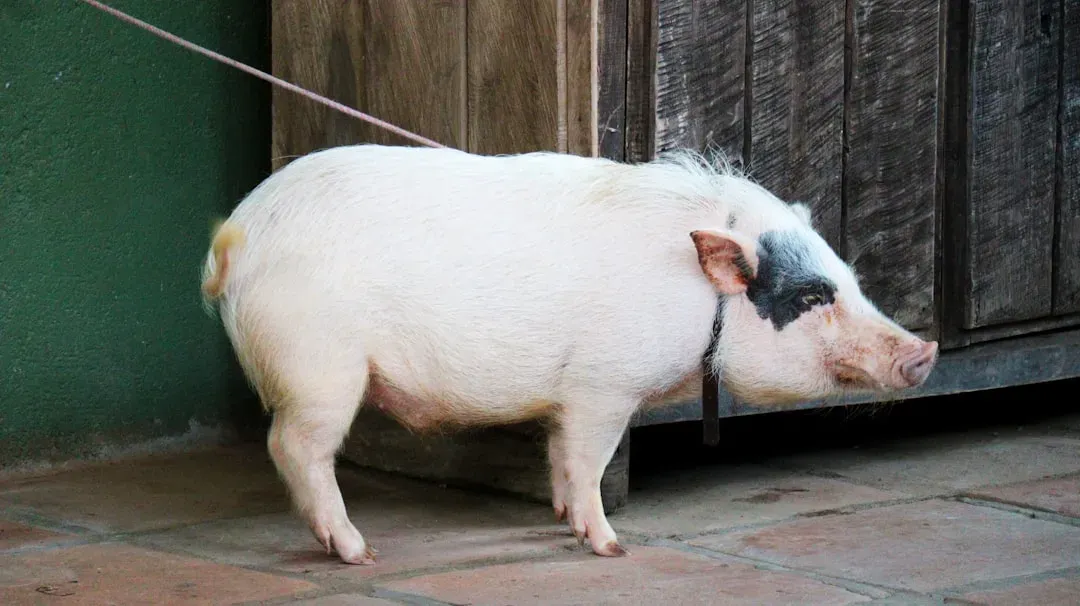
Pigs have been found to be able to problem-solve better than most other animals, and while dogs, when presented with a problem, will turn to humans for assistance, pigs will ignore humans in lieu of figuring out the problem on their own. There’s independent thinking at work here.
Dogs look to us for help. That’s been bred into them over thousands of years. Pigs? They’re determined to crack the code themselves. With the more difficult tasks, pigs persisted until they solved them on their own, whereas dogs turned to humans for help. That persistence reveals cognitive confidence.
The pigs learned to play a simple video game, connecting the movement of the cursor on the computer screen to the joystick they manipulated using their snouts, and each pig performed the tasks well above chance, indicating the animal understood that the movement of the joystick was connected to the cursor on the computer screen. Operating a joystick requires abstract thinking.
Compare that to dogs on the same task. Dogs, however, did not do as well on the same tasks. Pigs grasp cause and effect faster. They understand that their physical actions translate into digital consequences on a screen. That’s remarkable conceptual leap.
Research shows that pigs are at least as intelligent as dogs, and in many cases even outperform dogs on tests of cognition, memory, and due to these shared capacities, pigs have been compared cognitively to three-year old humans when it comes to measuring intelligence based on human standards. Three-year-old human children are learning language, showing empathy, and beginning to understand complex social rules. Pigs operate at that level.
Emotional Bonds and Seeking Human Comfort
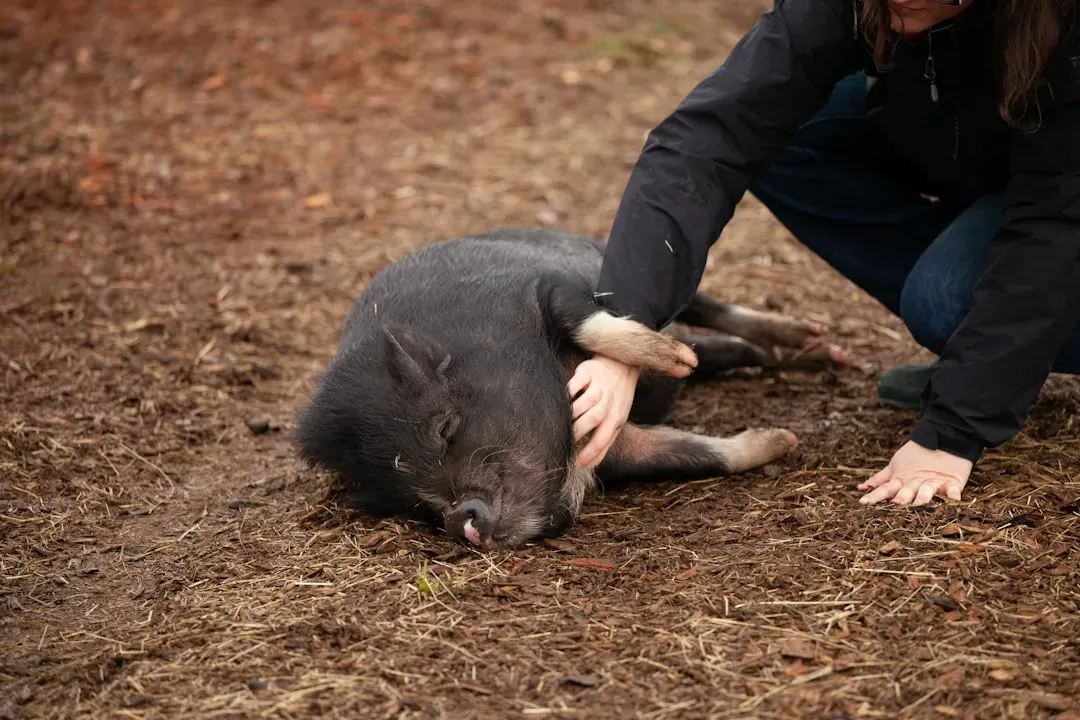
Pigs are also very loyal to each other as well as their human companions, and many instances of pigs saving the lives of humans, and protecting and fighting for other pigs in their social group, have been documented. Loyalty isn’t just a dog thing. Pigs form deep attachments.
Pigs are also similar to dogs in that they love to be around humans, and will often turn to humans first for emotional support. When stressed, pigs actively seek out their human caregivers. Like dogs, pigs seek comfort from pet owners when stressed. This isn’t just tolerance of humans. It’s genuine connection.
Social contact could strongly influence their persistence, and when the machine dispensing treats failed to work, the pigs continued to make correct responses using only verbal and tactile cues, and only verbal encouragement seemed to help the animals during the most challenging tasks. Human praise motivates pigs through difficult challenges.
Multiple studies confirm that pigs are able to feel and express many of the same emotions that humans do, such as happiness, anxiety, stress, joy, fear, and anger, and they can form complex relationships and bonds with other pigs, often developing friendships that can last a lifetime, and showing signs of grief when close friends or family members die. The emotional range is vast.
Observer pigs’ behavior was indicative of a greater affinity toward the stockperson regardless of whether they observed a socially dominant or subordinate demonstrator pig receiving gentle handling, and pigs observing the gentle handling of a demonstrator pig exhibited lower physiological stress when they were confronted by the stockperson compared to pigs who received only minimal human contact. They learn from watching others interact with humans. Social learning shapes their perception of us.
Living With Pigs Versus Living With Dogs
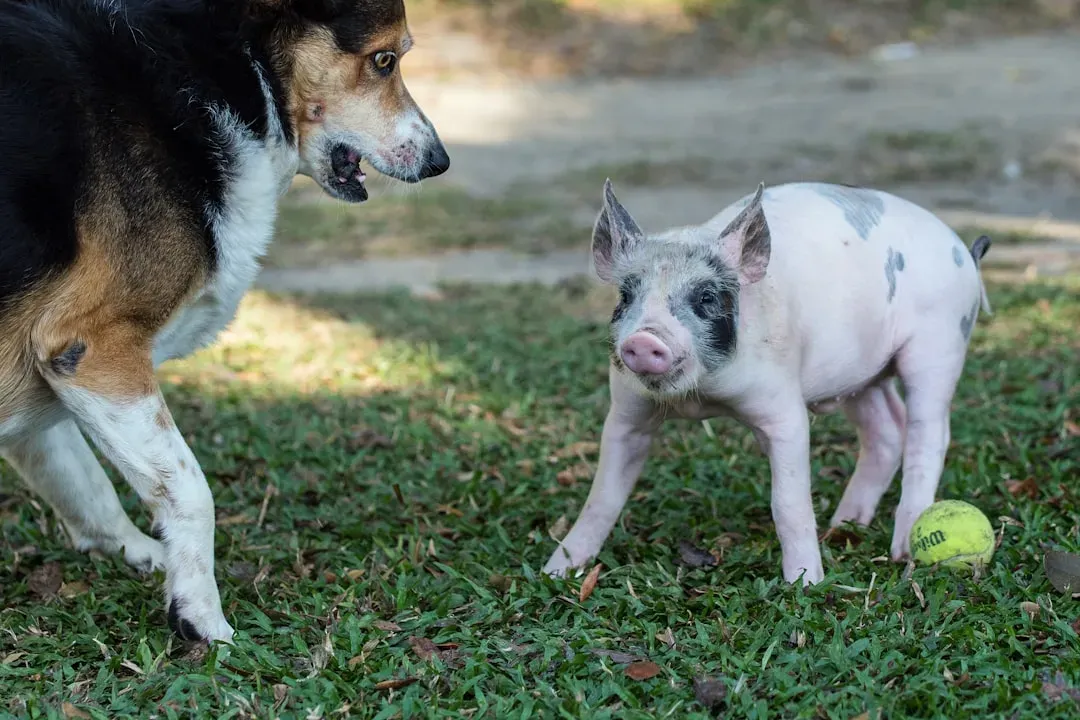
The results show similarities between barkers and oinkers, but overall reveal that pigs are less responsive to people than are dogs. Honestly, this shouldn’t shock us. Dogs’ domestication dates back to more than 15,000 years, while pigs’ is less than 10,000 years. That’s five thousand fewer years of selective breeding for human companionship.
Dogs have been bred for working closely together with humans, meaning that it became important for them to seek information about human attentional states. Dogs evolved specifically to read us. Every tail wag, every pleading look was refined over millennia. Pigs didn’t receive that same intensive social programming.
Still, their natural intelligence shines through. Pigs are notorious for rushing to greet and “talk” with their porcine and human friends. They’re social, vocal, and eager for interaction. Anyone who’s spent time around pet pigs knows the enthusiastic greetings they offer.
Through respectful noninvasive study, we may come to realize that pigs are not very different from the dogs and cats we share our homes with, and they may even be not very different from ourselves. The gap between species feels smaller when you observe pigs closely. Their personalities emerge. Individual preferences become obvious.
The difference comes down to selective breeding and cultural perception more than raw ability. Pigs share a number of cognitive capacities with other highly intelligent species such as dogs, chimpanzees, elephants, dolphins, and even humans. The foundation is there. The potential for deep human-pig bonds exists. We’re simply less accustomed to recognizing it.
Conclusion
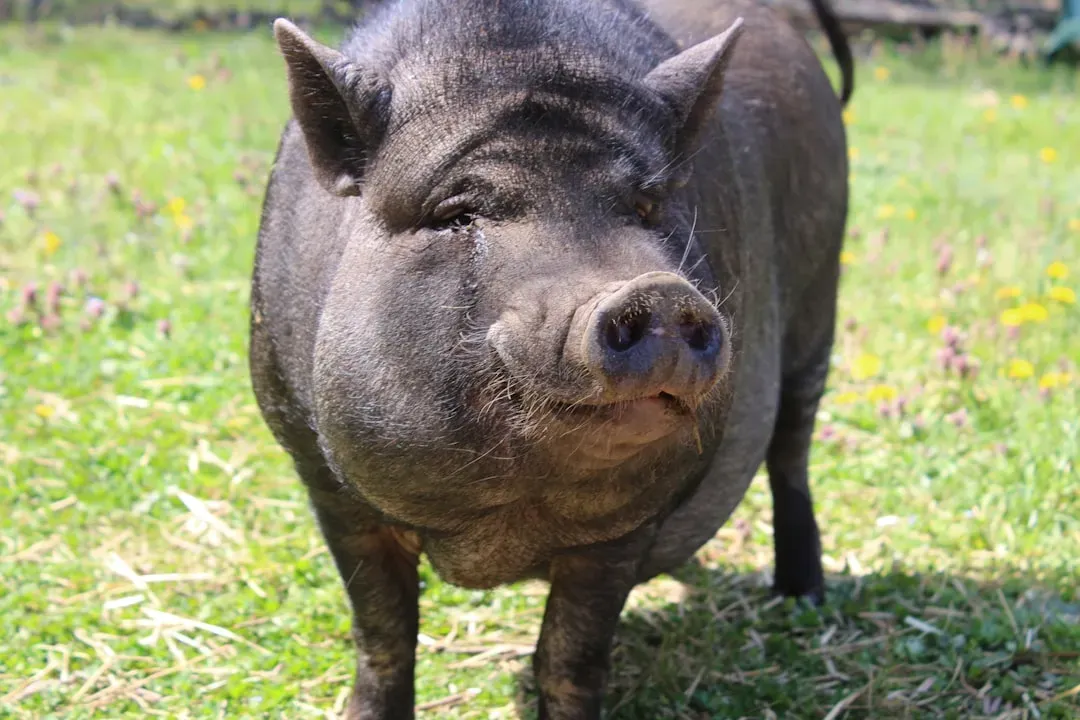
Pet pigs possess cognitive abilities that genuinely rival dogs. From mirror self-recognition to understanding symbolic language, from independent problem-solving to seeking emotional comfort from humans, these animals demonstrate intelligence that deserves recognition. The science doesn’t lie. Pigs comprehend human communication, form loyal bonds, and process information at levels comparable to three-year-old children.
The difference between pigs and dogs as companions isn’t about mental capacity. It’s about thousands of years of selective breeding and cultural attitudes. Dogs were shaped specifically for human partnership. Pigs developed their intelligence navigating complex social groups and challenging environments. Yet given the opportunity, pigs bond with humans deeply. They greet us enthusiastically. They learn our individual voices and faces. They seek our comfort when afraid.
Understanding pig intelligence challenges us to reconsider these animals. They’re not merely farm livestock. They’re sentient beings with rich emotional lives and impressive cognitive abilities. The question isn’t whether pigs can connect with humans. It’s whether we’re willing to see them clearly. What would change if more people recognized pigs as the intelligent, emotionally complex creatures science reveals them to be?

- What It Means When a Hummingbird Hovers Directly in Front of Your Face and Does Not Move – According to Indigenous Tradition From the American Southwest - July 16, 2026
- Why Wolves Were Reintroduced to Yellowstone - July 15, 2026
- The Resurgence of America’s Wild Horses: A Symbol of Freedom and Hope - July 15, 2026