
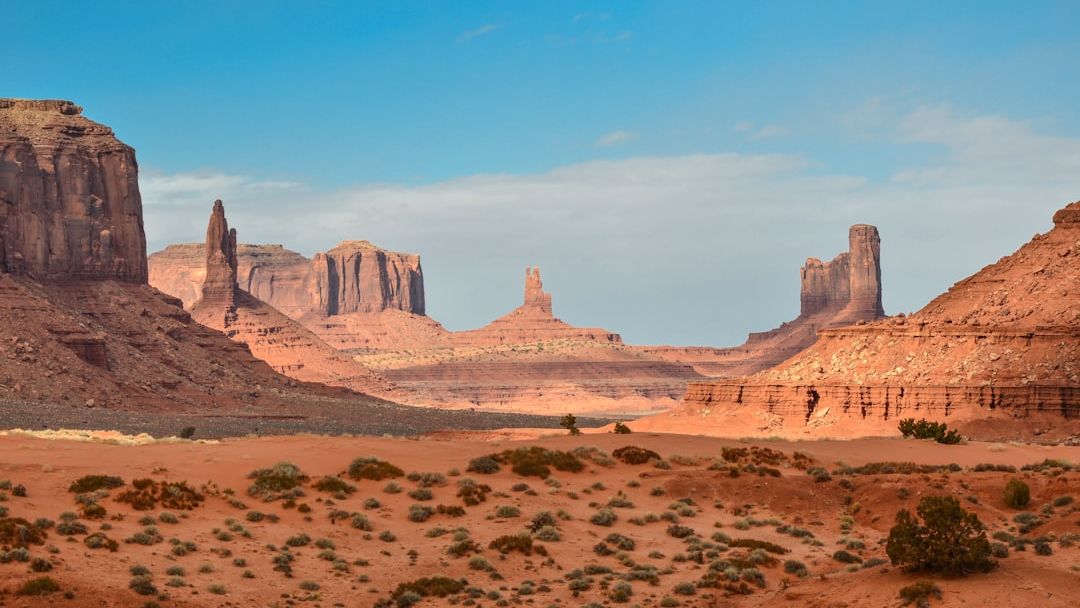
Arizona is one of those places that gets stuck in your mind, not just because of the Grand Canyon, though that helps. It’s the way the landscape shifts from red rock formations to pine forests in the span of an hour. It’s the quiet corners where ancient ruins sit undisturbed, and the wild desert trails that make you feel like you’re on another planet entirely.
Most visitors hit the famous spots and call it a trip. That’s fine, really. Yet the state holds so much more beneath its well-trodden surface. Hidden waterfalls, slot canyons that twist like ribbons through sandstone, and ghost towns frozen in time all wait for those willing to venture beyond the obvious. So let’s get started with places that will make you rethink everything you thought you knew about the desert.
Grand Canyon North Rim
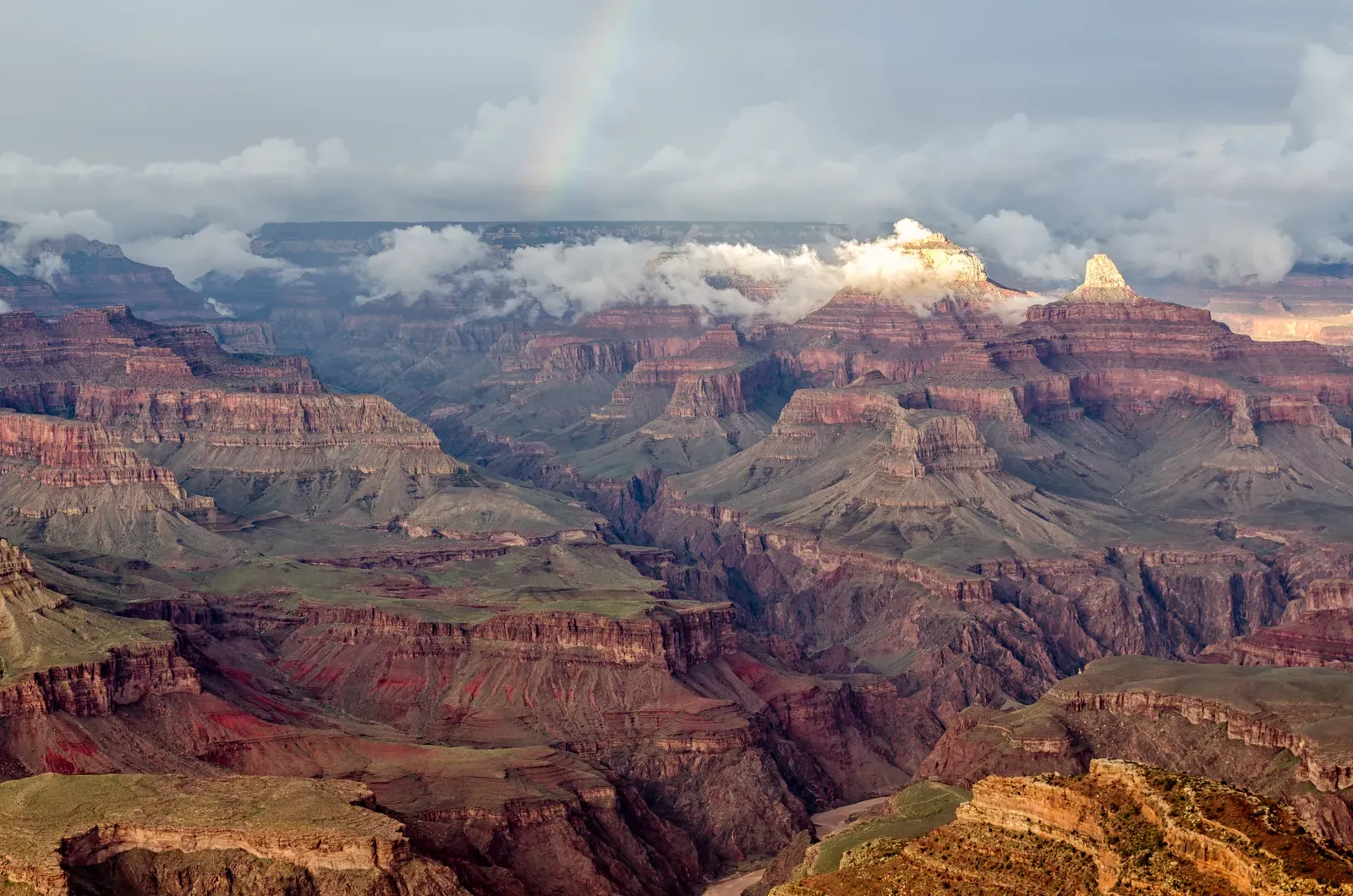
The North Rim receives only about ten percent of all visitors to Grand Canyon National Park, which makes it feel like an entirely different experience from its southern counterpart. The crowds thin out here, replaced by towering Ponderosa pines and panoramic views that stretch across layers of geological history. You’ll find cooler temperatures at this higher elevation, making summer hikes far more pleasant than down south.
The North Rim sits roughly ten miles from the South Rim but requires a four to five hour drive to reach it, which keeps the tourist buses at bay. Trails like the one to Ribbon Falls offer solitude and stunning beauty that few people ever witness. The remoteness is part of the charm, honestly.
Antelope Canyon
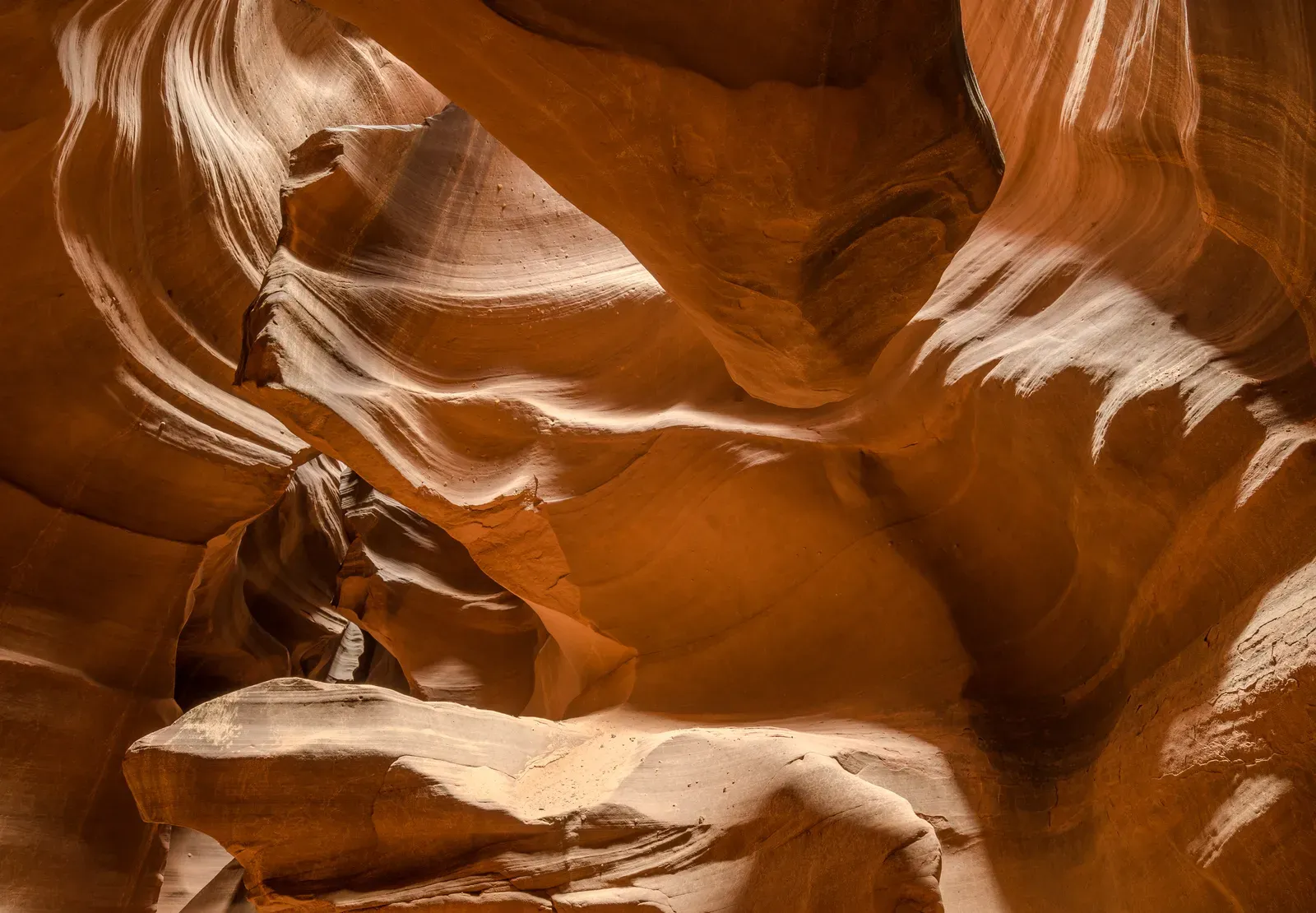
Antelope Canyon is the most-visited and most-photographed slot canyon in the American Southwest, and for good reason. Light beams pierce through narrow openings in the sandstone, creating an almost otherworldly glow that photographers dream about. The swirling rock formations look like frozen waves, carved by centuries of flash floods and wind erosion.
Upper Antelope Canyon tends to be more accessible and popular, while Lower Antelope requires climbing ladders and navigating tighter spaces. Both offer incredible photo opportunities, though you’ll need a guided tour with the Navajo Nation to access either. The colors shift throughout the day, with midday sun producing the most dramatic light beams.
Sedona Red Rocks
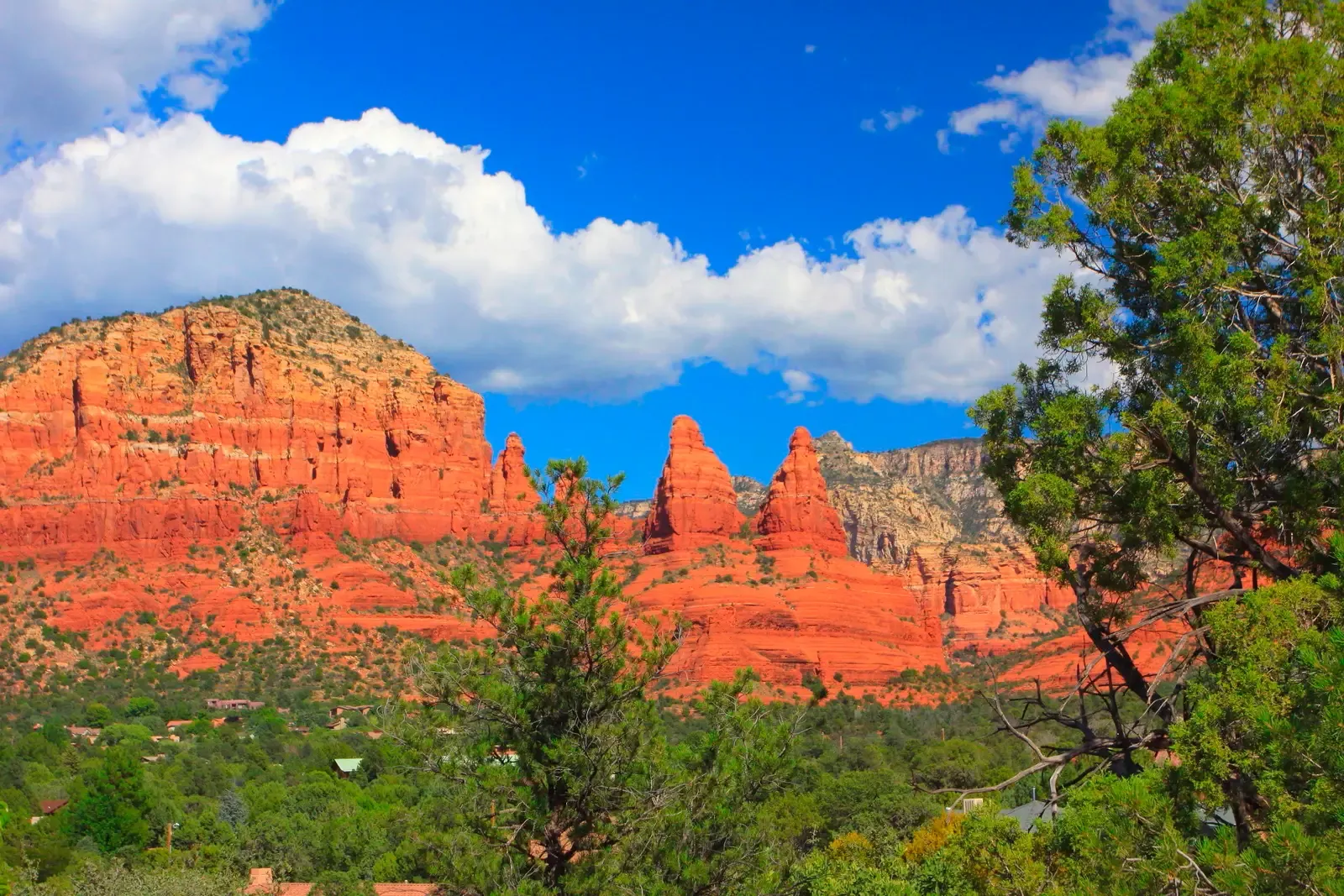
Sedona has become famous for its vortexes and spiritual energy, but you don’t need to believe in any of that to appreciate the raw beauty of the red rock formations. Cathedral Rock, Bell Rock, and Devil’s Bridge draw hikers and Instagram enthusiasts in equal measure. The contrast between the rust-colored cliffs and bright blue Arizona sky creates scenes that look almost too vivid to be real.
Beyond the trails, Sedona offers art galleries, upscale dining, and enough New Age shops to keep things interesting. The town straddles the line between outdoor adventure hub and wellness retreat. Whether you’re there for a challenging hike or a massage at a luxury spa, the scenery alone makes the trip worthwhile.
Havasu Falls
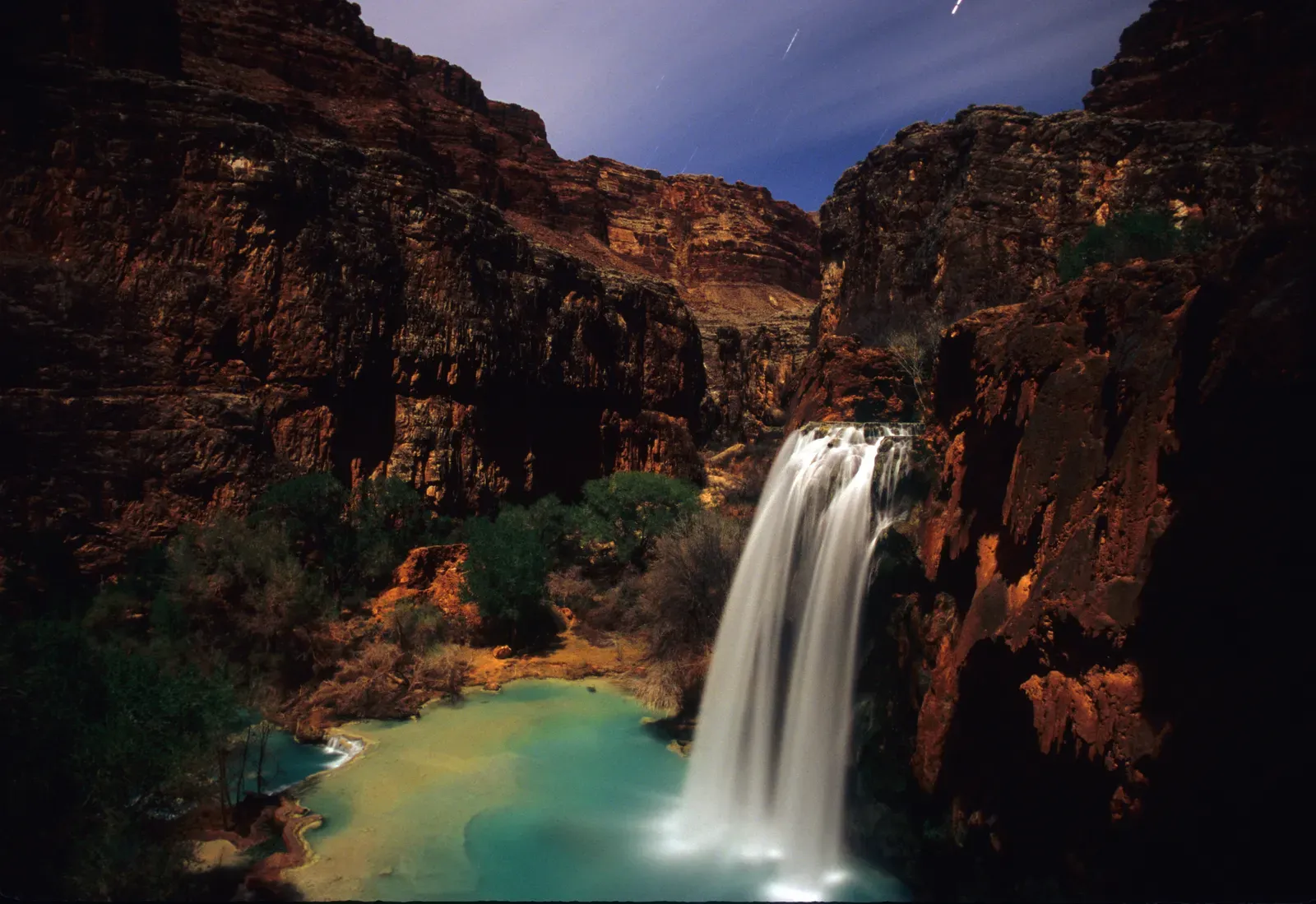
This secluded aqua waterfall in the Grand Canyon is the perfect swimming hole, and the Havasupai tribe’s fiercely protected natural wonder. The turquoise water against red canyon walls creates a color palette that doesn’t seem possible in nature. Getting there requires a ten-mile hike or helicopter ride into Supai Village, followed by more hiking to reach the falls themselves.
Permits are notoriously difficult to obtain, with reservations opening on specific dates and selling out within minutes. The Havasupai people manage access carefully to preserve this sacred place. If you manage to secure a permit, you’ll camp overnight and have the chance to explore multiple waterfalls in the area, each more stunning than the last.
Petrified Forest National Park
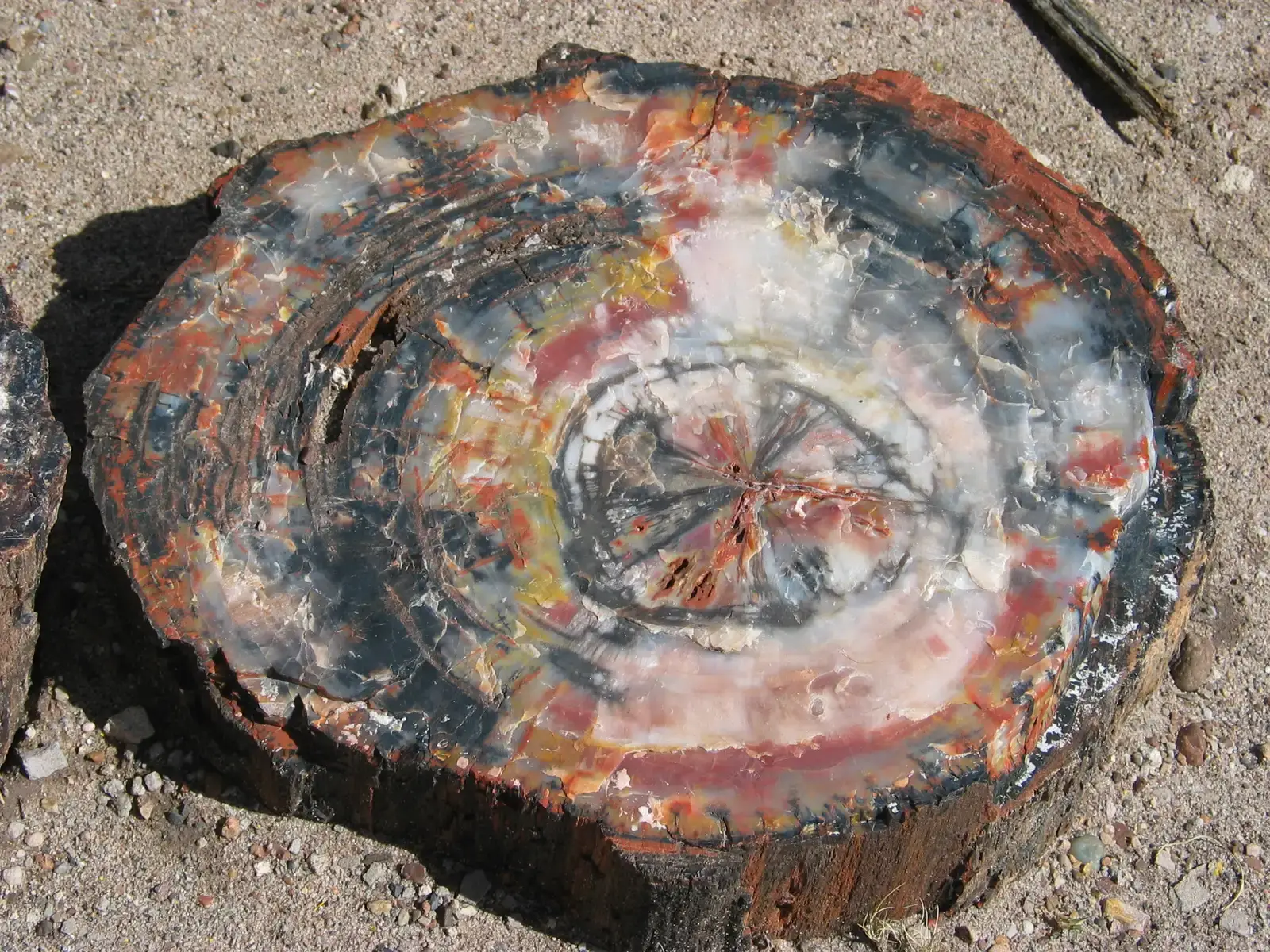
Massive logs turned to stone litter the landscape here, remnants of an ancient forest from over two hundred million years ago. The Petrified Forest offers more than just fossilized wood, though that’s the main attraction. The Painted Desert stretches across the northern section of the park, displaying bands of color that shift from purple to pink to orange depending on the time of day.
Petroglyphs left by ancient Puebloan people dot the rocks at Newspaper Rock, adding a human element to the geological wonders. The park feels remote and otherworldly, like walking through a museum exhibit that never ends. It’s hard to say for sure, but standing next to a crystallized tree trunk that predates dinosaurs puts your own existence into perspective pretty quickly.
Monument Valley Navajo Tribal Park
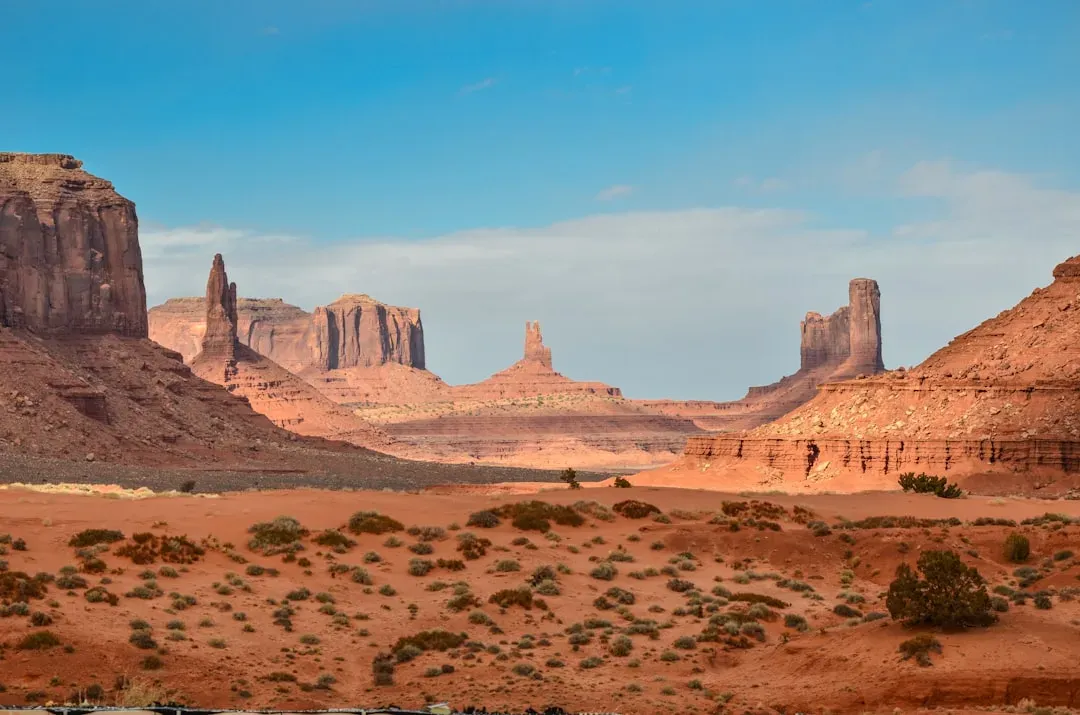
Those iconic sandstone buttes rising from the desert floor have appeared in countless Western films and photographs. Monument Valley sits on Navajo land and must be explored with a Navajo guide if you want to venture beyond the main scenic drive. The formations have names like The Mittens and Merrick Butte, each one instantly recognizable.
Sunrise and sunset transform the valley into something magical, as shadows stretch across the red sand and light catches the edges of towering rock formations. The cultural significance of this land to the Navajo people adds depth to the visual spectacle. Staying overnight in one of the traditional hogans or watching the stars emerge in the vast desert sky creates memories that stick with you long after you leave.
Saguaro National Park
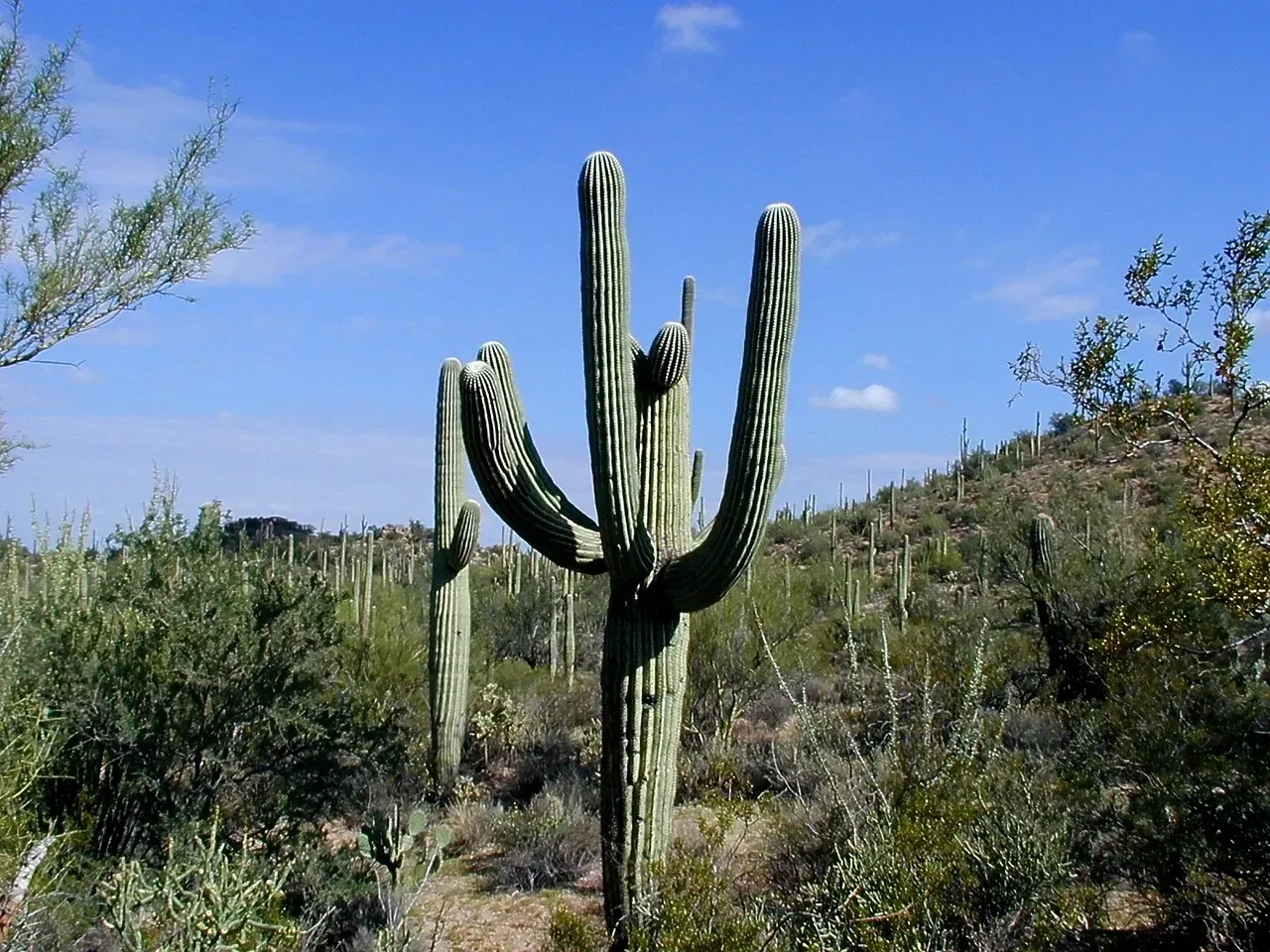
Giant saguaro cacti stand like sentinels across the Sonoran Desert, some reaching heights of forty feet or more. The park splits into two districts on either side of Tucson, each offering different hiking experiences through dense cactus forests. These iconic plants grow slowly, taking roughly seventy years before they sprout their first arm.
Spring brings wildflower blooms that carpet the desert floor in yellow, purple, and orange. The contrast between delicate flowers and spiny cacti creates an unlikely but beautiful pairing. Evening hikes reveal desert wildlife emerging in cooler temperatures, from roadrunners to javelinas to the occasional bobcat.
Kartchner Caverns State Park
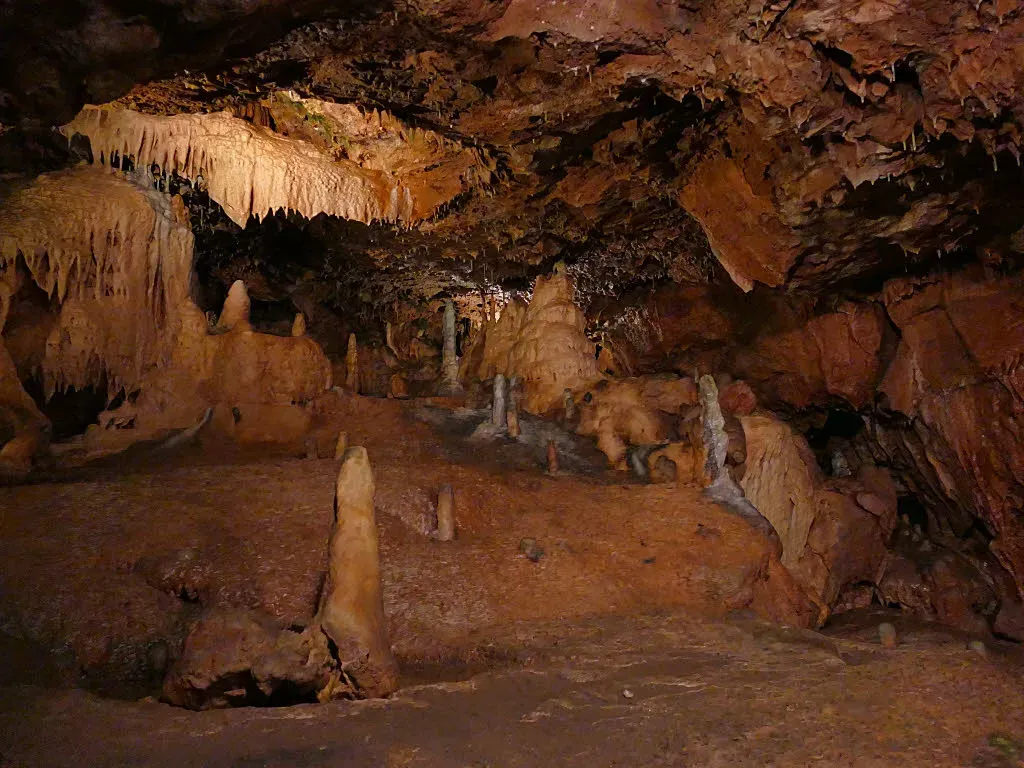
After their discovery in 1974, these limestone caverns were kept secret for more than a decade as a way to preserve their untrammeled beauty. The formations inside remain wet and actively growing, unlike many cave systems that have dried out. Massive stalactites and stalagmites create otherworldly scenes deep underground.
In November 1974, Gary Tenen and Randy Tufts were exploring limestone hills at the eastern base of the Whetstone Mountains, and they were looking for a cave no one had ever found and succeeded beyond their wildest expectations. Guided tours protect the delicate cave environment while allowing visitors to witness these natural wonders. The temperature stays constant year-round, making it a perfect escape from Arizona’s summer heat.
Horseshoe Bend
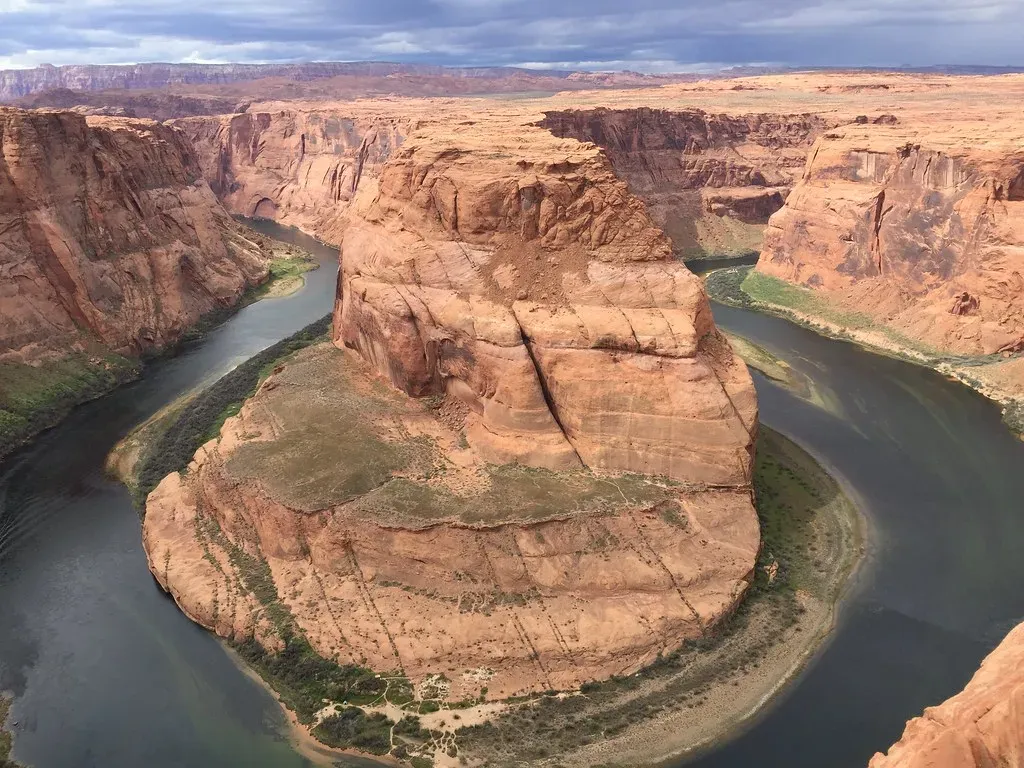
The Colorado River makes a dramatic horseshoe-shaped curve around a massive sandstone cliff, creating one of the most photographed landscapes in the Southwest. A short but steep hike from the parking area leads to the overlook, where the drop-off plunges nearly a thousand feet to the river below. The scale doesn’t fully register until you’re standing at the edge.
The view has become increasingly popular in recent years, which means crowds can gather during peak times. Early morning or late afternoon offers better light and fewer people. The sheer drop and lack of guardrails add an element of thrill to the experience.
Vermilion Cliffs National Monument
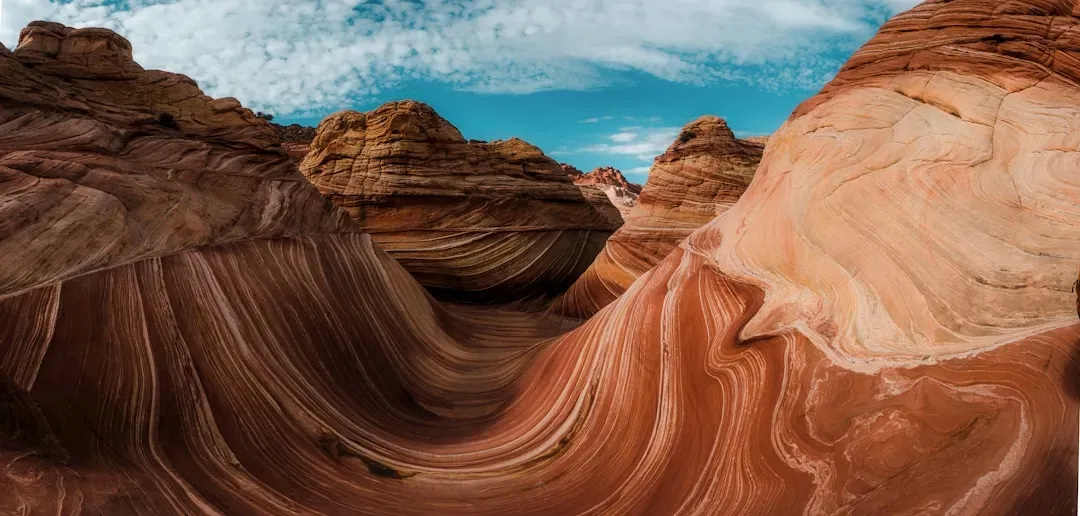
This natural resource gained popularity in recent years thanks to the newfound fame of one of its rock features: The Wave, while visitors need a permit to access that specific photo op, the entire monument deserves exploration. White Pocket and Coyote Buttes offer excellent hiking, with swirling rock formations and colors that shift from red to white to orange.
The Wave requires advance permits obtained through a lottery system, with odds often running against you. Let’s be real, even if you don’t score The Wave permit, the surrounding area offers incredible geological formations. The remote location and rough access roads keep crowds manageable, rewarding those willing to venture off paved highways.
Tonto Natural Bridge State Park
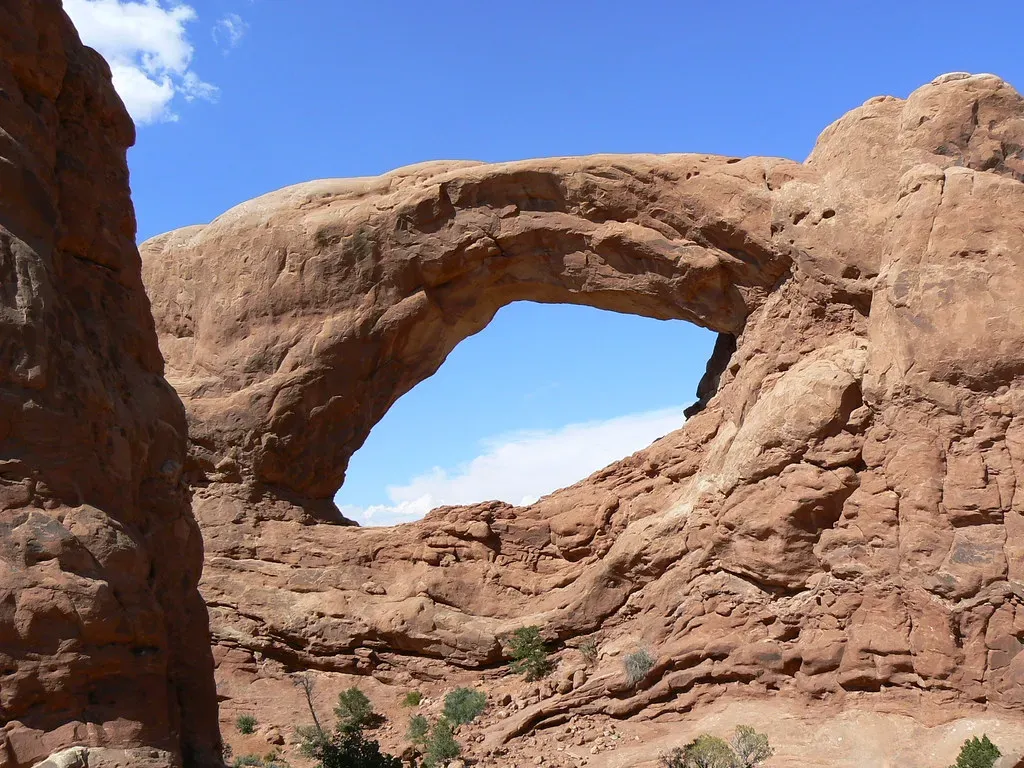
Located in central Arizona near Payson, Tonto Natural Bridge is believed to be the largest natural travertine bridge in the world. The bridge stands 183 feet high over a 400 foot long tunnel carved by Pine Creek. Trails lead both above and below the bridge, offering different perspectives on this massive natural arch.
The area stays relatively cool thanks to the creek and surrounding forest, making it a refreshing escape from desert heat. Waterfalls trickle over the bridge during wetter months, adding to the lush environment. The hike down to the base can be steep and slippery, but the view looking up through the natural tunnel makes the effort worthwhile.
Mystery Valley
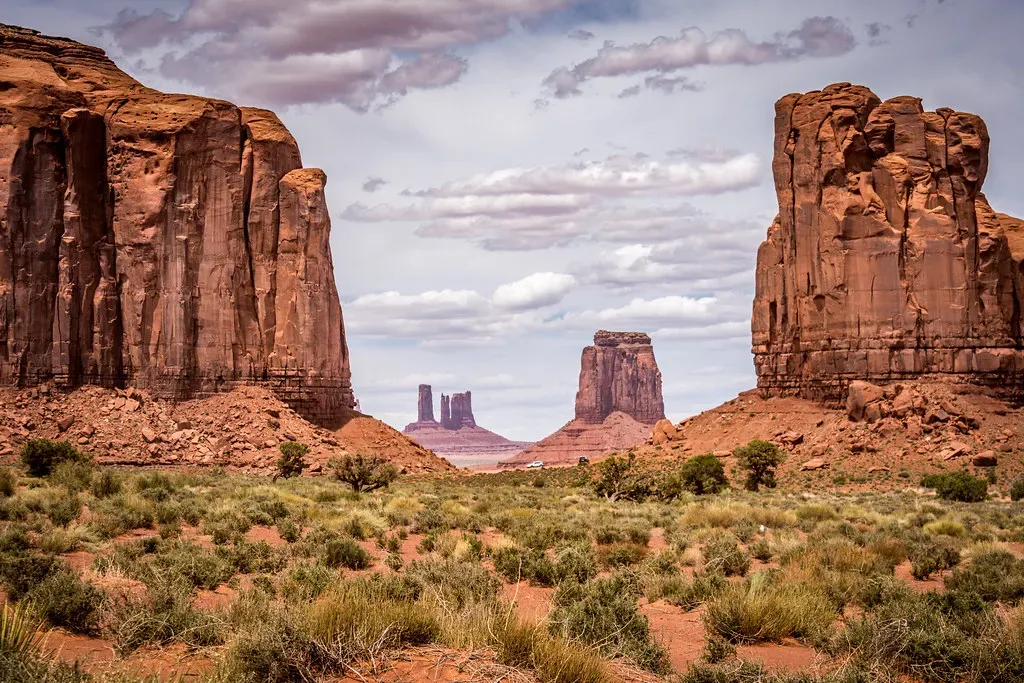
Mystery Valley is a beautiful off-the-grid destination that many describe as being similar to a moonscape, tucked away within the Navajo Nation near Monument Valley. This area sees far fewer visitors than its famous neighbor, despite offering equally dramatic scenery. Ancient ruins and rock formations dot the landscape, accessible only with a Navajo guide.
The remoteness adds to the mystique, as does the cultural significance of the archaeological sites scattered throughout the valley. Tours take you to places most tourists never see, revealing a side of Navajo land that remains largely undiscovered. The silence out here is profound, broken only by wind whistling through rock formations.
Coal Mine Canyon
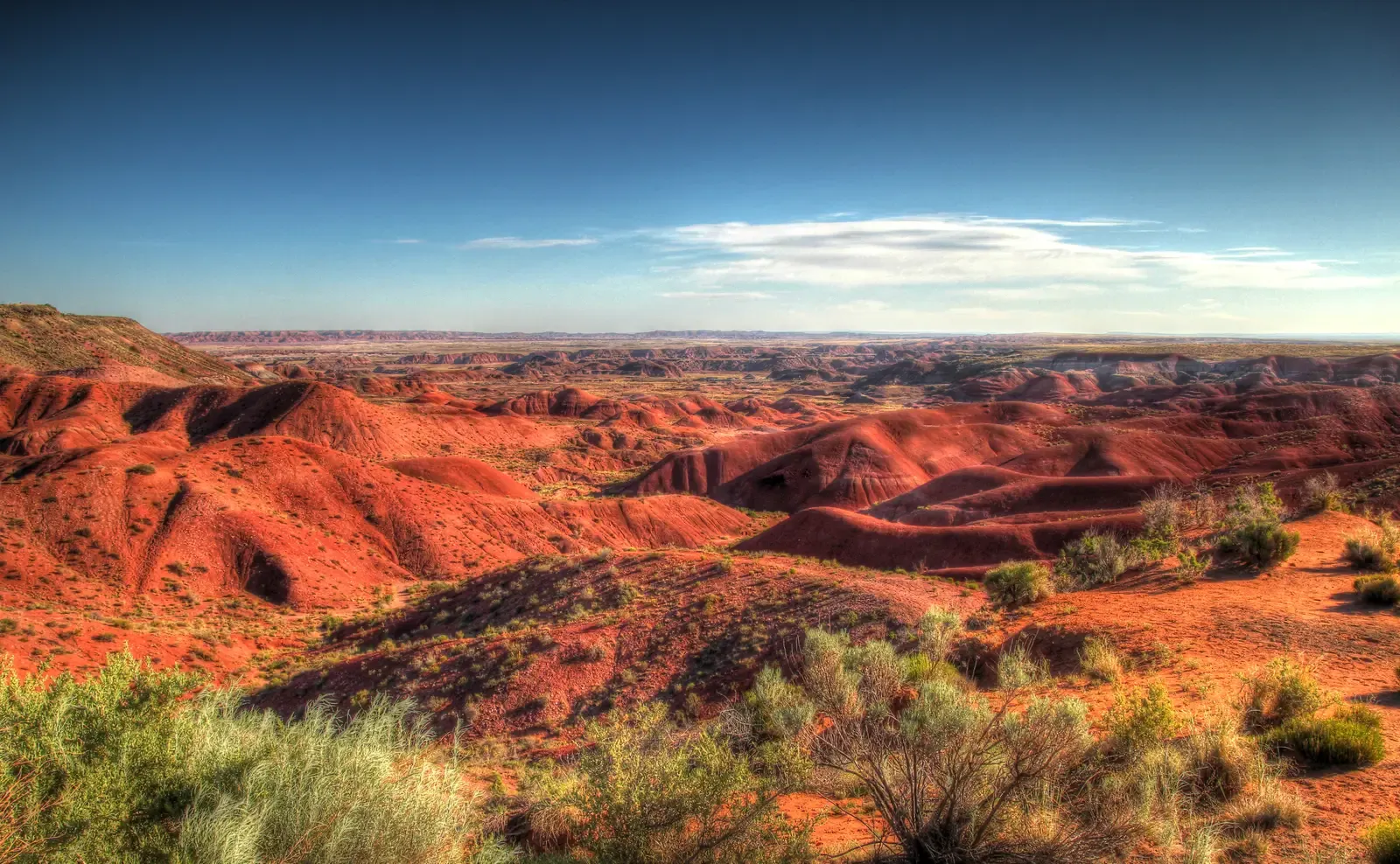
Coal Mine Canyon is a rainbow-striped maze of sandstone spires and hoodoos hidden between Tuba City and Cameron, a dream for photographers. The colors here rival anything you’ll find in the Southwest, with layers of purple, orange, yellow, and red stacked in improbable combinations. Despite its stunning beauty, the canyon remains relatively unknown and unmarked.
The lack of facilities and official trails means you’ll likely have the place to yourself. Finding it requires local knowledge or good GPS coordinates, as road signs are nonexistent. The landscape feels alien, with eroded formations creating shapes that defy explanation. Sunset transforms the canyon into a painter’s palette of impossible hues.
Sycamore Canyon Wilderness
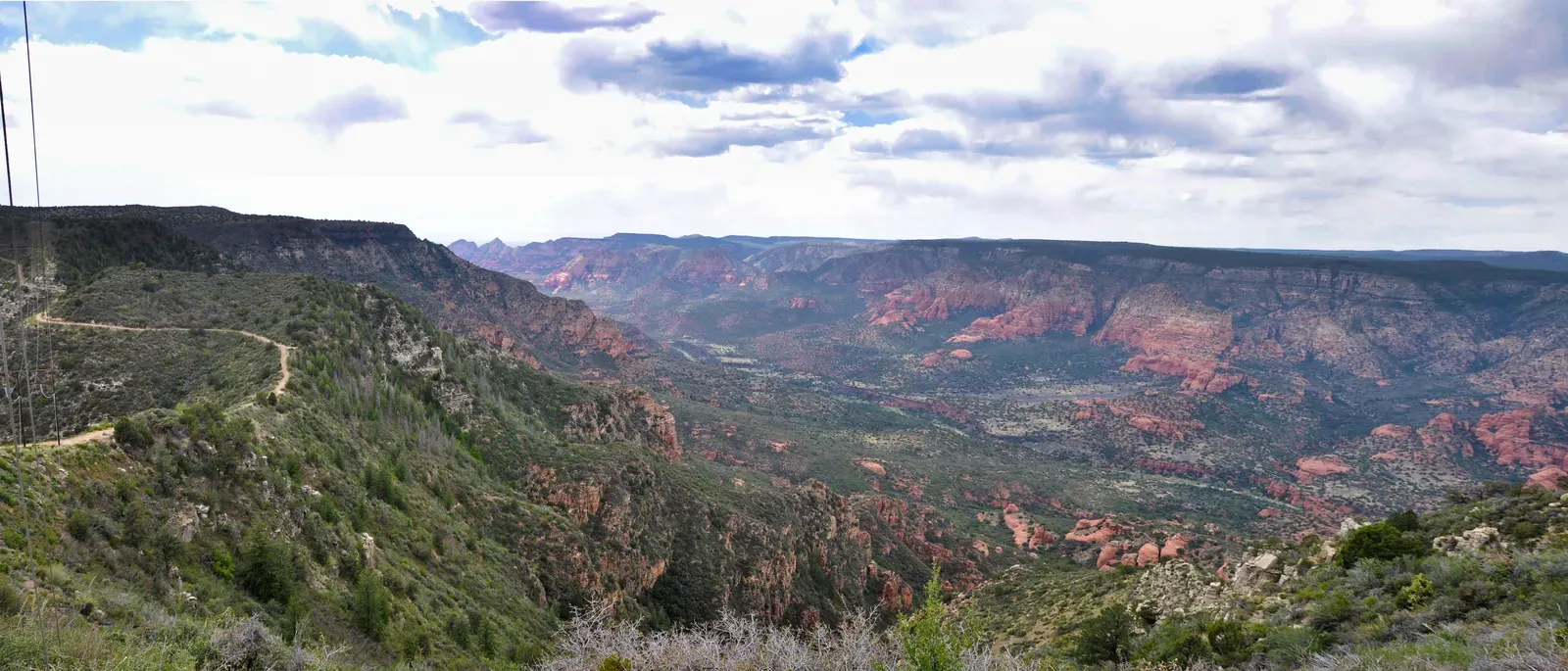
This hidden gem is the second-largest canyon in Arizona, yet most people have never heard of it. Located just west of Sedona, Sycamore Canyon remains relatively uncrowded compared to its more famous neighbors. Red rock walls tower above lush greenery and meandering creeks, creating a peaceful escape into raw desert beauty.
Sycamore Falls is nestled in the Sycamore Canyon Wilderness, considered a best-kept secret of Arizona even among the locals. The waterfall flows strongest during spring runoff and after summer thunderstorms, though it can reduce to a trickle during dry months. Hiking here offers solitude and scenery without the crowds that plague more popular trails.
Wupatki National Monument
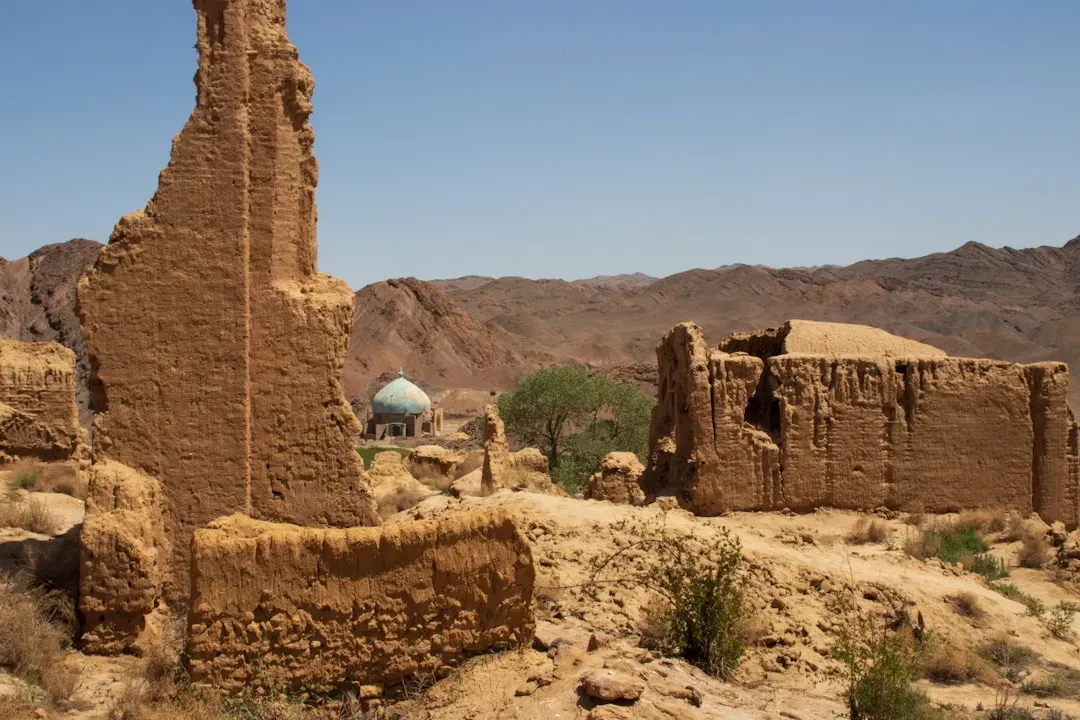
Just north of Flagstaff, Wupatki National Monument preserves the ancient ruins of the Sinagua people who lived here over 900 years ago. This site offers a fascinating glimpse into the past, showcasing well-preserved pueblos that once housed large communities in the arid desert landscape. The red sandstone structures blend seamlessly with the surrounding terrain, as if the buildings grew organically from the earth.
Unique features include the circular ball court and blowhole, a natural vent where cool air rushes out from underground, creating an oddly refreshing experience in the desert heat. Walking among these ancient dwellings connects you to people who thrived in this harsh environment centuries before modern conveniences. The monument receives far fewer visitors than nearby attractions, allowing for quiet contemplation of the ruins.
Conclusion
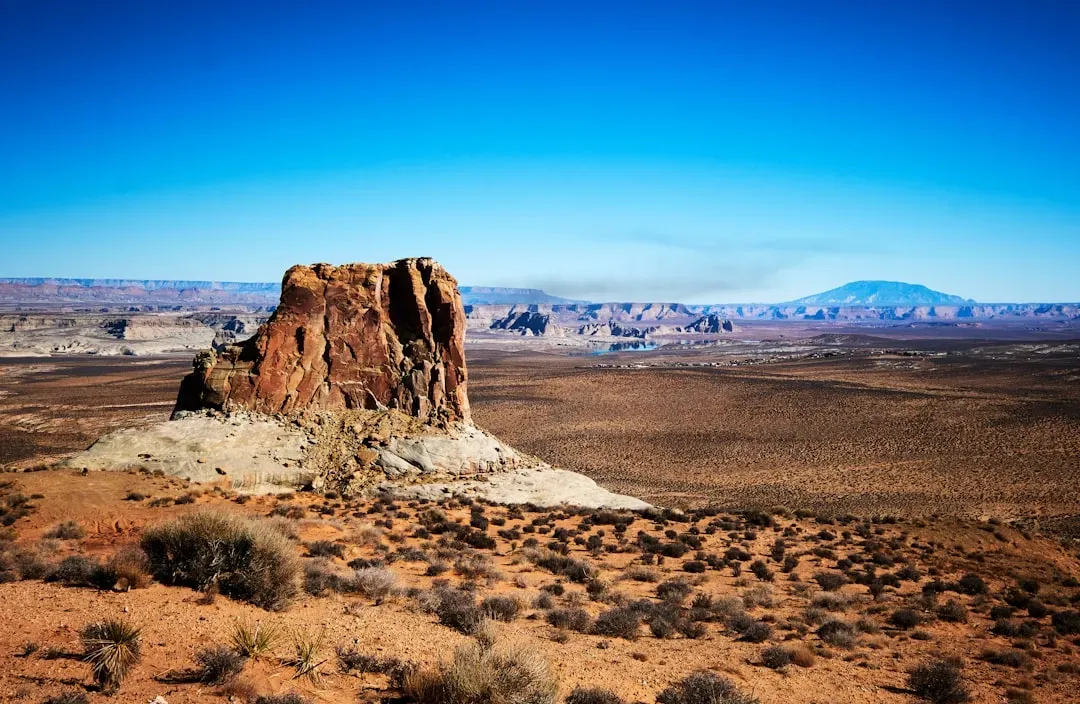
Arizona keeps surprising people who think they’ve seen it all. Beyond the postcard images and tourist crowds, the state reveals layers of complexity that reward curiosity and a willingness to explore unmarked roads. From turquoise waterfalls to ancient pueblos, from slot canyons to volcanic craters, the diversity packed into this desert state challenges every assumption.
The adventure soul doesn’t need manufactured thrills or artificial entertainment. It needs spaces that feel wild and untamed, places where human presence feels temporary against geological time scales measured in millions of years. Arizona delivers that in abundance, whether you’re scrambling through narrow canyons or standing silently before ruins left by people who vanished centuries ago. What’s your favorite hidden spot in the state? Tell us in the comments.
