


Nature documentaries have transformed how we understand wildlife, bringing distant habitats and rare animal behaviors into our living rooms. But while these films inspire conservation and curiosity, they often walk a fine line between education and entertainment. Behind the breathtaking footage and compelling narratives, production techniques sometimes stretch the boundaries of documentary truth. Understanding how filmmakers craft these stories helps viewers appreciate both the artistic creativity and the potential distortions in these nature narratives.
The Evolution of Nature Documentaries

Nature documentaries have undergone a remarkable transformation since their humble beginnings. In the 1950s and 60s, pioneering series like “Zoo Quest” with David Attenborough operated with rudimentary equipment and a straightforward approach. These early documentaries were often educational and scientific in tone, with limited dramatization. As technology advanced through the decades, so did the sophistication of nature documentaries.
The arrival of high-definition cameras, drone technology, and advanced filming techniques in the 21st century revolutionized the genre. Series like “Planet Earth” (2006) and “Blue Planet” (2001) set new standards for visual splendor and narrative complexity. This technological evolution paralleled a shift in audience expectations, with viewers increasingly demanding content that was not only informative but emotionally engaging and dramatically compelling. The result has been an increasing tension between scientific accuracy and dramatic storytelling, with filmmakers employing various techniques to create captivating content.
The Business of Spectacular Nature

The nature documentary industry operates within economic realities that inevitably influence content decisions. Major productions can cost millions of dollars, with BBC’s “Planet Earth II” reportedly budgeted at over $10 million. With such substantial investments, production companies face pressure to create content that attracts large audiences and justifies these expenditures. This commercial imperative often pushes filmmakers toward more dramatic narratives and visually stunning moments that will captivate viewers.
Streaming platforms have intensified this competition for audience attention. Netflix, Disney+, and other services have entered the nature documentary market with big-budget productions like “Our Planet” and “The World According to Jeff Goldblum,” further raising audience expectations for spectacular content. In this competitive landscape, purely educational approaches may struggle for viewership against more dramatically crafted alternatives. The result is a genre increasingly shaped by entertainment values alongside educational ones, sometimes prioritizing emotional impact over strict documentary realism.
Manufactured Narratives: The Hero’s Journey
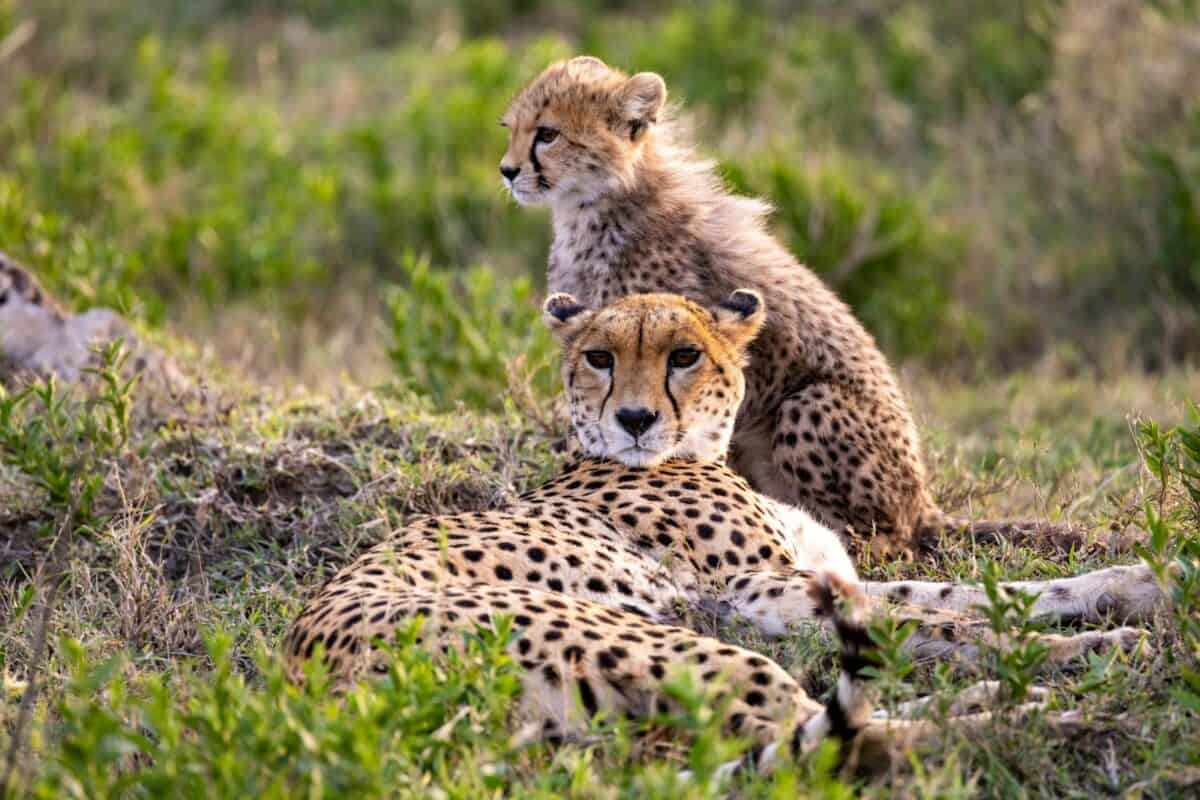
One of the most common dramatization techniques in nature documentaries is the imposition of human-like narrative structures onto animal behavior. Filmmakers frequently apply the “hero’s journey” template to wildlife footage, creating protagonist animals who face challenges, overcome obstacles, and achieve triumphant outcomes. This anthropomorphic approach turns natural behaviors into character-driven stories with emotional arcs that human audiences find relatable and engaging.
The 2011 Disneynature film “African Cats” exemplifies this approach, following a cheetah mother named Sita and her cubs through carefully edited sequences that create a cohesive storyline about maternal dedication and survival. While the individual footage may be authentic, the narrative arc is constructed in editing, potentially spanning footage gathered over months or even years with different individual animals. These manufactured narratives can effectively communicate ecological principles and create emotional investment, but they also risk misrepresenting the randomness and complexity of actual animal behavior in the wild.
Sonic Manipulation: Sound Effects and Music

Perhaps the most pervasive form of dramatization in nature documentaries occurs through sound design. The reality of wildlife filming is that authentic sound is often impossible to capture alongside distant or underwater visuals. As a result, many of the sounds viewers hear—from a tiger’s footfall to an insect’s wing beats—are created in post-production by foley artists. These sound effects enhance the sensory experience but sometimes exaggerate natural sounds for dramatic effect.
Musical scores represent another powerful form of emotional manipulation. Hans Zimmer’s orchestral compositions for “Planet Earth II” demonstrate how music creates tension, suspense, and resolution that may not exist in the actual animal encounters being depicted. A hunting sequence backed by driving percussion suggests a narrative intensity that might not reflect the more mundane reality of predator-prey interactions. This sonic enhancement significantly shapes viewer interpretation of animal behavior, potentially creating misleading impressions about the emotional dimensions of wildlife activities. While these techniques create compelling viewing experiences, they undeniably color our perception of animal behavior through human emotional frameworks.
Selective Editing and Composite Scenes

The editing process represents another arena where animal behavior can be dramatically reshaped. Nature documentaries typically compile footage gathered over extended periods—sometimes years—into condensed sequences that appear to capture continuous action. A hunting sequence might combine footage of different animals or different days into a single narrative event. The BBC’s acclaimed “Frozen Planet” series faced criticism in 2011 when it was revealed that polar bear birth scenes were filmed in a zoo enclosure rather than in the wild, though the documentary didn’t explicitly claim the footage was from the wild.
More controversial is the practice of creating “composite scenes” where footage of animals that never actually encountered each other is edited together to simulate interaction. This technique can create misleading impressions about animal behavior and relationships. While some documentarians clearly disclose these practices, others leave viewers with the impression they’re witnessing authentic, continuous interactions. The ethics of such editing choices continue to be debated within the industry, with some documentarians advocating for more transparency about how sequences are constructed.
Staging Wildlife Encounters

Some nature documentaries have faced criticism for more direct interventions in animal behavior. Practices range from relatively benign habitat modifications to more controversial active staging of encounters. Wildlife photographers have been known to use bait to attract predators or introduce animals to specific environments to capture desired behaviors. The 2017 BBC series “Spy in the Wild” took an innovative approach by using robot cameras disguised as animals to capture close-range footage, though this technique itself represents a form of intervention in natural behavior.
More problematic are historical examples of directly manipulating animals to create dramatic footage. The 1958 Disney documentary “White Wilderness” infamously staged scenes of lemming “mass suicide,” actually forcing the animals off a cliff and creating a persistent myth about lemming behavior. While such extreme staging has become ethically unacceptable in contemporary wildlife filmmaking, subtler forms of environmental manipulation continue to raise questions about authenticity. Modern documentary ethics generally prohibit causing harm or significant stress to animals, but the boundaries of acceptable intervention remain subjective and evolving.
Personification and Anthropomorphism

Nature documentaries frequently ascribe human characteristics, motivations, and emotions to animal subjects. Narration plays a crucial role in this personification, with voice-over scripts often attributing intentions, feelings, and even thoughts to animals based on observed behaviors. When David Attenborough describes a hunting lioness as “determined” or “frustrated,” he’s imposing human emotional states that may not accurately reflect animal consciousness. This anthropomorphism creates emotional connection between viewers and animal subjects but risks fundamentally misrepresenting animal experience.
The naming of individual animals represents another common personification technique. Films like “March of the Penguins” (2005) and numerous Disney nature documentaries assign names to their animal subjects, transforming them into characters rather than representatives of their species. This approach encourages viewer investment in specific animal “personalities” but further blurs the line between documentary and storytelling. While anthropomorphism can be an effective educational tool for creating empathy with wildlife, it also potentially misleads viewers about the nature of animal cognition and emotional experience.
Digital Enhancement and CGI
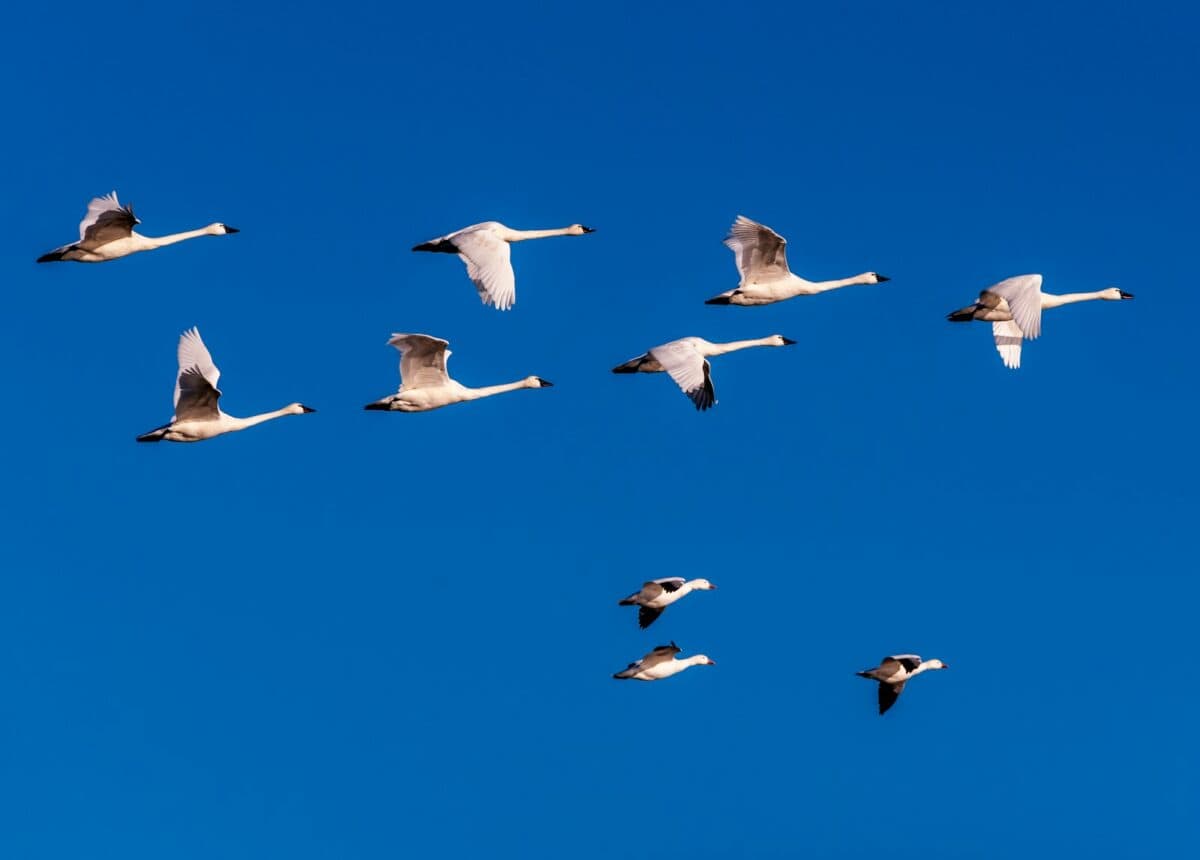
Advancing technology has introduced new forms of potential manipulation through digital enhancement and computer-generated imagery (CGI). Color correction and digital enhancement are standard practices that can dramatize visual elements—making skies more vivid, water more blue, or blood more red than in reality. More controversial is the growing use of CGI to supplement or replace footage that would be impossible to capture naturally. The BBC’s “The Hunt” (2015) acknowledged using CGI to enhance certain sequences, though the extent of such digital manipulation isn’t always clearly disclosed to viewers.
The documentary series “Walking with Dinosaurs” (1999) pioneered the use of CGI to create documentary-style footage of extinct animals, creating a hybrid genre sometimes called “speculative documentary.” More subtle is the digital removal of unwanted elements like equipment, people, or modern structures from otherwise authentic wildlife footage to create a more pristine representation of nature. As these techniques become more sophisticated and widespread, viewers face increasing challenges in distinguishing between captured reality and digital creation in nature programming.
Simplification of Complex Behaviors

The time constraints of documentary filmmaking often necessitate simplifying complex animal behaviors and ecological relationships. A hunting strategy that involves multiple variables and adaptations might be reduced to a simple narrative of predator versus prey. Similarly, intricate social structures within animal communities are frequently simplified into basic hierarchies or relationships that human audiences can readily understand. This simplification, while necessary for accessibility, can create misleading impressions about the complexity of animal behavior.
Scientific understanding of animal behavior often involves probability and multiple interpretations rather than certainty. Yet documentaries frequently present single explanations for observed behaviors, omitting scientific debate or alternative hypotheses. For example, a male bird’s colorful display might be presented solely as a mating strategy, when research might suggest multiple evolutionary pressures at work. This tendency toward definitive explanation satisfies narrative needs but can misrepresent the tentative and evolving nature of scientific understanding about animal behavior.
The Ethical Debate Among Filmmakers
Within the wildlife filmmaking community, vibrant debate continues about the ethics of various dramatization techniques. Some documentarians, like Chris Palmer (author of “Shooting in the Wild”), advocate for greater transparency about filming methods and post-production manipulation. Palmer has argued that documentaries should include “making of” sections or disclaimers about techniques used. Others maintain that certain dramatization techniques are justified if they serve broader educational goals or conservation messaging, even if they stretch documentary conventions.
Industry organizations have developed evolving guidelines about acceptable practices. The International Wildlife Film Festival has established ethical standards that prohibit harmful manipulation of animals while recognizing the need for certain non-invasive staging techniques. The BBC Natural History Unit, a leading producer of wildlife documentaries, has its own internal guidelines about disclosure and animal welfare. Despite these efforts, standards remain inconsistent across the industry, with practices varying widely between productions and broadcasting organizations.
Impact on Public Understanding

The dramatization techniques employed in nature documentaries have significant implications for public understanding of wildlife and ecology. Research suggests that viewers often accept documentary representations as objective truth, potentially developing misconceptions about animal behavior based on dramatized portrayals. A 2010 study in the journal “Public Understanding of Science” found that regular viewers of wildlife documentaries were more likely to misattribute human characteristics to animals and overestimate the prevalence of dramatic behaviors like predation compared to more mundane activities like resting and grazing.
However, dramatization also serves important educational functions. The emotional engagement created through narrative techniques can generate lasting interest in wildlife conservation and environmental issues. The “Blue Planet II” series (2017) dramatically portrayed the impact of plastic pollution on marine life, contributing to significant public awareness and policy changes regarding single-use plastics in several countries. This suggests that dramatization, when responsibly employed, can serve important educational and advocacy purposes despite its potential distortions of strict biological reality.
Finding Balance: Education and Entertainment

The most thoughtful contemporary nature documentaries strive for balance between entertainment value and educational integrity. Series like “Our Planet” (2019) combine spectacular footage and dramatic narratives with scientific context and conservation messaging. Some productions have adopted more transparent approaches to filming techniques, with “making of” segments that reveal the challenges and methods behind capturing footage. These behind-the-scenes insights can enhance viewer media literacy while maintaining the wonder and engagement of the main content.
The future of nature documentaries likely lies in this balanced approach—embracing dramatic techniques while providing appropriate context and transparency. Ultimately, viewers benefit from developing critical media literacy skills specific to nature documentaries, understanding the genre conventions and potential dramatizations while still appreciating the valuable window these productions provide into the natural world. When viewed with informed awareness rather than naive acceptance, even dramatized nature documentaries offer invaluable opportunities to connect with and learn about wildlife beyond our immediate experience.
Conclusion: A More Informed Viewership

Nature documentaries occupy a unique space between strict documentary truth and creative storytelling, employing various dramatization techniques to engage viewers while educating them about the natural world. Rather than dismissing these productions for their dramatic elements, viewers benefit from understanding how and why these techniques are used. With this awareness, audiences can approach nature documentaries as valuable but constructed representations of wildlife, appreciating their artistry while maintaining healthy skepticism about their literal accuracy. The most responsible approach for viewers and filmmakers alike is to embrace the genre’s potential for inspiration while acknowledging its inherent dramatizations.
The future of nature documentaries will likely continue to balance spectacle with substance, with the best productions finding ways to captivate viewers without fundamentally misrepresenting animal behavior. Increased transparency about filming and production techniques represents a positive trend that should be encouraged across the industry. Ultimately, nature documentaries at their best serve as gateways to greater environmental awareness and scientific curiosity, using dramatic techniques not as deception but as bridges connecting human audiences to the complex and fascinating realities of the natural world. Their value lies not in perfect documentary purity but in their ability to inspire wonder, empathy, and conservation ethos in generations of viewers.

From exploring the marine wonders in the Azores and witnessing the vast savannas of Kenya, to delving deep into the rich biodiversity of South Africa and traversing iconic landscapes in Australia and the US like Yellowstone, Chris's experiences are vast.
With a penchant for diving alongside sharks, the ocean holds a special place in his heart.
Through his academic insights, he champions wildlife conservation, striving with 'Animals Around The Globe' to cultivate a profound connection between humans and animals, enhancing our mutual appreciation.
Connect with him at Feedback@animalsaroundtheglobe.com.
- Why Spiders Don’t Get Stuck in Their Own Webs - July 20, 2026
- What Scientists Found in a 10,000-Year-Old Beehive - July 20, 2026
- This Spider Builds Fake Decoys of Itself - July 20, 2026