

Ever wonder how those flying became as iconic as Santa himself? The story is richer and stranger than most people realize. These magical creatures didn’t always pull that famous sleigh, and their journey into Christmas tradition involves poets, department stores, and a surprising mix of cultural influences.
Let’s be real, when you think of Christmas, you probably picture Santa and his trusty team soaring across a moonlit sky. What many don’t know is that this image is actually quite recent in the grand timeline of holiday celebrations. The tale of how these antlered companions earned their place in Christmas lore is filled with fascinating twists, cultural blending, and even some controversy. Ready to discover the untold story?
The Very First Reindeer Reference
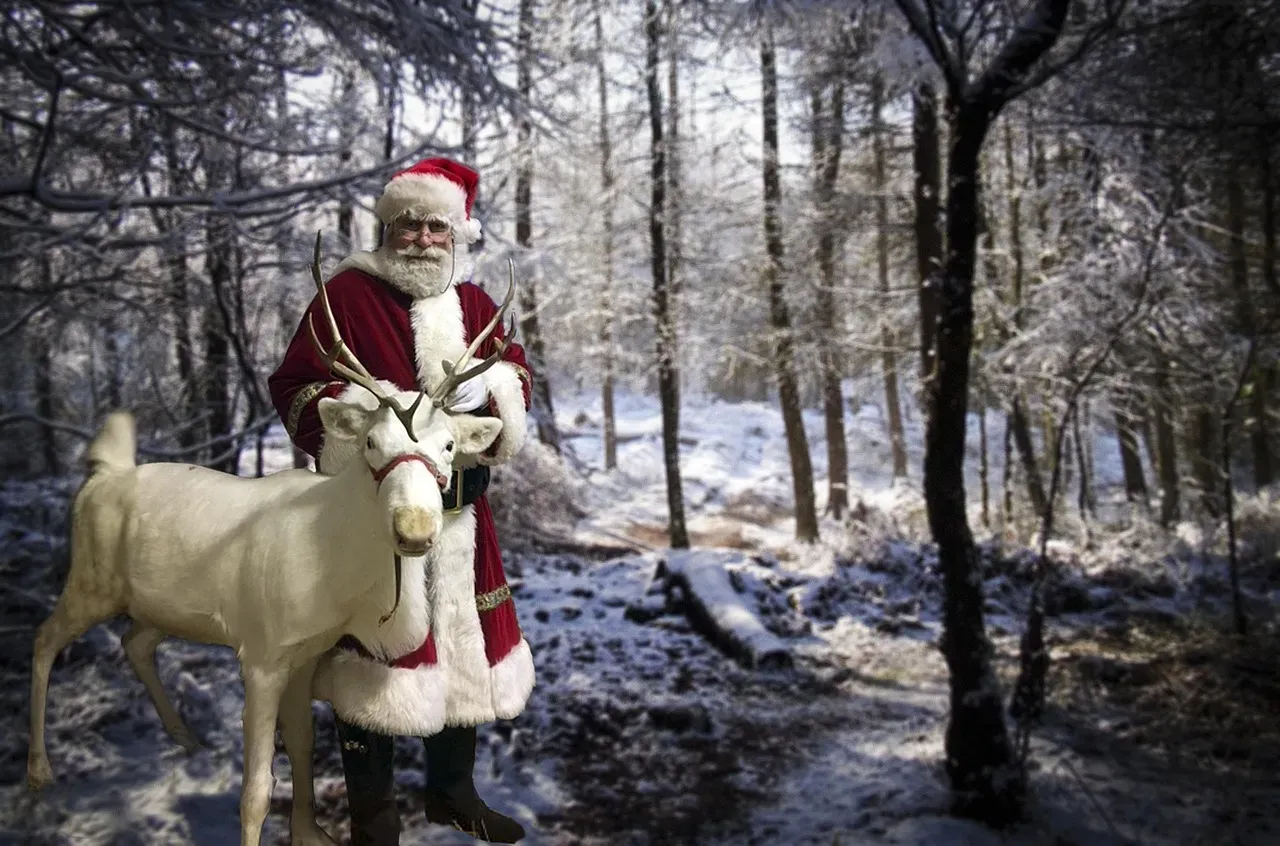
The first known written account of Santa’s sleigh being pulled by a reindeer appeared in 1821, in a small booklet that most people have never heard of. An anonymously published poem titled “Old Santeclaus With Much Delight” tells of Santa being pulled by a singular reindeer. Just one, mind you.
In the book, reindeer are introduced into the Santa Claus narrative with the line “His reindeer drives this frosty night”. This modest beginning in a sixteen-page booklet published by New York printer William Gilley barely hints at the phenomenon these creatures would become. The poem even included eight illustrations, one depicting Santa taking off behind his lone companion, forever changing how we’d imagine Christmas Eve deliveries.
Clement Clarke Moore and the Eight Tiny Reindeer
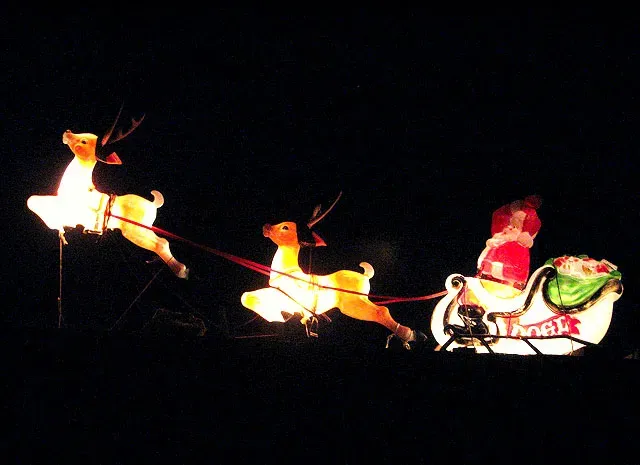
Everything changed two years later. The poem was first published anonymously in the Troy, New York Sentinel on December 23, 1823, and it would become what many consider the most famous verses ever penned by an American. The 1823 poem A Visit from St. Nicholas describes Santa’s sleigh being pulled by a team of eight reindeer, best known as Dasher, Dancer, Prancer, Vixen, Comet, Cupid, Donner, and Blitzen.
Here’s the thing though. Moore was initially hesitant to submit it to a publisher out of concerns that it was too silly, and he kept his authorship of the poem a secret for decades out of concern that it would besmirch his reputation as a professor of ancient languages. Imagine creating something so beloved and being embarrassed by it! The poem has been called “arguably the best-known verses ever written by an American”, and it basically invented the modern image of Santa’s Christmas Eve ride.
The Curious Case of the Dutch Names

Those last two reindeer names weren’t always what we know today. Originally called ‘Dunder and Blixem’ in the 1823 publication, these Dutch words translate to thunder and lightning. The names went through quite an evolution over the decades.
When Clement Clark Moore printed the poem in 1844, these names were changed to Donder and Blitzen, and after Rudolph appeared in 1939, they have since been referred to as Donner and Blitzen, German for ‘Thunder and Lightning’. It’s hard to say for sure, but this linguistic shift from Dutch to German likely reflects the melting pot nature of American Christmas traditions, blending influences from various immigrant communities who brought their own winter celebrations to the New World.
The Scandinavian Roots Nobody Talks About

Why reindeer, though? Why not horses or magical wolves? The answer lies far north. The story of begins with the indigenous Sámi people, who have herded and domesticated reindeer for centuries in the Arctic regions of Scandinavia.
The Sámi rely on reindeer for food, clothing, and transportation, and they have a rich cultural heritage centered around reindeer herding, including legends of the “Gaivaldu,” a magical reindeer that could fly through the night sky, especially during the time of the winter solstice. Many popular Christmas traditions related to Santa Claus were brought to America by Dutch and German immigrants, and as the persona of Santa Claus was being developed in the west, customs and myths from foreign lands, including those of Scandinavian and European countries, were incorporated. These ancient stories of flying reindeer found new life in American Christmas mythology.
When Reindeer Became a Marketing Phenomenon

The connection between reindeer and Christmas got a massive boost from an unexpected source: retail marketing. Carl Lomen’s efforts to promote reindeer hit their peak when he partnered with the department store Macy’s, and in 1926, Macy’s held a parade led by a Santa on a sleigh being pulled by reindeer, which sparked a national passion for Santa and his reindeer.
Think about that for a moment. A businessman trying to sell reindeer meat and fur essentially cemented these animals in American Christmas culture by partnering with a department store. This stunt translated into more parades and an influx of marketing opportunities that made team an unshakeable part of the holiday season. Commerce and culture intertwined in ways that permanently shaped how we celebrate.
The Most Famous Reindeer Joins the Team
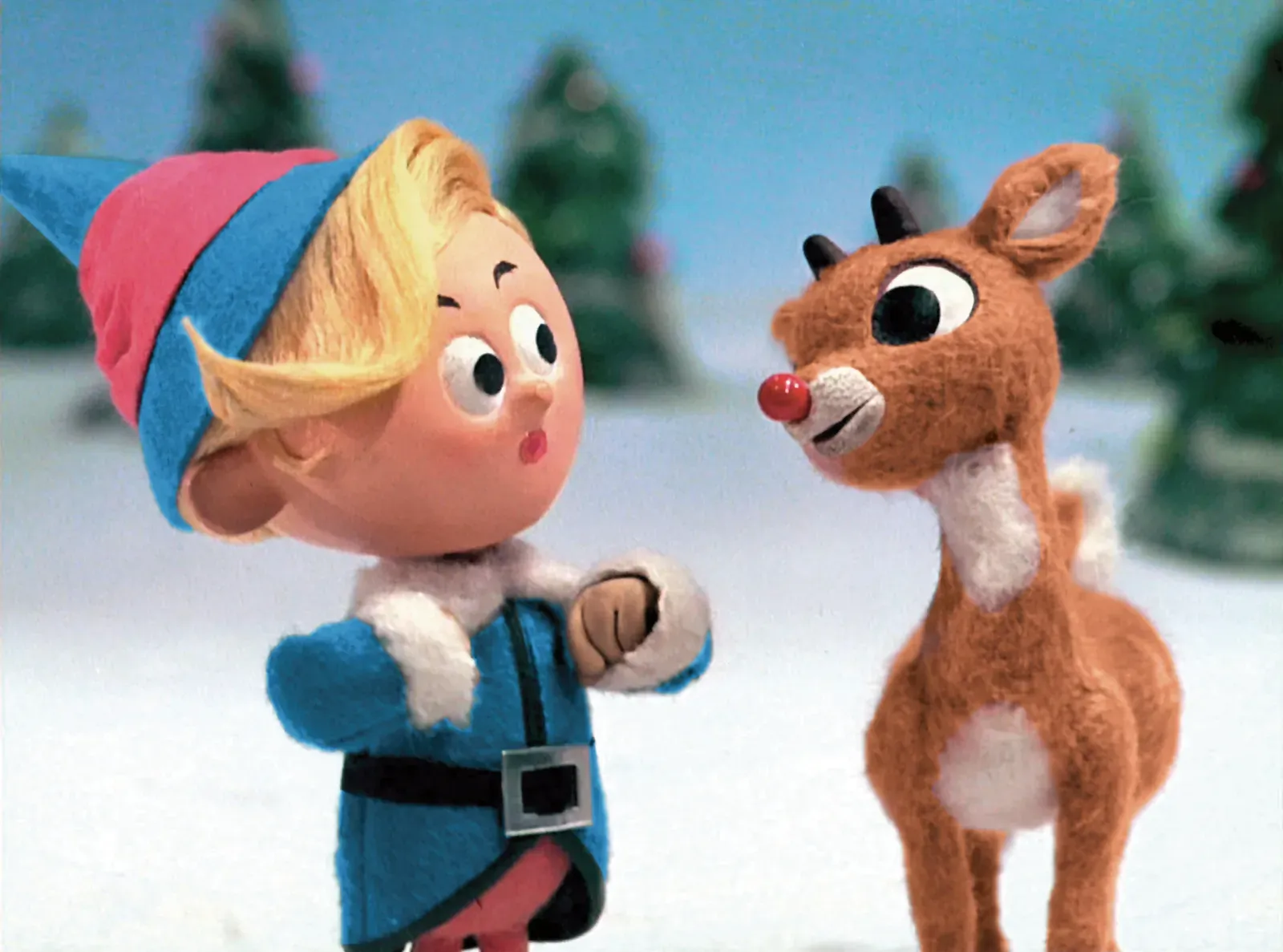
More than a century passed before the team got its ninth and most famous member. Rudolph’s story was originally written in verse by Robert L. May for the Montgomery Ward chain of department stores in 1939, as a Christmas promotional booklet to be given to children shopping with their parents.
The 1949 Christmas song “Rudolph the Red-Nosed Reindeer” by Gene Autry further popularized the character. Honestly, it’s remarkable that Rudolph became so beloved despite being created purely for advertising purposes. The popularity of the 1939 story and the 1949 Christmas song has resulted in Rudolph often being included among the team. That glowing red nose has guided countless Christmas Eves since, and most kids today couldn’t imagine Santa’s team without him leading the way.
The Cultural Blend That Created Magic

What makes this entire history so fascinating is how it represents a perfect storm of cultural exchange. The character of Santa Claus is largely based on St. Nicholas of Myra and Sinterklaas of Dutch lore, and both of those figures traveled via a noble, white steed. Yet somewhere along the way, American imagination replaced horses with reindeer.
As pagans converted to Christianity during the Middle Ages, winter festivals and traditions, as well as popular pagan beliefs, often mingled with Christian celebrations of Christmas. The reindeer themselves came from Scandinavian folklore, the names drew from Dutch and German languages, and the commercialization happened in American department stores. This blend of old world mythology and new world innovation created something entirely unique, a Christmas tradition that feels timeless even though it’s barely two centuries old.
Conclusion: More Than Just a Children’s Tale

The history of reveals how our most cherished traditions are often patchwork creations, stitched together from diverse cultures, practical marketing, and pure imagination. These flying creatures didn’t descend from ancient mythology fully formed. They evolved through anonymous poems, a professor embarrassed by his own whimsy, indigenous Scandinavian legends, savvy department store promotions, and the creative vision of a copywriter during the Great Depression.
What started as a single unnamed reindeer in 1821 became an eight-member team two years later, and eventually grew to include the most famous red-nosed leader of all. The next time you see images of Santa’s sleigh soaring across the winter sky, remember you’re looking at centuries of cultural blending compressed into one magical moment. Pretty incredible when you think about it, right? What part of this story surprised you most?

- The Secret Language of Dolphins Decoded by Researchers - July 20, 2026
- 7 Animals That Can Survive Extreme Environments You Couldn’t - July 20, 2026
- The Longest Snake Ever Found in the U.S. - July 20, 2026