
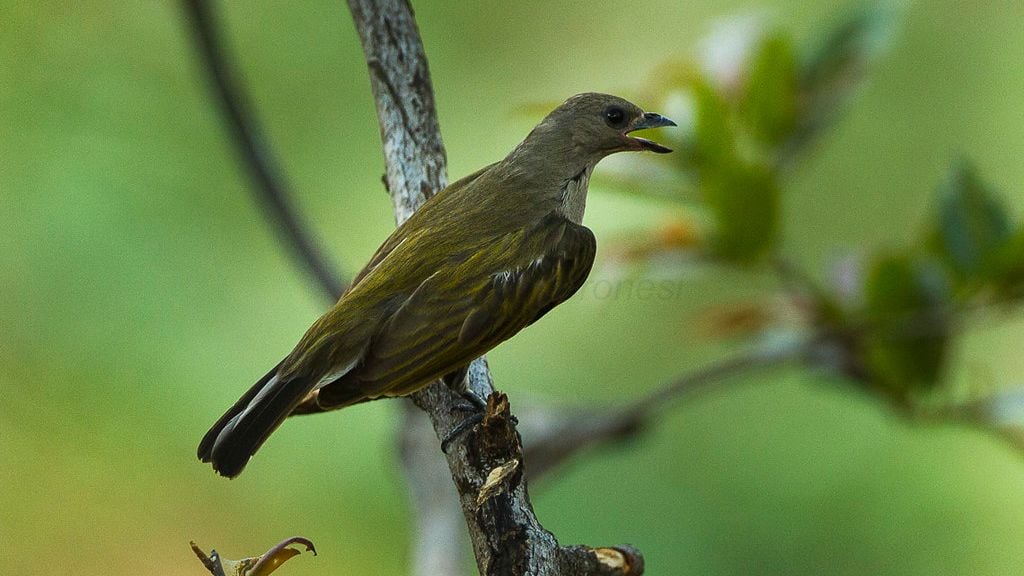
Deep in the wooded wilderness of northern Mozambique, an extraordinary partnership unfolds every day. It’s a relationship that defies what we typically think of when we imagine wildlife behavior. This isn’t about domesticated animals trained by humans, nor is it about creatures fleeing in fear from our presence. Instead, it’s about wild birds actively seeking out human partners to collaborate on a shared mission: finding honey hidden in the vastness of the African landscape.
The Yao people of Mozambique have maintained this ancient alliance with greater honeyguide birds, using specialized calls passed down through generations to communicate with their winged partners. The significance of this interaction reaches far beyond a simple quest for sweetness. It represents one of the rarest forms of mutualism in nature, where wild animals and humans engage in genuine two-way communication for mutual benefit. Let’s explore how this remarkable bond works and why it matters.
The Unique Call That Bridges Two Species
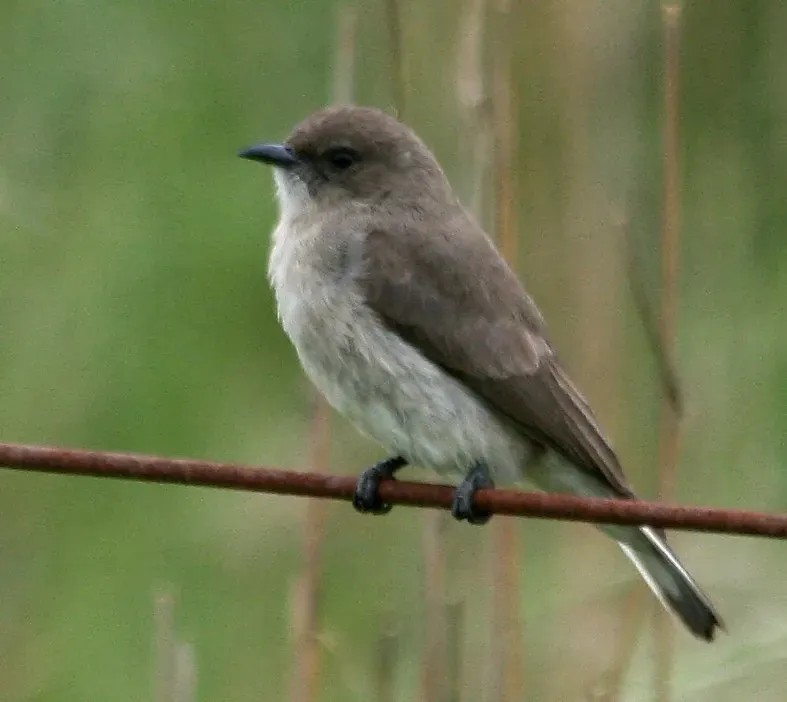
In Mozambique, honey hunters with the Yao community attract these birds with a trilling sound followed by a low grunt, which sounds like brrr-humph. This isn’t just any random noise. It’s a carefully crafted signal that has been refined over countless generations.
The brrr-hm is part of their language, part of their very identity, learned from their fathers and taught to their sons. What makes this truly remarkable is that the birds actually understand what this call means. The traditional brrr-hm call increased the probability of being guided by a honeyguide from 33% to 66%, and more than tripled the chances of a successful interaction, yielding honey for the humans and wax for the bird.
Scientists have tested this by playing different sounds in honeyguide territory. The brrr-hm call consistently outperformed other human voices or animal sounds in attracting the birds. It’s not about volume or pitch alone. The birds attach specific meaning to this culturally learned signal. Honestly, it’s hard to think of another example in nature where a wild animal responds so specifically to human language.
How the Ancient Partnership Actually Works
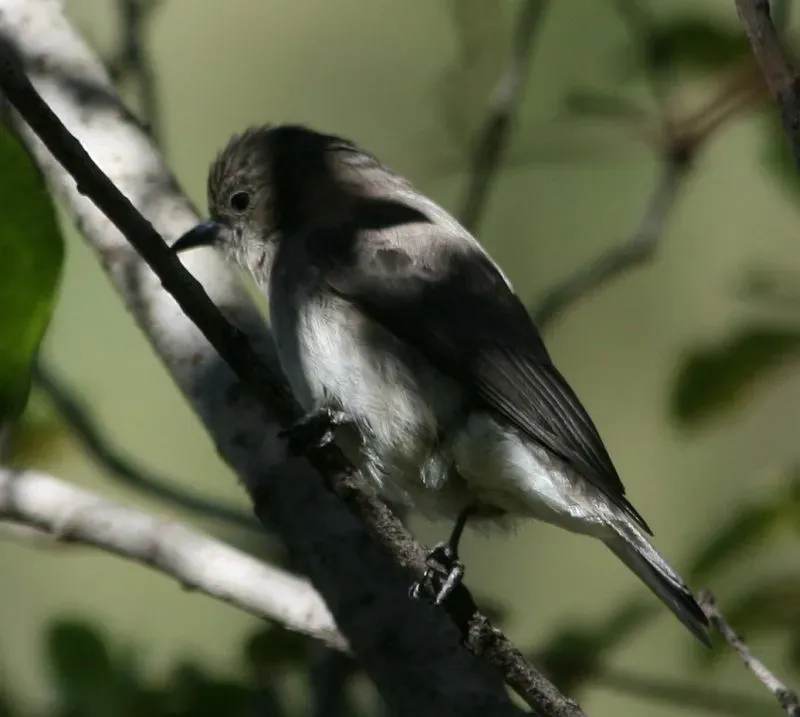
Honeyguides know where bees’ nests are located and like to eat beeswax, while humans know how to subdue the bees using fire and open the nest using axes, allowing the two species to locate the bees, overcome their defences and gain access to the nest. The division of labor here is almost elegant in its simplicity.
When a Yao hunter ventures into the bush seeking honey, they make their distinctive call. If a honeyguide is nearby and interested, the bird responds with chattering calls and flies from tree to tree, leading the hunter through the landscape. The birds act as the eyes in the sky, keeping track of trees that have honey hives hidden within, and when a forager calls to them, a honeyguide will fly down twittering loudly and lead the way, then perch near the beehive and go silent once it arrives at a tree with honey inside.
Honey hunting is not for the faint of heart, beside the obvious hazard of being stung by an angry horde of bees, there are other dangers lurking in the bush, and honey hunters must be wary of being trampled to death by buffalo and elephants. Blowing smoke into the hive helps calm the bees, and the Yao have to figure out how to do it up to 30 feet off the ground. After the hunter extracts the honey, they leave behind the wax and larvae for their feathered guide.
The Science Behind the Birdsong: Cultural Learning in Action
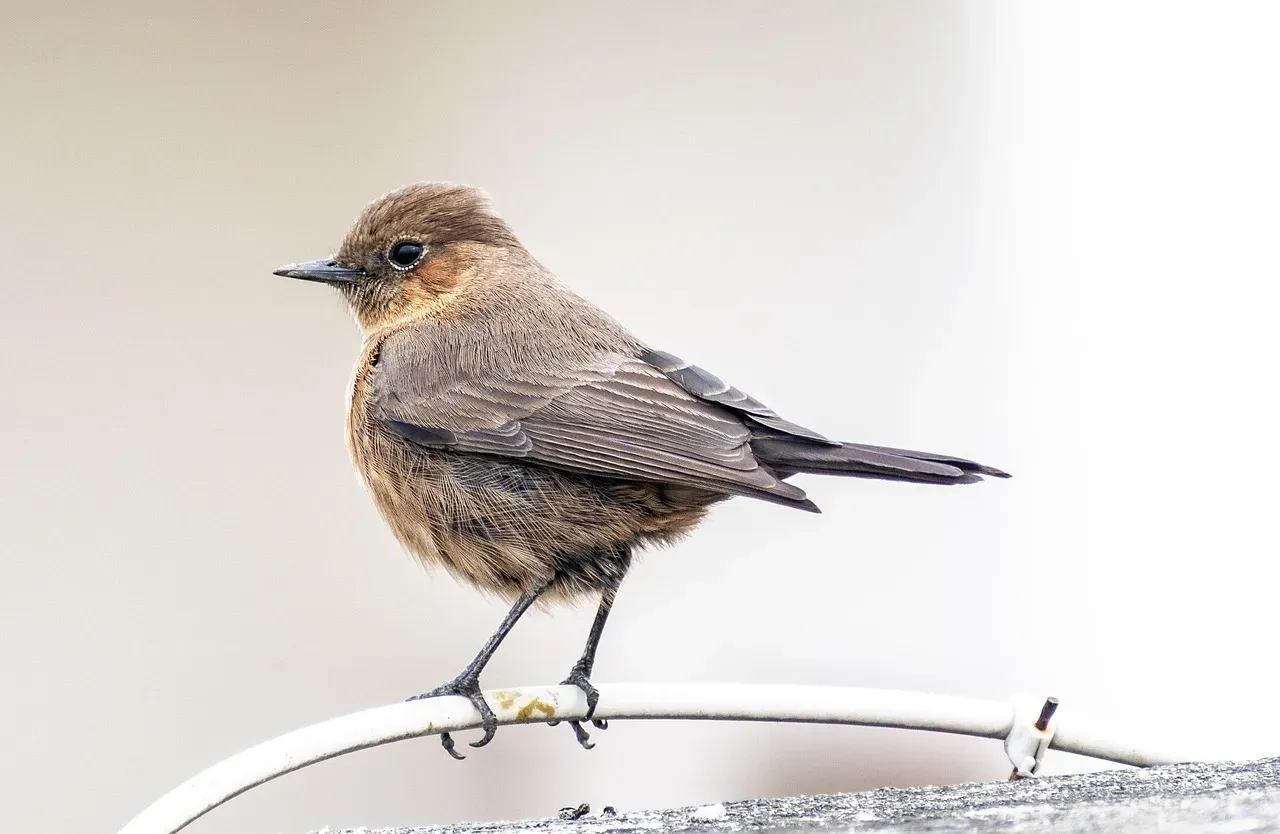
Here’s the thing that blows my mind: these birds aren’t born knowing the Yao call. They learn it. Honeyguides in the Yao area were more than three times more likely to initiate a guiding response to the Yao’s distinct call than the Hadza’s whistle, while honeyguides in the Hadza area were more than three times as likely to respond to the Hadza’s whistle than the Yao’s brrr-hm.
Different tribes across Africa use completely different calls. The Hadza people of Tanzania use a melodious whistle. The Boran of Kenya use a specific loud whistle called fuulido. Yet in each location, the local honeyguides preferentially respond to their local human partners’ calls. Researchers show that honeyguide birds understand and respond to the culturally distinct bird calls made by human hunters in different parts of Africa, suggesting cultural coevolution between species.
This represents something incredibly rare in nature. This specialised relationship is an extremely rare example of animal-human cooperation that has evolved through natural selection. The birds are essentially learning a human cultural tradition and adapting their behavior accordingly. It’s a two-way street of learning and adaptation that scientists call cultural coevolution.
The Vital Role Honey Plays in Tribal Life
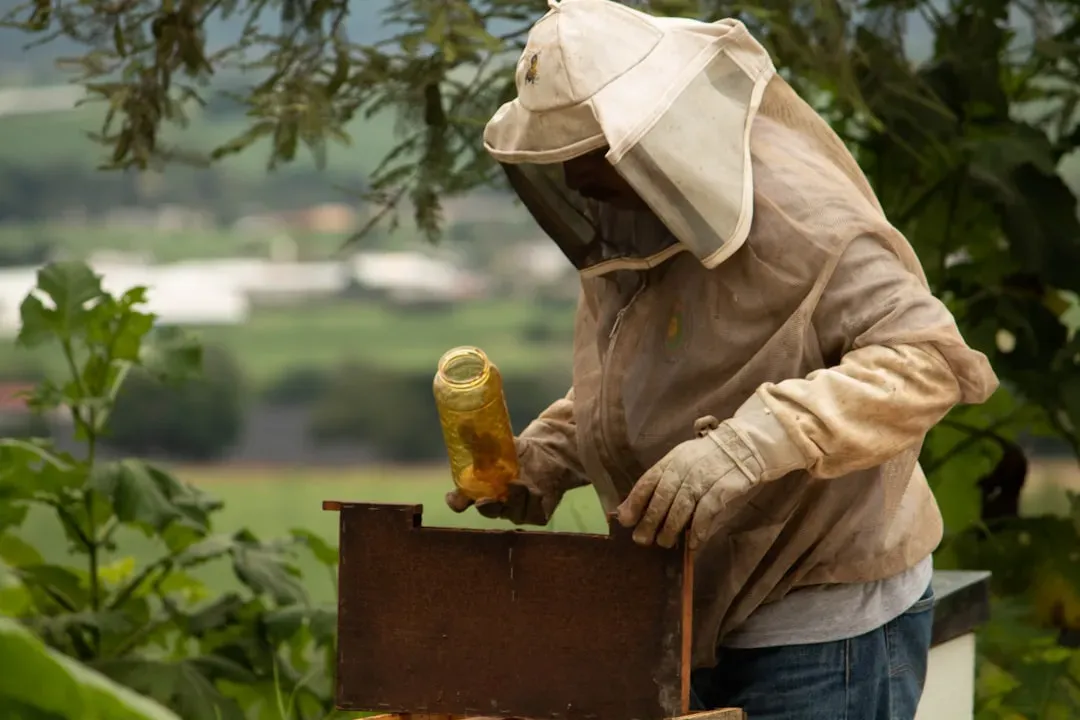
For the Yao community in Mozambique, honey plays a vital role in their daily lives. We’re not talking about a luxury item here. Wild honey is a high-energy food that can provide up to 20% of the calorie intake for honey-hunters, and the wax they share or discard is a valuable food for the honeyguide.
In Tanzania, researchers found that honeyguides provide even more dramatic benefits. The Hadza people benefit greatly from this relationship, as honeyguides increase Hadza hunter-gatherers’ rates of finding bee nests by 560% and lead them to significantly higher-yielding nests than those found without honeyguides. Let’s be real, without the birds, finding wild bee colonies in vast African woodlands would be like searching for needles in a haystack.
This wooded habitat is not typical African savanna, but the birds and the villagers have learned to thrive in it, because the trees are tall and the bees are small. The partnership makes economic and survival sense for both parties. The birds get access to wax, which they can digest thanks to special gut bacteria. Humans get high-calorie honey that sustains their communities.
A Tradition Fading Into History
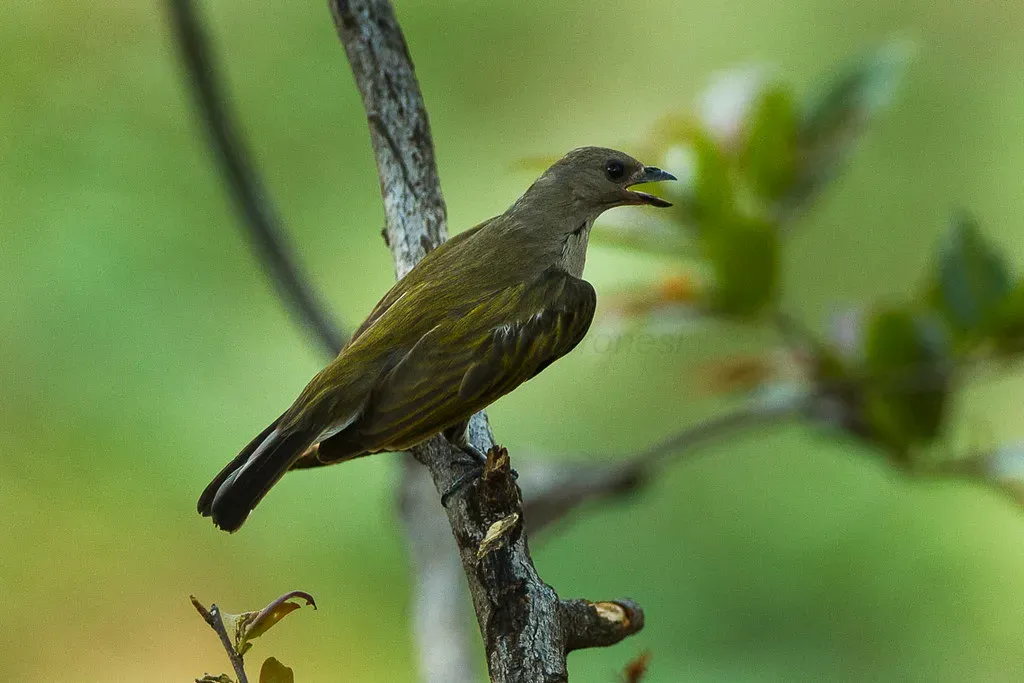
Once widespread across the continent, honey hunting with honeyguides is now practiced by just a few ethnic groups in East Africa, particularly in rural areas of Mozambique, Tanzania, and Kenya. The modern world is encroaching on this ancient partnership in multiple ways.
The rise of apiculture and cheap, easily available alternative sweeteners have caused demand for wild honey drop, and wild areas that can support bee colonies are increasingly put off limits to the local communities, so people are getting shut out from their traditional foraging areas. The knowledge so essential to cooperative hunting, fishing, and foraging is vanishing as new generations eschew the labor-intensive practices and often rural livelihoods altogether.
The role of the little bush bird is shrinking as more villagers turn to farming and taming their own hives, but for the Yao of Mozambique, the alliance remains strong. The honeyguide-human relationship is currently dwindling throughout Africa, and before it fades away, we need to understand this ancient part of our own species’ evolutionary history in those few places where it still thrives. In areas where people have stopped hunting for wild honey, the birds are reportedly losing their guiding behavior entirely. It’s hard to say for sure, but we may be witnessing the slow extinction of a behavioral tradition that could stretch back hundreds of thousands of years.
Conclusion
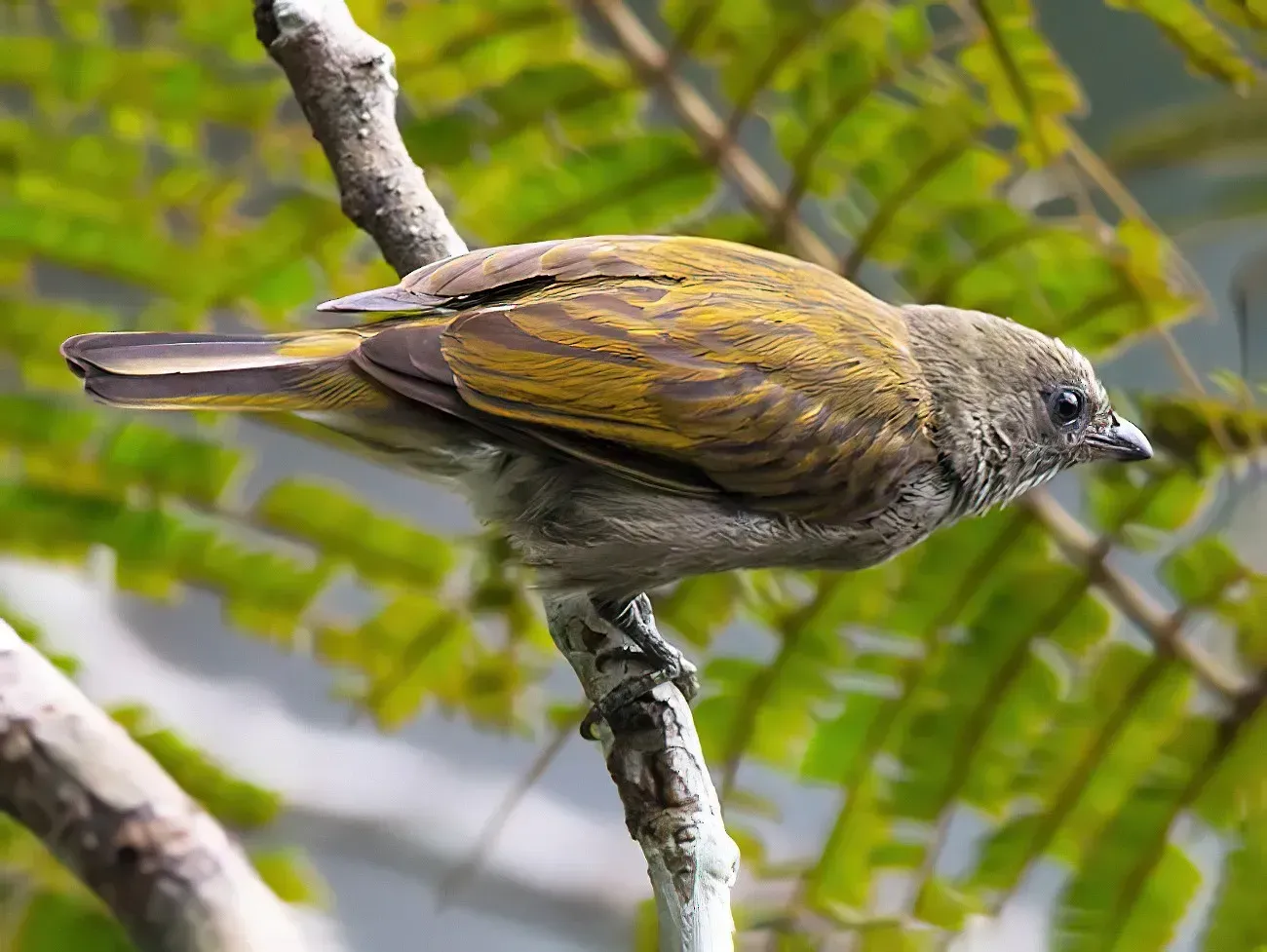
The partnership between honeyguide birds and the Yao people of Mozambique stands as a testament to the unexpected ways humans and wildlife can collaborate. This relationship involves free-living wild animals whose interactions with humans have probably evolved through natural selection, probably over the course of hundreds of thousands of years. It’s a living example of how communication, trust, and mutual benefit can create bonds that transcend species boundaries.
The human-honeyguide alliance was first documented in the 1500s, but some experts believe it might stretch back to Homo erectus, which would put it at about 1.9 million years old. After centuries of living alongside nature, the Yao know: In the savanna, you need every last friend you can get.
As this ancient tradition faces threats from modernization, land use changes, and cultural shifts, preserving it becomes not just about protecting a unique behavior, but about maintaining a connection to our shared evolutionary past. The brrr-hm call echoing through the Mozambican bush reminds us that humans aren’t always separate from nature. Sometimes, we’re partners in it.
What would happen if this relationship disappeared completely? Would we lose more than just a foraging technique? Tell us what you think.
