
Picture islands where children have played for generations slowly vanishing beneath the waves. Imagine entire nations facing not just displacement, but complete erasure from the map. This isn’t science fiction or some distant future scenario. It’s happening now, and the consequences are profound.
Sea levels are accelerating at an alarming pace, and while wealthy nations debate policies and build seawalls, some countries are literally running out of time and land. The injustice is striking – many of these vulnerable places have contributed almost nothing to global emissions yet face the most severe consequences.
Tuvalu
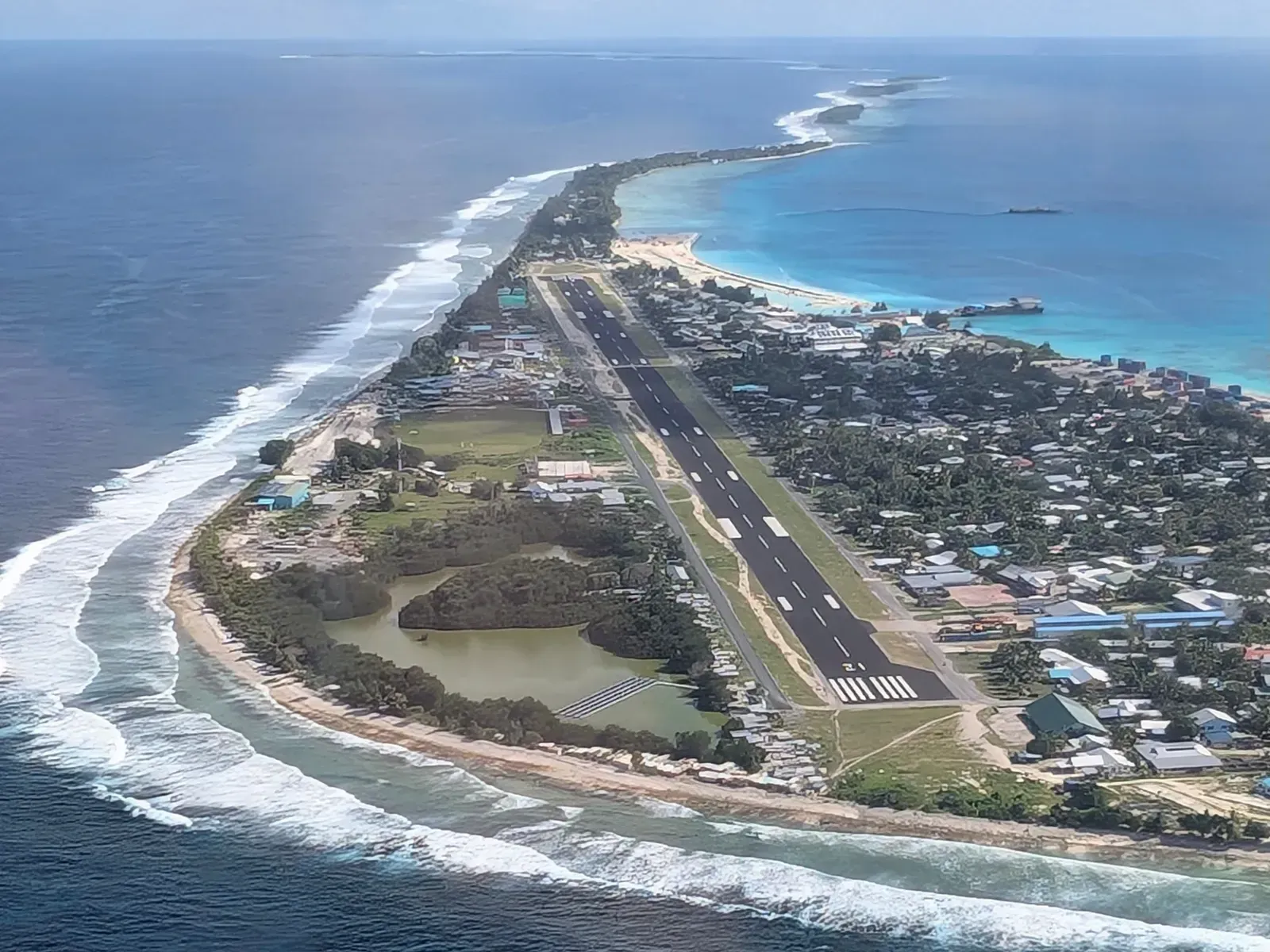
Tuvalu stands among the most endangered countries, with an average elevation of just two meters and its highest point reaching only five meters above sea level. Sea level rise in Tuvalu is already 1.5 times faster than the global average, with much of its land area expected to be below the average high tide by 2050. The nation’s roughly 11,000 residents face a grim reality that most people can’t even fathom.
Tuvalu is expected to be completely underwater by 2050, and Australia has signed the Falepili Union Treaty to allow 280 Tuvaluans per year to settle as permanent residents. Think about that for a moment – an entire country negotiating the evacuation of its population. By the end of the century, Tuvalu will face annual coastal flood damage equivalent to 38% of its GDP, making economic survival impossible long before the islands physically disappear.
Kiribati
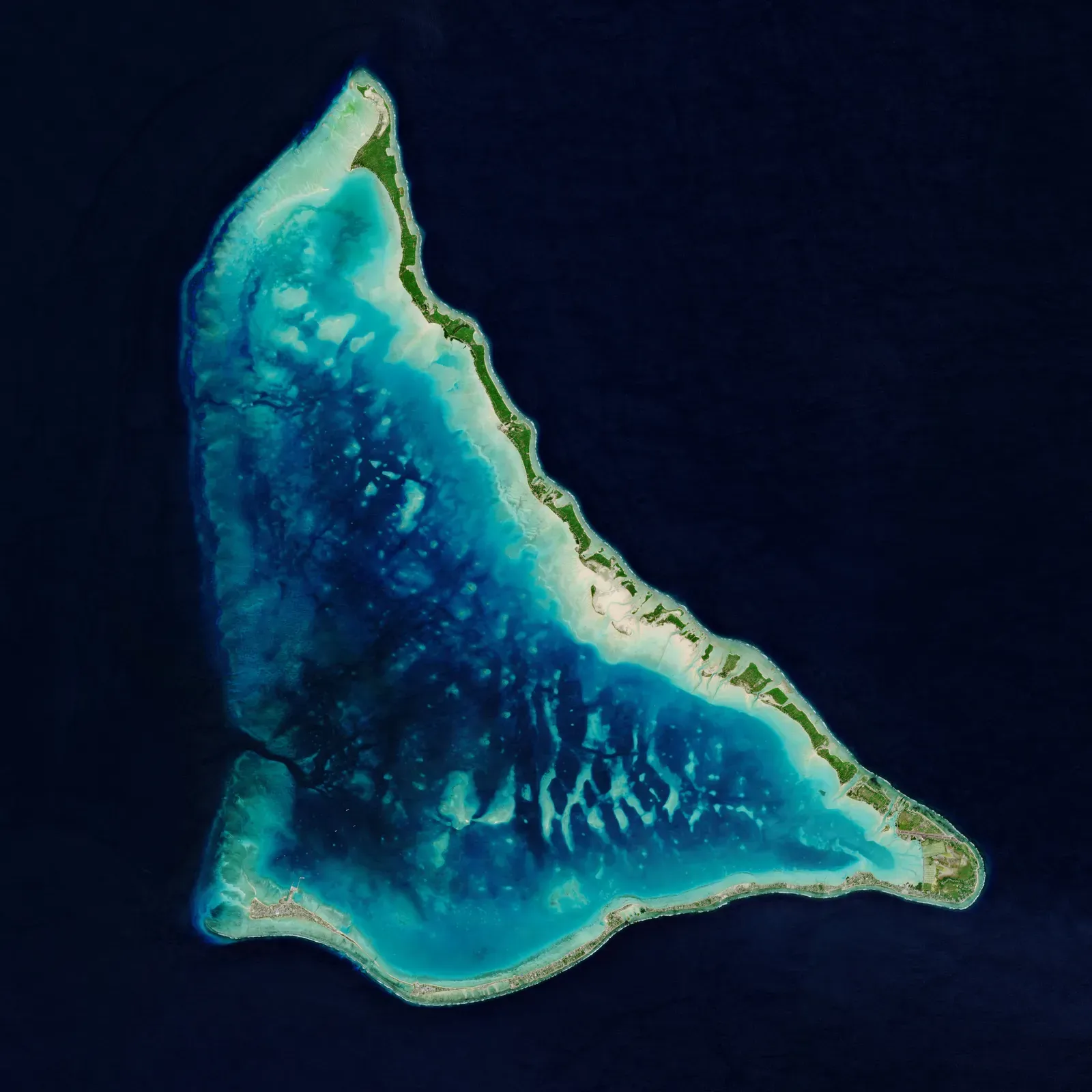
Kiribati is home to 120,000 people across 33 atolls and islands, with its capital Tarawa already flooding during high tides, and projections warn that if sea levels rise by one meter, up to 95 percent of its landmass will be underwater. The reality is already devastating for residents who watch the ocean creep closer each year. Their situation feels like watching a slow-motion disaster unfold with no way to stop it.
In 2012 Kiribati purchased 22 square kilometers of land in nearby Fiji, intended to first house skilled workers but eventually planned to be the home of the nation’s entire population. Yet here’s the thing – even this desperate measure might not be enough. Some islands have become overcrowded as a result of relocation, increasing the pressure for international migration.
Maldives
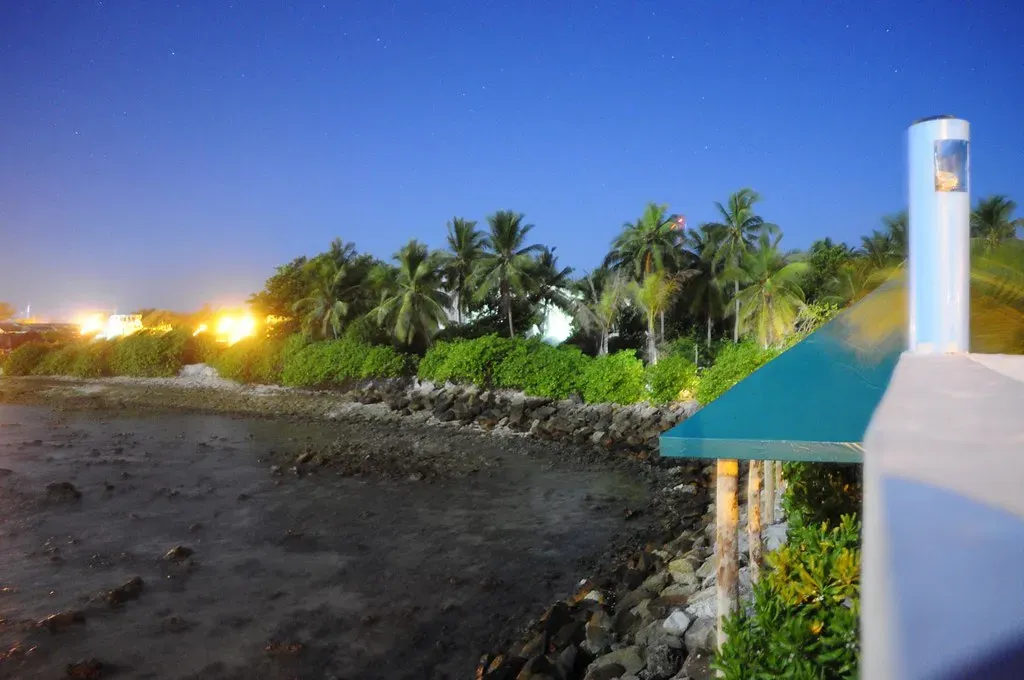
The Maldives has been warning the world about the existential threat posed by climate change since 1989, with more than 500,000 people squeezed onto just 300 square kilometers of land. With an average height of only 1.5 meters above sea level, approximately 80 percent of the islands are less than one meter above mean sea level, leaving them at risk of being entirely submerged or rendered uninhabitable. Walking through Malé feels surreal when you realize the ocean could claim it within your lifetime.
At current rates of sea level rises, 80 percent of the 1,100 coral islands could be uninhabitable by 2050. Honestly, the Maldives represents one of the cruelest ironies of climate change – a tropical paradise turned into ground zero for an environmental catastrophe. In April 2025, President Mohamed Muizzu bluntly warned that the Maldives could become the first country to lose its capital to the climate crisis.
Marshall Islands

The Marshall Islands’ atolls are mostly less than two meters above sea level, and the surrounding ocean has risen by more than 12 centimeters since 1993, regularly flooding neighborhoods, fields, roads, and graveyards. The Marshall Islands’ rate of rising seas doubles the world’s average, and without any adaptation measures, it will be one of the first nations to experience sea level rise as a genuine existential threat. It’s hard to say for sure, but the situation seems almost hopeless without massive international support.
A 1-meter sea level rise will mean 40% of the buildings in Majuro, the capital city, would be permanently inundated and flooded, and entire islands will disappear. Let’s be real – this isn’t just about statistics. Research suggests the loss of freshwater resources could make the islands uninhabitable long before they might sink below the ocean waves, meaning the crisis could arrive even sooner than projected.
Nauru
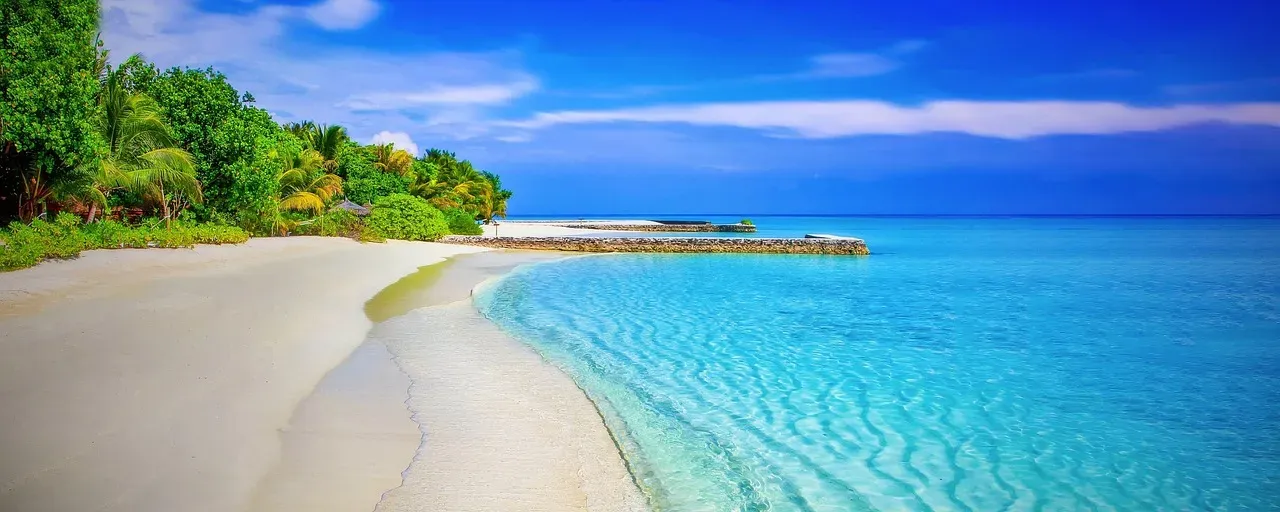
The Republic of Nauru is a territory of just over 20 square kilometers, with its main threat being current sea level rise due to its low average height, and if ice melting continues, the survival of Nauru’s small population will be greatly endangered. This tiny island nation faces double jeopardy – its small size means fewer resources to fight back against rising waters.
The psychological toll on Nauru’s residents must be immense. Living on such a small piece of land with the ocean closing in creates a kind of existential anxiety that most of us will never experience. Nauru has already suffered from decades of environmental degradation due to phosphate mining, and now climate change threatens to finish what human exploitation started.
Solomon Islands
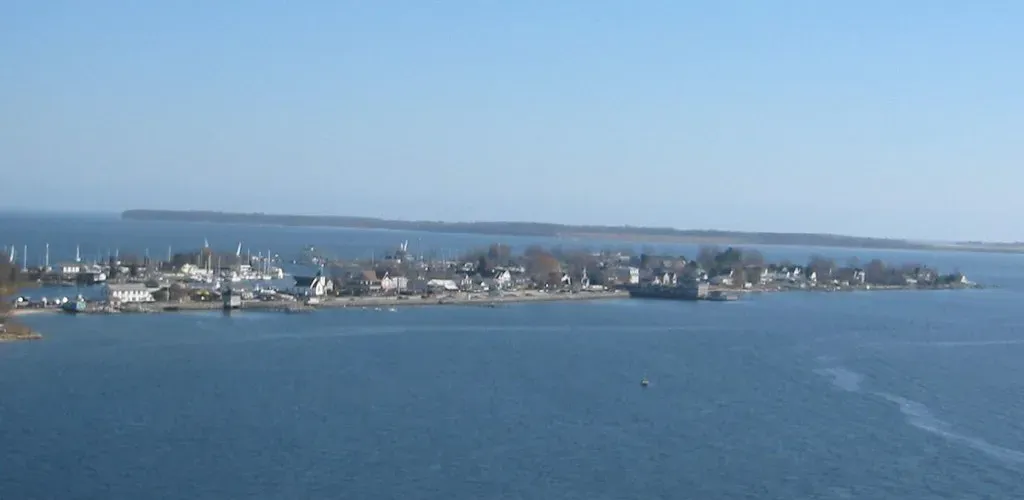
Using historical imagery from 1947 to 2014, researchers identified five vegetated reef islands that have vanished completely and six more experiencing severe shoreline recession, with shoreline recession at two sites destroying villages that existed since at least 1935, leading to community relocations. Here’s the thing – these aren’t predictions anymore. Islands are already gone, swallowed by the sea.
Sea level rise and other climate impacts are already forcing people to relocate in Fiji, Vanuatu, the Solomon Islands and elsewhere. The Solomon Islands serve as a stark reminder that this crisis isn’t waiting for 2050 or 2100. Rates of shoreline recession are substantially higher in areas exposed to high wave energy, indicating a synergistic interaction between sea-level rise and waves, meaning the damage accelerates in unpredictable ways.
Bangladesh
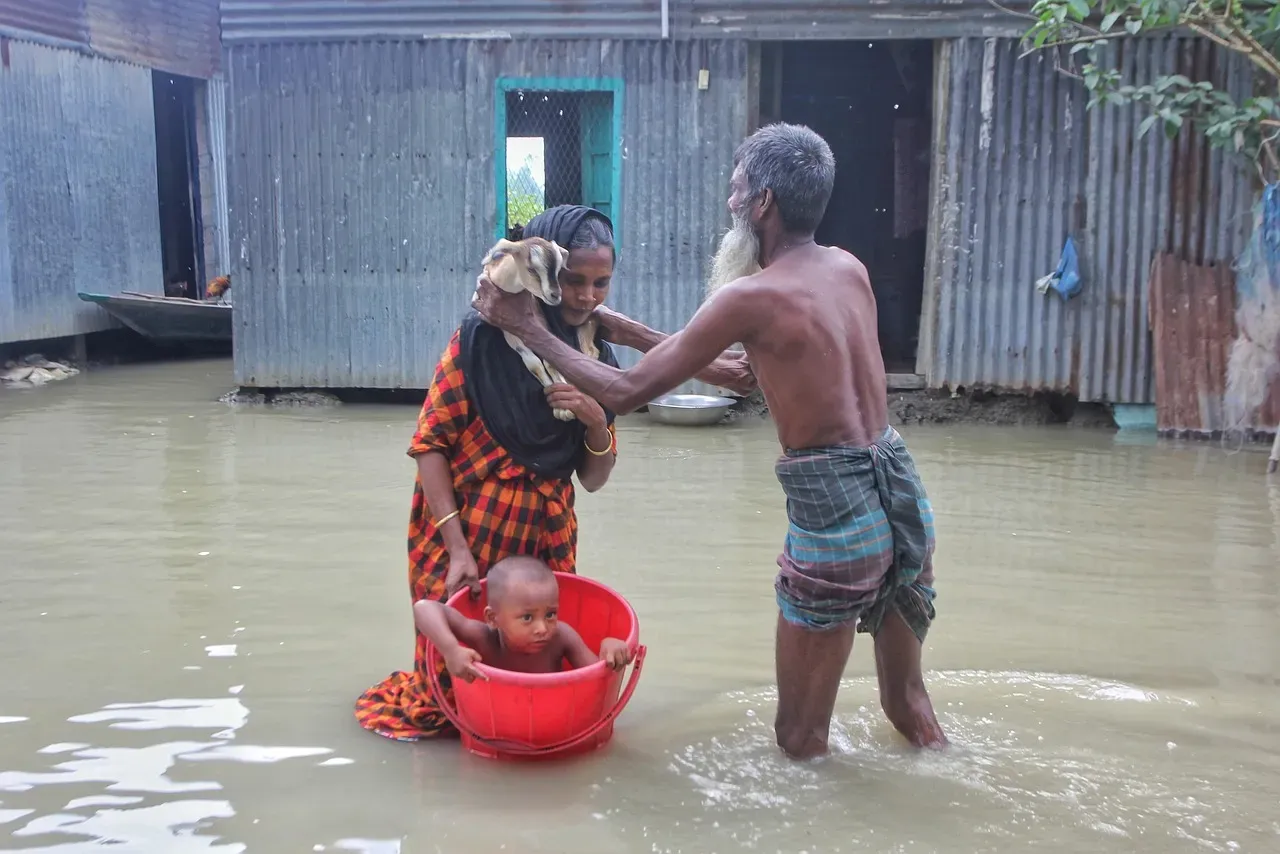
Bangladesh faces major issues related to rising sea levels, with 32 million people at risk by 2100. That number is staggering – 32 million people. To put that in perspective, that’s roughly the population of Canada or Peru. Bangladesh is not in a fortunate position compared to countries like the Netherlands and United States in terms of having the financial clout to implement protection projects.
The delta nation faces a perfect storm of vulnerability – dense population, low elevation, and limited resources. While not a small island nation, Bangladesh’s coastal regions face similar existential threats. The sheer scale of potential displacement could trigger one of the largest humanitarian crises in human history, creating ripple effects across South Asia and beyond.
Vanuatu
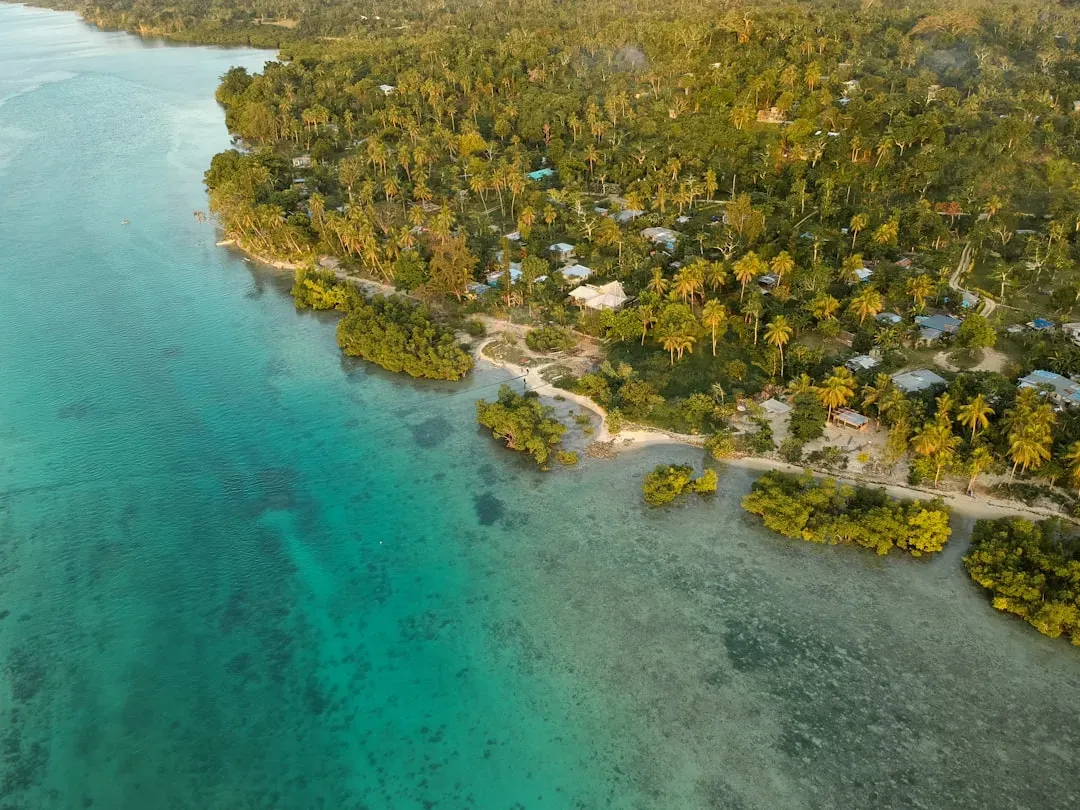
Along with sea level rise, Vanuatu also has a high rate of cyclone formation, with Cyclone Pam in March deteriorating 90% of the buildings in the capital. Vanuatu faces similar risks to other island nations including Kiribati, the Solomon Islands, and Fiji. The combination of rising seas and intensifying storms creates a devastating one-two punch.
Residents of Lateu, a village in Vanuatu, were relocated inland in 2005, showing that displacement has been happening for years already. I know it sounds crazy, but Vanuatu’s volcanic landscape means it has more elevation options than atoll nations – yet even that advantage may not be enough as storms grow fiercer and coastlines erode faster.
Samoa
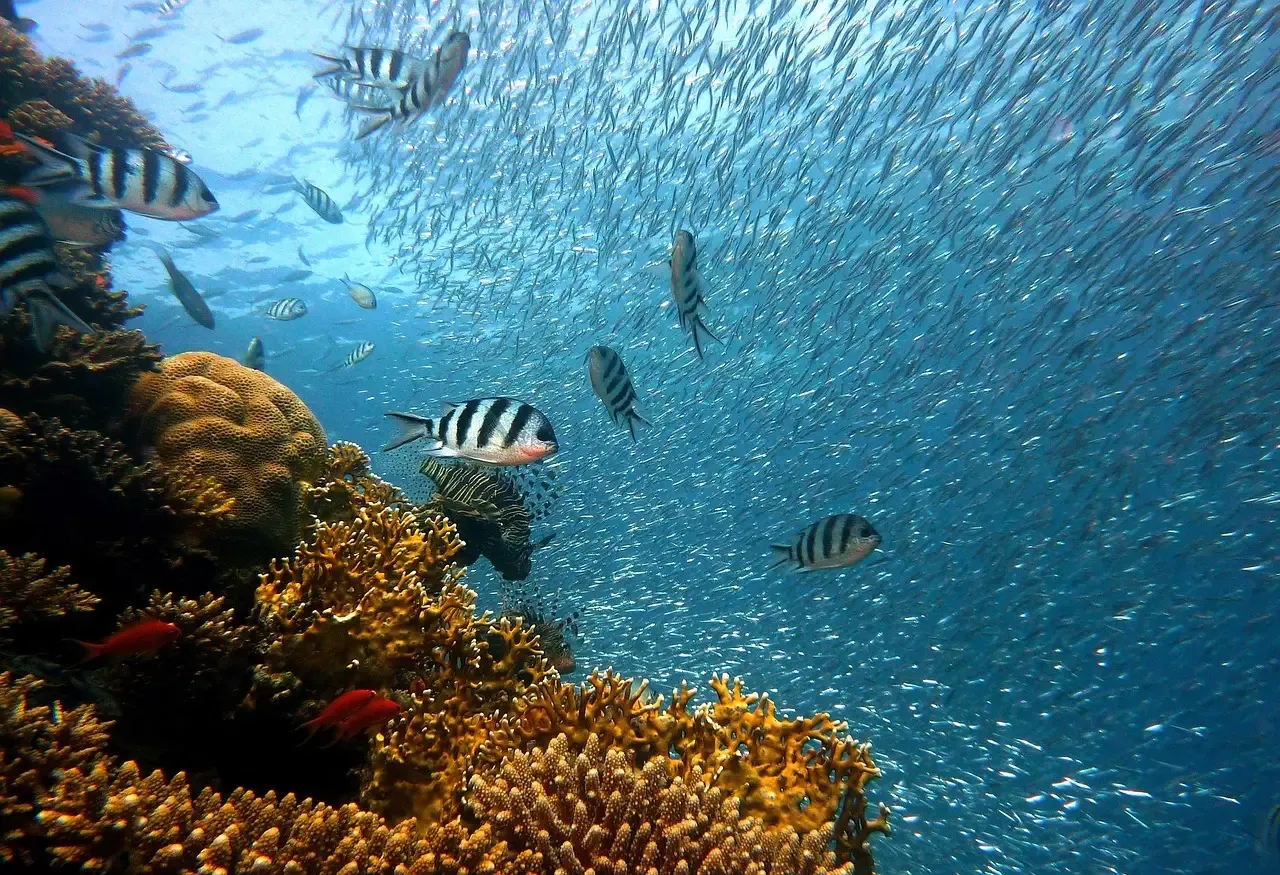
The biggest challenge for Samoa is the disappearance of coral reefs caused by ocean warming, as these natural barriers protect against violent waves, which now find no opposition and are eroding and invading the coasts. The loss of coral reefs represents a double catastrophe – both an ecological disaster and the removal of natural coastal defenses that islands desperately need.
Samoa’s vulnerability shows how interconnected climate impacts compound each other. Rising temperatures bleach and kill coral reefs, which then leaves coastlines exposed to wave action, which accelerates erosion, which threatens freshwater supplies through saltwater intrusion. It’s a cascading system of failures, and breaking one link in this chain becomes harder as temperatures rise.
Vietnam’s Mekong Delta
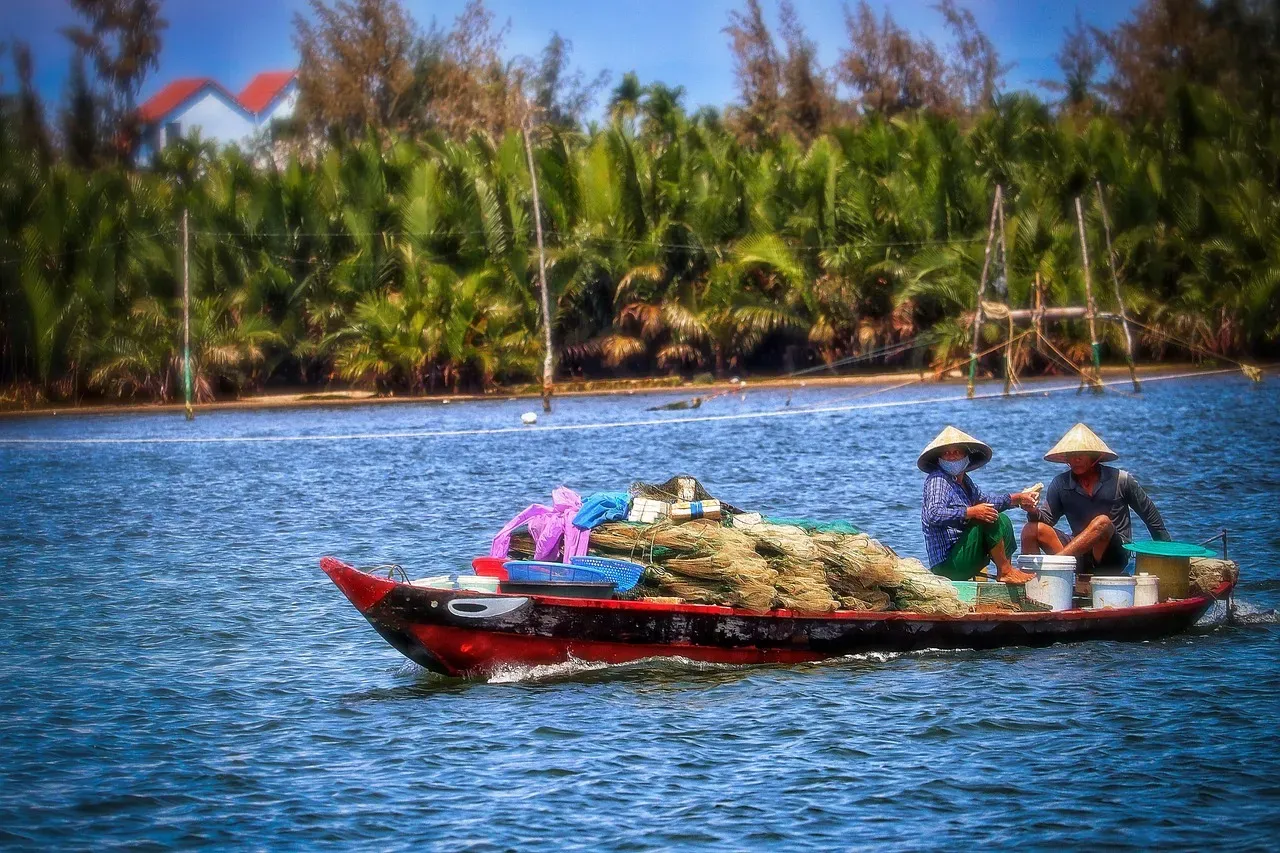
Similar threats exist in the Mekong Delta, where hundreds of millions of people living in the river basins will suffer the effects of both rising sea levels and the intrusion of saltwater. The Mekong Delta feeds not just Vietnam but much of Southeast Asia, making this a regional food security crisis waiting to happen.
Let’s be real about what this means. The Mekong Delta produces enormous quantities of rice, fish, and other agricultural products. When saltwater pushes inland, it doesn’t just displace people – it destroys farmland, contaminates water supplies, and threatens the food supply for hundreds of millions. The geopolitical implications of this kind of agricultural collapse could reshape the entire region.
Conclusion
Some nations’ coastlines have already seen triple the average rate of sea level rise, and in coming decades, low-lying communities and entire countries could disappear forever, witnessing a mass exodus of entire populations on a biblical scale. The terrifying reality is that we’re not just talking about losing land – we’re talking about erasing entire cultures, languages, and ways of life that have existed for thousands of years.
A key factor in determining whether a city or country will disappear is not necessarily the rate of sea level rise, but the capacity to address the problem and develop long-term defenses. This creates a profound injustice where the countries least responsible for climate change face the worst consequences while having the fewest resources to adapt.
What will future generations think when they look back at this moment? Will they understand why we allowed entire nations to vanish beneath the waves while we had the technology and resources to prevent it? These aren’t just statistics or projections – they’re communities, families, and human beings facing an impossible choice between abandoning their ancestral homes or going down with them. What do you think should be done to help these vulnerable nations? Tell us in the comments.
