
Worried about unexpected vet bills?
Pet insurance can cover thousands in unexpected vet costs. Get a free quote from Lemonade in under 2 minutes.
Get My Free Quote →Sponsored · Opens Lemonade.com
There is something quietly unsettling about watching your dog fall apart the moment you walk out the door. The whining, the chewed furniture, the desperate scratching at the walls. Most people assume it is purely a dog problem, something to be fixed with training or a new toy. But here is the thing – science is increasingly suggesting the story runs much deeper, and it has a lot more to do with you than you might expect.
Your dog, it turns out, may be acting as a kind of emotional mirror. A living, breathing reflection of the psychological currents running beneath your daily life. What starts as a behavioral issue can quietly reveal fears, attachment wounds, and anxieties you may not even consciously acknowledge in yourself. Curious? You should be. Let’s dive in.
The Scale of the Problem Is Bigger Than Most Realize

Most dog owners have no idea just how widespread separation anxiety has become. Behind roughly one in four to six of those happy, tail-wagging greetings lie the hallmarks of separation anxiety: chewed-up belongings, scratched doors and windows, and accidents. That is not a minor nuisance. That is a welfare crisis unfolding quietly in millions of homes.
Dog separation anxiety jumped well over 700% in only two years. Fear of strangers surged, outpacing fear of loud noises to become the leading cause of anxiety in dogs, after a nearly 300% increase since 2020. Numbers like that are almost hard to believe.
Dogs with separation-related behavior problems engage in unwanted behaviors such as destruction of property and excessive vocalization when left alone, causing distress for both the dog and the owner, and often leading to the dog being relinquished. The ripple effect is enormous, touching shelter intake rates, veterinary costs, and most painfully, the bond between owner and pet.
Your Dog Is Literally Absorbing Your Stress
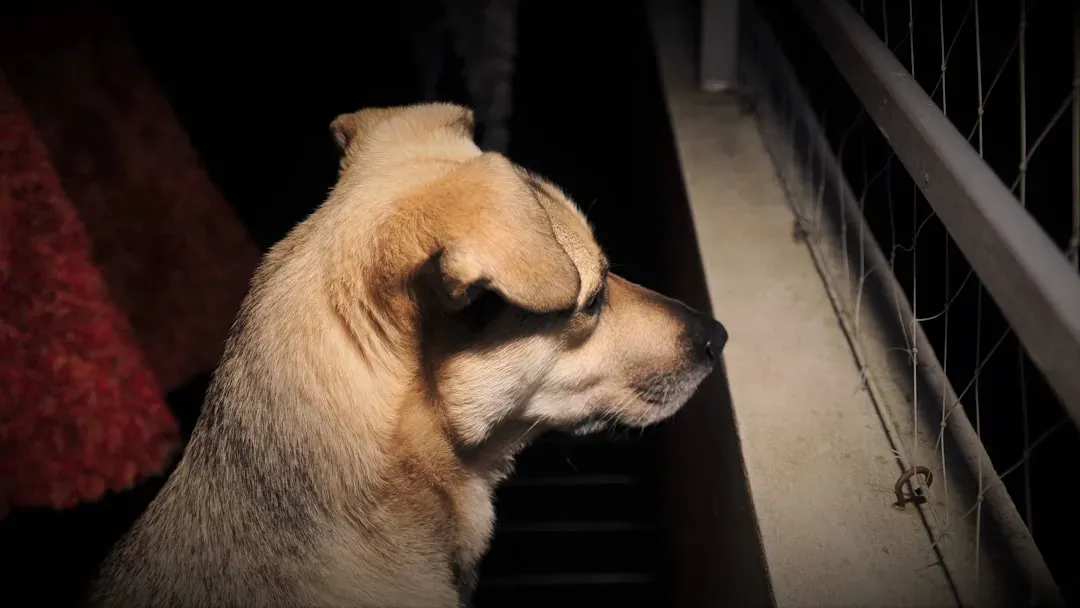
I know it sounds a bit out-there, but the science here is genuinely fascinating. Dogs do not just observe our emotional states from the outside. They absorb them from the inside out.
Researchers determined stress levels over several months by measuring the concentration of cortisol in a few centimetres of hair from both the dog and its owner. They found that the levels of long-term cortisol in the dog and its owner were synchronized, such that owners with high cortisol levels have dogs with high cortisol levels. Think of it like a Wi-Fi signal you never knew you were broadcasting.
Based on their data, researchers concluded that since the personality of owners was significantly related to the cortisol levels of their dogs, it is the dogs that mirror the stress levels of their owners rather than the owners responding to the stress in their dogs. In other words, the emotional traffic flows primarily from you to them, not the other way around.
Dogs have an ability to read and match human emotions. When a person is very anxious, dogs understand this and often become anxious as well. If the anxiety is chronic, the dog may also develop chronic anxiety. Chronic. That single word should give every anxious dog owner pause.
The Pandemic Exposed a Raw Nerve in the Human-Dog Bond

The COVID-19 pandemic was, unintentionally, the world’s largest behavioral experiment involving humans and their dogs. The results were revealing, and not always in a flattering way.
Between the start of the COVID-19 pandemic in early 2020 and January 2022, over 23 million American households welcomed new canine companions into their families. As owners have been called back into the office in more recent years, many pairings have had to separate for the first time. Millions of dogs experienced human proximity around the clock, then suddenly experienced abandonment-level absences.
The quality of life for companion animals is directly influenced by their owners’ behavior. Therefore, the changes resulting from the restrictions during the COVID-19 pandemic led to significant impacts on the relationship between owners and dogs. The dogs were not behaving badly. They were simply responding to the emotional and logistical chaos their owners were living through.
Recent studies demonstrate that bonded dogs and humans can experience what is known as emotional contagion. Without intervention, this shared anxiety can become cyclical and self-perpetuating. That cycle is the real problem. Two anxious beings feeding each other’s fear in a loop neither one can easily break.
Attachment Theory: It Is Not Just for Humans Anymore
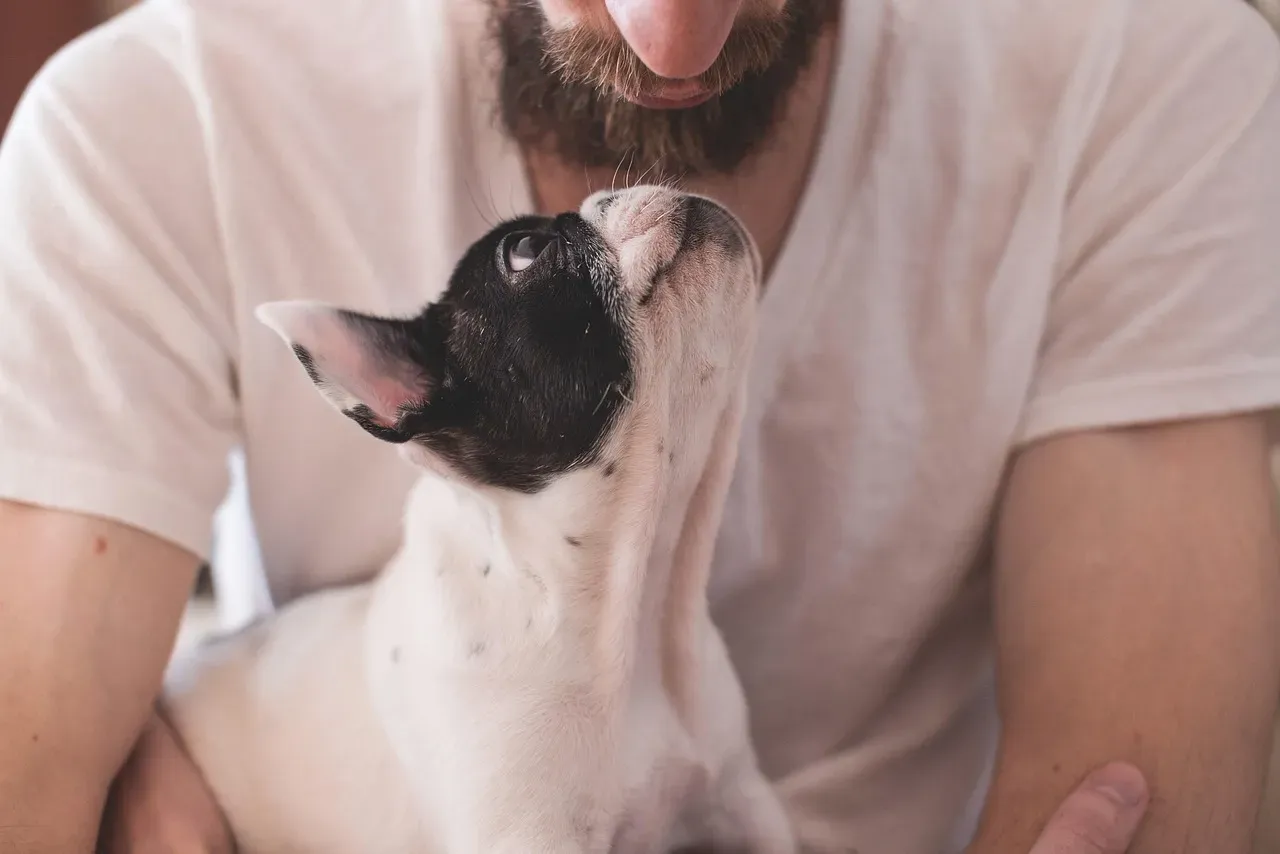
Here is something that blew my mind when I first came across it. The psychological framework we use to understand how children bond with their parents? Researchers are now applying it directly to dogs and their owners.
The human-dog social bond is thought to be analogous to filial attachment. As humans provide resources to the dog – the same way parents provide them to their offspring – the dog is dependent on humans and motivated to stay close to its owner. This motivation manifests itself as a stress response in the absence of the owner. Essentially, your dog sees you the way a small child sees its parent.
Researchers concluded that affected dogs may be insecure in their relationship with the owner, and proposed using a term from human developmental psychology – an “ambivalent” relationship – for these dogs. Ambivalent attachment. That is not a dog training term. That is a therapy term. And it applies here because the dynamic genuinely mirrors what happens between humans with insecure attachment styles.
A stronger emotional attachment to one’s dog was associated with lower comfort with depending on or trusting in others. Moreover, a stronger attachment to one’s dog was also related to a greater fear of being rejected and unloved, which was in turn associated with a higher mental health burden. Suddenly, the frantic dog at the door starts to look like a symptom of something much more human.
When Your Dog’s Fear Is Actually Your Fear on Four Legs

Let’s be real for a moment. Not every dog owner wants to hear this. The idea that your dog’s anxiety might point back to your own emotional patterns is uncomfortable. Still, the evidence keeps piling up.
There was a significant positive relationship between scores for dogs’ fear and anxiety and owner symptoms of anxiety and depression. That is a real, measurable statistical link, not a pop psychology guess. A dog who paces and panics is far more likely to have an owner quietly wrestling with their own unresolved fears.
Participants with greater separation anxiety from animals also reported less social support and greater attachment anxiety involving humans. People substitution was also positively related to greater animal-related separation anxiety. When a person uses a dog as a substitute for deep human connection they struggle to maintain, the stakes of every goodbye become enormous for both of them.
Individuals who are insecurely attached tend to express feelings of rejection when a pet fails to meet their expectations, such as not reciprocating physical affection in a time of need. Moreover, insecurely attached individuals who perceive themselves as not meeting their pet’s welfare needs may experience feelings of failure, intensifying feelings of insecurity. It is a painful feedback loop, and one that rarely gets named for what it is.
Inconsistency Is the Hidden Trigger Most Owners Miss
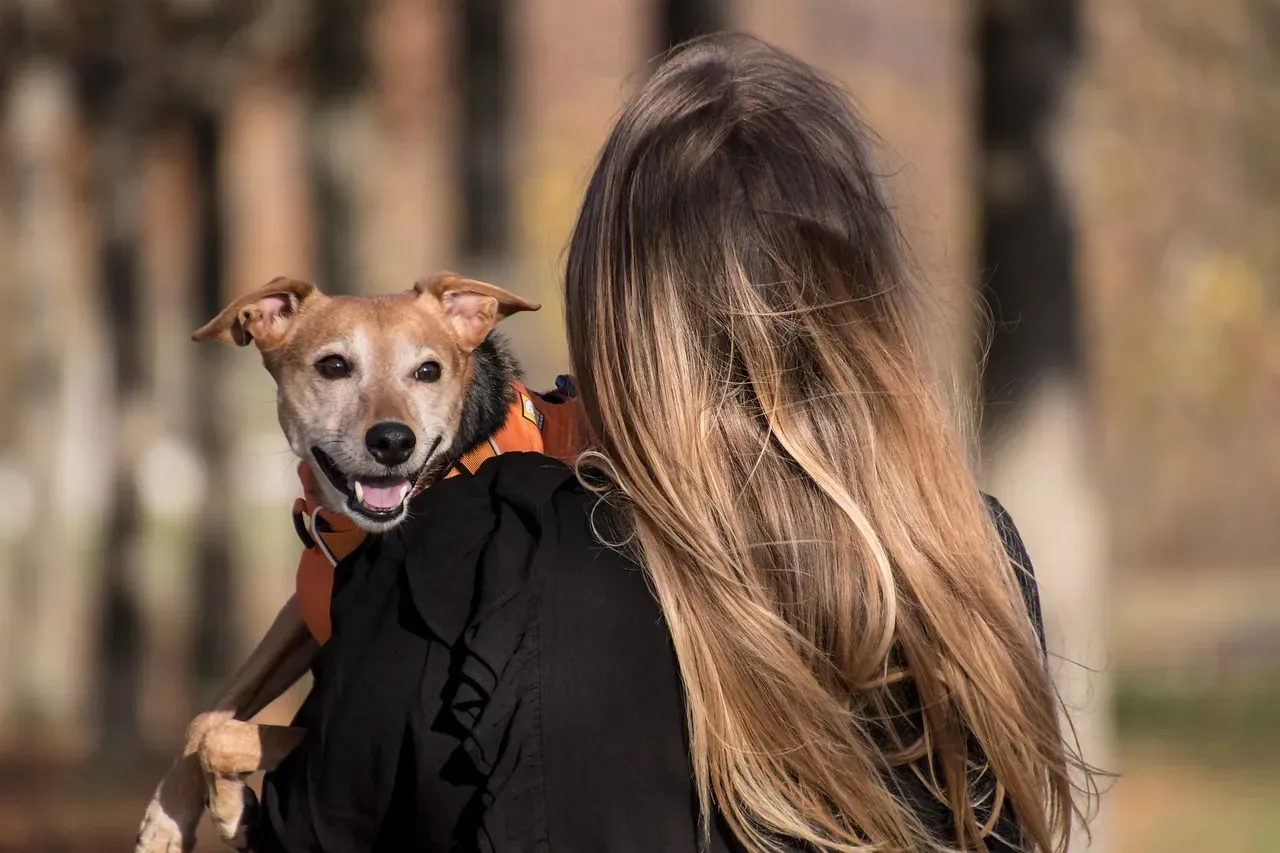
Most people focus on the moment of departure as the core problem. Walk out the door, dog spirals. Simple cause and effect, right? Actually, it is more nuanced than that, and the role of the owner’s day-to-day behavior is more significant than most people realize.
It is assumed that the owner’s inconsistency – meaning unpredictable responses – during interactions with the dog could cause a reduced frustration threshold. In a separation test, dogs that barked frequently but did not whine had the most lenient owners. Inconsistency, not cruelty, is often the culprit. Think of it like raising a child with no predictable rules. The unpredictability itself becomes the anxiety trigger.
There is some evidence that dogs who are excessively attached to their owners are more likely to develop separation anxiety, and that anxious dogs generally display more attachment behaviors. Thus, dogs who are allowed to follow their owners from room to room, who are encouraged to display more overt leaving and greeting behavior, and who are excessively bonded to their owners may be more anxious in their owner’s absence.
Stability and routine act as emotional anchors. Protective factors include ensuring a wide range of experiences outside the home and with other people, stable household routines and absences from the dog, and the avoidance of punishment. Calm, consistent, predictable humans raise calmer, more secure dogs. That is honestly true of most things in life.
Breaking the Cycle: Healing the Human and the Dog Together
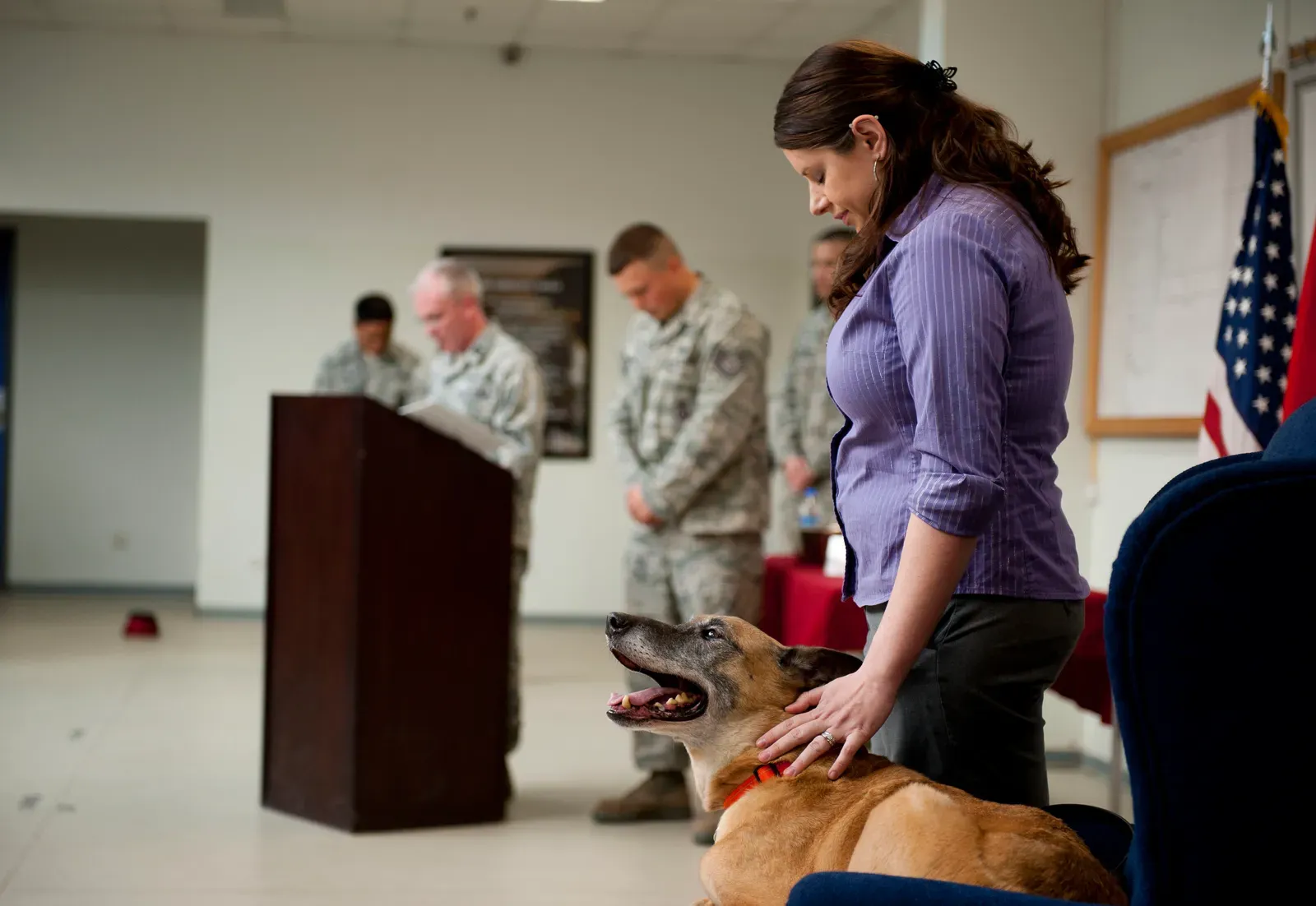
The good news is that this is fixable. Both for the dog and, potentially, for the owner doing some honest inner work alongside the process.
Systematic desensitization is a behavioral technique found to be successful in reducing or eliminating separation-related behavior problems of dogs. It involves exposure to mild versions of the feared stimulus that will not elicit anxiety, with subsequent gradual increases in intensity. Think of it as the dog equivalent of exposure therapy. Tiny doses of the feared thing, slowly, until it no longer registers as a threat.
For mild cases of separation anxiety, counterconditioning might reduce or resolve the problem. Counterconditioning changes an animal’s fearful or anxious reaction to a pleasant, relaxed one instead. It is done by associating the presence of a feared situation with something the dog loves. Over time, the dog learns that whatever it fears actually predicts good things.
Fear and anxiety in dogs partially mediated the relationship between anxious attachment and owner anxiety and depression. These findings support previous hypotheses that pet challenges could increase burden and influence owner mental health, suggesting that tailored support for pet behavioral issues could alleviate psychological distress. In other words, addressing the dog’s anxiety may actually benefit the owner’s mental health as well – and vice versa. The healing, when it happens, tends to go both ways.
The key is self-regulation. Practicing mindfulness, creating calm environments, and maintaining healthy routines can help soothe both nervous systems. Two nervous systems, one shared solution.
Conclusion: Your Dog Is Trying to Tell You Something
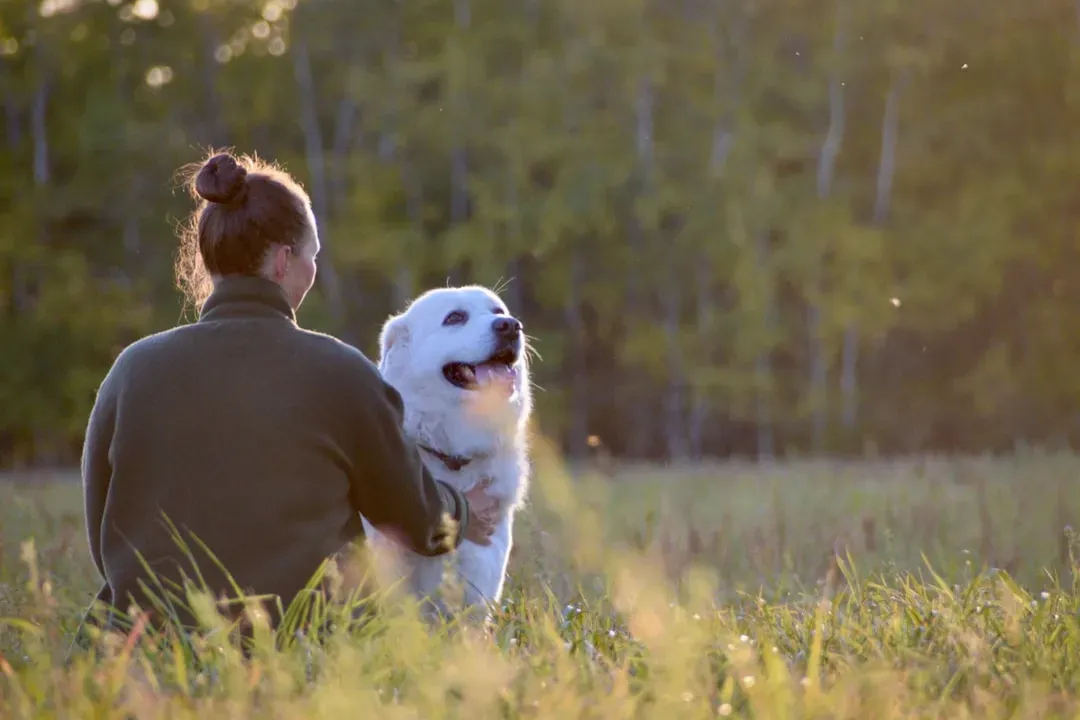
There is a beautiful, slightly humbling truth buried in all of this research. Your dog, despite having no language, no therapy appointments, and no ability to rationalize fear, is often communicating something that your own mind has learned to suppress.
Perhaps by being witness to our animal’s behavioral problems, our animals are in turn highlighting the destructive cyclical patterns of behavior we hold onto within ourselves. That is a striking thought. The chewed sofa is not just damage. It might be a message.
The relationship between a dog’s separation anxiety and an owner’s inner emotional life is not simple or direct. It is layered, nuanced, and deeply personal. But the pattern is real. The cortisol levels match. The attachment styles mirror. The fears compound.
So next time your dog loses it the moment you grab your keys, try pausing before the frustration kicks in. Ask yourself, honestly, what do I feel when someone I love leaves? What does abandonment mean to me? The answer might surprise you – and healing it might just fix both of you.
What do you think – could your dog be reflecting something you haven’t quite faced yet? We’d love to hear your thoughts in the comments.
Worried about unexpected vet bills?
Pet insurance can cover thousands in unexpected vet costs. Get a free quote from Lemonade in under 2 minutes.
Get My Free Quote →Sponsored · Opens Lemonade.com
