
When December arrives, the world transforms into a winter wonderland. It’s hard to ignore the festive spirit that takes over, especially when bright blooms start appearing in homes and shops. Most people don’t realize how deeply flowers are woven into traditions, each carrying its own fascinating story that goes back centuries.
These floral symbols aren’t just pretty decorations. They connect us to ancient legends, religious meanings, and cultural practices that have been passed down through generations. Whether you’re looking to brighten up your home or searching for the perfect gift, understanding these festive blooms adds an extra layer of magic to the season.
1. Poinsettia: The Christmas Star
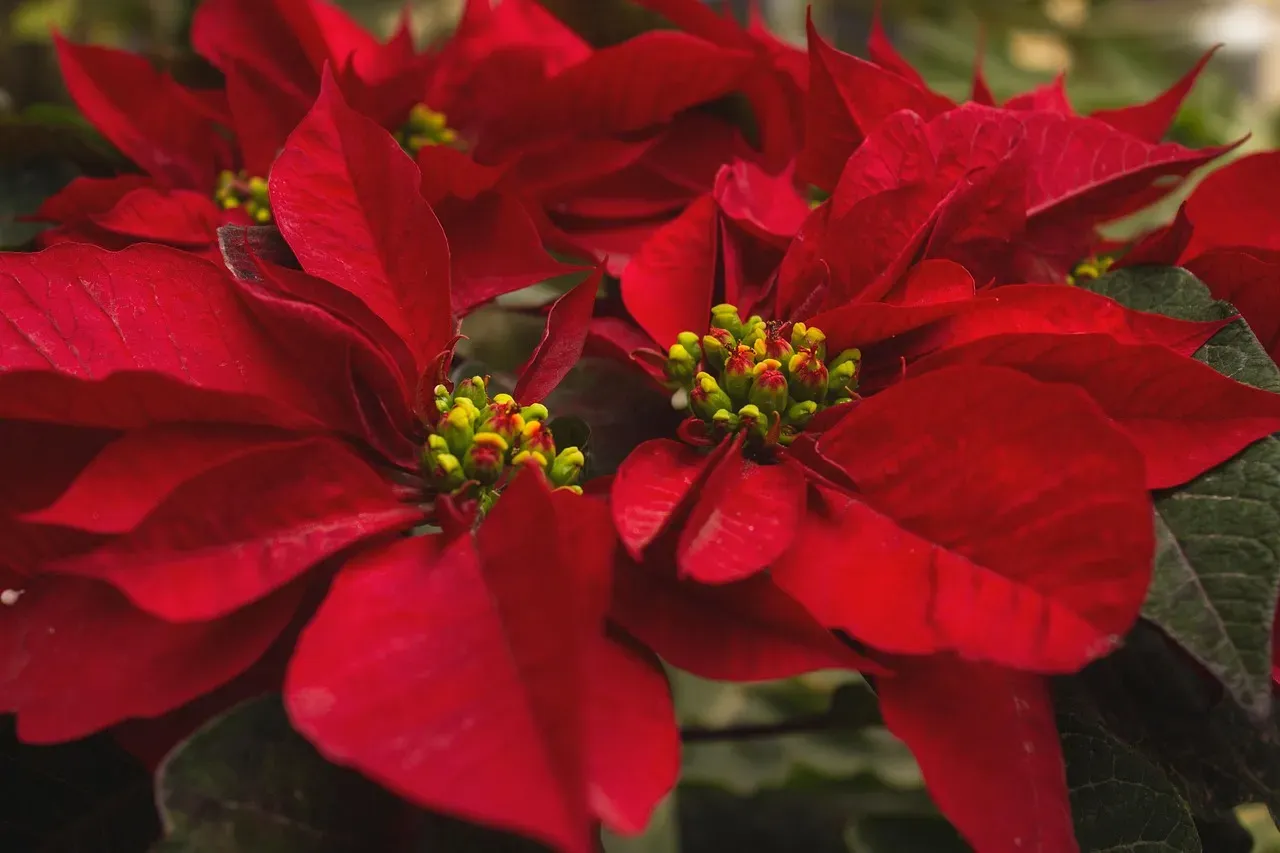
The Mexican poinsettia, known as the Christmas Flower in North America, is used in most Christmas decorations, owing to its bright red color and its blooming season coinciding with the Christmas holiday season. When you walk into any home during the holidays, chances are you’ll spot one of these vibrant beauties sitting proudly on a windowsill or mantle.
According to mythology, the poinsettia’s connection to Christmas started when a poor Mexican girl collected weeds from the side of the road for the nativity scene because she didn’t have a present. Suddenly, these weeds became poinsettias, creating the Christmas miracle. The bright red bracts of the poinsettia now represent the Star of Bethlehem, and their presence in homes is a tribute to miracles and the giving spirit.
I think what makes this story so powerful is its message about giving what you can. The poinsettia reminds us that even the humblest offering can become something extraordinary. The ancient Aztecs (ruling tribe in central Mexico at the time of contact with Europe) prized the poinsettia as a symbol of purity. Centuries later, Mexico’s early Christians adopted the poinsettia as their prized Christmas Eve flower.
Today’s poinsettias come in more than just red. You’ll find them in white, pink, even marbled patterns, though red remains the most popular choice for capturing that classic holiday feel.
2. Holly: Nature’s Guardian
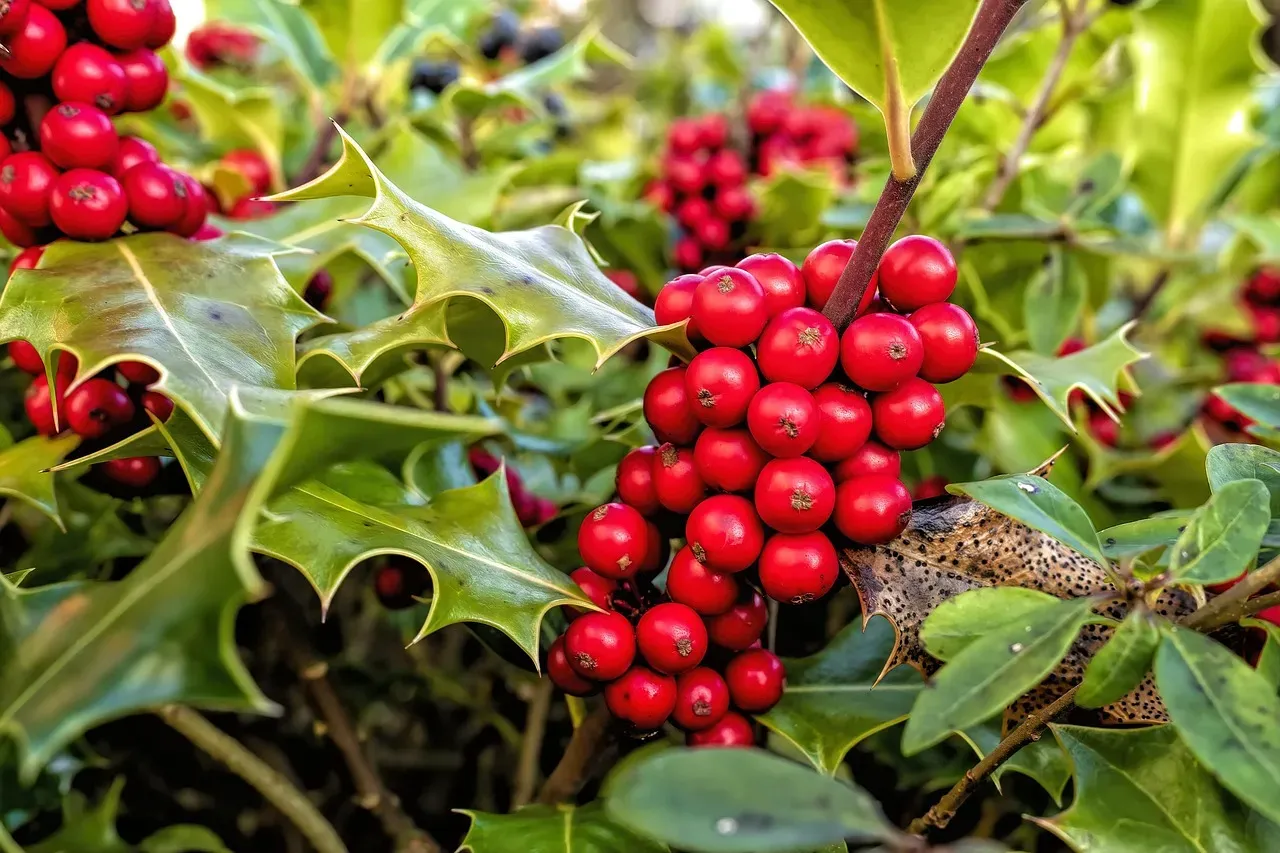
Holly has been associated with winter celebrations since pre-Christian times, particularly in Celtic and Roman cultures. Its evergreen nature symbolized life and vitality during the cold months. Those glossy green leaves and bright red berries have been bringing cheer to the darkest days of winter for thousands of years.
The spiky leaves represent the crown of thorns worn by Jesus. The bright red berries symbolize His blood. This Christian symbolism transformed holly from a pagan decoration into a centerpiece of Christmas traditions. Honestly, I find it fascinating how meanings shift over time while the plant itself remains constant.
Holly is more than just a festive plant – it’s a symbol of protection. Those sharp, spiky leaves were believed to fend off evil spirits and bad luck, acting as nature’s own little shield. People would hang holly boughs in doorways and over windows, creating a barrier against negative forces during the vulnerable winter season.
The berries are gorgeous but dangerous. They’re toxic to humans and pets, so while they look tempting, keeping them out of reach is essential.
3. Mistletoe: The Kiss of Peace
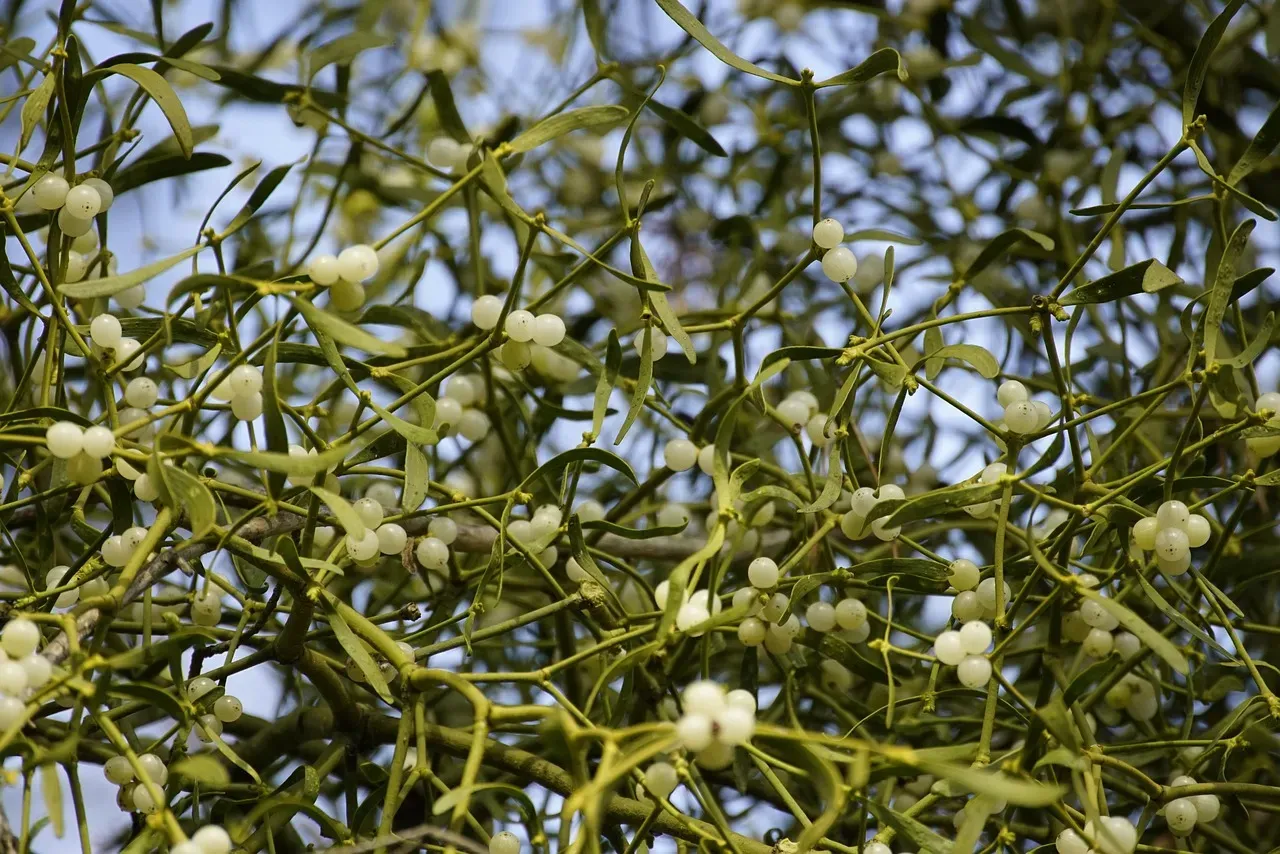
With its unusual white berries, this semi-parasitic plant has long been connected to peace, love, and fertility. Because mistletoe was associated with love and reconciliation in Norse mythology, kissing beneath its branches became customary. That awkward moment when you get caught under the mistletoe? It’s rooted in ancient traditions far more mystical than you’d expect.
The species most is Viscum album, or European mistletoe. This plant doesn’t grow from the ground like most flowers. Instead, it lives as a parasite on tree branches, drawing water and nutrients from its host while still producing its own food through photosynthesis.
The white berries of mistletoe came from tragedy, according to legend. According to Norse legend, the white blooms of mistletoe came from a mother’s tears for her son – how beautiful! This connection to unconditional love transformed mistletoe into a symbol of peace and forgiveness.
Standing beneath mistletoe was considered sacred ground where enemies could call a truce. Today we use it for romance, though the original meaning was about healing rifts and bringing people together during conflicts.
4. Amaryllis: The Winter Giant
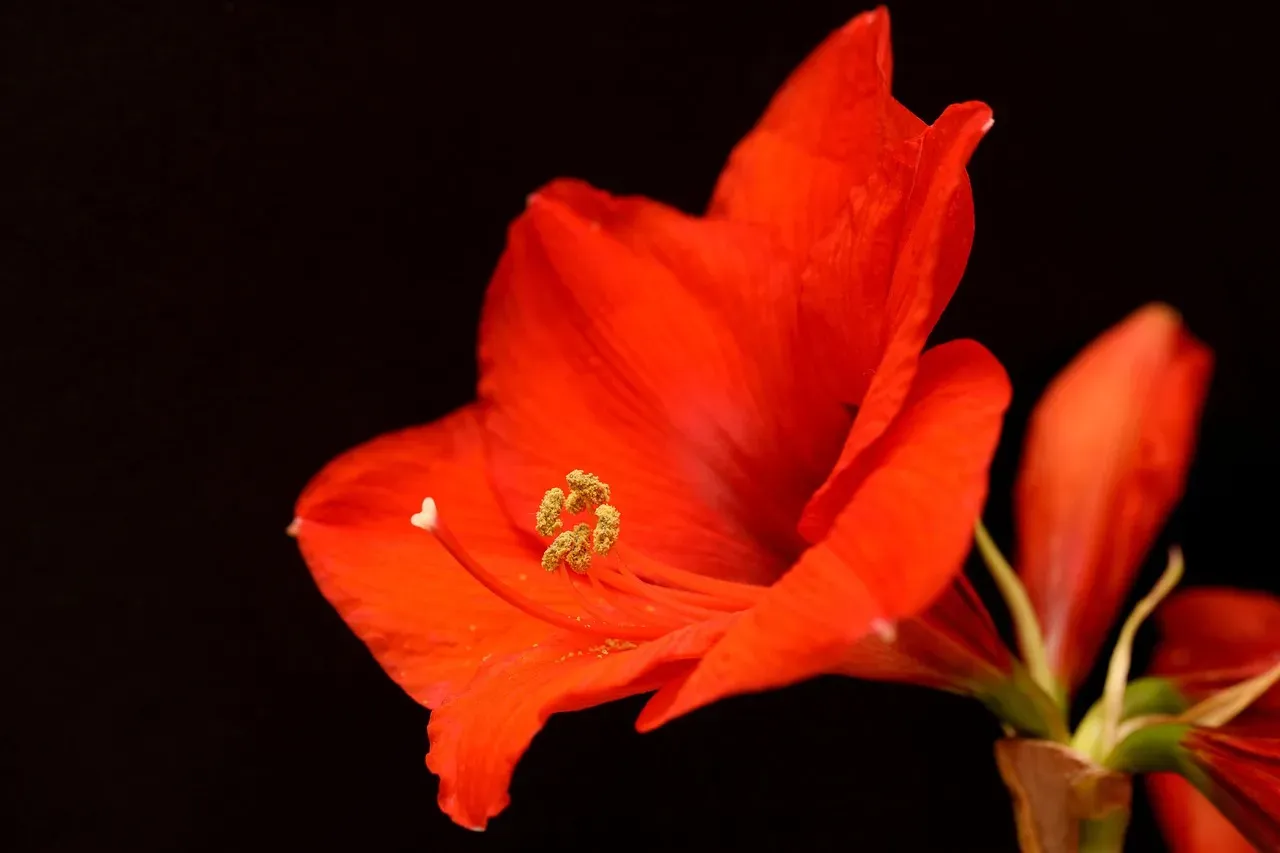
Amaryllis is a popular Christmas bloom. It blooms with festive bright red flowers that are the perfect match for traditional Christmas colours. These stunning trumpet-shaped flowers can grow remarkably tall, sometimes reaching over two feet, making them impossible to ignore in any room.
In the traditional language of flowers, Amaryllis symbolises strength, confidence, success and determination. The story behind their name is tragically romantic. When Alteo at last opened the door, there was a stunning crimson flower, which was sprung from the blood of Amaryllis’s heart. This tragically romantic tale is what led to the meaning of the Amaryllis bloom today: pride, determination, and radiant beauty.
What’s brilliant about amaryllis is their blooming schedule. Amaryllis also has the benefit of being very long lasting. The plants bloom for around 7 weeks at a time, meaning they’ll look stunning throughout the festive period and beyond. You can buy a bulb in November, and with proper care, it’ll still be showing off in January.
These flowers demand attention with their massive blooms and vibrant colors. They represent radiant beauty perfectly, especially when everything else outside looks dormant and gray.
5. Christmas Rose: The Snow Miracle
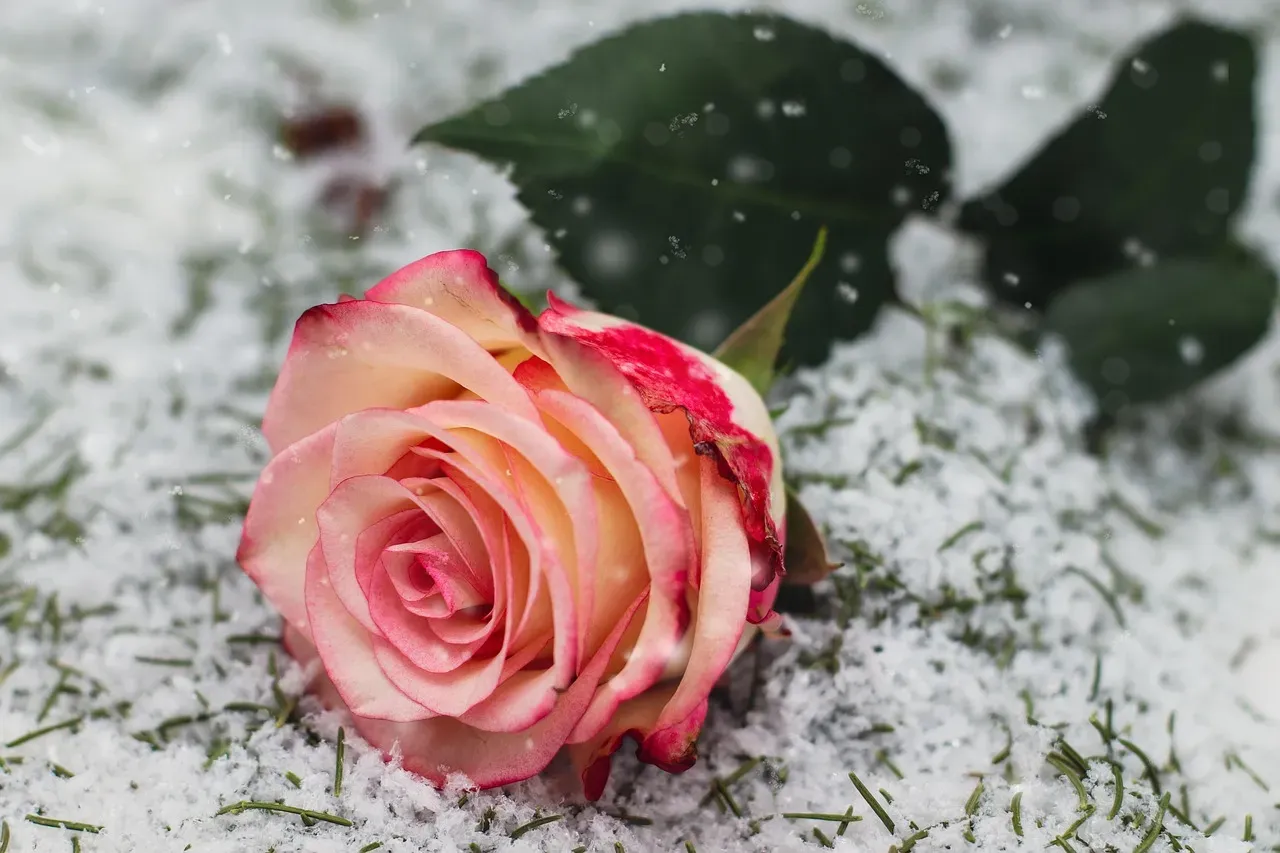
Helleborus niger is commonly called the Christmas rose, due to an old legend that it sprouted in the snow from the tears of a young girl who had no gift to give the Christ child in Bethlehem. Despite its name, this plant isn’t actually a rose at all. It belongs to the buttercup family, but those delicate white blooms certainly look rose-like.
From November onwards, the first Christmas Rose varieties unfold their brilliant white flowers in the garden. Christmas Roses are one of the few plants that delight us with their flowers all winter long. Imagine stepping outside on a cold December morning to find pristine white flowers blooming through the frost. It’s like nature’s own Christmas miracle.
The Christmas rose is tied to a legend in which a shepherd girl, unable to afford a gift for the Christ child, offered a simple flower that grew in the snow from her tears. Humility and devotion. Hope and the miraculous nature of Christ’s birth. This symbolism of humility resonates deeply during a season often overwhelmed by commercialism.
The flowers are pure white with golden yellow centers, creating a stunning contrast against dark winter foliage. Let’s be real, finding anything blooming in December feels like witnessing magic firsthand.
6. Christmas Cactus: The Unexpected Bloomer
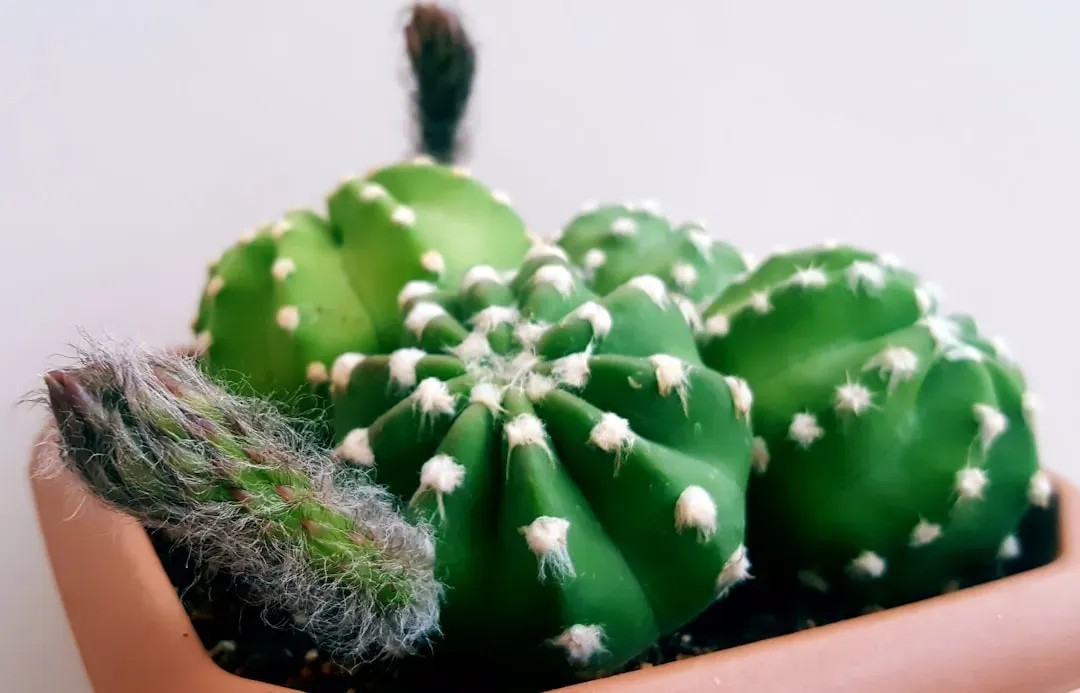
Christmas cactus, also known as orchid cactus, often blooms around Christmas time. When people think of cacti, they imagine desert heat and scorching sun. Yet here’s this tropical plant that defies expectations by flourishing in winter.
Holiday cacti are native to the mountainous forests of southeastern Brazil. These unique members of the cactus family are epiphytes. They grow in the crotches of trees and derive water and nutrition from rain, decaying organic matter, and filtered sunlight. Their natural habitat couldn’t be more different from traditional cactus environments.
Since they bloom during the Christmas season, they represent the hope, peace, and joy of Christmas. The timing of their blooms is controlled by day length and temperature. One meaning behind the Christmas cactus comes from the plant’s native land, Brazil, where a young boy prayed to God for a representation of Christmas to relieve him and his neighbors from the heat and humidity of the jungle. The next day, they were surrounded by beautiful cactus blossoms.
These plants can live for decades, becoming family heirlooms passed down through generations. Each year when they bloom, they bring memories of Christmases past flooding back.
7. Ivy: The Faithful Companion
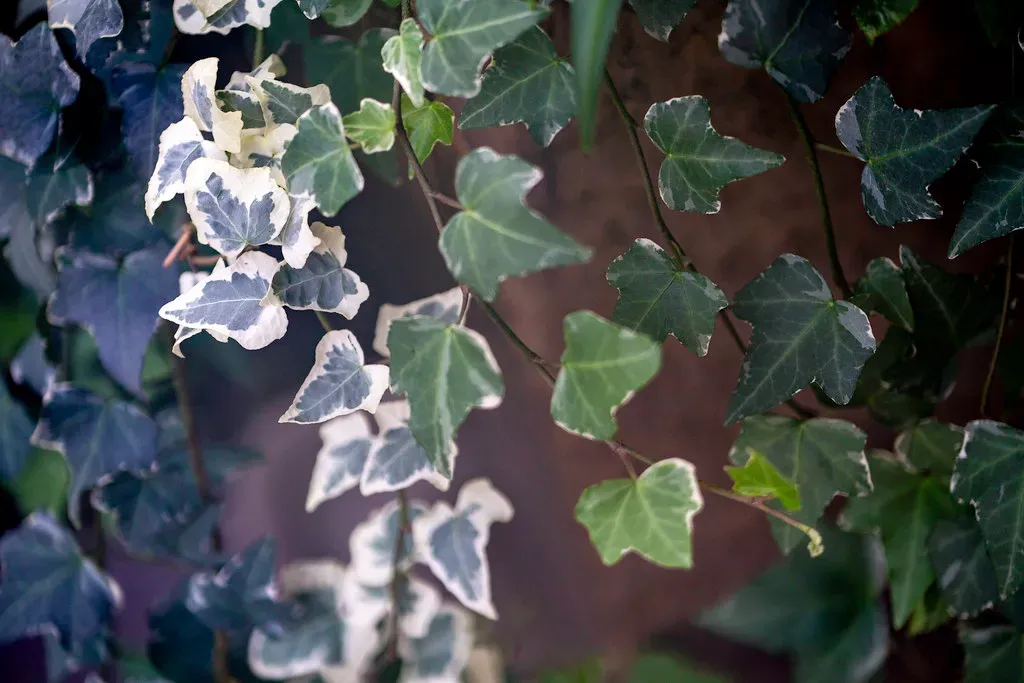
Like most of the other Christmas flowers, ivy leaves symbolize eternity and resurrection. The ivy leaf has been associated with the ancient Egyptian god Osiris and the Greco-Roman god Attis, both of whom were resurrected from the dead. This evergreen climber has been clinging to tradition just as firmly as it clings to walls and trees.
Like holly, ivy was significant in ancient pagan rituals, symbolizing endurance and eternal life. Its clinging nature led Christians to associate it with faithfulness and humanity’s need for God. The way ivy wraps itself around other plants became a metaphor for spiritual devotion.
Holly is featured in the traditional Christmas carol “The Holly and the Ivy” where in Christian symbolism the plant represents Jesus and the ivy the Virgin Mary. Together, these two plants create the perfect pairing in wreaths and garlands, representing both male and female aspects of the Christmas story.
Ivy provides valuable winter food for wildlife too. Although not a flamboyant plant, ivy flowers provide a great source of nectar for insects, particularly in the winter months when nectar is scarce. The berries are also a tasty source of winter food for hungry birds.
8. Cyclamen: The Butterfly Flower
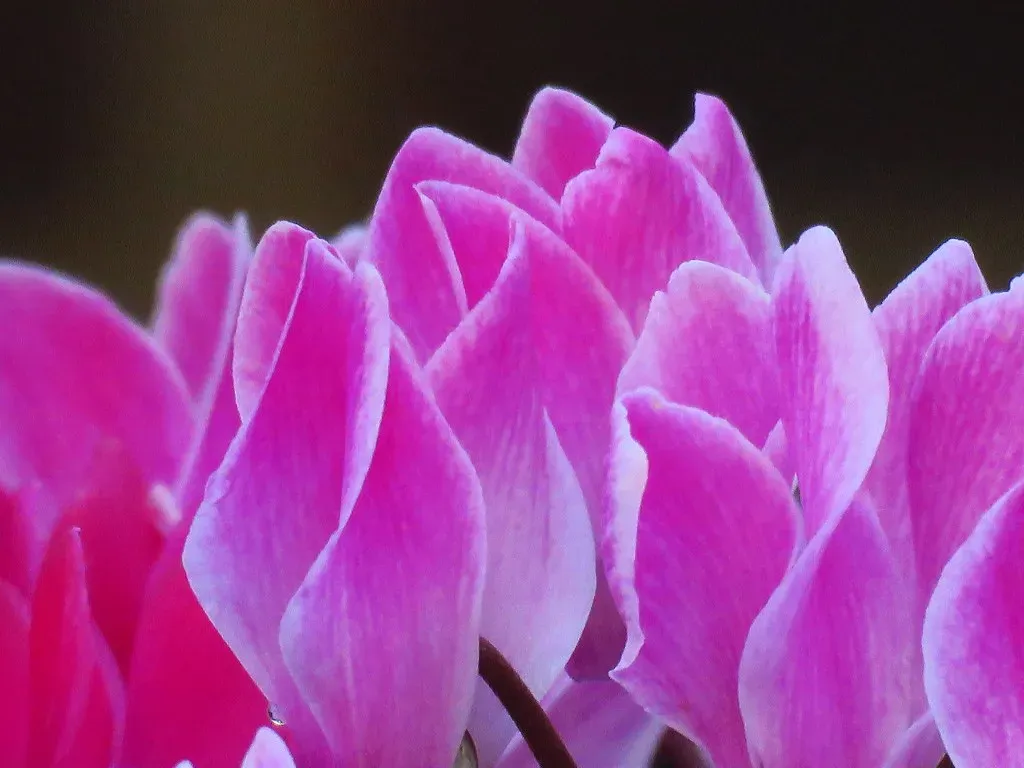
The cyclamen, with its delicate petals resembling the shape of butterflies, are the best Christmas flowers to send. Originally from the Mediterranean region, the cyclamen blooms in winter, symbolizing resilience. Its delicate pink, scarlet, and white blossoms charm us, reminding us that nature’s treasures exist even in winter. These charming little flowers look far too delicate to survive cold weather, yet they thrive when other plants surrender.
Bringing a splash of colour to the colder months, cyclamen is a favourite Christmas flower, with some species blooming throughout winter. Cyclamen are a perennial plant, living for more than one season, that grow to around 13cm tall. They’re a popular ornamental plant because of their characteristic red, white, pink and purple flowers.
The swept-back petals give cyclamen a graceful, almost magical appearance. They look like tiny fairy wings or butterflies frozen in mid-flight. Honestly, their delicate beauty contrasts beautifully with the bolder, more dramatic Christmas flowers like poinsettias and amaryllis.
Cyclamen in Mediterranean regions symbolizes deep love and devotion. This makes them perfect gifts for expressing heartfelt feelings during the season of giving.
9. White Lily: The Symbol of Purity
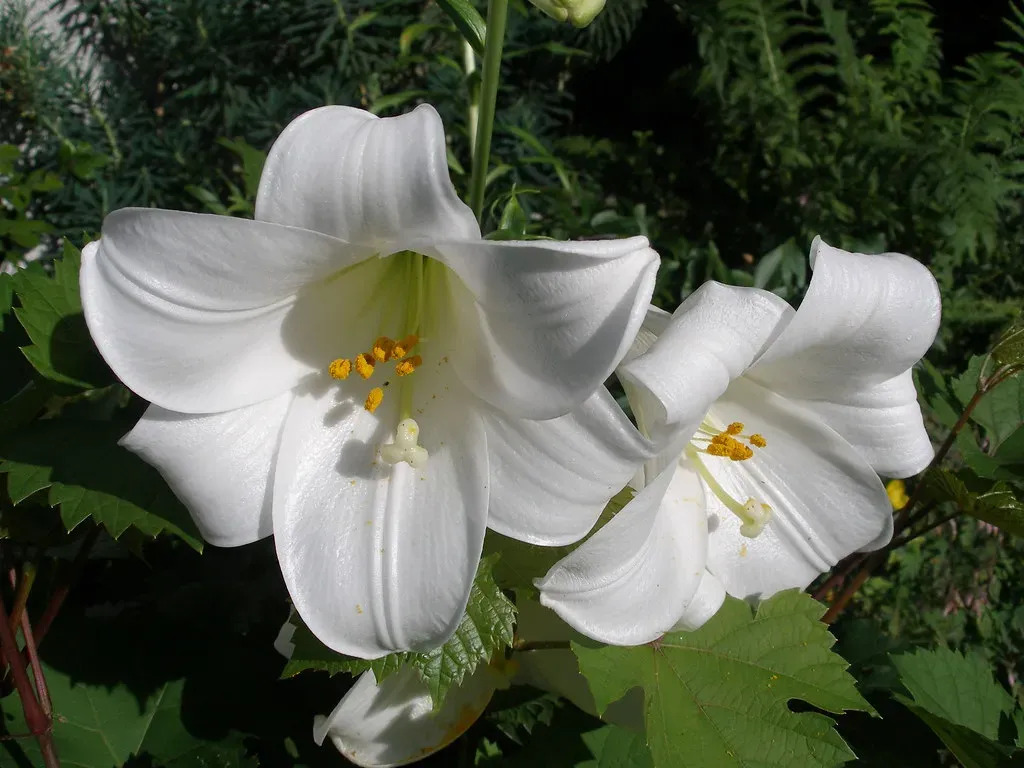
White lilies, often used in nativity scenes, symbolize purity and the Virgin Mary. These elegant flowers have been associated with religious imagery for centuries, their pristine white petals representing innocence and divine grace. While not exclusively a Christmas flower, their presence in nativity displays makes them an integral part of the season’s visual story.
The trumpet shape of white lilies creates a dramatic focal point in arrangements. Their powerful fragrance fills entire rooms, adding another sensory dimension to Christmas celebrations. I know some people find the scent overwhelming, but others absolutely love how it announces the holiday season.
White lilies represent the announcement of Christ’s birth, connecting them to the angel Gabriel’s visit to Mary. This symbolic connection makes them particularly meaningful in church decorations and religious Christmas displays. Their towering stems and pristine blooms command attention wherever they’re placed.
These flowers last remarkably well when cut, making them practical for holiday arrangements that need to survive through multiple gatherings and celebrations. Their classic beauty never goes out of style, remaining timelessly elegant year after year.
10. Red Carnations: The Blood of Christ
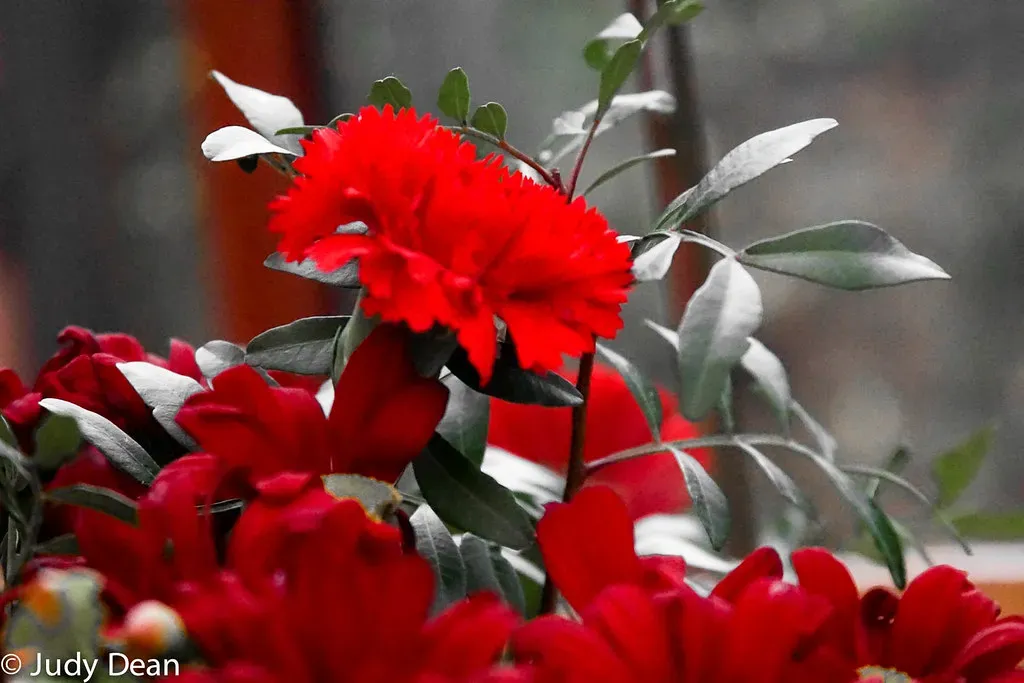
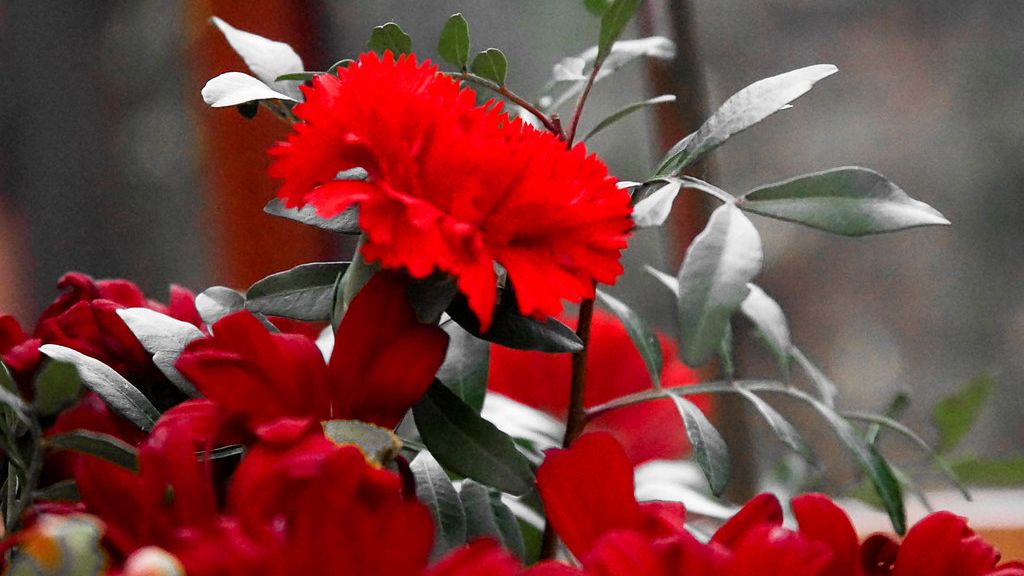
Red carnations are often associated with love and devotion, making them right at home in the warmth of Christmas traditions. Carnations have been in cultivation for over 2,000 years, meaning they were around at the time of Jesus. Some even say that carnations first appeared as Christ carried the cross, making red carnations symbolic of his sacrifice. This ancient connection gives carnations profound religious significance during Christmas.
The ruffled petals and spicy fragrance of carnations make them distinctive among Christmas flowers. Unlike many seasonal blooms, carnations are incredibly hardy and long-lasting, often outliving other flowers in mixed arrangements by weeks. Their durability makes them practical for celebrations that stretch from early December through New Year.
The green and white varieties help to add the perfect festive feel in traditional Christmas colors. While red carnations carry the deepest symbolism, mixing colors creates beautiful visual harmony that captures the full spirit of the season. Green represents renewal and hope, while white symbolizes purity and innocence.
Carnations are often overlooked in favor of showier blooms, which is a shame. Their subtle beauty and rich history deserve more recognition during the holiday season. They may not grab attention like poinsettias, but their quiet elegance speaks volumes.
Conclusion: The Language of Christmas Blooms
These ten flowers tell the story of Christmas through color, symbolism, and centuries of tradition. From the legendary poinsettia to the resilient Christmas cactus, each bloom carries meanings that deepen our connection to the season. Whether it’s the protective power of holly, the peaceful symbolism of mistletoe, or the pure devotion represented by white lilies, these flowers speak a language that transcends words.
What makes these traditions so enduring is how they blend ancient beliefs with Christian symbolism, creating a rich tapestry of meaning that continues to evolve. The flowers our grandparents cherished still grace our homes today, connecting us across generations through shared beauty and tradition. Next time you see a poinsettia or catch yourself under the mistletoe, you’ll know the deeper story behind these festive favorites.
Which of these Christmas flowers speaks to you most? Did any of their stories surprise you?
