

When you think of goats, you probably imagine those charming, medium-sized animals happily munching on grass or climbing improbable surfaces. However, the goat world holds some genuine giants that would tower over their smaller cousins. These massive breeds have been developed over centuries for various purposes, from meat production to milk and even companionship.
Some of these colossal creatures can weigh as much as a large dog or even rival small ponies in stature. Their impressive size often comes with equally impressive capabilities, whether that’s producing abundant milk or thriving in challenging climates. Let’s dive into the fascinating world of these gentle giants and discover what makes each breed uniquely impressive.
1. Damascus Goat
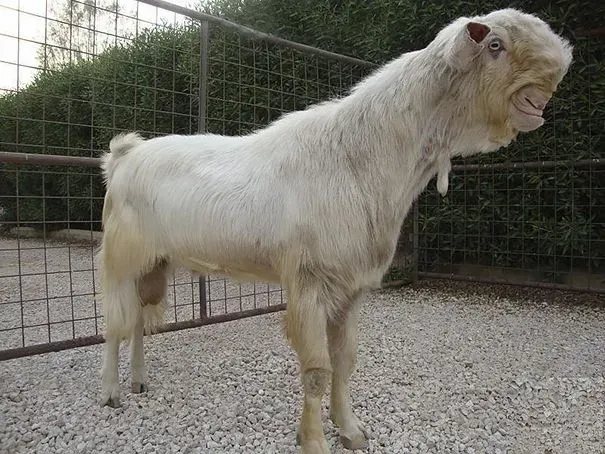
The Damascus goat, also known as Shami or Aleppo, stands as arguably the largest goat breed on the planet. Originating from Syria and Cyprus, these goats can reach truly staggering weights, with adult males sometimes tipping the scales at well over 200 pounds. Their distinctive appearance includes a unique facial structure that might not win conventional beauty contests but certainly turns heads.
What makes this breed particularly fascinating is their dual-purpose nature. They’re exceptional milk producers while also being valued for their meat, making them incredibly versatile for farmers. Their reddish-brown or cream-colored coats and long, drooping ears give them an unmistakable profile that you’d recognize anywhere.
2. Boer Goat
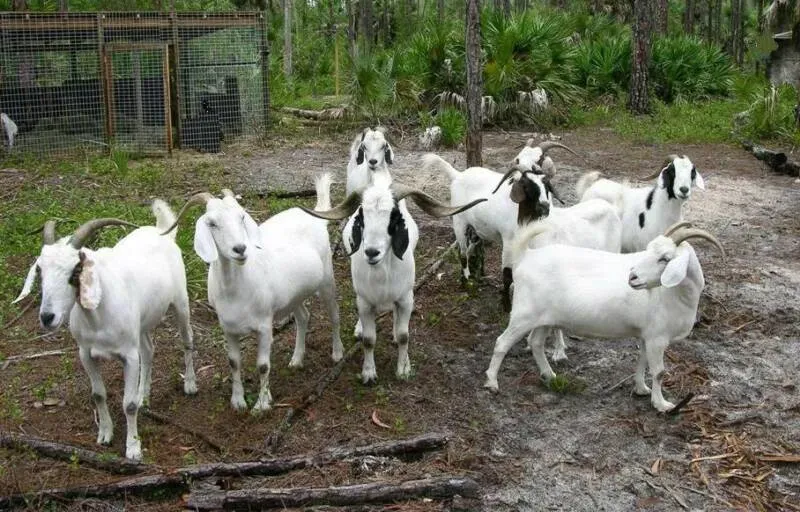
South Africa’s gift to the farming world, the Boer goat, was specifically developed for meat production, and boy, does it deliver. These muscular powerhouses can weigh anywhere from 200 to 340 pounds when fully grown, with bucks being particularly hefty. Their distinctive white bodies with brown heads make them easily identifiable in any herd.
Farmers absolutely love these animals for their fast growth rates and docile temperament. They’re remarkably adaptable to different climates and terrain, which explains why they’ve spread across continents since their development in the early 1900s. Their name literally means “farmer” in Dutch, which feels pretty fitting given how farm-friendly they are.
3. Anglo-Nubian Goat
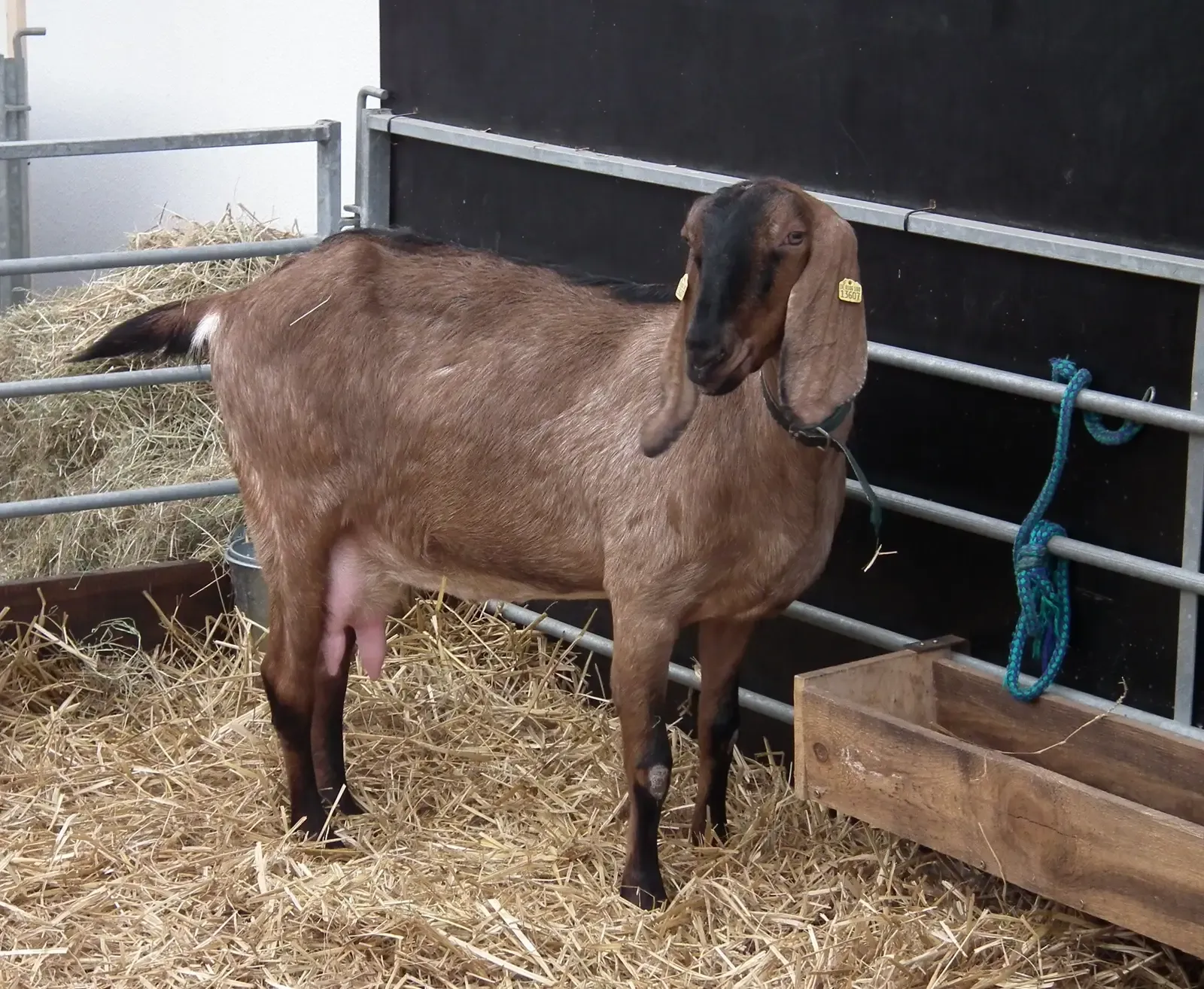
With their dramatically long, pendulous ears and convex facial profiles, Anglo-Nubian goats are impossible to miss. These British-developed beauties resulted from crossing British goats with breeds from India, the Middle East, and North Africa. Males commonly reach weights between 175 and 250 pounds, placing them firmly among the heavyweight champions of the goat world.
These goats aren’t just about size, though. They’re renowned for producing milk with exceptionally high butterfat content, making it perfect for cheese and other dairy products. Their vocal nature means they’ll definitely let you know when they want attention, giving them quite the personality to match their impressive stature.
4. Saanen Goat
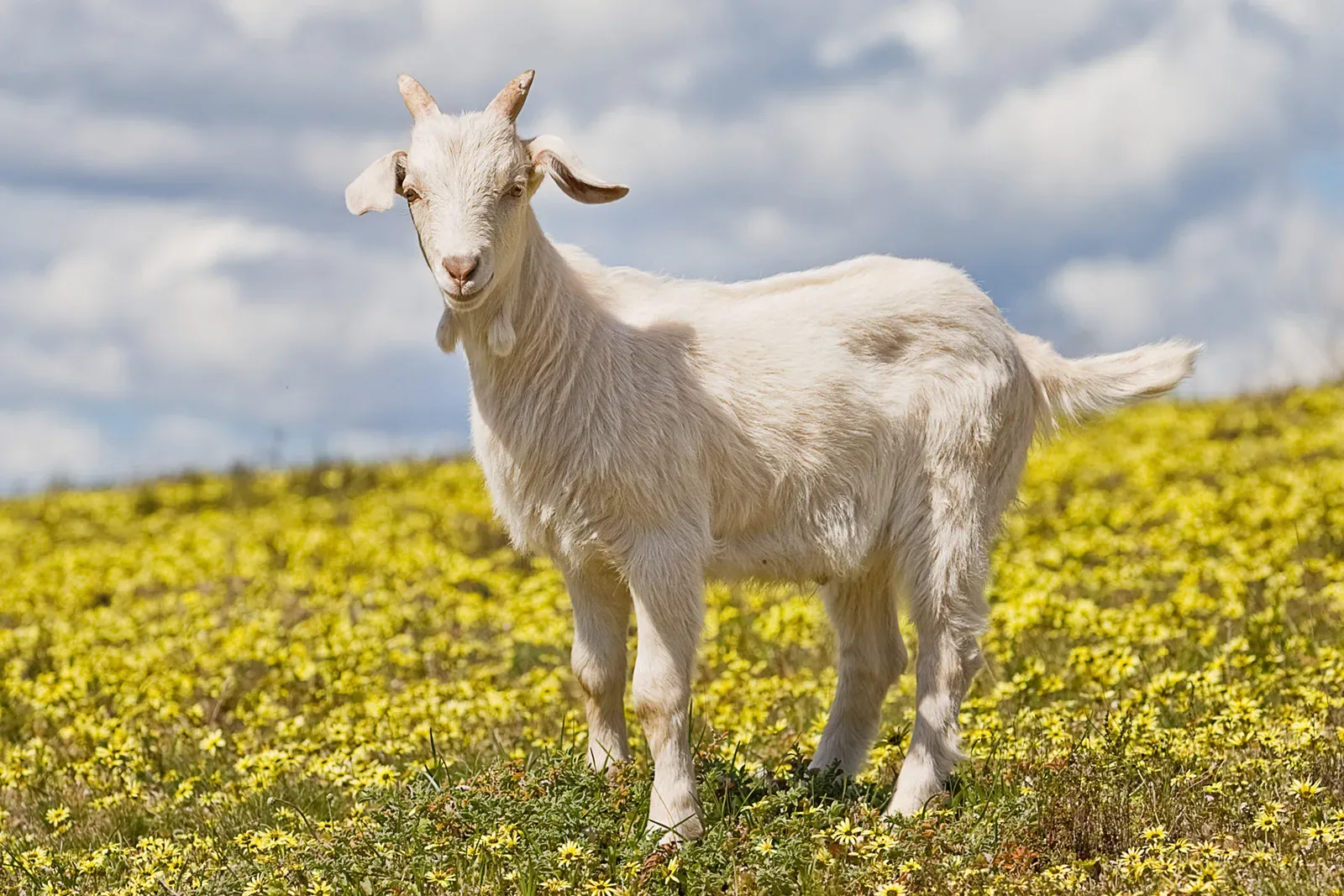
Switzerland’s contribution to large goat breeds comes in the form of the elegant Saanen, recognized as ‘s highest milk-producing dairy goat breed. These cream or white beauties can reach weights of 150 to 200 pounds for does and significantly more for bucks. Their calm, gentle demeanor makes them favorites among dairy farmers who appreciate an animal that’s easy to handle despite its size.
Originating from the Saanen Valley in Switzerland, these goats have spread worldwide due to their exceptional productivity. They’re surprisingly adaptable considering their Alpine origins, though they do prefer cooler climates where their light-colored coats won’t cause overheating issues. Honestly, their consistent milk production makes them dairy farming royalty.
5. Toggenburg Goat
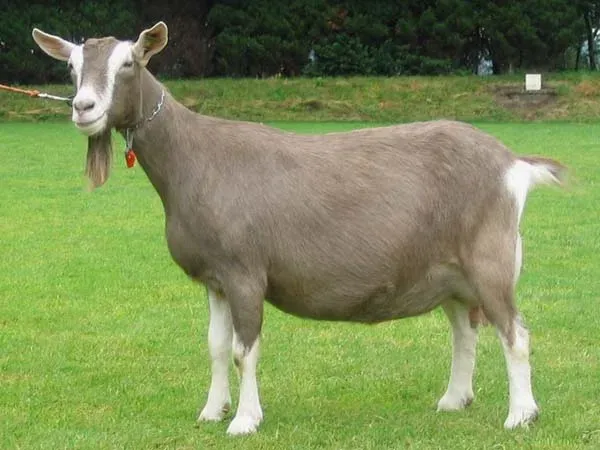
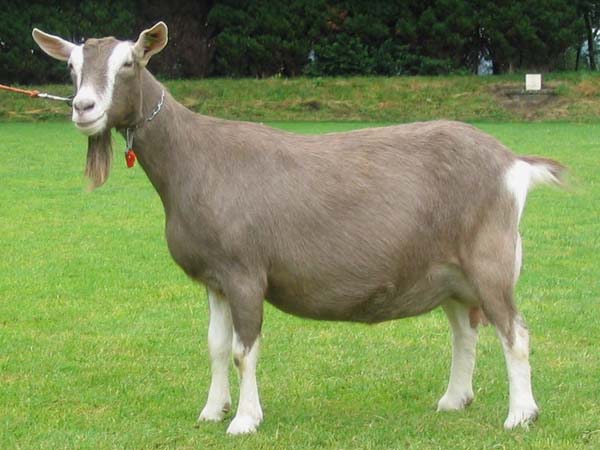
Another Swiss wonder, the Toggenburg holds the distinction of being the oldest known dairy goat breed, with records dating back to the 1600s. These medium-to-large goats typically weigh between 120 and 200 pounds, with their distinctive brown coats marked by white stripes down the face and white legs. Their erect ears and slightly dished faces give them an alert, intelligent expression.
What’s remarkable about Toggenburgs is their hardiness and ability to thrive in various climates, from cold mountains to warmer lowlands. They’re steady milk producers throughout longer lactation periods compared to many other breeds. Their independent streak means they’re not quite as cuddly as some breeds, but they more than make up for it with their productivity.
6. French Alpine Goat
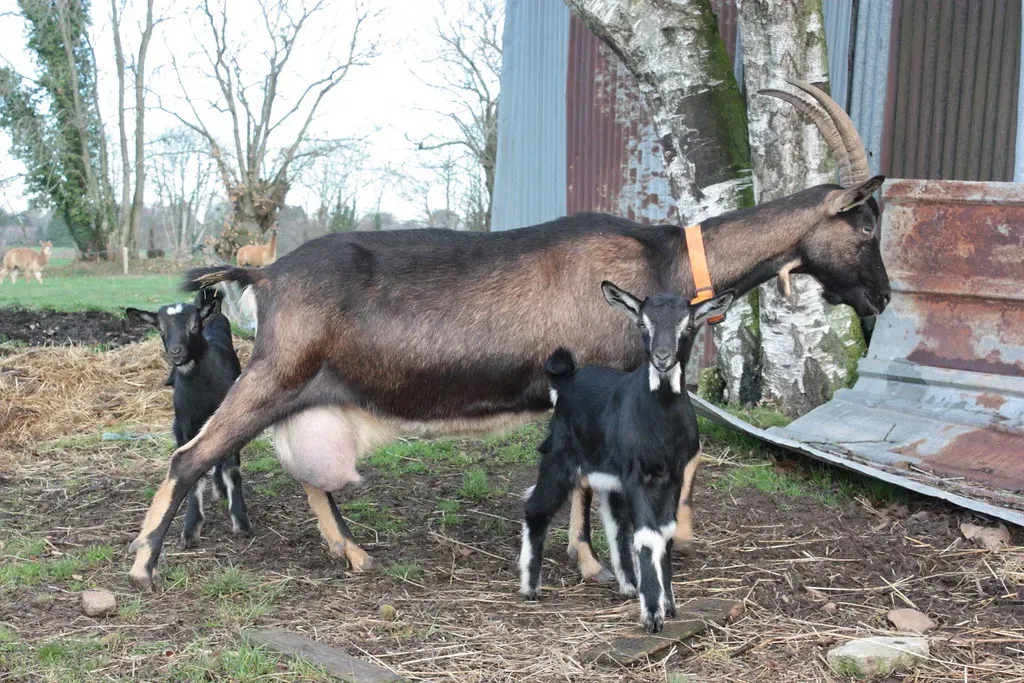
The French Alpine, despite its name suggesting European exclusivity, has become a global favorite for dairy production. These goats display incredible variety in coloring, from pure white to black and everything in between, often with striking patterns. Bucks can easily reach 170 to 180 pounds, while does typically range from 125 to 135 pounds.
Mountain-bred toughness runs through their veins, making them exceptionally hardy and adaptable. They’re known for their excellent foraging abilities and can find nutrition where other breeds might struggle. Their upright ears and straight facial profiles give them a noble appearance that matches their reliable, steady milk production capabilities.
7. Kiko Goat
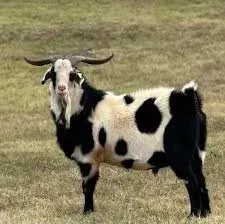
New Zealand developed the Kiko breed relatively recently, in the 1980s, by crossing feral goats with dairy breeds to create the ultimate meat goat. The name “Kiko” literally means “meat” in Māori, leaving absolutely no confusion about their purpose. These robust animals can reach impressive weights, with bucks often exceeding 250 pounds and displaying muscular builds that would make bodybuilders jealous.
What sets Kikos apart is their exceptional hardiness and parasite resistance. They require minimal intervention and can thrive on pasture alone, making them incredibly low-maintenance compared to many other breeds. Their survival instincts are sharp, probably inherited from those feral ancestors who had to make it in the wild.
8. Spanish Goat
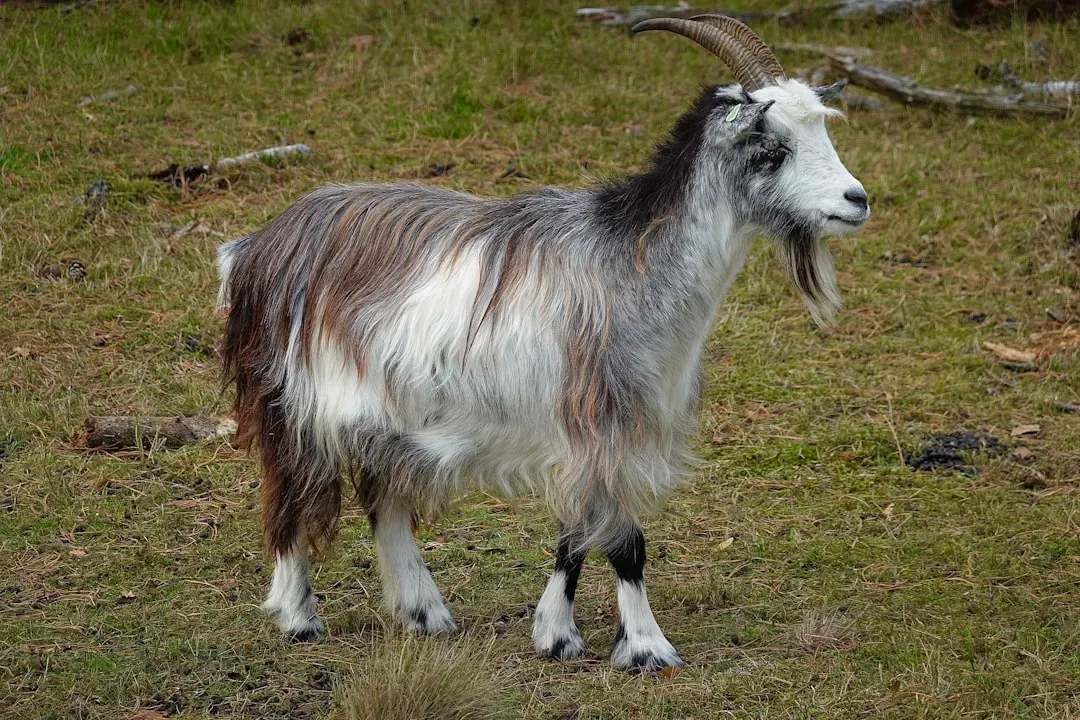
The Spanish goat, sometimes called brush goat or scrub goat, descended from goats brought to the Americas by Spanish explorers centuries ago. These survivors developed into tough, medium-to-large animals, with bucks reaching weights around 200 to 250 pounds. Their appearance varies wildly since they weren’t bred for uniformity but rather for survival and adaptability.
These goats excel at clearing brush and managing vegetation in challenging terrain where other livestock might falter. Their genetic diversity gives them natural disease resistance and maternal instincts that ensure high kid survival rates. They’re not fancy or uniform, but they’re incredibly practical and resilient, which counts for a lot in real-world farming.
9. Beetal Goat
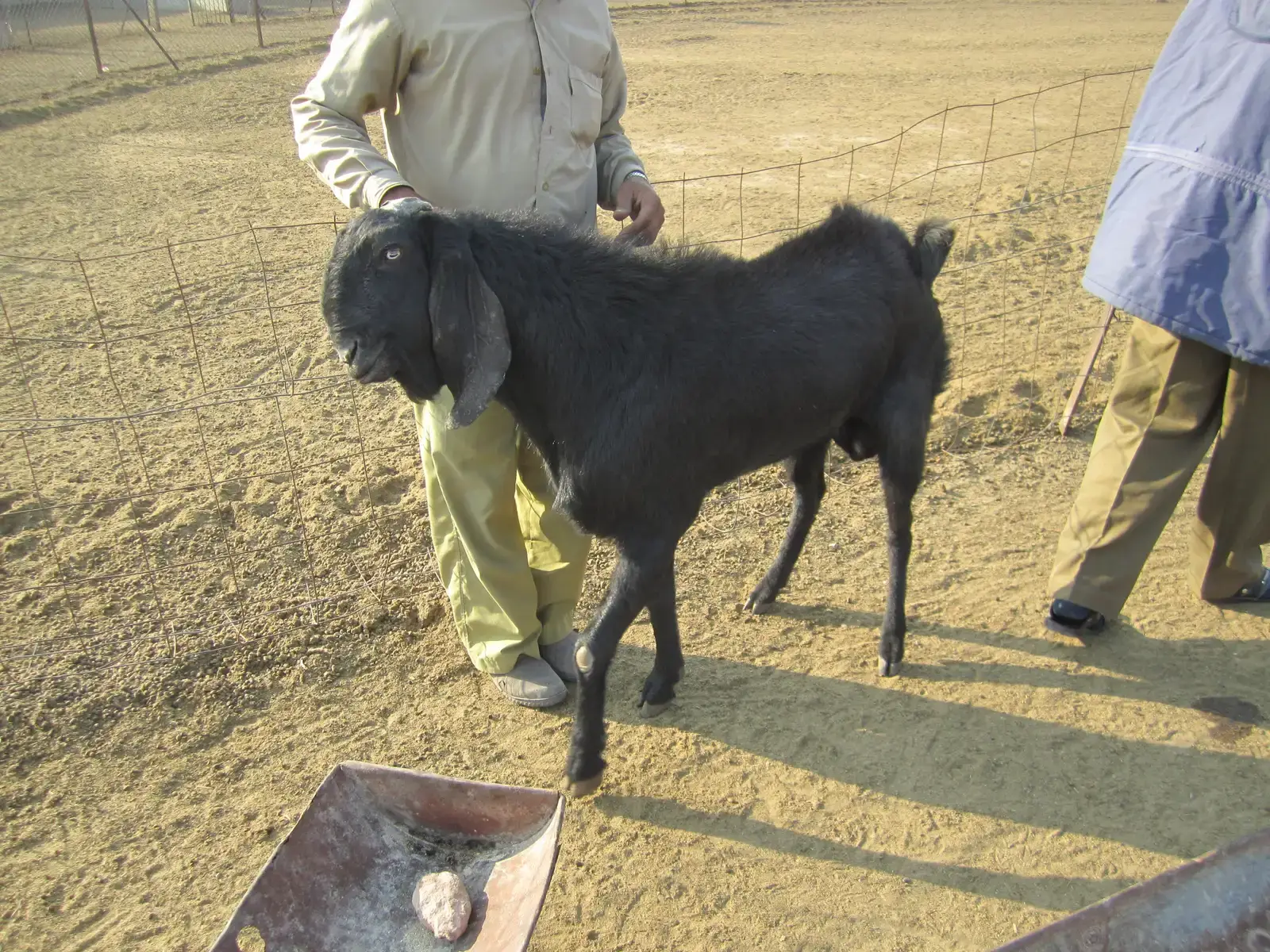
Hailing from Punjab in India and Pakistan, the Beetal goat represents one of Asia’s most impressive breeds. These tall, elegant animals can reach substantial weights, with males often exceeding 180 pounds. Their long legs, convex facial profiles, and typically black-and-tan coloring give them a distinctive appearance that’s quite striking.
Beetal goats are dual-purpose animals valued for both meat and milk production. They’re particularly well-adapted to hot, humid climates where many European breeds would struggle. Their long, drooping ears help with heat dissipation, showcasing how nature and selective breeding create perfectly adapted animals for specific environments.
10. LaMancha Goat
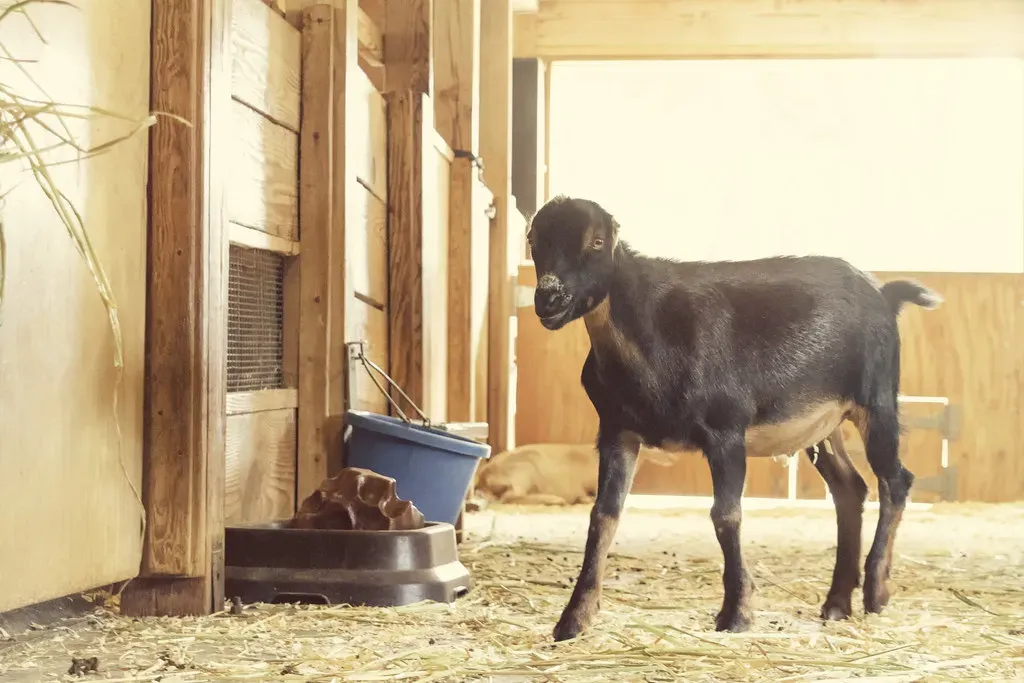
The LaMancha breed’s most distinctive feature is obvious the moment you see one: their tiny ears, or sometimes virtually no external ears at all. Developed in Oregon in the 1930s, these uniquely American goats are surprisingly substantial, with does weighing 130 pounds or more and bucks reaching 165 pounds and beyond. Their ear type comes in two varieties: “gopher ears” that barely protrude, and “elf ears” that stick out just slightly.
Don’t let their unusual appearance fool you; LaManchas are exceptional dairy goats producing milk with high butterfat content. They’re known for calm, cooperative temperaments that make them ideal for both commercial dairies and smaller homesteads. Their adaptability to various climates and consistent production throughout the year has earned them devoted fans across North America and beyond.
Conclusion
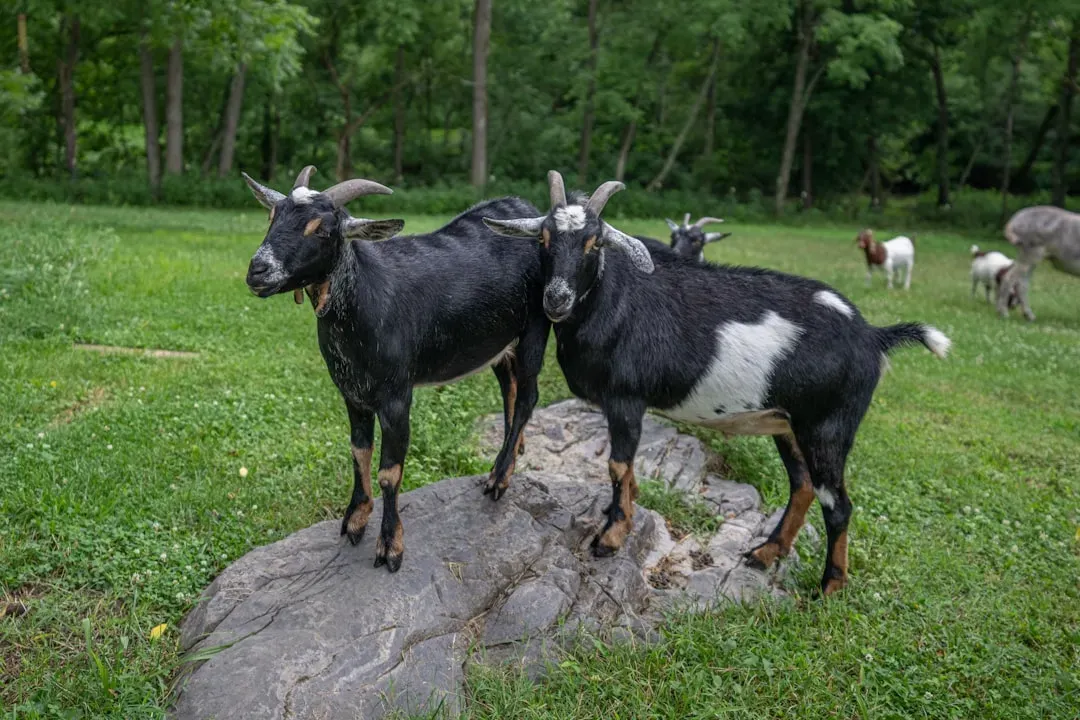
The diversity among ‘s largest goat breeds is truly remarkable, each bringing unique characteristics shaped by geography, climate, and human needs over centuries. From the towering Damascus goats of the Middle East to America’s distinctive LaManchas, these breeds prove that goats are far more varied and impressive than most people realize. Whether you’re interested in dairy production, meat, or simply appreciating the incredible variety of livestock breeds, these gentle giants offer something special.
The next time you encounter goats, you might look at them with fresh appreciation for the incredible range in size, temperament, and capability these animals display. What would you have guessed was the largest before reading this?

From exploring the marine wonders in the Azores and witnessing the vast savannas of Kenya, to delving deep into the rich biodiversity of South Africa and traversing iconic landscapes in Australia and the US like Yellowstone, Chris's experiences are vast.
With a penchant for diving alongside sharks, the ocean holds a special place in his heart.
Through his academic insights, he champions wildlife conservation, striving with 'Animals Around The Globe' to cultivate a profound connection between humans and animals, enhancing our mutual appreciation.
Connect with him at Feedback@animalsaroundtheglobe.com.