
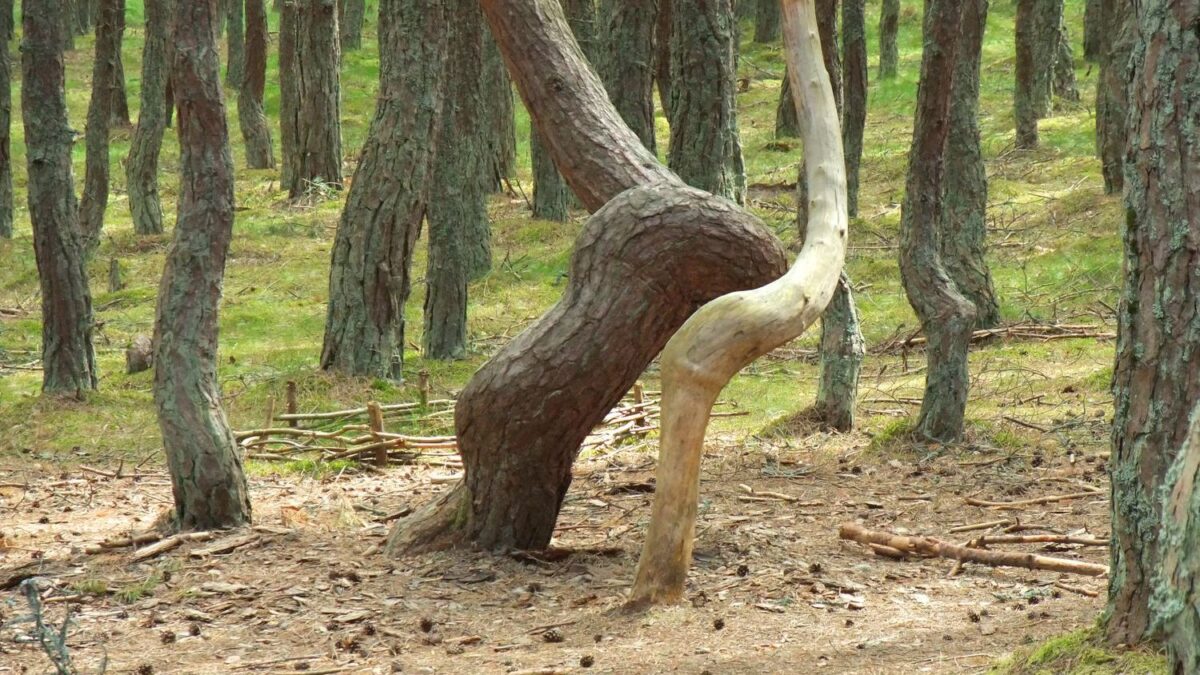
Ever felt like you’ve stumbled into a place that doesn’t quite belong on this planet? Some forests around seem to exist in their own reality, defying everything we think we know about nature. These aren’t your typical woodland hikes with chirping birds and gentle streams. Instead, they’re places that make you question what’s real, where trees grow in impossible shapes and the atmosphere feels thick with something you can’t quite name.
From woods that literally bend at strange angles to forests where silence swallows every sound, our planet hides some truly bizarre green spaces. Let’s dive into these peculiar pockets of nature that continue to baffle scientists, fascinate travelers, and spark countless legends.
Crooked Forest, Poland
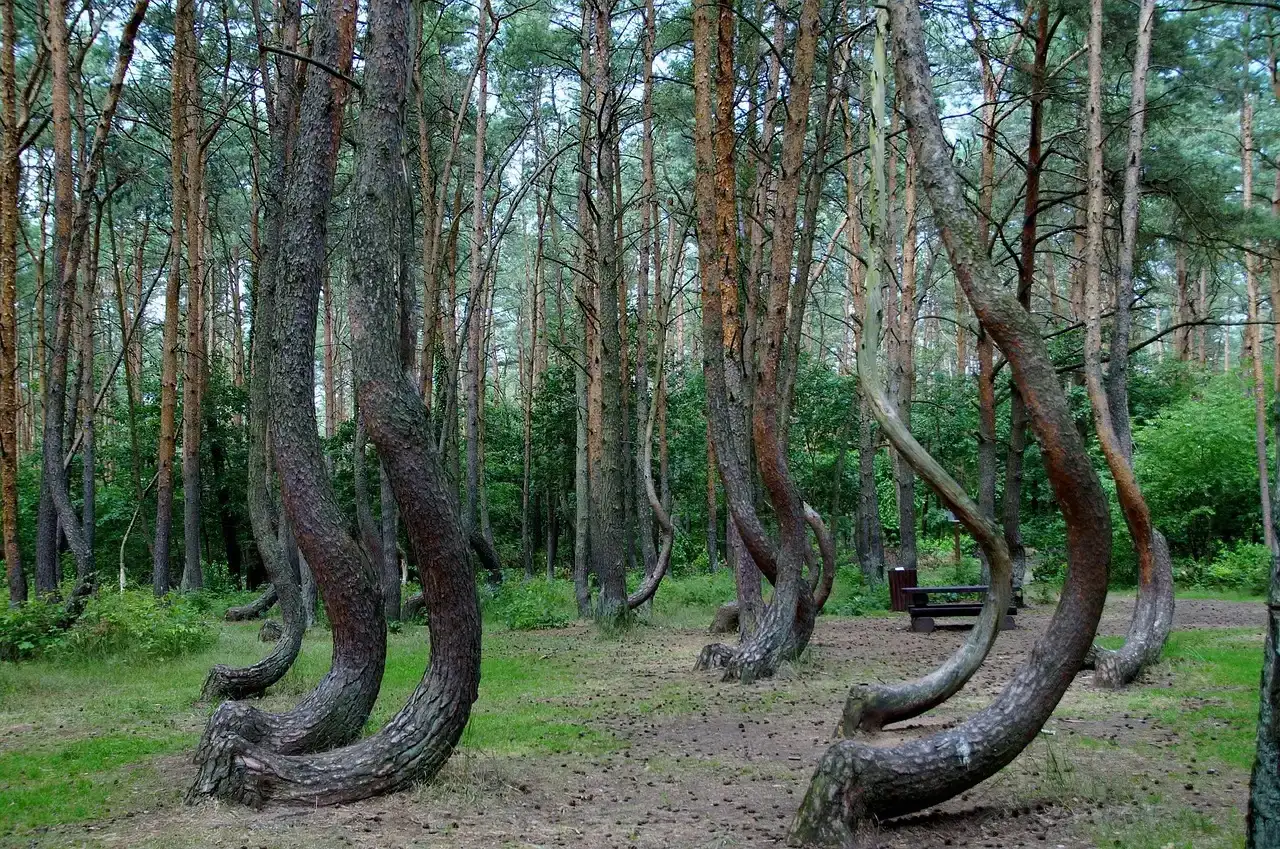
Imagine walking into a grove where roughly 400 pine trees all bend at the exact same angle near their base before curving upward toward the sky. That’s the reality in the small Polish village of Gryfino, where the Crooked Forest has puzzled visitors for decades. These trees, planted around 1930, all curve northward in a distinctive J shape at their trunks.
What makes this forest particularly strange is that nobody knows for certain why the trees grow this way. Some theories suggest local farmers intentionally manipulated the saplings to create naturally curved timber for furniture or boat building. Others think heavy snowfall or gravitational anomalies might be responsible, though neither explanation fully satisfies skeptics. The surrounding forest of straight pine trees makes the curved ones stand out even more dramatically.
Dragon’s Blood Forest, Socotra Island
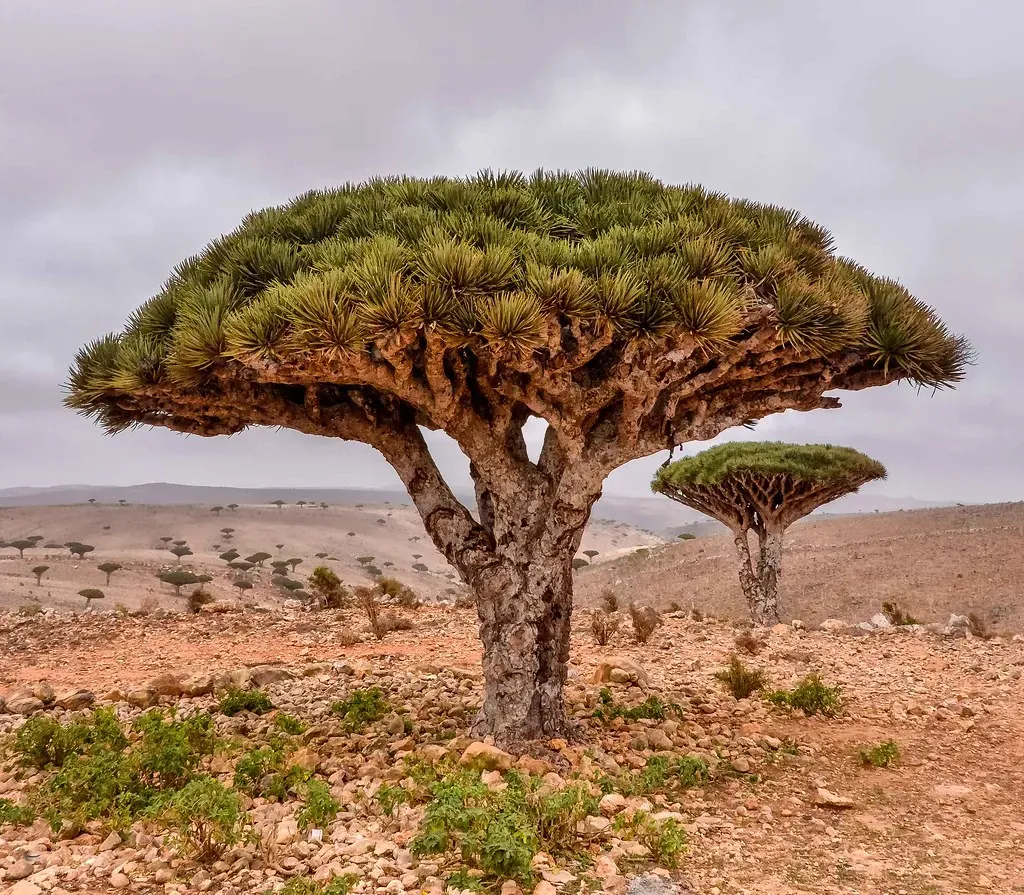
The Socotra dragon tree, native to Yemen’s Socotra archipelago in the Arabian Sea, produces a blood-like red sap that gives this forest its haunting name. These trees look like something from a fantasy novel, with their umbrella shaped canopies perched atop thick trunks. Walking through this forest feels like stepping onto an alien planet.
The Fermhin Forest hosts the largest population of Dragon Blood Trees globally, with some specimens aged between 700 to 1,000 years. Honestly, standing beneath one of these ancient giants must feel humbling. Unlike typical trees that grow rapidly, dragon’s blood trees grow just 2 to 3 centimeters annually, and by the time they reach maturity, many have already fallen victim to invasive goats that devour the young saplings before they can establish themselves.
Aokigahara Forest, Japan
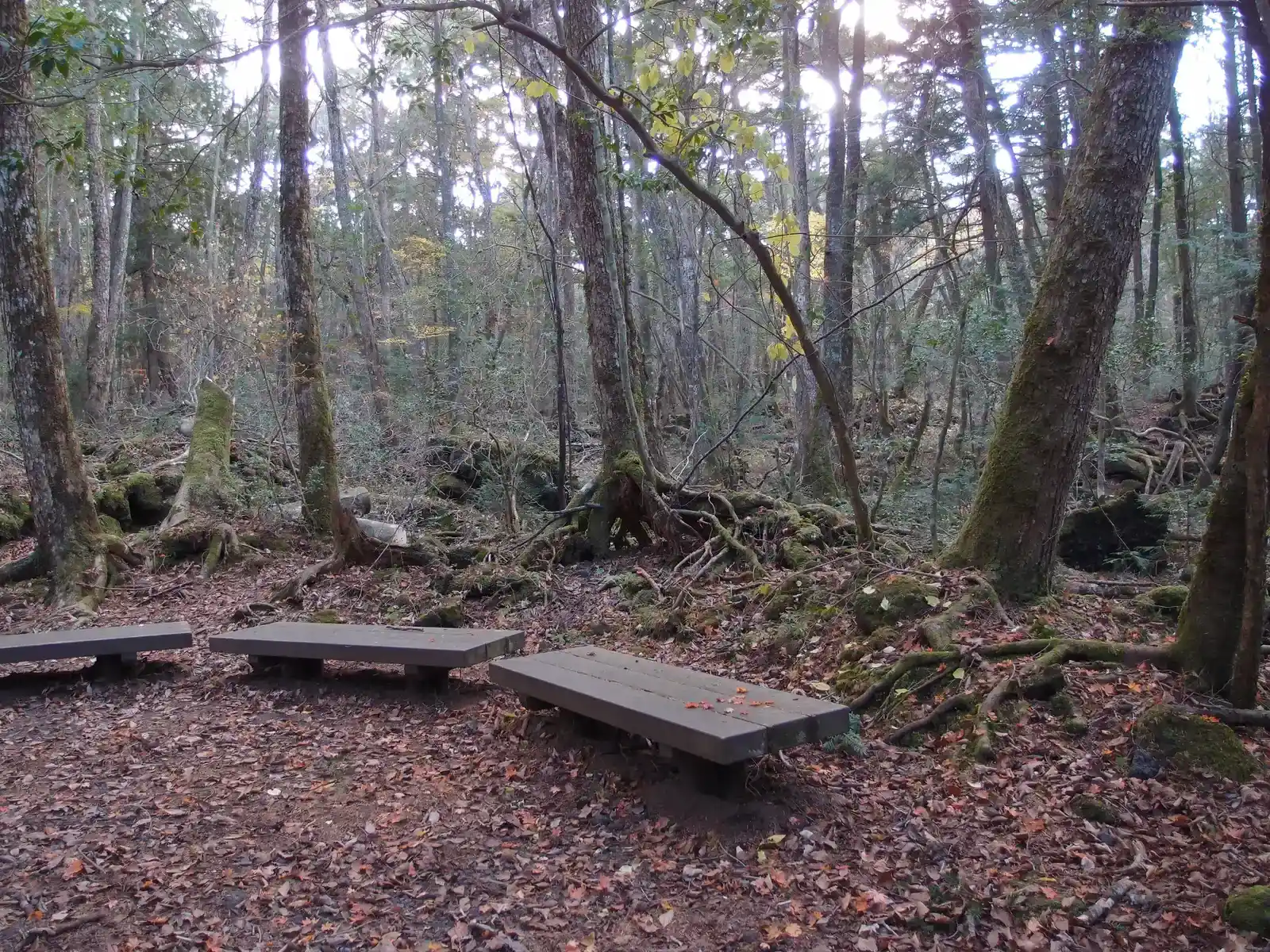
At Mount Fuji’s base lies the dense Aokigahara forest, also called Jukai or Sea of Trees because the swaying canopy resembles ocean waves from above. The forest floor formed atop ancient lava flows creates uneven, treacherous terrain. What makes this forest particularly eerie is the unnatural quiet that blankets everything.
Since the 1960s, Aokigahara has become known as the Suicide Forest, with signs at trail heads urging troubled visitors to think of their families and contact prevention services. The volcanic soil contains high iron content that interferes with GPS and cell phone signals, making it extremely easy to become lost. The forest’s reputation stems partly from a 1960 novel where a character takes their life there, cementing its dark association in popular culture.
Underwater Forest, Lake Kaindy, Kazakhstan
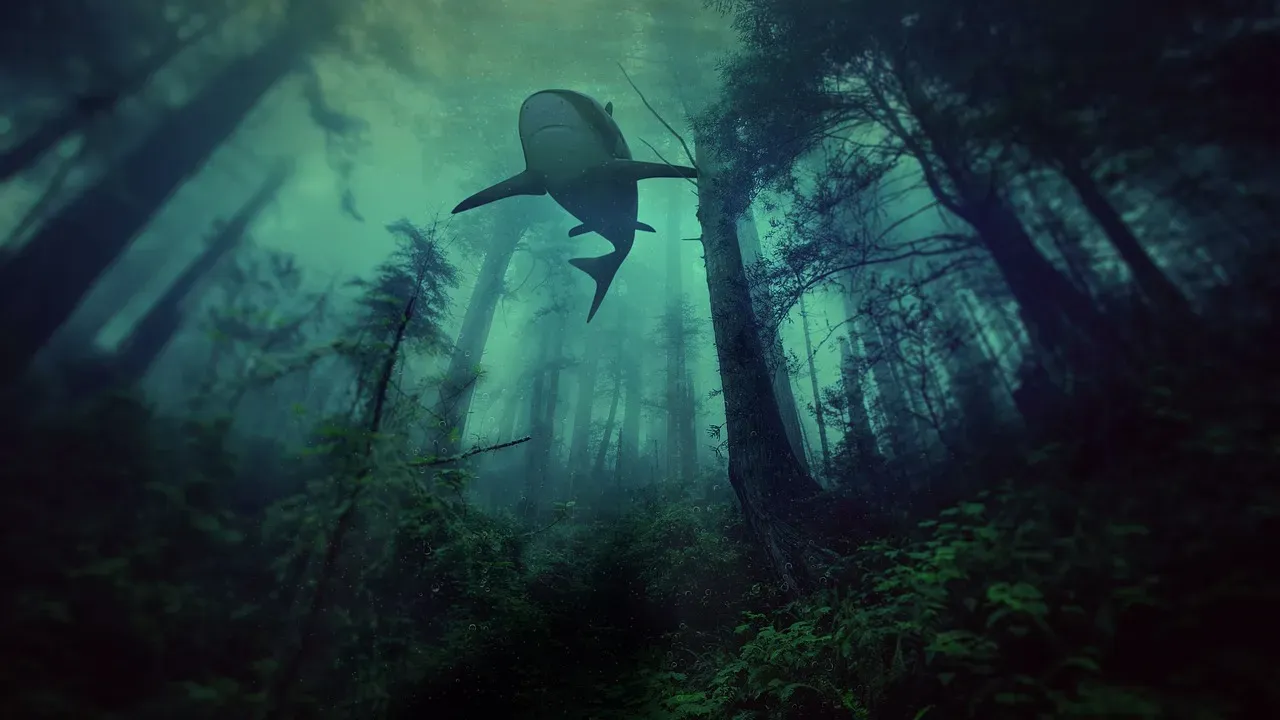
Picture a pristine alpine lake where tall spruce trees rise from beneath the turquent blue water like ghostly sentinels. Lake Kaindy was created in 1911 when a massive limestone landslide triggered by an earthquake dammed the gorge, flooding the valley below. The submerged forest never decomposed due to the frigid water temperatures.
Divers from around visit this surreal location to swim among the preserved tree trunks that have remained standing for over a century. The water’s mineral content gives it a stunning teal color that contrasts beautifully with the skeletal trees. Above the waterline, dead branches still reach toward the sky, while below the surface, the preserved trunks create an otherworldly diving experience.
Dancing Forest, Russia
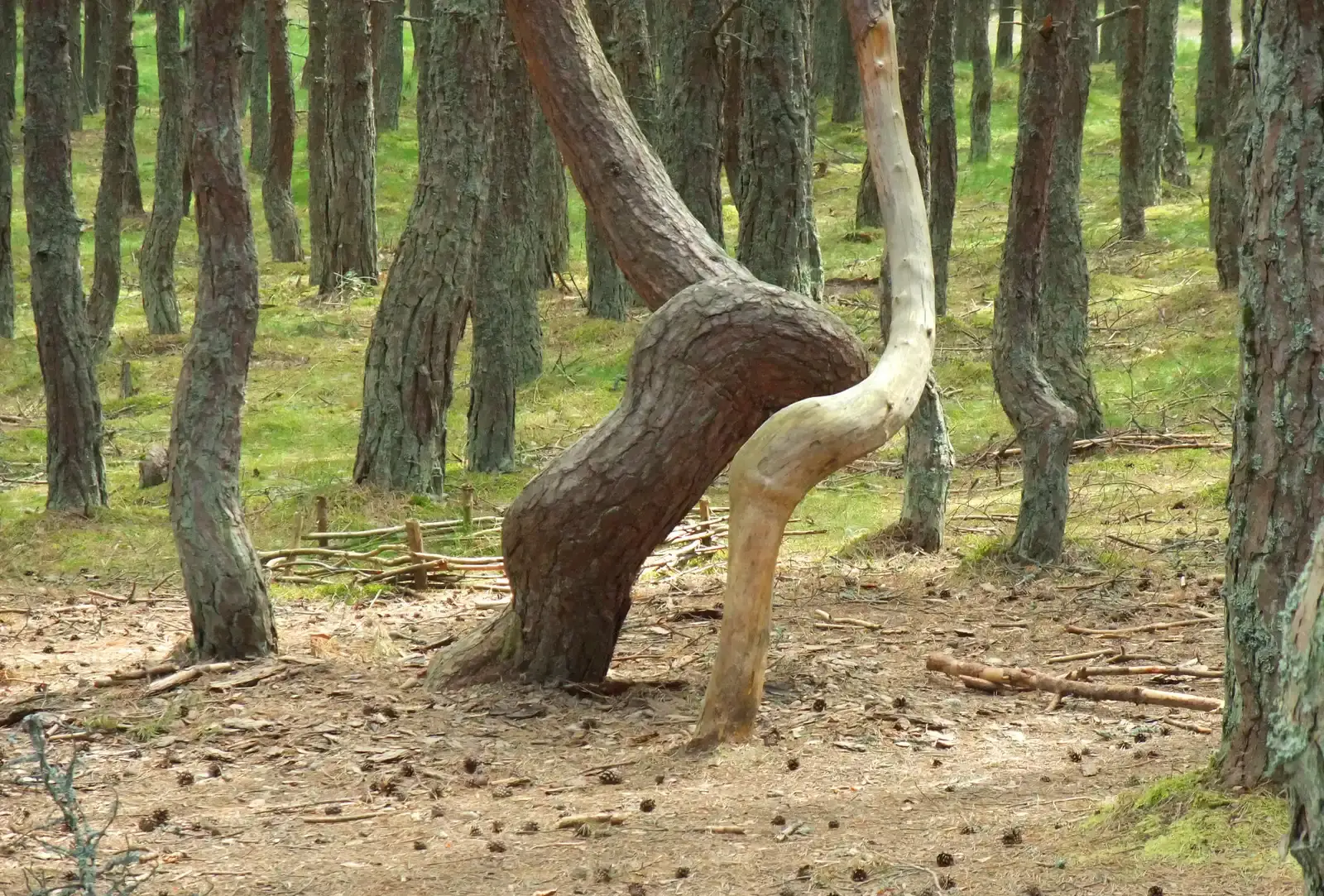
Located on the Curonian Spit near Kaliningrad, the Dancing Forest features pine trees that twist and spiral into bizarre shapes. Unlike the uniform curves of Poland’s Crooked Forest, these trees contort in every direction imaginable. Some form loops, others spiral like corkscrews, and many bend at seemingly impossible angles.
Local legends attribute the twisted growth to supernatural forces or paranormal energy. Scientists have proposed more mundane explanations, including damage from caterpillars that attack the trees’ shoots, forcing them to develop new growth in unusual directions. The sandy soil and constant coastal winds might also play a role. Yet the precise combination of factors remains uncertain, leaving the Dancing Forest shrouded in mystery.
Hallerbos Forest, Belgium
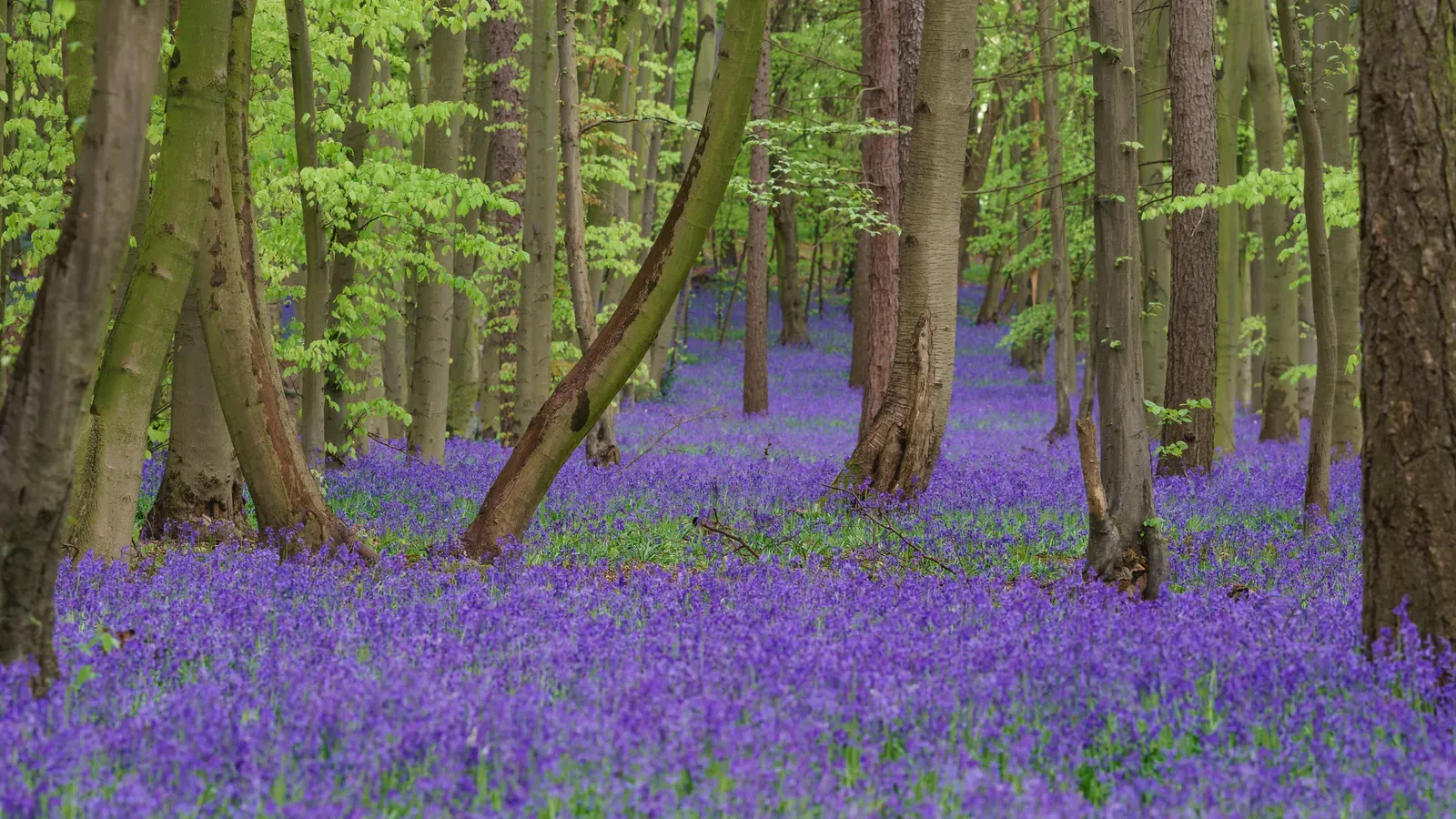
Each spring, the Hallerbos transforms into something magical when millions of bluebells carpet the forest floor in a purple blue haze. This ancient beech forest becomes one of the most photographed natural phenomena in Europe during late April and early May. The transformation lasts only a few weeks, creating an urgency for visitors.
What makes Hallerbos unusual isn’t just the bluebells themselves but the sheer density of the bloom. The flowers create an almost overwhelming sensory experience, with their sweet scent filling the air and their color creating an ethereal glow beneath the beech canopy. The forest’s strict protection rules help preserve this annual spectacle, limiting visitor access to specific paths.
Goblin Forest, New Zealand
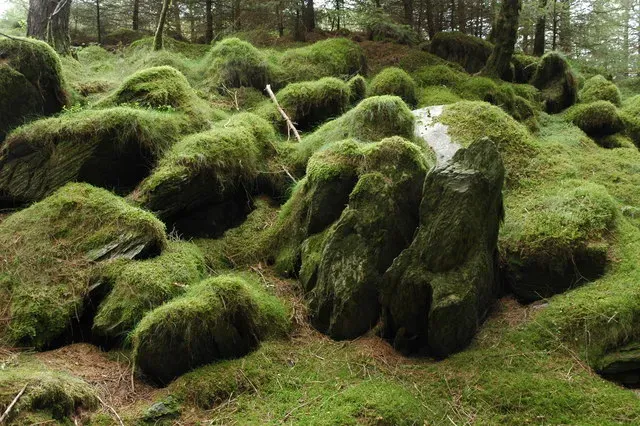
Mount Taranaki’s slopes harbor the Goblin Forest, where moss and lichen drape every surface in thick, fuzzy layers. The twisted kamahi trees grow hunched and gnarled, their branches creating tangled archways overhead. Walking through feels like entering a fairytale, where you half expect magical creatures to peer out from behind the moss covered trunks.
The forest’s otherworldly appearance results from the high altitude and constant moisture from clouds that blanket the mountain. Trees here grow slowly and in contorted shapes due to harsh winds and heavy rainfall. The moss and lichen coating everything adds to the sense of stepping back in time, creating an atmosphere that’s both beautiful and slightly unsettling.
Hoia Baciu Forest, Romania
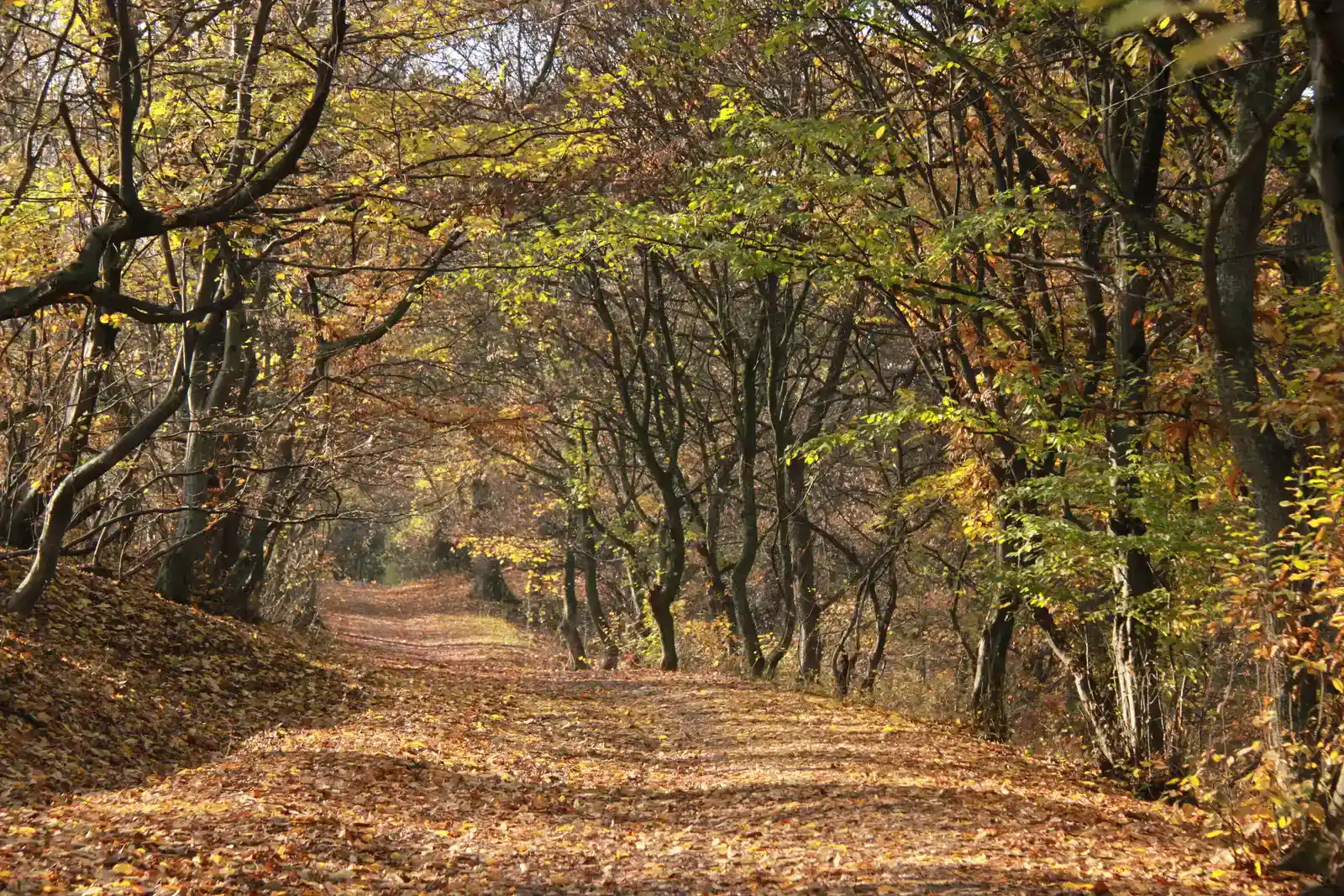
Romania’s Hoia Baciu has earned the reputation as ‘s most haunted forest. The forest is famous for a peculiar circular clearing where absolutely nothing grows, and trees surrounding this bare patch bend away from it at strange angles. Visitors report unexplained phenomena including device malfunctions, mysterious rashes, and feelings of intense anxiety.
The forest gained international attention after a military technician photographed what appeared to be a UFO above the clearing in 1968. Since then, countless paranormal investigators have documented strange light anomalies and electromagnetic readings. Whether these experiences stem from genuine supernatural activity, psychological suggestion, or natural electromagnetic fields remains hotly debated.
Monkey Puzzle Forest, Chile
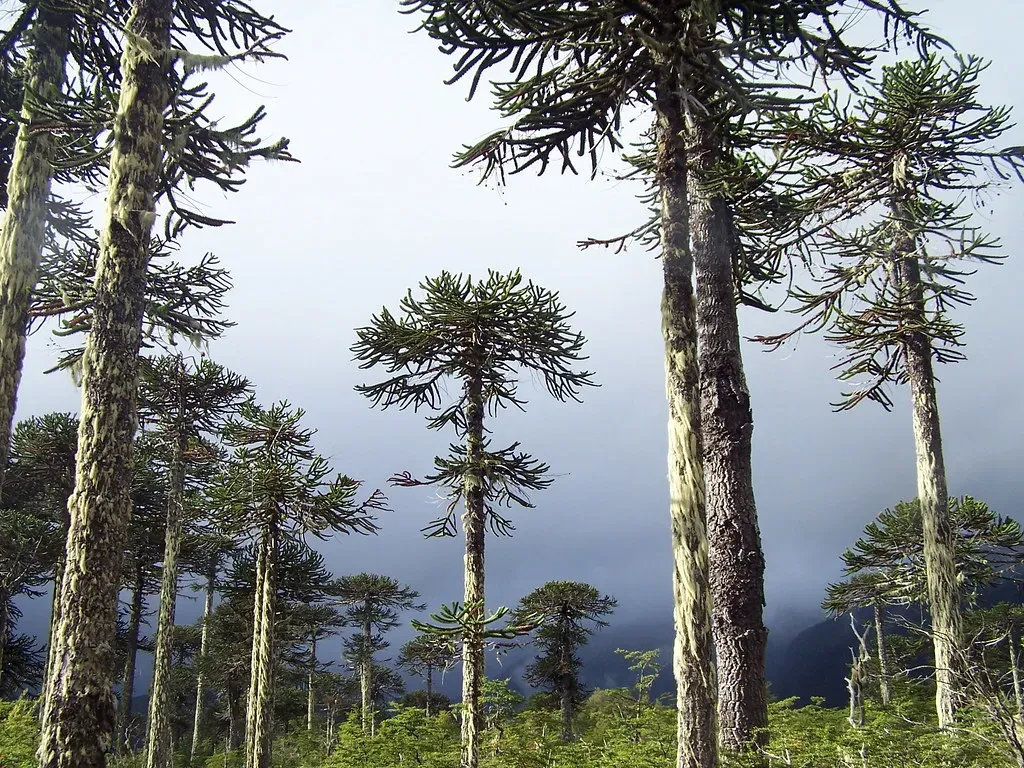
The Araucaria forests of Chile’s Andes feature trees that look prehistoric because, well, they essentially are. Monkey puzzle trees have remained virtually unchanged for 200 million years, surviving since the age of dinosaurs. Their branches form geometric patterns covered in sharp, scale like leaves that spiral around each stem.
These ancient trees grow incredibly slowly and can live for over 1,000 years. The forests where they thrive exist in a narrow climate zone in southern Chile and Argentina, making them rare and ecologically valuable. Standing among these living fossils provides an almost humbling connection to Earth’s distant past, when these trees dominated landscapes that looked nothing like today’s world.
Tsingy Forest, Madagascar
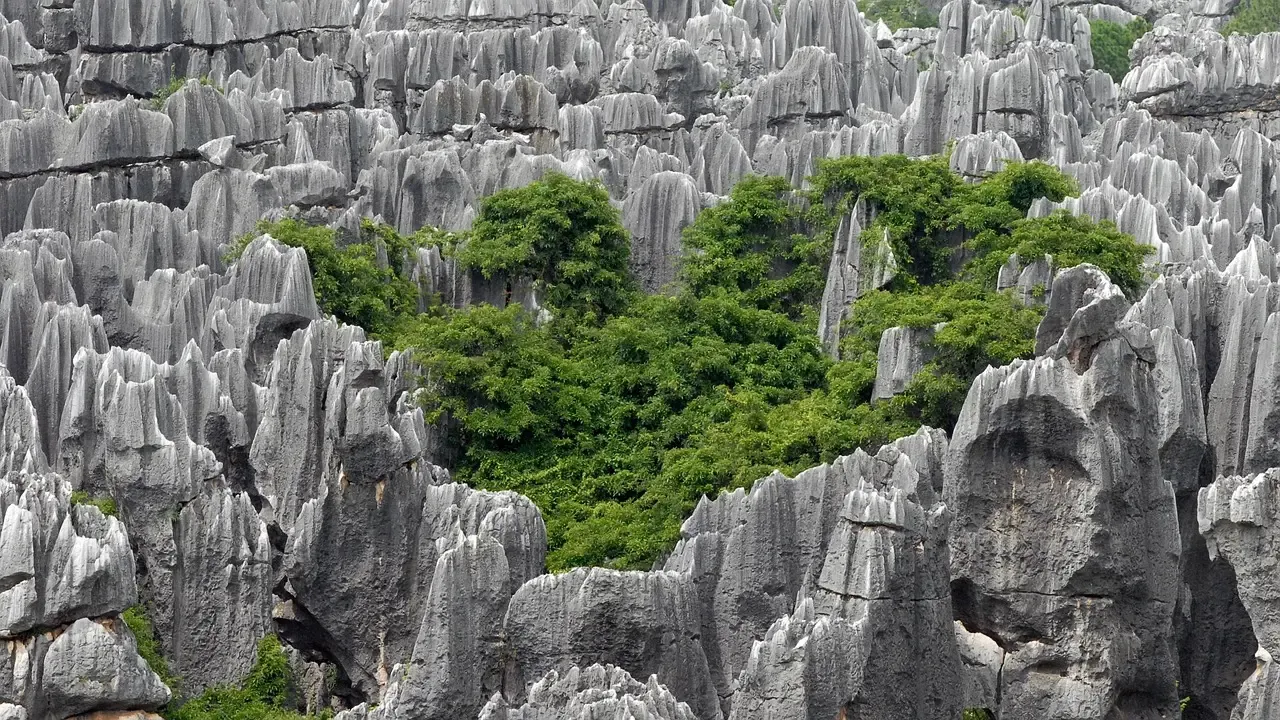
The Tsingy de Bemaraha presents a forest unlike any other, where massive limestone formations create a stone forest of razor sharp pinnacles. These limestone karsts have been eroded over millennia into needle like spires that make the terrain nearly impassable. The word tsingy translates roughly as “where one cannot walk barefoot,” which seems like an understatement.
Hidden within this limestone labyrinth, actual vegetation clings to life wherever soil has accumulated between the rocks. The combination of stone spires and green growth creates a landscape that challenges the very definition of forest. Endemic lemurs and birds have adapted to this harsh environment, navigating the sharp stones with remarkable agility. Exploring requires suspension bridges and careful attention to every step.
Conclusion
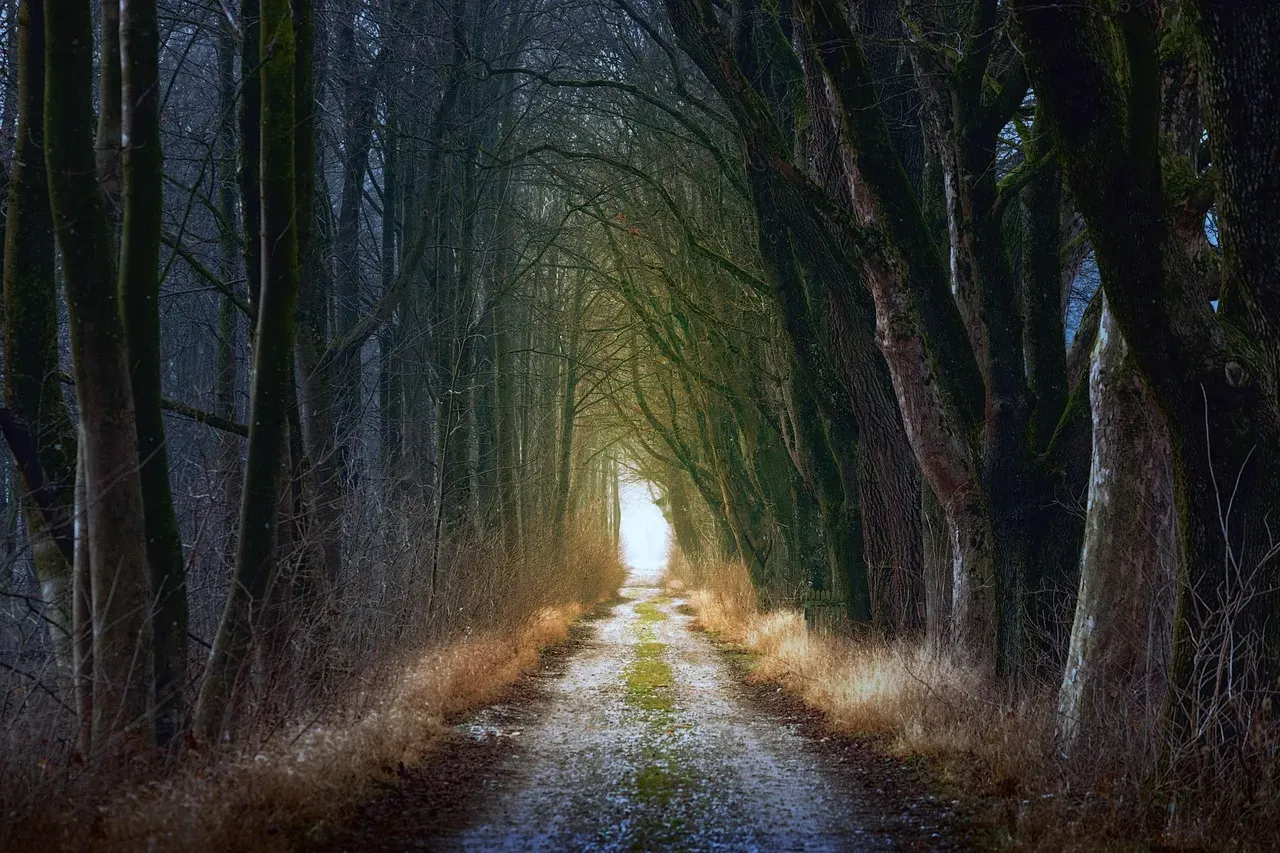
These ten forests remind us that nature still holds plenty of mysteries and surprises. From trees that refuse to grow straight to entire woodlands submerged beneath pristine lakes, our planet’s weirdest forests challenge our expectations of what wilderness should look like. They’re proof that Earth hasn’t revealed all its secrets yet.
Whether shaped by ancient geological events, human intervention, or forces we don’t fully understand, these peculiar places draw us in precisely because they feel slightly wrong. They exist at the intersection of beautiful and unsettling, familiar and alien. Have you encountered any forests that left you questioning reality? might have more strange woodlands waiting to be discovered.

- 7 Apex Predators That Are Actually Afraid of One Specific Animal Smaller Than Themselves and the Encounters That Confirmed It - July 18, 2026
- 10 Animals That Researchers Confirmed Can Recognize Themselves in a Mirror – and the One Near the Bottom of the List That Rewrote the Criteria Entirely. - July 18, 2026
- 6 Most Shark-Dense Coastlines Outside the United States That Tourism Boards Have Been Very Quiet About - July 18, 2026